Plot Summary
Blood and Betrayal
Ryth, bruised and bloodied, is driven to school by her stepbrother Nick, who is tormented by his inability to protect her. Their family is a patchwork of step-siblings and half-truths, bound together by the recent marriage of their parents and the mysterious disappearance of Ryth's biological father. The world they inhabit is one of mafia ties, old vendettas, and simmering passions. When Nick is ambushed and abducted outside Ryth's school, the family's fragile peace shatters. The attack is not random—it is a message, a warning, and a declaration of war. The siblings are forced to confront the reality that their enemies are not only outside their home, but within their own blood.
Abduction in the Shadows
Nick's abduction is brutal and calculated, orchestrated by men with ties to the enigmatic Hale Order. He fights back with everything he has, but is ultimately overpowered, stabbed, and left for dead. Ryth is also taken, her resistance met with cruelty. The siblings' world narrows to pain and fear, their bodies and spirits tested by the merciless hands of their captors. The family's patriarchs and matriarchs are revealed as complicit or powerless, and the siblings realize that the only people they can trust are each other. The trauma of the abduction leaves scars that will shape every choice they make.
The Order's Iron Gates
The Hale Order is a compound masquerading as a reform school, but in truth it is a prison for women, a marketplace for the powerful, and a crucible for breaking spirits. Ryth is stripped of her autonomy, forced into humiliating rituals, and marked—literally and figuratively—as property. The Order's leaders, including the cold Principal and the sadistic Killion, see her not as a person but as an asset to be sold, trained, and used. The brothers, wounded but relentless, plot her rescue, but the Order's walls are high and its guards are many. The siblings' love and loyalty are their only weapons.
Brothers in Ruin
Caleb, Tobias, and Nick are united by their love for Ryth but divided by guilt, rage, and the darkness within themselves. Each brother is forced to confront his own capacity for violence and depravity as they navigate the criminal underworld to find a way into the Order. Caleb, haunted by his past and his desires, is drawn into the Order's orbit through the depraved Hale Club, sacrificing his own soul for a chance to save Ryth. Tobias's rage becomes a weapon, while Nick's wounds—both physical and emotional—threaten to consume him. Their unity is tested as secrets and betrayals come to light.
Ryth's Descent
Inside the Order, Ryth endures psychological and physical torment. She is forced to witness and participate in acts of degradation, her body and will bent to the desires of her captors. The red negligee she is made to wear becomes a symbol of her commodification. Yet, even as she is marked and humiliated, Ryth's spirit refuses to break. She forms a fragile alliance with Vivienne, another captive desperate for escape. Together, they plot, hope, and cling to the memory of love as a lifeline. Ryth's longing for her brothers—especially Caleb—becomes both her torment and her strength.
The Price of Loyalty
Caleb's journey into the heart of darkness is both literal and metaphorical. To gain access to the Order, he must prove himself at the Hale Club, participating in acts that disgust and arouse him in equal measure. He is forced to watch, and nearly partake in, the exploitation of women, all to earn the trust of the Order's gatekeepers. The cost of loyalty is high: friendships are betrayed, innocence is lost, and the line between savior and sinner blurs. Caleb's actions haunt him, and his relationship with Ryth is forever changed by the things he has done—and failed to do.
Marked as Property
Ryth is tattooed with the Order's mark, a permanent reminder of her status as property. The act is both a violation and a declaration: she is no longer her own, but theirs. The brothers' rage at this branding is matched only by their determination to reclaim her. The mark becomes a battleground for identity—Ryth's refusal to be defined by her captors, and the brothers' insistence that she belongs to them, not the Order. The struggle for ownership is not just physical, but psychological and emotional, as Ryth and her brothers fight to define who she is and who she will become.
The Club's Dark Bargain
The Hale Club is a den of iniquity where men buy, sell, and break women for pleasure and profit. Caleb's initiation is a test of his willingness to abandon his morals for the sake of his sister. He witnesses and participates in acts that leave him scarred, but also give him the access he needs. The Club's leaders, especially Killion, are both gatekeepers and predators, their power rooted in secrecy and violence. The bargain Caleb strikes is Faustian: to save Ryth, he must become a monster himself, and the price may be his soul.
Vivienne's Desperation
Vivienne, another prisoner of the Order, becomes Ryth's unlikely ally. Her own story is one of abuse, survival, and a desperate longing for freedom. She is both a warning and a hope for Ryth—a reminder of what happens to those who are broken, and a partner in the quest for escape. Vivienne's relationship with her "owner," London St. James, is a twisted reflection of the dynamics at play throughout the Order. Her willingness to risk everything for a chance at freedom inspires Ryth, and their friendship becomes a lifeline in a world designed to isolate and destroy.
The Principal's Game
The Principal is the architect of the Order's cruelty, a man who delights in breaking spirits and enforcing obedience. His games are psychological as much as physical, pitting captives against each other and exploiting every weakness. He reveals to Ryth that her very identity is a lie, that her family ties are not what she believed. The revelation that she "belongs" to the Order by birthright, not just by circumstance, shatters her sense of self. The Principal's machinations are the engine of the plot, driving the siblings to ever more desperate acts of resistance.
Family Fractures
The siblings' unity is tested by the secrets they keep and the guilt they carry. Caleb's actions at the Club, Tobias's violence, and Nick's wounds all come to a head as they confront each other and themselves. Ryth's anger at Caleb's perceived betrayal is raw and consuming, threatening to destroy the love that binds them. The family's fractures are mirrored by the larger betrayals of their parents and the criminal world they inhabit. Yet, even as they hurt each other, the siblings are bound by a love that is fierce, possessive, and ultimately redemptive.
The Red Lace Contract
The red negligee becomes the symbol of Ryth's final commodification—she is to be sold, her fate sealed by a contract she never agreed to. The Order's rituals of sale and ownership are both theatrical and real, reducing women to objects and men to buyers. Yet, within this system, Ryth and her brothers fight to assert agency, to reclaim the power of choice. The contract is both a prison and a challenge, a line that must be crossed if freedom is to be won. The siblings' willingness to break the rules of the Order is their greatest weapon.
The Rescue Unravels
The brothers' rescue attempt is a maelstrom of violence and chaos. Gunfire, betrayal, and desperate gambits leave bodies and souls broken. Caleb is captured, Tobias is wounded, and Ryth is forced to choose between her own freedom and the lives of those she loves. The cost of survival is high, and not everyone will make it out unscathed. The rescue is both a triumph and a tragedy, a testament to the power of love and the inevitability of loss. The siblings are changed forever by what they endure—and by what they are willing to do for each other.
The Cost of Survival
In the wake of the rescue, the siblings are left to pick up the pieces of their shattered lives. The wounds they carry are not just physical, but emotional and psychological. Ryth's relationship with her brothers is forever altered by what they have done and what they have become. The world outside the Order is no safer than the one within, as enemies close in and old debts come due. Yet, in the midst of pain and uncertainty, there is hope—a chance for healing, for love, and for a future not defined by violence.
The Festering Heart
The siblings realize that to truly be free, they must confront the source of their suffering: Haelstrom Hale, the architect of the Order and the man who profits from their pain. The confrontation is both physical and symbolic, a battle for the soul of the family and the meaning of justice. The siblings' willingness to risk everything—to kill, to die, to love—becomes their greatest strength. The festering heart of the Order is exposed, and the possibility of redemption emerges from the ashes of violence.
Killion's Claim
Killion, the Order's enforcer and Caleb's nemesis, becomes the embodiment of everything the siblings must overcome. His obsession with Ryth is both personal and symbolic—a test of her will, her identity, and her capacity for resistance. The final confrontation with Killion is a crucible for Caleb, forcing him to choose between vengeance and love, between becoming a monster and saving the woman he loves. The outcome is uncertain, and the cost is high, but the siblings' unity is their salvation.
The Father's Leverage
The revelation that Ryth's biological father, Jack Castlemaine, is alive—and holds the key to the Order's destruction—changes everything. His leverage over the Order's leaders becomes the siblings' last hope. The balance of power shifts, and the possibility of freedom emerges. Yet, the cost of this leverage is high: secrets are revealed, alliances are tested, and the siblings must decide what they are willing to sacrifice for each other. The father's intervention is both a deus ex machina and a reckoning, forcing the family to confront the truth of who they are.
Ours, Not Theirs
In the aftermath of violence and betrayal, the siblings reclaim what was taken from them: their bodies, their agency, and their love for each other. The mark of the Order is not erased, but transformed—a symbol of survival rather than ownership. The family's unity, forged in blood and suffering, becomes their greatest strength. The final lesson is clear: they belong to each other, not to the world that sought to break them. The story ends not with perfect healing, but with the promise of a future built on love, loyalty, and the refusal to be owned.
Characters
Ryth
Ryth is the emotional and narrative center of the story—a young woman whose life is defined by trauma, resilience, and the struggle for agency. Her relationships with her stepbrothers are complex, blending love, desire, and dependency with anger and betrayal. Psychologically, Ryth is marked by a deep need for belonging and a fierce refusal to be broken, even as she is subjected to the Order's dehumanizing rituals. Her journey is one of reclamation: of her body, her identity, and her right to choose. Ryth's development is shaped by her ability to endure, to resist, and ultimately to love—not as property, but as a person.
Caleb
Caleb is the brother most deeply scarred by the events of the story. His willingness to sacrifice his own soul for Ryth's safety leads him into the darkest corners of the Order's world. He is both a savior and a sinner, forced to confront the parts of himself that are capable of violence and depravity. Caleb's relationship with Ryth is fraught with guilt, longing, and the fear that he is unworthy of her love. His psychological arc is one of self-forgiveness and the struggle to reconcile his actions with his intentions. Caleb's development is a testament to the power of love to redeem even the most broken souls.
Nick
Nick is the steady center of the siblings, his love for Ryth and his brothers unwavering even in the face of violence and betrayal. Physically and emotionally wounded, Nick's journey is one of endurance and quiet strength. He is the brother who holds the family together, even as he is haunted by his inability to protect those he loves. Nick's psychological resilience is matched by his capacity for tenderness, and his relationship with Ryth is marked by a deep, possessive love that is both healing and dangerous. Nick's development is a study in the costs and rewards of loyalty.
Tobias
Tobias is the embodiment of the family's anger and pain, his violence both a weapon and a shield. He is quick to act, slow to forgive, and driven by a need to protect Ryth at any cost. Tobias's psychological landscape is shaped by loss—of his mother, of innocence, of trust—and his journey is one of learning to channel his rage into something constructive. His relationship with Ryth is both possessive and redemptive, a source of both conflict and healing. Tobias's development is a testament to the power of love to transform even the most destructive impulses.
Vivienne
Vivienne is Ryth's companion in captivity, a woman whose own experiences of abuse and survival offer both warning and inspiration. Her relationship with her "owner," London St. James, is a twisted reflection of the dynamics at play throughout the Order. Vivienne's psychological arc is one of longing—for freedom, for love, for a life beyond the Order. Her alliance with Ryth is a lifeline for both women, and her willingness to risk everything for a chance at escape is a testament to the indomitable human spirit.
The Principal (Riven)
The Principal is the Order's cold, calculating leader, a man who delights in breaking spirits and enforcing obedience. His psychological makeup is defined by a need for control and a belief in the inherent superiority of his own will. The Principal's relationship with Ryth is both personal and symbolic—she is the one he cannot fully break, the challenge to his authority. His development is a study in the limits of power and the inevitability of resistance.
Killion
Killion is the Order's enforcer and Caleb's nemesis, a man whose obsession with Ryth is both personal and symbolic. He is the embodiment of the Order's violence, his psychological landscape defined by a need to dominate and destroy. Killion's relationship with Caleb is a battle for Ryth's soul, and his ultimate defeat is a testament to the power of love and unity to overcome even the darkest forces.
London St. James
London St. James is Vivienne's "owner," a man whose power is rooted in secrets and violence. His relationship with Vivienne is a twisted dance of dominance and dependency, and his role in the Order is both gatekeeper and victim. London's psychological arc is one of control—over others, over himself, over the narrative of his own life. His development is a warning of what happens when power is unchecked and humanity is denied.
Jack Castlemaine
Jack Castlemaine is Ryth's biological father, a man whose disappearance and reappearance shape the story's final act. His leverage over the Order's leaders becomes the siblings' last hope, and his intervention is both a deus ex machina and a reckoning. Jack's psychological makeup is defined by regret, love, and a willingness to do whatever it takes to protect his daughter. His development is a study in the power of secrets and the possibility of redemption.
Elle (Ryth's mother)
Elle is both a victim and a perpetrator, her actions shaped by desperation, fear, and a willingness to sacrifice others for her own survival. Her betrayal of Ryth is the story's emotional fulcrum, a wound that shapes every relationship and every choice. Elle's psychological arc is one of self-preservation and regret, and her development is a warning of the costs of survival at any price.
Plot Devices
Duality of Ownership and Agency
The central plot device is the tension between ownership and agency—Ryth's journey from being treated as property to reclaiming her identity and autonomy. The Order's rituals, contracts, and branding are all designed to strip women of agency, but the siblings' love and resistance challenge this system at every turn. The narrative structure alternates between captivity and rescue, degradation and reclamation, highlighting the psychological and emotional stakes of the struggle for agency.
Interwoven Perspectives
The story is told through the alternating perspectives of Ryth and her brothers, each chapter revealing new facets of the plot and the characters' inner lives. This structure allows for a deep exploration of trauma, desire, and loyalty, and creates a sense of immediacy and intimacy. The shifting viewpoints also serve to build suspense, as the reader is often aware of dangers and secrets that the characters themselves do not know.
Foreshadowing and Symbolism
The use of foreshadowing and symbolism is central to the story's emotional impact. The red negligee, the tattooed mark of the Order, and the contracts that bind women to their "owners" all serve as harbingers of suffering and resistance. These symbols are not just plot devices, but psychological battlegrounds—sites where the struggle for identity and agency is fought and won.
The Club as Microcosm
The Hale Club serves as a microcosm of the Order's world—a place where power, violence, and desire are laid bare. Caleb's initiation into the Club is both a plot device and a psychological crucible, forcing him to confront the darkness within himself and the world he inhabits. The Club's rituals and hierarchies mirror those of the Order, reinforcing the story's themes of ownership, agency, and resistance.
Deus Ex Machina and Leverage
The late revelation that Jack Castlemaine is alive and holds leverage over the Order's leaders serves as a deus ex machina, shifting the balance of power and offering the possibility of freedom. This plot device is both a narrative turning point and a commentary on the nature of power—who holds it, how it is wielded, and what it costs.
Analysis
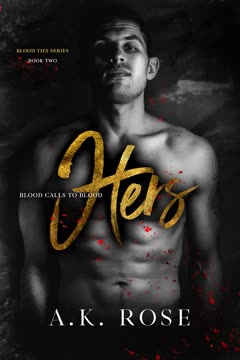
Hers by A.K. Rose is a harrowing, unflinching exploration of trauma, agency, and the redemptive power of love in a world defined by violence and commodification. The novel's dark, immersive narrative pulls the reader into the psychological and physical crucible of the Order, where women are stripped of autonomy and men are forced to confront the monsters within themselves. At its core, the story is about the struggle to reclaim identity and agency in the face of overwhelming odds. The siblings' love—fierce, possessive, and sometimes destructive—is both their greatest weapon and their greatest vulnerability. The novel interrogates the nature of ownership, the costs of survival, and the possibility of redemption. In a world where every relationship is a negotiation of power, Hers insists that true freedom is found not in the absence of suffering, but in the refusal to be defined by it. The story's lessons are both timeless and timely: that love can be both a wound and a balm, that survival is an act of resistance, and that the bonds we choose are stronger than the ones imposed upon us.
Last updated: