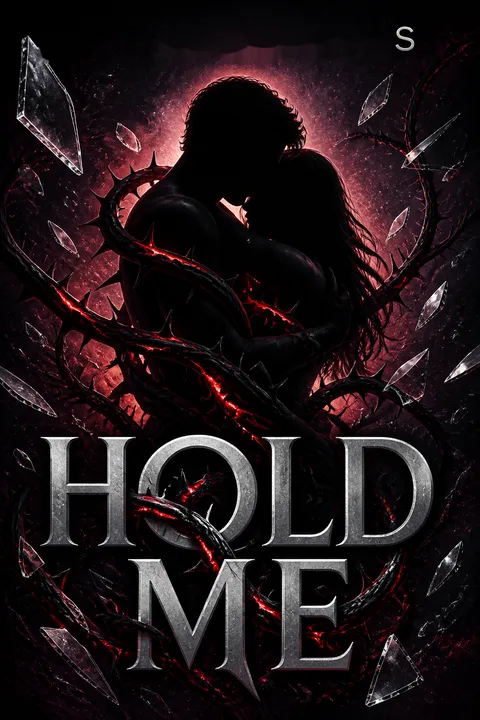


Plot Summary
One Eye Comes Home
In a Swiss clinic, Julian Esguerra wakes beside Nora, the young woman he abducted and married, while she struggles through nightmares about the torture he endured in Tajikistan. Nora had risked her life to save him, and Julian is grateful as well as furious that Peter Sokolov put her in danger.
When terrorists removed her birth control implant, Nora asks for emergency contraception and a replacement. Julian lets her choose, but her fear that he might force her to have a child exposes a new distance between them. He insists he wants no children, yet her decision wounds him. Still injured, Julian prepares to leave the clinic with Nora for their guarded estate in Colombia.
The opening reverses the relationship's original imbalance without dissolving it: Nora has saved Julian, but he still answers vulnerability with commands and threats. Her rescue is proof of devotion, not proof of freedom. The contraception exchange quietly exposes a deeper fault line. Julian claims he does not want a child, yet experiences Nora's choice as rejection, because he understands attachment mainly through possession. Their recovery begins inside this contradiction. Safety has returned, but the habits built under captivity remain active in both bodies.
Nightmares Enter the Bedroom
On the flight home, Nora suffers a panic attack when memories of Tajikistan overwhelm her. Julian abandons his work and helps her regain control, then turns their renewed closeness into rough sex. At the estate, housekeeper Ana and maid Rosa welcome them back, but the reunion cannot quiet Nora's terror. That night, another attack leaves her shaking and unable to orient herself.
Julian first tries to calm her, then uses a hard kiss and a flogger to pull her attention into physical sensation. Nora responds, and afterward asks him to hold her. Julian accepts that her trauma is real, but the method that eases it binds comfort to pain and to the man who caused much of her suffering.
Trauma here is not a memory that Nora can simply set aside. It returns as bodily panic, and the household's comfort cannot erase it. Julian's response appears effective because sensation interrupts the attack, but it also makes him both the source of danger and the instrument of relief. The scene therefore complicates consent and care without resolving the imbalance between them. Nora's request for an embrace matters: tenderness follows violence, but she still seeks safety through the person whose control has shaped her idea of safety.
Nora Chooses the List
Six weeks later, Julian has recovered enough to return to work, while Nora uses painting and online classes to manage her persistent anxiety. Her instructor, Monsieur Bernard, reports that a Paris gallery owner is interested in her art, and Julian promises to consider a trip.
Nora also asks to visit her parents in Chicago. The request makes Julian wary because his enemies could use her family against him. A more immediate conflict arrives in Peter's messages: he wants the names Julian obtained from CIA contact Frank, a list connected to the deaths of Peter's wife and son.
Nora promised to give it to him. Julian refuses, blaming Peter for exposing her to danger in Tajikistan. Nora recognizes that asking again will not change his mind and decides to act without permission.
Nora's art and her promise to Peter are different forms of agency. Painting gives her a life not wholly defined by Julian, while sending the list would let her honor a debt according to her own moral judgment. Julian's security logic is sincere, but it treats Nora's choices as risks for him to manage. Their disagreement is therefore not only about a document. It asks whether love can make room for another person's obligations, even when those obligations may bring violence into their shared world.
A Secret Becomes a Pregnancy
After Julian falls asleep, Nora uses a video of his typing to guess his laptop password. She copies Frank's attached list, sends it to Peter, and is caught as she finishes. Julian's anger gives way to alarm when Nora vomits. A blood test reveals that she is about six weeks pregnant, despite the emergency pill and replacement implant she received after the original implant was removed.
Nora suspects Julian arranged the pregnancy, but he denies it. He is stunned, then reacts to her distress with forceful sex before recognizing that he has frightened and hurt her. The next morning he agrees to keep the baby, remove the implant, and arrange proper care. Nora remains unsure she can raise a child in Julian's violent world.
The pregnancy converts a private disagreement into an irreversible shared future, while its accidental timing denies both characters the illusion of control. Nora has already acted on her conscience by sending the list; now her body presents a consequence neither anticipated. Julian's initial response repeats his old pattern of using force to contain fear, and his remorse does not erase the harm. His decision to protect the pregnancy is real, but protection alone cannot answer Nora's question about what kind of parents they can become.
The Estate Changes Nora
As the pregnancy progresses, Nora's nausea and anxiety ease, but Julian restricts her exercise and keeps their sex unusually careful after his earlier loss of control. Nora resents being treated as fragile and worries that neither she nor Julian can offer a child a safe life.
During a walk, Rosa reveals that she killed attackers as a child to protect her family and refuses to let that act define her. Her counsel gives Nora a different way to understand her own killing in Tajikistan.
Meanwhile, Rosa persuades Nora to look through a window at Yulia Tzakova, a Russian interpreter held by Julian's lieutenant, Lucas Kent. Julian explains that Yulia's betrayal helped cause a plane crash that killed his men. Nora discovers she wants revenge, not mercy.
The estate does not merely surround Nora with crime; it gradually changes what she considers morally imaginable. Rosa's account of killing complicates Nora's belief that violence permanently defines a person, while her own hatred of Yulia shows how quickly sympathy can yield to loyalty and revenge. Julian's caution around the pregnancy offers care, but also repeats the confinement Nora is trying to outgrow. These scenes leave her neither innocent nor fully reconciled to the life she inhabits. Her moral shift is active, unsettling, and still under scrutiny.
Chicago, With Armed Guards
Julian eventually agrees to take Nora to Chicago, bringing Rosa along and surrounding the trip with heavy security. At Nora's parents' home, Gabriela welcomes her with emotion while Tony greets Julian with open hostility.
Their first dinner is tense until Julian reveals that a prominent Paris collector has offered fifty thousand euros for five of Nora's paintings. The news gives Nora's parents evidence that her studies and artistic ambitions can survive her marriage and pregnancy.
Nora later sees her friends Leah and Jennie, though Julian arrives before their lunch ends and his presence unsettles Leah. On Nora's birthday, a toddler at a park draws Julian into an easy, attentive exchange, and Nora imagines him as a father. She asks to celebrate at the nightclub where they first met.
Chicago gives Nora a brief encounter with the life that preceded her abduction, but Julian does not remain outside that life; he enters her parents' home and manages the visit on his own terms. The art sale changes the family conversation because it recognizes Nora's independent ability, not simply Julian's wealth. The toddler offers a more intimate test: Julian's gentleness appears without being demanded, allowing Nora to imagine a future she had feared. That hope makes the birthday outing feel like a small act of freedom, though it remains wrapped in security and supervision.
Rosa Disappears at the Club
At the Chicago club, Nora dances with Julian while Rosa flirts with two young men. When Rosa vanishes near the restrooms, Nora finds one of the men guarding a back room. She strikes him, enters, and discovers another man assaulting Rosa. The second attacker knocks Nora down and begins tearing at her clothes. Julian reaches them, kills Nora's attacker, and runs after the man dragging Rosa toward a car.
He rescues Rosa, but the assailant escapes. On the drive to the hospital, Nora develops severe cramps and bleeding. Doctors confirm that she has miscarried. Nora assumes her insistence on going out caused the loss, though the doctor explains that early miscarriages often cannot be prevented. She asks Julian to take her home.
The birthday outing begins as an attempt to recover ordinary pleasure, then exposes how little control the women have once danger arrives. Nora's training lets her resist, but not stop the assault; Julian's violence can save her and still cannot prevent the loss that follows. Her immediate self-blame turns the miscarriage into a moral verdict on her own desire for freedom. The doctor's explanation offers medical uncertainty, not emotional absolution. Rosa's survival and the baby's loss become entangled in Nora's mind, making the rescue both a relief and a source of grief.
The Sullivans Come Hunting
Back at the house, Julian identifies the attackers as members of Chicago's Sullivan crime family. The man he killed was Brian Sullivan; the man who escaped with Rosa was Brian's brother, Sean. Their teenage cousin, Jimmy, was captured after Nora struck him at the club. Julian interrogates Jimmy, who admits he knew the assault was underway and had guarded the door, then kills him after extracting information about Sean's haunts.
When a sketch of Julian, Nora, and Rosa reaches local FBI offices, Julian decides Nora, Rosa, and Nora's parents must leave before the Sullivans find them. He and Lucas will stay behind to deal with the threat. Nora agrees to call her parents, but privately resolves not to be separated from Julian again.
The assault was not an isolated crime by strangers; it was protected by a family accustomed to using wealth and political influence as shields. Julian's response is strategically coherent and morally brutal: he kills Jimmy, prepares an escape, and chooses to remain exposed so the others can flee. Nora has good reason to fear another separation, but her dependence also narrows the choices she can imagine. This turning point shifts the story from private trauma to open conflict, where the couple's intimate loyalties become inseparable from the machinery of Julian's criminal world.
The Highway Becomes a Battlefield
As Julian's convoy carries Nora, Rosa, and Nora's parents toward a private airport, Sullivan's forces attack with SUVs, armed men, and a police blockade. Julian hands out bulletproof vests, then fires a grenade launcher from the armored limousine as Lucas drives through the barricade. Explosions destroy vehicles on both sides, but a police helicopter joins the pursuit and strikes the guards' convoy.
At the hangar, Julian orders Nora and her parents to run for the plane while he and Lucas cover them. A blast throws Julian aside. Nora, separated from her family and facing four armed men, grabs a rifle and fires. Julian regains consciousness, kills two attackers, and joins her as she shoots another. Together they bring down the last gunman.
The chase turns Julian's private security apparatus into a visible war, and the supposed boundary between organized crime and public authority collapses when police units join the attack. Nora's role changes sharply: she is no longer only the person being protected, but a combatant whose training affects the outcome. Julian's order that she flee gives way to an emergency in which survival depends on her judgment. Their joint defense does not make violence a clean solution; it leaves them alive, wounded, and responsible for the deaths around them.
The Sullivans Fall
After the last attackers fall, Lucas identifies the two wounded men found near the police helicopter: Patrick Sullivan and Sean, the man who assaulted Rosa. Julian brings Rosa to face them. She takes Lucas's rifle and shoots Sean herself; Julian then kills Patrick. The group reaches the plane and returns to the Colombian estate with Nora's parents, while doctors treat cuts, burns, bruises, and concussions.
The dead child remains the loss no victory can repair. At home, Nora weeps against Julian, and for the first time their grief is mutual rather than divided into captor and captive. Julian has spent the journey promising that things will return to normal, but alone beside Nora, he finally lets himself mourn their baby.
The revenge plot ends through reciprocal violence: Rosa acts against the man who assaulted her, while Julian eliminates the family leader who could continue the threat. For Rosa, pulling the trigger is an assertion of agency after an attempt to strip it away. For Julian, destroying the Sullivans cannot restore what he has lost. The decisive emotional change comes later, when he stops treating grief as something to master and shares it with Nora. Their bond remains unequal and dangerous, but sorrow briefly becomes a common experience rather than another instrument of control.
Grief Moves Into the House
Nora's parents arrive at the estate after Julian brings them out of Chicago, and Nora collapses in her mother's arms when the miscarriage becomes impossible to contain. Julian supports her while Tony and Gabriela mourn with their daughter. Over the next two weeks, Julian dismantles the Sullivan organization and secures permission for the Lestons to return home.
Nora resumes training and daily routines, but grief continues to surface without warning. She also recognizes the emergency doctor who treated her as the wife of George Cobakis, a man on the list she sent to Peter. Rosa warns that Peter would have pursued the names regardless. Nora keeps the discovery from Julian, unsure whether she can intervene in the revenge she helped enable.
The estate offers material safety, yet Nora's parents experience it as a beautiful prison, while Nora has begun to experience it as home. Their arrival makes the distance between those interpretations visible. The Cobakis connection then personalizes the list: a name that once looked abstract now belongs to a doctor Nora met during her own crisis. Her silence is not indifference but moral paralysis. She wants to prevent further harm, yet doing so would mean challenging the same promise she chose to honor against Julian's wishes.
Love Without Release
On the Lestons' last evening at the estate, Julian overhears Nora defend him and acknowledge that she belongs with him. He misreads her qualification that she would leave only if he wanted her gone, then confronts her in their bedroom. Nora believes his anger is punishment for the miscarriage and asks whether he blames her. Julian denies it, explaining that he feared she wanted to escape him.
When Nora asks whether he loves her, he finally admits that his obsession has become love and that losing her would destroy him. She tells him she wants to stay. The next morning, they watch her parents' plane depart. Nora still carries grief and knows Peter's list may bring more violence, but she can imagine a future again.
The confession does not transform Julian into a different man or make his possessiveness harmless. Instead, it exposes the fear beneath it: he has mistaken emotional dependence for something he can secure through ownership. Nora's question forces him to name a feeling that his actions have long obscured. Her choice to remain is meaningful because she speaks it clearly, though it remains shaped by captivity, love, and danger. The unresolved name on Peter's list prevents the ending from pretending that emotional clarity can settle every ethical consequence.
Epilogue
Three years later, Julian watches Nora graduate from Stanford while her parents photograph the ceremony. Nora has established herself as an artist, including a successful show in Paris, and she is pregnant again.
Julian and Nora remain heavily guarded and wary of threats, but he now shares public milestones with her family rather than keeping their lives sealed inside the estate. The degree marks a future Nora pursued for herself, while the waiting child gives both spouses a chance to approach parenthood with hope and fear still intertwined.
The epilogue measures change through concrete achievements rather than a claim that the couple has become ordinary. Nora graduates, develops an artistic career, and stands beside parents who remain part of her life. Julian's security habits persist, as does the danger surrounding his work, so the ending does not erase the conditions that shaped their marriage. A second pregnancy revisits the future they once lost, but this time the couple faces it with experience and shared anticipation. Their progress is real, though it does not resolve the moral cost of Julian's power or Nora's constrained freedom.
Analysis
Hold Me builds its romance around an unstable distinction between devotion and possession. Julian loves through surveillance, provision, physical control, and the elimination of threats. Those actions can protect Nora, as they do when violence reaches her friends and family, but they also reproduce the original condition of her captivity. The novel does not make that contradiction disappear when Nora says she wants him. Her agency grows through specific decisions: she sends Peter's list, insists on visiting her parents, trains to defend herself, and acts when Rosa is in danger. Yet her emotional dependence remains powerful, making freedom less a clean escape than a question she must repeatedly renegotiate.
Trauma is rendered as a bodily event. Nora's panic attacks, Julian's pain management, and the couple's sexual routines show how survival can make the familiar both soothing and dangerous. Their behavior is not presented as uncomplicated healing; relief can coexist with coercion, and tenderness can arrive after injury without undoing it. Rosa's account of childhood violence gives Nora a competing moral framework, one in which an act of killing need not define an entire person. Nora's changing response to revenge suggests that identity is not fixed, but it also raises the cost of adapting to a violent environment.
The pregnancy briefly makes the future tangible to two people who have organized their lives around immediate threats. Its loss cannot be repaired by Julian's money, power, or retaliation. Instead, shared grief creates an intimacy that neither dominance nor sexual intensity could provide: Julian finally admits that he has been protecting himself from the pain of loving Nora. The ending grants them emotional recognition without granting them innocence. Their life together remains guarded, violent, and morally compromised. Nora's education, art, and connection to her parents indicate that her world has widened, even as Julian's possessiveness persists. The book's final hope is therefore not that danger vanishes, but that love can become more honest without becoming harmless.
Review Summary
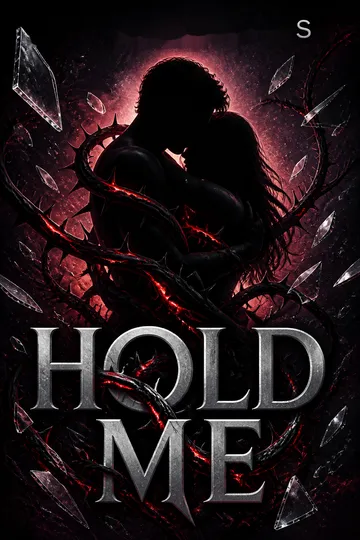
Hold Me concludes Julian and Nora's dark romance trilogy with intense action and emotional depth. Readers praised the character development, steamy scenes, and gripping plot, though some felt it was slower-paced than previous books. The story explores Nora's struggle with morality and Julian's possessiveness as they face new threats. While some readers found certain elements repetitive or over-the-top, many considered it a satisfying conclusion to the series. The book's themes of obsession, Stockholm syndrome, and unconventional love resonated with fans of dark romance.
People Also Read

Characters
Nora
Captive turned partnerNora is a young artist and student whose life has been reshaped by Julian's abduction and the dangerous world surrounding him. She is observant, stubborn, and more capable of action than her quiet manner suggests. Her loyalty to friends and family repeatedly pulls her into conflicts Julian would rather control, while painting and education help preserve a sense of self beyond their relationship. Nora does not simply accept the violence around her; she struggles with its effects even as her reactions change. Her central tension is between the need for autonomy and a powerful attachment to the man who first denied it.
Julian Esguerra
Arms dealer husbandJulian is a wealthy arms dealer who treats security, work, and intimate relationships as problems to be controlled. Raised by a violent father and shaped by earlier losses, he distrusts vulnerability and has built his identity around strength and command. His devotion to Nora is intense, but it often appears as surveillance, possessiveness, or force rather than mutual care. He can be attentive and unexpectedly gentle, particularly when Nora is frightened, yet his capacity for violence remains central to his character. The possibility of family unsettles him because it asks whether he can offer something beyond the harsh inheritance he received.
Rosa Martinez
Nora's steadfast friendRosa works at Julian's estate and becomes Nora's closest friend there. Warm, sociable, and practical, she grew up in a setting where violence was part of survival, giving her a perspective Nora finds both unsettling and useful. Rosa supports Nora without pretending that their lives are normal, and she values being treated as capable rather than fragile. Her interest in Lucas reveals a private romantic longing beneath her confidence. Her friendship gives Nora a source of female solidarity inside a household where Julian's authority otherwise dominates.
Lucas Kent
Julian's ruthless lieutenantLucas is Julian's trusted security chief, a disciplined operative who handles protection, interrogation, and logistics. His loyalty is practical and deep: he anticipates Julian's needs and acts quickly when danger arrives. Beneath his controlled manner, Lucas has a personal appetite for revenge and an unexpected capacity for tenderness toward people he protects. Rosa's interest in him exposes a less visible side of his life, though his work keeps intimacy entangled with power and violence.
Peter Sokolov
Revenge-bound former aidePeter is Julian's former security consultant, a capable Russian operative whose personal grief has narrowed his focus to revenge. He saved Julian and Nora, but he also put Nora in danger by involving her in the rescue. Peter's request for a list of names forces Nora to decide whether loyalty means honoring a promise even when Julian forbids it. His presence tests the couple's competing ideas of obligation, protection, and justice.
Gabriela Leston
Nora's protective motherGabriela is loving, perceptive, and more diplomatic than her husband. She wants Nora safe and close, even when that means accepting a son-in-law she distrusts. Her concern is expressed through practical care and patient questions rather than confrontation. She can see the depth of Nora and Julian's attachment while still wishing Nora had chosen a kinder, less dangerous life.
Tony Leston
Nora's wary fatherTony is Nora's protective father, a suburban professional who sees Julian as the criminal who took his daughter. He distrusts Julian's explanations and resents the power imbalance in the marriage. His anger comes from concern rather than simple moral certainty: he wants Nora to have choices and a life beyond danger. Even when he cannot accept her decisions, his affection for her remains unmistakable.
Ana
Estate's nurturing housekeeperAna has long cared for Julian and the people in his household, offering food, practical help, and a warmth that contrasts with the estate's armed routines. She is particularly protective of Nora and takes pleasure in signs of family closeness. Her kindness does not make her unaware of the violence around her; instead, she preserves small domestic rituals within it.
Dr. David Goldberg
Julian's trauma physicianGoldberg is Julian's personal physician, a skilled trauma surgeon who oversees treatment after the Tajikistan ordeal and later attends to the household. He is direct about medical risks and tries to offer Nora sound care without becoming a moral judge of her marriage. His professional competence makes him one of the few people in Julian's world whose authority rests on expertise rather than force.
Dr. Wessex
Nora's estate therapistDr. Wessex is a polished, nonjudgmental therapist who sees Nora regularly at the estate. She helps Nora understand how anxiety and pregnancy can interact, though Nora finds therapy uncomfortable because it exposes the contradictions in her relationship. Her role is to provide a clinical vocabulary for distress that the household often tries to manage through control.
Yulia Tzakova
Captured Russian interpreterYulia is a Russian interpreter whose betrayal makes her a prisoner in Lucas's quarters. She is connected to an earlier attack on Julian's organization, and her presence gives Nora and Rosa a close view of how punishment works inside the compound. Yulia also becomes an object of Rosa's curiosity and attraction to Lucas, though she remains a person caught in a system where powerful men decide her fate.
Frank
Julian's CIA channelFrank is Julian's contact within the CIA and the source of the confidential list Nora ultimately sends to Peter. He operates in the overlap between official intelligence and Julian's criminal influence, treating political consequences as part of the same negotiation. His limited appearances nevertheless supply a document that drives Nora's conflict with Julian.
Majid
Torturer from TajikistanMajid is the Al-Quadar captor who tortures Julian and threatens Nora during the Tajikistan crisis. His brutality leaves both survivors with nightmares and panic responses. Though he is absent from most of the present action, Nora's memories of him shape the fear that follows her home.
Beth
Nora's lost friendBeth was Nora's friend, and her violent death remains part of Nora's recurring nightmares. Nora's memories of Beth deepen the grief and fear she carries into the story. Beth's absence is a measure of how much danger has already entered Nora's life.
Maria
Julian's childhood attachmentMaria was Julian's childhood friend and an early object of his affection. His memories of her connect present intimacy to an earlier, more innocent idea of love, while her loss contributes to his lifelong effort to suppress grief. She remains part of the emotional history he rarely discusses.
Dr. Cobakis
Chicago emergency doctorDr. Cobakis treats Nora after the nightclub attack and explains the medical uncertainty surrounding her pregnancy loss. She is composed and compassionate, offering care without knowing how closely her family is connected to the danger surrounding Nora's marriage.
Sean Sullivan
Crime family's violent heirSean is one of Patrick Sullivan's sons and part of the privileged criminal family whose influence reaches into Chicago's institutions. He uses that protection to act with impunity. His role brings the danger of Julian's world into Nora's visit to her hometown.
Patrick Sullivan
Chicago crime patriarchPatrick Sullivan heads a powerful Chicago crime family with influence over local politicians and police. He represents the kind of organized power Julian must confront when a private act of violence becomes a citywide threat. His reach makes the Lestons' ordinary life suddenly vulnerable.
Plot Devices
Peter's list
Names that demand revengeThe list comes from Julian's CIA contact and identifies people connected to the deaths of Peter Sokolov's wife and son. Julian refuses to hand it over, partly because Peter's pursuit of revenge already endangered Nora. Nora believes she owes Peter the information because he helped save them, so she secretly accesses Julian's laptop and sends it. The document converts a disagreement about loyalty into a material act with possible consequences for strangers. Near the end, Nora recognizes a doctor as the wife of one of the listed men, making the list personal and leaving its consequences unresolved.
The unexpected pregnancy
A future neither plannedAfter terrorists remove Nora's birth control implant, she takes emergency contraception and receives a replacement implant. A blood test nevertheless reveals that she is already pregnant. The discovery forces Julian and Nora to confront parenthood before either feels ready, and it exposes their different fears: Nora doubts that a child can be safe in Julian's world, while Julian is surprised by how fiercely he wants to protect the baby. Pregnancy temporarily changes their physical routines and intensifies Nora's anxiety. Its later loss becomes the emotional center of their shared grief.
Invisible surveillance net
Protection that becomes confinementJulian uses trackers embedded in Nora's body, monitored email, armed guards, secure transport, and extensive intelligence networks to keep her within reach and shield her from enemies. These protections repeatedly prove useful, especially during the Chicago visit and the escape from the Sullivan attack. They also make privacy and independent movement nearly impossible. The same system that helps Julian locate Nora in danger reinforces his belief that he is entitled to decide where she goes. Its double function keeps the story's central conflict concrete: safety can be real and still serve control.
Pain as emotional regulation
Sensation interrupts panicAfter the Tajikistan ordeal, Nora experiences nightmares and panic attacks that resist ordinary reassurance. Julian discovers that intense physical sensation can bring her attention back to the present, and sexual pain becomes part of how they manage distress. The device is psychologically fraught because Julian is both the person who helps soothe her and the captor who shaped her dependence. It gives Nora a way to name and pursue a form of relief, but it does not establish that the underlying trauma has healed. The story keeps comfort, desire, coercion, and harm in close proximity.
Twist Me Series

About the Author




Download PDF
Download EPUB
.epub digital book format is ideal for reading ebooks on phones, tablets, and e-readers.








