

Key Takeaways
A prestigious job can conceal a life already coming apart
The polished surface. In 2009, Cat Marnell was a twenty-six-year-old beauty editor at Lucky, attending luxury brand events and writing about self-care. Behind the professional image, she was misusing prescription stimulants and sedatives, drinking alone, bingeing and purging, and barely sleeping. At a sponsored Cirque du Soleil event, she drank too much, hiccupped through the show, fell, and was escorted out. She went home and took more pills rather than tell her boss what had happened.
The double life. Marnell presents the scene as a miniature of her memoir: a coveted career on one side, a life increasingly organized around drugs on the other. Her title describes not a single dramatic act, but repeated choices that erode health, trust, and work while the outward story still looks successful.
What's striking is how convincingly professional competence can coexist with severe private distress. In organizational life, reliability and status are often mistaken for wellbeing, even though they measure output, not the conditions producing it. Marnell's beauty-editor role also gives her a ready-made disguise: looking polished is part of the work, so signs of deterioration can be covered or reinterpreted. The scene is not evidence that every high performer is hiding an addiction. It is a sharp reminder that a résumé, an attractive appearance, and access to glamorous rooms cannot serve as health assessments.
Delay turns private crises into emergencies with fewer choices
A childhood of exits. Marnell grew up in affluent Bethesda, Maryland, in a family marked by shouting, secrecy, and conflict. Her older sister was sent to a restrictive program in Utah, while Marnell retreated into her basement bedroom and, later, into fashion magazines and music. When her parents destroyed the zine she had spent months making, she asked to leave for boarding school. The move offered relief, but did not resolve the turmoil she carried with her.
A crisis postponed. At seventeen, after a painful breakup, she became pregnant and struggled to find private help. Massachusetts required parental consent for a minor, and she delayed pursuing alternatives. At fourteen weeks, a New Hampshire clinic could not perform the procedure. She eventually had an abortion with her mother's consent, after a frightening episode of heavy bleeding. The story shows how distress, delay, and access barriers can narrow an already difficult set of choices.
This episode resists a tidy moral about procrastination. Marnell describes avoidance, but also a teenager's limited privacy, a legal consent barrier, and fear of telling her parents. Those conditions matter: decisions are not made in a vacuum, and delay can reflect constrained access as much as individual reluctance. The broader lesson is to notice when silence is reducing options, then seek confidential, competent support early. The memoir's account is personal testimony, not a substitute for medical guidance or a universal account of abortion care.
Do not confuse a drug's early boost with lasting competence
A startling payoff. At boarding school, Marnell tried a classmate's Ritalin and felt able to focus on homework. She later received a methylphenidate prescription after ADHD testing. Her grades rose from poor marks to honor roll, and schoolwork seemed newly manageable. The improvement felt like proof that she had found the answer to her struggles.
The cost of escalation. Marnell began crushing and snorting pills, taking more than prescribed, and sharing them with other students. She later moved from Ritalin to Adderall and other stimulants, relying on them to study, work, suppress appetite, and stay awake. In her account, the initial lift became a reason to keep increasing use, even as sleep, eating, and judgment deteriorated. The memoir does not establish that prescribed ADHD medication is harmful for everyone. It shows how her misuse turned a real early benefit into a dangerous dependency.
The important distinction is between treatment and misuse, not between medication and virtue. A drug can be medically useful while also carrying risks when the dose, purpose, or oversight changes. Marnell's early academic improvement made escalation especially persuasive: visible results can conceal a growing dependence on the method producing them. This resembles a wider performance trap, in which short-term gains are treated as proof of long-term sustainability. The account should not be used to generalize about ADHD care, but it does make a strong case for monitoring whether improved output is arriving alongside worsening health.
Notice when achievement is being purchased with hidden damage
Work rewarded the mask. Marnell advanced through fashion magazines, from internships at Nylon and Teen Vogue to a beauty role at Lucky. She loved the industry and worked compulsively, often staying late and taking on extra tasks. Stimulants seemed to make tedious jobs easier, and her writing earned praise from her mentor, Jean Godfrey-June.
The bill came due. For one short Lucky assignment about goat's milk, Marnell spent more than twenty-four hours awake, repeatedly taking Adderall and producing confused drafts. Jean assembled the usable paragraph in minutes. The gap between effort and result exposed how far the supposed productivity had slipped. Marnell also missed deadlines that held up colleagues. Her career did not immediately collapse, which made the damage easier to deny, but the costs were already reaching her body, her work, and the people around her.
This is a vivid example of presenteeism: being physically at work, and even appearing industrious, while functioning poorly. Creative workplaces can reward availability and frantic effort, making it difficult to distinguish dedication from impairment. Marnell's story also shows how colleagues quietly absorb the costs when one person's work stalls a shared deadline. Still, institutions cannot infer a diagnosis from a missed assignment, and this memoir is not a management manual. Its more useful question is personal: does the method that seems to support achievement leave the person less able to think, rest, and meet ordinary responsibilities?
Treat sleep, eating, and drug use as connected warning signs
One problem fed another. Marnell's stimulant use made sleep increasingly difficult. She then relied on sleeping pills and tranquilizers, sometimes alongside stimulants, and experienced long stretches of exhaustion and disorientation. At the same time, bulimia became a regular cycle of buying large amounts of food, bingeing, and vomiting. She describes the behavior as a way to numb herself, not as an isolated concern about appearance.
Fear became a fixation. In an apartment she believed was infested with mice, Marnell stayed awake searching for evidence, using stimulants to keep watch and sedatives to force herself to sleep. After a mouse was gone, sleep deprivation and drug use continued, and she began seeing creatures that were not there. The memoir links these problems in her own life; it does not offer a universal diagnosis or treatment plan.
The value of this account is its refusal to keep symptoms in separate boxes. Sleep loss changes perception and self-control; restrictive eating and purging can further weaken a body; substances can intensify both. Such interactions are easy to miss when different problems are treated by different people or explained away as unrelated bad habits. The memoir supports taking clusters of changes seriously and describing them honestly to qualified clinicians. It does not show that every hallucination or eating disorder has the same cause, and the mouse episode should not be reduced to a metaphor when Marnell also describes a real infestation.
Do not mistake access for intimacy when someone violates boundaries
A friend became unsafe. Marco first connected with Marnell through a mutual exchange of prescription pills. Their friendship grew into long nights of talking, drugs, and shared interests, and she came to regard him as her closest friend. Over time, he took money and medication, entered her home at all hours, and used access to her keys and belongings to keep her entangled.
The line kept moving. Marco later shoved and choked her, spat at her, and stole her phone, passport, and possessions. Marnell repeatedly let him back in, hoping to recover her things or restore the earlier friendship. Drugs, isolation, and her wish to believe in him made it harder to act on the danger. None of that made his abuse her fault. The memoir's warning is practical: affection does not cancel out coercion, theft, or violence.
Marnell's account is strongest when it shows how abuse can develop inside a relationship that once felt mutual. Familiarity and shared habits can make boundary violations seem temporary, especially when a person is isolated or impaired. The pattern is relevant beyond addiction: coercive relationships often exploit dependence, access, and hope for a return to earlier kindness. The memoir should not be read as blaming the person harmed for failing to leave sooner. Its useful emphasis is on behavior, not labels: repeated theft, intimidation, and physical force warrant protection and outside support.
Do not confuse entering rehab with being ready to leave drugs behind
Treatment was not a switch. After years of escalating use, Marnell entered Silver Hill in 2008. She was grateful for the care, but understood that the program required abstinence and was not ready to stop using. She stayed for the month, yet mentally rejected the central goal and returned to drugs soon afterward. In 2009, after another crisis, she went to a treatment program in New Jersey and left after nine days against medical advice.
The pattern repeated. Marnell also tried outpatient care and attended a Narcotics Anonymous meeting, but did not sustain those efforts at the time. Her story does not suggest that treatment is pointless. It distinguishes being physically present from engaging with the work, and shows how a person can want relief while still protecting the drug use that causes harm.
The distinction between wanting pain to stop and wanting abstinence is clinically and ethically important. Ambivalence is not proof that someone is unserious; it is often part of the problem treatment must address. Marnell's experience suggests that a program's availability cannot by itself create commitment, while her repeated returns to care show that readiness is not necessarily permanent or linear. A humane reading avoids turning relapse into a character verdict. It asks whether support can meet people where they are while still being clear about the risks of continued use.
Say the truth aloud before isolation writes the whole story
A confession made contact. On her twenty-seventh birthday, Marnell went to a women's Narcotics Anonymous meeting because she had nowhere else to go. She told the group she was an addict, lonely, and living a lie behind her glamorous work identity. The women offered phone numbers and follow-up, but she was too embarrassed to respond the next day.
A chance connection mattered. At a fashion show the following day, she recognized the meeting's chairwoman, Lesley Arfin, through a mutual acquaintance. The two later became friends, and Arfin helped Marnell hear about a writing opportunity at Jane Pratt's new website. The coincidence did not end Marnell's addiction, and she did not return to that meeting. It did interrupt her isolation and create a route back toward creative work.
The episode combines vulnerability with chance. A support meeting creates the possibility of connection, while the unexpected fashion-show encounter turns an anonymous exchange into a relationship that can continue. Social-network research often distinguishes close ties from weaker connections that link people to new opportunities; this story gives that idea a personal shape. The coincidence may hold spiritual meaning for Marnell, but its practical effect does not depend on proving divine intervention. A single disclosure is not recovery, yet it can make a previously hidden problem visible to another person.
Use creative work to rebuild, not to turn collapse into a brand
The Internet rewarded disclosure. At xoJane and Vice, Marnell wrote openly about drugs, beauty, and her life. Her work attracted attention and professional opportunities even as her addiction worsened. The spectacle of her decline became part of her public identity, and she could not reliably meet deadlines or sustain a job. In her account, visibility and wellbeing moved in opposite directions.
Writing also offered structure. While completing this memoir in Thailand, Marnell describes waking early, writing regularly, and building a healthier daily routine. She also makes clear that recovery was incomplete: she continued taking Adderall and acknowledged that she was not active in recovery support. The ending is not a neat cure. Creative work helped her make a life and a narrative from experience, but attention, publication, and ambition did not by themselves resolve the addiction.
The memoir exposes a troubling media incentive: audiences and editors can reward the most dramatic version of a person's suffering. That attention may create real opportunity, but it can also make self-destruction feel professionally valuable. Marnell's writing offers a counterweight because it gives the chaos form and revises the story beyond spectacle. Yet creative practice is not a treatment substitute, and the book's partial recovery matters more than a triumphant branding arc. Its most honest conclusion is that progress can coexist with ongoing risk, and public success can obscure that fact.
Analysis
How to Murder Your Life is a memoir whose argument emerges through chronology rather than a prescribed recovery framework. Its organizing tension is the gap between outward achievement and inward disintegration. Marnell moves from an affluent but volatile childhood to boarding school, New York nightlife, magazine work, repeated treatment attempts, public notoriety, and the writing of the memoir. Each new setting promises a fresh identity. The same pattern follows: a role offers structure and belonging, then drugs are used to sustain or intensify it, until the costs undermine the role itself.
The book's tonal strategy is central. Its comedy, brand names, celebrity cameos, and beauty-industry detail make the world vivid and often absurd. They also show how glamour can function as cover: a polished exterior is not proof of stability. The comic voice keeps a reader close to scenes that might otherwise become unbearable, while the unflattering disclosures resist a simple tale of victimhood or triumph. That narrative daring has a complication. The same details that critique the spectacle of addiction can make it entertaining, and the memoir recognizes that the media rewarded its author's most destructive persona.
The account is most useful as testimony about one person's experience, not as a universal explanation of ADHD medication, addiction, family conflict, or treatment. Marnell describes early benefit from a prescription and later misuse, but her path cannot establish that prescribed stimulants cause addiction in general. Her repeated access to private care, a supportive employer, family money, and a grandmother able to rescue her also marks the limits of any easy lesson about personal effort. Many people facing similar problems do not have those resources.
The ending preserves this complexity. Writing gives Marnell routine, purpose, and a way to examine the past, but she admits to continuing stimulant use and remaining outside formal recovery support. The book therefore treats progress less as a clean break than as a fragile, unfinished practice. Its strongest insight is that success can coexist with serious illness, and that recognition, support, and creative ambition matter without guaranteeing safety or cure.
Review Summary
How to Murder Your Life is a controversial memoir that polarizes readers. Many praise Marnell's honest, witty writing style and compelling portrayal of addiction, while others criticize her privilege and lack of redemption. The book offers an unfiltered look into the fashion industry and Marnell's struggles with drugs, eating disorders, and destructive relationships. Some readers find it entertaining and relatable, while others see it as glorifying addiction. Despite mixed reviews, most agree that Marnell's raw storytelling makes for an engaging, if sometimes uncomfortable, read.
People Also Read










Glossary
doctor shopping
seeking multiple prescribersMarnell uses this term for consulting multiple doctors, often psychiatrists, and seeking prescriptions from more than one source. In her case, the practice helped her obtain overlapping supplies of stimulants and sedatives, which she misused. The memoir portrays it as part of her addiction and concealment, not as ordinary care from several clinicians.
rehab romance
treatment-center infatuationA romantic or sexual attachment formed between people in a residential treatment program. Marnell describes it as an intense distraction from recovery work, often amplified by enforced proximity, early sobriety, and the thrill of secrecy when staff discourage the relationship. She presents her own flirtation at Silver Hill as a way to pass time, not as a lasting partnership.
Teflon mind
letting thoughts passA skill Marnell learned in treatment through dialectical behavior therapy. It involves imagining the mind as a nonstick surface, so distressing thoughts can slide away rather than cling and dictate behavior. She recalls using this image while facing the shame and fear stirred by sorting through belongings from her former drug-filled apartment.
Makeunder
stripped-down beauty portraitA beauty feature associated with Jane magazine and revived for xoJane. It presented a celebrity or public figure with reduced styling, a more natural appearance, and accompanying beauty guidance. Marnell valued the format because it combined portrait photography, beauty expertise, and an editorial approach that was less glossy than conventional celebrity makeovers.
FAQ
What's How to Murder Your Life about?
- Personal Journey of Addiction: The memoir details Cat Marnell's struggles with addiction to prescription drugs and alcohol, impacting her life and career.
- Beauty Industry Insights: Marnell provides a behind-the-scenes look at her work as a beauty editor at Lucky and xoJane, highlighting the industry's pressures.
- Mental Health Challenges: The book explores her battles with ADHD, bulimia, and the effects of her upbringing on her self-destructive behaviors.
Why should I read How to Murder Your Life?
- Raw and Honest Narrative: Marnell's candid writing offers an unfiltered look at addiction and the beauty industry's pressures.
- Relatable Themes: Readers may connect with her struggles with identity, addiction, and societal expectations.
- Insightful Humor: Despite heavy themes, Marnell's humor makes the narrative engaging and balances darkness with wit.
What are the key takeaways of How to Murder Your Life?
- Consequences of Addiction: The memoir illustrates how addiction can devastate personal and professional life.
- Seeking Help is Crucial: Marnell emphasizes the importance of acknowledging problems and seeking rehabilitation.
- Self-Discovery and Growth: Her journey highlights learning about oneself and the importance of self-care amidst chaos.
What are the best quotes from How to Murder Your Life and what do they mean?
- “I had more issues than Vogue.”: This humorous quote reflects Marnell's chaotic life, comparing her struggles to a complex fashion magazine.
- “It’s not always going to feel the way it feels today.”: A reminder that pain is temporary, encouraging resilience and hope.
- “You are so full of imagination & brilliance & humor.”: An affirmation of recognizing one's worth and potential despite adversity.
How does Cat Marnell describe her addiction in How to Murder Your Life?
- Coping Mechanism: Marnell uses drugs and alcohol to escape feelings of inadequacy and loneliness.
- Cycle of Bingeing and Purging: Her struggles with bulimia mirror her substance addiction, highlighting compulsive behaviors.
- Impact on Relationships: Addiction strains her relationships, showcasing the isolating nature of substance abuse.
What role does the beauty industry play in How to Murder Your Life?
- Glamorous Yet Toxic: Marnell portrays the industry as glamorous but fostering unhealthy behaviors and expectations.
- Pressure to Conform: The narrative highlights the pressure to maintain a certain image, exacerbating her struggles.
- Career vs. Personal Life: Her professional success often clashes with personal struggles, illustrating the conflict between the two.
How does Cat Marnell’s upbringing influence her life choices in How to Murder Your Life?
- Privileged Background: Her wealthy upbringing provided opportunities but also set high expectations, contributing to feelings of inadequacy.
- Family Dynamics: Strained relationships with her parents, especially her father, play a significant role in her emotional struggles.
- Search for Identity: Growing up privileged leads to grappling with identity and pressure to succeed while battling inner demons.
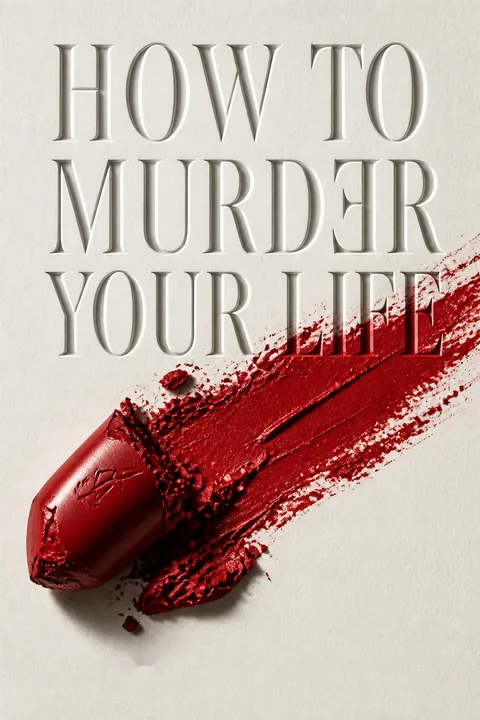
What is the significance of the title How to Murder Your Life?
- Metaphorical Meaning: The title reflects Marnell’s self-destructive behaviors and life sabotage.
- Dark Humor: It captures the blend of humor and tragedy, using wit to discuss serious topics like addiction.
- Call to Action: Provokes readers to reflect on their life choices and potential self-sabotage consequences.
How does Cat Marnell’s writing style contribute to How to Murder Your Life?
- Conversational Tone: Her informal and relatable writing draws readers in with candid anecdotes.
- Vivid Imagery: Descriptive language paints a vivid picture of her experiences and the beauty industry.
- Humor and Wit: Infusing humor into dark situations makes the narrative engaging and provides relief from heavy themes.
What are the challenges Cat Marnell faces in her career throughout How to Murder Your Life?
- Balancing Work and Addiction: Struggles to maintain professional responsibilities while battling addiction.
- Navigating Office Politics: Faces challenges in the competitive magazine publishing environment.
- Self-Sabotage: Her tendencies hinder career advancement, grappling with unworthiness and fear of failure.
How does Cat Marnell’s story end in How to Murder Your Life?
- Entering Rehab: Acknowledges her addiction and enters rehab, marking a turning point toward recovery.
- Reflection and Growth: Emphasizes reflections on past choices and the importance of seeking help.
- Ambiguous Future: Leaves readers with hope for her continued journey of self-discovery and healing.
How does Cat Marnell's story reflect broader societal issues?
- Stigma of Addiction: Highlights the stigma surrounding addiction, especially for women, and societal pressures.
- Mental Health Awareness: Sheds light on the importance of mental health and open conversations about addiction.
- Cultural Expectations: Reflects cultural expectations on women in beauty and fashion, emphasizing self-acceptance.
Download PDF
Download EPUB
.epub digital book format is ideal for reading ebooks on phones, tablets, and e-readers.








