

Key Takeaways
Keep love deep, but never make one partner your only ground.
A love becomes a role. At twenty-three, Kathleen meets Hunter in a volunteer program and falls quickly into a future they imagine together. An unexpected pregnancy brings marriage and motherhood sooner than planned. She finds joy in raising their daughters, but over time her identity rests increasingly on being Hunter’s wife and the person he needs. She also leaves financial decisions to him, believing his confidence means the family is secure.
Need is not a safety net. At the memoir’s opening, she believes neither partner can survive without the other. The marriage later becomes unstable through addiction, secrecy, and betrayal, and she has to confront the question of how to live without its familiar structure. Her answer begins with recovering parts of herself that marriage had eclipsed.
What's striking is that the memoir does not dismiss attachment as weakness. Love, touch, and mutual care give Kathleen real joy, especially in the early years of parenting. The danger is narrower: when one relationship becomes the main source of identity, security, and practical support, a partner’s crisis can threaten the whole self. Relational autonomy offers a useful lens: independence need not mean emotional distance. It can mean having enough identity and support beyond the couple to remain a person within it.
Belonging should not require hiding the place that made you.
Two worlds collide. Kathleen grows up in a close working-class South Side Chicago family, then marries into Hunter’s affluent Delaware world. His family is warm, yet the estate, social codes, and polished circle make her feel out of place. During her pregnancy, she hides the news until after the wedding and begins editing her own background, reducing herself to a version of Kathleen from Chicago.
Acceptance is not the same as ease. She eventually hosts family and friends in Delaware and begins to feel at home, but her identity increasingly merges with her role in the Biden family. The memoir shows that class difference can shape a marriage even when no one openly rejects the less privileged partner. Kathleen also recognizes that her wishes, such as moving back to Chicago, carry less weight than Hunter’s career decisions.
The memoir distinguishes social welcome from felt belonging. A family may be kind while its money, customs, and access still make one person feel lesser. That distinction matters because insecurity is not always a private confidence problem; it can be a response to real differences in power and cultural fluency. Kathleen’s self-editing helps her navigate the room, but it also makes connection conditional on concealment. Belonging built on hiding one’s origins is costly, even when nobody explicitly demands the hiding.
Secrets protect appearances while leaving the person carrying them alone.
Silence starts as protection. Kathleen keeps Hunter’s first stay in rehab from nearly everyone, including her closest friend, Amy. She wants to protect him, the marriage, and the Biden family’s privacy. A warning from her mother before the wedding, that parents may not forgive what a spouse is forgiven for, reinforces her fear of sharing too much.
The secret grows heavier. Kathleen later conceals relapses from friends and family, gives her daughters misleading reasons for Hunter’s absences, and minimizes the Navy drug-test story. The silence does not make the crisis smaller. It leaves her without ordinary support and, eventually, makes her daughters struggle to understand events that adults have been hiding from them.
Privacy can be a legitimate boundary, especially when public attention threatens dignity. But secrecy has a different effect when it requires one person to maintain a false account for everyone else. It converts support into performance: friends cannot help with facts they do not know, and children may sense danger without having language for it. The memoir’s lesson is not that every private detail belongs to every relative. It is that protecting someone’s dignity should not require abandoning one’s own reality.
Support recovery, but do not mistake love for control over addiction.
Recovery was not a single event. Hunter first enters rehab in 2003, returns home, attends AA, and builds routines that reassure Kathleen. She assumes the problem is behind them and does not seek support for herself or talk through the damage to the family. Years later, his drinking returns. Another rehab stay, outpatient counseling, and renewed promises bring periods of hope, but do not end the pattern.
The work is not hers to do. Hunter eventually describes losing the habits that supported his sobriety before he began drinking again. Kathleen, however, repeatedly hopes that the right program, routine, or family intervention will restore him. His treatment requires help, but his choice to pursue recovery cannot be made by his wife.
The memoir captures a painful distinction between being supportive and being responsible for another adult’s recovery. Those roles can blur when family members see a crisis up close and have children to protect. Kathleen’s repeated hope is understandable, not foolish: treatment and relationships can matter greatly. Yet her story also shows the limit of influence. A loved one can offer care, information, and boundaries, but cannot guarantee the other person’s honesty or sustained participation.
Set limits around safety, not promises you cannot enforce.
A clear household rule. At an outpatient program, Kathleen and Hunter agree that he cannot stay at home if he is not sober. The rule gives her a concrete response to a situation that had previously left her feeling she could only endure. When he later arrives intoxicated at their lake house, she asks him to leave and goes to her parents’ home with the children.
A boundary is not a cure. Hunter’s departure brings relief, then fear about where he is and whether he is safe. Kathleen struggles to apply the rule consistently because the girls miss their father and because she hopes he will return well. The agreement can define what she will do to protect the household, but it cannot make him sober or remove every painful choice.
The distinction between a boundary and a demand is useful here. A demand tries to control another person’s behavior; a boundary clarifies what someone will do when safety or trust is compromised. That does not make the decision easy, especially when children want contact with a parent. Nor does a boundary solve addiction. Its value is more modest and more durable: it gives the family a predictable response when promises alone are no longer dependable.
Stop investigating his every move when proof cannot restore trust.
Surveillance becomes a second job. Kathleen checks bottles and pockets, watches for Hunter’s car at AA meetings, studies bank and credit-card records, calls hotels, and sits outside his apartment. She even enters the building to listen at his door, then gets trapped in the garage while trying to leave unseen. Each clue confirms that something is wrong, but the investigation does not create a conversation or make Hunter change.
Evidence cannot supply certainty. Kathleen hopes that proving the drinking and drug use will persuade Hunter to admit it, or persuade others to act. Instead, the monitoring consumes her attention and deepens her isolation. She eventually recognizes that acting as his sobriety police has harmed her and her daughters without giving her control over his choices.
In uncertainty, gathering evidence can feel like the only available action. It may briefly reduce doubt, but when the other person denies or ignores the evidence, the search can become self-reinforcing: every unanswered question prompts another check. Kathleen’s account makes the costs visible without mocking her desperation. The key shift is from asking what proof will finally change him to asking what decisions remain within her control, including seeking support and protecting the children.
Do not let love turn betrayal into a debt you must absorb.
Betrayal breaks the shared story. While Hunter is in Mexico for treatment, Kathleen discovers photographs of him with another woman in Paris. She wants answers but still loves him and fears that confronting him could destabilize his recovery. When he later admits to sexual encounters while traveling, she tries to make a path back to the marriage, even as she doubts the account.
Grief complicates judgment. Beau’s brain cancer and death intensify Hunter’s crisis and Kathleen’s fear of leaving him. After Beau dies, Hunter spends increasing time with Beau’s widow, Hallie. Kathleen questions herself for feeling hurt, then learns from her daughters that Hunter and Hallie are having an affair. The discovery helps her see that love and sympathy do not obligate her to accept continuing betrayal.
The memoir resists a neat moral sequence in which betrayal produces instant anger and decisive separation. Kathleen feels affection, fear, grief, and suspicion at once. That emotional complexity does not make the betrayal less serious, nor does it make forgiveness an obligation. A useful distinction is between understanding why someone is in pain and excusing what they do to others. Compassion can remain present alongside limits, accountability, or the decision to leave.
Tell children enough truth to protect them from carrying your secrets.
A polished story can hurt. Kathleen tells her daughters that Hunter’s first absences are for work, later describes rehab as a wellness retreat, and gives them a softened account of his Navy discharge. She wants to spare them fear, but they encounter the public story at school and are left to interpret the gap between what they hear and what they have been told.
They already know more than she thinks. During the summer when Kathleen doubts Hunter’s sobriety, the daughters notice his drinking and eventually tell her he was not sober on a trip. When they uncover his affair with Hallie, Kathleen finally shares what she knows. The memoir does not argue for burdening children with adult details. It shows the cost of asking them to live inside a false version of family life.
Age-appropriate honesty differs from full disclosure. Children need not become confidants, investigators, or judges of their parents. They do need an account that makes their observations intelligible and assures them that the adult crisis is not theirs to solve. Kathleen’s initial impulse to reassure through denial is recognizable, especially under public pressure. Her daughters’ distress suggests that reassurance works better when it acknowledges fear rather than insisting there is nothing to fear.
Learn the numbers and build work that belongs to you.
Financial dependence hides risk. For years, Kathleen leaves money decisions to Hunter and does not understand the family’s finances. She helps buy expensive homes, relies on his assurances, and does not challenge the spending. During the divorce, she reviews the accounts and finds no savings, substantial debt, and mortgages with no equity.
Work restores more than income. At the same time, she develops a role at the DC Volunteer Lawyers Project, which represents survivors of domestic violence. She helps raise support and explain the program’s results, including a case success rate above 95 percent. After the divorce, she takes a full-time position. Learning the finances and building a career gives her practical choices as well as a sense of competence.
Financial literacy is often treated as a technical skill, but in this story it is also a form of agency. Knowing the accounts changes what Kathleen can plan, question, and protect. Her work matters for a related reason: it is not merely a substitute identity after marriage, but a channel for an earlier interest in service. The memoir also shows how privilege can coexist with vulnerability. A large home and expensive travel do not guarantee financial security.
Cancer stripped away the old emergency: survival became simpler than control.
A new crisis changes scale. Nine months after the divorce, Kathleen learns that she has colon cancer. Surgery finds cancer in two of seventy-two lymph nodes, making it Stage III. She undergoes chemotherapy, with recurring infusions that leave her nauseated and exhausted. Unlike the addiction and divorce, this is not a problem she can solve by monitoring another person or staying busy.
Endurance replaces managing. Kathleen continues working, but her daughter Maisy helps care for her and friends organize meals. During treatment, Kathleen notices that earlier worries about the divorce have moved into a different perspective. She does not present illness as a gift or a simple source of wisdom. It makes her confront limits she had spent years trying to outrun.
The cancer narrative distinguishes agency from control. Kathleen can choose treatment, accept help, and keep working when possible, but she cannot command a particular outcome. That contrast sharpens the memoir’s earlier account of addiction, where her efforts to monitor Hunter similarly exceed her actual power. The comparison should not flatten the differences between illness and harmful behavior. It instead clarifies a common question: which actions can protect life and dignity, and which only exhaust the person trying to control uncertainty?
Changing back to Buhle made independence visible, without erasing twenty-four years of love.
A name holds history. Kathleen keeps the Biden name after the divorce, partly because it is her daughters’ name and partly because it has become part of her public identity. After establishing her work, home, and finances, she decides to reclaim Buhle. At court, a paperwork obstacle nearly sends her away, but the judge approves the change.
Closure need not deny affection. Kathleen has already marked the divorce with a toast to the marriage, remembering its genuine happiness as well as its ending. The name change does not rewrite those years or make the relationship meaningless. It marks a decision to live as herself, rather than relying on the status and identity attached to her former marriage.
The name change is powerful because it is neither a rejection of the past nor a claim that identity can be made from scratch. Names carry family ties, social access, and personal memory; changing one can involve loss as well as relief. Kathleen’s choice becomes possible after material independence has grown, which keeps the gesture grounded. The story avoids presenting self-reclamation as a single triumphant act. It is a concrete marker of work already underway.
Analysis
This memoir is difficult to compress because its plot is both unusually public and stubbornly domestic. Kathleen Buhle moves from a South Side childhood into a political family whose life includes elections, Secret Service protection, and international travel. Yet the central story is not access to power. It is the gradual reorganization of a marriage around addiction, secrecy, grief, and unequal dependence, followed by the hard work of recovering practical and emotional agency.
The narrative’s strongest insight is its account of uncertainty. Kathleen sees evidence of Hunter’s drinking and infidelity, but she repeatedly doubts her own perception, partly because he denies what she sees and partly because accepting the truth would force painful decisions. Her surveillance is therefore not simply irrational behavior. It is an attempt to replace trust with information. The attempt fails because information can establish a pattern without producing honesty, treatment, or safety. This distinction helps explain why her eventual shift is not a sudden increase in willpower. It is a change in what she accepts as her responsibility.
The memoir also complicates easy narratives of empowerment. Kathleen’s separation and return to work bring greater independence, but they follow years of real love, shared parenting, family loss, and damaging mistakes on both sides. Her reflection on controlling her daughters after the separation is especially important: a person escaping helplessness can transfer the desire for control to the people closest to her. The daughters are not symbols of resilience alone. They are young people affected by secrecy and adult conflict, and their candor changes how their mother understands her own behavior.
The book is most persuasive when it leaves contradiction intact. Kathleen can love Hunter and need distance; feel compassion for his grief and anger at his choices; honor the marriage and end it. Its account should not be treated as a universal prescription for spouses of people with addiction. It offers something more precise: a close record of how loyalty can become self-erasure, and how agency begins when care no longer requires denying what is happening.
Review Summary
"If We Break" is a memoir by Kathleen Buhle, Hunter Biden's ex-wife, detailing their 25-year marriage. Readers found it well-written, honest, and emotional. Many appreciated Buhle's dignified approach, focusing on her personal journey rather than political gossip. The book explores themes of addiction, infidelity, and codependency. While some readers wanted more details, most found it a compelling story of resilience and self-discovery. Critics noted Buhle's naivety and financial illiteracy but ultimately empathized with her struggles.
People Also Read



Glossary
co-dependence
overinvolved rescue patternIn Buhle’s retrospective account, co-dependence describes her increasingly consuming effort to monitor, manage, and secure Hunter’s sobriety, paired with the belief that his recovery depended on her vigilance. The memoir does not present this as a formal diagnosis. Buhle comes to see that acting as his sobriety police harms her and her daughters without making him choose recovery.
emotional life support
temporary space for griefA metaphor offered to Buhle by a widowed parent: after profound loss, family members may lack the capacity to support one another fully, as if they were all in intensive care. The advice is to allow time for breathing and recovery before expecting everyone to resume ordinary emotional support. Buhle uses the image to make sense of her family after Beau’s death.
Hunter B
Hunter's cruel intoxicated personaBuhle’s label for the mean, hostile version of Hunter she encounters during some intoxicated episodes. She uses it to describe how different he seemed from the affectionate husband she knew. The label reflects her experience of his behavior; it does not establish that intoxication created a separate person or remove responsibility for his actions.
FAQ
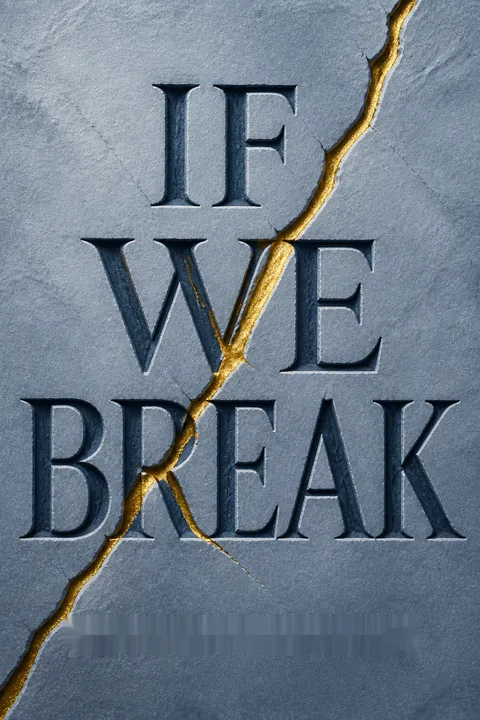
What's If We Break: A Memoir of Marriage, Addiction, and Healing about?
- Personal Journey: The memoir by Kathleen Buhle details her life with Hunter Biden, focusing on their marriage, struggles with addiction, and the path to healing.
- Themes of Addiction: It explores the emotional toll of living with a partner who struggles with addiction, highlighting cycles of relapse and recovery.
- Family Dynamics: The book delves into the Biden family dynamics and how public life intersects with personal struggles, reflecting on Buhle's upbringing and its influence on her responses.
Why should I read If We Break?
- Authentic Perspective: Buhle offers a raw and honest account of her experiences, making it relatable for those facing similar challenges in relationships or family life.
- Insight into Addiction: The memoir provides valuable insights into addiction, recovery, and the complexities of love and support, helping readers understand its impact on families.
- Inspiration and Hope: Buhle's story is one of resilience and hope, showcasing the possibility of healing and rebuilding after trauma, encouraging readers to seek help and support.
What are the key takeaways of If We Break?
- Understanding Addiction: Addiction is a complex disease affecting not only the individual but also their family and friends, emphasizing the importance of open communication and seeking help.
- Importance of Support: Buhle illustrates the necessity of having a support system, showing how love and understanding can aid in the healing process.
- Personal Growth: The journey of self-discovery and personal growth is central, as Buhle learns to navigate her identity outside of her marriage and as a mother.
What are the best quotes from If We Break and what do they mean?
- “How far can we step back before we fall?”: Reflects the precarious balance in Buhle's relationship with Hunter, signifying the struggle to maintain stability amidst chaos.
- “You cannot tell anyone.”: Highlights the stigma and secrecy surrounding addiction, underscoring the isolation that often accompanies such struggles.
- “It’s okay if we break a little.”: Signifies the acceptance of vulnerability and the understanding that it’s normal to feel broken after trauma, encouraging healing.
How does Kathleen Buhle describe her early life in If We Break?
- Working-Class Background: Buhle shares her upbringing in a working-class family in Chicago, detailing the values instilled in her by her parents.
- Family Dynamics: Describes a close-knit family environment, contrasting with Hunter's affluent background, which plays a significant role in their relationship.
- Desire for Change: Her early life is marked by a desire to reinvent herself, leading her to join the Jesuit Volunteer Corps, a pivotal moment in her life.
What challenges did Kathleen and Hunter face in their marriage?
- Addiction Struggles: The memoir details the impact of Hunter's addiction on their marriage, including cycles of relapse and recovery.
- Public Scrutiny: As a member of the Biden family, Buhle faced public scrutiny and pressure, adding strain to their relationship.
- Communication Breakdown: Addiction led to a breakdown in communication, leaving Buhle feeling isolated and unheard.
How does If We Break address the theme of healing?
- Personal Reflection: Buhle emphasizes the importance of self-reflection and understanding one's own needs in the healing process.
- Support Systems: Highlights the role of support systems in healing, whether through family, friends, or professional help.
- Resilience and Growth: Buhle's journey showcases her ability to adapt and grow despite challenges, conveying a message of hope.
How does Kathleen Buhle reclaim her identity after her divorce?
- Name Change: Changing her name back to Kathleen Buhle symbolizes reclaiming her identity and independence.
- Focus on Self-Care: Prioritizes her well-being and that of her daughters, setting boundaries and taking control of her life.
- Building a New Life: Details efforts to create a new life, including pursuing a career and establishing a stable home for her daughters.
What role does addiction play in If We Break?
- Central Theme: Addiction shapes Buhle's experiences and family dynamics, serving as both a catalyst for conflict and a barrier to intimacy.
- Impact on Family: Illustrates how addiction affects loved ones, creating a ripple effect of pain and confusion.
- Path to Recovery: Explores the complexities of recovery, emphasizing the importance of seeking help and navigating the recovery process.
How does Buhle address the theme of grief in If We Break?
- Multiple Layers of Grief: Navigates various forms of grief, including the loss of her marriage and the death of her brother-in-law Beau.
- Processing Loss: Illustrates the struggle to process losses while maintaining stability for her daughters, learning that grief is not linear.
- Finding Hope: Despite the pain, Buhle finds hope and strength, emphasizing the importance of expressing grief as part of healing.
What advice does If We Break offer about relationships?
- Communication is Key: Emphasizes the importance of open and honest communication, especially when facing challenges.
- Setting Boundaries: Highlights the necessity of setting boundaries, particularly when dealing with addiction, to prioritize well-being.
- Embracing Vulnerability: Teaches the value of embracing vulnerability, allowing oneself to be seen, and seeking help as a sign of strength.
How does the media coverage affect Buhle's story in If We Break?
- Public Scrutiny: Experiences are magnified by media coverage, adding pressure and complexity to personal struggles.
- Impact on Family Dynamics: Media portrayal creates challenges in relationships with her daughters and extended family.
- Finding Her Voice: Despite scrutiny, Buhle seeks to reclaim her narrative, emphasizing the importance of telling her own story.
Download PDF
Download EPUB
.epub digital book format is ideal for reading ebooks on phones, tablets, and e-readers.








