Plot Summary
Midnight's Dangerous Masquerade
Cinder, a goth bartender from Boston, enters the Midnight Kingdom's masquerade ball, trading her spikes and boots for glass slippers and a mask. She's human, surrounded by vampires—Midnight fairies—who see her as prey. Her goal: steal a painting by her late father, Byung-He, once the King's favorite familiar. The ball is a swirl of danger, gossip, and old wounds. Cinder's outsider status is palpable, her anxiety sharpened by the King's presence and the court's disdain. Yet, she's determined, using wit and bravado to mask her fear. The memory of her father's art and the pain of his loss drive her, even as the threat of exposure and violence looms with every step.
The King's Terrible Power
The King's power is absolute, enforced by his unique ability to enthrall both humans and fairies. Cinder witnesses this firsthand as a noblewoman is punished for questioning him, forced into humiliating servitude. The King's menace is palpable, his control suffocating. Cinder's memories of her father's protection—and its loss—haunt her. She's reminded that in Midnight, mercy is weakness and dissent is crushed. The King's announcement that his son, Prince Kaison, must choose a bride sets the court abuzz. Cinder's presence is precarious, her mission complicated by the King's scrutiny and the ever-present threat of being discovered and punished.
Dance of Old Wounds
Prince Kaison, the infamous playboy, recognizes Cinder beneath her mask and claims her for a dance. Their banter is sharp, laced with old pain and new attraction. Kaison remembers Cinder as the human girl on the margins, haunted by rumors of her death. Their dance is a battle of wills, each probing the other's motives. Kaison hints at secrets about her father's death, suggesting it was murder, not misfortune. The King interrupts, exposing Cinder's identity to the court. The moment is electric—Cinder's cover is blown, and the King uses her as a political pawn, while Kaison's protective instincts flare. The past and present collide, setting the stage for dangerous intimacy and intrigue.
The Prince's Proposal
Kaison proposes a fake engagement to Cinder, hoping to shield her from court dangers and use their union to provoke his father and rally the rebels. Cinder is skeptical, scarred by trauma and distrustful of fairy motives. Yet, the promise of access to the castle—and answers about her father's death—tempts her. Their partnership is uneasy, charged with sexual tension and mutual need. Cinder's stepfamily reappears, dredging up memories of abuse and betrayal. The engagement is announced, scandalizing the court and trapping Cinder in Midnight. Both are forced to play roles—bride and prince—while navigating a web of lies, desire, and political machinations.
Return of the Steps
Cinder's stepmother and stepsisters, banished after her father's death, are restored to favor by the King. Their presence is a calculated move to destabilize Cinder and test her resolve. Memories of their cruelty—emotional and physical—threaten to overwhelm her. The court's scrutiny intensifies, and Cinder's sense of isolation deepens. Kaison's support is both a balm and a complication, as their fake engagement blurs into real connection. The King's manipulations escalate, using Cinder's pain as leverage. The past refuses to stay buried, and Cinder must confront her abusers while clinging to her mission and her fragile sense of self.
The Lost Girls' Sanctuary
In the Common World, Cinder's friends—Goldie, Snow, Red, and Rap—anchor her. The Poison Apple bar is a haven, a place where she can be herself. Kaison follows her, drawn to her world and her strength. Their chemistry is undeniable, but Cinder's boundaries are fierce. The Lost Girls rally around her, offering support and humor. Together, they face threats from both realms, including assassination attempts and court intrigue. The bonds of chosen family prove stronger than blood, giving Cinder the courage to keep fighting for truth and justice, even as the dangers mount.
Bargains and Bloodlines
Cinder and Kaison's alliance deepens, each using the other for their own ends. Kaison reveals his true goal: to overthrow his father with the help of the rebel Mice. Cinder's quest for the Ember of Midnight—the painting of her mother—becomes a symbol of her lost family and identity. The court's politics grow more treacherous, with the King and Marisela plotting to expose and destroy Cinder. Kaison's own trauma—his father's abuse, the burden of expectation—comes to light. Their relationship is a dance of vulnerability and power, each daring the other to trust, even as old wounds fester.
The Ember of Midnight
With Kaison's help, Cinder locates the Ember of Midnight, her father's painting of her mother. The artwork is a touchstone, a reminder of love and belonging in a world that has tried to erase her. Sitting before it, Cinder confronts her grief, her longing, and her fear of connection. Kaison's presence is steady, his own pain mirroring hers. Together, they share truths about their families, their scars, and their hopes. The painting becomes a symbol of healing and possibility, even as the threats around them intensify. For a moment, they are simply two broken people finding solace in each other.
The Prince's Secret Rebellion
Kaison's alliance with the Mice—the rebel faction—comes to fruition. He uses his engagement to Cinder as proof of his break with his father's regime. The Mice, a network of vampires and humans, are ready to strike, but trust is fragile. Kaison's own power—his ability to enthrall—remains a secret weapon. The King's cruelty escalates, and the court teeters on the brink of chaos. Cinder's role as both pawn and catalyst becomes clear. The stakes are life and death, not just for them, but for the future of Midnight. The rebellion is set in motion, and there is no turning back.
The Art of Survival
Cinder's history of abuse at the hands of her stepfamily is revealed in full. The scars on her body are matched by those on her soul. Kaison's rage at her suffering is matched by his determination to protect her. Together, they confront her abusers, using the King's own power against them. The court is forced to reckon with its own complicity. Cinder's survival is an act of defiance, her refusal to be broken a beacon for others. The past cannot be undone, but it can be faced—and, with love and support, transcended.
The Red Room's Shadow
The truth about the Red Room—a chamber where humans are tortured and killed for the court's pleasure—comes to light. Cinder's father's death is linked to his refusal to traffic children for the King's amusement. The Queen confesses to killing Byung-He, driven by her own pain and betrayal. The revelation shatters Cinder's image of her father, forcing her to confront the complexity of love, abuse, and forgiveness. The court's rot is exposed, and the need for revolution becomes undeniable. The Red Room is both a literal and symbolic heart of darkness, one that must be destroyed for Midnight to heal.
The Marking and the Bite
The court demands that Kaison mark Cinder with his bite, sealing their union and binding their fates. The act is fraught with fear and desire, echoing Cinder's trauma and Kaison's longing. Their consent is hard-won, their trust tested. The bite is both a wound and a promise, a mingling of pain and pleasure that transforms them both. Cinder's latent magic awakens, her blood burning with power. The act is a reclamation of agency, a declaration that they will define their own destinies. The line between love and violence, victim and survivor, is blurred—but together, they choose hope.
The King's Last Thrall
The King's power reaches its zenith as he enthralls the court and attacks Cinder, draining her blood in a brutal display of dominance. Kaison is forced to watch, helpless, as the woman he loves is murdered before his eyes. But Cinder's magic—her blood, her rage, her will—turns the King's power against him. She burns him from the inside out, ending his reign in a blaze of vengeance and justice. The cost is high: Cinder's life is forfeit, and Kaison is left to mourn. The revolution is won, but at a terrible price.
Death and Rebirth
Refusing to lose her, Kaison turns Cinder into a vampire, giving her a second life. The transition is painful, but Cinder is surrounded by love—her friends, her found family, and Kaison. The Queen confesses her role in Byung-He's death, seeking forgiveness. Cinder grapples with the truth about her father, her own power, and the meaning of love and forgiveness. The past cannot be erased, but it can be understood. Cinder chooses to live, to love, and to lead. Her rebirth is both literal and symbolic—a new beginning for herself and for Midnight.
A New Midnight Dawns
With the King dead and the old order toppled, Kaison and Cinder lead Midnight into a new era. The monarchy is reformed, power shared with the Mice and the people. The court's cruelty is replaced by compassion, and the wounds of the past begin to heal. Cinder's art flourishes, her friendships deepen, and her love with Kaison grows stronger. Together, they build a world where no one is a pawn, where love is real, and where even the darkest night can give way to dawn. Their happily ever after is hard-won, messy, and utterly their own.
Characters
Cinder Park
Cinder is a goth bartender from Boston, marked by trauma and resilience. The daughter of Byung-He, a human artist and the King's former favorite, she is both an outsider and a legacy in Midnight. Scarred by years of abuse from her stepfamily and the court, Cinder is fiercely independent, guarded, and slow to trust. Her wit and bravado mask deep wounds, but her loyalty to her friends—the Lost Girls—is unwavering. Cinder's journey is one of reclaiming agency, confronting her past, and learning to accept love. Her relationship with Kaison is fraught, passionate, and transformative, forcing her to face her fears and embrace her power. Through art, friendship, and hard-won trust, Cinder becomes both a survivor and a leader, remaking Midnight in her own image.
Prince Kaison Charming
Kaison is the Midnight Kingdom's playboy prince, infamous for his beauty, charm, and scandalous exploits. Beneath the mask, he is haunted by his father's abuse and the burden of expectation. Kaison's true loyalty is to justice and change; he secretly allies with the rebel Mice to overthrow the King. His relationship with Cinder is a catalyst for growth—her pain mirrors his own, and her strength inspires him to risk everything. Kaison's power to enthrall is both a weapon and a curse, and his struggle to use it ethically is central to his arc. He is both protector and partner, learning to love without control and to lead without cruelty. His transformation from pawn to king is hard-won, marked by sacrifice, vulnerability, and the courage to build a better world.
King Valdor Charming
The King of Midnight is a master of control, wielding his unique enthrallment to crush dissent and enforce loyalty. He is both patriarch and predator, using fear and violence to maintain his rule. His relationship with Kaison is toxic, defined by abuse and disappointment. The King's willingness to exploit, torture, and kill—especially through the Red Room—makes him the story's central antagonist. His downfall is precipitated by his own hubris and cruelty, undone by the very power he sought to monopolize. In the end, he is destroyed by the magic and rage of those he oppressed, a fitting end for a monster of his own making.
Marisela (Stepmother)
Marisela is Cinder's stepmother, a vampire obsessed with status and power. She marries Byung-He for access to the court, then turns on Cinder after his death, subjecting her to years of servitude and bloodletting. Marisela's cruelty is matched by her cunning; she manipulates the King, the court, and her own daughters to maintain her position. Her eventual banishment is both justice and poetic irony—stripped of the power she craved, she is left to face the consequences of her actions. Marisela embodies the dangers of unchecked ambition and the corrosive effects of envy and resentment.
Anastasia and Drusilla (Stepsisters)
Cinder's stepsisters are both victims and perpetrators, shaped by their mother's ambition and the court's cruelty. They torment Cinder, feeding on her and reinforcing her sense of isolation and worthlessness. Their rivalry with Cinder is both personal and political, as they vie for the prince's attention and the court's favor. Their eventual downfall is a direct result of their own violence and the shifting tides of power in Midnight. They serve as a reminder that cycles of abuse perpetuate themselves until someone breaks the chain.
Queen Mei-Ling Charming
The Queen is a figure of tragedy, numbed by years of neglect and pain. Her affair with Byung-He is both a solace and a source of further suffering. Her eventual confession to killing Cinder's father is an act of both guilt and liberation, forcing Cinder to confront the complexity of love, betrayal, and forgiveness. The Queen's arc is one of awakening—she moves from passive victim to active agent, seeking redemption and a new life beyond Midnight.
Goldie, Snow, Red, Rap (The Lost Girls)
Cinder's friends are her anchor, offering love, humor, and support in a world that seeks to erase her. Each brings unique strengths—Goldie's warmth, Snow's ferocity, Red's wisdom, Rap's leadership. Together, they form a found family that is stronger than blood. Their loyalty is unwavering, their willingness to fight for Cinder and each other a testament to the power of chosen bonds. They are the heart of the story, reminding Cinder—and the reader—that survival is possible, and that love can be found in the most unexpected places.
Jack and Gus (The Mice)
Jack, a vampire, and Gus, his human partner, are key figures in the Mice, the rebel faction seeking to overthrow the King. Their relationship is a model of equality and mutual respect, defying the court's hierarchies. They provide Cinder and Kaison with information, support, and a path to revolution. Their presence underscores the story's themes of solidarity, resistance, and the possibility of a better world.
Dame Kiki Eleganza (Fairy Godmother)
Dame Kiki is Cinder's Fairy Godmother, a drag queen with a flair for the dramatic and a heart of gold. She provides Cinder with the means to enter Midnight, the magical glass slippers, and later, the boots that allow her to escape. Kiki's wisdom, humor, and acceptance are a lifeline for Cinder, reminding her that she is worthy of love and magic. Kiki embodies the story's celebration of difference, resilience, and the transformative power of chosen family.
Plot Devices
Dual Worlds and Portal Magic
The narrative is structured around the contrast between the Common World (Boston) and the Midnight Kingdom. Portal magic—embodied in the glass slippers and later the boots—allows Cinder to move between realms, symbolizing her struggle to reconcile her past and present, her trauma and her hope. The duality of worlds mirrors the duality within Cinder and Kaison, each forced to navigate conflicting identities and loyalties. The portal is both escape and entrapment, a means of agency and a reminder of vulnerability.
The Masquerade and Masks
The masquerade ball is both literal and metaphorical, setting the stage for a story in which everyone wears masks—of power, indifference, seduction, and pain. Cinder and Kaison's journey is one of unmasking, of daring to be seen and to see each other. The motif recurs in their banter, their sexual play, and their confrontations with the court. The act of removing the mask is both dangerous and liberating, a necessary step toward healing and connection.
The Marking and Consent
The act of marking—Kaison's bite—serves as a central plot device, echoing Cinder's history of abuse and her struggle to reclaim agency. The negotiation of consent is fraught, reflecting the complexities of trauma, desire, and trust. The bite is both wound and healing, a mingling of pain and pleasure that transforms both characters. It is also the catalyst for Cinder's magical awakening, her blood burning with power and vengeance. The device is used to explore themes of bodily autonomy, intimacy, and the possibility of rewriting old scripts.
The Red Room and Hidden Atrocities
The Red Room is the story's darkest secret, a chamber of torture and death hidden beneath the court's glittering surface. Its existence is the catalyst for the story's central mysteries—Byung-He's death, the Queen's guilt, the King's downfall. The device is used to expose the rot at the heart of Midnight, forcing characters to confront their own complicity and the need for revolution. The revelation of the Red Room is both a plot twist and a moral reckoning, demanding action and change.
Revolution and Found Family
The alliance with the Mice, the rebellion against the King, and the support of the Lost Girls are all plot devices that foreground the power of collective action. The story is structured as a movement from isolation to community, from victimhood to agency. The revolution is both political and personal, a remaking of the world and the self. The found family is the ultimate source of strength, love, and hope, offering a model for survival and transformation.
Analysis
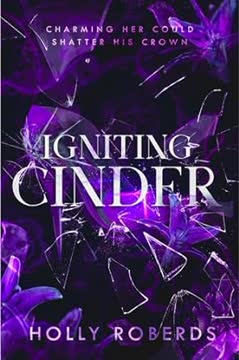
Igniting Cinder reimagines the Cinderella myth as a dark, sexy, and deeply psychological journey through trauma, survival, and the messy work of healing. Holly Roberds crafts a world where power is both seductive and corrupting, where love is both dangerous and redemptive. The novel interrogates the legacy of abuse—familial, romantic, and systemic—while celebrating the resilience of those who refuse to be defined by their wounds. Cinder's journey is not one of simple transformation, but of hard-won agency: she claims her scars, her desires, and her right to define her own story. The romance with Kaison is both a source of pleasure and a crucible for growth, forcing both characters to confront their fears and rewrite the scripts of their pasts. The found family of the Lost Girls, the rebellion of the Mice, and the ultimate overthrow of the King all serve as metaphors for the power of solidarity, consent, and chosen kinship. In the end, Igniting Cinder is a story about the possibility of remaking the world—not by erasing pain, but by daring to love, to fight, and to hope in the face of darkness.
Last updated:
Review Summary
Igniting Cinder is a popular vampire romance novel, receiving mostly positive reviews. Readers praise the unique Cinderella retelling, strong character development, and spicy romance scenes. Many consider it the best book in the Lost Girls series, enjoying the chemistry between Cinder and Kai. Some readers found the plot engaging and appreciated the darker themes. However, a few critics felt the characters were hard to connect with or disliked certain aspects of the prince's past. Overall, the book is well-received for its humor, creativity, and steamy romance.