Plot Summary
Schoolboys on the Brink
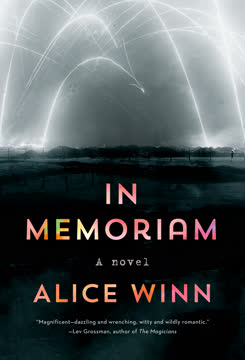
Henry Gaunt and Sidney Ellwood, both students at Preshute College, are on the cusp of adulthood as World War I looms. Their days are filled with debates, poetry, and the rituals of public school life, but the war's shadow grows ever closer. Gaunt, introspective and half-German, is haunted by the deaths of older boys and the pressure to enlist. Ellwood, charismatic and poetic, is both drawn to and frustrated by Gaunt's reticence. Their friendship is intense, laced with unspoken longing and rivalry, and shaped by the codes of masculinity and secrecy that govern their world. As the war begins, the boys' innocence is already eroding, and the choices they make will define their futures.
Bonds Forged in War
The war's outbreak accelerates the end of childhood. Gaunt, pressured by family and society, enlists despite his pacifist leanings and German heritage. Ellwood, left behind at school, is devastated by Gaunt's departure and the loss of their closeness. Through letters, they maintain a connection, but the war's realities intrude. Ellwood's longing for Gaunt is complicated by his own sexuality and the dangers of being "found out." The boys' circle of friends—Pritchard, West, Roseveare—are swept up in the patriotic fervor, but beneath the surface, fear and uncertainty simmer. The war becomes a crucible, forging and testing bonds that once seemed unbreakable.
Letters Across the Trenches
As Gaunt trains and is sent to the front, he and Ellwood exchange letters that are by turns playful, philosophical, and desperate. The letters become lifelines, offering comfort and a semblance of normalcy amid chaos. Ellwood's school life is increasingly haunted by loss, as more names appear in the "In Memoriam" columns. Gaunt's letters reveal the horrors of trench warfare, the camaraderie among soldiers, and his struggle to reconcile his conscience with the demands of war. Their correspondence is also a coded courtship, full of longing and the fear of exposure. The distance between them grows, but so does their need for each other.
Shame, Desire, and Duty
The boys' feelings for each other intensify, but so do the obstacles. Gaunt is tormented by shame—over his German roots, his sexuality, and his perceived cowardice. Ellwood, more open but still constrained by the era's taboos, seeks solace in fleeting schoolboy romances and poetry. Both are shaped by the culture of secrecy and violence at school, where affection is dangerous and desire must be hidden. The war amplifies these tensions: the threat of death makes every feeling urgent, but also more perilous. Their love is both a refuge and a source of pain, as they navigate the expectations of family, school, and country.
The Frontline's First Lessons
Gaunt's arrival at the front is a baptism by fire. The mud, the stench, the constant threat of death—nothing in his education has prepared him for this. He is forced to order men to kill, to write letters of condolence, and to witness the suffering of friends and enemies alike. The camaraderie among officers is real, but so is the class divide. Gaunt's friendship with working-class Lieutenant Hayes offers a new perspective. The war's randomness is underscored by the deaths of beloved friends and the survival of others. Gaunt's letters to Ellwood become darker, more fragmented, as the war grinds on.
Love and Loss in Flanders
Ellwood finally joins Gaunt at the front, and their reunion is fraught with longing, fear, and the trauma of what they've endured. Their love, once tentative and coded, becomes physical—a desperate attempt to find solace amid horror. But the war's violence seeps into their relationship, making tenderness difficult. The deaths of friends like Maitland, Sandys, and Pritchard leave them reeling. The front is a place of both intimacy and isolation, where every connection is shadowed by the possibility of loss. Their moments together are fleeting, charged with the knowledge that any day could be their last.
Nightmares and Confessions
Both Gaunt and Ellwood are haunted by nightmares—of the men they've killed, the friends they've lost, and the things they've done to survive. The war strips away their defenses, forcing them to confront truths about themselves and each other. Gaunt's guilt over his sexuality and his actions in battle becomes overwhelming. Ellwood, too, is changed—his charm now a brittle mask for his pain. Confessions come in the dark: of love, of shame, of the desire to escape. Their relationship is tested by jealousy, misunderstanding, and the ever-present threat of death. Yet, in their vulnerability, they find a fragile hope.
The Battle of Loos
The Battle of Loos is a crucible for both boys. Gaunt is gravely wounded and presumed dead, while Ellwood is left to grapple with grief and guilt. The chaos of battle—gas attacks, failed charges, the deaths of friends—marks a point of no return. Gaunt's survival is a miracle, but it comes at the cost of months in a German hospital and a prisoner-of-war camp. Ellwood, believing Gaunt lost, is consumed by rage and despair, pouring his grief into poetry. The war's senselessness is laid bare, and both are changed irrevocably.
Prisoners and Escape Plans
Gaunt's time as a prisoner is both a reprieve and a new kind of torment. He reunites with childhood friend Gideon Devi and becomes part of a group plotting escape. The camaraderie among prisoners is intense, shaped by shared suffering and the constant hope of freedom. Gaunt's relationship with a German secretary, Elisabeth, is a failed attempt at normalcy. The escape itself is harrowing, marked by hunger, fear, and the loss of friends. The journey across Germany to Holland is a test of endurance and trust. Gaunt's survival is a testament to luck, resilience, and the bonds forged in adversity.
The Somme's Bloody Toll
The Battle of the Somme is a massacre. Ellwood, now an officer, leads his men into a slaughter that claims the lives of countless friends—Roseveare, Pritchard, Lantham, and more. The scale of loss is incomprehensible; the war's promises of glory are revealed as lies. Ellwood is gravely wounded, his face disfigured, and is sent home. The survivors are left to reckon with the meaning of their suffering. The war's end is in sight, but the cost is incalculable. The generation that went to war as boys returns, if at all, as ghosts.
Wounds That Never Heal
In the aftermath, Ellwood and Gaunt are reunited, but both are changed. Ellwood's disfigurement is a constant reminder of the war's cruelty; Gaunt's trauma is less visible but no less real. Their relationship is strained by guilt, anger, and the difficulty of finding meaning in survival. Friends and family struggle to understand them. The world they return to is both familiar and alien, and the future is uncertain. Yet, in their shared pain, they find a way to begin again—tentatively, imperfectly, but together.
Homecoming and Hauntings
The war's end brings no easy peace. Ellwood and Gaunt, now lovers, must navigate a society that cannot understand their bond or their wounds. England, once magical, is now a place of ghosts and memories. The loss of friends, the weight of survivor's guilt, and the impossibility of returning to innocence haunt them. Yet, they find moments of joy—in poetry, in each other, in the possibility of a life beyond the war. The decision to leave England for Brazil is both an escape and an act of hope.
Choosing Exile Together
In Brazil, Ellwood and Gaunt carve out a fragile happiness. The past is never far away—Ellwood's mother dies, and the ghosts of the war linger—but the future is theirs to shape. Their love, once forbidden and fraught, becomes a source of strength. They are joined by other survivors, and the possibility of a new world, free from the constraints of England, beckons. Yet, the scars of war remain, and the question of belonging is never fully answered. Together, they choose each other, again and again.
Aftermath and New Beginnings
As the years pass, Ellwood and Gaunt find a measure of peace. The world is changing—slowly, painfully, but irreversibly. Friends are lost, but new connections are made. The memory of the war is both a burden and a bond. In the end, love endures—not as a cure for all wounds, but as a reason to keep living. The story closes on a note of tentative hope, as Ellwood, at last, finds the words to express what he feels, and Gaunt chooses to stay by his side. The price of survival is high, but it is not paid in vain.
Characters
Henry Gaunt
Gaunt is the novel's emotional center—a half-German, introspective boy whose sense of duty wars with his pacifist instincts and secret desires. His relationship with Ellwood is fraught with longing, shame, and the fear of exposure. Gaunt's journey is one of transformation: from a schoolboy paralyzed by guilt and societal pressure, to a soldier forced to make impossible choices, to a survivor grappling with trauma and the meaning of love. His psychological complexity is shaped by the violence of war, the loss of friends, and the struggle to accept himself. Gaunt's loyalty, both to Ellwood and to his ideals, is tested repeatedly, but ultimately, he chooses love and hope over despair.
Sidney Ellwood
Ellwood is Gaunt's foil—brilliant, beautiful, and emotionally volatile. His charm masks deep insecurities and a desperate need for connection. Ellwood's love for Gaunt is the axis around which his life turns, but it is also a source of pain, as he battles the constraints of his time and the trauma of war. Disfigured at the Somme, Ellwood's physical wounds mirror his emotional scars. He is both a victim and a survivor, using poetry to process his grief and rage. Ellwood's journey is one of self-acceptance, as he learns to live with loss, to forgive himself and others, and to find meaning in love that endures beyond suffering.
Maud Gaunt
Maud is Gaunt's twin and confidante, a woman ahead of her time. Her political engagement, compassion, and willingness to challenge social norms make her a vital presence. Maud's relationship with both Gaunt and Ellwood is complex—she is both a rival and an ally, a source of comfort and a reminder of what is lost. Her own struggles, as a woman in wartime, mirror the boys' battles with identity and belonging. Maud's journey toward self-determination and her advocacy for change reflect the broader shifts in society, and her forgiveness and understanding help Gaunt and Ellwood find peace.
David Hayes
Hayes is Gaunt's fellow officer and friend, a "temporary gentleman" whose background contrasts with the public school boys. His pragmatism, humor, and resilience offer a different model of masculinity and leadership. Hayes' friendship with Gaunt and Ellwood bridges class divides, but he is also marked by the war's brutality—wounded and left disabled, he must find a new place in a changed world. Hayes' story highlights the costs of war for those outside the privileged elite, and his loyalty and decency are a quiet counterpoint to the more dramatic struggles of the main characters.
Cyril Roseveare
Roseveare is the embodiment of the English ideal—brave, reserved, and dutiful. His losses—two brothers, countless friends—are borne with dignity, but the weight of grief is ever-present. Roseveare's friendship with Ellwood and Gaunt is marked by generosity and understanding; he offers them a path to a new life in Brazil, recognizing the need for escape and renewal. His own fate, killed just before the Armistice, is a final reminder of the war's senseless waste. Roseveare's steadiness and kindness are a touchstone for the survivors.
Bertie Pritchard
Pritchard is the comic relief and heart of the boys' circle—a "cheerful failure" whose optimism persists even in the darkest times. His friendship with Ellwood and Gaunt is marked by affection and self-deprecation. Pritchard's death at the Somme is a devastating blow, emblematic of the loss of innocence and the destruction of a generation. His memory lingers as a symbol of what was lost and what must be remembered.
Gideon Devi
Devi, Gaunt's childhood friend, is an Indian officer whose presence challenges the racial and social hierarchies of the time. His ingenuity and courage are vital in the prisoner-of-war escape, and his survival is a rare victory. Devi's friendship with Gaunt is marked by humor, honesty, and a shared outsider status. His story highlights the global dimensions of the war and the possibilities of solidarity across difference.
Burgoyne
Burgoyne is the embodiment of the school's darker side—snobbish, spiteful, and consumed by jealousy. His actions, from burning Ellwood's poems to exposing secrets, have lasting consequences. Yet, even Burgoyne is not beyond redemption; his later remorse and enlistment as a private suggest the possibility of change. Burgoyne's fate is a cautionary tale about the costs of exclusion and the dangers of unchecked resentment.
Elisabeth
Elisabeth, the German secretary Gaunt befriends in captivity, offers him a chance at normalcy and heterosexual love. Their relationship is tender but ultimately hollow, a reflection of Gaunt's true desires and the impossibility of escaping himself. Elisabeth's kindness is genuine, but she cannot fill the void left by Ellwood. Her presence in the story underscores the limits of conventional solutions to unconventional problems.
The Dead
The countless friends, brothers, and lovers lost to the war—Maitland, Sandys, West, Lantham, the Roseveares, and more—are as much characters as the living. Their deaths haunt the survivors, shaping their choices and their sense of self. The dead are a reminder of the war's cost, the fragility of youth, and the imperative to find meaning in survival.
Plot Devices
Epistolary Structure and Shifting Perspectives
The novel's use of letters, diary entries, and shifting third-person perspectives allows for a rich exploration of inner lives and relationships. The epistolary form creates immediacy and vulnerability, revealing what characters cannot say aloud. It also enables the story to span years and continents, moving fluidly between school, trenches, captivity, and exile. The interplay of perspectives—Gaunt's introspection, Ellwood's lyricism, Maud's pragmatism—enriches the narrative and highlights the subjectivity of memory and trauma.
Foreshadowing and Recurring Motifs
The novel is laced with foreshadowing—casual remarks about death, references to Tennyson's "In Memoriam," and the ever-present "In Memoriam" columns. Recurring motifs—poetry, school rituals, the white feather of cowardice, the act of writing—create a sense of inevitability and circularity. The war's randomness is mirrored in the unpredictability of who lives and who dies. The motif of ghosts—literal and metaphorical—underscores the persistence of the past and the difficulty of moving on.
Trauma and the Limits of Language
The novel grapples with the inadequacy of language to capture trauma. Characters are often rendered mute by grief or horror; their attempts to speak or write are stymied by pain. Poetry becomes both a refuge and a battleground, a way to process and a way to avoid. The struggle to say "I love you," to confess shame, or to describe the war's violence is central. The narrative structure itself, with its gaps, repetitions, and abrupt shifts, mirrors the fragmentation of memory and self.
Homoerotic Tension and Forbidden Love
The love between Gaunt and Ellwood is at once the novel's emotional core and its greatest risk. Their relationship is shaped by the codes of public school, the criminalization of homosexuality, and the omnipresence of violence. The war both enables and threatens their intimacy—making every moment urgent, but also fraught with the possibility of exposure and loss. The tension between desire and duty, secrecy and confession, is a driving force in the plot and a lens for exploring broader questions of identity and belonging.
Historical Realism and Invented Documents
The novel weaves real historical events, documents, and figures into its fictional narrative. The use of school newspapers, casualty lists, and period poetry grounds the story in its time, while the invented letters and diaries personalize the war's impact. The blending of fact and fiction creates a sense of authenticity and immediacy, making the characters' struggles feel both specific and universal.
Analysis
In Memoriam is a powerful meditation on the devastation of World War I, the fragility of youth, and the enduring need for connection in the face of trauma. Through the story of Gaunt and Ellwood, Alice Winn explores how war shatters not only bodies but also identities, relationships, and dreams. The novel interrogates the myths of heroism and sacrifice, exposing the violence beneath the surface of English privilege and tradition. At its heart, it is a love story—one that refuses easy resolution, acknowledging the scars that never fully heal. The book's lessons are manifold: that survival is not the same as victory; that love, though often imperfect and painful, is worth fighting for; and that the work of mourning and rebuilding is ongoing. In an age still grappling with the legacies of war, repression, and exclusion, In Memoriam offers both a warning and a hope: that by facing the past honestly, and by choosing each other in the ruins, we might yet find a way forward.
Last updated:
Review Summary
In Memoriam by Alice Winn follows two English boarding school boys, Sidney Ellwood and Henry Gaunt, secretly in love but unable to express their feelings during WWI. The novel depicts their journey from privileged youth to the brutal trenches, exploring themes of love, class, trauma, and the devastating impact of war. Reviews praise Winn's vivid prose, unflinching portrayal of combat horrors, and the tender romance between the protagonists. Most readers found it emotionally devastating yet beautifully written, though some criticized pacing issues and derivative elements. The book draws inspiration from war poetry and historical accounts.