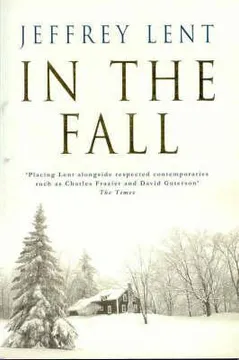


Plot Summary
Prologue
A small boy slips from his dark house to watch his father bury three coffee cans beneath the trees. He does not know what they contain, only that the secret belongs to his father.
The house frightens him because his mother and little sister have died, and he has seen them appear in his room to bid him farewell. He stays hidden until his father finishes, then races back to bed so he can hear him return.
The opening gives secrecy a domestic, intimate shape before the story explains what is being hidden. The boy’s fear is not of night but of being alone in a house emptied by death, so his father’s presence becomes a kind of shelter even when the father withholds the truth. The buried cans connect grief to practical survival: money is hidden, but so is the family’s unspoken history. By beginning with a child who knows when not to ask, the novel frames inheritance as something received through silence as much as through names, land, or blood.
Norman Leaves the Hill
Norman Pelham leaves his Vermont hill farm in 1862, though he expects neither glory nor a quick return. His father drives him to Randolph without discussing the danger, and Norman goes south with a Bible, a razor, and food his mother has packed. He serves through the war, loses his father to a kick from a horse, and is wounded at Gettysburg.
Near the war’s end, a blast in Virginia tears his ear and leaves him unconscious and separated from his regiment. He wakes beside a hedgerow with a severe head wound, thirsty and unable to stand. A young Black woman approaches with water. Her name is Leah, and the stranger who might have died alone is now in her care.
Norman’s enlistment is a choice made without heroic self-invention. He goes because the war seems to demand it, yet his private hope remains the farm and the ordinary labor of home. Combat strips away that modest future: his father dies while he is absent, and his own injuries leave him literally dependent on someone outside his world. The shift matters because Norman’s defining strength is not command but endurance. At the moment his military identity fails him, Leah’s intervention begins a life neither of them could have planned, making vulnerability the actual opening into their bond.
Leah Finds the Wounded
Leah has escaped slavery after striking Alex Mebane, the white teenager who tried to assault her, and Peter, an older enslaved man, has given her directions and shelter along the way. She has traveled hundreds of miles when she finds Norman, but she risks herself to nurse him in a hidden dugout. After he recovers enough to rejoin his regiment, she appears again and tells him she wants to reach Vermont.
Norman shares food and his coat, then recognizes that taking her north will expose them both to hostility. They walk through the war’s final months and afterward, sleeping outdoors and avoiding towns. In Massachusetts, they marry in the Connecticut River. Norman is bringing home a wife; Leah is choosing a home she has never seen.
Leah’s care is not a debt repaid for Norman’s gentleness. She acts from her own judgment, after surviving a system that has denied her the right to choose where she goes or what happens to her body. Her insistence on reaching Vermont is therefore more than romantic trust: it is a claim to movement and self-determination. Norman’s restraint matters because he does not treat rescue as a license to possess her. Their intimacy develops through risk, food, touch, and shared travel, a fragile partnership built before either can know how much the world will punish it.
A Wife at the Door
Norman and Leah reach the Pelham farm in autumn 1865. His younger sister Connie greets him with affection but measures Leah as a stranger; their mother, Cora, sees the wedding ring and retreats from the kitchen. Connie objects when Norman explains that Leah is his wife. He stays firm, yet he has failed to prepare either woman for the marriage.
In the weeks that follow, Cora moves to the village with Connie, leaving Norman and Leah on the farm. Norman begins repairing neglected buildings and livestock routines, while Leah takes up the work of the household and farm. Neighbors stare, merchants vary their treatment of her, and Norman limits their trade to people who will serve them without insult.
The homecoming reverses the expected comfort of return. Norman reaches familiar land but finds that the people who remained there have changed, and his silence about Leah’s arrival compounds their shock. Cora’s departure is not simply rejection of Leah; it also expresses her grief at losing a son who has returned as a man beyond her influence. Leah, meanwhile, enters the household without mistaking tolerance for welcome. The couple’s first domestic settlement is therefore practical rather than reconciled: they establish a life through labor, boundaries, and Norman’s refusal to let public contempt dictate whom the farm will shelter.
The Farm Learns Her Rhythm
Leah miscarries four times, and the losses deepen her fear that something inside her is irreparably wrong. Norman answers with confidence he cannot truly feel, while Leah continues the daily work of building a poultry business that sends eggs to Boston.
Connie eventually returns from Manchester to help on the farm. She and Leah become companions without forcing either woman to explain herself. During a hard winter, Marthe Ballou examines Leah and predicts a girl; Norman and Connie prepare for the birth while sugaring.
Their daughter Abigail survives, followed eighteen months later by Prudence. Years afterward, James is born and called Jamie. The children grow up among farm work, village prejudice, and the uneasy love of a family that has had to make its own place.
The repeated miscarriages make the body a site where Leah’s past and present collide, but the novel avoids treating motherhood as a simple cure. Her work with the hens gives her competence and economic agency while grief remains unresolved. Connie’s quiet assistance offers something Norman cannot provide: companionship without reassurance or explanation. The surviving children enlarge the household, yet they do not erase its fragility. Family here is not a guaranteed inheritance; it is a practice sustained by labor, female alliance, and the willingness to let another person’s pain remain complex.
Marthe's Cabin Goes Dark
During a winter storm, hunter Hiram Howell finds Marthe Ballou dead in her isolated cabin, shot through the head. Her husband, Henri, vanishes into the woods, leaving Norman and Leah to face the search that follows. Norman watches outside the cabin while Leah mourns the woman who attended her births and treated her as a friend.
The search parties find only confusing traces, and the Ballou cabin later burns. Henri secretly returns to steal chickens, but Norman catches him at the henhouse and chooses to speak rather than shoot. Henri describes the terror and resentment that had consumed him, then disappears again. Norman keeps the account from Leah, leaving the grief of Marthe’s death lodged between them.
Marthe’s murder turns the nearby woods from refuge into an unknowable territory where violence can arrive without warning. Norman’s decision not to shoot Henri is not forgiveness; it is an attempt to prevent another death from becoming the only available explanation. Leah’s grief, by contrast, is direct and unguarded because Marthe has been a rare female confidante. Norman withholds Henri’s account partly to protect her, but silence also limits what they can share. The episode foreshadows how a private wound can become more dangerous when the injured person is left to interpret it alone.
The Fairground Mirror
At the Randolph Fair in 1890, Leah brings her children to see Ben, a Black strongman who bends iron for the crowd. His presence reminds her how few Black people she has seen since arriving in Vermont. She speaks with him about the South, slavery, and the people she left behind; he warns her that returning may not deliver the answers she wants.
Leah has already begun to feel that her life rests on an unresolved past, and the encounter sharpens that unease. She tells Norman she needs to go back to North Carolina, where she hopes to find her mother and learn what became of her. Norman fears the journey but does not forbid it. Leah takes a train south alone.
Ben functions as a mirror without becoming Leah’s guide. His blunt skepticism disrupts the story she may have told herself about freedom as a clean break, while his own life demonstrates that survival in the North has not ended racial isolation. Leah’s decision is not a rejection of her family in Vermont. She is trying to recover a history that she has kept sealed away, and the fair makes that private need visible. Norman’s inability to stop her becomes a test of love: he must allow her agency even when the choice threatens the life they have built.
The Rope in November
Leah comes back from Sweetboro within days, exhausted and unwilling to explain what she found. She sleeps for thirty hours, then resumes the household routine with an unnerving blankness that her children recognize. Norman tries to draw her back into conversation, but she refuses to describe the trip. He grows angry, then ashamed of his anger, while the children struggle to reach their mother.
Weeks later, Leah climbs to a maple in the woods and hangs herself. Norman finds her and carries her down. At the funeral, Jamie, their young son, breaks away from his sisters and runs across the hillside in a wail of grief. Norman refuses to send him away, though Connie argues that the boy needs other children around him.
Leah’s return does not restore the household because the journey has changed the meaning of home for her. Her silence is not mere withdrawal; it is a refusal to turn an experience she cannot bear into a story that others can manage. Norman interprets that silence through his own helplessness and becomes angry at what he cannot reach. The funeral makes the cost visible across generations: Jamie’s grief is physical and uncontrolled, while Norman converts grief into work. The unresolved cause of Leah’s suicide becomes a family inheritance, carried not as a clear memory but as a question that distorts later lives.
Barre's Fast Education
In 1904, nineteen-year-old Jamie Pelham leaves his New Hampshire home with money he has earned and money stolen from his father. In Barre, he buys a suit, rents a room, and blunders into a rough restaurant where Victor Fortini and his men throw him into the street. Jamie returns to collect wages owed for work, strikes one man with a mallet, and pins Victor’s hand to a table with a stiletto before taking his pay.
He then helps Joey, an entertainer beaten by a powerful customer, escape town. Jamie retrieves her clothes and hidden savings, including gold she had not mentioned, and gives one gold coin to a disabled veteran. They board a train together, carrying their distrust and the beginnings of a partnership.
Jamie enters adulthood by confusing risk with freedom, then discovers that money, violence, and performance are already linked in the world he has chosen. His attack on Victor is both practical and impulsive: he recovers what he is owed but leaves himself vulnerable to a larger network. Joey’s escape gives him a reason to leave, though their alliance begins with distrust rather than a promise of safety. His gift to the veteran complicates his hardness. Jamie is capable of tenderness, but he does not yet know how to make tenderness compatible with the life he is building.
The Summer Business
In New Hampshire, pianist Scully gives Jamie and Joey a place to live and helps Joey find work singing at hotels and private parties. Jamie moves from factory labor to the Sinclair Hotel, where he becomes a skilled bar manager. He also learns the hidden liquor trade, first carrying wine through Barre and later buying homemade spirits from the cautious farmer Binter.
Joey’s voice earns her a place in the summer entertainment circuit, while Jamie builds contacts among hotel staff and local sellers. They prosper during the short tourist season, then scrape through winters on music jobs and factory work. Jamie’s success depends on reading what people want; Joey’s depends on making an audience feel she has chosen them.
The couple’s prosperity is built on separate but complementary forms of performance. Joey gives paying listeners an intimacy they can mistake for possession; Jamie makes himself useful by noticing needs others conceal. Scully’s mentorship offers a modest alternative to brute opportunism, showing them how talent can become work without surrendering all autonomy. Yet the seasonal economy keeps their security provisional. Their business grows, but so does Jamie’s habit of converting trust into leverage. The section establishes the tension that later strains the relationship: each can read a crowd more easily than they can read one another.
A Letter from Truro
After five years together, Joey grows restless with the same hotels and the same songs. She leaves for Providence, where Edgar Sloane introduces her to singer and teacher Virginia Reeves, who recognizes her talent and begins training her. Joey discovers she is pregnant and rejects a future arranged for her by Sloane or Reeves. She sends Jamie a postcard from a cottage at Truro.
Jamie arrives furious, believing she has chosen a wealthy patron, and she throws a glass and breaks a chair over him. Once he returns, she explains that Sloane offered a professional opportunity but that the child is Jamie’s. She asks to come home, not for rescue but to raise the child together. Jamie accepts, and their son Foster is born the following March.
Joey’s departure is an attempt to discover whether a life beyond Jamie’s orbit is possible, not a simple betrayal. Sloane offers access to a world that could cultivate her voice, but Joey refuses to let opportunity become another form of dependence. Her pregnancy forces the couple to confront what they have avoided: whether desire can coexist with commitment without turning into ownership. Jamie’s anger is real, but so is his willingness to hear her account. Their reunion begins with conflict rather than absolution, making the family they form a choice made under uncertainty.
Two Graves, One Son
Jamie and Joey build a home near Bethlehem and raise Foster and his younger sister, Claire. Their life includes Jamie’s expanding bootlegging business and Joey’s continuing work as a singer. In 1918, influenza leaves Jamie gravely ill; he survives, but the illness soon reaches Joey and Claire. He nurses them through a winter storm, carrying Claire between the rooms and trying to keep both alive with broth and water.
They die while Foster remains well. Jamie buries them with lockets holding pieces of his own hair, then raises Foster alone. He keeps working, but his appetite for risk diminishes. The boy accompanies him on liquor runs with their dog Lovey, becoming a quiet witness to a trade Jamie can no longer separate from his grief.
The loss removes the person who had made Jamie’s life feel shared, leaving him with a child who is both his responsibility and his last living connection to Joey. His grief does not produce a clean transformation. Instead, Jamie keeps functioning through work, but the emotional energy that once made him ambitious drains away. Foster’s presence becomes a safeguard and a burden at once: the boy is protected by being included, yet exposed to a world that should have remained his father’s. The lockets make mourning tactile, but they cannot make the family whole.
Pompelli's Waiting Hand
Jamie keeps his liquor business alive by taking over Binter’s distilling operation and forcing Jeeter Carrick to learn the work in exchange for a debt. Federal marshal Patrick Jackson warns him that organized smugglers are expanding into the region, but Jamie believes his small operation can remain independent. After years of warning signs, he finds Carrick loading whiskey with men working for Vincent Pompelli.
Amy Carrick knocks Jamie down with a shotgun, and the gang takes him to Pompelli. The boss reveals that his father-in-law, Victor Fortini, has waited years for revenge. Pompelli cuts Jamie’s palm with a razor, then his men throw him from a moving car. Amy follows and crushes his head with the car crank, ensuring he cannot survive.
Jamie’s downfall comes from mistaking a manageable scale for safety. He understands local bargains, but the network around Pompelli has the patience and reach to turn those bargains against him. His old assault on Victor returns as a debt passed through family and time, while Carrick’s betrayal exposes how little control Jamie truly has over the people he employs. Amy’s final violence is not a reversal into villainy so much as the desperate conclusion of a family protecting itself. Jamie dies inside the same economy of force he had treated as a tool.
The Cans Beneath the Woods
Patrick Jackson tells sixteen-year-old Foster that Jamie was killed in what authorities are calling a hit-and-run, and the boy hears the evasion without being able to challenge it. After the funeral, a lawyer gives Foster the deed to the New Hampshire property and a sealed envelope from his father.
A map leads him to eleven buried cans and jars containing more than fourteen thousand dollars. The money recalls the boyhood secret in the opening, though Foster never knew its scale.
He also finds letters from Abigail Pelham, his father’s sister, sent from Vermont over many years. They reveal that Jamie maintained a distant connection while telling Foster nothing about his family. With his father’s hidden money and questions, Foster drives north.
The buried cash is both provision and confession. Jamie has prepared for his son materially, yet the money’s concealment repeats the emotional secrecy that has shaped the family. The letters complicate the picture: Jamie did not sever every tie, but he controlled what reached Foster and when. Foster’s inheritance therefore arrives as a contradiction. He is cared for by a father who withheld essential knowledge. His journey begins when he refuses to treat the money as the whole inheritance and follows the letters toward the people Jamie left behind.
The Sisters' Unfinished History
Foster reaches the Pelham farm and meets his aunts Prudence and Abigail. They recognize Jamie in his face and tell him that his grandparents were Norman and Leah, the Union soldier and the formerly enslaved woman who came home together. Abigail explains Leah’s suicide and Norman’s lifelong distance after finding her body. Prudence adds that Peter, the man who helped Leah escape, was lynched for it.
Foster also visits Connie Clifford, who admits that her sons joined the boys who tormented Norman, and remembers Leah as a woman who claimed her own life. The sisters offer Foster money for school, but he declines. He wants to go to Sweetboro, where Leah’s story began, even though the visit may hurt the women who have welcomed him.
Vermont gives Foster belonging and pain in the same room. His aunts do not provide a single family narrative: Abigail speaks from grievance, Prudence from care, and Connie from a memory of Leah’s force. Their disagreement makes the past more credible because it is not smoothed into a lesson. Foster’s refusal of their educational offer is not rejection of them; he knows that knowledge about Leah cannot be replaced by a safer future. His departure repeats Jamie’s flight, but Foster is trying to move toward the silence rather than away from it.
A Strange House in Sweetboro
In Sweetboro, Foster finds Alexander Mebane, the one-armed man Leah believed she had killed as a girl. Mebane confirms that his father fathered Leah with an enslaved woman, making Leah his half sister, and describes the rivalry between himself and his older brother Spencer.
He also admits that he remembers Leah’s return in 1890 but initially withholds what happened. Foster stays in the old slave cabin behind Mebane’s house. That night Daphne Pettigrew, Mebane’s lively young relative, wakes him and takes him driving through Fishtown.
She speaks openly about the racial rules that shape her life and about her expulsion from college. Their conversation becomes physical, and Foster experiences desire as an unsettling form of recognition rather than a casual adventure.
Sweetboro makes ancestry immediate rather than abstract. Foster’s body is read by strangers before he can define himself, while Mebane’s account reveals that family ties were created through ownership and sexual exploitation. Daphne offers a different kind of recognition: she understands the town’s racial contradictions but refuses to let them fully prescribe her identity. Their intimacy carries both tenderness and danger because they are distant relatives as well as young people searching for connection. Foster’s experience does not resolve who he is; it makes the question impossible to keep at a distance.
The Story That Wasn't
Mebane finally explains that Peter was lynched by white men after helping Leah escape, and that he himself had assaulted Leah before she struck him with the iron. When she returned decades later seeking her mother, Mebane used her desperation for information to force a sexual bargain. He then invented a story that he and Helen had lived together, had a disabled daughter, and that Helen later died by suicide.
He had no knowledge of Helen’s fate; the tale was designed to wound Leah and make her suffer. Foster understands that this lie helped drive his grandmother toward her own death. Mebane provokes him to retaliate, but Foster refuses to shoot or strike him. He leaves the old man alive with what he has confessed.
Mebane’s invented history is an act of authorship meant to replace Leah’s uncertain past with a story that humiliates her. He exploits the fact that she cannot verify what he says, turning her longing for her mother into leverage. Foster’s refusal to kill him breaks the inherited pattern of answering injury with injury, but it does not redeem Mebane or restore Leah. The choice is more limited and more difficult: Foster will not let Mebane dictate his next act. Truth arrives late, contaminated by the person who tells it, yet it still changes what Foster can carry forward.
Two Orphans Choose West
Daphne comes to the cabin in the rain, frightened that Foster is in danger, and waits beside his dogs with his shotgun across her lap. He admits that he cannot stay in Sweetboro, where every road now leads back to Mebane’s cruelty and Leah’s pain. He plans to drive west, following an idea he and Jamie once discussed, and at first tells Daphne she should remain.
She refuses to be left behind, arguing that taking her with him would let her become part of the future rather than a reminder of Sweetboro. Foster realizes he cannot abandon her without turning away from the choice he has just made for himself. He agrees to leave with her. The story closes not with arrival, but with the two of them preparing to find a road.
The ending makes movement a decision rather than an escape. Foster’s first impulse is to separate Daphne from the history that has overwhelmed him, but she rejects being treated as another burden he must manage. Her insistence forces him to see that leaving the past behind is impossible if he reduces people to reminders of it. Their departure does not promise healing, romance, or safety. It offers only shared agency. The final question of maps gives the book an open ending grounded in action: they have chosen to travel together, though neither can know what the journey will make of them.
Analysis
In the Fall treats inheritance less as a transfer of property than as the transmission of unfinished knowledge. Norman inherits a farm and a war, Leah inherits the consequences of enslavement and an absence she cannot resolve, and Jamie inherits both a family’s silences and the habit of making safety through control. Foster receives money, dogs, and a map, but none of these can tell him what his father chose not to say. Each generation tries to protect the next by withholding pain, and each withholding creates a different vulnerability.
The novel’s racial history is not kept safely in the past. The family’s intimate ties cross the categories that public life insists are fixed, while the surrounding communities enforce those categories through exclusion, exploitation, and violence. Leah’s claim to selfhood, Abigail’s refusal to disguise the family’s history, Daphne’s defiance, and Foster’s questions all challenge the idea that blood alone determines belonging. But the book does not pretend that recognition cancels the material power of race. People still face different dangers depending on how others read them.
Its most unsettling question concerns the stories people use to survive themselves. Mebane turns invention into punishment; Norman’s silence protects and wounds; Jamie hides money and history; Foster learns that refusing revenge does not undo what happened. The novel gives no clean route to absolution. Instead, it asks what a person can do after learning that love and cruelty have both shaped the same family. Foster’s final choice is modest but consequential: he does not stay in the place where the past has been used against him, and he does not leave Daphne behind as another piece of it. He chooses a shared future without pretending to know its destination.
Review Summary
In the Fall garners praise for its sweeping, multigenerational family saga spanning the Civil War through Prohibition, with many readers captivated by Lent's lyrical, deeply atmospheric prose and richly developed characters. Admirers liken his writing to Faulkner, calling it breathtaking and emotionally profound. Critics, however, find the dense, stream-of-consciousness style exhausting, the sentences overly long, and the pacing slow. The ending divides readers—some find it powerful, others disappointing. Most agree it is not a casual read, but rewards patient, literary-minded readers willing to invest in its complexity.
Characters
Norman Pelham
The soldier who comes homeA Vermont farm boy who enters the Civil War without romantic ideas about combat, Norman is shaped by discipline, grief, and a deep attachment to practical work. His bond with Leah begins when she saves him, then becomes the organizing fact of a life built against other people’s racial expectations. He is gentle but not untouched by anger, and he often answers pain by returning to chores rather than naming it. As a father, he loves his children but struggles to share the history that governs him. His instinct to protect can become silence, leaving those closest to him to interpret what he cannot bear to explain.
Leah Pelham
A woman who claims herselfLeah is an enslaved girl who escapes North Carolina and makes her own decisions in a world designed to deny her agency. She is perceptive, fierce, funny, and capable of great tenderness, but she refuses to let gentleness become submission. Her marriage to Norman offers companionship without erasing her independence. On the Vermont farm she builds economic strength through poultry and labor, while navigating both racism and isolation. Leah’s deepest drive is to live as a person rather than as someone’s property, symbol, or consolation. Her control over what she reveals is part of how she survives, and her capacity for desire coexists with a guarded, turbulent inner life.
Jamie Pelham
A son who makes his own worldThe only son of Norman and Leah, Jamie grows up amid grief and becomes a restless, observant young man who distrusts ordinary paths. He is quick with money, persuasion, and violence, yet also capable of generosity and intense attachment. His partnership with Joey gives him a family and a business, but he repeatedly tries to control uncertainty by managing people and risks. He is a father who wants to protect Foster, although secrecy and the hidden demands of his work limit what he can share. Jamie’s central conflict is not simply between tenderness and brutality; it is his belief that he can keep both in separate compartments.
Joey Pelham
The singer who keeps movingA singer and entertainer, Joey has learned to read audiences and men because her livelihood depends on knowing what they want. Her wit and independence protect her from becoming an ornament in someone else’s life, but they also make intimacy difficult. She and Jamie share a powerful attraction and a life built around seasonal work, yet Joey needs to test whether she can make a future beyond their familiar circuit. She is a mother who wants her children to have what she and Jamie lacked, while retaining a self that cannot be reduced to wifehood or performance. Her voice is both her craft and a means of taking control of a room.
Foster Pelham
The son who follows the cluesFoster is a quiet, observant boy who finds his deepest ease in the woods with dogs and a gun. He has learned to notice what people avoid saying, but his habit of watching can also keep him apart from them. His mother’s and sister’s deaths leave him with an incomplete memory of family life, while Jamie’s silences make him curious about what preceded him. Foster’s intelligence is practical and sensory: he reads terrain, dogs, and human hesitation. He wants the truth without knowing what it will demand of him, and his emerging adulthood depends on deciding which inherited patterns to repeat and which to refuse.
Daphne Pettigrew
A restless local outsiderDaphne is bold, quick-witted, and impatient with the narrow roles her family and town offer her. She speaks plainly about race, gender, and the hypocrisies that surround her, often using humor to keep painful truths from controlling the whole conversation. Her restless energy can look like recklessness, but beneath it is a search for recognition and a life that feels genuinely chosen. She is drawn to Foster because he arrives without the usual local assumptions about her. Daphne values candor over comfort and refuses to let other people decide whether her intensity makes her ill, immoral, or simply inconvenient.
Prudence Pelham
The sister who staysNorman’s younger sister, called Pru, is practical, steady, and deeply attached to the farm. She prefers useful work to speculation and finds meaning in caring for animals and sustaining the household. Her bluntness can sound severe, but she is attentive to emotional realities that others avoid. Pru helps Leah through pregnancy, supports her brother’s children, and becomes one of Foster’s first guides to his family. She understands that grief does not yield to a single explanation, and her care often takes the form of staying beside someone rather than trying to repair them.
Abigail Pelham
The sister who remembersNorman’s elder sister, Abby, is intelligent, proud, and burdened by the family responsibilities that followed Leah’s death. She helped raise Norman and feels the wound of his unexplained departure for years. Abby reads the past closely and can turn painful recollections into forceful judgments, especially when she believes silence has protected the wrong person. Her loyalty to Leah is fierce, though her own grief makes her interpretation of events difficult to revise. She offers Foster a home and an account of his grandmother, but she also expects him to confront what the family has hidden.
Constance Clifford
The aunt who remembers the townNorman’s youngest sister, usually called Connie, is direct, capable, and less willing than her siblings to soften a hard judgment. She shares the family’s work ethic but has also known the town’s limits on women and on people of mixed race. Connie understands the cruelty her sons inflicted on Norman and carries responsibility without pretending that remorse can undo it. Her memories help Foster see that Leah was not merely accepted by Norman: she commanded her own place. Connie’s unsentimental affection makes her an important witness to the family’s changing generations.
Alexander Mebane
The one-armed town recluseKnown locally as Lex, Mebane is a former lawyer and the surviving member of a declining Southern family. His lost arm, solitary habits, and carefully maintained house make him a figure others speculate about, while his mind remains sharp and his conversation full of provocation. He is deeply interested in memory, responsibility, and the way people explain their own conduct. Mebane can offer Foster access to family history, but he controls that access and decides when to speak. His stories are difficult to separate from his motives, so listening to him requires more than accepting his account at face value.
Marthe Ballou
The mountain midwifeMarthe lives beyond the settled farms with her husband, Henri, and carries the skills of a midwife and healer. She treats Leah with confidence and respect, helping her through pregnancies when conventional medicine offers little reassurance. Her knowledge is practical, embodied, and freely shared with women in need. Marthe’s presence gives Leah a rare friendship outside her marriage and household, while her fierce independence makes her difficult for others to understand. She is part of the mountain community’s informal network of care.
Henri Ballou
The woodsman at the marginA French Canadian woodsman, Henri lives by hunting, trapping, and tree work, resisting the settled expectations of the valley. He is shrewd, self-reliant, and difficult to read, with a private understanding of his wife Marthe that outsiders cannot easily penetrate. Norman respects his skill and negotiates with him as an equal, though he remains wary of Henri’s unpredictable nature. Henri embodies a life beyond conventional civic ties, but his fierce independence carries its own dangers.
Peter
Leah's teacher and guideAn older enslaved man who works for the Mebanes, Peter gives Leah a rare education in reading and a way to think beyond the limits imposed on her. He offers knowledge carefully, knowing that discovery could endanger both of them. His influence stays with Leah long after she leaves North Carolina. Peter represents an informal chain of aid and teaching that survives outside the authority of white institutions.
Scully
The pianist who makes roomAn aging pianist with a musician’s hands and a solitary life, Scully gives Jamie and Joey shelter when they are stranded at the end of a tourist season. He understands that music is not only talent but the mood and companionship it provides. Scully teaches Joey how to treat singing as work without placing anything between her and an audience. He is generous without sentimentality and becomes one of the few people Jamie trusts.
Estus Terry
Jamie’s cautious partnerA hard, experienced woodsman and liquor distributor, Terry values quiet competence over display. He warns Jamie against overconfidence, explaining that a small business can become vulnerable when larger forces arrive. Terry’s practical wisdom is matched by a personal code: he expects a partner to know the difference between enforcing a debt and taking pleasure in cruelty. He gives Jamie advice without pretending it can make him safe.
Jeeter Carrick
The indebted distillerA restless, unreliable man with a history of poor decisions, Jeeter becomes entangled in Jamie’s liquor operation through debt and opportunity. He resents farm labor but has enough practical intelligence to learn distilling under pressure. His wants often outrun his judgment, leaving him vulnerable to people who offer an easier route. Jeeter’s domestic life with Amy gives him more to lose than he recognizes.
Amy Carrick
A mother protecting her homeAmy is observant, capable, and fiercely protective of her children. She understands the precariousness of her household and knows more about the people around her than they assume. Her strength is practical rather than showy: she keeps food, children, and farm life moving through uncertainty. Amy can make a decision without waiting for someone else to grant permission, a quality that becomes especially important when her family is threatened.
Patrick Jackson
The marshal who watchesA federal marshal in the northern border country, Jackson understands that bootlegging is becoming organized rather than local. He is neither a simple ally nor a conventional antagonist to Jamie; he offers warnings while maintaining his own authority and limits. Jackson has a long memory for the people operating around him and knows when silence may be more useful than an accusation. Foster later recognizes that Jackson’s official account of Jamie’s death does not answer everything.
Vincent Pompelli
The patient liquor bossPompelli is a polished organizer who builds influence through other people and rarely needs to announce his power. His connections reach beyond the small operators who first encounter him, and he understands the value of waiting. He treats business as a structure of debts, information, and leverage rather than as a series of isolated bargains. To Jamie, he represents the larger world his local success cannot control.
Ben
The fairground strongmanKnown to fairgoers as the African Behemoth, Ben is a Black strongman who bends iron and fights local challengers for money. His guarded manner reflects a life shaped by racial violence and public display. When Leah speaks with him, he offers no easy assurance that the North has made her free of the past.
Edgar Sloane
The patron with connectionsA sporting-goods businessman, Sloane takes an interest in Joey’s voice and connects her with Virginia Reeves, a professional singer and teacher. He has money and access to the entertainment world, but his help does not guarantee Joey the future she wants. His role tests whether opportunity can be separated from dependence.
Virginia Reeves
The singer who mentorsAn established performer with discipline and self-possession, Reeves recognizes Joey’s vocal talent and begins to train her. She teaches through exercises, repertoire, and careful exposure to influential people. Her quiet formality gives Joey a glimpse of a life in which artistry can grow into dignity and professional control.
Victor Fortini
The restaurant ownerFortini runs a restaurant and illicit liquor operation in Barre. He is alert to newcomers and expects obedience from those who work around him. His encounter with Jamie establishes the violence and grudges that can travel far beyond a single town.
Plot Devices
The buried cans
Money hidden from viewNorman hides cash in coffee cans and jars in the woods, and young Jamie watches without being told what they contain. Decades later, Foster finds a map that leads him to the buried money after Jamie’s death. The caches make secrecy tangible: the family can provide for a child while refusing to tell him what the family has been through. Their practical value is real, but so is their emotional cost. The money leads Foster to letters, and the letters send him toward the history his father kept buried.
Letters to General Delivery
A family kept at distanceAbigail writes to Jamie over many years, but her letters are sent to changing General Delivery addresses. Their careful, restrained contents show that the siblings have not entirely forgotten one another, even as Jamie avoids returning or sharing them with Foster. After Jamie’s death, Foster discovers the letters and learns that a family exists beyond the life he knew. The correspondence turns an absence into a trail, but it does not offer a full explanation. Foster must go to Vermont and speak with the people who wrote them.
Dogs and horses
Knowledge passed through workAcross generations, animals reveal what characters know without explaining it. Norman’s farm labor, Leah’s confidence with horses, Jamie’s dependence on his driving team, and Foster’s attention to Lovey and Glow all make care a form of inheritance. The animals do not solve the family’s history, but they give characters a shared language of patience, observation, and trust. The contrast between horses and motorcars also marks the changing world, while Foster’s skill with hunting dogs ties him to practical knowledge his father never fully described.
Portraits and family names
Blood made visibleThe portrait of Norman and Leah, along with repeated family names in the Vermont graveyard, gives Foster his first physical evidence of a history he has never been told. Names such as James recur across generations, while the image makes Leah’s presence impossible to reduce to rumor. Yet resemblance cannot explain belonging. Foster sees likeness in his face and still has to ask what his ancestry means in a society that sorts people by race. The portraits and stones anchor history, but the living must interpret what those markers leave out.
Competing family stories
Memory under pressureThe novel repeatedly places private recollection beside incomplete testimony. Norman withholds parts of Leah’s past, Abigail and Prudence remember different aspects of their mother, and Mebane uses storytelling to manipulate what Leah believes. Foster learns that a story can preserve an event, distort it, or become a weapon. He cannot simply choose the most eloquent account; he must weigh motive, silence, and what each person could know. This device makes truth a task of listening rather than a final explanation delivered by one authoritative voice.
Download PDF
Download EPUB
.epub digital book format is ideal for reading ebooks on phones, tablets, and e-readers.








