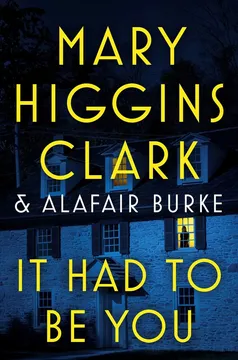


Plot Summary
Prologue
At a white-clad graduation party on Cape Cod, Sarah Harrington watches her twin sons, Simon and Ethan, celebrate with their girlfriends and twelve-year-old sister, Frankie. Their father, Richard, has already made clear that he disapproves of Ethan’s relationship with Annabeth, but the family keeps smiling for the guests.
Two hours later, dog walker Jenna Merrick arrives at the Harringtons’ house and finds Richard and Sarah dead in a pool of blood, a broken pearl bracelet beside Sarah. Their elderly boxer, Bacon, finally howls from the back of the house. The party’s polished family portrait has ended in a crime scene, and the twins will spend a decade suspected of creating it.
The opening turns the Harringtons’ public image into part of the mystery. Their matching white clothes, carefully managed relationships, and celebratory gathering make the violence feel not like an interruption of family perfection but like its concealed underside. Jenna’s discovery also establishes the story’s most intimate form of evidence: Bacon’s silence before she enters, then his grief after she finds the bodies. The broken pearls plant a physical clue whose meaning will depend on who owned them and who handled them. By placing the murder before the investigation, the prologue makes the reader inherit the same incomplete knowledge that has divided the Harrington family for years.
The Anniversary Call
Nearly ten years later, Michelle Ward Harrington is raising two children with Simon, whose legal career never recovered from the suspicion surrounding his parents’ murders. A podcaster calls to exploit the anniversary, falsely suggesting that Michelle and Simon will speak publicly and probing whether they still have contact with Ethan or Frankie.
Michelle discovers that Laurie Moran’s program, Under Suspicion, has reopened cold cases successfully, and reaches out to Ethan’s wife, Annabeth, after years of silence.
At the same time, Frankie, now a college student, contacts Laurie herself. She has begun doubting the Wards’ lifelong assurance that her brothers were innocent. Laurie sees a case her show can investigate, while the family’s separate phone calls reopen the question each sibling has tried to bury.
The case returns through media intrusion, but the more consequential pressure comes from within the family. Michelle and Frankie act because silence has stopped protecting the next generation: Michelle worries her children will discover the accusations online, while Frankie can no longer accept inherited certainty as proof. The podcaster’s manipulative tactics contrast with Laurie’s more careful method, establishing that attention can either convert grief into spectacle or give it a disciplined purpose. The siblings are not united by a shared theory. They are united by the cost of not knowing, a distinction that lets the investigation begin without pretending trust has already been restored.
Frankie Opens the File
Frankie meets Laurie in New York and lays out why she has started questioning the story she grew up hearing. Police believed Simon and Ethan staged an alibi, taking turns appearing at their graduation party while one twin drove the family Range Rover to the house and shot their parents.
The gate camera recorded the car, and law partner Howard Carver claimed he saw one of the twins near it afterward. The killer also knew the gate code, the family dog, and the combination to the gun safe.
Frankie adds that her brothers now each accuse the other, despite insisting they never left the party. She remembers them keeping apart that night, and admits they were unusually skilled at impersonating one another. Laurie warns that an honest investigation may implicate a brother, but Frankie asks her to proceed.
Frankie’s recollections complicate the evidence without resolving it. She is both a witness to the family’s ordinary behavior and a young woman reconstructing a night she experienced as a child, so memory becomes a source to test rather than a verdict. Her willingness to risk learning that a brother is guilty marks a shift from protective loyalty to adult responsibility. Yet her hope is still relational: she wants the truth partly because she imagines that exoneration could reunite them. Laurie’s warning matters because it refuses to promise the comforting outcome Frankie wants, preserving the ethical difference between investigation and reassurance.
Two Brothers, Two Accusations
At the family law office, Simon tells Laurie how Richard’s pressure shaped the brothers’ final months together. After Simon paid a classmate to write a paper, an extortion threat drove him to ask Richard for money; Richard responded by shaking and hitting him.
Simon also admits that he and Michelle cruelly tried to drive Annabeth away from Ethan, worsening the brothers’ fight before the party. He signs the show’s agreement, then calls Ethan, who has spent years believing Simon killed their parents.
Ethan describes their father’s control and says he will participate only if Laurie finds new evidence. He also reveals that Simon first tried to delay the estate distribution. The twins’ opposing accounts now expose a shared history of shame, resentment, and mistrust rather than a clear answer.
The brothers’ accusations are rooted in competing adaptations to the same father. Simon learned to pursue approval through achievement and concealment; Ethan resisted control more openly, but their different strategies hardened into reciprocal certainty after the murders. Simon’s account also revises Michelle’s self-understanding: she recognizes that she helped preserve her own position as the favored girlfriend by joining Richard in rejecting Annabeth. Ethan’s conditional willingness to participate is not a simple change of heart. It reflects a practical fear that the show could become another arena in which his family is judged without evidence. The investigation therefore begins by exposing moral injuries that predate the crime.
A Police Theory Narrows
Laurie finds former Harbor Bay deputy chief Roberta Hanson with help from her father, Leo. Roberta confirms that Chief Collins quickly settled on the twins after the Range Rover appeared on the gate recording and Carver reported seeing one of them nearby.
The department never searched the Harringtons’ Boston home, examined years of gate footage, properly investigated the reported graffiti, or explored Richard’s professional conflicts. Roberta also reveals that police found a second camera, disguised as a wall clock near Richard’s office, with its memory card missing.
Though she still suspects the twins, she cannot call the investigation thorough. Laurie shares the failures and the hidden-camera lead with Ethan. Satisfied that the show has uncovered something the police overlooked, Ethan agrees to take part.
Roberta’s testimony does not prove the twins innocent; it changes the standard by which their suspicion should be judged. The chief’s local priorities, outsider bias, and preference for a tidy theory shaped what the department chose not to investigate. The missing camera card is particularly double-edged: it appears to implicate someone with access, yet the family’s hidden conflicts mean that access is not exclusive to the brothers. Laurie’s role is to widen the field without treating every oversight as evidence of a conspiracy. Ethan’s agreement follows a concrete investigative gain, showing that he needs the inquiry to demonstrate its value before he risks reopening his private life.
The Camera in Boston
While sorting her parents’ belongings, Frankie finds a memory card tucked inside one of her childhood books and brings it to Ethan, who can read the file. The recording comes from a motion-activated camera Sarah hid in a picture frame in the Boston home.
It shows Richard grabbing and striking Sarah, then returning minutes later to apologize while blaming stress at work and insisting she remain with him. Frankie, Ethan, and Annabeth watch in shock; Ethan had rejected Simon’s account of their father’s violence, and Frankie had never seen this side of her parents.
Frankie sends the footage to Laurie and the family. Laurie realizes Sarah had secretly documented abuse, while the mention of danger at Richard’s law firm gives the case a new avenue beyond the twins’ motives.
The footage breaks the family’s self-protective mythology with an image that cannot be softened by memory. Sarah’s camera records both the assault and Richard’s immediate attempt to recast it as a temporary reaction to pressure. This pattern of violence followed by excuse helps explain why relatives and household staff could see fragments without understanding the whole. Frankie’s shock comes not only from learning that her mother was harmed, but from recognizing how completely the family’s public story excluded Sarah’s private reality. The camera also functions as more than evidence: it is Sarah’s attempt to preserve a record when the person controlling the household controlled the account of what happened.
Cape Cod’s Loose Ends
As production begins in Harbor Bay, Jenna recalls arriving at the house to find the gate camera knocked askew, Bacon silent at the door, and the rooms ransacked. She remembers a prior argument between Richard and Sarah, though neither explained it.
Caretaker Peter Bennett says Sarah feared no one, but describes her long sleeves and produces copies of gate-camera footage the police failed to preserve. One clip catches a vandal’s striped sleeve; another shows a local delivery van turning into the driveway the day before the murders.
Peter identifies its business as Jimmy Connolly’s hardware store, Annabeth’s family business. Laurie then learns from the Wards that Howard Carver had defrauded clients before abruptly leaving the bar. Under questioning, Howard admits he was abusing pills and cannot reliably remember whether the person by the Range Rover was a twin.
This section is analysis pending.
The Brothers Break Apart
After Laurie shares Howard’s recantation, the district attorney agrees to have state police review the case. She brings Simon and Ethan together on camera, hoping the new evidence will let them reconsider their accusations.
Instead, they argue over inheritance, Annabeth, and who tried to freeze the estate; each redirects suspicion toward the other. Frankie leaves in tears, convinced their feud may be a performance hiding a joint crime. Laurie later learns from Peter that the van at the house belonged to Jimmy Connolly, and suspects Annabeth’s father may have confronted Richard.
Meanwhile, Frankie reexamines the pearl bracelet Betsy gave her and realizes it may be her mother’s, not Betsy’s. She calls Laurie seeking family photographs, then is seized on the beach and forced into Dennis Ward’s car trunk.
The interview demonstrates that evidence alone cannot repair a relationship when both brothers have organized their identities around the other’s guilt. Their argument reenacts the family’s old competition for legitimacy, now before cameras, and Frankie experiences it as confirmation that reconciliation may be impossible. Her conclusion is understandable but premature: the visible conflict obscures a third person’s role. The bracelet offers a counterpoint to the brothers’ words. Unlike testimony, its size and broken clasp can be physically compared, turning an intimate gift into a forensic question. Frankie’s attempt to follow that clue makes her vulnerable precisely because she has begun to act independently of the family’s competing explanations.
Pearls on the Gravel
Laurie notices that Frankie’s messages sound unlike her, then follows footprints from the Wards’ beach house to an access road. Frankie’s childhood book lies abandoned beside a rock, and a loose pearl and silver clasp are scattered on the gravel.
The bracelet had belonged to Sarah and fitted Frankie closely; its break echoes the pearls found beside Sarah’s body. Laurie obtains crime-scene photographs from assistant district attorney Randy Macintosh and compares them with the matching bracelets Sarah and Betsy once owned.
She concludes that Betsy wore one at the murder scene, then later gave Sarah’s bracelet to Frankie while claiming it was her own. When Betsy returns to the empty house asking for Frankie, Laurie confronts her, believing that her old friend’s daughter has been abducted and that Betsy knows why.
Laurie’s inference depends on treating an object as a record of relationships rather than decoration. The bracelet carries the history of Sarah and Betsy’s friendship, but its fit, clasp, and altered ownership make it incriminating in a way neither woman’s recollection can control. Frankie’s abandoned book also reverses its earlier role: once a shared refuge with her mother, it now marks the point where she was taken. Laurie’s decision to confront Betsy alone is risky, shaped by urgency and guilt over missing Frankie’s warning. The investigation has become more than a search for a killer; it is now a race to prevent the family’s inherited secrecy from becoming another act of harm.
Betsy Names Her Son
Betsy first claims that she alone confronted Richard and accidentally killed him and Sarah, but Laurie recognizes that the account does not explain why she hid evidence for a decade. Pressed about the bracelet and the missing camera card, Betsy admits she went to the house after Richard left the party and found Dennis already there.
He had gone to frighten the Harringtons after years of resentment, vandalism, and blackmail. Richard threatened to expose Dennis; when he attacked Betsy, Dennis rushed in, and Sarah entered during the struggle.
The gun fired, killing Sarah and then Richard. Betsy removed the camera card and helped Dennis stage the Range Rover’s return to the club. She locates them at Frankie’s storage unit. Frankie escapes Dennis’s trunk with bug spray and a flashlight, and Laurie and Betsy stop him until police arrive.
Betsy’s first confession is another attempt to control the story by absorbing blame, but Laurie sees the emotional logic beneath it: a mother has protected her son even when that protection required letting two innocent young men carry suspicion. Dennis’s resentment grew inside a family network where comparison was constant and status seemed inherited. His original intent to frighten the Harringtons does not erase the deaths that followed, while Richard’s violence complicates any simple portrait of victim and aggressor. Frankie’s escape is an act of practical intelligence, using the few objects in reach rather than waiting to be rescued. The confrontation finally forces loyalty to meet its cost in public evidence.
The Twins Find Frankie
State police take statements from Betsy, Dennis, and Frankie. Betsy admits concealing the camera card and misleading investigators; Dennis is held for his part in the fatal struggle and Frankie’s abduction.
As paramedics check Frankie, Simon and Ethan arrive in the same car, having realized she might be at the storage facility. They rush past the officers to embrace their sister. For the first time since the murders, they stand together without arguing over which one of them killed their parents.
Frankie is safe, but the family cannot return to its old picture of itself: Richard’s abuse, Dennis’s resentment, and Betsy’s concealment have all become part of the truth. Laurie’s investigation clears the twins’ path toward one another, even as the legal consequences remain unresolved.
The reunion is not a reward for solving the case so much as a consequence of removing the false premise that held the brothers apart. Simon and Ethan do not reconcile because they have suddenly become alike; they arrive together because Frankie’s immediate safety matters more than winning their old argument. The scene also refuses a clean moral restoration. Betsy’s care for Frankie coexisted with deception, and Dennis’s status as a frightened young man does not cancel his responsibility. Laurie’s work can correct the public record and expose the chain of choices, but it cannot return the parents or make the surviving family’s history uncomplicated.
Epilogue
Two months later, Simon and Ethan share meals again, and Frankie chooses to live with Ethan and Annabeth after deciding she need not choose one brother over the other. Dennis has pleaded guilty to involuntary manslaughter and begun a three-year sentence; Betsy has pleaded guilty to evidence tampering and received probation and community service.
Frankie declines to pursue a separate kidnapping charge. Laurie’s Under Suspicion special clears the twins publicly, while revealing the family’s hidden conflicts. At the broadcast celebration, Ryan tells Laurie he is leaving television to run for Manhattan district attorney. Laurie and Alex also share that they are expecting a child, and Tim introduces the puppy he named Ranger.
The ending offers repair without pretending that justice restores what was lost. The brothers recover a relationship because the accusation that structured their estrangement has been disproved, but Frankie’s choice to live with Ethan and Annabeth shows how cautiously she approaches belonging after the Wards’ betrayal. Her refusal to press the kidnapping charge is a personal boundary, not a claim that Dennis caused no harm. Laurie’s edited special also raises an ethical question: she withholds some damaging but irrelevant details to keep the story focused on the Harrington and Ward families. The final announcement of a new baby shifts the book from inherited secrecy toward chosen openness, while the family’s future remains grounded in the consequences of what they now know.
Analysis
The mystery is built around the gap between a family’s public image and its private arrangements. The Harringtons appear to be a wealthy, accomplished unit, but their home runs on coercion, favoritism, fear, and concealed financial trouble. The murders become difficult to solve because nearly every suspect has learned to manage appearances: Simon hides failure, Ethan rejects the family’s rules, Sarah hides abuse, Betsy hides what she knows, and Dennis resents being overlooked. These are not equivalent actions, but they share a social condition in which preserving the family story can seem more urgent than naming what is happening.
The book also treats evidence as an interpretation rather than a transparent answer. The Range Rover, the missing camera card, and Howard’s eyewitness statement appear to point decisively toward the twins, yet each depends on assumptions about identity, access, and memory. Laurie’s investigation succeeds by returning to neglected witnesses and testing those assumptions. Her method is not simply to distrust the police; Roberta’s account shows how local pressure and institutional tunnel vision can narrow a case without a deliberate frame-up.
Frankie’s role gives the investigation its emotional stakes. She does not seek truth from detached curiosity. She wants to know whether she can love her brothers without denying the evidence, and whether the people who raised her deserve the trust she gave them. Her pursuit of the past is also an assertion of adulthood: the family can no longer decide which facts she is allowed to know.
The conclusion offers accountability without a clean moral division. Richard’s violence matters, but it does not erase the deaths; Dennis’s resentment explains his path but does not absolve him; Betsy’s care for Frankie coexists with years of concealment. The story’s most durable insight is that protecting a family through silence can preserve its appearance while damaging its members. Repair begins only when the survivors can distinguish love from concealment and let evidence, however painful, replace inherited suspicion.
Review Summary
It Had to Be You is the eighth entry in the Under Suspicion series, earning an overall rating of 4.11/5. Most readers praised its engaging mystery involving identical twins suspected of murdering their parents, with producer Laurie Moran investigating the cold case through her true crime TV show. Fans appreciated the plot twists, likeable characters, and accessible standalone nature. Common criticisms included slow pacing in the first half, predictability, and occasionally rushed resolutions. Overall, it's regarded as a light, entertaining read perfect for mystery enthusiasts.
Characters
Frankie Harrington
The searching sisterFrankie is the youngest Harrington, raised by family friends after losing both parents as a child. She is curious, observant, and emotionally loyal, but her loyalty does not prevent her from questioning the account she inherited. Her studies in economics and political science, courthouse internship, and interest in legal questions make her attentive to evidence as well as feeling. She longs to recover a family life in which her brothers can belong to one another again, yet she is increasingly willing to face facts that may hurt. Her childhood books and memories of Sarah offer comfort, but they also become tools through which Frankie investigates the past on her own terms.
Laurie Moran
The cold-case producerLaurie produces Under Suspicion, a television program that revisits unsolved crimes with the aim of uncovering evidence rather than merely dramatizing suspicion. A journalist shaped by her own experience of an unresolved murder, she is empathetic but wary of letting sympathy determine a conclusion. She balances the needs of a vulnerable family against deadlines, studio politics, and the obligation to pursue uncomfortable leads. Her instincts are strongest when she listens to people overlooked by official investigations, though her investment in a hopeful outcome can make her hesitate. As a mother and partner, she has built a life that supports her work without making it the whole of her identity.
Simon Harrington
The driven twinSimon is Ethan’s identical twin and Michelle’s husband, a careful planner whose early ambitions were shaped by Richard’s demanding standards. He pursued law and prized approval, often hiding mistakes rather than risking failure. That need to remain the favored son made him complicit in treating Annabeth cruelly and contributed to the final rift with Ethan. Simon is intelligent and disciplined, but his confidence can shade into defensiveness when his character is challenged. His devotion to Michelle and their children gives him a stable home life, while his estrangement from Ethan and uncertainty about Frankie leave him facing the limits of the controlled future he once expected.
Ethan Harrington
The independent twinEthan is Simon’s identical twin, a musician and sound engineer who resisted Richard’s attempts to prescribe his career and romantic life. He is energetic, warm, and quick with humor, but he carries the same family history that hardened Simon into suspicion. His relationship with Annabeth offered a life less governed by his father’s approval, and he values loyalty to her and their expected child. Years of estrangement have left him convinced that Simon betrayed him, even as he wants to protect Frankie from the family’s unresolved past. Ethan’s independence is both a source of resilience and a reason he distrusts institutions that once treated him as guilty.
Michelle Ward Harrington
Simon’s steadfast partnerMichelle is Simon’s wife, a romance novelist, and the daughter of Betsy and Walter Ward. She has long been close to the Harrington family, but her loyalty to Simon once made her accept the family hierarchy that favored him over Ethan and Annabeth. She understands how the murder investigation constricted Simon’s career and family life, and she wants their children protected from the public suspicion attached to his name. Her optimism helps sustain their household, though it can initially shield her from her own past choices. Reaching out to Annabeth and supporting Frankie’s investigation show her willingness to reopen relationships she once helped damage.
Annabeth Harrington
Ethan’s loyal partnerAnnabeth is Ethan’s wife and the daughter of Harbor Bay shopkeeper Jimmy Connolly. Richard judged her by her working-class background and treated her relationship with Ethan as a threat to his authority. Annabeth is affectionate and steady, but years of being blamed for the Harrington family’s fracture have made her wary of Simon and Michelle. Her loyalty to Ethan is grounded in the life they have built together, not in a wish to win approval from his family. As they prepare for their first child, she worries that public accusations will be inherited by the next generation, and she carefully weighs privacy against the possibility of truth.
Betsy Ward
Sarah’s lifelong friendBetsy is Sarah’s closest friend and Michelle’s mother. The two women shared decades of friendship, parallel family lives, and an affection that made the Harringtons and Wards feel almost like one household. Betsy is confident, protective, and accustomed to stepping in when someone she loves is in trouble. Her devotion to Sarah and Frankie is entangled with strong maternal instincts and an enduring concern for her own children. She can be decisive when she believes action is necessary, but her desire to shield loved ones makes her capable of withholding painful truths. Her friendship with Sarah is a central emotional bond in the story.
Dennis Ward
The overlooked younger sonDennis is Betsy and Walter’s son, Michelle’s younger brother, and a lawyer in the family practice. For much of his life, he has occupied the margins of a close-knit circle that celebrated the Harrington twins and paired Michelle with Simon. He is protective of his parents and sister, yet he struggles with feeling peripheral and with the family’s tendency to manage appearances. His legal training gives him a practical, cautious outlook, while his attempts to shield the Ward family from renewed scrutiny reveal how deeply he fears public judgment.
Richard Harrington
The demanding patriarchRichard is Sarah’s husband and the father of Simon, Ethan, and Frankie. A successful lawyer who built a small firm, he values achievement, family reputation, and control. He pushes Simon toward a conventional path while dismissing Ethan’s musical ambitions and opposing Ethan’s relationship with Annabeth. His authority shapes the twins’ different responses to pressure and helps create the rivalries that persist long after his death. To outsiders, he appears to head an accomplished, close family; people nearer to the household see a more complicated man whose standards govern both his children’s choices and the family’s public image.
Sarah Harrington
The artist motherSarah is Richard’s wife and the mother of the Harrington children. An artist with a warm, observant nature, she wanted a family and delighted in the distinct personalities of her twins and young daughter. Her closeness with Betsy gives her a confidante beyond the household, while her affection for Annabeth contrasts with Richard’s disapproval. Sarah cares about her children’s happiness and the family’s public image, a tension that shapes what she chooses to reveal. Frankie remembers her as playful and loving, while the adults around her know only fragments of the pressures she faced.
Walter Ward
The family’s lawyerWalter is Betsy’s husband, Michelle and Dennis’s father, and a longtime legal partner of Richard Harrington. He and Betsy provide Frankie with a home after the murders without trying to replace her parents. Walter is practical, careful, and protective of the people in his household. His professional choices are shaped by competing obligations to clients, partners, and family, and he is reluctant to reopen decisions that he believes were made to limit harm. His affection for Frankie is real, but he must also navigate the divided loyalties created by his wife’s closeness to Sarah and the new questions surrounding the Harrington case.
Howard Carver
The compromised witnessHoward is Richard and Walter’s former law partner and the witness whose account placed one of the Harrington twins near the Range Rover. He is a lawyer with a history of professional trouble and a strained relationship with his former colleagues. His connection to the family makes his testimony seem especially weighty, though his manner and memory leave room for doubt. Howard is ashamed of past conduct and wary of renewed public attention. His role demonstrates how a witness can sincerely report an impression while being unable to separate what he saw from what fear and assumption supplied.
Peter Bennett
The devoted caretakerPeter looks after the Harringtons’ Cape Cod property and knows its routines, equipment, and local surroundings. Quiet and socially awkward, he is more comfortable discussing practical work than speaking to a television crew. He holds Sarah in particular regard and remembers small details about her habits that others overlooked. Peter’s careful preservation of security footage reflects both his attachment to the family and his belief that the official inquiry missed important evidence. He is a useful witness because he notices the ordinary traffic around the house, though his emotional investment also makes his perspective worth examining.
Jenna Merrick
The first witness insideJenna is the dog walker who discovers Richard and Sarah’s bodies and once worked as a waitress in Harbor Bay. She knows the Harringtons through the small routines of summer life, especially caring for their boxer, Bacon. Jenna is practical and compassionate, but the discovery leaves her with vivid memories of sounds and objects at the scene. Her working-class position gives her a perspective on how local people regarded wealthy summer residents as outsiders. She is willing to revisit the night for Laurie’s program because the family was kind to her and she wants their story treated responsibly.
Jimmy Connolly
Annabeth’s shopkeeper fatherJimmy owns the Harbor Bay hardware store and is Annabeth’s father. He is proud, protective, and deeply committed to his wife and daughter. Competition from a large chain store puts pressure on his business, and financial strain makes him reluctant to let his family see how precarious things have become. His history is tied to old expectations inherited from his own father, which he has tried to leave behind by running a legitimate business. His concern for Annabeth shapes his feelings about the Harringtons’ treatment of Ethan and her.
Ryan Nichols
The ambitious hostRyan is the on-camera host of Under Suspicion, a former prosecutor whose sharp questioning gives the show much of its public force. He is intelligent and capable, but his confidence and connections can make him seem entitled, especially when he courts the approval of studio boss Brett Young. Working with Laurie exposes his insecurity about whether television is a meaningful use of his legal training. He wants to contribute beyond reading from a script, and his rivalry with Laurie gradually becomes a more honest working partnership. His charm is an asset, though it can also conceal his need to prove himself.
Roberta Hanson
The former deputy chiefRoberta was the deputy chief who worked on the original Harbor Bay investigation. She later leaves police work to run a bookstore, carrying discomfort about how the case was handled. Roberta believes the twins may have been involved, but distinguishes suspicion from proof and recalls the chief’s resistance to widening the inquiry. Her testimony is measured rather than self-excusing: she describes the decisions the department made and the investigative steps it skipped. She gives Laurie a rare inside account from someone who witnessed the original investigation and is no longer constrained by the department’s chain of command.
Leo Farley
Laurie’s retired police fatherLeo is Laurie’s father and a former first deputy police commissioner of the NYPD. He helped Laurie raise her son after her first husband’s murder and remains a steady presence in their family. Leo is wry, proud, and still thinks like an investigator, even when his daughter asks for help with a case rather than a family problem. His experience gives him useful professional contacts, but his deepest motivation is his concern for Laurie’s safety and well-being. He values routine and family closeness, while respecting Laurie’s competence as a journalist.
Alex Buckley
Laurie’s judicial husbandAlex is Laurie’s husband, a federal judge and former criminal defense attorney. He shares a warm bond with Laurie’s son, Tim, and takes an active role in their household. Alex understands the pressures of criminal cases and supports Laurie’s investigative work without trying to take it over. His calmness and humor balance Laurie’s tendency to carry other people’s distress as her own. He has built a second family with Laurie after earlier losses, and he approaches that commitment with patience and practical care.
Tim Moran
Laurie’s curious sonTim is Laurie’s school-age son, a thoughtful child who enjoys music, hockey, video games, and time with his grandfather. He has grown close to Alex and treats Laurie’s coworkers as part of his extended family. Tim’s straightforward observations often remind the adults to distinguish what is fair from what is merely convenient. His life at home gives Laurie a grounding beyond the investigations she produces.
Grace Garcia
Laurie’s perceptive assistantGrace is Laurie’s assistant and a capable member of the Under Suspicion production team. Fashionable, funny, and socially perceptive, she helps witnesses relax while keeping the work organized. She is ambitious and direct, and she does not let Ryan’s confidence intimidate her. Her loyalty to Laurie is matched by a willingness to challenge the team when someone is overlooked or a plan needs adjustment.
Jerry Klein
The meticulous researcherJerry is an assistant producer on Laurie’s team, known for careful research and an easygoing manner. He tracks down witnesses, organizes production details, and brings humor to tense planning sessions. His loyalty to Laurie is practical rather than unquestioning: he asks whether the team has enough evidence and keeps the logistics moving while the investigation grows more complicated.
Plot Devices
Under Suspicion
Reopens the cold caseLaurie’s television program revisits unsolved crimes with the participation of relatives and people once suspected. Its cameras create pressure, but its real function is to assemble testimony, revisit physical evidence, and ask questions the original investigation left behind. The program also raises ethical tension: the family must expose private history in public, while the production team has to distinguish useful information from material that would merely sensationalize grief. Its format brings the Harringtons into the same room before their relationships are ready for the encounter.
The twins’ apparent alibi
Makes identity uncertainSimon and Ethan are identical twins who can imitate one another convincingly, and their separate movements at the graduation party create suspicion that they may have taken turns impersonating each other. The family Range Rover appears at the house while the twins are supposedly still at the party, and Howard Carver’s uncertain identification seems to place one nearby afterward. The twins’ physical resemblance turns an ordinary eyewitness claim into a major evidentiary problem. Their estrangement keeps the possibility of a shared plan alive even when each brother insists the other acted alone.
The hidden cameras
Preserve private evidenceSarah installs concealed cameras in the Boston home and at the Cape property, seeking a record of what happened behind the family’s polished public image. A memory card discovered in Frankie’s stored belongings captures Richard’s violence toward Sarah and his attempt to excuse it afterward. A separate camera at the Cape has a missing card, which initially looks like evidence of the twins’ guilt. Together, the recordings turn surveillance into a double-edged device: it documents private harm while also creating a missing piece that investigators and family members interpret in conflicting ways.
The pearl bracelet
Links two crime scenesA broken bracelet lies near Sarah’s body, and years later Betsy gives Frankie a similar pearl bracelet as a keepsake. The fit, clasp, photographs, and crime-scene images allow Laurie to question Betsy’s account of who wore which piece that night. Frankie’s own bracelet later breaks during her abduction, leaving pearls and a clasp on the beach access road. The repeated physical detail connects Sarah’s murder to Frankie’s disappearance and gives Laurie a trail when phone messages can no longer be trusted.
The preserved gate footage
Reopens overlooked leadsThe gate camera records vehicles entering and leaving the Harrington property, but the original police inquiry preserves only a narrow portion of the footage. Peter Bennett secretly keeps copies that show the vandalism and other traffic, including a local delivery van. Those recordings expose the limits of the official investigation and provide a route toward people and events outside the twins’ circle. The footage does not identify a killer on its own; its value comes from details that can be compared with witness memories, clothing, timing, and the family’s account of who knew the camera was working.
Download PDF
Download EPUB
.epub digital book format is ideal for reading ebooks on phones, tablets, and e-readers.








