

Key Takeaways
Treat laundry as practical affection, not a domestic sentence
A habit becomes care. Patric Richardson’s fascination began as a toddler, watching clothes circle in a washing machine. The women in his family encouraged that curiosity, teaching him that looking after clothes could be a way of looking after people. He recalls his mother ironing his brother’s jeans simply because it made him feel cared for. That idea becomes the book’s emotional center: laundry can be useful service rather than pointless drudgery.
Make the work personal. Richardson’s grandmother welcomed him into ordinary chores, even when his help slowed her down. Their time together made laundry part of a relationship, not merely a task to finish. He suggests finding a version of that meaning in caring for one’s own clothes or helping someone else.
What's striking is how the book turns a repetitive household task into a small practice of attention. Behavioral research often finds that routines become easier to sustain when they connect to identity and relationships, not just obligation. The service frame can make care visible in a way that a clean shirt alone cannot. There is a necessary boundary, though: calling domestic labor loving does not make its unequal distribution fair. The strongest version of Richardson's idea is chosen care, shared generously, rather than a sentimental gloss on work that one person is expected to do.
Sort by color families, not inherited whites-lights-darks rules
Old rules had a reason. Richardson traces the familiar whites-lights-darks routine to older washing methods, when people reused water and dyes transferred more easily. Modern machines drain and refill, and many contemporary dyes resist bleeding, so he proposes a different set of piles: whites, blacks, cool colors, warm colors, and performance activewear. For patterned garments, choose the color family that dominates visually rather than agonizing over every stripe.
Protect special fibers. He separates technical workout clothes because they can retain body oils and odors. Before washing, he turns silk inside out and places it in a mesh bag. He rolls wool garments tightly inside mesh bags and fastens them snugly to limit rubbing. The method aims to make sorting preparation simple and washing less abrasive.
The useful principle is to preserve the purpose of a routine while updating its assumptions. Sorting is not a ritual to obey; it is a way to manage dye transfer, abrasion, and fabric needs. That resembles risk-based thinking in fields such as food safety, where categories matter because they predict a specific hazard. The practical limit is that dye behavior varies by garment, age, and manufacturer. New or visibly unstable colors deserve caution, even if the general load system is simpler than the traditional three-pile rule.
Use a restrained wash routine instead of assuming longer means cleaner
Keep the process compact. Richardson recommends a warm-water express cycle, a high spin, and a small amount of quality soap, rather than a long cycle and a large pour of detergent. He argues that a short wash reduces the time clothes rub together and says a tablespoon of concentrated soap may be enough for a load. His approach also favors doing the household wash in one planned session instead of letting laundry interrupt every day.
Time savings add up. For a family washing seven loads a week, he estimates that conventional washing and drying can consume about ten hours. His streamlined routine, including stain treatment, is estimated at four hours and ten minutes. These are his estimates, not a guarantee; machine settings, household size, soil, and fabric all affect the result.
The broader insight is that more effort is not automatically more effective. Shorter cycles and measured dosing can reduce needless inputs, while batching protects attention from constant task switching. Yet a universal warm, quick-cycle prescription is too broad for every machine, textile, or kind of soil. Modern detergents and machines differ, and sanitation needs can change the calculation. The sensible takeaway is to avoid defaulting to maximum duration and product, then adjust according to garment labels, machine guidance, and the actual job at hand.
Air clothes between wears and save washing for actual soil
Not every wear needs a wash. Richardson argues that people often launder clothes simply because they have been worn once, even when they are not dirty. Instead, he suggests airing garments outdoors or in a ventilated space, steaming to refresh their shape, and treating a small stain directly. Wool sweaters, he says, may need washing only once or twice a season unless they are stained or genuinely dirty.
Reduce needless cycles. Wearing jeans ten or more times before washing is his personal practice. He also describes people who spot-clean and air their denim rather than washing it frequently. The point is not to adopt a strict no-wash rule. It is to distinguish visible soil, odor, and hygiene needs from the reflex to wash everything after a single use.
This is a maintenance mindset: intervene when there is a reason, rather than treating repeated washing as proof of cleanliness. It can save water and energy while limiting wear on garments. It also aligns with the distinction between refreshing an item and removing soil, which are different jobs. The counterpoint is that frequency depends on activity, climate, skin contact, and the garment itself. A sweater worn briefly in a clean office is not equivalent to a sweaty workout shirt. Less washing is a useful default, not a universal hygiene rule.
Match drying to fabric, because heat spends your clothes' lifespan
Give garments gentler exits. Richardson hangs woven pieces such as shirts and trousers, places knits on a drying rack, and uses the dryer for durable basics such as T-shirts, socks, underwear, towels, and sheets. Line-drying is another option when weather and space allow. He recalls helping his grandmother hang laundry, an activity he remembers as both practical and quietly absorbing.
Use the dryer selectively. The book cites the National Council of Textile Organizations for the claim that quality textiles may withstand about fifty wash-and-dry cycles; avoiding the dryer can add many more wears. Richardson also recommends wool dryer balls, which he says can shorten drying time by as much as 40 percent. His aim is not to ban the dryer, but to reserve it for items that tolerate the heat and tumbling.
Drying is an important but often overlooked part of garment care: the machine's heat and mechanical action can matter as much as the wash. Choosing a rack for a favorite shirt can therefore be both an environmental decision and a way to avoid replacing it early. The exact lifespan of a textile cannot be reduced to one cycle count, since fiber, construction, fit, and machine conditions differ. The durable lesson is to treat the dryer as a tool with a cost, not as the automatic final step for every load.
Treat stains by chemistry, then check before heat locks them in
Identify what made the mark. Richardson groups stains as oily, organic, or inorganic, while noting that real spills can combine categories. For example, a food stain may contain both oil and plant color. He matches treatment to the substance: a red-wine stain is treated differently from lipstick, which contains oil and pigment. His stain guide offers specific approaches, often combining a cleaner for the oil with soap or oxygen-based bleach for remaining color.
Treat before washing. He recommends applying stain treatments immediately before laundering, then checking the garment before putting it in the dryer. A remaining stain may need another treatment and wash, since dryer heat can make some marks harder to remove. For permanent ink, he describes using Amodex, then cleaning away residue before washing.
The chemistry-first approach replaces the frustrating habit of attacking every stain with the same spray. It is a useful diagnostic model: identify likely components, treat them in sequence, and inspect the result before applying heat. That is more transferable than memorizing dozens of recipes. Some stain treatments, including acids, solvents, and strong heat, can damage particular fibers or finishes, so testing an inconspicuous area and following product instructions matters. A good stain method is not merely effective on the mark; it must also preserve the garment.
Treat care labels as clues, not automatic vetoes on home washing
Question the dry-cleaning default. Richardson argues that many garments labeled dry-clean-only can be cared for at home, and that dry cleaning often uses liquid solvents rather than a truly dry process. He recounts learning from textile professor Elizabeth Easter that wool could be handwashed, then experimenting with machine washing wool in tightly secured mesh bags. For a wool suit, his method is to bag the pieces separately, use a short cycle, and hang them to dry.
Know the limits. The book extends home care to items such as formal dresses, down, and some household textiles, with different methods for each. Its central challenge to readers is that a label should prompt informed care rather than automatic expense. But the claim that virtually anything can be washed at home is broader than the detailed methods can safely guarantee.
This section empowers readers to question an expensive convention and learn about materials rather than surrendering every decision to a tag. It also reflects a larger consumer skill: distinguish a warning from an absolute prohibition. The nuance matters. Labels can reflect construction, trims, dyes, linings, or finishes that are difficult to assess at home, and an heirloom or costly garment may justify professional advice. Curiosity is valuable, but it should be paired with a small test, clear knowledge of the fabric, and acceptance that some risks are not worth taking.
Make garment care part of buying less wastefully
Care continues beyond the wash. Richardson links gentler laundering to environmental impact: fewer wash cycles and less machine drying mean lower water and energy use, while synthetic fabrics can release tiny plastic fibers into wastewater. He recommends choosing more durable natural fibers when they suit the wearer, using plant-based soaps, avoiding fabric softeners and dryer sheets, and considering efficient appliances when replacement is necessary.
Extend a garment's life. He also urges readers to shop thoughtfully, donate wearable clothes, recycle items beyond use, and consider clothing swaps or secondhand shops. Learning to remove stains can make a used garment or a previously rejected favorite wearable again. The environmental argument is practical: the care and lifespan of clothing matter alongside the decision to buy it.
The strongest environmental move in this account is extending use, not simply swapping one product label for another. A garment worn for years spreads its material and manufacturing costs across more use. That perspective connects household maintenance to lifecycle thinking, which evaluates products from production through disposal. Still, terms such as natural, safe, or green are not complete measures of impact on their own. Fiber production, dyeing, labor, durability, and disposal all matter. The book's habits are a meaningful start, while responsible purchasing also requires looking beyond the laundry-room label.
Wear the special pieces now, not only for imaginary occasions
Make the wardrobe usable. Richardson rejects the idea that everyone needs the same short list of essential garments. People have different work, climates, interests, and social lives, so a useful wardrobe should reflect the person who wears it. He advises buying things that genuinely appeal, then finding ways to combine them with existing clothes rather than waiting for a perfect occasion.
Experiment with what is owned. Richardson treasures a custom black-and-white cashmere cardigan embroidered with cherry blossoms, but wears it often rather than preserving it for rare events. He also pairs a designer piece with an inexpensive basic, and recommends separating familiar outfits to discover new combinations. Better care makes this freedom feel less risky: the clothes are available to be worn, not stored as fragile investments.
Clothing is both material goods and a medium of identity. The invitation to wear a cherished item resists the familiar pattern of protecting possessions until their intended occasion never arrives. The high-low styling approach also shifts attention from price tags toward fit, combination, and personal expression. There is a useful balance here: buying whatever feels exciting can become another form of consumption, while using existing garments creatively can renew a wardrobe without adding to it. The most compelling version of the advice is to purchase deliberately, then let those choices participate in ordinary life.
Analysis
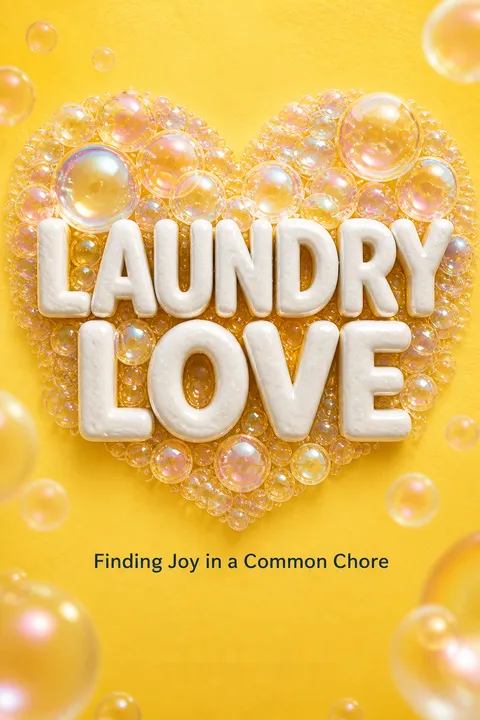
Laundry Love is a hybrid of practical reference book, memoir, and argument about domestic attention. Its organizing movement is clear: Richardson begins with a childhood fascination nurtured by women in his family, turns that affection into textile expertise, and then offers routines meant to make laundry less costly in time, money, and environmental impact. The technical advice is memorable partly because it arrives wrapped in intimate stories: a grandmother's clothesline, a ruined heirloom shawl, a bride's ink-stained gown. These episodes make fabric care consequential without pretending every load is a crisis.
The book's most distinctive contribution is not a single detergent recommendation. It is the reframing of care as competence and freedom. If readers can understand fibers, stains, and drying, clothing becomes less intimidating, and a care label no longer seems to dictate what they may own. The book also resists standardized style advice, arguing that wardrobes should match actual lives rather than a generic list of essentials.
Its confidence is both a strength and a limitation. Richardson's detailed experience gives readers actionable alternatives to default dry cleaning and over-washing. Yet some claims are stated more categorically than a general guide can support, especially advice about washing temperature, cycle selection, product safety, and whether almost any item can be cleaned at home. Garments differ in construction and finishes, and household machines differ too. Readers benefit most by treating the book as an invitation to learn and test, not as a replacement for every label, manufacturer instruction, or specialist judgment.
The emotional argument also deserves a social caveat. Service can make domestic work meaningful, but meaning does not guarantee fairness in who performs it. The book's account is most persuasive when care is freely shared, as in its stories of family members and neighbors helping one another. In that light, laundry becomes a modest but revealing practice: a place where knowledge, affection, consumption, and environmental choices meet.
Review Summary
Laundry Love receives mostly positive reviews for its practical laundry tips, engaging writing style, and the author's passion for the subject. Readers appreciate the environmentally-friendly advice, stain removal techniques, and the author's humor. Many found the book surprisingly enjoyable and informative, with some implementing the suggested changes in their laundry routines. While a few readers felt some advice was impractical or already known, most found value in the book's comprehensive approach to laundry care and its potential to change their perspective on this common chore.
People Also Read









Glossary
Laundry Camp
Hands-on laundry workshopsRichardson's two-hour workshops, held at the Mall of America, teach participants practical methods for sorting, washing, drying, and removing stains. The classes combine demonstrations with a broader message: textile care can be simpler and more enjoyable when people understand how garments respond to different treatments.
conservation washing
Lower-wear textile careA general approach to laundering that aims to preserve garments and reduce resource use. In the book, it includes washing clothes less often, limiting abrasion through short cycles, using modest amounts of soap, and choosing air-drying or line-drying when appropriate. The goal is longer garment life alongside lower water and energy use.
phantom stains
Heat-darkened sugar residueBrown marks that can appear after a garment is dried when sugar residue, such as traces from juice or ketchup, remains after washing and caramelizes under dryer heat. Richardson recommends treating the mark again before rewashing and checking that it has disappeared before using the dryer.
blocking
Reshaping damp knitwearA method for adjusting the dimensions of a knitted garment while it is clean and damp. The garment is measured, gently shaped by hand to the desired size, and pinned along its edges as it dries. Richardson presents blocking as a way to alter the fit of some knits at home without taking them to a tailor.
colorfastness
Resistance to dye lossA textile's ability to keep its color during washing rather than fading or transferring dye to other items. Richardson uses the term to explain why modern laundry sorting can differ from older practices, while still recommending separate color groups to manage possible small dye transfers and fabric abrasion.
FAQ
What's "Laundry Love: Finding Joy in a Common Chore" about?
- Author's Passion for Laundry: The book is written by Patric Richardson, who shares his lifelong passion for laundry and textiles, aiming to transform the chore into a joyful and efficient activity.
- Practical Laundry Tips: It provides practical advice on sorting, washing, drying, and caring for clothes, making the process faster, cheaper, and more environmentally friendly.
- Personal Stories and Anecdotes: Richardson includes personal stories and anecdotes, particularly about the women in his life who influenced his love for textiles and laundry.
- Comprehensive Guide: The book serves as a comprehensive guide to mastering the art of laundry, including stain removal techniques and special care for delicate items.
Why should I read "Laundry Love: Finding Joy in a Common Chore"?
- Transformative Approach: The book offers a transformative approach to laundry, turning a mundane chore into an enjoyable and rewarding activity.
- Expert Advice: Written by a laundry expert, it provides valuable insights and tips that can save time, money, and effort.
- Environmental Benefits: Richardson emphasizes eco-friendly practices, helping readers reduce their environmental impact through better laundry habits.
- Personal Connection: The book is filled with personal stories that add warmth and relatability, making it more than just a how-to guide.
What are the key takeaways of "Laundry Love: Finding Joy in a Common Chore"?
- Simplify Laundry Routine: Learn to simplify your laundry routine with efficient sorting, washing, and drying techniques.
- Eco-Friendly Practices: Adopt eco-friendly practices by using plant-based detergents and reducing water and energy consumption.
- Stain Removal Mastery: Gain mastery over stain removal with specific techniques for different types of stains.
- Love Through Laundry: Understand how caring for clothes can be an expression of love and service to others.
How does Patric Richardson suggest sorting laundry in "Laundry Love"?
- Color-Based Sorting: Richardson suggests sorting laundry into four piles: whites, blacks, cool colors (blues, greens, purples), and warm colors (reds, yellows, browns).
- Special Fabrics: Separate high-performance activewear into its own pile due to its unique fabric properties.
- Avoid Traditional Sorting: He advises against the traditional whites-lights-darks method, as modern dyes are more colorfast.
- Use Mesh Bags: For delicate items like silk and wool, use mesh bags to protect them during washing.
What washing techniques does Patric Richardson recommend in "Laundry Love"?
- Warm Water Wash: Wash everything on warm to ensure detergents dissolve properly and clean effectively.
- Express Cycle: Use the express cycle for most loads to save time and reduce wear on clothes.
- Avoid Overloading: Ensure the washing machine is not overloaded to allow clothes to move freely and get thoroughly cleaned.
- Gentle Detergents: Use high-quality, plant-based detergents that are free of harmful chemicals.
How does "Laundry Love" address drying clothes?
- Line-Drying Benefits: Richardson advocates for line-drying clothes to extend their lifespan and save energy.
- Use of Dryer Balls: When using a dryer, add wool balls to reduce drying time and aluminum foil balls to eliminate static.
- Avoid Fabric Softeners: He advises against using fabric softeners and dryer sheets due to their harmful chemicals.
- Proper Hanging Techniques: For woven items, use hangers, and for knits, use a drying rack to prevent stretching.
What are Patric Richardson's tips for ironing in "Laundry Love"?
- Ironing as Meditation: Richardson views ironing as a meditative and satisfying task that can enhance the appearance of clothes.
- Steam Generating Iron: He recommends using a steam-generating iron for both steaming and ironing, offering versatility and efficiency.
- Ironing Techniques: Follow specific techniques for ironing shirts and pants, focusing on creating crisp creases and smooth finishes.
- Use of Starch: Use spray starch to help prevent stains and maintain a polished look.
How does "Laundry Love" suggest handling stains?
- Three Types of Stains: Richardson categorizes stains into oily, organic, and inorganic, each requiring different removal techniques.
- Immediate Treatment: Treat stains immediately before washing to ensure effective removal.
- Specific Solutions: Use specific solutions like vinegar, rubbing alcohol, and bleach alternatives for different stains.
- Avoid Pretreatment: He advises against pretreating stains long before washing, as it may not be effective.
What are the environmental benefits of the laundry practices in "Laundry Love"?
- Reduce Chemical Use: By using plant-based detergents and avoiding harmful chemicals, readers can reduce their environmental impact.
- Conserve Water and Energy: The book promotes using less water and energy through efficient washing and drying techniques.
- Extend Garment Life: Proper care extends the life of clothes, reducing the need for frequent replacements and minimizing waste.
- Eco-Friendly Products: Richardson encourages the use of eco-friendly products like wool dryer balls and essential oils.
How does "Laundry Love" suggest caring for special items?
- Wool and Silk Care: Use mesh bags and gentle washing techniques for wool and silk to prevent damage.
- Handwashing Delicates: For items like prom dresses and wedding gowns, handwashing in a bathtub with soap flakes is recommended.
- Avoid Dry Cleaning: Richardson advises against dry cleaning due to its harsh chemicals and environmental impact.
- Home Washing Techniques: Learn to wash items like down jackets, pillows, and even fur coats at home with specific methods.
What are the best quotes from "Laundry Love" and what do they mean?
- "Look after your laundry, and your soul will look after itself." This quote emphasizes the meditative and fulfilling nature of caring for clothes.
- "Doing laundry isn’t rocket science, but it is domestic science." It highlights the practical and methodical approach to laundry that can lead to better results.
- "You don’t have to do laundry—you get to do laundry." This perspective shift encourages readers to view laundry as an opportunity rather than a chore.
- "Caring for your loved ones’ clothes shows them love." It underscores the idea that laundry can be an expression of love and service.
How does "Laundry Love" change the way we view laundry?
- Joyful Chore: The book transforms laundry from a mundane task into a joyful and rewarding activity.
- Empowerment Through Knowledge: By providing practical tips and techniques, it empowers readers to take control of their laundry routine.
- Environmental Consciousness: It raises awareness about the environmental impact of laundry and offers eco-friendly solutions.
- Expression of Love: Laundry is presented as a way to show love and care for oneself and others, enhancing its significance in daily life.
About the Author
Other books by Patric Richardson

Download PDF
Download EPUB
.epub digital book format is ideal for reading ebooks on phones, tablets, and e-readers.








