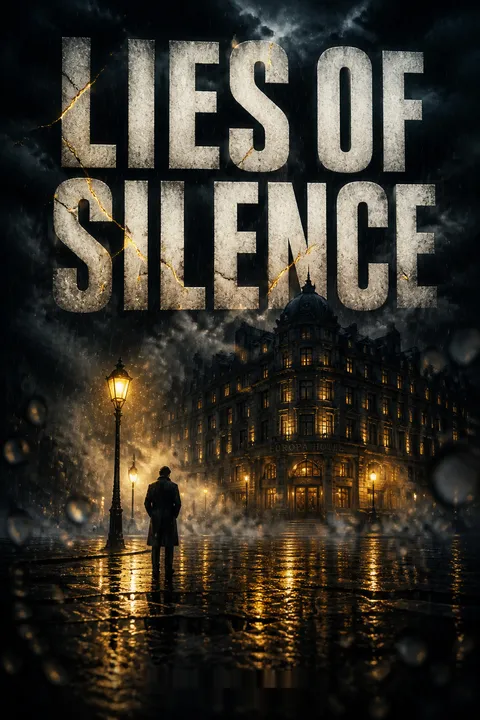


Plot Summary
A Towpath Promise
At the Clarence Hotel, Michael Dillon manages the business while privately longing to escape Belfast. He once hoped to become a poet; instead, he has returned to hotel work and a marriage to Moira that has grown brittle. Andrea Baxter, a Canadian researcher he met while she was covering an arts symposium, now has a chance to move to London.
When she admits she may take it, Dillon promises to leave Moira, seek a divorce, and follow her. The decision turns his secret affair into a plan, though he has barely considered what leaving will mean for his wife. At home, he finds Moira’s cat dead in the garden and hides the body, delaying the truth he means to tell her in the morning.
Dillon’s declaration sounds like a decisive break, but it is built from desire rather than preparation. He can imagine London as a clean exit because he has not yet faced Moira as a person who will be hurt, rather than an obstacle to his freedom. The dead cat quietly interrupts that fantasy: violence has already entered the domestic space, though Dillon does not yet understand its source. His habit of hiding unpleasant facts, from the cat to his affair, makes silence seem like a temporary convenience. The coming crisis will expose how little control that silence actually gives him.
Four Masks at Home
Before Dillon can tell Moira he is leaving, masked IRA gunmen enter their house and hold the couple through the night. Moira meets their threats with scorn, angering Kev, a young volunteer whose sexualized stare makes Dillon fear for her safety. When Moira slips out through the bathroom window, Kev catches her on the shed roof and drags her back inside, leaving her scraped and bruised.
The attempted escape unsettles the captors, who fear neighbors may have heard her cry. While the couple are guarded, Dillon sees Kev’s uncovered face reflected in a mirror and notices the boy’s acne. The tall leader then orders Dillon to dress for work and reveals that his car carries a timed bomb. Moira’s life is the leverage that will make him drive it.
The hostage scene strips away the roles Dillon and Moira usually inhabit. He wants to soothe, negotiate, and stay alive; she answers the gunmen directly, refusing to grant them moral authority even when resistance brings physical danger. Her escape attempt makes that refusal bodily, while Dillon’s discovery of Kev’s face gives him a piece of knowledge he cannot safely use yet. The captors are armed, but their nervousness and dependence on one another reveal a brittle operation, not an all-powerful machine. Their use of a marriage as leverage also turns Dillon’s private betrayal into an immediate test of attachment and responsibility.
Bomb Beneath the Breakfast
Dillon drives his Renault to the Clarence under surveillance, believing the bomb may be meant for the hotel. In the car park, he sees Protestant preacher Alun Pottinger arrive for a breakfast with Canadian Orange Order supporters and realizes the attack is aimed at him.
French tourists are eating nearby, and staff and guests fill the hotel. At Murray’s shop, Dillon abandons the bombers’ instructions and calls the police, reporting the device and the hostage threat.
He returns to raise the alarm, helps evacuate guests, and urges the French visitors to leave without waiting for their bus. The bomb explodes after the evacuation, destroying the restaurant and banquet room. Dillon rushes home expecting Moira to be dead, but police find her alive: the gunmen had left before he called.
The bomb’s target clarifies the moral stakes without making Dillon’s choice easy. He must act without knowing whether the IRA will kill Moira in retaliation, and the hotel’s ordinary morning traffic makes every delay concrete. His attention to the French guests matters because they are strangers, not symbols in the local conflict; he sees their families and plans as sharply as he sees Pottinger’s danger. The explosion does not make him a triumphant rescuer. It leaves a wrecked workplace, an endangered wife, and a choice that will fracture his marriage. He has broken the imposed silence, but cannot control who will pay for doing so.
Moira Stays Behind
After the police confirm Moira is safe, Dillon returns to the damaged Clarence and learns that the IRA bomb has destroyed his car as well as the restaurant. He tells Moira he has requested a transfer to London, but she refuses to leave Belfast. At her parents’ home in Lurgan, she explains that she was terrified while Dillon was away and now sees his departure as another way of avoiding responsibility.
Her father Joe condemns both sectarian injustice and the IRA’s claim to defend Catholics; her mother Maeve warns that defiance may only get Moira killed. Moira sides with her father and says she will speak publicly against the IRA. Dillon admits that he never wanted to return to Northern Ireland and still intends to go.
The couple interpret the same crisis in opposite ways. For Dillon, escape is a chance to live without the daily threat of violence; for Moira, leaving would let armed men determine where she belongs. Her father’s anger gives her position a political vocabulary, while Maeve’s fear keeps it grounded in the intimate cost of losing a daughter. Dillon is not simply indifferent: he recognizes the danger, yet his long-standing wish to leave predates the bombing. The rupture comes from this difference in what each considers a responsibility. Moira wants to confront the force that invaded their home; Dillon wants to protect himself by withdrawing from it.
Marriage in the News
At the Clarence, Dillon meets Andrea and tells her about the hostage night and the bomb. Moira arrives during their breakfast and sees their hands together, though Dillon postpones admitting the affair.
She goes on television to describe the attack and denounce the IRA, then tells an English newspaper reporter that Dillon saw one gunman’s face. When the IRA telephones to threaten him, Dillon confronts Moira at a tea shop, warning that publicity could endanger them and compromise the police investigation.
She agrees not to repeat the identification but insists she is speaking because she wants to challenge the men who terrorized them. Peg Wilton withdraws her offer of an antiques-shop job for fear of an attack. Moira asks for a divorce, and Dillon confirms Andrea is going with him.
Moira’s public appearance gives her a purpose beyond the roles she has felt trapped in as wife, teacher, and object of male attention. Yet publicity is not a neutral instrument: it risks her safety, complicates the police effort, and costs her the job Peg had offered. Dillon sees these consequences clearly, but his warning is compromised by the secret affair he has concealed from Moira. Their argument is therefore about more than strategy. Each accuses the other of turning danger into a story about personal virtue, while the audience and press begin to make their private conflict public property.
The Priest's Bargain
Before Dillon leaves Belfast, Father Matt Connolly visits him on behalf of a worried woman whose nineteen-year-old son may be involved with the IRA. Dillon recognizes the name Kev and suspects the son is one of the gunmen.
Connolly asks him to consider the boy’s youth and the mother’s fear; Dillon refuses to promise silence, saying he will identify the man if police find him. With a transfer to the Ormonde Hotel in London arranged, Dillon packs and tells his mother that he is leaving Moira and beginning a life with Andrea.
His mother accepts the decision while admitting she had doubts about his marriage. At the airport, Dillon and Andrea depart together. The separation feels like escape, but he knows the police may still call him back as a witness.
Connolly tries to turn shared schooling and Catholic identity into a claim on Dillon’s loyalty. The appeal is emotionally effective because it places an unknown mother’s anxiety beside the young gunman’s future, but it leaves the hostage couple’s fear in the background. Dillon resists that selective compassion: Kev’s age does not erase what he did or the lives the bomb might have taken. His departure with Andrea seems to close the Belfast chapter, yet the promise to identify Kev travels with him. The airport offers physical distance, not moral release; the choice he made in the bedroom mirror remains unresolved.
London's Borrowed Calm
In London, Andrea and Dillon settle temporarily into an academic couple’s Hampstead flat. They attend a small welcome party, spend a peaceful Sunday walking through the city, and begin to imagine a shared life beyond Belfast.
Dillon takes up work as an assistant manager at the Ormonde, where the general manager hints that a larger hotel may soon need him. Andrea’s BBC research job also looks promising. The calm is persuasive enough that Dillon briefly stops scanning every passing stranger for danger.
Then Detective Inspector Randall calls from Belfast: police have arrested Kevin McDowell, and Dillon may be able to identify him as Kev. The request brings the hostage night back into their new home. Andrea argues that testifying could put both of them in the IRA’s sights.
London offers Dillon a sequence of ordinary pleasures that Belfast could not: a quiet park, a promising job, a home not yet shaped by political danger. That comfort is real, but it also makes retreat feel morally reasonable. Andrea’s fear is not abstract; she has heard the story and understands that Dillon’s face could become a target. The police call exposes the limit of distance. The case follows him not because London resembles Belfast, but because his earlier decision created an obligation that a new address cannot dissolve. The section’s calm is therefore provisional, a refuge that becomes meaningful precisely because it can be taken away.
Kev Is Found
After Randall asks him to identify Kevin McDowell, Dillon tells Andrea he will refuse to testify. Moira then calls from Belfast. Father Connolly has told her that the police arrested his nephew, and she urges Dillon not to risk his life merely to prove he is brave.
She says she will not blame him if he withdraws. Dillon promises he will call the police, but when he tries, Randall and Chief Inspector Norton are away investigating a large weapons cache in Armagh. The delay leaves his decision hanging.
Andrea remains alarmed by Connolly’s warning, while Dillon tells himself that refusing to testify will protect them both. The choice looks settled, but it rests on fear and uncertainty rather than any assurance that the IRA will leave them alone.
The call from Moira complicates the simple division between a courageous wife in Belfast and a fearful husband in London. She no longer demands that Dillon prove himself through danger; instead, she recognizes the cost of that performance and asks him to live. Her appeal echoes Maeve’s earlier warning, but now comes from someone who knows the hostage experience directly. Dillon’s promise to withdraw might be sensible, yet it is not an uncomplicated act of care. Because the officers are unavailable, he cannot complete the choice or hear what evidence the arrest has made possible. The unfinished call becomes a space where self-preservation and responsibility keep changing places.
The Meter Reader
Father Connolly comes to London and admits he has told Kev’s associates that Dillon may testify. Dillon initially insists he will identify the young gunman, but Andrea’s terror makes him reconsider; he decides not to proceed and still has not reached the police.
Chief Inspector Norton has called to say two more suspects have been arrested and he urgently wants Dillon. Back at the Hampstead flat, Dillon waits for the callback while Andrea goes to buy supper.
A small man claiming to be a gas meter reader enters through the unlocked door and asks whether the absent academic owner is home. Then two young men come in behind him with revolvers. They are unmasked. Dillon has no time to call for help, and the novel ends before revealing what the gunmen will do.
The ending makes the danger of indecision physical. Dillon has moved repeatedly between testimony and withdrawal, and neither choice has secured safety; Connolly’s disclosure may have exposed him, while the police delay prevents him from correcting the record. Andrea’s fear has genuine weight, but the intrusion arrives before the couple can turn their latest decision into action. The supposed meter reader converts domestic routine into an entry point, echoing the original invasion of the Belfast home. The unmasked attackers remove the earlier distance of balaclavas and disguises. The novel stops at the threshold of violence, leaving Dillon’s fate unknown and his moral dilemma unresolved.
Analysis
Lies of Silence makes silence practical before it makes it political. Dillon conceals his affair, hides the dead cat, and postpones telling Moira he plans to leave. These evasions seem manageable until armed men enter the house and convert private life into operational leverage. Once the bomb is in his car, silence is no longer an emotional habit. It becomes a decision with a body count attached.
The novel refuses to make courage a clean virtue. Dillon’s call to the police saves the hotel’s guests, but it does not free him from fear or repair his marriage. Moira’s public defiance challenges the IRA’s claim to speak for Catholics, yet her willingness to remain in Belfast frightens the people who love her. Andrea’s wish to protect their future is equally human. Each character’s position contains care and self-interest, which prevents the conflict from dividing neatly into the brave and the cowardly.
The political setting works through ordinary details: security gates, a hotel breakfast, a milk delivery, a phone call, a family meal. Violence enters these routines without making them disappear. The hotel staff return to business after the explosion; people still shop and walk dogs; the press turns the hostage story into a brief public sensation. Such continuities expose how a society can normalize danger while insisting that it is exceptional.
Dillon’s final dilemma is not resolved. He moves from promising to identify Kev, to deciding against it, to reconsidering when Connolly appears, then back toward withdrawal under Andrea’s fear. The last intrusion cuts off the decision before it can become action. That unresolved ending is the novel’s sharpest claim: moral responsibility may demand a choice, but making one does not grant control over what follows. Silence can protect a life for a moment, or preserve the conditions that threaten it.
Review Summary
Lies of Silence receives mixed reviews, with ratings ranging from 1 to 5 stars. Readers praise Moore's taut writing, gripping plot, and exploration of moral dilemmas in Belfast during the Troubles. The book is noted for its atmospheric portrayal of 1990s Northern Ireland and complex characters. Critics find the pacing uneven and some characters unlikeable. Many appreciate the novel's historical context and thriller elements, while others feel it lacks depth or promotes biased views. Overall, it's seen as a product of its time, offering insight into a tumultuous period.
People Also Read


Characters
Michael Dillon
Reluctant hotel managerDillon is a capable hotel manager and former aspiring poet who feels that his life has narrowed into work he never wanted and a city he once hoped to leave. He is observant, inward, and practiced at postponing painful decisions. His affair with Andrea offers him the possibility of a different life, but his treatment of Moira reveals how readily he confuses desire with intimacy. Dillon is not naturally heroic or politically committed; he wants safety and ordinary happiness. Under pressure, however, he discovers that avoiding a choice can itself become a consequential choice. His central struggle is whether self-preservation is wisdom, cowardice, or both, especially when the risks extend beyond his own life.
Moira Dillon
Defiant Belfast wifeMoira is Dillon’s wife, a university graduate from Belfast whose beauty has often shaped how other people treat her and how she measures her own worth. She struggles with bulimia, insecurity, and a restless dissatisfaction with domestic life, but she is sharper and more politically perceptive than Dillon assumes. Faced with armed men, she answers their intimidation with anger rather than deference. Moira’s attachment to Belfast is not simple patriotism: she believes that leaving would let violence dictate the limits of her life. Her confrontational style can be impulsive, yet it also carries a serious demand that ordinary people stop treating paramilitary power as inevitable.
Andrea Baxter
Canadian journalist and loverAndrea is a Canadian researcher and BBC journalist who first meets Dillon while covering an arts symposium. Her energy, openness, and independent career make her seem to him like an entry into a life beyond hotel corridors and Belfast’s political tension. She loves him, but she is not simply a reward for his escape: she weighs the dangers of his decisions and challenges the idea that proving courage is worth risking their future. Andrea is affectionate and adventurous, yet her fear is practical rather than timid. She wants a life with Dillon, but she also asks what that life will cost if he turns himself into a target.
Kev
Masked teenage volunteerKev is a young IRA volunteer among the armed men who invade the Dillons’ home. His acne, nervous movements, and volatile pride sit uneasily beside the authority he tries to project with a gun. He uses intimidation against Moira and responds badly when challenged, making him dangerous despite his youth. Kev is neither the operation’s strategist nor an innocent child; the story presents him as a young man acting violently within a larger militant structure.
Tall IRA leader
Operation's masked organizerThe tall masked gunman directs the operation at the Dillon house and gives Michael the instructions for delivering the bomb. Controlled and practical beside the younger volunteers, he uses threats against Moira to keep Michael obedient. His authority depends on command, surveillance, and the frightened cooperation of others, not on any trust from the people he holds captive.
Father Matt Connolly
Priest with divided loyaltiesConnolly is a Catholic priest who invokes his connection to Dillon’s old school when he asks him to consider a young suspect’s future. He presents himself as a mediator and speaks with concern for the suspect’s mother, but his judgment is shaped by a community where fear and political allegiance overlap. His appeals reveal the moral pressure placed on ordinary people to protect their own, even when that protection may shelter violence.
Joe
Moira's outspoken fatherJoe, Moira’s father and a former Belfast butcher, speaks plainly about anti-Catholic discrimination and the IRA’s failure to represent ordinary Catholics. His anger carries the memory of promises that each new political moment would improve life in the North, only for violence and inequality to deepen. He supports Moira’s courage while remaining painfully aware of what it could cost.
Maeve
Protective, anxious motherMaeve, Moira’s mother, is practical, anxious, and deeply protective of her daughter. She distrusts the idea that public defiance can change entrenched political violence and fears Moira may sacrifice herself for a cause that will not protect her. Her skepticism is not indifference; it is a mother’s refusal to mistake danger for meaning.
Alun Pottinger
Protestant firebrand preacherThe Reverend Alun Pottinger is a prominent Protestant preacher whose inflammatory politics make him a target for the IRA. He arrives at the Clarence with private minders to address Canadian Orange Order supporters. His presence reveals how sectarian rhetoric can provide fuel for the conflict even as his public prominence makes him a symbol within it.
Harry Randall
Practical police investigatorDetective Inspector Randall questions Dillon and Moira after the bombing and explains the risks of public exposure. He is courteous and procedural, trying to protect the couple while gathering a usable account of the hostage night. His calm manner cannot promise safety, and he is careful not to pretend that the police can control every consequence.
Chief Inspector Norton
Senior counterterrorism officerNorton is Randall’s senior colleague in Special Branch. He weighs the risk to Dillon against the value of identifying a suspect and asks for cooperation with the investigation. His measured manner reflects an institution working under constraints: the police can pursue suspects, but they cannot remove the threat that witnesses face.
Dillon's father
Image-conscious hotel patriarchDillon’s father runs a country hotel and takes pride in the family’s place in the hospitality business. He worries about his son’s career and family reputation, and his response to the bombing shows how readily he assigns blame through the sectarian assumptions he has inherited. Beneath his bluster, he is attached to his son and frightened for him.
Dillon's mother
Quiet Southern matriarchDillon’s mother is a reserved Southerner who has made a home in the gardens and work of the family hotel. She understands that her son has never felt at ease in Belfast and speaks more openly with him than his father does. Her affection is steady, but she cannot erase the distance between her life in Donegal and the North her son is leaving.
Peg Wilton
Antiques dealer and friendPeg is Moira’s friend and an antiques dealer who offers her a chance to manage a shop. Sociable and commercially minded, she is willing to help Moira until the publicity surrounding the hostage story makes the risk feel too immediate.
Rory Burke
Ambitious deputy managerRory is Dillon’s assistant at the Clarence, a capable young manager who wants the chance to run the hotel. He handles practical crises with energy and is attentive to the staff, though Dillon knows the promotion will arrive under difficult circumstances.
Dan Keogh
Hotel-chain executiveKeogh oversees the hotel group’s European properties from London. He values results and quick operational decisions, and arranges Dillon’s transfer after the bombing makes his continued presence in Belfast unsafe.
Dwayne Harrison
Corporate hotel evaluatorHarrison is sent from London to assess the damage at the Clarence and decide how the chain should respond. His brisk inspection is softened by recognition that Dillon’s actions prevented a much larger loss of life.
Plot Devices
The Renault bomb
Coercion on wheelsThe IRA places a timed bomb in Dillon’s car and forces him to drive it to the Clarence while holding Moira as leverage. The device turns a private hostage situation into a public moral crisis: Dillon must choose whether to obey and risk killing hotel guests, or warn the police and risk retaliation against his wife. The bomb’s placement beneath a breakfast room makes the threat specific, with staff, tourists, and Pottinger’s audience exposed. Its explosion after evacuation saves lives but leaves physical damage and a lasting threat around the couple.
Kev's mirror glimpse
A face becomes evidenceWhen one masked volunteer briefly lifts his balaclava to scratch his face, Dillon sees the young man’s features in a mirror. The moment is brief enough to be uncertain, yet vivid enough to make Dillon a potential witness. The revelation creates a second danger after the bombing: police may need him to identify the suspect, while the IRA may punish him for doing so. It also turns seeing into responsibility. Dillon cannot return to the safety of anonymity once he has recognized someone beneath the disguise.
Press and publicity
Private fear goes publicMoira’s television appearance and conversations with reporters carry the hostage story beyond the house and hotel. Publicity gives her a platform to condemn the IRA, but it also exposes the couple to retaliation and risks revealing information that could help the police. Her account transforms a private ordeal into a political statement, while Dillon worries that attention will make him easier to find. The media therefore works in two directions: it challenges the culture of silence, yet cannot guarantee protection for the people who speak.
The London transfer
Escape without certaintyDillon’s transfer from Belfast to a London hotel provides a credible route out of immediate danger and advances his long-standing wish to leave. The journey also separates him from Moira and gives him and Andrea a chance to imagine a shared future. But the transfer cannot sever his connection to the bombing: the police still need his identification, and the IRA may learn where he has gone. London is both refuge and illusion, a place where he can briefly mistake distance for safety.
Download PDF
Download EPUB
.epub digital book format is ideal for reading ebooks on phones, tablets, and e-readers.








