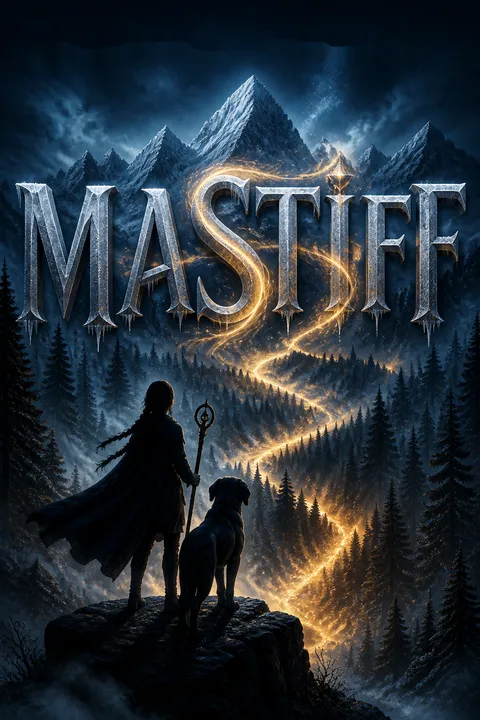


Plot Summary
Holborn’s Empty Place
Beka Cooper, a Provost’s Guard in Corus, stands at the funeral of Holborn, her recently deceased fiancé, and cannot make herself grieve as the mourners expect. Their relationship had frayed; Holborn died after charging alone into a nest of slaver guards, and his mother blames Beka despite her absence. Beka is left with grief tangled in guilt and relief.
Three days later, Lord Gershom summons her secretly, ordering her to pack for a Hunt and bring Achoo, her exceptional scent hound. Beka boards a royal speed-ship with her senior partner, Matthias Tunstall, and mage Farmer Cape. The scale of the journey tells her this is no ordinary missing-person case, but no one yet explains the danger.
Beka’s first struggle is not simply bereavement but the mismatch between public mourning and private truth. She feels guilty for being relieved that a strained relationship has ended, so work becomes both refuge and a test of whether she can still act decisively. The summons arrives before grief has settled, giving the plot a psychologically credible engine: Beka does not enter the Hunt healed, but she can temporarily direct her attention toward someone who needs her. Her professional competence and emotional avoidance begin as the same motion.
The Burned Summer Palace
At the Summer Palace, Beka’s team finds burned buildings and murdered guards, servants, and household staff. Queen Jessamine and King Roger reveal that their four-year-old son, Prince Gareth, vanished during the attack; his nurse and mage are missing too, and the prince’s mage was killed.
The royal court mage, Ironwood, dismisses the raid as foreign work, but Farmer examines the ruined protections and finds that the palace’s concealment spells were deliberately damaged. Beka gathers the prince’s dirty clothes from the laundry so Achoo can track him. The scent runs through the wreckage and down a hidden route toward the sea. Instead of a simple rescue, the Hunters have entered a crime scene whose defenses were opened from within.
The palace’s ruin turns political abstraction into physical evidence: broken spells, bodies, and a child’s laundry. Beka’s method is grounded in care and procedure, not courtly access, while Farmer’s technical reading challenges the prestige hierarchy that lets elite mages declare a case solved before investigating it. The queen’s distress also narrows the moral distance between monarch and commoner. Beka responds to Jessamine as a frightened parent, even while recognizing that a royal kidnapping could destabilize the whole kingdom.
Ships Beneath the Cove
The scent leads to a concealed beach, where the team finds two ships sunk just offshore. Their decks have grown around the dead crew, while one hold contains chained captives. Beka and Tunstall recover evidence from the tide line, including a small bronze emblem marked with four inward-pointing leaves.
Achoo picks up Gareth’s scent again beyond the palace grounds, then loses it at the Ware River, where a heap of melted remains suggests another mage has destroyed evidence. Beka reports the crucial news to the king and queen: the boy was alive after leaving the palace. Their relief cannot restore the trail, and an unnatural storm soon washes away scent and tracks. The Hunt now depends on reconstructing the kidnappers’ route from fragments.
The sunken ships embody the conspiracy’s method: people and evidence are treated as disposable once they have served their purpose. Yet the remains also contradict the obvious assumption that the kidnappers simply fled with their prize. Beka’s report of Gareth’s scent gives the royal family hope while making her responsibility heavier. The bronze emblem is a small, concrete object in a landscape of overwhelming magical destruction; its persistence suggests that patient observation can outlast spectacle. The storm is not merely weather but a deliberate attack on knowledge.
The Dead Chancellor’s Warning
While Beka and Tunstall wait in Port Caynn for orders, Beka speaks with Lazamon, the murdered Chancellor of Mages, through a pigeon carrying his restless spirit. Lazamon admits that he helped weaken the palace protections, then reveals the conspirators’ deeper purpose: a spell makes harm to Gareth drain strength from his parents. The boy is being used as a living weapon against King Roger and Queen Jessamine.
Lazamon refuses to identify his partners before disappearing, but Beka passes the warning to Deputy Provost Tullus and Farmer. Gershom dispatches teams to watch likely slave caravans and sends Lady Sabine, a skilled knight, to join the Hunt. Beka and Farmer set out toward Arenaver, where several suspicious groups have been reported.
Lazamon’s confession recasts the kidnapping as coercion rather than ransom. Gareth’s body has been made into a channel through which political violence reaches his parents, turning family intimacy into an exploitable vulnerability. The revelation also exposes the Chancellor’s self-justifying logic: he frames resistance to regulation as freedom even as he helps endanger a child. Beka’s ability to hear the dead provides evidence unavailable to official investigators, but the ghost’s refusal to name accomplices keeps her from mistaking partial knowledge for certainty.
The Marsh Takes the Road
At Arenaver, Achoo catches Gareth’s trail crossing the Halseander River. Beka and Farmer follow it into country where a burned bridge blocks the direct route through War Gorge Marsh. Nearby they find Palisa Vintor, an Arenaver Dog murdered after pursuing one of the suspect caravans. Farmer uses magic to preserve Vintor’s body, while Tunstall and Sabine catch up with the team.
A local guide, Ormer, leads them across the unstable marsh by narrow paths, carrying the group through days of biting insects, mud, and dangerous water. The delay costs them ground, but the route keeps the Hunt moving. When Achoo recovers Gareth’s scent on the far side, the evidence points toward a slave caravan heading north.
The marsh is a material obstacle that exposes the cost of unequal mobility. The conspirators can use boats, money, and magic; the Hunters must negotiate mud, damaged infrastructure, and local custom. Vintor’s murder makes the investigation personal to the profession, yet Beka does not let that grief displace the missing child. Ormer’s help is practical rather than sentimental, a reminder that knowledge belongs to people whose lives are usually ignored by official maps. The Hunt advances because the team learns to depend on expertise beyond rank.
The Four-Leaf Brand
Beyond the marsh, Achoo follows Gareth’s scent to a magical barrier that burns animals crossing it. Farmer breaks the spell, and the team finds a concealed grave holding a woman, a newborn, and a young girl. The girl bears the four-leaf mark from Beka’s bronze token, tying the dead to the slaving company linked with Queensgrace.
A mage’s trap attacks Farmer when he examines the bodies, but he survives and relays what he learns to his teacher, Cassine Catfoot. The trail resumes beyond the grave. On the road, Farmer cleanses a poisoned river and turns the poison’s magic back on its caster, whom the team identifies as the Viper. The path now leads toward a powerful noble household.
The grave transforms a clue into a record of routine brutality: the brand is not an exotic symbol but a mark of ownership carried by the dead. Farmer’s careful restoration of the bodies resists the conspirators’ attempt to erase individual lives, while his decision to cleanse the river shows that protecting the public can require diverting effort from the immediate pursuit. His magic is strongest when it serves practical obligations rather than status. Beka’s work likewise depends on attending to physical traces that powerful people would rather classify as irrelevant.
Gareth in the Castle
At Queensgrace Castle, Beka and Achoo find Gareth’s scent throughout the halls and in Prince Baird’s rooms. The prince has been disguised as a dark-skinned slave boy called No-Skin, and slave girl Linnet confirms that he was taken away with a caravan. Beka learns that the count has invested in the slave trade and that the household uses passing caravans as cover.
Before she can share everything, Linnet is strangled with the cloth hand guards Beka sewed for her, a warning aimed at anyone who might speak. Linnet’s spirit returns by pigeon and identifies the four-leaf emblem as the company’s brand, confirms that Gareth is being harmed through magic, and says the captors are bound for Frasrlund.
The castle’s respectable routines conceal the same violence as the slave caravan: a child can be present in a household and still be socially invisible. Beka recognizes Gareth through scent rather than appearance, a form of attention that the conspirators’ disguises cannot fully defeat. Linnet’s death makes kindness feel perilous, and Beka’s guilt over the hand guards reveals how easily care can be repurposed by an abuser. Yet the spirit’s return refuses the conspirators’ control over the story. Even after killing a witness, they cannot erase what she saw.
Sabine’s Courtroom Feint
Count Dewin tries to keep the Hunters at Queensgrace, while his household insists Beka remove her uniform and submit to its rules for women. Sabine uses the young noblewomen’s religious ideals to rally them against the count’s obstruction. Prince Baird ultimately allows the team to leave.
Tunstall appears to accept a secret offer from the conspirators, claiming he wants wealth and advancement, but he is acting as a double agent and lets the others believe he has been bought. Beka and Farmer press north, following Gareth’s scent and learning that the slave caravan has already passed. As the trail continues, the Hunters discover more evidence that slave routes and noble business networks are carrying both people and political plans.
Queensgrace tests whether law can function when the powerful define themselves as exempt from it. Sabine’s strategy works by speaking through the household’s own ideals, turning its sanctioned femininity into a public challenge to male authority. Tunstall’s apparent compliance introduces a dangerous ambiguity: in a court where information is currency, a useful lie can resemble betrayal. Beka must act without the comfort of full knowledge. Her loyalty is not blind obedience, but disciplined attention to actions, evidence, and the people who remain vulnerable.
The River Turns Viper
The Viper’s magic poisons a river and threatens every downstream settlement. Farmer spends much of his stored power to cleanse the water and bind the mage’s own spells back around her, weakening her without killing her.
That night, more than twenty armed attackers ambush the exhausted team. Achoo is stabbed while defending Beka, and Pounce breaks divine rules to close the wound and save her. The next day, a storm-assisted attack drives the Hunters into another fight; Beka kills the mage leading it, and the team finds the four-leaf emblem attached to Farmer’s pack.
They realize someone has marked their supplies for pursuit. The group reaches a wayhouse, but an arsonist sets it ablaze, killing travelers and destroying most of their equipment.
Farmer’s choice to save a river rather than conserve every resource complicates the usual arithmetic of pursuit: the Hunt is part of a society, not a private mission insulated from its consequences. The attacks make that principle costly. Pounce’s intervention for Achoo echoes the book’s insistence that the value of a life does not depend on its human status, even when divine law says otherwise. The marked pack and the fire at the wayhouse also reveal an enemy willing to spend lives and property to exhaust the Hunters.
Flowers Over the Dead
After escaping the burning wayhouse, the team finds a wagon overturned beside a pile of slaughtered slaves, guards, and the Viper. Gareth is absent, so the caravan has split again. Beka wants to bury the dead, but the pursuit cannot wait; then the Black God appears and covers the bodies with flowering growth, assuring Beka that the dead are safe in his realm.
Achoo finds the prince’s scent continuing along another road, but a hidden magical trap knocks the team unconscious. Beka wakes bound to a horse beside her captured companions. Dolsa Silkweb, a powerful illusion mage, tells her that the group is being taken to Lord Thanen’s castle at Halleburn, where the conspirators intend to finish controlling the royal family.
The god’s appearance does not solve the investigation; it grants the dead dignity while leaving the living to continue their work. That distinction matters to Beka, whose vocation is shaped by both law and service to the dead. The burial scene also makes the conspiracy’s costs impossible to reduce to a contest between rulers. Dolsa’s capture of the team reverses the Hunters’ usual position: their bodies are now evidence to be controlled, their movement restricted, their perceptions manipulated. The story’s moral center remains with those who cannot command the powerful.
No-Skin Beneath Halleburn
At Halleburn, Dolsa’s illusions divide the captives and the traitors strip away their weapons. Sabine appears to negotiate with Lord Thanen and Prince Baird, while Tunstall remains close to her, leaving Beka uncertain whom she can trust.
Imprisoned with Farmer, Beka learns that he hid a reserve of magical power in an embroidered ribbon despite the search of his belongings. The pair escape their cell by making the guards mistake them for one another. Beka disguises herself as a guard and searches the kitchens, where she finds Gareth and several other enslaved children.
She frees Gareth and Daeggan, a tough young slave, while the others refuse to risk the escape. Farmer rejoins them after confronting Elyot, and Sabine and Tunstall arrive with Nomalla, Thanen’s daughter, who has changed sides.
Beka’s escape plan begins not with a grand magical reversal but with food, patience, and an understanding of how hungry children assess risk. She offers freedom without pretending it is safe, and their refusal is treated as a rational response to punishment, not cowardice. Farmer’s hidden ribbon embodies preparation that looks like a humble craft until its purpose becomes visible. Meanwhile, Sabine and Nomalla complicate the simple division between noble and commoner: inherited allegiance can be questioned, but trust must still be earned through action.
The Partner’s Knife
The group escapes Halleburn through an old tunnel known to Sabine and Nomalla, then separates amid a battle between Farmer and the conspirators’ mages. Beka reaches the forest with Gareth, but Tunstall catches up and claims that Daeggan died in a fall. Beka notices the signs that expose him: he had chosen the horses at the barn, and his injuries do not match his story.
Tunstall admits he joined the conspirators because he believed wealth and a title could make him worthy of marrying Sabine. He attacks Beka and tries to take Gareth. Beka uses her baton and hidden blades to disable his knees and arms, then binds him rather than killing him. The betrayal costs Daeggan his life and breaks Beka’s trust in the partner who trained her.
Tunstall’s betrayal is not born from ignorance of the law; it grows from a private story in which status will repair his sense of unworthiness. He mistakes Sabine’s independence for a problem that money can solve, converting love into a justification for political violence. Beka’s victory is therefore both tactical and ethical. She defeats the mentor who taught her to fight, then refuses his demand for death because a Dog’s task is to restrain and bring a suspect to judgment. The professional code survives its most intimate test.
The Treasonous Houses Fall
Beka’s wounds leave her barely able to stand, but Farmer, Sabine, Nomalla, Achoo, and Pounce regroup around Gareth. Tunstall dies during the night from shock and cold while bound; Daeggan is also mourned, and the animals help prepare their graves.
Using Dolsa’s scrying mirror, Farmer watches royal armies surround Halleburn, Queensgrace, and Aspen Vale. Gareth confronts Nomalla with the fact that he was enslaved and hurt, and she pledges service to him. The group carries the boy toward the royal forces, detaining the defeated mages until Crown officials can take custody.
Thanen surrenders Halleburn after his allies fall. The conspirators’ political power collapses, but the long return to the Summer Palace still requires the Hunters to pass guarded roads and prove the boy’s identity.
The fall of the conspirators’ houses does not erase the intimate damage they caused. Gareth’s accusation makes Nomalla face the human cost of her family’s ambition, while Beka’s mourning for Tunstall holds affection and judgment together without confusing them. The graves give the escape a necessary pause: the living cannot simply ride past everyone who died for their progress. Political order is restored through armies and courts, but its legitimacy depends on acknowledging the enslaved and low-ranking victims whom elite accounts would prefer to omit.
A Law Against Chains
On the road, Queen Jessamine meets the battered party and embraces Gareth; she is gravely weakened by the spell that tied her health to her son’s suffering. Back in Corus, witnesses expose how nobles and mages used slave caravans to move money, weapons, and agents.
Tunstall’s betrayal is reported, and Beka and Sabine mourn him without concealing what he did. At a royal ceremony, King Roger recognizes Sabine’s service, assigns Farmer work screening mages, and proclaims the end of slavery in Tortall, beginning with protections for children and the eventual release of all enslaved people.
Gareth and Beka sign as witnesses. The Dogs acclaim Beka with the name Mastiff. She accepts no personal prize beyond the chance that children will not be sold as she completes her work.
The resolution links personal rescue to structural change without claiming that one successful Hunt can undo a social system overnight. Gareth’s return restores his family, but the royal decree addresses the machinery that made his disguise and captivity possible. Beka’s signature matters because her authority comes from service rather than rank; the king publicly places her knowledge beside the heir’s witness. Her refusal of personal rewards is not simple self-denial. She asks instead for care for Achoo and her family, and for a change that will outlast her own career.
Epilogue
Centuries later, George Cooper has become Rogue of Tortall, though he still calls Beka his ancestress and keeps a carving of her black cat close. His mother condemns his rise as a betrayal of Beka’s values, and the Goddess warns that his chosen path will bring painful consequences.
In an alley, Pounce watches George and quietly alters what he remembers, hiding the cat’s purple eyes so George will not fear the god-touched people he is destined to meet. Months later, George encounters the young page Alan of Trebond and senses an unusual connection. The carved cat’s eyes briefly glow, linking Beka’s legacy to another generation.
The epilogue refuses to treat Beka’s victory as a clean inheritance. George gains power through the Rogue’s violent succession, a path his mother believes dishonors the ancestor he reveres. Pounce’s intervention makes memory itself an ethical instrument: he hides a detail not to protect George from history, but to keep fear from closing off a future relationship. The scene turns Beka’s legacy into an active question rather than a monument. Her descendants inherit courage and contradiction, while the cat continues to shape the stories people tell themselves about who they are.
Analysis
Mastiff makes investigation a moral practice. Beka’s work depends on noticing people whom rank has trained others not to see: a kitchen slave with useful testimony, a child whose appearance has been altered, and the dead whose bodies have been treated as waste. Her supernatural gifts matter, but they do not replace ordinary attention. Achoo follows scent; Beka checks tracks, asks questions, and remembers what people say. The novel’s magic is most persuasive when it extends that labor rather than bypassing it.
The conspiracy’s political grievance is not presented as wholly invented. Mages resent new taxes and licensing, and nobles resent a king who has begun to challenge their privileges. Yet their sense of entitlement converts political disagreement into a license to enslave, torture, and kill. The book distinguishes a grievance from the choices made in its name. Farmer offers a countermodel: he has power, but measures its worth by whether it helps people and whether it can be used without denying their agency.
Beka’s emotional growth is similarly practical. She begins with unresolved guilt about Holborn and a habit of treating her own needs as less urgent than everyone else’s. On the Hunt, she learns that closeness does not require self-erasure. Her bond with Farmer grows through shared work, honest limits, and mutual care, while Tunstall’s betrayal demonstrates how love can be distorted when someone mistakes status for worthiness. Beka’s refusal to kill him preserves the law even when the law cannot make the betrayal painless.
The ending links rescue to reform but avoids pretending that a proclamation instantly dismantles slavery. Gareth’s testimony and Beka’s witness give the Crown grounds to act, while the coming struggle over money and custom remains implicit. Her new reputation matters less than the policy she helps make possible. The story’s deepest claim is that justice begins with accurate attention, then must change the institutions that repeatedly produce the same victims.
Review Summary
Mastiff received mixed reviews, with an average rating of 4.27 out of 5. Many readers praised the exciting plot and strong characters, particularly Farmer. However, some were disappointed by the absence of familiar characters and a controversial plot twist involving Tunstall. Critics found the ending rushed and out of character. Positive aspects included feminist themes and the resolution of historical questions. Overall, fans appreciated the conclusion to Beka Cooper's story, while others felt it didn't live up to the previous books in the series.
Characters
Rebakah Cooper
The Lower City DogBeka is a fourth-year Provost’s Guard from Corus’s Lower City, a skilled investigator whose shyness gives way to fierce clarity when someone is in danger. She reads small traces, questions people without humiliating them, and uses her unusual ability to hear the dead and dust spinners as practical tools rather than signs of superiority. Her loyalty is to the law’s purpose, not to rank for its own sake. She carries guilt about a failing relationship and doubts her own place among nobles, yet her care for overlooked people remains a source of strength. Beka’s courage is not fearlessness; it is her repeated decision to act while afraid.
Farmer Cape
The Unshowy MageA Provost’s mage from Blue Harbor, Farmer is self-taught across a patchwork of magical traditions and resists the prestige games of powerful institutions. He hides his ability behind a genial, sometimes ridiculous manner, but his curiosity is exacting and his work ranges from tracking magical traces to reading the dead. Farmer sees practical service as a better use of power than wealth or influence. He cooks, mends, and asks before placing magic on others, habits that make him an unusually attentive partner. Beneath the humor is a serious scholar who keeps learning from whatever the world offers, including people whom elite mages dismiss.
Matthias Tunstall
Beka’s Veteran PartnerTunstall is a senior Dog, a seasoned tracker, and Beka’s partner and mentor. A large, rough-voiced hillman, he can play the fool or the barbarian while reading a trail and a room with precision. He teaches through example, tests people before trusting them, and carries the old injuries of a dangerous career without wanting to be sent to soft work. Tunstall is loyal to his team and deeply attached to Lady Sabine, though he struggles with the gap between affection and his own sense of social worth. His humor, stubbornness, and courage make him both a shelter and a challenge for Beka.
Lady Sabine of Macayhill
The Knight Who LeadsSabine is a lady knight who values the practical work of protection over its pageantry. She is an experienced fighter, a tactful negotiator, and Tunstall’s beloved partner, though their different views of status occasionally complicate their bond. Sabine uses the manners expected of a noblewoman when they help her, then discards them when they obstruct the mission. Her horses are trained as formidable allies, and her patience with frightened people balances Tunstall’s force. She resists attempts to define women as gentle, passive, or dependent, insisting that duty and tenderness can coexist with a sword in hand.
Achoo Curlypaws
The Tireless Scent HoundAchoo is Beka’s scent-hound partner, a curly-coated dog whose sneezes mark the moment she catches a trail. Her nose can separate a child’s scent from crowds, weather, and other animals, making her central to the Hunt. She is playful when work is slow, disciplined when it matters, and attentive to the people she considers her own. Beka treats her as a colleague rather than equipment, and their trust runs both ways. Achoo’s skill repeatedly restores direction when human investigators have run out of evidence, while her warmth reminds the team what their pursuit is meant to protect.
Pounce
The Cat Beyond StarsPounce appears to be Beka’s black cat, but he is a constellation-being who has traveled among gods and mortals. He advises Beka, speaks mind to mind, understands animals, and sees more of the magical world than he usually explains. His refusal to solve every danger for her is partly discipline: he wants Beka to rely on her own judgment. Beneath his dry impatience lies affection for Beka and her companions, especially Achoo. Pounce’s presence also unsettles ordinary assumptions about what counts as a person, a pet, or a rightful participant in human affairs.
Prince Gareth
The Stolen HeirGareth is the four-year-old son of King Roger and Queen Jessamine, raised in a protected royal household and still learning how the world beyond it works. He is observant, bright, and capable of surprising courage, but captivity makes him cautious and fearful of mages and strangers. His experiences bring him into contact with slavery not as an abstract political issue but as a daily system of hunger, pain, and control. Gareth forms attachments to people who treat him kindly and begins to imagine what a ruler might do differently. He remains a child even when hardship pushes him toward adult judgments.
King Roger
The Reforming KingRoger rules Tortall with a growing interest in the kingdom’s finances and ordinary people’s survival. Once known for indulging himself, he has become more engaged in governance, especially after marrying Jessamine. His attempts to regulate and tax mage work anger powerful interests, while his efforts to relieve poverty unsettle nobles who benefited from older arrangements. Roger loves his family, but royal power makes private vulnerability public and dangerous. He depends on Lord Gershom’s judgment and must contend with a court where loyalty is difficult to distinguish from self-interest.
Queen Jessamine
Gareth’s Fierce MotherJessamine is a young queen who cares deeply for Gareth and has begun taking an active interest in the government of Tortall. Her composure at court cannot disguise her fear when her son is missing. She responds to Beka with uncommon openness, recognizing the investigator’s kindness beneath her rough uniform. Jessamine’s marriage to Roger is affectionate and politically consequential: her questions encourage him to examine how the realm is run. She is both a mother protecting her child and a ruler whose private life can be manipulated by enemies.
Lord Gershom
Beka’s Royal PatronGershom is Lord Provost and Beka’s longtime patron, a seasoned political operator who knows the king well enough to understand when ordinary channels cannot be trusted. He selects a small, specialized team and protects the Hunt through secrecy, even when withholding information frustrates Beka. His authority rests less on ceremony than on a history of service and personal trust. Gershom recognizes Beka’s abilities while respecting her attachment to the Lower City, and his plans show the burden of deciding how much danger to place on the people he relies upon.
Lady Nomalla of Halleburn
The Knight at a CrossroadsNomalla is a lady knight and the daughter of Lord Thanen, raised within a powerful household whose political aims conflict with her own sense of honor. She is disciplined, physically capable, and accustomed to being judged through her family name. Her position forces her to confront the difference between loyalty to relatives and loyalty to justice. Nomalla is not immediately trusted by Beka, and she must demonstrate her intentions through choices rather than noble declarations. Her connection to Sabine adds a personal dimension to the contest between inherited allegiance and independent conscience.
Linnet Beck
The Kitchen SlaveLinnet is a young enslaved girl working in the Queensgrace kitchens. She has learned to be wary of adults with power, yet she notices details and forms a protective bond with the disguised child placed beside her. Beka’s small act of sewing hand guards gives Linnet a measure of comfort at work and earns her trust. Linnet’s knowledge of the household and caravan becomes important because people like her are present where nobles rarely look. She is resourceful, guarded, and deserving of a life not defined by the owners who claim her.
Daeggan
The Defiant Slave BoyDaeggan is a tough young slave at Halleburn who has learned to survive by refusing to appear broken. He distrusts promises of rescue, but he is practical, quick to assess danger, and willing to take a risk before captivity destroys his sense of self. His experience gives Beka a clear view of why escape can frighten people as much as remaining does. Daeggan’s friendship with Gareth grows from shared vulnerability, while his bluntness challenges the adults to treat him as a person capable of choosing.
Holborn Shaftstall
Beka’s Former BetrothedHolborn is a five-year Dog and Beka’s former fiancé. He is remembered as brave, sociable, and eager to prove himself, but his ambition can outrun his judgment. His relationship with Beka has become strained as their different needs and temperaments pull them apart. Holborn’s place in her life is emotionally complicated: affection, anger, guilt, and relief coexist, and the people around Beka do not always understand that complexity. His loss shapes the way she thinks about partnership, risk, and what respect should look like.
Cassine Catfoot
Farmer’s Great-Mage TeacherCassine is a reclusive, exceptionally skilled mage who taught Farmer to connect disparate magical techniques and invent new applications. She prizes curiosity over institutional rank and avoids political entanglements unless children or the realm are endangered. Farmer’s respect for her reflects the kind of teacher he values: one who expands a student’s judgment rather than merely displaying power. Her influence is visible in his resourcefulness, his careful preparation, and his refusal to accept that magic belongs only to the universities or the wealthy.
Prince Baird
The King’s Popular BrotherBaird is King Roger’s younger brother, a celebrated figure whose sociability and love of hunting have made him popular at court. He is accustomed to charm, attention, and the freer life of a royal uncle rather than the discipline of governing. His closeness to Gareth gives him a warm public image, while his position makes him a focus for nobles dissatisfied with Roger’s reforms. Baird’s relationships are shaped by both family affection and the political expectations attached to royal blood.
Elyot of Aspen Vale
The Status-Seeking MageElyot is a highly trained mage from a wealthy noble house, proud of his education, magical capacity, and social standing. He expects other people to defer to expertise and rank, and he is impatient with work he considers beneath him. His connection to his brother Graeme places him near the political circles where magic and inheritance overlap. Elyot represents the kind of mage who sees power as proof of entitlement, in sharp contrast with Farmer’s belief that magical skill is most meaningful when put to practical service.
Dolsa Silkweb
The Illusion WeaverDolsa is a powerful mage whose talent lies in illusion and emotional influence. She uses beauty, charm, and social performance as tools, presenting manipulation as effortless play. Her belief that exceptional power should remain free of regulation places her in conflict with the Crown’s proposed laws. Dolsa treats other people’s fear as a resource and assumes that a convincing appearance can control what others believe. Her polished manner conceals a strategic, impatient mind.
Lord Thanen
The Ambitious LordThanen is the lord of Halleburn and Nomalla’s father, a powerful noble who believes the realm should be shaped by those already at its summit. He commands through intimidation and expects loyalty to family and rank to outweigh personal judgment. His political ambitions draw together nobles and mages who resent the king’s reforms. Thanen’s court reflects his worldview: authority is staged as ceremony, while the people who serve it remain expendable.
The Black God
Keeper of the DeadThe Black God is the deity of death whom Beka serves through her prayers over the dead. He is not merely a distant judge: he receives ghosts, offers the dead rest, and recognizes the dignity of those whose lives were treated as disposable. His rare appearance takes a form of shifting colors rather than the darkness suggested by his name. Through Beka’s relationship with him, the story treats care for the dead as part of justice.
Plot Devices
Achoo’s scent trail
The Hunt’s living compassAchoo can identify an individual scent from clothing and follow it across crowded roads, ruined buildings, and changing terrain. Beka’s handling makes the hound’s skill useful as evidence: she watches where Achoo pauses, checks the physical trail, and prevents other smells from confusing the search. Weather, water, and deliberate obstacles can interrupt the trail, so the method never makes the investigation effortless. Achoo’s work establishes that Gareth survives particular stages of the kidnapping and repeatedly directs the Hunters toward the next clue. The device joins professional police work with the trust between a human investigator and an animal partner.
Ghosts on pigeons
The dead preserve testimonyBeka can hear some dead people who ride pigeons while they have unfinished business. She cannot summon reliable testimony on demand, and a ghost may be confused, angry, or unwilling to identify its killers. Still, the ability produces information ordinary investigators cannot obtain, including Lazamon’s explanation of the spell harming Gareth’s parents and Linnet’s account of the child’s captivity. Beka’s practice is shaped by respect: she feeds the birds, asks careful questions, and offers the dead a blessing when they are ready to leave. The device makes memory an investigative resource without turning the dead into convenient witnesses.
Farmer’s embroidered magic
Power hidden in plain craftFarmer stores magical power in embroidered ribbons and gathers unused remnants of other spells. His methods look modest beside the dramatic displays of court mages, but they let him build lamps, preserve bodies, trace magical signatures, and prepare a reserve for emergencies. Because his enemies underestimate him, he can carry resources they do not think to search for. The ribbon also makes labor and knowledge visible in a world that associates power with elite schooling. Farmer’s craft is not a trick that can solve every problem: major workings exhaust him and can damage the ribbon. It rewards preparation, patience, and creative reuse rather than prestige.
Slave caravans as cover
A moving conspiracy networkThe conspirators exploit the routine movement of slave traders to disguise agents, money, weapons, and a kidnapped prince among travelers. Because caravans are common and enslaved people are rarely questioned, the network crosses noble estates and public roads with little scrutiny. The device also connects the royal plot to the institution of slavery: the same system that makes Gareth disappear provides cover for political violence. Beka and her team must examine brands, work records, routes, and small changes in the travelers’ behavior rather than expect a single secret message. Its eventual exposure makes the case about more than rescuing one royal child.
The parents’ blood spell
A child becomes leverageLazamon’s magic links Gareth’s suffering to the health of his parents, allowing the conspirators to weaken King Roger and Queen Jessamine without attacking them directly. Because Gareth is their child, his body becomes the route through which the spell reaches them. The danger explains why secrecy matters and why the king trusts Gershom rather than immediately involving every court official. It also complicates the rescue: keeping Gareth safe protects both the boy and the Crown. The mechanism turns the family bond that should shelter him into an exploitable vulnerability, showing how political power can invade private attachment.
About the Author
Other books by Tamora Pierce

Download PDF
Download EPUB
.epub digital book format is ideal for reading ebooks on phones, tablets, and e-readers.








