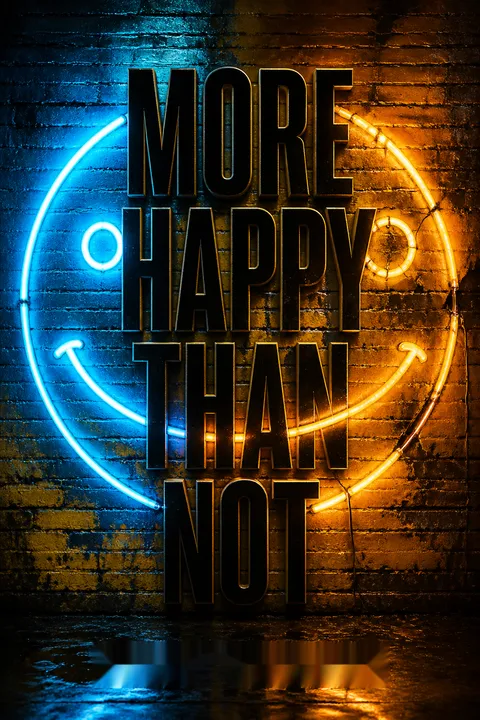


Plot Summary
The Scar in the Bathtub
Sixteen-year-old Aaron Soto lives with his mother, Elsie, and older brother, Eric, in a cramped Bronx apartment haunted by the bathtub where their father died by suicide. Two months earlier, Aaron tried to take his own life; the curved scar on his wrist now reminds him to keep going.
When he hears that neighborhood boy Kyle used Leteo, a clinic that suppresses painful memories, Aaron wonders what Kyle chose to forget about his dead twin, Kenneth. Elsie keeps Leteo pamphlets beside her bed, but Aaron resists the idea. His grief is tangled with guilt, poverty, and the daily sight of his father’s belongings. The story begins with a teenager trying to live inside memories he cannot escape.
Aaron’s scar is both evidence of a crisis and a tool for surviving it: he reads it as a warning, while his mother sees a wound that the whole family still carries. The apartment makes grief unavoidable, turning ordinary objects and rooms into reminders. Leteo’s promise therefore arrives not as abstract futuristic science but as a practical temptation for people without money to move, rest, or receive much care. Kyle’s absence introduces the novel’s central ethical question early: if memory can be altered, is relief worth losing the relationships and histories that shaped a person?
A Date Reopened
Aaron visits Genevieve, his artist girlfriend, and uses their playful Trade Date ritual to return to the park where she first asked him out. He apologizes for trying to die and thanks her for staying beside him through his grief. Genevieve accepts his renewed invitation to be her boyfriend, then hints that her father will soon be away.
Aaron panics about their planned first time and seeks advice from Brendan, who gives him crude counsel, before turning to Eric for the kind of guidance their late father might have offered. At Genevieve’s apartment, Aaron learns she has been offered a place at an art retreat but has hesitated to leave him. He urges her to go, then shares an awkward, tender first sexual experience with her.
The date is less a fresh beginning than Aaron’s attempt to restore a relationship that already existed before his crisis. His apology makes Genevieve’s affection feel like proof that he still belongs in the world, while his nervousness about sex reveals how strongly he measures himself against masculine expectations. Genevieve’s art retreat supplies a counterpoint: she wants a future beyond the couple, and Aaron’s encouragement is an early act of love that does not demand possession. Their intimacy is genuine, but the scene also establishes how easily Aaron treats being loved by a girl as evidence that his life is finally fixed.
A Stranger Opens the Gate
At Family Day, Aaron works at the bodega before joining his friends for manhunt, a rough game played through their housing complex. A stranger named Thomas helps Aaron squeeze through a locked gate and misdirects the hunters. While Aaron hides, Thomas explains that he has just ended a relationship after realizing he cannot remember ordinary details of his year with Sara.
Aaron invites him to the block’s celebration, where Thomas makes the wary residents laugh and proves he is not simply another boy from the rival projects. Genevieve tells Aaron she has secured a place at an art retreat, though she will leave after her birthday. Thomas returns the next day, quits his ice-cream job, and walks back to the neighborhood with Aaron.
Thomas’s first act toward Aaron is practical, but it also establishes the pattern that will define their friendship: he notices when someone is stuck and steps in without demanding a reward. His explanation about Sara connects memory to intimacy in a concrete, unsettling way. Aaron, meanwhile, is quick to make room for Thomas even though neighborhood boundaries and past fights make that choice socially risky. The block’s suspicion does not disappear, but Thomas earns a place through shared play and conversation. His easy exit from a job hints at his restless search for identity, which gives Aaron a new person to care about just as Genevieve prepares to leave.
Stars Over the Rooftop
On the rooftop, Aaron shows Thomas the scar left by his suicide attempt and explains how his father’s death made him believe he might be better off gone. Thomas adds two eyes to the smile-shaped mark with dirty fingerprints, turning a sign of shame into a small act of recognition. He also shares his uncertain ambitions and begins building a chart to organize his life.
When Genevieve’s birthday approaches, Thomas helps Aaron create an inexpensive rooftop planetarium using a projector and a downloaded star show. Genevieve is moved by the effort, and Aaron finally tells her he loves her; she returns the feeling and gives him a drawing of the two of them among the stars. Soon afterward, she leaves for her three-week art retreat.
The altered scar captures the intimacy Thomas offers: he does not erase Aaron’s pain but adds detail that lets Aaron see himself differently. The rooftop becomes a shared imaginative space where limited money does not prevent Aaron from giving Genevieve something memorable. His declaration of love is answered, yet the moment does not settle his identity or secure his happiness. Thomas’s life chart and Genevieve’s art both show young people trying to create a future from incomplete materials. The retreat then tests Aaron’s ability to support a person he loves without making her stay to soothe his fear of being alone.
The Boy Who Stayed
Missing Genevieve, Aaron turns to Thomas, who takes him to a movie and later shows him Jaws on the rooftop. Thomas admits that his father disappeared from his life when he was a child, and Aaron recognizes a loneliness familiar from his own home.
Their closeness deepens through shared films, games, a sleepover, and conversations about work, purpose, and family. Aaron also accompanies Thomas to a protest outside the Leteo Institute, where demonstrators condemn a botched procedure and the clinic’s decision to suppress a grieving father’s memories of his dead family.
The two boys agree that pain cannot simply be removed without consequence. Aaron begins to notice how strongly Thomas affects him, but he has not yet found the words to explain why.
Thomas becomes important to Aaron not because he replaces Genevieve but because he offers a different form of attention. He asks about Aaron’s past and listens without converting grief into a lesson or joke. The Leteo protest makes that intimacy politically charged: a person’s suffering is not a defect that institutions can safely edit away. Yet Aaron’s response remains personal and unstable. He can condemn memory alteration in principle while still wanting relief from his own pain. His growing attraction to Thomas begins in this contradiction, where feeling understood brings comfort and a new fear of what that understanding might cost.
Buzz Lightyear’s Return
Genevieve returns from her retreat on Thomas’s birthday, and Aaron brings Thomas a Buzz Lightyear toy connected to the abandonment Thomas felt on his ninth birthday. At the rooftop party, Genevieve drinks too much and starts Two Truths and a Lie.
Aaron fails to remember that she once dreamed of becoming a ballerina, a detail she reveals in front of their friends. The mistake sharpens her fear that Aaron is emotionally leaving her, while his attention keeps drifting toward Thomas.
Thomas accepts his gift with open gratitude, and Aaron feels the warmth of being chosen by him. Genevieve leaves the party alone after accusing Aaron of losing her. The birthday celebration has turned a private uncertainty into a fracture neither teen can pretend not to see.
The party’s game makes memory a test of love. Aaron’s forgotten detail is small in objective terms, but to Genevieve it confirms that the shared history she treasures is no longer being held equally. Thomas’s gratitude intensifies Aaron’s divided attention, while the Buzz Lightyear gift gives Thomas a childhood wound that Aaron can actually soothe. The scene therefore stages two kinds of remembering: one person is seen through a remembered ambition, another through a remembered loss. Genevieve’s anger is not mere jealousy. She senses that Aaron’s effort to keep her close has become detached from the person he is becoming.
Side A in the Dark
After days of rain and distance from Genevieve, Aaron visits Thomas and finally admits that he may like boys. Thomas accepts the disclosure without treating Aaron as different, and Aaron feels relief at being known by someone he trusts.
He still cannot explain everything, so he calls this first confession Side A. The next day, Aaron meets Genevieve and ends their relationship, recognizing that continuing to call himself her boyfriend would keep both of them inside a false story.
Brendan learns that Thomas knew before the neighborhood boys did and attacks him during a game of Skelzies. Aaron tackles Brendan and leaves with Thomas, choosing to protect the person who listened rather than preserve his place among the group. For the first time, his private truth has consequences in public.
Aaron’s coming out is not a sudden revelation that resolves him; it is an initial, carefully limited act of self-recognition. Naming only part of the truth gives him enough control to speak while leaving room for uncertainty. The breakup with Genevieve follows because affection cannot make a relationship honest if Aaron is withholding the truth that governs his desire. Brendan’s attack then turns disclosure into a social test. Aaron’s choice to defend Thomas marks a shift from hoping others will approve of him to acting according to the loyalty he has actually experienced.
The Kiss That Changed Nothing
Aaron and Thomas grow closer while talking about attraction, sharing drinks, and joking together in Thomas’s bedroom. Aaron draws a small movie-director tattoo on Thomas’s arm, then confesses that Thomas has become his happiness and kisses him.
Thomas pulls away and says he is straight, leaving Aaron embarrassed and terrified of losing their friendship. Aaron spends the night revising his feelings in his head, then takes Elsie’s Leteo pamphlet and decides he wants the clinic to make him straight.
Elsie refuses to approve the plan, but Aaron persuades his former babysitter, Evangeline, to accompany him to Leteo. Staff tell him that a consultation cannot happen for weeks. He leaves with no immediate escape from the feelings he has just admitted.
The rejected kiss exposes how much Aaron has invested in Thomas as more than a friend: Thomas is not merely a desired partner but the person who made self-acceptance seem survivable. His turn toward Leteo is therefore driven less by a settled wish to change than by acute fear of rejection and isolation. The clinic’s delay interrupts that desperate fantasy without resolving it. Aaron’s mother offers acceptance, but he experiences her reassurance as another reason he might have to live with a pain he believes cannot be endured. The scene asks whether a choice made under social pressure can count as freely chosen.
The Lobby Glass Breaks
Leaving Leteo, Aaron encounters Thomas, who tries to preserve their friendship while insisting that he is straight. Aaron cannot accept the arrangement and tells Thomas he cannot wait for him to change.
Soon afterward, Brendan, Me-Crazy, and other neighborhood boys corner Aaron because they saw him hug Thomas and disapprove of his breakup with Genevieve. Aaron fights back, but Me-Crazy overpowers him and carries him through the glass lobby door of his building. The blow leaves Aaron badly injured and sends forgotten memories roaring into consciousness.
At the hospital, Leteo specialist Evangeline and Elsie learn that the assault has disrupted the mental barriers created by Aaron’s earlier procedure. What seemed like a first heartbreak is suddenly part of a much older story.
The assault makes the neighborhood’s policing of masculinity physically explicit, but it also functions as the mechanism that collapses Aaron’s carefully constructed history. His body is injured by the boys who claim to protect him, while his mind begins recovering truths that were hidden to protect him from pain. Thomas’s refusal and the attack are separate injuries, but Aaron experiences them as one loss of safety. The sudden return of memory changes the genre of the story: the reader must reconsider the apparent beginning, asking what has been forgotten and whether Aaron’s current life was built on an earlier intervention.
The Boy Before Leteo
The returning memories reveal that Aaron had already fallen for a boy before meeting Thomas. At school, he bonded with Collin Vaughn through fantasy novels and comics, then began a secret relationship with him while continuing to date Genevieve. Aaron and Collin shared private meetings, sex, and the comic series The Dark Alternates, whose issues became markers of their closeness.
Aaron had told his mother that he liked boys, but he kept Collin hidden from most of the neighborhood. His confusion did not begin with Thomas; it had been shaped by years of attraction, secrecy, and the fear that people around him would punish him for being himself. The memories return as lived experience, not as a neat explanation.
The revelation recasts Aaron’s early relationship with Genevieve without making his affection for her false. His hidden relationship with Collin shows how a teenager can experience genuine attachment alongside concealment, using a socially acceptable girlfriend as cover. Comics give Aaron and Collin a private language for shared imagination, while the secrecy around them narrows the spaces where that language can be spoken. The flashback also complicates the idea of a single moment of self-discovery. Aaron’s identity emerges through repeated attractions and choices, then becomes dangerous because the adults and peers around him make honesty costly.
A Father’s Locked Door
When Aaron comes out to his father, the man attacks Elsie and throws Aaron out of the apartment; police take him away. Later, Aaron and Collin are beaten by homophobic men on a train. Aaron’s father returns home and dies by suicide, and Aaron finds his body in the bathtub, blaming himself for the rejection that preceded it.
Collin comforts him briefly, then ends their relationship after Nicole becomes pregnant and he decides to resume life as her boyfriend. Aaron spirals into depression and cuts the smile-shaped scar into his wrist, surviving a suicide attempt.
After therapy and pressure from the people who love him, he enters Leteo. With Elsie’s consent, the clinic suppresses memories tied to his attraction to boys, Collin, and his father’s rejection, leaving him to believe he is straight.
This history shows that Aaron’s wish to change was produced by a chain of injuries, not by sexuality itself. His father’s violence teaches him that love can be withdrawn as punishment; Collin’s retreat teaches him that even a mutual bond may be sacrificed to social expectations. Aaron then turns guilt inward, treating his father’s suicide as a verdict on his own identity. Leteo offers the relief he cannot imagine finding through time or support, but the procedure edits the source of his suffering rather than the hostile conditions around him. The cost is not only lost pain: it is the loss of the context needed to understand himself.
The Mind Remembers
After four days in care, Aaron wakes with the memories from before Leteo restored, including his father’s hatred, Collin’s intimacy, and the original procedure. Evangeline explains that the assault disrupted the clinic’s memory work, and Aaron demands another treatment to make him straight again.
Elsie refuses to approve it. Thomas and Genevieve visit, and Aaron tells Thomas about his hidden past and his feelings; Thomas cannot return them and asks who Aaron really is now.
Genevieve admits that their relationship had been distorted by the procedure, but she also insists that Aaron’s pain does not excuse the way he used her. Their conversations leave Aaron with no simple villain or cure. He wants to forget, yet the people he hurt are asking him to face what happened.
The restored memories do not return Aaron to a stable self; they leave him holding two versions of his recent life at once. Elsie’s refusal is an act of care, but it also confronts the limits of parental control over a child’s suffering. Thomas cannot resolve Aaron’s longing, and Genevieve refuses to let compassion erase accountability. Their responses matter because they prevent memory from becoming a private possession Aaron can edit without consequence. The scene insists that recovery involves other people’s histories too. Aaron’s desire for a second procedure is understandable, but the narrative makes clear that relief cannot be measured only by his immediate pain.
The Past Has Neighbors
Aaron reconnects with Collin, and they briefly resume their secret physical relationship. Their old ease returns through comics and familiar places, but Collin remains with pregnant Nicole and cannot offer Aaron a shared future.
When Aaron sees Thomas spending time with Genevieve, jealousy makes the cost of his divided attachments impossible to ignore. Evangeline arranges a visit to Kyle, whose family now lives nearby after Leteo suppressed his memories of Kenneth. Kyle believes he is an only child, while his parents still grieve the son they lost.
Aaron shares memories of Kenneth that the family has been unable to discuss openly. Elsie agrees to consider another procedure only after Aaron visits Kyle. Hearing the Lakes protect Kenneth’s existence helps Aaron question whether forgetting is really the answer he wants.
Collin offers Aaron recognition through a past they shared, but their reunion repeats the old imbalance: intimacy occurs in secret while Collin maintains a public life with Nicole. Kyle’s altered memory presents a stark counterexample to Aaron’s fantasy of uncomplicated relief. His parents cannot share their grief with the son who no longer knows he had a twin, and Aaron’s stories briefly restore a communal place for Kenneth. The visit makes memory an ethical relationship, not just an internal burden. It also exposes the difference between forgetting pain and removing the person whose absence caused it.
The Bike at Midnight
On the day of his follow-up at Leteo, Aaron decides not to undergo another procedure and turns away from the clinic. On his birthday, Thomas arrives with a blue mountain bike, a gift tied to his old promise to teach Aaron to ride. Thomas hugs him, then leaves after Aaron tries to tell him how deeply he fell for him. Aaron returns home and loses chunks of time.
Elsie and Evangeline discover that he is developing anterograde amnesia, an inability to form reliable new memories, possibly as a lasting consequence of the earlier treatment. He may soon retain only what happened before Leteo. The birthday gift becomes more than a symbol of friendship: it is a practical invitation to learn something new while Aaron still can.
Turning away from Leteo is not a declaration that Aaron is healed; it is a refusal to let panic make another permanent decision for him. The bike carries Thomas’s care into the moment of separation, but Aaron cannot convert that care into the romance he wants. The emerging amnesia raises the stakes in a new way: the threat is no longer simply remembering too much, but losing the capacity to accumulate a future. Aaron’s condition gives ordinary acts, like learning to ride, unusual urgency. The novel’s question shifts from whether pain can be erased to what remains possible when memory itself becomes unreliable.
Four Goodbyes Begin
After Evangeline explains that Aaron may soon stop forming new memories, he tries to leave home alone. Eric stops him, admits that his teasing helped make Aaron feel unsafe, and apologizes for treating their father’s expectations as harmless jokes.
Together, the brothers and Elsie discard the last of their father’s belongings, ending a long argument over what the man’s memory should mean. Eric then accompanies Aaron around the neighborhood. Aaron confronts Brendan for helping provoke the assault; Brendan admits he does not understand Aaron’s sexuality, and Aaron leaves without restoring their friendship.
Aaron also ends his renewed affair with Collin, refusing to continue deceiving Nicole, and visits Genevieve to apologize for using her as cover. She accepts his remorse but makes clear that their love cannot become a couple again.
The memory crisis forces the family to speak plainly before they can retreat into old roles. Eric’s apology revises their sibling history, while removing their father’s remaining belongings allows grief to include anger rather than protect an idealized version of him. Aaron’s visits to Brendan, Collin, and Genevieve turn his final day into an exercise in accountability. He does not demand forgiveness or use his illness to excuse past choices. Ending the affair with Collin and acknowledging Genevieve’s hurt are especially important because Aaron refuses to use other people as instruments of his own reassurance.
The Rooftop Promise
Aaron climbs to Thomas’s rooftop to explain that the memory damage may worsen. They sit together beneath the stars, and Thomas asks him not to jump, making Aaron promise to stay alive. Thomas admits their friendship has confused him at times, but maintains that he is straight and cannot be Aaron’s partner. He still wants Aaron in his life and expresses love without offering romance.
Aaron repeats the promise and accepts the bond for what it is. Leteo later places him on a shortlist for an experimental treatment in Sweden, but he does not erase his recovered memories. He begins drawing the moments he wants to keep and teaches himself to ride the bike. His memory remains fragile, yet he builds each day around what he can remember.
The rooftop scene gives Aaron a form of intimacy that does not require Thomas to become the person Aaron wants him to be. Thomas’s promise is valuable precisely because it is limited: he offers continued care, not a romantic future. Aaron’s choice to stay alive is therefore not a reward for winning love but an act made within uncertainty. The possible Swedish treatment leaves medical hope open without making it a cure or a guarantee. Drawing and cycling become practices of agency, ways to create evidence of experience when the mind may not preserve it. The ending honors both grief and the possibility of another beginning.
Analysis
More Happy Than Not treats memory as neither a perfect archive nor a simple burden. Aaron’s life is shaped by the stories he can recall, the stories other people tell about him, and the stories Leteo deliberately suppresses. His first treatment promises to relieve pain by changing its context, but the return of buried memories shows that the clinic cannot make identity obey a clean division between harmful experience and the self built around it. Aaron’s sexuality is not the source of his suffering. His father’s rejection, neighborhood homophobia, Collin’s retreat into conventional expectations, and the poverty that limits his options create the pressure that makes self-erasure seem practical.
The novel also distinguishes love from possession. Genevieve’s care does not obligate Aaron to remain her boyfriend, and Thomas’s tenderness does not obligate him to become Aaron’s partner. Aaron grows by accepting that other people can love him without fulfilling the role he needs them to play. His apologies matter because he stops treating pain as permission to use Genevieve or Collin as shelter. Likewise, Kyle’s parents show that grief can remain devastating without requiring the dead to be written out of family history.
The ending refuses an easy triumph. Aaron’s new memory disorder threatens continuity, his friendships are altered, and a future treatment is only a possibility. Yet he chooses to record what he can, learn to ride, and keep living without first securing certainty or romantic success. The title’s balance is therefore hard-won, not cheerful denial. Happiness exists beside grief, not after its disappearance. The book’s deepest claim is that remembering can hurt, but the right to remain oneself is worth protecting even when memory cannot be trusted to hold everything.
Review Summary
More Happy Than Not received mixed reviews, with many praising its emotional depth and unique take on coming-of-age themes. Readers appreciated the complex characters, thought-provoking plot twists, and Silvera's handling of difficult topics like suicide and sexuality. Some found the sci-fi elements jarring or underdeveloped. The book's ending left many feeling conflicted, with some describing it as heartbreaking yet impactful. Overall, reviewers commended Silvera's writing style and the book's ability to elicit strong emotions, even if they didn't always connect with the characters.
People Also Read






Characters
Aaron Soto
The memory-haunted artistAaron is a witty, observant Bronx teenager who draws comics and uses humor to manage fear, poverty, grief, and the pressure to fit masculine expectations. He longs for happiness but initially imagines it as something that can be engineered by removing painful memories. His loyalty is intense, sometimes at the expense of honesty, and his fear of abandonment can make him mistake being needed for being loved. He is also curious and capable of self-correction: he listens, notices when others are hurt, and keeps searching for a way to live that does not require betraying himself. His sketches and playful rituals reveal a mind that turns experience into stories, even when he doubts those stories deserve to be finished.
Thomas Reyes
The searching filmmakerThomas is a thoughtful teenager with large eyebrows, a love of movies, and a habit of leaving jobs when they stop feeling right. He journals, sketches plans for his future, and tries to understand what makes a life meaningful, though his ambitions change as quickly as his work. His father’s absence has left him alert to rejection, yet he approaches Aaron with unusual openness and practical kindness. Thomas is playful without being shallow; he can joke, listen, and admit uncertainty in the same conversation. He presents himself as straight, and his close friendship with Aaron carries an emotional intimacy that neither boy can easily interpret. Thomas values connection, but he does not promise more than he believes he can give.
Genevieve
The restless painterGenevieve is Aaron’s artistic girlfriend, known for her imaginative paintings, affectionate teasing, and blunt honesty. Her mother died in a plane crash, and art gives her a way to transform grief into images without pretending it has disappeared. She wants to develop her talent and pursue opportunities beyond her neighborhood, even when separation frightens the people she loves. Genevieve is perceptive about emotional shifts and willing to challenge Aaron when he avoids difficult truths. Her playfulness does not make her naïve: she can recognize when a relationship is harming her, and she values being treated as a person rather than a refuge or disguise.
Collin Vaughn
The fantasy-reading classmateCollin is a schoolmate who shares Aaron’s enthusiasm for fantasy books, comics, and games. He is drawn to the imaginative worlds they explore together, but he also feels pressure to meet conventional expectations about masculinity, relationships, and responsibility. Collin tends to avoid direct emotional confrontation, a habit that can make his choices painful for the people close to him. His private curiosity and public caution exist side by side, leaving him uncertain about what kind of life he can claim openly.
Elsie Soto
The overworked motherElsie works long hours as a hospital social worker and supermarket employee to support Aaron and Eric. Her exhaustion is visible, but so is her fierce attachment to her sons. She believes in Santeria and is initially drawn to the promise of Leteo because she wants relief for her family. Elsie grieves her husband while also recognizing the harm he caused, a conflict that complicates what she keeps and what she discards. She tries to protect Aaron without always knowing how, and her love can become entangled with fear that he will hurt himself or disappear from her life.
Eric Soto
The guarded older brotherEric shares the family’s crowded apartment with Aaron and spends much of his time gaming or working. He is often emotionally distant, and his teasing contributes to Aaron’s sense that some parts of him should stay hidden. Eric’s silence is not simple indifference: grief has made him protective of his own space, and he struggles to discuss their father or his brother’s crisis. He is capable of recognizing when his behavior has caused harm, though admitting it costs him pride.
Brendan
The childhood friendBrendan has known Aaron since childhood and once shared his games, jokes, and summer nights. With both parents in prison, he lives with his grandfather and deals marijuana to bring in money. He often treats toughness and loyalty as the same thing, which makes him quick to resent anyone he thinks is taking Aaron away from the group. His blunt humor can mask vulnerability, but his idea of friendship is constrained by the narrow rules of the neighborhood boys.
Evangeline Castle
The trusted former babysitterEvangeline is Aaron’s former babysitter, a red-haired woman with an English accent who returns to his life after studying philosophy in London. She is warm, observant, and willing to listen when Aaron cannot speak easily with family or friends. Her manner combines affection with a practical understanding of how grief and fear shape decisions. She tries to offer guidance without dismissing Aaron as a child, although he sometimes resists her concern as another person telling him what he should feel.
Mark Soto
The father Aaron fearsMark is Aaron and Eric’s father, a man whose earlier playfulness and later volatility leave conflicting impressions on his family. His ideas about masculinity shape the boys’ home life, while his temper makes disagreement feel dangerous. Aaron remembers moments of affection alongside moments that made him feel rejected, and that divided memory affects how he understands both love and responsibility.
Kyle Lake
Kenneth’s twin brotherKyle grew up on Aaron’s block as one half of an identical-twin pair. He shared games and neighborhood friendships with Aaron, Brendan, and Kenneth, and his family’s history remains closely tied to the community. Kyle is practical and interested in building a life beyond the block, though other people’s expectations can follow him into that future.
Kenneth Lake
The absent twinKenneth is Kyle’s identical twin and one of Aaron’s childhood friends. He is remembered as playful, competitive, and musically curious, with a gift for turning ordinary time into a shared game. His place in the neighborhood’s collective memory matters to Aaron and the Lake family.
Me-Crazy
The volatile game masterMe-Crazy is an unpredictable neighborhood resident who excels at manhunt and can turn play into real danger. His impulsiveness makes him both a fixture of the boys’ games and a source of fear. He is fiercely protective of his place in the group, though his behavior often crosses boundaries others would not.
Mohad
The bodega bossMohad owns Good Food’s, where Aaron works. He is direct, observant, and willing to trust Aaron with increasing responsibility at the store. His practical support gives Aaron a rare source of stability outside the family and the neighborhood’s social pressures.
Nicole
Collin’s classmateNicole is Collin’s girlfriend and a student navigating the same uncertain transition into adulthood as the other teenagers. She is not present in Aaron’s inner circle, but her relationship with Collin gives his choices consequences beyond their private history.
Dr. Slattery
Aaron’s first therapistDr. Slattery is the therapist Aaron sees after his suicide attempt. Their sessions do not create the trust Aaron needs, and Aaron comes to view him as ineffective. His role reflects the gap between receiving professional help and feeling genuinely understood.
Plot Devices
The Leteo procedure
Memory as an escape hatchLeteo is an institute that suppresses selected memories rather than simply erasing them. It offers people relief from painful experiences, but the procedure can alter how they understand their own histories and relationships. Aaron’s treatment is intended to hide memories connected to his attraction to boys, his relationship with Collin, and his father’s rejection. The consequences make Leteo more than a science-fiction premise: it tests whether suffering can be separated from identity, and whether a person can consent freely to changing themselves under social pressure.
The smiling scar
Pain made visibleThe curved scar on Aaron’s wrist comes from a suicide attempt and remains visible even when he tries to hide it. It reminds him of the danger he survived and becomes a point of contact when Thomas adds eyes to its smile shape. The mark links Aaron’s private history to the people who notice and respond to it. Unlike a suppressed memory, the scar cannot be edited out of view, and its changing meaning tracks Aaron’s effort to understand pain without letting it define his entire future.
Sun Warden
Aaron’s unfinished inner storyAaron’s comic follows a hero who must choose whom to save, but Aaron leaves the crucial scene unfinished. Thomas helps him imagine a way for the hero to split himself and rescue both loved ones. The comic reflects Aaron’s fear that loyalty requires choosing one person at the expense of another, as well as his desire to create stories when real life feels unmanageable. Its unfinished pages also mirror Aaron’s own interrupted attempts to draw, remember, and decide what kind of future he can build.
Remember That Time
A game for shared memoryGenevieve invents a game in which the couple recalls recent or present moments together. It turns remembering into flirtation and a form of intimacy, giving Aaron and Genevieve a playful way to revisit their relationship. Later, the game becomes painful when Aaron struggles to recall details that matter to her. Its changing emotional meaning makes the ritual a measure of how much of a shared past each person can still carry.
Anterograde amnesia
A future that will not stickAfter the memory procedure is disrupted, Aaron develops anterograde amnesia and cannot reliably form new memories. Earlier experiences remain more accessible than events happening now, making each day difficult to preserve and relationships hard to sustain. The condition changes the practical stakes of the story: Aaron must decide what matters while he can still recall it, and he begins recording experiences in drawings. The novel does not present this as a simple cure or a challenge he can overcome through willpower.
About the Author
Other books by Adam Silvera




Download PDF
Download EPUB
.epub digital book format is ideal for reading ebooks on phones, tablets, and e-readers.








