

Plot Summary
The Dog That Wouldn't Die
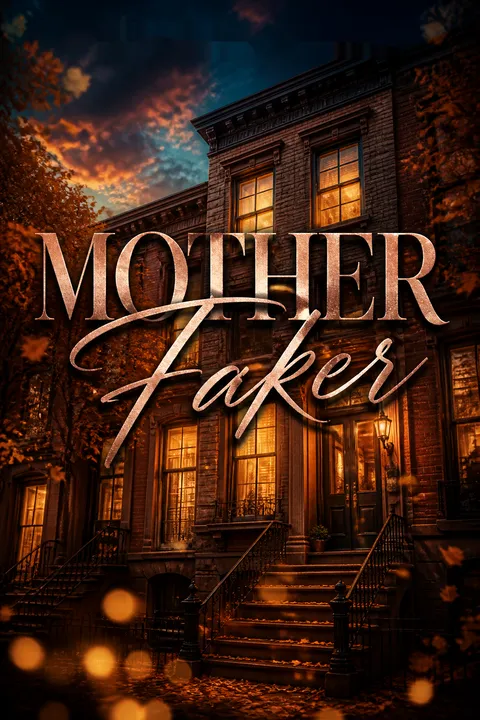
Olivia Maxwell, head of public relations for the Boston Revs, is already trying to repair the story that her boss, baseball executive Beckett Langfield, dislikes children. He rejected a St. Jude event because the stadium was booked for a swimsuit promotion. Then the limo carrying Liv and Beckett hits a dog.
A boy blames the driver and recognizes Beckett as the alleged kid hater; when he kicks Beckett, the supposedly dead dog suddenly gets up, and Beckett falls onto the child. A camera catches the worst possible image. Sponsors threaten to leave, and Beckett's father orders him to fix the damage or risk losing control of the team. He suggests dating a single mother, then marrying one to prove Beckett can live with children.
The crisis begins with a gap between intention and public image. Beckett did not reject a charity because he hates children, but his bluntness and his family's commercial priorities make the interpretation plausible. The photograph then freezes an absurd accident into apparent evidence. Liv's job is to manage appearances, yet the suggested solution demands that she turn private family life into a public campaign. The plot's comic collision therefore establishes its central pressure: the difference between performing care and actually practicing it.
Vegas Vows, Missing Memory
Beckett is still reeling from the scandal when his former girlfriend Sabrina tells the press that he has always disliked children. Liv travels with him to Las Vegas, where he proposes marriage as a way to answer his father's demand and repair the Revs' image. He argues that they already work together constantly and that a marriage would look credible.
They drink heavily, and an Elvis impersonator conducts the ceremony. The next morning, Liv wakes naked beside Beckett, finds a huge ring on her hand, and slips out before he wakes. She returns to Boston convinced she has made a disaster of her life. Beckett arrives at her office wearing a wedding band and asks her to stay married for the season.
The wedding literalizes the story's central confusion: a publicity strategy becomes a legal and intimate fact before either character has consciously chosen what it means. Liv's flight is not simply embarrassment; it is a way to reclaim control after waking in a situation she cannot remember. Beckett's calm return with a ring contrasts with her panic, but his insistence on keeping the marriage also reveals that the public solution has become personally useful to him. The missing memory leaves desire unresolved rather than erased.
A Hundred Thousand Dollars
Liv wants an annulment, but Beckett offers her one hundred thousand dollars to remain his wife through the baseball season. The money could repair the roof and broken stairs in the Boston brownstone where she now lives with her children and three close friends. She accepts, and the women draft rules for the arrangement. Beckett then announces the marriage to his family as genuine.
His parents, Preston and Monroe, are delighted, and when their own home undergoes renovations, they plan to stay in Beckett's penthouse. To make the elopement believable, Beckett has to move into Liv's house instead. Liv's recent divorce from Drake has already cost her the marital home, so the crowded, crumbling brownstone is both refuge and strain.
Money initially gives the relationship a clean boundary: Liv can treat the marriage as work, and Beckett can treat it as reputation management. But the agreement immediately expands beyond their control when his family accepts the story as truth. Their different needs are visible in the exchange. Liv needs material security for a household stretched by divorce and childcare; Beckett needs a convincing public narrative and a way to satisfy his father. Neither has yet accounted for the emotional consequences of sharing a home.
Dinner With Twelve Roommates
Beckett arrives at the brownstone expecting a quiet introduction to Liv's children and instead meets the whole household: her friends, their children, and the twins Collette and Phoebe, who charge him a thousand dollars for swearing. Dinner ends in a food fight, but Beckett stays for Finn's tea party and lets the boy's toddler sister, Adeline, settle against him.
On his first Thursday babysitting shift, he feeds the children pizza when they reject dinner, watches hockey with Finn and Kai, and falls asleep beside Finn on the living room floor. Liv later finds clean laundry and a calmer house. The children begin giving him nicknames, while Beckett, who once claimed he did not want children, starts looking forward to returning.
The brownstone tests Beckett through ordinary care rather than a staged photo. The children are not props in his campaign: they have preferences, fears, jokes, and the power to disrupt his routines. His response shifts from managing the household as a problem to joining its rituals, including tea parties and the children's improvised names. The scene also unsettles his need for order. He is not cured of that need, but he discovers that disorder can contain affection and that helping Liv can feel rewarding rather than burdensome.
A Booth for His Wife
For their first formal date, Beckett takes Liv to a prominent Boston steakhouse but chooses a private booth instead of his usual showy table. When she explains that moving in with her friends saved her from drowning in work and childcare, he listens rather than trying to fix her.
He admits he avoided having children because his father was often absent, leaving Beckett and his brother Gavin to care for their younger siblings. He fears repeating that pattern. Liv recognizes the conflict between his demanding career and the family he says he does not want.
They agree the children should not know the marriage is real only on paper, and that Friday dinners will help them sell their story. Beckett's attentiveness begins to make their pretend dates feel less pretend.
Beckett's reluctance is not contempt for children but an inherited fear of failing them. His childhood taught him that professional success can make a parent physically absent even when love exists. Liv, meanwhile, resists being treated as a problem to solve because she already carries the pressure of doing two jobs at once. The date creates intimacy through recognition: each sees the other's limits without dismissing them. Their rules protect the children from instability, but they also reveal how carefully both adults are trying to manage attachment.
The Shower Door Opens
After Beckett returns from a road trip, Sabrina implies to Liv that the marriage is only a cover and that she and Beckett can keep seeing each other discreetly. Liv is shaken, especially after a difficult doctor's appointment leaves her feeling exposed about her weight. Beckett finds her crying on the roof, reassures her that he has always found her attractive, and denies having a girlfriend.
That night, Liv's friends give her a romance audiobook and a vibrator; Beckett accidentally overhears her enjoying them, then Liv discovers him in the shower. Mortified, she leaves with the children for her brother Declan's home in Bristol. Beckett, unsure how to repair the embarrassment, asks Liv's friend Dylan how he can show up for her.
The misunderstanding exposes how readily Liv expects to be disposable. Sabrina's claim lands because Liv has not yet accepted Beckett's tenderness as trustworthy, while the doctor's judgment activates a private insecurity she usually hides behind professional polish. The shower encounter turns desire into comic humiliation, but it also makes avoidance impossible: both characters now know the attraction is mutual. Liv's departure restores distance, yet Beckett's next choice will test whether his concern survives outside the convenient frame of their shared house.
Bracelets in Bristol
Beckett follows Liv to Bristol, where her daughter Winnie is still hurt because her father, Drake, failed to appear at a school reading. Rather than offer money or a grand distraction, Beckett sits with Winnie and her younger brother Finn to make bead bracelets.
Winnie helps him, and Beckett gives her a bracelet of her own, making her smile again. Liv watches him choose time and attention over an easy gesture. Her protective brother, Declan, remains suspicious, but Beckett treats the children gently and asks Liv to honor their Friday date.
At a small local restaurant, he explains that his former relationship with Sabrina offered predictable companionship, while life with Liv unsettles him in a way he enjoys. He kisses Liv, and their fake marriage becomes a real courtship.
Beckett's gesture matters because it answers Winnie's disappointment on its own scale. He does not try to erase the father's absence; he gives her a new memory in which an adult keeps his attention on her. That is precisely what Liv has long struggled to trust. Declan's suspicion also gives the romance a social test beyond private attraction. The kiss follows observable care, not a sudden declaration, allowing Liv to respond to the man she has watched rather than to the image he presents.
The Honeymoon Suite
A later trip to Las Vegas puts Liv and Beckett back in the city where they married, this time in a honeymoon suite. Beckett tells her he does not remember their wedding night as a blur, but their present intimacy is unmistakable. He reassures Liv when she worries about her body, treating her softness as something he genuinely desires rather than a flaw she must hide.
They sleep together, and his patience makes the encounter feel unlike the duty or neglect she knew in her marriage to Drake. At the baseball game, Beckett wants Liv beside him as his wife, not merely as his public-relations adviser. She begins to understand that his attention is personal, though she still frames their growing closeness as part of the arrangement.
The hotel room reverses the first Vegas morning. Then, Liv woke without memory and fled; now she participates knowingly, while Beckett's tenderness answers the uncertainty left by that night. Her body insecurity is not solved by praise alone, but his desire challenges the assumption that she must conceal herself to be chosen. The public game adds another distinction: Beckett wants her presence for himself, not simply for the Revs' image. Liv's difficulty lies in accepting that the performance may have become more honest than the contract intended.
The Raccoon Gets a Room
Back in the brownstone, Beckett's domestic education continues in less polished ways. Finn has been feeding a raccoon named Junior through the house's vents; Beckett helps contain the animal rather than let the adults frighten Finn by removing it immediately.
The veterinarian discovers Junior is female and pregnant, prompting more repairs and a secure space for her. Beckett also takes the blame when Finn's hair is accidentally cut, protecting one of the twins from Liv's anger until the misunderstanding clears.
At work, he pursues a trade for veteran catcher Cortney Miller, whose reputation for steadying pitchers could help the Revs manage the conflict between pitcher Damiano and catcher Clayton. Home and baseball increasingly demand the same thing from Beckett: attention, patience, and adjustment.
The raccoon plot makes caregiving deliberately unglamorous. Beckett cannot control every creature or contingency, and his first impulse to restore order has to yield to Finn's attachment. Protecting the child matters more than winning an argument with the adults. His willingness to take blame over the haircut similarly puts relationship before self-image. The baseball trade echoes this development: Beckett is learning that control is not the same as good leadership. He must read people and situations accurately, then make room for others to contribute.
A Show Worth Changing
Winnie discovers that her school art show falls on a weekend when she is meant to be with Drake, and she assumes the people she cares about may not come. Beckett promises to attend, then asks his best friend Jay to move the premiere of Beckett's sister Sienna's television show from Paris to Boston so he will not miss the event.
At the show, Beckett offers one hundred thousand dollars for Winnie's drawing of the brownstone and directs the money to the school's arts program. He also completes a bedroom for Adeline in the old nursery space, with a toddler bed and decorations chosen for her.
These acts give the children more than photographs for the press. Beckett is rearranging his work and resources around the family he once believed he could not have.
The art show makes presence measurable. Beckett gives up an international career occasion, not because a camera demands it, but because Winnie needs someone to attend. His donation could have been mere spectacle, yet directing it to arts funding links his wealth to the child's actual interest. Adeline's room carries the same meaning at home: he converts an awkward passage into a place designed for her. Liv's caution remains understandable, but his repeated actions increasingly contradict the idea that he is only playing husband.
Drake's Public Threat
At the Boston premiere, Drake confronts Liv after learning enough about the marriage arrangement to accuse her of trading herself for money. He threatens to use the arrangement against her in a custody fight. Beckett punches him before Liv or his brothers can stop him.
Gavin helps prevent Drake from turning the incident into an immediate public or legal victory, but the attack still threatens the careful public image Liv has built. Beckett leaves with the baseball team, while Liv takes the children to Declan's home for several days.
She returns to the brownstone unsure whether Beckett has chosen the penthouse and his old life over her crowded household. The crisis forces her to consider that love may ask for more than accepting his gestures; it may require risking a direct answer.
Drake weaponizes the very arrangement that once protected Liv financially, exposing its ethical and legal vulnerability. Beckett's punch is an act of loyalty, but it also creates consequences Liv must bear, which complicates the romance's protective fantasy. Their temporary separation gives both characters space to misread silence: Beckett believes he should handle the fallout, while Liv fears that he has reached the limit of what he can tolerate. The conflict is therefore not whether he cares, but whether care can become dependable partnership without taking agency away from her.
The Cameras Tell All
Back at the brownstone, Liv's friends show her footage from security cameras Delia installed. The videos reveal Beckett secretly worsening existing household problems: he loosens the faucet, damages a stair, and aggravates ceiling plaster, then quietly repairs the damage.
He has made the house seem more urgent to fix so the women will accept help. Other evidence shows the work he has done, including the finished roof terrace Liv once imagined as a shared family space.
Delia suspects he wanted Liv to leave, but Dylan sees the repairs and the terrace as Beckett trying to become useful and give Liv what she wanted. Liv recognizes that his behavior has been an awkward, sometimes dishonest form of devotion, and decides to meet him at the baseball field.
The revelation is deliberately double-edged. Beckett's sabotage is manipulative, even when aimed at solving real problems, and the story does not make it a model of communication. Yet the footage also documents labor he performed without an audience: cleaning, repairing, and building a place shaped by Liv's wishes. The roof terrace functions as evidence because it translates listening into material form. Liv's decision to approach him follows neither blind forgiveness nor financial dependence; she has seen enough to ask whether their shared future can be chosen openly.
The Revs Field Reunion
At Lang Field, Liv brings her children and the brownstone household onto the baseball field to find Beckett. He has spent the week apart from them fearing that his actions made their lives harder. Liv tells him she wants him to stay, and the children show him the place he has earned in their lives: Finn calls him family, Winnie embraces him, and even Delia concedes that he belongs with them.
Beckett tells Liv he loves her and considers her three children his own. He also presents a proposed settlement for her approval: Drake would receive money and continue paying support, while agreeing not to harass or slander them and to attend the children's activities. Liv and Beckett choose to make their marriage real and face the press together.
The reconciliation is built as a collective choice rather than a private rescue. Liv's friends and children participate, giving Beckett a place in a family system that already functions without him. His declaration that the children are his does not erase their father; the proposed settlement instead tries to preserve their relationship with Drake while protecting the household. This resolves Beckett's fear of having to choose between work and family through action: he accepts that family is not an interruption to his life but a commitment he must organize around.
Epilogue
Two weeks later, Junior begins giving birth inside the brownstone, and Beckett refuses to take Finn into the house until the raccoon has finished. The whole household evacuates to Beckett's penthouse, where the children run through rooms that were never designed for this much noise and the adults improvise dinner together.
Liv and Beckett agree that the brownstone remains their shared home, while the penthouse can offer occasional quiet when Drake has the children. Beckett no longer needs to pretend that chaos is temporary. He chooses the people who come with it.
The raccoon birth turns the novel's domestic disorder into a final comic stress test. Beckett still has limits, especially around wildlife and childbirth, but he no longer interprets those limits as proof that family life is impossible for him. The penthouse does not replace the brownstone; it becomes another resource the household can use. That choice resists a simple romance ending in which wealth rescues the heroine from her community. Liv keeps her friends and their children, while Beckett joins the network rather than asking her to leave it.
Analysis
Mother Faker turns a familiar romance premise into a story about who gets to define a family. Beckett and Liv begin with a public problem and a financial agreement, but their daily choices gradually matter more than the story they tell reporters. Beckett's childhood taught him to associate professional duty with parental absence. His fear of having children is therefore a learned prediction, not a lack of tenderness. Caring for Finn, Winnie, and Adeline forces him to test that prediction in small, consequential ways: he stays for a tea party, comforts a disappointed child, and changes a major work event to attend an art show.
Liv's conflict is different. She is competent at work and deeply loving at home, yet divorce has left her wary of dependence and conscious of how her body is judged. Beckett's attention matters because it does not require her to become thinner, tidier, or less burdened before she can be desired. Still, the story does not make romance a substitute for women's support. Dylan, Delia, and Shayla have already built a working care network, and Liv refuses to treat love as a reason to abandon it. Beckett must join that network rather than purchase his way out of its complications.
The novel's comedy repeatedly makes domestic life physical: missing shoes, a broken stair, a raccoon in the vents, a child with a new haircut. These episodes keep emotional change grounded in behavior. Beckett's wealth can pay contractors and fund an arts program, but it cannot make trust automatic. Even his secret tampering with the house, though presented as an awkward bid to help, exposes the danger of deciding what another person needs without asking. The ending works because Liv and Beckett move beyond performance and choose an honest arrangement, including a plan that protects the children's ties to their father. The story's deepest promise is not that love removes disorder, but that people can build a dependable home without requiring life to become orderly first.
People Also Read










Characters
Olivia Maxwell
PR strategist and motherLiv leads public relations for the Boston Revs and raises Winnie, Finn, and Adeline after a painful divorce. At work she is composed, quick with a solution, and skilled at shaping a public narrative; at home she is tired, loving, and often convinced she must carry every responsibility herself. Her close friendship with Dylan, Delia, and Shayla gives her practical support and a family structure beyond her marriage. Liv's self-consciousness about her body and fear of asking for help coexist with a strong sense of competence. She values her children's stability and her independence, which makes any new romance a question of trust, not simply attraction.
Beckett Langfield
Guarded baseball executiveBeckett is the forty-two-year-old head of the Langfield baseball operation, a demanding executive who prizes order, competence, and control. His blunt manner makes him easy to misread, while his childhood experience of helping raise younger siblings has left him wary of becoming an absent father himself. He shows affection more readily through practical acts than emotional explanations: he notices Liv's routines, fixes what the household needs, and takes children's concerns seriously. His wealth and authority can make him accustomed to solving problems on his own terms. Beneath that confidence is a man who fears that choosing family will mean failing at work, or that work will make him fail the people he loves.
Dylan
Free-spirited caretakerDylan is Liv's auburn-haired best friend, Liam's mother, and the imaginative force behind the friends' shared brownstone household. Her faith in the universe and playful schemes can bewilder the more practical women, but her optimism is not indifference: she notices when someone is hurting and finds ways to draw them back into company. Dylan offers after-school care and emotional warmth to the children. Her ventriloquism and unpredictable humor turn tense moments into absurd ones, though she is more perceptive than others sometimes assume.
Delia
Protective lawyer friendDelia is a lawyer, the twins' mother, and the brownstone's most exacting guardian. She wants its repairs to respect the legacy of the aunt who left it to her, which makes her resistant to outside help even when the house is visibly failing. Her sharp suspicion of men protects her friends, though it can turn into a barrier. Delia is intelligent, organized, and often funny in her severity. Beneath the hostility is a fear that she and the other women may not be enough to protect their children or preserve the family they have built.
Shayla
Anxious devoted motherShayla is a physical therapist and Kai's mother. Since her husband Ajay died of cancer, she has become intensely alert to danger, especially anything that might threaten her son. Her caution can seem excessive, but it grows from grief and the knowledge that Kai is the person she most fears losing. She is gentle with Liv and the other children, and the shared household gives her help without requiring her to stop being a protective parent.
Finn
Fearless tutu-wearing boyFinn is Liv's four-year-old son, a spirited child who wears tutus with his clothes, loves Nerf guns, and quickly gives Beckett the nickname Bossman. He approaches the world with a directness adults often lack, and his affection is generous once he feels safe. Finn's attachment to a raccoon reflects his instinct to protect vulnerable creatures, even when the grown-ups see danger first.
Winnie
Quiet young artistWinnie is Liv's older daughter, a thoughtful child who draws the people and places she loves. Her father's inconsistent attention leaves her vulnerable to disappointment, though she rarely makes a scene about it. Winnie watches adults closely and responds to actions more than assurances. Art gives her a way to express what she cannot always say aloud.
Adeline
Liv's affectionate toddlerAdeline is Liv's youngest child, still small enough to be carried and comforted by the adults around her. Her easy affection makes her a natural center of the household's tenderness. As a toddler, she depends on consistent care, and her needs shape how Liv and the other women organize their crowded home.
Liam
Aloof teenage observerLiam is Dylan's fifteen-year-old son, a quiet teenager who often retreats behind his headphones. His dry humor and apparent detachment conceal a keen eye for the strange dynamics around him. He is protective of the younger children and serves as a link between the adults' world and the household's many kids.
Kai
Shy sports-minded boyKai is Shayla's son, a soft-spoken child who takes time to feel comfortable with new people. Hockey gives him a source of excitement and a way to connect with Beckett, while his mother's protectiveness reflects their shared history of loss. His small gestures of trust matter because he rarely offers them casually.
Collette
One sharp-minded twinCollette is one of Delia's eight-year-old twins. She is clever, bold, and quick to turn the household's swear jar into a profitable enterprise. Her wit makes her difficult to intimidate, and she enjoys testing whether adults can keep up with her.
Phoebe
One mischievous twinPhoebe is Collette's twin and shares her sister's confidence, intelligence, and talent for mischief. The twins often act as a coordinated pair, but each has her own impulses. Their schemes keep the adults vigilant and make Beckett's attempts to impose order a losing game.
Drake
Liv's unreliable ex-husbandDrake is Liv's former husband and the father of her three children. His affair with the family's nanny helped end their marriage, and his inconsistent involvement continues to frustrate Liv. He is sensitive to losing control of his role in the children's lives, but often responds to conflict by blaming Liv rather than considering what the children need.
Declan
Protective older brotherDeclan is Liv's brother, a fire chief in Bristol who has spent much of his life looking out for her. His gruffness is a form of loyalty, especially when a man enters Liv's life after her divorce. He is wary of Beckett but remains a dependable refuge for Liv and her children.
Preston Langfield
Demanding team patriarchPreston is Beckett's father and a powerful figure in the Langfield sports business. He expects Beckett to protect the family's reputation and is willing to pressure his son when the team's interests are threatened. Preston's own devotion to work shaped Beckett's childhood, even though he loves his children and takes pride in their accomplishments.
Monroe Langfield
Warm family matriarchMonroe is Beckett's mother, an affectionate presence who welcomes family milestones and wants her children to find happiness. She is proud of the Langfields and enjoys seeing her family gather, but her history of accompanying Preston through a demanding public life is part of the family pattern Beckett is trying to understand.
Gavin Langfield
Jovial hockey executiveGavin is Beckett's younger brother and runs the family's hockey operation. He is sociable, teasing, and more emotionally perceptive than his jokes suggest. Gavin knows Liv well enough to understand the strain she faces, and he often nudges Beckett toward choices his brother would rather avoid.
Brooks Langfield
Good-natured hockey starBrooks is Beckett's younger brother, a professional hockey player whose calm, courteous manner contrasts with Beckett's severity. He is loyal to his family and willing to help without making a performance of it. His easy connection with people offers a gentler model of confidence than Beckett's controlled authority.
Aiden Langfield
Impulsive hockey playerAiden is the youngest Langfield brother and a professional hockey player. He is energetic, funny, and often the target of his brothers' teasing. His enthusiasm for sports and family gatherings makes him an affectionate, if chaotic, presence.
Sienna Langfield
Fashion-designing sisterSienna is Beckett's younger sister, a fashion designer who has built a career outside the family's sports businesses. She is creative, confident, and close to her brothers, while her work takes her into an international fashion world that contrasts with Beckett's homebound routines.
Sabrina
Beckett's former girlfriendSabrina is Beckett's former girlfriend, whose long familiarity with his family makes her a recurring presence in his social life. She is polished and comfortable around the Langfields, but her assumptions about Beckett's priorities contribute to the public story surrounding him.
Jay Hanson
Beckett's loyal best friendJay is Beckett's longtime friend, a successful businessman whose family is closely connected to Boston's public and media life. He offers Beckett practical advice about earning children's trust and is willing to help when a professional commitment conflicts with a child's important day.
Plot Devices
The Viral Photograph
Turns accident into scandalThe photograph of Beckett falling onto a child transforms a chaotic roadside accident into a simple, damaging image. Because it follows reports that he dislikes children, the image appears to confirm a story the media already wants to tell. It drives the Langfield family's threats, the marriage proposal, and the public performance Liv is asked to manage. Its importance lies in how little context a photograph can hold compared with how much power it gains once people interpret it.
The Marriage Contract
Makes intimacy a transactionBeckett offers Liv money to remain his wife through the baseball season, giving their arrangement a businesslike boundary and a practical purpose. The contract appears to define what they owe each other: public appearances, photographs, and a convincing story for the press. But family expectations and shared domestic life quickly exceed those terms. Each rule meant to contain feeling becomes another measure of how much the pair are already changing for one another.
The Brownstone Commune
Makes care a shared practiceThe dilapidated brownstone houses Liv, her children, and her three closest friends with their children. Its broken stairs, unfinished rooms, and unstable plumbing create comic obstacles, while its crowded routines distribute childcare and emotional support among the adults. For Beckett, the house is the opposite of the controlled penthouse he prefers. Living there makes family less an abstract fear and more a daily practice of meals, baths, repairs, and compromises.
The Hidden Cameras
Turns care into evidenceDelia's security cameras, installed to monitor the busy household, capture Beckett secretly worsening some existing problems in the brownstone before repairing them. The footage later exposes his unorthodox attempt to make himself useful and the work he has done for Liv's home. It is a plot revelation, but also a record of behavior that contradicts his public image as a self-interested executive. The cameras make private labor visible, while leaving the audience to judge the troubling method as well as the loving motive.
The Momcoms Series Series






Download PDF
Download EPUB
.epub digital book format is ideal for reading ebooks on phones, tablets, and e-readers.








