


Plot Summary
Smoke, Soot, and Misdials
Olivia Marshall’s life collapses in quick succession: she loses her Chicago writing job, discovers that her boyfriend Eli has betrayed her with a coworker, and burns his love letters on her balcony. A startled possum knocks over the pail, the fire spreads, and Olivia flees to Omaha with almost none of her belongings.
At her brother Jack’s apartment, she drinks through the wreckage and receives a suggestive text from an unknown number. Her sarcastic reply turns the mistake into a running joke, and the stranger answers in kind. For the first time since the breakup and fire, Olivia laughs. The exchange gives her a small, anonymous place to be funny without being treated as a walking disaster.
The opening makes Olivia’s misfortune both materially serious and absurdly specific. The fire is not a metaphorical flourish: it costs her home and possessions, while the possum’s intervention gives her a story she can scarcely control. Humor becomes her first workable response, not because the losses are trivial, but because laughter lets her reclaim authorship of an event other people might use to define her. The wrong-number exchange offers a different kind of safety. A stranger can hear her without carrying the family history that makes every setback evidence in a case against her.
The Roommate Surprise
Olivia expects to stay with Jack for a month, then discovers that his roommate is Colin Beck, Jack’s best friend and Olivia’s longtime target for mutual sniping. Colin already knows the embarrassing details of the fire, which makes her feel exposed before she has unpacked.
She tries to rebuild through early runs, job applications, and babysitting her nephews, but interviews go sideways when nerves turn her stories into comic disasters. A newspaper editor mistakes Olivia’s celebrity-parenting articles for proof that she has children.
Desperate for the creative job, Olivia lets the misunderstanding stand and invents two sons. The paper offers her a remote role as the anonymous 402 Mom, alongside ordinary articles under her own name. She accepts, knowing the lie could eventually undo everything.
Olivia’s new beginning is built from two opposing impulses: she wants to become dependable, yet she reaches for improvisation whenever shame threatens to expose her. The invented children are not a calculated fraud so much as a panicked attempt to keep the one job that seems to fit her voice. Colin’s presence sharpens the pressure because he has long treated her mishaps as entertainment, while Olivia assumes that being known means being judged. The contrast between her written fluency and her interview anxiety also matters: her talent is real, but conventional performances of competence make her stumble.
The Texts Go Silent
As Olivia and Mr. Wrong Number trade increasingly personal jokes and sexual questions, Colin returns from a business trip and begins noticing Olivia differently. She also meets Paul after falling during a run, but their brunch falters when his opinions about women clash with hers.
Colin’s own date with Harper ends when Olivia’s nephews are visiting and she opens a ceremonial bottle of his expensive tequila; Harper leaves after Colin erupts over the waste.
Later, while Olivia celebrates her new job over dinner, Colin sees her phone display the same messages he has been receiving. He realizes that Olivia is his anonymous texter. Rather than explain, he decides the connection must end and withdraws, leaving Olivia baffled by his sudden silence.
The mistaken anonymity has allowed each of them to respond to the other without the old roles attached: Olivia is not merely Jack’s chaotic sister, and Colin is not merely the polished man who teases her. The discovery threatens that freedom. Colin’s decision to disappear protects him from the vulnerability of being known, but it also turns a private coincidence into an asymmetry: he knows who is speaking while Olivia does not. The failed dates provide a useful contrast. Olivia rejects Paul’s casual sexism, while Colin’s conflict with Harper reveals how quickly his controlled manner can crack when Olivia disrupts his carefully arranged world.
The Secret Gets a Byline
Olivia’s first 402 Mom column appears, and the paper’s promotion helps her feel that the secret job is finally real. Colin reads it and recognizes the wit in her writing, then learns from her that she is the anonymous columnist and warns that a small city may expose her.
When Colin struggles to write a persuasive business letter, Olivia edits it into something warmer and more convincing. He sends it to a prospective client and wins the account.
Meanwhile, Olivia applies for an affordable loft in Colin’s building; Colin quietly recommends her to the leasing office, and her application is approved. She tells him the news, and their congratulatory hug turns into an impulsive kiss. Jack comes home before it can go further, leaving both of them to pretend the moment meant little.
This section shifts their relationship through reciprocal recognition rather than attraction alone. Colin sees that Olivia’s comic voice is a professional strength, and she sees that his analytical competence does not make him immune to uncertainty. Her revision helps him succeed; his reference helps her find a home. Each offers the other practical support without abandoning their familiar teasing. The kiss exposes a tension their banter has concealed: they have become important to one another, but neither has yet decided what that importance requires. Olivia’s new apartment represents independence, while Colin’s help quietly complicates her effort to leave his orbit.
A Bed Across the Hall
Olivia moves into her loft with only a box of clothes and an air mattress, while Jack and the family bring pizza and housewarming stools. Colin later learns how badly the mattress is hurting her back and has a real bed delivered, explaining it as repayment for her help with his client letter. He brings fresh sheets, and their joking about the gift turns openly flirtatious.
Olivia and Colin agree to keep their attraction private and supposedly free of romance, then have sex in her new kitchen. The next morning, they repeat the encounter in her loft. Olivia is surprised by how tender Colin can be, but tells herself their agreement makes the intimacy safe. The arrangement feels exciting precisely because neither has to name what it means.
The bed is more than a generous object: it converts the temporary, precarious conditions of Olivia’s return into a livable home, while also carrying Colin’s care into her private space. Both disguise that care as a transaction, because a gift can be accepted more safely than an admission of attachment. Their no-romance rules serve the same defensive function. Olivia fears the vulnerability that followed her relationship with Eli, and Colin is accustomed to keeping desire bounded. Their physical ease outruns those protections, making the supposed simplicity of the arrangement unstable from its beginning.
The Wrong Man Accused
On the morning after their first night, Olivia’s editor Glenda calls with human resources on the line. The paper has learned that the 402 Mom has no children, and Glenda ends Olivia’s employment for dishonesty. Colin comes downstairs, but Olivia assumes he revealed the secret because he was the only person she had told.
She sends him away, strips the gifted bed of its expensive sheets, and throws them out. With her dream job gone and rent looming, she takes low-paid freelance work writing car descriptions. Colin tries to reach her, but Olivia blocks his number after telling him to stop. She is grieving the career she loved and the intimacy she had begun to trust, convinced that both were ruined by the same man.
Olivia’s accusation grows from a credible wound, not a random misunderstanding. Colin has hidden the identity of her texter, and his history of teasing her makes betrayal seem more likely than protection. The firing also reactivates her deepest fear: that any success she reaches will prove temporary once people see the mess behind it. Throwing away the sheets gives that fear a physical outlet, but it cannot remove the affection attached to them. Colin’s silence during the immediate rupture leaves Olivia alone with the version of events her shame already believes.
Nick Takes the Seat
Still missing her anonymous friend, Olivia challenges Mr. Wrong Number to meet her at a coffee shop. Colin cannot appear without exposing himself, so he asks his coworker Nick to pose as the texter and keep Olivia from being stood up.
The date is polite but lacks the humor and intimacy of their messages, and Olivia’s attempted goodbye kiss confirms there is no spark. At an ice-cream shop, she runs into Glenda and apologizes. Glenda explains that a former intern, Andrea, discovered the truth and reported it.
Olivia realizes Colin did not betray her and sends him an apology. Jack finds their messages, learns that Olivia and Colin slept together, and confronts Colin physically before accepting that his best friend genuinely cares for his sister.
The staged date is an act of protection that repeats the central problem: Colin decides what Olivia can bear without asking her. Nick’s decency cannot reproduce the connection because the intimacy was never simply a matter of witty messages; it belonged to Olivia and Colin’s shared sensibility. The truth about Andrea restores a crucial distinction between suspicion and evidence, forcing Olivia to confront how quickly she cast Colin as the person she already feared he was. Jack’s response likewise makes the private affair public within their closest circle. His eventual restraint depends less on approving the situation than on trusting Colin’s intentions.
Casual, Until It Isn’t
After the apology, Colin and Olivia reconnect, and he tells her that Jack will not object if they continue seeing each other. They return to bed, then agree to a casual, exclusive relationship: dates and sex are welcome, but either may leave when it stops being fun.
Colin takes Olivia to Fleming’s, where a giant dog knocks her down and she laughs instead of worrying about her ruined clothes. He recognizes that her apparent clumsiness often comes from being fully absorbed in the moment.
Olivia, meanwhile, notices his attention to small details and gives up the secret texting connection with Mr. Wrong Number. Their dates, dinners, and regular nights together begin to look less like an arrangement and more like a relationship neither wants to define.
Their agreement offers a compromise between desire and risk: exclusivity provides emotional focus, while the promise of an easy exit is meant to prevent either from feeling trapped. Yet their behavior steadily exceeds the contract. Colin’s new understanding of Olivia replaces a deficit-based view of her as careless with a more accurate account of her attention and vitality. Olivia’s choice to end her anonymous texting shows that she is beginning to treat Colin as a real partner, even before she trusts him enough to say so. Their rules do not eliminate feeling; they merely delay its naming.
The Phone Gives Him Away
Olivia is offered a position at Feminine Rage magazine, where an editor wants her to turn her chaotic experiences into an advice column. Colin encourages her to value her writing, and after she accepts the job, she spends the night at his condo.
Before her first workday, Olivia sends a final series of messages to Mr. Wrong Number, explaining that she is seeing someone and must end their private connection. Colin’s phone lights up with each message. She sees the notification from Miss Misdial and realizes the anonymous stranger and Colin are the same person.
Colin admits he knew from the night she cooked for him and Jack, months earlier. Olivia understands that he read every message, including intimate confessions, while dating her, and leaves in furious humiliation.
The revelation reinterprets nearly every stage of their intimacy. What Olivia experienced as a protected, consequence-free exchange was, for Colin, a conversation with someone he knew and saw daily. His choice to keep texting after recognizing her made the bond feel reciprocal while withholding information that would have let her choose freely. The betrayal is therefore not that he knew her private thoughts by accident, but that he continued to possess an advantage she did not know existed. Her anger protects her agency at the precise moment when affection makes the deception hardest to dismiss.
Two Lives Without Each Other
Olivia begins her new job with heartbreak already in motion; a colleague’s happy engagement overwhelms her, and a collision with a lunch tray leaves her covered in macaroni. She still keeps the position and turns to writing, which gives her a way to channel the pain.
Colin apologizes repeatedly, but Olivia blocks him and returns the mattress and box spring he bought. Meanwhile, Colin’s father pressures him to abandon his financial career and join the family law firm, while Olivia remains the subject he cannot discuss without faltering.
Colin decides to accept a promotion in Chicago and leave Omaha. He sends a personal plea to Olivia’s advice column, describing a man who fell for the same woman twice without realizing it. Olivia recognizes the details and agrees to meet him.
Separation does not make either character suddenly self-sufficient; it reveals what each has been relying on. Olivia’s new work gives her a viable identity beyond the secret role she lost, while the workplace mishap shows that grief still disrupts her body and attention. Colin’s family conflict echoes his romantic crisis: his father wants him to accept a respectable life chosen by someone else, while Colin has spent years insisting on his own terms. The advice-column submission is a carefully chosen form of accountability. He cannot demand forgiveness directly, so he asks for help through the very medium Olivia made her own.
Thanksgiving at the Door
At Thanksgiving, Olivia hears Jack explain that Colin is moving to Chicago because living near her while separated has become unbearable. She leaves the family gathering before the planned photograph and hurries to Colin’s apartment.
When he returns, Olivia apologizes and tells him she loves him, but Colin first makes her face the hurt he has carried since she dismissed his confession. He explains that he no longer sees her as a disaster: her impulsive attention to life may cause collateral damage, but it is also what he admires.
Olivia’s willingness to leave dinner and risk another rejection shows him that she is not asking for a convenient reunion. They confess their love, kiss, and choose each other before the building’s fire alarm interrupts them.
The Thanksgiving setting puts Olivia’s private choice against the family’s expectations and rituals. Leaving before the photograph is a concrete refusal to postpone what matters to her, even when her family considers the timing inappropriate. Colin’s account of her as vividly present, rather than merely chaotic, answers the wound beneath her fear of being loved only conditionally. The reconciliation also requires more than attraction: he names the damage of her earlier rejection, and she acts before certainty can protect her. The alarm that follows their kiss returns the story to fire, but now the emergency is comic interruption rather than the destruction of a home.
Epilogue
Two weeks later, Olivia and Colin are together in bed, trading messages as Mr. Wrong Number and Miss Misdial even though they no longer need the disguise. The old exchange has become a private game rather than a hiding place.
Colin teases Olivia about how often he imagines her naked, and she answers by moving the conversation from her phone to a whisper. They have kept the intimacy that first brought them together, but secrecy no longer separates them from the truth of who is on the other end.
The epilogue returns to the device that began the romance but changes its emotional function. At first, anonymity let Olivia risk candor without being seen, while Colin’s concealment later made that same intimacy ethically unequal. Now the names Mr. Wrong Number and Miss Misdial are shared play, used in full knowledge by both partners. The couple preserves their flirtatious channel without needing it as camouflage. That shift makes the ending more than a declaration of love: trust is restored when the game can continue without deception.
Analysis
Mr. Wrong Number uses romantic comedy’s machinery of coincidence to examine a serious problem of unequal knowledge. Olivia’s messages feel safe because she believes the person receiving them is a stranger; Colin’s discovery changes that safety into an imbalance, even though their attraction is genuine. The eventual rupture is therefore not a misunderstanding that can be erased by desire. It requires Olivia to judge whether Colin’s concealment has made their intimacy impossible to trust. The novel also resists the usual distinction between competent adulthood and comic disorder. Olivia’s writing succeeds because she notices what more polished people overlook, and Colin’s eventual admiration depends on recognizing that her accidents do not cancel her intelligence or generosity. Conversely, his precision is not treated as moral superiority. His work ethic and careful habits coexist with emotional avoidance, while Olivia’s spontaneity sometimes creates real consequences for herself and others.
Their careers sharpen this contrast. Olivia’s 402 Mom success is both evidence of talent and a fragile construction built on a lie. Her later advice column offers a better fit because it turns her actual perspective into professional material. Colin’s conflict with his father similarly concerns the right to author a life rather than inherit one. Both characters are pressured to perform identities that look respectable: the competent professional, the sensible daughter, the successful Beck. Their relationship becomes possible when they see past those performances without pretending the damage is harmless.
The ending does not reward Olivia for becoming less messy or Colin for becoming less ambitious. Instead, it asks whether each can value the other without converting difference into a flaw to be managed. Their shared text-game survives because the truth is finally known by both. What began as an escape from being seen becomes a way of choosing to be seen, with the risk and pleasure intact.
Review Summary
Mr. Wrong Number received mixed reviews, with an average rating of 3.68 out of 5. Many readers enjoyed the humor, witty banter, and romantic tension between the main characters, Olivia and Colin. The book was praised for its entertaining plot and charming rom-com feel. However, some critics found Olivia's character annoying and immature, while others felt the storyline was predictable. The texting aspect and enemies-to-lovers trope were popular elements. Overall, readers found it a light, fun read despite some flaws in character development and plot execution.
People Also Read










Characters
Olivia Marshall
The vivid writerOlivia is a funny, imaginative writer whose life is often less orderly than her sentences. She notices absurd details, answers embarrassment with jokes, and tends to act before caution can flatten an experience. Her family’s habit of treating her mistakes as evidence of immaturity makes her sensitive to being dismissed, even as she resists anyone who tries to manage her. Work matters to her because writing gives shape to what she sees and lets her be more than the person who spills, trips, or burns something. Under her bravado is a woman wary of being betrayed again, but also hungry for connection that accepts both her talent and her disorder.
Colin Beck
The controlled numbers manColin is Jack’s polished, highly capable best friend and roommate, a financial analyst with a mathematics background and a taste for quality. He prefers clear terms and careful plans, partly because his wealthy family expects him to follow a prestigious path he does not want. His confidence can read as arrogance, especially to Olivia, whom he has teased for years. Beneath that composure is a man who struggles to show vulnerability directly and often tries to solve emotional problems through practical action. He respects competence, values independence, and finds himself drawn to people who disrupt his assumptions, though he can mistake control for protection.
Jack Marshall
The protective brotherJack is Olivia’s older brother and Colin’s longtime best friend. He gives Olivia a place to stay when her life collapses, but his practical help comes with blunt criticism and a brother’s instinct to keep her safe. He often jokes rather than discussing feelings directly, yet he understands both Olivia’s history and Colin’s character better than either man wants to admit. His loyalty can put him between the two, but it also gives them room to make their own choices.
Eli
The Chicago exEli is Olivia’s former boyfriend in Chicago, where she built a life around their relationship and imagined a shared future. His betrayal is the rupture that sends her back to Omaha, but he remains mostly offstage. For Olivia, he represents the painful gap between what she believed a relationship meant and what the other person was willing to offer. His absence leaves her cautious about romance and alert to signs that affection may be temporary.
Nancy Marshall
The watchful motherNancy is Olivia and Jack’s mother, a loving but persistent presence who monitors her children’s decisions and offers advice whether or not they ask. She worries about Olivia’s finances, work, and habits, often making concern feel like a performance review. Her desire to help is genuine, but her certainty can leave Olivia feeling underestimated.
Fred Marshall
The quiet fatherFred is Olivia and Jack’s father. He tends to speak less than Nancy and offers practical, occasionally blunt opinions about work and adult responsibility. His quieter presence gives the family scenes a contrast to Nancy’s energetic supervision.
Will Marshall
The eldest brotherWill is Olivia’s older brother, married to Dana and father to Kyle and Brady. He is a family man with a teasing streak who watches Olivia’s bond with his children with affection. His perspective helps establish that Olivia’s impulsiveness coexists with real warmth and attentiveness.
Dana
The generous sister-in-lawDana is Will’s wife and the mother of Kyle and Brady. Cheerful and practical, she trusts Olivia with the boys and includes her in family life. Her kindness gives Olivia a sense of belonging that is not dependent on professional success.
Kyle
Olivia’s devoted nephewKyle is Will and Dana’s older son. He loves playing with Olivia and responds readily to her silliness, reinforcing the affectionate, playful side of her character.
Brady
Olivia’s younger nephewBrady is Will and Dana’s younger son. His presence draws out Olivia’s tenderness and gives her a joyful role in the family beyond being the sibling everyone worries about.
Sara Mills
Olivia’s returning friendSara knew Olivia in high school and reconnects with her after she returns to Omaha. She listens without turning Olivia’s misfortunes into a verdict and offers the candid encouragement of someone who wants her friend to be happy. Her home and family also give Olivia a place to speak honestly when she is overwhelmed.
Glenda
The ambitious editorGlenda is an editor at the Omaha newspaper who values distinctive writing and sees potential in Olivia’s comic voice. Warm and encouraging, she is also responsible for protecting the paper’s standards. Her professional relationship with Olivia exposes the difference between talent and trust, and her approval matters because Olivia wants to be taken seriously as a writer.
Nick DeVry
Colin’s well-meaning coworkerNick works with Colin and is an affable, accommodating man who agrees to help when Colin worries Olivia will be stood up. He tries to be kind, but his role in the plan reveals how easily good intentions can become paternalistic when someone acts on Olivia’s behalf instead of speaking plainly.
Jillian Beck
Colin’s candid sisterJillian is Colin’s sister, a lawyer who understands the pressure of the Beck family while maintaining her own perspective. She can tease Colin without dismissing him, and their relationship offers him a rare source of warmth within a family shaped by ambition and tradition.
Thomas Beck
The demanding patriarchThomas is Colin and Jillian’s father, a successful lawyer who expects Colin to join the family firm. He equates professional status with security and adulthood, creating a persistent conflict with Colin’s choice of career. His concern is entangled with control, making his approval difficult for Colin to seek or ignore.
Andrea Swirtz
The former internAndrea is a former intern connected to Glenda and someone Olivia once knew from school. Her decision to report the truth about the anonymous parenting columnist becomes a consequential reminder that secrets can travel through ordinary social networks.
Paul
The running-date mismatchPaul meets Olivia after she falls during a morning run and invites her to brunch. He seems friendly at first, but his opinions about women expose values that clash with hers. Their brief connection clarifies what Olivia will not ignore merely to avoid being alone.
Harper
Colin’s short-lived dateHarper is a woman Colin asks to dinner while trying to redirect his attention from Olivia. She meets Olivia in the condo during a visit from the nephews, and Colin’s assumptions about the evening quickly unravel. Her presence exposes the distance between Colin’s carefully planned dating life and the unruly household he shares.
Plot Devices
The wrong-number thread
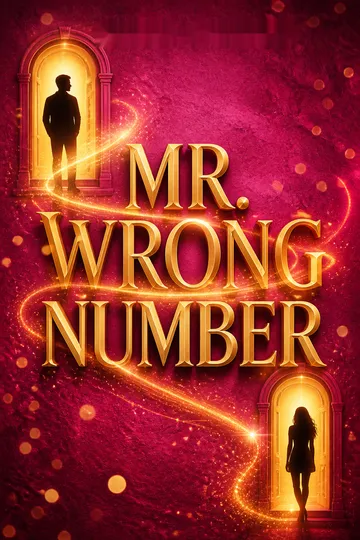
Anonymity becomes intimacyA mistaken text meant for someone else gives Olivia and Colin a channel for jokes, personal stories, and sexual candor without face-to-face expectations. It lets each person show a less guarded self and creates a connection that neither initially ties to the other’s public identity. The thread later acquires an ethical cost when Colin recognizes Olivia but continues the exchange without telling her. In the ending, the same nicknames return as a shared game, now stripped of their original concealment.
The 402 Mom persona
A lie buys creative freedomThe newspaper’s anonymous parenting columnist gives Olivia a chance to write in the funny, personal voice she has struggled to use in conventional interviews. Because the editor assumes Olivia has children, she invents a family rather than correcting the misunderstanding. The pseudonym protects her from immediate recognition and helps her work find an audience, but it also makes her success dependent on a false identity. The device links the pleasure of being seen for her writing to the fear of being found out.
The accidental fire
A disaster resets Olivia’s lifeOlivia burns Eli’s love letters in a pail after learning about his betrayal. A possum startles her and knocks the pail onto her balcony’s straw mat, helping the fire spread through the building. The blaze forces her back to Omaha and into Jack’s spare room, starting the close quarters that bring her and Colin together. A later investigation finds improperly stored construction materials in the building, relieving Olivia of responsibility for the larger disaster. The fire is both a real loss and the source of the story’s defining public embarrassment.
The borrowed bed
Practical care crosses boundariesOlivia begins again with an air mattress, then Colin buys her a proper bed after learning how badly the temporary one hurts her back. He frames the purchase as repayment for her help with his work, preserving his preference for practical explanations. The bed gives Olivia a stable home and becomes the setting for their intimacy. It also makes the later rupture tangible: when she believes Colin betrayed her, she returns the mattress and rejects the care it represents.
The casual arrangement
Rules postpone emotional riskOlivia and Colin try to contain their attraction by agreeing to a casual but exclusive relationship that can end when it stops being enjoyable. The rules allow them to date and share sex without immediately confronting Olivia’s fear of betrayal or Colin’s difficulty with vulnerability. Their ordinary habits, including dinners, visits, and nights together, gradually contradict the idea that their bond is only temporary. The arrangement therefore acts as both permission and defense, giving them a way into closeness while postponing the question of what they owe each other.
FAQ
Synopsis & Basic Details
What is Mr. Wrong Number about?
- Chaotic life meets accidental text: Olivia Marshall's life implodes after a layoff, breakup, and apartment fire, leading her to move in with her brother, Jack. A wrong number text exchange with a mysterious "Mr. Wrong Number" provides a humorous escape from her misfortunes.
- Unlikely roommate dynamic: Olivia discovers Jack's roommate is Colin Beck, her brother's best friend and her childhood nemesis. Their forced proximity creates friction and unexpected tension beneath their antagonistic banter.
- Secret identity and budding romance: As Olivia navigates job hunting and rebuilding her life, she lands a dream writing job under a secret identity. Simultaneously, her relationship with Colin evolves from animosity to a complex mix of attraction and conflict, complicated by her anonymous texting friendship.
Why should I read Mr. Wrong Number?
- Humorous and relatable protagonist: Olivia's string of bad luck and self-deprecating humor make her instantly relatable and entertaining, offering a refreshing take on overcoming life's challenges.
- Engaging enemies-to-lovers trope: The dynamic between Olivia and Colin, rooted in years of playful antagonism, provides witty dialogue and satisfying romantic tension as they navigate their evolving feelings.
- Exploration of modern connection: The novel cleverly uses anonymous texting to explore themes of vulnerability, authenticity, and the unexpected ways people connect in the digital age, contrasting it with real-life interactions.
What is the background of Mr. Wrong Number?
- Contemporary Omaha setting: The story is set in modern-day Omaha, Nebraska, utilizing specific locations like the Old Market, Starbucks, and local restaurants (Zio's, Fleming's, Ted and Wally's) to ground the narrative in a specific, relatable urban environment.
- Focus on post-college life struggles: The plot centers on a protagonist in her mid-twenties dealing with common challenges like job loss, financial instability, and navigating complex personal relationships after a major life upheaval.
- Integration of technology: Texting and online communication are central to the plot, reflecting contemporary dating and interaction methods, while also highlighting the potential for misunderstanding and miscommunication and hidden identities.
What are the most memorable quotes in Mr. Wrong Number?
- "Was not owning pants my rock bottom?": This early, self-deprecating line from Olivia encapsulates her chaotic state and humorous perspective on her misfortunes after the fire leaves her with minimal belongings.
- "You and me, Liv? We wouldn't need a bed.": Colin's bold, suggestive line during a moment of intense sexual tension reveals the undeniable physical chemistry between them, pushing their relationship beyond their usual banter.
- "I love you, Olivia, but this is killing me. I have to get away from all of this.": Colin's raw confession near the end highlights the depth of his feelings and the pain caused by their misunderstanding, serving as a pivotal emotional turning point.
What writing style, narrative choices, and literary techniques does Lynn Painter use?
- First-person, present-tense narration: The story is told from Olivia's perspective, creating an immediate, intimate, and often humorous tone, allowing readers direct access to her chaotic thoughts and reactions.
- Witty and fast-paced dialogue: The banter between characters, particularly Olivia and Colin, is sharp, quick, and filled with pop culture references, driving the plot and highlighting their dynamic.
- Alternating perspectives (later chapters): The narrative shifts to include Colin's point of view in later sections, providing crucial insight into his thoughts and feelings, particularly regarding his "Mr. Wrong Number" identity and his evolving feelings for Olivia.
Hidden Details & Subtle Connections
What are some minor details that add significant meaning?
- Colin's Purple mattress: Mentioned multiple times, Colin's expensive, comfortable mattress symbolizes his stable, luxurious life contrasting with Olivia's air mattress struggles, but also becomes a physical space where their connection deepens, literally and figuratively.
- Olivia's specific bad luck examples: Her anecdotes about the porta-potty, toenail clipping, and falling into a pool aren't just funny stories; they establish her pattern of chaotic misfortune, making her later, more serious mishaps (fire, job loss) feel tragically on-brand and highlighting her resilience.
- The dented silver colander: This seemingly insignificant kitchen item, dented by Olivia, becomes a small point of contention and a symbol of her disruptive presence in Colin's perfectly ordered life, foreshadowing how she will inevitably "dent" his carefully constructed world.
What are some subtle foreshadowing and callbacks?
- Colin's early observation of Olivia's butt: His comment about her "Eat the Rich" underwear in Chapter 1, while seemingly just part of their antagonistic dynamic, subtly foreshadows the intense physical attraction and sexual relationship that develops later, highlighting that his awareness of her was immediate.
- Olivia's "Sister Wives" comparison: Early on, Olivia thinks of herself as Colin's "Sister Wives," a train wreck reality TV show he secretly enjoys. This foreshadows his later admission that he finds her chaotic life entertaining, but also sets up the conflict when she realizes his amusement might come at her expense.
- Colin's family background and father's judgment: Details about Colin's wealthy, judgmental family, particularly his father's disapproval of his career choices, subtly foreshadow Colin's deep-seated fear of being seen as a "screwup" or "low-hanging fruit," which later fuels Olivia's most hurtful accusation and his reaction to it.
What are some unexpected character connections?
- Colin's connection to Olivia's editor, Glenda: The revelation that Colin's sister, Jillian, knows Glenda from college is a subtle detail that becomes crucial. It explains how Elena from Feminine Rage was able to get a positive reference for Olivia, showing how Colin's world is more intertwined with Olivia's professional life than initially apparent, even after their falling out.
- Nick DeVry's role as Colin's friend: The fact that Mr. Wrong Number's stand-in, Nick, is actually Colin's colleague and friend adds a layer of complexity to the deception. It highlights Colin's desperation to protect Olivia from disappointment while also making his manipulation feel more personal and potentially hurtful when revealed.
- Sara's husband's unexpected wisdom: Sara's husband, Trae, a seemingly minor character, offers surprisingly profound advice to Olivia about contacting Colin after their breakup ("you'll always wonder if you should've talked to him if you don't"). This brief interaction serves as a catalyst for Olivia to reach out, demonstrating how even secondary characters can influence major plot points.
Who are the most significant supporting characters?
- Jack Marshall: Olivia's brother provides her initial refuge and serves as the crucial link between Olivia and Colin. His protective nature towards Olivia and his long-standing friendship with Colin create inherent tension and raise the stakes for their romantic entanglement.
- Dana Marshall: Will's wife and Olivia's sister-in-law, Dana, offers genuine, non-judgmental support and kindness to Olivia, providing a contrast to her mother's criticism and a source of comfort and connection through her nephews.
- Olivia's Mother (Nancy): While often a source of exasperation for Olivia, her mother's constant commentary, unsolicited advice, and tendency to share Olivia's life details (like her articles) inadvertently drive plot points and highlight Olivia's desire for independence and validation.
Psychological, Emotional, & Relational Analysis
What are some unspoken motivations of the characters?
- Olivia's need for validation: Beyond just needing a job, Olivia craves external validation, particularly from her family and potentially Colin, to prove she's not the "train wreck" they perceive her to be. Her pursuit of the 402 Mom job and her reaction to Colin's perceived judgment stem from this deep-seated need.
- Colin's fear of becoming his father: Colin's refusal to join the family law firm and his desire for a career he enjoys reveal an unspoken motivation to define success on his own terms and avoid the perceived arrogance and power-seeking of his father, making Olivia's comparison of him to his dad particularly cutting.
- Mr. Wrong Number's (Colin's) initial motivation for texting back: While starting as a wrong number, Colin's continued engagement as Mr. Wrong Number seems driven by genuine amusement and intrigue by Olivia's unfiltered personality, offering him a low-stakes escape from his own high-pressure life.
What psychological complexities do the characters exhibit?
- Olivia's self-sabotage and resilience: Olivia exhibits a pattern of self-sabotage (lying about her job, impulsive actions) often stemming from insecurity and a belief in her own "bad luck." However, this is counterbalanced by remarkable resilience and the ability to find humor and connection even in dire circumstances.
- Colin's control vs. chaos dynamic: Colin, a highly controlled and analytical person ("robot brain," "numbers guy"), is psychologically drawn to Olivia's chaotic energy. His internal conflict arises from this attraction challenging his need for order and predictability, leading to moments of unexpected impulsivity (the kiss, buying the bed).
- The impact of past relationships on present behavior: Both characters carry baggage from past relationships (Eli's betrayal for Olivia, Daniela's rejection for Colin, his relationship with his father). These past hurts influence their trust issues, communication styles, and willingness to be vulnerable in their developing relationship.
What are the major emotional turning points?
- The first kiss with Colin: This moment shatters their established antagonistic dynamic, forcing both Olivia and Colin to confront the undeniable physical and emotional chemistry that had been simmering beneath the surface, marking a shift from playful dislike to confused attraction.
- Olivia's discovery of Colin as Mr. Wrong Number: This revelation is a major emotional blow, transforming Olivia's perception of Colin from potential romantic interest to manipulative deceiver, leading to feelings of betrayal and the decision to cut ties.
- Colin's confession of love and impending move: Colin's raw admission of love and the news that he is leaving Omaha forces Olivia to confront her own buried feelings, realizing the depth of her love for him and prompting her desperate attempt to stop him, leading to their reconciliation.
How do relationship dynamics evolve?
- Antagonism to reluctant cohabitation: Olivia and Colin's relationship begins with mutual annoyance rooted in childhood history, evolving into a tense but functional cohabitation where their witty banter serves as a defense mechanism.
- Anonymous confidants to real-life connection: The anonymous texting relationship provides a safe space for vulnerability and genuine connection, which then awkwardly translates into their real-life interactions as their identities are revealed, forcing them to integrate their online and offline selves.
- Friends-with-benefits to potential serious relationship: Their physical relationship, initially framed by Olivia as a casual "mistake" or "fun fling," gradually deepens through shared moments, vulnerability, and emotional confessions, challenging their initial boundaries and leading towards the possibility of a committed relationship.
Interpretation & Debate
Which parts of the story remain ambiguous or open-ended?
- The long-term stability of Olivia and Colin's relationship: While the ending is optimistic, the story leaves open whether their relationship, built on overcoming significant misunderstandings and past hurts, can sustain itself long-term, especially given their contrasting personalities and life approaches.
- The full extent of Colin's "manipulation": While Olivia feels betrayed by Colin knowing she was Mr. Wrong Number and using her texts, the degree to which he intentionally manipulated her based on that knowledge versus simply being drawn to her and reacting impulsively is open to reader interpretation.
- The future of Olivia's career: While she lands a new job that seems perfect, the story doesn't explicitly detail her long-term success or how she navigates the potential for future exposure regarding her past deception, leaving her professional future somewhat open.
What are some debatable, controversial scenes or moments in Mr. Wrong Number?
- Colin's decision to continue texting as Mr. Wrong Number after knowing Olivia's identity: Some readers might view this as a significant breach of trust and manipulative behavior, while others might interpret it as Colin being genuinely intrigued by Olivia's personality and struggling with how to reveal the truth without jeopardizing their connection.
- Olivia's initial lie about having children for the 402 Mom job: This ethical dilemma is presented as a consequence of desperation and misunderstanding, but her choice to perpetuate the lie and the subsequent fallout could be debated regarding her integrity and responsibility.
- The nature of Olivia and Colin's initial sexual encounters: Framed by Olivia as a casual "mistake" or "fun fling," the intensity and emotional undertones of their early sexual encounters could lead to debate about whether their relationship was truly casual or if deeper feelings were present from the start, particularly on Colin's side.
Mr. Wrong Number Ending Explained: How It Ends & What It Means
- Reconciliation through vulnerability: The Mr. Wrong Number ending sees Olivia finally forgiving Colin after learning he is moving to Chicago because he can't bear to be near her without being with her. His raw confession of love ("this is killing me") prompts Olivia to admit her reciprocal feelings, breaking through their cycle of banter and defensiveness.
- Embracing the "human tornado" and "collateral damage": Colin articulates his realization that Olivia's perceived "messiness" is actually a result of her vibrant, fully-lived existence ("human tornado"), which he admires. This reframes her character flaws as strengths and signifies his acceptance of her authentic self, including her "bad luck."
- A new beginning built on honesty and mutual love: The final scene, two weeks later, shows Olivia and Colin together, playfully referencing their Mr. Wrong Number/Miss Misdial identities. This signifies that they have integrated their separate online and offline connections into a single, loving relationship, built on the foundation of their mutual confessions and acceptance of each other's true selves, promising a future together.
Mr. Wrong Number Series
About the Author
Other books by Lynn Painter





Download PDF
Download EPUB
.epub digital book format is ideal for reading ebooks on phones, tablets, and e-readers.








