

Plot Summary
Prologue
Dallas Townsend begins with the confidence of a girl who expects her life to follow the shape of a romance. Before the story reaches the debutante ball, she recognizes that Romeo Costa will turn that expectation inside out: he brings danger, humiliation, and a marriage she never chose.
Yet the frame leaves room for a more unsettling possibility, that tenderness might grow in the wreckage of hostility, without making the damage that came first disappear.
The opening prepares readers for a deliberate collision between romantic expectation and coercive reality. Dallas is not simply mistaken about the genre of her life; she has been taught to imagine a future in which marriage and motherhood will complete her. Romeo arrives as the force that exposes how little control she has over that future. The prologue’s promise of beauty inside a beast is therefore double-edged: it invites emotional transformation while asking whether intimacy can repair harm created through power and constraint.
Shortbread at the Ball
At Chapel Falls’s debutante ball, Dallas Townsend cares more about the promised shortbread than the eligible men circling the ballroom. She is already engaged to Madison Licht, a family-approved match she has barely begun to know, when she meets Romeo Costa, a wealthy defense executive and Madison’s business rival.
Their sharp exchange turns into a secret encounter in the rose garden, where Romeo kisses and touches her. A hidden curtain opens onto the entire ball, exposing them to the guests and Dallas’s father, Shepherd.
Romeo uses the scandal to demand marriage, arguing that the town’s rules leave Dallas socially ruined otherwise. He discards Madison’s ring and claims her as his fiancée, turning a reckless kiss into a life-changing trap.
The ball makes the town’s sexual double standard a working mechanism of the plot. Dallas’s choice to meet Romeo is impulsive, but the consequences are determined by fathers, rivals, and the audience that watches her. Romeo understands that a public scandal can be converted into leverage; he does not merely exploit Dallas’s desire but also the narrow social future imposed on her. Her humor and appetite give her a voice, yet neither can prevent the men around her from treating her reputation as a negotiable asset. The scene establishes the central conflict between her self-definition and other people’s power to define her.
The Bride Is Taken
Romeo has arrived in Chapel Falls under pressure from his father, who has made the Costa Industries leadership position conditional on marriage. He also wants to hurt Madison, whose company threatens Costa’s defense contracts, so marrying Madison’s former fiancée serves two purposes.
After negotiating with Shepherd, Romeo takes Dallas to Potomac before she can prepare properly. On the flight, her playful closeness with the co-pilot provokes Romeo into firing him, revealing how possessive he is even while insisting he feels nothing.
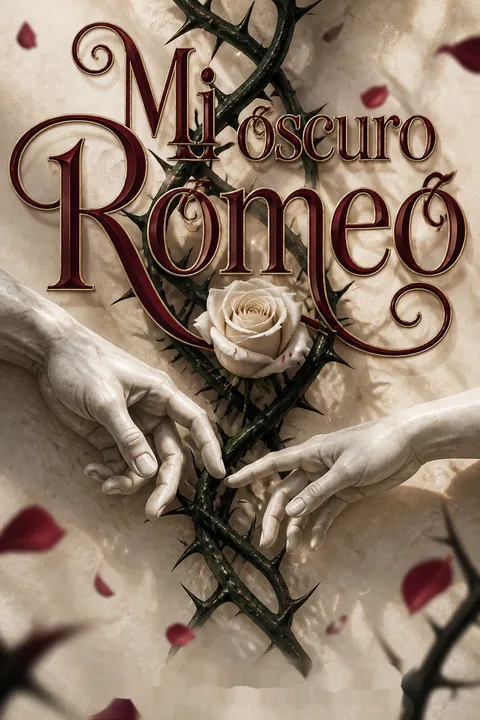
At the estate, Dallas discovers that Romeo’s house is as silent and controlled as its owner. The groundskeeper Vernon gives her a hardy white rose, while chef Hettie becomes her first ally. Dallas begins making the immaculate mansion her own.
Romeo’s marriage plan is presented as a business transaction, but his behavior already contradicts his claim that Dallas is merely an instrument. His jealousy erupts before he admits any attachment, while Dallas turns the limited freedom available to her into resistance: she befriends the staff, disrupts his routines, and refuses to behave like the decorative wife he expects. Vernon’s rose introduces a gentler model of endurance than Romeo’s control. Its ability to survive neglect and cold anticipates Dallas’s resilience, but does not excuse the conditions she is forced to endure.
Vows Under Orchids
The families arrange a wedding at Oliver von Bismarck’s estate, and Dallas faces it with no real way to return to her old life without carrying the scandal home. She goes through the ceremony in a grand dress, while Romeo kisses her before the guests with a force that makes their union look like a love match.
At the reception, Madison approaches her kindly, accepts her apology, and listens as she admits Romeo engineered the marriage. She agrees to keep an eye on her husband for Madison, hoping he might help her escape. Romeo catches them together and warns Madison away. He then insists that a honeymoon is necessary to make the marriage look convincing, and takes Dallas to Paris before she can settle her feelings or say a proper goodbye.
The wedding turns public performance into another form of confinement. Dallas and Romeo must act out devotion for the same society that condemned her, and the spectacle conceals rather than resolves their hostility. Madison’s gentleness offers Dallas a possible ally, but her decision to enlist him is also a continuation of the triangle Romeo created. The ceremony’s polished surface contrasts with Dallas’s lack of consent, while Romeo’s possessive kiss makes ownership appear romantic to the audience. The section shows how spectacle can disguise coercion, especially when wealth and reputation make a forced arrangement look enviable.
Paris, Paid in Full
In Paris, Romeo leaves Dallas alone for business, so she takes his limitless card and spends nearly seven hundred thousand dollars on food, gifts, and designer clothes. He is furious when she returns, especially after learning Madison is staying nearby and assuming she met him.
Romeo makes clear that his suspicion comes from her earlier promise to help Madison undermine him. Their argument turns physical, but when Dallas explains she did not know Madison was there, Romeo offers a truce and takes her to dinner.
He also rejects her wish for children, explaining that he wants to end the Costa family line as an act of revenge against his father. When Madison appears outside their suite, Romeo punches him and sends him away, leaving Dallas caught between two men using her in their feud.
Paris makes desire and power difficult to separate. Dallas’s spending is both pleasure and retaliation, while Romeo’s jealousy reveals how little his stated indifference can be trusted. Their truce is meaningful because it begins with a practical recognition that they are trapped in the same arrangement, not with a sudden promise of love. The children dispute exposes a deeper asymmetry: motherhood is Dallas’s central aspiration, while Romeo has made childlessness part of his revenge against his father. Their attraction may soften their conflict, but it cannot yet reconcile the futures each wants.
The Mansion Party
Back in Potomac, Romeo leaves the estate, and Dallas responds by throwing a party that fills his carefully guarded home with his friends, employees, and people he avoids. Madison attends, and Romeo cancels work to confront the gathering.
He punches Oliver for joking about pursuing Dallas, then finds Madison kneeling beside her and tears the borrowed dress from her body. Their anger becomes sexual, and Romeo moves back into the mansion after days apart. Later, Dallas meets Madison at a restaurant in public, drawing Romeo there under the gaze of photographers.
Romeo buys the restaurant and surrounding food businesses to force Madison out, then offers Dallas a choice between isolation in the Hamptons and divorce. She asks for time, unwilling to accept either future on his terms.
Dallas’s party converts domestic space into a weapon. By filling the quiet mansion with people Romeo has rejected, she makes his isolation visible and forces him to return. Their sexual encounters complicate retaliation rather than erase it: both use desire to regain leverage, and each can mistake possession for intimacy. The later restaurant confrontation shows Dallas testing whether Madison can provide a way out, while Romeo answers by controlling the setting itself. Buying the restaurant is an exaggerated display of power, but his offer of divorce also reveals a crack in the arrangement. Dallas’s request for time is her first refusal to choose from options designed by either man.
Victoria’s Name
As Romeo and Dallas settle into a volatile routine, Dallas asks him to help form a lobbying group for infant product safety. Her urgency has a source she has hidden: when she was six, she found her four-month-old sister, Victoria, dead from sudden infant death syndrome.
Dallas has since directed money toward children’s hospitals and prevention efforts, but she wants to make policy change, not only donations. Romeo refuses because he fears political activity could weaken his position at Costa Industries.
Dallas calls him a coward and warns that she now understands what he fears. Her revelation also gives Romeo a clearer picture of why she wants children so intensely. The request transforms her longing for motherhood from a private wish into a response to grief.
Dallas’s ambition has long been misread as laziness because it does not resemble the prestigious career her class values. Victoria’s death reveals the moral and emotional structure beneath her desire for children: motherhood is not simply a fantasy of domestic completion, but an attempt to answer a loss she could not prevent as a child. Romeo’s refusal exposes the limits of his pragmatism. He can spend lavishly and manipulate institutions, yet he resists using those abilities for a cause that matters to Dallas. Her grief does not make her request automatically right, but it makes dismissing it as a whim impossible.
The Tarmac Misfire
Dallas insists on attending a Costa Industries weapons demonstration and arrives in a revealing dress despite Romeo’s warning about the weather and military setting. Romeo calls her degrading names, then disappears before the demonstration begins.
His father, Romeo Costa Sr., and executive Bruce Edwards accompany Dallas instead. During the test, a driver distracted by her outfit crashes a prototype Humvee into a ditch, costing the company heavily. Senior uses the moment to touch Dallas and make a crude comparison to Romeo’s former fiancée, Morgan.
Romeo returns, covers Dallas with his coat, and confronts his father. He then publicly reveals that Madison’s company caused toxic contamination in a Georgia town, damaging Licht Holdings and redirecting attention toward Costa Industries.
This episode binds private trauma to corporate warfare. Dallas’s clothes become a pretext for men to blame her for their own attention, and Senior’s conduct shows how easily institutional authority can protect a powerful man while exposing a woman to humiliation. Romeo’s protective response is genuine, but it is expressed through threats and control rather than trust. His public attack on Licht Holdings demonstrates the reach of his power, yet the exposure also serves his revenge. He can defend Dallas and weaponize a community’s suffering in the same sequence, a contradiction the novel refuses to make comfortable.
Morgan’s Betrayal
After Romeo apologizes for the way he treated her at the demonstration, Dallas refuses to let the matter close without learning about Morgan and his father. Romeo explains that he loved Morgan, an au pair he met as a young man, and intended to marry her despite his father’s objections.
His father later slept with Morgan, and Romeo discovered them together in his own home. He also learned that Madison had paid Morgan to gather information about Costa Industries and, more damagingly, Romeo’s personal weaknesses.
Romeo turned that humiliation into a long campaign against his father and Madison. Dallas understands why he now distrusts love and marriage, but tells him that punishing others for Morgan’s choices will only repeat the harm. He admits she is worthy of love, though he cannot promise it.
Romeo’s history reframes his cruelty without absolving it. The betrayal fused intimacy with surveillance: Morgan was not only unfaithful but made Romeo’s vulnerabilities useful to his rival. His revenge therefore protects him from helplessness by converting injury into a long-term project he can control. Dallas’s response matters because she does not deny the betrayal or offer easy comfort. She challenges the moral logic that pain entitles him to perpetuate harm. His admission that she deserves love is both tender and defensive, a way of recognizing her value while trying to keep himself beyond reach.
A Fever and a Book
Romeo overhears Dallas telling her sister Frankie that she plans to become pregnant so she can return to Chapel Falls, and he withdraws rather than ask what she truly feels. When Dallas develops pneumonia over Christmas, her mother and sister stay with her, while Romeo initially remains away. He has already spent a freezing night in line to buy the newest Henry Plotkin book for her, but leaves it behind after hearing her plan.
When bad weather delays the staff, Romeo rushes back and nurses Dallas himself, bathing her and staying beside her until her fever breaks. Dallas explains that she lied to protect her secret from Frankie, not because she wants to leave. Romeo brings her into his bedroom, making their shared life harder to deny.
The misunderstanding grows from a familiar failure: both characters interpret speech through their deepest fears. Romeo hears Dallas’s plan as proof that he is only a means to pregnancy, while Dallas has used a false explanation because she is not ready to name her feelings. The abandoned book becomes a concrete measure of his care and hurt. His return during her illness marks a change from possessive management to unreciprocated service. He tends to her without bargaining for sex or gratitude, while Dallas’s insistence that he is her husband reveals how much emotional security she has begun to seek from him.
The Arena Beneath
After Dallas visits her family in Chapel Falls, Romeo follows her there because he cannot tolerate the distance. He brings white roses and lets her lead their date through the public library and to her favorite lake.
When hunger triggers a frightening loss of control, Dallas recognizes that his reaction is more than impatience. Romeo tells her that, as a child, he was sent to Milan, neglected by his aunt, and forced by her boyfriend to fight other children for food in an underground arena.
Gum helped blunt his hunger, and the crowd’s noise became something he could not bear. Dallas listens without pity, then promises that their future children will never go hungry. She offers to help him build a life not governed by fear, and Romeo lets her see the source of his need for control.
The revelation connects Romeo’s adult rituals to a childhood in which food, safety, and affection were scarce and conditional. His disciplined diet, gum, silence, and readiness to fight are not eccentric ornaments; they are strategies that once kept him alive. Dallas’s response is effective because she does not turn his suffering into a cure-all or demand instant change. She offers a concrete form of care, feeding him and imagining children who will be protected. His disclosure marks a shift from using control to conceal vulnerability toward trusting Dallas with the history that shaped it.
Poison Before Promotion
After returning to Potomac, Dallas learns that Madison and his father have been arrested over corporate fraud. Romeo is at a shareholders meeting where his father is expected to nominate him as Costa Industries’ next CEO when he learns Madison has been released on bail and is heading to the estate. He rushes home, but his chauffeur Jared has poisoned his water.
Romeo realizes what has happened and manages to alert Zach and Oliver while he struggles to stay conscious. At the mansion, he reaches Dallas and tells her he loves her before collapsing. She calls for help and holds him as paramedics arrive. The confession arrives too late for an answer, leaving Dallas to fear that the man she has finally come to love may die without hearing it.
The climax strips Romeo of the control he has used as armor. The CEO promotion, the corporate feud, and his calculated revenge all become irrelevant once his body begins to fail. Poisoning through a trusted chauffeur makes the danger intimate as well as political: the threat enters through the routines Romeo believed he had secured. His declaration is not a strategic move but a belated truth, spoken when he can no longer manage its consequences. Dallas’s terror reverses their earlier power dynamic. She can neither bargain him back to health nor protect herself from the possibility of losing him.
The House of Books
Romeo survives the poisoning but remains in a medically induced coma for four days. At the hospital, his lawyer reveals that Romeo destroyed their prenup and replaced it with a will leaving Dallas his entire estate. Romeo wakes before she can absorb the news and sends his father and lawyer away.
Jared and Madison face arrest for the poisoning plot, while Romeo later abandons the company and his campaign to destroy it. He and Dallas travel together, eating their way across countries and returning to a marriage built on chosen companionship.
When they come home, Romeo has transformed the mansion into the library Dallas once described, shelving books throughout the house. What began as a prison now bears the shape of her dream and his decision to share her life.
The resolution answers the opening’s question of whether Dallas can have a future that is truly hers. Romeo’s will dismantles the legal arrangement that once protected his wealth at her expense, while leaving the company and revenge behind marks a deeper surrender of inherited purpose. The library is a material act of attention: he remembers a dream that seemed impractical and builds a home around it. That gesture does not erase the coercion of their beginning, but it changes what the mansion means. It becomes less a structure of surveillance and more a shared world made from the things Dallas loves.
Epilogue
A year later, Dallas locks herself in the reading room with ice cream and the final Henry Plotkin book, crying hard enough to alarm Romeo. She tells him she is pregnant, though they only began trying a few weeks earlier. Romeo is stunned, then delighted.
The news travels quickly to his friends, who credit a fertility charm Dallas’s mother-in-law brought back from a temple. Dallas thanks Romeo’s body for its contribution, and he watches her laugh among the books that now fill their home, aware that the family he once rejected has become the future he wants.
The pregnancy resolves the couple’s most persistent conflict, but the resolution is not simply that Dallas gets what she wanted. Romeo’s willingness to become a father marks his movement away from the revenge project that once defined his future. Dallas, meanwhile, does not surrender her identity to motherhood: the scene leaves her among her books, joking, excited, and fully herself. The fertility charm adds a light touch to a story shaped by grief and control, while the home library preserves the earlier promise that love should make room for a person’s particular dreams rather than replace them.
Analysis
The novel’s central relationship begins with an imbalance the story does not ask readers to mistake for courtship. Romeo engineers a public scandal, exploits Dallas’s vulnerability within Chapel Falls, and removes her from her home. Dallas’s resistance is comic and energetic, but the humor does not cancel the coercion. It gives her a means of speaking and acting inside a structure that repeatedly denies her a meaningful choice.
Their romance develops through repeated reversals of power. Romeo initially controls the house, the money, the marriage, and the terms of sexual contact. Dallas gradually changes the emotional conditions of that control by refusing to become quiet, by naming her own desires, and by making him answer for the damage he causes. Romeo’s transformation is not a simple cure through love. His childhood hunger, family neglect, and Morgan’s betrayal explain why he equates safety with dominance, but his past does not absolve his treatment of Dallas. His growth becomes credible when he begins to accept consequences, reveal vulnerability, and make choices that do not serve revenge.
Dallas’s wish to become a mother is treated as both a deeply personal aspiration and a point of conflict. Romeo sees children as a threat to his plan to end his father’s lineage; Dallas’s commitment is shaped by the death of her infant sister, Victoria. Their disagreement therefore holds grief, bodily autonomy, family inheritance, and the meaning of care in the same frame. The resolution does not ask Dallas to abandon motherhood or Romeo to preserve his feud. Instead, it requires Romeo to revise the future he built around hatred.
The novel also links private power to public institutions. The family businesses use wealth and influence to turn people into bargaining pieces, while Romeo’s corporate revenge harms communities even when it exposes wrongdoing. Against this world of contracts and surveillance, the library is a meaningful final gesture. Romeo creates a home around Dallas’s actual dream, not an abstract ideal of what a wife should want. Love becomes believable when it shifts from possession to attention, and when the person once treated as leverage is allowed to choose the life being built.
Review Summary
My Dark Romeo received mixed reviews, with some readers loving the banter and chemistry between the main characters, while others found it problematic and poorly written. Positive reviews praised the humor, entertaining plot, and character development. Negative reviews criticized the immature characters, unrealistic scenarios, and repetitive writing. Many readers found the sexual content excessive or disturbing. Some appreciated the Beauty and the Beast retelling aspect, while others felt it missed the mark. Overall, the book was divisive, with readers either thoroughly enjoying it or strongly disliking it.
People Also Read







Characters
Dallas Townsend
The bookish heiressDallas is a wealthy young woman from the conservative town of Chapel Falls, where her father expects her to follow a carefully arranged path toward marriage. She is funny, impulsive, outspoken, and frequently underestimated because she prefers food, books, and pleasure to the ambitions her community considers respectable. Beneath her comic appetite is a fierce attachment to children and a growing insistence that her life belongs to her. She uses humor to resist shame and turns the privileges around her toward causes she cares about, even when she does not seek public credit. Her central psychological tension is the difference between wanting a traditional family life and accepting that she must still choose it for herself.
Romeo Costa
The controlled heirRomeo is a thirty-one-year-old executive in Costa Industries, a defense company built on weapons contracts and family power. He is disciplined, strategic, wealthy, and emotionally guarded, preferring numbers and controlled routines to human uncertainty. His father’s authority and the history of his family shape his suspicion of love, marriage, and inheritance. Romeo uses coldness to keep others from seeing where he is vulnerable, yet his protective instincts and attention to small details complicate his self-image as an unfeeling man. His relationship with Dallas challenges his reliance on control: she refuses to behave as a manageable possession, forcing him to confront the difference between owning someone and choosing to be changed by them.
Madison Licht
The rival former fiancéMadison is the son of a defense-industry family and Dallas’s longtime acquaintance, chosen by their fathers as a suitable match. His rivalry with Romeo turns Dallas’s engagement into a business and status contest. He can be courteous and familiar with Dallas, but his ease in treating people as useful pieces makes his apparent kindness difficult to trust. Madison represents the conventional future Dallas was expected to accept, as well as the polished social world Romeo is determined to defeat.
Franklin Townsend
Dallas’s unruly sisterFranklin, usually called Frankie, is Dallas’s younger sister. She is irreverent, impulsive, and much less interested in the rules of Chapel Falls than their parents would like. Her loyalty to Dallas is practical as well as affectionate: she helps her sister when family pressure closes in, and she keeps their childhood closeness alive from a distance. Frankie’s rebelliousness throws Dallas’s own resistance into relief, while her vulnerability reminds Dallas that decisions made by their parents affect both sisters.
Shepherd Townsend
The reputation-minded fatherShepherd, whom Dallas calls Daddy for much of the story, is the patriarch of the Townsend family. He values family standing and believes wealth and a respectable marriage can secure his daughter’s future. His affection for Dallas exists alongside a paternalism that limits her choices, leaving him unable to recognize how deeply his decisions wound her. His relationship with her reveals the gap between loving a daughter and treating her as an adult with agency.
Natasha Townsend
Dallas’s protective motherNatasha is Dallas and Frankie’s mother, a former beauty queen who remains attached to the family’s Southern traditions. She is affectionate and emotionally expressive, especially when her daughters face upheaval. Natasha wants to protect Dallas, but she is not always able to challenge the family structures that place decisions in the hands of men. Her warmth offers Dallas a place of comfort even as her passivity helps expose the limits of protection without active support.
Romeo Costa Sr.
The demanding patriarchRomeo Sr. is the head of the Costa family and the powerful executive behind Costa Industries. He prizes the company, family lineage, and control, and expects his son to advance those interests. His relationship with Romeo is shaped by competition as much as parenthood. He presents his demands as practical necessities, but his choices reveal a willingness to treat other people’s relationships and futures as tools for preserving his legacy.
Monica Costa
Romeo’s eager motherMonica is Romeo’s mother, a wealthy woman whose cheerful manners and enthusiasm for family occasions contrast with the emotional distance in her marriage. She longs for closeness and a fuller family life, and she quickly welcomes Dallas. Her warmth is genuine, though her tendency to accommodate others reflects a household in which stronger personalities often dictate the terms.
Oliver von Bismarck
The reckless best friendOliver is Romeo’s tall, charming friend, a wealthy social provocateur with a taste for parties, women, and needling his companions. His irreverence punctures Romeo’s seriousness and provides comic relief, but it also tests Romeo’s possessiveness. Oliver is emotionally more open than Romeo, though his appetite for amusement can make him careless about other people’s boundaries.
Zachary Sun
The analytical confidantZach is Romeo’s close friend, a technology entrepreneur whose intelligence is matched by a dry, unsentimental manner. He observes Romeo with unusual clarity and often names the emotional changes Romeo tries to deny. Zach’s loyalty is steady but not indulgent; he challenges his friend rather than simply approving his choices. His calm presence helps ground the story’s more chaotic relationships.
Hettie Holmberg
The candid household allyHettie is Romeo’s chef, newly trained and frustrated by the restrictive meals he expects. She connects quickly with Dallas through their shared love of flavorful food and direct conversation. Hettie’s willingness to question both the household’s routines and Romeo’s behavior gives Dallas companionship in Potomac. She provides practical help without pretending that the marriage is more ordinary than it is.
Vernon
The patient groundskeeperVernon tends Romeo’s estate and cultivates roses, including an unusual white variety able to survive difficult conditions. His gentle manner contrasts with the mansion’s strict order. He treats Dallas as someone who may need reassurance rather than management, and his flower becomes a quiet emblem of the care and patience that the household rarely offers openly.
Morgan Lacoste
Romeo’s former partnerMorgan is a former partner from Romeo’s early adulthood, a talented ballerina from a less privileged background. Her past with Romeo remains present in his family home and in the way he understands intimacy. She represents a chapter Romeo has not fully processed, and her history complicates Dallas’s sense of where she stands in his life.
Bruce Edwards
The polished executive rivalBruce is Costa Industries’ chief operating officer and a contender for the company’s top position. He is competent, politically adept, and skilled at cultivating Romeo Sr.’s favor. His polished manner masks an appetite for advancement, making him a persistent source of pressure inside the company. Bruce represents the institutional version of the family contest that Romeo cannot simply ignore.
Jared
The trusted chauffeurJared is Romeo’s chauffeur, responsible for driving him and Dallas through the tightly managed world of the Costa household. His role places him close to the couple’s routines and security, making him a seemingly dependable presence in their daily lives.
Plot Devices
The debutante scandal
Reputation becomes leverageThe public exposure of Dallas and Romeo in the opera house turns a private encounter into a social emergency. In Chapel Falls, a woman caught with a man outside marriage is considered damaged, and Romeo understands that her father will be pressured to find a respectable solution. The scandal lets Romeo force a marriage that serves his rivalry with Madison and his own career ambitions. It also sets up Dallas’s struggle to reclaim agency from a community that treats reputation as something men can trade on her behalf.
Vernon’s white rose
A living measure of careVernon gives Dallas a crossbred white rose that can endure long periods without warmth or sunlight. Dallas keeps it in a makeshift container beside her bed, initially treating it as a small companion in an unfamiliar house. As petals fall, the rose becomes a quiet measure of time and of the care available within the marriage. Romeo’s later attention to the plant reflects his growing willingness to tend something Dallas values. Its eventual pressed petals preserve the object after it can no longer live.
Romeo’s gum tin
Control shaped by hungerRomeo’s constant gum chewing first appears as an irritating habit that fits his need for order. Dallas notices how he sorts the pieces into a tin and wonders why he relies on them. His later account of childhood neglect reveals that gum helped dull hunger when food was scarce. The habit therefore carries both a bodily memory and a self-soothing function. When Dallas learns its meaning, an apparently trivial quirk becomes a way to understand the frightened child beneath Romeo’s polished discipline.
Henry Plotkin books
A private language of attentionDallas’s devotion to the Henry Plotkin fantasy series gives her an identity beyond the role of rich, idle fiancée that others assign her. The books comfort her during the move to Potomac and connect her to Frankie. Romeo initially treats her reading as childish, but later remembers the release of the final volume and makes an effort to bring it to her when she is ill. Her dream of turning a house into a library gives Romeo a concrete way to show that he has listened to her.
Costa and Licht Industries
Business rivalry fuels coercionThe competing defense companies make Romeo and Madison’s personal conflict part of a larger struggle for government contracts and family power. Romeo’s pursuit of Dallas is partly revenge against Madison, while his father uses marriage as a requirement for succession at Costa Industries. Corporate secrets, public relations, product failures, and environmental wrongdoing continually intrude on the couple’s private life. The rivalry gives Romeo a reason to treat relationships strategically, then becomes a test of whether he can abandon revenge when Dallas’s safety and their future matter more.
FAQ
Synopsis & Basic Details
What is My Dark Romeo about?
- A Forced Marriage Saga: My Dark Romeo plunges readers into the tumultuous world of Dallas Townsend, a spirited Southern debutante, and Romeo Costa, a ruthless billionaire. Their lives collide in a scandalous public encounter that forces them into a marriage of convenience, driven by Romeo's intricate vendetta against his business rival, Madison Licht, and Dallas's family's desperate need to salvage their reputation.
- Enemies-to-Lovers with a Dark Twist: The narrative explores the intense, often volatile, relationship between Dallas and Romeo as they navigate a union built on manipulation, power struggles, and simmering sexual tension rather than affection. Both characters are deeply flawed and wounded by their pasts, using their sharp wits and defiant spirits as weapons against each other and the world.
- A Journey of Healing and Redemption: Beneath the surface of their combative dynamic, the story delves into themes of trauma, control, and the unexpected ways love can blossom from the most unlikely and hostile beginnings. As secrets unravel and vulnerabilities are exposed, Dallas and Romeo are forced to confront their inner demons and decide if their forced connection can evolve into something real and redemptive.
Why should I read My Dark Romeo?
- Intense Psychological Depth: My Dark Romeo offers a compelling exploration of complex characters, delving into their hidden traumas and motivations. Readers who enjoy understanding the "why" behind characters' actions, especially in dark romance, will find Romeo's backstory and Dallas's resilience particularly engaging.
- Masterful Power Dynamics: The novel excels in its portrayal of shifting power dynamics, both in the romantic relationship and the broader corporate/family conflicts. The constant push-and-pull between Dallas and Romeo, and Romeo's strategic maneuvers against his enemies, create a high-stakes narrative that keeps readers on edge.
- Unique Blend of Humor and Darkness: Despite its dark themes and intense emotional landscape, the book is peppered with sharp, witty dialogue and unexpected moments of humor, primarily through Dallas's irreverent personality and the banter between the main characters and their friends. This balance prevents the story from becoming overly bleak and adds a refreshing layer to the dark romance genre.
What is the background of My Dark Romeo?
- Southern Debutante Culture Meets Ruthless Corporate World: The story is set against the backdrop of Chapel Falls, Georgia, a conservative Southern town steeped in old-money traditions and strict social expectations, contrasting sharply with Romeo's cutthroat world of Potomac, D.C., and high-stakes defense industries. This clash of cultures highlights Dallas's initial naivety and Romeo's calculated ruthlessness.
- High-Stakes Business Rivalry: A significant undercurrent of the plot is the intense corporate rivalry between the Costa Industries (Romeo's family) and Licht Holdings (Madison's family), both powerful defense firms. This competitive landscape provides the primary motivation for Romeo's actions, turning Dallas into a pawn in a larger business war for dominance and legacy.
- Trauma and Generational Cycles: The narrative is deeply rooted in the characters' personal histories and family legacies. Romeo's coldness and need for control stem from a traumatic childhood marked by neglect and betrayal, while Dallas's desire for motherhood is a direct response to a profound family tragedy, revealing how past wounds shape present desires and actions.
What are the most memorable quotes in My Dark Romeo?
- "My one and only wish is for you to die in my arms, Romeo Costa. I want to see you when you draw your last breath.": This chilling declaration from Dallas early in the novel encapsulates her initial hatred and desire for revenge against Romeo, setting a dark, prophetic tone for their relationship and foreshadowing his near-death experience later in the story.
- "Love doesn't exist. Marriage is a means to an end. My only regret is dragging someone else down this grim path of mine.": Romeo's cynical philosophy, born from his traumatic past, defines his initial approach to his marriage with Dallas. This quote highlights his deep-seated emotional walls and the profound journey he must undertake to believe in love.
- "You're my favorite plot twist.": Spoken by Romeo to Dallas during his near-death confession, this line signifies his complete surrender to his feelings and acknowledges how Dallas, with her unpredictable nature and profound impact, irrevocably altered the trajectory of his meticulously planned life, transforming his grim narrative into something unexpected and cherished.
What writing style, narrative choices, and literary techniques does Parker S. Huntington use?
- Visceral Sensory Immersion: Huntington employs rich, often contrasting, sensory details to create a deeply immersive experience. For instance, Romeo's world is depicted with "inky hair," "frosty gray eyes," and the scent of "expensive perfume," while Dallas is associated with "chocolate-covered pomelo peel" and "Bond No. 9," emphasizing their distinct personalities and the visceral nature of their attraction and conflict.
- Dynamic Pacing and Emotional Whiplash: The narrative maintains a fast, often unpredictable pace, mirroring the tumultuous relationship between Dallas and Romeo. Scenes can shift rapidly from witty banter to intense emotional confrontations or explosive sexual tension, creating a sense of constant emotional whiplash that keeps the reader engaged and reflects the characters' internal turmoil.
- Subversion of Tropes and Archetypes: While rooted in the dark romance genre, the novel actively subverts common tropes. Romeo, despite his "dark prince" archetype, is revealed to be deeply wounded rather than purely evil, and Dallas, the "reluctant Juliet," is far from a damsel in distress, actively challenging and manipulating her captor. This subversion adds complexity and freshness to the familiar narrative.
Hidden Details & Subtle Connections
What are some minor details that add significant meaning?
- Dallas's Food Obsession as Rebellion: Beyond mere indulgence, Dallas's constant snacking and specific food choices (e.g., Polish donuts, shortbread, Oreos) serve as a subtle, yet persistent, act of rebellion against the rigid control and sterile environment Romeo represents. Her refusal to conform to his "healthy" diet is a quiet assertion of her autonomy and chaotic nature.
- Romeo's Gum as a Trauma Response: Romeo's compulsive chewing of Mastika gum is not just a quirk but a direct coping mechanism for his childhood starvation and the associated oral fixation. The "tiny dent" in his tin container, caused by him throwing it in anger, subtly hints at the deep-seated trauma and the fragile control he maintains over his past.
- The Significance of the "Henry Plotkin" Series: Dallas's obsession with the "Henry Plotkin" books, which revolve around a young wizard bringing back loved ones, subtly foreshadows her own deep-seated desire to "bring back" her deceased sister through motherhood and her eventual role in helping Romeo heal from his past.
What are some subtle foreshadowing and callbacks?
- Dallas's "Made for Corruption": Early in the story, Romeo observes that Dallas "was made for corruption," a seemingly throwaway line that subtly foreshadows her later willingness to engage in manipulative power plays and embrace a darker side to achieve her goals, blurring the lines of her initial "innocence."
- The "Ruined by Shortbread" Callback: Romeo's dismissive comment, "Ruined by shortbread. How the mighty have fallen," after their public scandal, is echoed by Dallas later when she chains him to her bed and covers him in whipped cream, declaring, "Ruined by whipped cream. How the mighty have fallen." This callback highlights her growing agency and her ability to turn his own words against him.
- The "Door" Metaphor for Vulnerability: Romeo's repeated threats to "blow down this door" if Dallas doesn't open it, particularly when she's emotionally guarded, subtly foreshadows his eventual emotional breakthrough. The physical act of him kicking down her door later symbolizes his forceful entry into her emotional space, mirroring his earlier physical intrusion into her life.
What are some unexpected character connections?
- Senior and Morgan's Affair: The shocking revelation that Romeo's father, Senior, had an affair with Morgan, Romeo's ex-fiancée, is a pivotal and unexpected connection. This betrayal is the true root of Romeo's deep-seated trauma, his "no heirs" rule, and his extreme possessiveness over Dallas, as he fears a repeat of his past humiliation.
- Madison's Role as a Double Agent: Madison Licht is not just Romeo's business rival but is revealed to have paid Morgan to gather intel on Romeo, making him an active participant in Romeo's past betrayal. This connection elevates their rivalry beyond business, explaining Romeo's intense personal hatred and his desire to "ruin" Madison's life.
- Cara's Hidden Loyalty and Knowledge: Cara, Romeo's assistant, initially appears as a professional but reveals a deeper, almost maternal, loyalty to Romeo. Her subtle comments and actions (e.g., knowing about Morgan's dress, her concern during Romeo's poisoning) indicate she was aware of Senior and Morgan's affair, positioning her as a quiet confidante who understands Romeo's hidden wounds.
Psychological, Emotional, & Relational Analysis
What are some unspoken motivations of the characters?
- Dallas's Quest for Motherhood as Healing: Dallas's fervent desire to be a mother is not merely a "life goal" but an unspoken, profound motivation rooted in the unresolved grief and trauma of her baby sister Victoria's SIDS death. Her drive to have children is a subconscious attempt to reclaim what was lost and fulfill a deep-seated need for nurturing and legacy.
- Romeo's "No Heirs" Rule as Ultimate Revenge: Romeo's initial refusal to have children is an unspoken, calculated act of ultimate revenge against his father, Senior. By ending the Costa bloodline, he aims to destroy the very legacy Senior values most, ensuring that his father's manipulative desires for heirs are thwarted.
- Dallas's "Laziness" as Passive Resistance: Dallas's perceived "laziness" and lack of ambition are often unspoken forms of passive resistance against the controlling, achievement-driven world she's forced into. Her indulgence in simple pleasures and refusal to engage in traditional "productive" activities is a quiet rebellion against the expectations placed upon her.
What psychological complexities do the characters exhibit?
- Romeo's Trauma-Induced Control and Aversion: Romeo exhibits complex psychological responses to his childhood trauma, including an extreme need for control (stemming from helplessness during starvation and arena fights), an aversion to noise (linking to the roaring crowds of the fighting arena), and a reliance on routine and specific coping mechanisms like gum-chewing. These are not just quirks but deeply ingrained survival strategies.
- Dallas's Emotional Suppression and Resilience: Despite facing immense emotional distress and humiliation, Dallas rarely cries, a trait noted by her mother and Romeo. This suggests a learned emotional suppression, possibly from her childhood trauma, which manifests as fierce resilience and a tendency to channel her pain into defiant action rather than outward vulnerability.
- The Cycle of Betrayal and Trust Issues: Both Romeo and Dallas carry deep trust issues stemming from significant betrayals by family members (Senior/Morgan for Romeo, Shepherd for Dallas). This complexity manifests in their constant testing of boundaries, their difficulty in believing genuine affection, and their initial tendency to view relationships as transactional or manipulative.
What are the major emotional turning points?
- Romeo's Confession of Trauma: The moment Romeo finally confides in Dallas about his horrific childhood (starvation, arena fights, Morgan's betrayal with Senior) is a major emotional turning point. This vulnerability shatters his "ice king" façade, allowing Dallas to see beyond the beast and fostering a deeper, empathetic connection between them.
- Dallas's "Fake Tear" and Subsequent Confession: Dallas's calculated decision to fake a tear to manipulate Romeo into considering having children, followed by his overhearing her true feelings for him (that she doesn't want to leave him) to Frankie, is a critical turning point. It forces both characters to confront the blurred lines between their games and their burgeoning genuine emotions, leading to Romeo's decision to move into her room.
- Romeo's Near-Death Experience and Love Confession: Romeo's poisoning and subsequent medically induced coma serve as the ultimate emotional crucible. His near-death state strips away all his defenses, leading to his raw confession of love for Dallas. This moment, coupled with Dallas's genuine tears and realization of her own love, transforms their relationship from one of convenience and lust to one of profound, acknowledged affection.
How do relationship dynamics evolve?
- From Captor-Captive to Strategic Allies: Initially, their dynamic is one of captor (Romeo) and captive (Dallas), with Romeo asserting dominance and Dallas resisting. This quickly evolves into a strategic alliance, where both use each other to achieve their individual goals (Romeo's revenge, Dallas's freedom/motherhood), often through manipulation and calculated provocations.
- **From Lust
Dark Prince Road Series


About the Author
Other books by Parker S. Huntington


Download PDF
Download EPUB
.epub digital book format is ideal for reading ebooks on phones, tablets, and e-readers.








