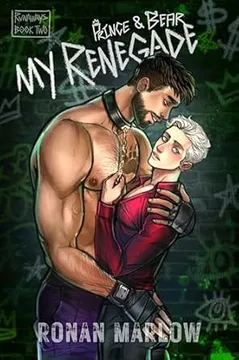


Plot Summary
Prologue
At The Veil, Benny Forrester, a retired fighter known as the Bear, kneels blindfolded for a first meeting with a stranger who has promised to take charge. He obeys, despite fearing his size will disappoint the person he cannot see.
The stranger calls him a puppy, rewards his patience, and leaves him counting out the minutes alone. Benny has found the submission he has long wanted, but not yet the person behind the voice.
Benny’s imposing public image and private desire seem to contradict each other only because he has spent years acting out other people’s expectations. The scene makes obedience a chosen form of agency: he enters the room willingly and trusts the stranger to set limits. Yet his anxiety about being rejected shows how little that trust extends to his own worth. The blindfold shelters both men, making intimacy possible before either must face the risks of being known.
The Heir at Silverpines
At sixteen, Harper returns to Silverpines Lake without his older brother, Logan, who has left their wealthy family and stopped speaking to him. Their father, Leon Lorens, abruptly names Harper his heir and takes his phone, insisting that Logan is gone for good. Harper flees into the woods and begins to panic.
Archer Kovats, a quiet boy staying at the resort, steadies him by asking him to notice the colors of his eyes and the scents around them. Harper finds a friend in Archer, but Logan’s reply to his text confirms the break: he wants no contact with Harper or their parents.
Harper’s distress comes from two losses arriving together: Logan’s absence and Leon’s decision to turn him into a replacement heir. The woods offer no solution, but Archer’s sensory questions interrupt the spiral by giving Harper something specific to answer. Their meeting establishes a form of care unlike Leon’s control. Logan’s rejection then makes Harper’s isolation concrete, giving his later craving for dependable belonging its first shape.
A Card Behind the Party
At eighteen, Harper’s lavish birthday party feels like another business event staged around him. Tristan Moore gives him a burgundy card for The Veil, an anonymous club where he might explore his attraction to men without exposing himself to Leon. Later, Archer arrives with a swollen face and explains that his father, Andor Kovats, beat him after discovering he was gay.
Archer plans to return to Port Skelton and gather people who need protection from powerful families. Harper agrees to join him, joking that the group sounds like a gang while Archer insists it is not. The card goes into Harper’s desk, and the idea of chosen allies begins to take root.
The card and Archer’s injuries offer two different exits from inherited power. The Veil promises privacy, while Archer imagines safety made collectively rather than granted by a parent. Harper is drawn to both, but he cannot yet act on either possibility. His joke about a gang lets him accept Archer’s invitation without naming the fear beneath it: families like theirs can punish anyone who tries to live freely.
The Call Six Years Late
By twenty-four, Harper’s life runs on alarms, meetings, protein drinks, and the careful avoidance of his father’s anger. He manages Lorens Industries, rides his motorcycle dangerously fast to escape his thoughts, and confides in his snakes more easily than in people.
At another birthday party, Jarred Harrington arrives engaged, forcing Harper to admit that his distant crush has become an excuse to remain alone. He finally calls the number on Tristan’s old card, but the call seems to fail. That night, a supercharged motorcycle challenges him on the road. Its rider is Shady, The Veil’s secretive Master, who reveals he received Harper’s call and invites him to the club.
Harper’s rituals create an appearance of discipline while leaving him little room to discover what he wants. Speed offers an escape that resembles self-erasure; the snakes provide trust without the danger of human judgment. Jarred’s engagement does not cause Harper’s isolation, but it removes one of its convenient disguises. Shady’s unexpected arrival turns a long-hoarded invitation into a possible choice rather than a private fantasy.
The Fighter Without a Cage
Benny’s MMA career ends when a torn rotator cuff makes another fight too risky. After surgery and rehabilitation, he returns to Forrester Fitness expecting to help, only to find manager Georgio and receptionist Riley already running the gym well. Benny feels useless in the place he built. His friend Rikky suggests The Veil, where members are matched by interests without public profiles.
Benny enters through a hidden route in a wine shop, gives up his phone and watch, and meets Shady. He completes a private questionnaire about boundaries and desires, then receives the club’s anonymous messaging app. For the first time since retirement, he has a possible next step that is not defined by fighting.
Benny’s injury removes more than a job. It strips away the structure through which he has understood his strength and usefulness. His discomfort at being unnecessary is sharpened by a gym that succeeds without him, even though that success reflects his own good leadership. The Veil offers another structure, one where clear rules may let him explore who he is when he is not performing as a fighter.
Ninety-Two Percent
Harper has already left several Veil matches when they ignored his blindfold rule or mocked his small frame. Shady’s app now pairs him with Benny, whose profile fits Harper’s preferences unusually well. Their messages reveal a mismatch in habits: Benny shares freely, while Harper answers cautiously and keeps his work and family out of reach.
Benny explains that past partners expected him to dominate because he is tall and muscular, though submission feels more honest. Harper sets the blindfold as a condition for every meeting, and Benny accepts. In their first sessions, Harper guides him through toys and restraint, while Benny keeps wondering whether his attentive messages and eagerness to please are enough.
Anonymity does not erase vulnerability; it relocates it. Harper uses rules to control what can be seen, while Benny uses open messages to offer more of himself than the arrangement strictly requires. Their different communication styles are not simply opposites. Each protects a different fear: Harper fears exposure, and Benny fears being misread. The match becomes meaningful because both begin to adapt rather than demand that the other use the same defenses.
Hands Through the Blindfold
As the two continue meeting, Benny’s questions about Harper’s days, meals, and snakes become a steady presence outside the club. Harper even eats a sandwich after Benny gently presses him to take better care of himself. When Benny worries Harper may have a partner, Harper answers that he is single.
Benny then arrives at a session restrained, hoping his inability to touch will make Harper comfortable enough to touch him. Harper traces his chest and body, checks that the position is safe for his injured shoulder, and eventually pleasures him. Afterward, he lets Benny rest against his thigh. The encounter leaves Harper shaken by how much comfort he found in touching and being trusted.
The restraint changes the emotional geometry of their arrangement. Benny gives up physical control not to perform helplessness, but to make Harper feel safe enough to choose contact. Harper’s attention to Benny’s shoulder shows that dominance can include care and adjustment, not just command. Their intimacy begins to exceed the club’s scripted roles, though Harper still has no idea how to carry that closeness into ordinary life.
The First Unmasked Kiss
Unable to keep his feelings contained, Harper summons Benny for an unplanned meeting. Benny finally touches him without being blindfolded, and Harper allows the blindfold to come off after they have shared their first sexual encounter. Benny sees Harper clearly and accepts him without hesitation. When Benny admits he wants a relationship beyond the club, Harper panics.
He insists that their connection must remain pretend and leaves before Benny can change his mind. Outside, ashamed of his own need and afraid Leon will discover them, Harper runs into Tristan, who is waiting in the shadows. The private escape Harper built has become emotionally real, and his attempt to shut it down leaves him alone at the worst possible moment.
Harper’s rejection is not evidence that he feels nothing. It is an attempt to regain control before love can expose him to Leon’s power or Benny’s judgment. Benny’s acceptance makes the choice harder, not easier, because Harper can no longer dismiss intimacy as a temporary performance. The scene also turns secrecy from protection into a trap: once Harper leaves the safe room, he meets the danger that the club’s walls had kept outside.
The Alley and the Pedal
Tristan corners Harper in an alley and attacks him, taunting him with the claim that he also sexually assaulted Logan. Harper fights back, but Tristan knocks him down, dislocates his shoulder, and begins to assault him. Reaching beneath a dumpster, Harper finds a broken metal bicycle pedal and strikes Tristan until he stops moving.
Shaken and injured, Harper cannot reach Archer, so he calls Coyote, one of the Strays. Coyote takes him to Bull, a doctor who resets Harper’s shoulder, treats his wounds, and gives him clean clothes. Coyote removes Tristan’s body from the alley. Harper leaves with pain, terror, and a secret that now binds him to the people who helped cover up the killing.
Harper’s violence is neither a victory nor a release. It stops an immediate assault, but leaves him with an injury, a death, and the burden of concealment. His inability to call Benny reflects the shame he already feels about having pushed him away. Coyote’s practical help keeps Harper alive and protected, yet hiding the body also turns emergency care into a dangerous debt with consequences beyond the alley.
Archer Leaves Harborview
The next day, Harper works through pain to put a tracker in Coyote’s silver lighter, using a Lorens Industries prototype without recording the request. He then meets Archer, who is preparing to disappear after being framed for murder by his twin brother, Henrik Kovats. Archer says his weapon and blood were planted at a crime scene, and his father is backing Henrik’s alibi.
He leaves before Harper can find a way to help. Harper is left without the friend who first steadied him in the woods, while the lighter gives Coyote a way to follow someone he has lost. Both departures deepen Harper’s sense that people vanish while he is powerless to stop them.
The two events connect Harper’s private guilt to a wider network of compromised loyalties. He uses his technical privilege to help Coyote, but the favor cannot restore Archer or undo the frame-up. Archer’s flight repeats the earlier pattern of abandonment Harper associates with Logan, though this time Harper understands the danger driving it. The lighter becomes a small object carrying a much larger promise: someone may still be found.
A Secret Finally Spoken
Months pass with Harper burying himself in work, barely eating or sleeping. When his father praises his renewed focus, Harper admits that he sometimes thinks about jumping from Lorens Tower; Leon responds by warning him not to damage the company’s image. Matthew, Harper’s longtime caretaker, refuses to accept the silence.
Harper tells him that Tristan is dead and that he loved Benny but drove him away. Matthew then contacts Benny, who has been grieving and withdrawing from the gym and his family. Benny learns Harper’s identity through Rachel Forrester, his sister and one of Harper’s engineers. With Matthew’s help, he reaches Harper’s apartment, where the two meet again after six months apart.
Harper’s work has become a sanctioned form of self-neglect, and Leon’s approval makes that neglect more dangerous. Matthew breaks through not by solving Harper’s problems, but by making continued silence harder to maintain. Benny’s grief likewise shows the cost of Harper’s refusal to let anyone share the burden. The reunion becomes possible because Matthew acts as a bridge between two men who love each other but have treated separation as the only safe option.
The Family at Dinner
Benny stays as Harper explains that he killed Tristan while defending himself and that Tristan had also hurt Logan. Benny does not recoil, and Harper begins to accept care rather than punishment. The men agree to keep their relationship secret from Leon, though Benny hopes to share it with his family.
At a family dinner, Harper discovers that Benny’s closest friend Rikky is actually Henrik Kovats, the twin who framed Archer. Harper nearly attacks him. Benny separates them, and Rikky admits he killed three people but says his father had not ordered the framing. The explanation does not repair the breach; Harper still fears Henrik has destroyed Archer’s life.
The reunion asks whether love can survive truths that are morally and politically dangerous, not merely embarrassing. Benny’s response gives Harper room to disclose trauma without turning it into a test of worthiness. The dinner then complicates belonging: Benny’s family offers warmth, but it includes a man Harper associates with Archer’s disappearance. Intimacy cannot make these histories disappear; it requires the couple to face conflicts that affection alone cannot settle.
Leon Names His Price
Leon approaches Benny at the gym with a business offer: expand Forrester Fitness, but cut Harper out of his life. Benny refuses the bargain and tells Harper that Leon knows about them. Harper confronts his father, who insists their relationship cannot continue and threatens what he might do to Benny. Still, Harper and Benny choose each other.
On Benny’s birthday, Harper takes him to a high-rise restaurant, gives him a collar, and proposes a future beyond secrecy. Their dinner is photographed, and the relationship becomes public. Leon retaliates by firing Matthew and Rachel, while Harper quits Lorens Industries rather than leave Benny. He moves into Benny’s home with his snakes.
Leon treats love as an operational distraction, something to be traded against money and corporate continuity. Harper’s decision to quit rejects the premise that his father owns every part of his future, but it also exposes others to retaliation. The public photograph makes their private choice visible before they have secured any protection. Their commitment is emotionally clear; the material conditions around it are not, and Leon exploits that gap.
The Cost of Staying
After Harper leaves the company, Leon works through money and influence to damage Benny’s circle. Rachel loses her new job, Ginny is fired, and Benny’s gym loses clients; Georgio quits and Riley is pressured to leave. The boys are expelled after a donor pays their school, while Matthew moves in to help the family.
Then a truck rams Ginny’s car, leaving her in surgery. Harper decides his presence is putting everyone in danger. He slips away from the hospital, calls Leon, and agrees to leave Benny and the family alone. He drives out of Harborview without telling Benny where he is going. Benny’s mother survives, but Harper’s attempt to protect the family tears it apart again.
Leon’s power works by making other people pay for Harper’s refusal to obey. The retaliation turns the question of freedom into a collective dilemma: Harper can choose love for himself, but cannot choose the danger for everyone around him. His departure repeats his earlier habit of deciding alone what others can endure. The story makes that sacrifice understandable while showing its cost: protection achieved through silence also wounds the people Harper means to save.
The Run to Hollow Creek
Harper lives in cheap motels, hiding from Leon and surviving on cash and whatever food he can manage. He travels to West Virginia to help Dex, the wounded Stray known as Coyote, find Jonah, whose tracker was hidden in the lighter Harper modified. Harper befriends Jonah by presenting himself as a frightened runaway, then helps him escape a store security guard when they try to steal food.
Once Jonah realizes Harper has lied about nearly everything, he drives away. Meanwhile, Benny refuses to accept another disappearance. Unable to use Rikky’s family without alerting Leon, he asks Shady to find Harper. Shady locates him in Hollow Creek within days, and Benny heads there to bring him home.
Harper’s attempt to help Dex and Jonah gives his flight a purpose beyond escape, but the deception repeats the very isolation he is trying to survive. Jonah’s kindness is real, which makes Harper’s manipulation harder to dismiss as harmless. Benny, meanwhile, chooses action over waiting. Shady’s reach offers a route back to Harper, though the help comes from a man whose assistance always carries the possibility of a price.
The Chain in the Woods
Benny catches Harper in the woods outside Hollow Creek, but Harper insists he left to protect Benny’s family and will solve the danger alone. He tells Benny to go home. Benny refuses to abandon him again, yet Harper still will not return. When Benny asks if they have lost each other, Harper cannot promise otherwise.
Benny removes the chain Harper gave him and puts it in Harper’s hand, saying he will wear it again when Harper truly means their promise. He leaves with a new plan: kill Leon himself. Harper remains with Jonah, carrying the chain and the knowledge that his effort to protect Benny has made Benny consider a dangerous act of his own.
The chain turns a romantic promise into a test of trust. Benny does not simply forgive Harper’s disappearance; he makes the cost visible and refuses to pretend that love has repaired the breach. Harper’s insistence on acting alone resembles Leon’s control in one crucial way: both men decide what others are allowed to risk. Benny’s plan to kill Leon is driven by devotion, but it threatens to repeat the logic of protection through violence.
Six Seconds Above Harborview
Before Benny can act alone, Shady offers Harper a bargain: help remove Leon, then sell Lorens Industries to Shady’s Noctis Tech, with jobs secured for Rachel and Matthew. Harper returns to Benny and agrees to face Leon together. With Matthew beside them, they enter Lorens Tower and lure Leon onto the roof. Harper tells his father that he is done being treated as property.
When Leon tries to escape, Benny stops him. Leon offers money and claims he can bring Logan home, but Harper refuses to trade for his brother. Benny drops Leon from the roof, and Harper counts the seconds to the ground. The death is ruled a suicide, clearing the way for Harper to inherit and sell the company.
The climax reverses the building’s old meaning. Lorens Tower once measured Harper’s despair in the six seconds between its roof and the street; now he stands there with allies and speaks against the father who made him feel trapped. The victory is not clean justice: Harper and Benny choose murder and concealment, then inherit a system they intend to dismantle. Their agency is real, but it is exercised through the same coercive world they are trying to escape.
The Family Comes Back
After Leon’s death, Benny brings Harper back to Ginny’s family dinner. Ginny welcomes him without blame, and the family gathers around him as he apologizes for leaving. At Leon’s funeral, Harper’s estranged brother appears under a new name, Rook. He reveals that Leon fabricated the messages that made the brothers believe they had rejected each other; Logan had never chosen to abandon Harper.
Harper tells Rook that he killed Leon and Tristan, and Rook answers with grief rather than judgment. Their reunion repairs the opening wound, though their mother chooses rehabilitation instead of attending the funeral. Harper and Benny resume their life together, and Harper returns Benny’s collar as a sign of renewed trust.
The revelation that Leon forged the brothers’ separation reframes Harper’s oldest grief as an engineered injury, not proof that he was easy to leave. Rook’s return lets the story answer its opening question of whether family can be recovered, while Ginny’s welcome makes belonging something practiced in ordinary rooms, not inherited from wealth. The collar’s return matters because it follows honesty and repair; it is no longer only a symbol of desire, but of trust chosen again.
Epilogue
Six months later, Harper and Rook sell Lorens Industries to Noctis Tech. Harper invests his share in Benny’s gym, where the two work together and plan another location. Harper proposes to Benny with a ring box at the gym, and Benny accepts before checking whether it contains a ring.
Four months later, Benny’s mother, Ginny, marries Matthew. Their crowded celebration gathers the family, the gym community, Rook’s bandmates, and the people who have become part of their lives. Benny watches Harper across the ceremony, content to build a future in which love and chosen family are no longer kept underground.
The epilogues do not restore the old family or the old company. Instead, Harper and Benny redirect inherited wealth toward a place built on work, care, and chosen community. Their engagement gives the romance a public future, while Ginny and Matthew’s wedding recognizes the caregiving bond that long predated their marriage. The crowded gathering answers the book’s dedication to people who make their own family: belonging is not a bloodline or a corporate title, but a practice renewed by showing up.
Analysis
My Renegade builds its romance around two people whose public bodies misrepresent their private needs. Benny’s fighter’s build makes others expect dominance, while Harper’s small frame and corporate role conceal how deeply he wants to escape his father’s control. Their BDSM dynamic gives those needs a negotiated form: Benny chooses surrender, Harper chooses command, and consent lets each inhabit a role without being reduced to it. The relationship becomes more difficult when it moves beyond the club, because rules that once protected them cannot resolve family power, trauma, or public exposure.
The novel’s repeated separations are not interchangeable misunderstandings. Logan’s apparent rejection, Archer’s flight, Harper’s departure after Tristan’s attack, and his later flight after Ginny’s accident each teach Harper that attachment can be turned into leverage. His instinct is therefore to protect others by deciding for them and disappearing. Benny’s devotion challenges that strategy, but the book also shows its limits: his promise to do anything for Harper can become dangerous when it turns toward murder. Love offers belonging, not moral immunity.
Color, food, and domestic rituals make that belonging tangible. Harper begins with a life organized around monochrome offices, missed meals, and silent rooms. Benny’s meals, family dinners, and bright home supply experiences Harper has never been permitted to choose. The old box cake links his childhood with Logan to a new family that does not demand he earn care through performance. The resolution’s comfort is real, yet uneasy: Leon’s death is concealed, and the company is transferred through a bargain with Shady. Freedom arrives through action inside the same web of power that constrained Harper. The ending’s strongest promise is not that violence heals them, but that Harper and Benny can now share decisions, responsibilities, and ordinary life.
Characters
Harper Lorens
The guarded heirHarper is the short, tightly controlled heir to a technology empire, raised to treat obedience as the price of security. He is intelligent and observant, but his routines, restrictive eating, reckless riding, and emotional concealment leave little space for a self outside work. His love of snakes reflects his preference for patient, nonjudgmental companionship. In private, he is drawn to clear rules and chosen authority, where he can feel capable rather than managed. His deepest conflict is not simply whether to rebel against his father, but whether he can trust others with the parts of himself he has learned to hide.
Benny Forrester
The gentle powerhouseBenny is a tall, muscular former MMA fighter whose public nickname and physique lead others to assume he wants to dominate. In fact, he longs to submit to someone he trusts and to be valued without having to perform toughness. He is openly affectionate, sometimes to the point of overwhelming people who are less ready to risk intimacy. Family life gives him a steady sense of belonging, and his gym lets him offer that welcome to others. Losing his fighting career unsettles his sense of purpose, but his generosity and instinct to care remain central to how he understands love.
Leon Lorens
The controlling patriarchLeon is Harper’s father and the powerful head of Lorens Industries. He measures people by their usefulness to the company and treats family loyalty as something he can demand. His polished business authority masks a deep need to control the people closest to him, from Harper’s career to his private life. Leon’s contempt for vulnerability shapes Harper’s fear of being seen as weak and helps explain why Harper equates independence with danger. He is most threatening when he presents coercion as practical advice, making his desires sound like the only rational path.
Logan
The absent brotherLogan is Harper’s older brother and once his closest companion. He is impulsive, affectionate, and unwilling to accept the role his parents have assigned him. His distance leaves Harper struggling to separate brotherly love from the family’s rules and resentments. Logan’s history is closely entangled with the danger surrounding the Lorens and Moore families, though Harper initially knows only that his brother has withdrawn. The memories of their birthday cakes and shared childhood customs show what Harper misses: not an heir, but the person who once made home feel like a place they had built together.
Archer
Harper’s first refugeArcher Kovats meets Harper during a family vacation and responds to his panic with patient attention rather than interrogation. He is a twin raised outside the favored branch of the Kovats family, and his experience of rejection makes him alert to other people who feel unwanted. Archer wants to create a protective circle for people with no safe place in their own families. He becomes Harper’s first chosen brother and offers the friendship that makes belonging seem possible beyond the Lorens household.
Shady
The velvet gatekeeperShady runs The Veil, an exclusive club that protects members’ identities and arranges matches around their preferences. He is perceptive, theatrical, and confident in his ability to gather information others cannot access. His offer of privacy gives Harper and Benny room to explore desire without public scrutiny. Shady’s generosity is difficult to separate from his appetite for leverage, however. He treats relationships and business interests as parts of the same hidden network, making him useful while never entirely safe to trust.
Rikky
Benny’s secretive brotherRikky has been Benny’s friend since their school days and is treated as family by Benny’s mother and sister. He is perceptive enough to recognize when Benny is spiraling, and he uses blunt humor and physical sparring to help him confront grief. His powerful family connections are a subject he keeps deliberately vague. That secrecy reflects both loyalty and danger: Rikky can open doors Benny could not reach alone, but the obligations attached to those doors remain difficult to see.
Matthew Kimberly
The steadfast caretakerMatthew helped raise Harper and Logan while working for the Lorens family, becoming the adult who listened when their parents did not. He notices Harper’s needs even when Harper is determined to appear unaffected, and his care often takes practical forms such as meals, rides, and patient company. Matthew is loyal without mistaking loyalty for obedience to Leon. His devotion is rooted in a chosen parental bond, and he remains a steady presence when Harper’s idea of family is breaking apart.
Ginny Forrester
The family’s loud heartGinny is Benny’s loving mother, a tireless presence who feeds, teases, and fusses over the people she considers hers. She is socially bold and not especially respectful of closed doors, but her intrusive warmth comes from a fierce conviction that no one should suffer alone. Since her husband’s death, she has kept the family connected through meals and shared rituals. Her home is noisy, imperfect, and welcoming, the opposite of the polished loneliness Harper associates with his own upbringing.
Rachel Forrester
The capable big sisterRachel is Benny’s older sister, a mechanical engineer and single mother who balances demanding work with raising Lachlan and Harvey. She is outspoken, funny, and quick to challenge Benny, while remaining deeply protective of him. Her technical skill gives her a place in the world of technology that contrasts with Benny’s work in the gym. Rachel’s independence does not make her distant from family; she is one of the people who turns their home into a lively, shared refuge.
Tristan Moore
The smiling tormentorTristan is a longtime associate of the Lorens family and a former close companion of Logan. He uses teasing and practiced charm to test where other people are vulnerable, while his family’s influence gives him confidence that consequences can be avoided. Harper recognizes his talent for making cruelty sound like a joke, but the social ties between their families keep Tristan near. He represents the danger of a polished public manner that conceals entitlement.
Coyote, also called Dex
The rough-edged rescuerA member of Archer’s group, Coyote is blunt, resourceful, and more compassionate than his teasing manner suggests. He answers Harper’s desperate call, helps him through a crisis, and knows when practical action matters more than questions. He carries private pain of his own and is determined to find Jonah, whom he calls his rabbit. Coyote’s willingness to help creates obligations as well as trust, reminding Harper that survival often depends on accepting care from people whose histories remain partly hidden.
Jonah
The wary runawayJonah is a guarded man living on the road, cautious about new people and quick to protect himself. His instinct to help Harper reveals a gentler streak beneath his suspicion. He has been separated from Dex and is not ready to trust easily, even when he longs for connection. Jonah’s story mirrors Harper’s flight in a different form: both men are trying to decide whether returning to someone they love is safer than continuing alone.
Bull
The blunt doctorBull is a doctor connected to Archer’s group. His manner is brusque, but he treats Harper’s injuries carefully and insists on examining more than the shoulder Harper wants him to check. He represents practical care without easy sentiment, a kind of help Harper resists but needs.
Cupid
The cheerful connectorCupid is an exuberant member of Archer’s circle who tries to keep people connected through invitations, jokes, and small acts of hospitality. His bright manner does not mean he is untouched by crisis; it is one way he helps a fractured group stay in the same room.
Rosanne Lorens
The sedated motherRosanne is Harper and Logan’s mother, dulled by pills and largely unable to challenge Leon’s authority. Her quiet presence shows the cost of living under his control, though she retains moments of tenderness toward Harper. Her own struggles with medication complicate Harper’s sense of what family care can and cannot repair.
Georgio Mancini
The veteran gym managerGeorgio is a retired fighter who manages Forrester Fitness with competence and calm. Benny admires him as a veteran athlete and trusts him to keep the gym running. His professional steadiness helps Benny discover that the place he built can function even when he is unsure where he belongs.
Riley
The welcoming receptionistRiley works the front desk at Benny’s gym and helps make it an openly welcoming space. He is organized, warm, and comfortable expressing himself, qualities Benny wants the gym to protect. His reliability also makes his absence felt when outside pressure reaches the business.
Plot Devices
The Veil
Privacy for chosen desireThe Veil is an exclusive club hidden beneath a wine shop. Members surrender phones and other electronics before entering, then use an anonymous app to arrange matches and private sessions. Its secrecy gives Harper a place to explore his sexuality and his preferred role without immediately risking exposure to his father or the press. The same concealment also delays the lovers’ knowledge of each other and makes it harder to carry their connection into ordinary life.
Blindfolds and collars
Trust made physicalHarper requires Benny to remain blindfolded during their early meetings, while Benny’s chosen submission gives Harper clear rules and control. Restraints, safewords, and negotiated limits make their intimacy legible and consensual. The blindfold first protects Harper from recognition and Benny from being judged by appearance; later, removing it marks a willingness to be seen. Their collars give the relationship a physical language for promises, trust, distance, and repair.
Harper’s snakes
A refuge from judgmentHarper’s snakes, especially the large Burmese python Celestine, are companions he cares for personally and trusts with his private thoughts. Their quiet presence contrasts with the scrutiny of Leon’s household and the demands of the company. Snakes also link Harper’s private identity to the nickname the Strays give him. When he leaves home, their care becomes a practical stake in his separation; Benny later helps him bring them into their shared life.
The tracker lighter
A signal through distanceHarper modifies Coyote’s silver lighter with a concealed GPS prototype that reports its location through a secure app. Coyote wants it so he can find Jonah without forcing a direct encounter. The device turns Harper’s technical skills into a means of helping someone outside the Lorens empire, then helps draw Harper into Jonah’s path while he is on the run. It also embodies the book’s tension between surveillance as control and tracking as a tool for reunion.
The six-second fall
A measure of controlHarper calculates how quickly someone would fall from the top of Lorens Tower, linking the building to his thoughts of self-harm and entrapment. Later, he returns to the roof with Benny and Matthew to confront Leon. The height shifts from a private measurement of despair into the setting where Harper finally names his father’s control and Benny acts. The repeated image binds Harper’s crisis to the climax, though the final violence is a choice rather than a cure for the damage that preceded it.
Download PDF
Download EPUB
.epub digital book format is ideal for reading ebooks on phones, tablets, and e-readers.








