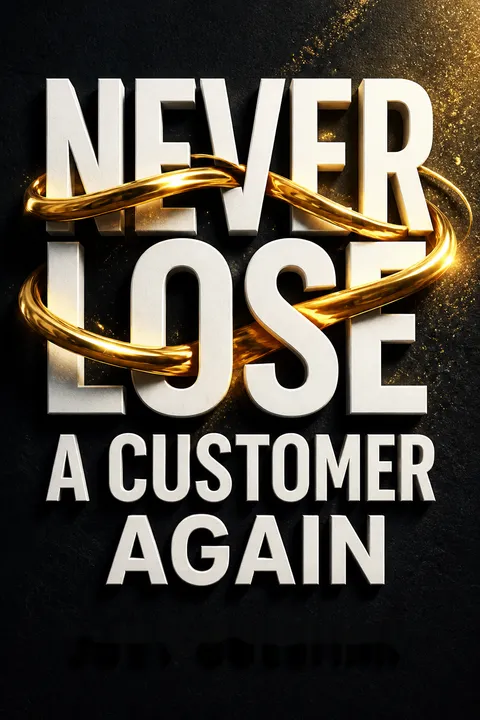


Key Takeaways
Treat the first 100 days as the real test of every sale
The relationship starts early. Joey Coleman’s central argument is that customers do not become loyal merely because a sale closes. Their judgment forms through the interactions that follow, when they are deciding whether the company will deliver and whether it values them. The book calls this early window the First 100 Days: a memorable planning horizon, not a universal deadline. The dentist who repaired Coleman’s broken tooth showed what this can look like: staff made room for an emergency, streamlined his paperwork, explained the procedure, and checked on him afterward. He arrived anxious and left a loyal patient who referred others.
People buy from people. Coleman calls this human-to-human thinking, or H2H. Whether a company sells to an individual or an organization, people make the purchase, use the product, and experience the service. The task is to design the early journey around their concerns, not just the company’s transaction.
The dentist story makes an abstract retention argument tangible: competent work matters, but the patient remembers how uncertainty was handled around it. The strongest implication is that the first months are not a marketing campaign layered onto delivery. They are part of the product as customers experience it. The 100-day frame is useful because it gives teams a bounded period to inspect, but it should not be mistaken for a biological countdown. A one-time purchase may form an impression in minutes, while a complex service may need far longer to demonstrate its value.
Stop rewarding acquisition while ignoring the customers already paying you
A leaky bucket is expensive. Coleman reports that 32 percent of new bank customers leave within a year, and half of those departures occur in the first 100 days. Some quit before making a single transaction. In one example, a bank’s roughly $300 acquisition cost and $12 monthly maintenance fee meant it needed more than two years just to recoup that cost. The wider business case is equally stark: the book cites estimates that acquiring a customer costs six to seven times more than retaining one, and that a five percent retention improvement can raise profits by 25 to 100 percent.
The incentives are backward. Sales teams often earn recognition for closing deals, while service staff are judged on handling calls quickly. Customers are handed from one department to another, and their needs or expectations get lost. The result is not simply poor manners. It is a system organized to win customers, then neglect them.
The useful shift here is from blaming individual employees to inspecting organizational incentives. When teams are rewarded for volume, speed, or new contracts, a caring employee may be working against the system rather than within it. Retention figures can make this gap visible to executives, but the book’s profit estimates are broad benchmarks, not guaranteed outcomes for every company. Customer mix, margins, contract length, and the cost of service all matter. The durable lesson is to measure whether new customers stay and succeed, not only how many sign.
Design customer experience as an emotional journey, not a service desk
Map what customers feel. Coleman distinguishes customer service, which responds when a customer needs help, from customer experience, the customer’s perception of their interactions with a company. Experience can be designed proactively, rather than left to chance. His eight-phase model follows the path from assessing a provider and buying, through post-purchase doubt, first use, and learning the company’s process, to getting a result, choosing to stay, and recommending the business. He names these phases Assess, Admit, Affirm, Activate, Acclimate, Accomplish, Adopt, and Advocate.
Customers can stall. A person may retreat into doubt after buying, become confused during onboarding, or receive the promised product without getting the hoped-for result. Coleman says many businesses lose momentum between first use and actual achievement. The model gives teams a diagnostic question: what does the customer need at this point, and what is the next uncertainty to remove?
The model’s strength is temporal: it draws attention to transitions, where a customer’s needs change and a previously effective touchpoint may stop helping. That makes it more useful than a generic instruction to provide excellent service. It also invites journey mapping, a practice used in service design to connect customer actions with the organizational processes behind them. The phases should be treated as a planning lens, not a claim that every customer follows an identical emotional script. Different products, risks, and customers create different routes and pacing.
Show prospects what life after the sale will feel like
Preview the relationship. Coleman calls expectation-setting before purchase preframing: explaining and demonstrating what working with the company will actually be like. In one sales meeting, he spent most of his time discussing golf with a prospective client, then sent him a personally chosen golf ball from Pebble Beach. The prospect later bought a $35,000 membership, despite not reading the sample report. The gift gave him a small, vivid preview of the attention he could expect as a client.
Promises must travel. Sales staff should record what the prospect wants and ensure delivery teams receive it. Coleman’s lost wedding-ring insurance claim shows the damage when the original salesperson’s explanation and the claims process did not match. The customer had paid for years believing one outcome was covered, then learned the company interpreted the policy differently. Personal touches build trust only when the actual offer supports them.
A preview is persuasive because it converts an abstract promise into observable evidence. It also helps customers assess fit before committing, which can prevent the costly mismatch created by selling to someone the service cannot help. But personalization is not a substitute for accurate disclosure. The insurance example is a reminder that trust depends on consistency across departments, not just warmth during the sales conversation. A useful operational test is whether the person who delivers the service can accurately describe what the salesperson promised.
Reassure buyers before silence turns excitement into regret
Doubt follows commitment. After purchasing, customers may question whether they chose well, whether the product will work, or whether they have accepted a costly obligation. Coleman describes this as the Affirm phase, a period of post-purchase doubt. Businesses often go quiet while customers wait for the product or first meaningful result, leaving them alone with those questions.
Give confidence a human voice. Total Debt Freedom filmed a short introduction in which the salesperson introduced the account manager and repeated the customer’s goals, making the handoff feel continuous rather than abrupt. CD Baby replaced a plain order notice with a playful email that made customers smile while confirming the shipment. Other examples include a clear return policy and a welcome call from an experienced member. Each reassures in a different way: evidence, humor, flexibility, or personal contact.
This stage connects customer experience to the psychology of commitment: after making a consequential choice, people look for cues that confirm or undermine it. A quiet interval can function as a negative cue, even when the company is working behind the scenes. Reassurance is most credible when it is specific, timely, and verifiable. A cheerful message cannot compensate for a delayed order or a broken promise. Nor does every low-cost purchase need a personal call. The effort should scale with the customer’s uncertainty and the stakes of the decision.
Make first use immediate, intuitive, and free of avoidable friction
The first real test is use. In the Activate phase, the customer first engages meaningfully with the product or service. A gift that cannot be used because it needs missing batteries is a small but memorable letdown. Apple’s early iPods offered a contrast: the team ran them longer in the factory so they arrived charged and ready to play. The customer could experience the benefit immediately instead of waiting through setup.
Design out failure. A 23andMe saliva kit used simple instructions and packaging to make sample collection feel approachable, while including enough material to repeat the analysis if the first attempt failed. A dentist’s online forms and in-chair digital consent similarly removed unnecessary steps. The point is not to add spectacle to every delivery. It is to anticipate the first obstacles and make the promised value easy to reach.
The examples show how seemingly minor interface decisions carry emotional weight because they determine whether anticipation becomes progress or frustration. In product design, reducing friction is not merely a convenience feature; it helps customers reach the moment that justifies their purchase. The most effective welcome can therefore be invisible: a device already working, a clear instruction, or an error-proof process. This is a useful counterweight to the book’s more theatrical examples. A memorable experience need not be extravagant if the design reliably removes an annoyance.
Guide new customers through your process with visible steps and progress
Familiarity is not shared. In the Acclimate phase, customers are learning how a company works, even if the company has repeated the process thousands of times. Coleman compares it to arriving at high altitude: newcomers need help adjusting, whether or not they realize it. Domino’s pizza tracker lets customers follow an order through preparation and delivery, while PolicyMedical turned a complicated software rollout into a visual puzzle of sequential steps. Customers could see what was done and what remained.
Make progress legible. San Francisco CrossFit used introductory tours and three private sessions to teach new members the gym’s routines and vocabulary. Eighty-two percent of participants moved into membership or continued private training. Regular updates, clear contacts, and visible milestones reduce the chance that a silent, confused customer simply disengages.
Visibility does two jobs: it reduces uncertainty, and it demonstrates that work is progressing. That is especially valuable in services where customers cannot inspect the production process themselves. The examples also reveal a subtle distinction between giving information and making information usable. A dense manual may contain every instruction and still leave someone lost; a visual sequence can help the same person act. Progress indicators should remain honest, though. A polished dashboard that reports activity without clarifying delays or decisions can create false confidence rather than trust.
Measure the result customers came for, then mark its achievement
A purchase is not the outcome. In the Accomplish phase, the customer gets the result that motivated the purchase. Coleman urges companies to define that goal in the customer’s own terms and track whether it was achieved. Otherwise, the company may celebrate a completed project while the customer still feels unfinished. He distinguishes success with a positive experience, success that felt disappointing, and failure to achieve the goal.
Make achievement visible. Ongoing Operations marked completion of a lengthy disaster-recovery setup by sending the customer’s team a cake and balloons. The gesture acknowledged the work behind the result. Online Trainer Academy tracked student progress and sent graduates a signed diploma; 60 percent completed the training modules, compared with the book’s cited typical online-course completion rate of 3 to 5 percent. Celebrating a verified result also creates a natural moment to discuss the customer’s next need.
This is the book’s most important measurement correction: operational completion and customer success are not the same variable. A project can meet schedule and scope while missing the outcome that made it valuable. Asking customers to define success early gives both sides a shared reference point, and checking it at the end prevents self-congratulation from replacing evidence. Celebration matters because it helps customers notice progress, but it should follow a real result. If the goal was not met, an honest recovery conversation is more valuable than a ceremonial cake.
Make loyalty feel like belonging, not merely another discount
Loyalty becomes identity. In the Adopt phase, customers have reached their original goal and choose to take ownership of the relationship. They may signal that choice through repeated purchases, community participation, or visible affiliation. Sephora’s VIB Rouge program recognized customers who spent more than $1,000 in a year with a special package, exclusive product, and member benefits. Harley-Davidson’s customers can identify with a lifestyle and community that extends well beyond buying a motorcycle.
Reward commitment meaningfully. Lady Gaga’s named fan community and personalized attention to highly engaged supporters show how shared language and recognition can deepen attachment. Such belonging gives customers reasons to stay that are not limited to price. The strongest recognition feels specific to the customer and to the relationship, rather than like a generic promotion distributed to everyone.
Belonging is a powerful form of value because it changes the meaning of a purchase: customers are not only buying a product, they are joining a recognizable group. The examples span retail, music, and motorcycles, showing that community can be expressed through access, symbols, or shared identity. Yet loyalty programs can also overemphasize spending and make less frequent customers feel invisible. A sound design rewards genuine engagement without treating high spend as the only evidence of commitment. Recognition should make the relationship warmer, not turn it into a status contest.
Earn advocacy after value arrives, then make referring effortless
Ask at the right moment. Advocacy means a customer is willing to recommend a company and attach their own reputation to that recommendation. Coleman warns against asking immediately after checkout, before the customer has experienced the benefit. 4Knines waited about 30 days before requesting a review of its dog seat cover. Twenty-four percent of customers who opened the message clicked through to write a review, compared with the book’s cited eight percent industry average.
Build a repeatable system. Dropbox offered customers extra storage for referring friends, giving both sides a relevant benefit. The book’s four-part operating method is to Investigate customers, Observe their behavior, Personalize interactions, and Surprise them thoughtfully. Employees should help design and deliver these experiences. Comcast’s overhaul illustrates the organizational scale: it simplified tools and billing, narrowed appointment windows, and credited customers automatically when technicians were late.
The best referral systems align timing, effort, and reward with the customer’s actual experience. 4Knines had a concrete outcome to point to; Dropbox made the incentive useful to both the advocate and the friend. Those mechanics matter more than asking customers to be enthusiastic on command. The broader operational lesson is that personal care needs infrastructure: records, clear ownership, and employees empowered to act. Comcast’s reported improvements make the case that experience design can involve major process changes, not merely gifts. Referral rates and retention should still be checked against costs and customer quality.
Analysis
The book’s most consequential move is to relocate customer retention from the service department to the architecture of the business. A dropped handoff, an opaque process, or an incentive that rewards speed over resolution is not a minor customer-service lapse. Each is a predictable output of how work, information, and authority are arranged. The eight-stage journey makes those failures easier to see because it asks what the customer needs at each transition, not simply whether the company completed its internal task.
That approach aligns with service design, which examines how visible interactions depend on less visible processes, and with principal-agent problems, where employees optimize the measures management rewards rather than the outcomes customers value. The examples are strongest when they show both sides: a human gesture that changes how a customer feels, and an operational system that makes the gesture dependable. Comcast’s appointment credit, for instance, changes the incentive behind punctuality rather than merely apologizing for lateness.
The evidence deserves careful interpretation. The book’s striking retention and profit figures come from varied industries and sources; they make a persuasive case for attention, but do not establish a universal return on any particular intervention. Case studies show what may work, not which element caused the result. Personalization also has limits. Information gathered about hobbies or family can create warmth when volunteered and used respectfully, but can feel intrusive when its collection or purpose is unclear.
The most practical reading is therefore not “delight everyone constantly.” It is: identify the customer’s intended outcome, remove avoidable uncertainty, deliver the promised result, and make ownership clear at each handoff. Gifts and playful rituals can amplify a solid experience, but they cannot repair a broken one. Retention grows when care is both felt by the customer and built into the organization’s everyday mechanics.
Review Summary
Never Lose a Customer Again receives overwhelmingly positive reviews, with readers praising its practical advice on customer retention and experience. Many find the book's eight-phase approach and communication strategies highly valuable for businesses of all sizes. Readers appreciate the numerous real-world examples, actionable tips, and chapter-end exercises. Some note that while certain suggestions may not apply to smaller businesses, the overall concepts are widely applicable. The book is frequently described as insightful, transformative, and a must-read for business owners and customer-facing employees.
People Also Read









Glossary
H2H
Human-to-human businessA way of thinking about business that centers the people who buy, use, deliver, and experience a product or service. It applies to both business-to-consumer and business-to-business settings, recognizing that organizations are made up of people and that the buyer may not be the only user.
The First 100 Days®
Early customer relationship windowColeman’s practical planning period for shaping a new customer’s experience after a purchase or agreement. The exact duration varies by industry and offering. The point is to treat the early relationship as a deliberate sequence of interactions that builds trust and helps customers reach value, rather than assuming loyalty will follow automatically.
The Eight Phases of the Customer Experience
Customer journey stagesColeman’s model for understanding how a customer relationship develops: Assess, Admit, Affirm, Activate, Acclimate, Accomplish, Adopt, and Advocate. The stages describe movement from considering a provider, through purchase and early use, to achieving a goal, choosing to stay, and recommending the business. Customers can stall or leave before reaching the final stages.
preframe
Preview the post-sale experienceTo set expectations before a purchase by explaining and demonstrating what working with the business will feel like afterward. Preframing gives a prospect evidence of the company’s approach, helps align expectations with actual operations, and makes promises more concrete. Those promises need to be accurately recorded and passed to the people responsible for delivery.
Investigate, Observe, Personalize, and Surprise
Four-step experience methodColeman’s sequence for improving customer interactions. Investigate gathers relevant information about customers; Observe pays attention to their behavior and context; Personalize uses what has been learned to make interactions more meaningful; Surprise adds thoughtful, unexpected gestures. The method depends on recording useful information and using it respectfully, rather than collecting details without purpose.
Brand Experience Team
Employee-led experience groupA cross-functional group empowered to oversee and improve customer experience activities. Coleman recommends involving employees in designing the customer journey, giving them authority to contribute ideas, and including volunteers from different parts of the organization. The team helps make experience improvement an ongoing organizational responsibility rather than a temporary executive initiative.
FAQ
What's Never Lose a Customer Again about?
- Customer Loyalty Focus: The book emphasizes the importance of building lifelong customer relationships rather than just acquiring new customers. Joey Coleman argues that retaining customers is crucial for long-term profitability.
- First 100 Days Philosophy: Coleman introduces the "First 100 Days" concept, a critical period after a purchase where businesses can create remarkable experiences to ensure customer satisfaction and loyalty.
- Eight Phases of Customer Experience: The book details eight phases that customers go through, from assessing options to becoming brand advocates, each requiring specific strategies to enhance the experience.
Why should I read Never Lose a Customer Again?
- Actionable Strategies: The book provides practical, step-by-step techniques that businesses can implement immediately to improve customer retention, applicable to companies of all sizes and industries.
- Real-World Examples: Coleman shares numerous case studies from various businesses, illustrating successful implementation of his methods, making the advice relatable and easier to understand.
- Emotional Connection Focus: The book emphasizes understanding the emotional journey of customers, helping businesses connect with clients on a deeper level, which is key to fostering loyalty.
What are the key takeaways of Never Lose a Customer Again?
- Customer Experience is Key: The book stresses that customer experience is the last true brand differentiator in today's market, urging companies to prioritize creating exceptional experiences.
- Retention Over Acquisition: Coleman argues that businesses often spend too much on acquiring new customers while neglecting to retain existing ones, suggesting that focusing on retention can lead to higher profits.
- Importance of the First 100 Days: The initial period after a sale is crucial for establishing a strong relationship, and businesses should aim to impress customers during this time to prevent buyer's remorse.
What is the First 100 Days® method in Never Lose a Customer Again?
- Critical Timeframe: The First 100 Days refers to the period immediately following a customer's purchase, crucial for establishing a strong relationship and ensuring satisfaction.
- Focus on Experience: During this period, businesses should create remarkable experiences that exceed customer expectations, helping to prevent buyer's remorse and foster loyalty.
- Structured Approach: Coleman outlines specific strategies and actions businesses can take during the First 100 Days to enhance the customer experience, ensuring customers feel valued and appreciated.
What are the eight phases of the customer experience in Never Lose a Customer Again?
- Assess: Customers evaluate whether your business can meet their needs, involving marketing and sales efforts to attract potential customers.
- Admit: The customer acknowledges their need and makes a purchase, marked by excitement and anticipation.
- Affirm: Customers may experience buyer's remorse, feeling doubt about their decision, requiring businesses to reassure them and affirm their choice.
- Activate: This phase begins with the first major interaction, where the business delivers on its promises, creating a memorable first impression.
- Acclimate: Customers learn how to navigate the business's processes and systems, with guidance and support being crucial.
- Accomplish: The customer achieves their desired result from the product or service, and celebrating this milestone reinforces loyalty.
- Adopt: Customers take ownership of the relationship and become more engaged, deepening the bond with the business.
- Advocate: Customers become loyal fans and promote the business to others, the ultimate goal of the customer experience journey.
How can I implement the strategies from Never Lose a Customer Again in my business?
- Assess Current Practices: Start by evaluating your current customer experience processes and identify areas for improvement during the First 100 Days.
- Train Your Team: Ensure your team understands the importance of customer experience and is trained in the strategies outlined in the book, including effective customer interactions.
- Create a Customer Journey Map: Develop a visual representation of the customer journey, highlighting each of the eight phases to help your team understand where improvements can be made.
What is the four-step process mentioned in Never Lose a Customer Again?
- Investigate: Gather as much information as possible about customers, including personal and emotional data, to tailor interactions effectively.
- Observe: Watch customers in their natural environment to gain insights into their behaviors and needs, identifying pain points and opportunities for improvement.
- Personalize: Use the information gathered to create personalized communications and experiences that resonate with customers, fostering a deeper connection.
- Surprise: Go above and beyond by surprising customers with thoughtful gifts or gestures, significantly enhancing loyalty and encouraging referrals.
What are some examples of remarkable customer experiences from Never Lose a Customer Again?
- Build-A-Bear: The company celebrates the moment a child adopts a stuffed animal, creating a memorable experience by announcing the adoption to the store.
- Zogics: This company sends a personalized video message to new customers, introducing them to their account manager, building a connection and reassuring customers.
- Total Debt Freedom: They create a smooth handoff between the salesperson and the account manager through a personalized video, reassuring customers and boosting confidence in their choice.
What is the significance of emotional connection in Never Lose a Customer Again?
- Building Trust: Emotional connections help build trust between the business and the customer, increasing the likelihood of loyalty.
- Reducing Buyer’s Remorse: Addressing customers' emotional states can counter feelings of doubt and uncertainty, particularly important during the Affirm phase.
- Creating Advocates: Positive emotional experiences lead customers to become advocates for the brand, resulting in word-of-mouth referrals and increased loyalty.
What are some common mistakes businesses make regarding customer retention according to Never Lose a Customer Again?
- Neglecting Post-Sale Experience: Many businesses focus heavily on acquiring new customers but fail to nurture existing ones, leading to high turnover rates and lost revenue.
- Poor Communication: Failing to communicate effectively during the First 100 Days can leave customers feeling neglected, making regular check-ins and updates essential.
- Ignoring Emotional Needs: Businesses often overlook the emotional journey of their customers, which is crucial for fostering loyalty and satisfaction.
What are the best quotes from Never Lose a Customer Again and what do they mean?
- “You lose customers because they feel neglected after the sale is made.”: Highlights the importance of ongoing customer engagement and nurturing relationships post-sale.
- “All business is ultimately the same, because all business boils down to humans dealing with humans.”: Underscores the significance of human connection in business, emphasizing understanding and meeting the needs of people.
- “If you can meet your customers where they are, you can avoid missing the opportunity to take them out of the sterile B2B environment.”: Emphasizes the need for businesses to connect with customers on an emotional level, suggesting that understanding customers' feelings and experiences is key to building lasting relationships.
Download PDF
Download EPUB
.epub digital book format is ideal for reading ebooks on phones, tablets, and e-readers.








