Plot Summary
Music Through the Walls
In a crowded Manchester community centre, Aya, a Syrian refugee, waits with her mother and baby brother, Moosa, for a caseworker. The music of a ballet class upstairs stirs memories of her old life in Aleppo, where she once danced with joy and hope. The contrast between her current reality—poverty, hunger, and uncertainty—and the beauty of ballet is stark. Aya's longing for her lost home and her father, who is missing, is palpable. She promises Moosa she will make things right, embodying a fierce determination to protect her family. The music is both a comfort and a painful reminder of all she has lost, but it also awakens a restless hope within her.
Ghosts and New Beginnings
Drawn by the music, Aya sneaks upstairs to watch the ballet class. She is mesmerized by the girls at the barre and the eccentric, kind teacher, Miss Helena. The girls—Dotty, Ciara, Lilli-Ella, and others—are a world apart from Aya, but Dotty notices her and smiles, making Aya feel seen for the first time in months. Memories of Aleppo and her old friends surface, mingling with the ache of displacement. The war's beginnings are recalled through a child's eyes: confusion, fear, and her father's promise to keep them safe. The ballet studio becomes a symbol of both loss and possibility.
Promises in the Dark
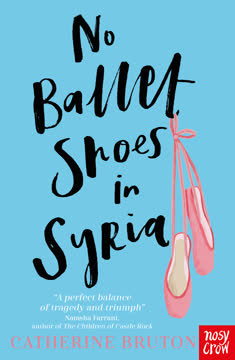
At night in the hostel, Aya cannot sleep. The cramped, noisy room is a far cry from her old home. She treasures her ballet shoes, a gift from her father, and remembers dancing for her family in happier times. Her mother is withdrawn, traumatized by their journey and losses. Aya shoulders adult responsibilities, caring for Moosa and her mother, making promises she is desperate to keep. The shoes are a fragile link to her past and her dreams, but also a burden—reminders of all she must protect and all she fears she cannot.
The Girl at the Barre
Aya returns to watch the ballet class, meeting Dotty properly. Dotty's exuberance and acceptance are a balm, but Aya is painfully aware of her own difference—her clothes, her accent, her status as a refugee. Dotty's curiosity is kind, not cruel, and she advocates for Aya to join the class. Miss Helena is stern but perceptive, recognizing Aya's talent and pain. The ballet studio is both a haven and a place of vulnerability, where Aya's longing to belong is matched by her fear of rejection. The seeds of friendship and hope are sown.
War Arrives in Aleppo
Flashbacks reveal the escalation of war in Aleppo. Aya's birthday is interrupted by gunfire and explosions. The city is divided, friends disappear, and normal life is upended. Her father, a doctor, tries to shield the family, but the violence is inescapable. The dance studio, once a sanctuary, is damaged by bombs. The siege brings hunger, fear, and the loss of innocence. Aya's world contracts to survival, but her love of dance endures, a stubborn act of resistance against despair.
Refugee, Not Invisible
Aya navigates the bureaucracy of asylum, facing lost paperwork, language barriers, and the indifference of officials. Her mother's illness and the threat of deportation loom. Aya's role as translator and advocate is exhausting. The community centre is a microcosm of displacement—other refugees, volunteers, and the kindness of people like Mr Abdul and Sally. Aya's identity is reduced to "refugee," but she fights to assert her humanity and her right to dream. The ballet class becomes a lifeline, a place where she is more than her trauma.
The Weight of Waiting
The endless waiting for decisions, the daily humiliations, and the burden of caring for her family wear Aya down. Moosa's cries, her mother's silence, and the indifference of the system fuel her anger and despair. Yet, the music from upstairs continues to call her, offering moments of escape. Aya's memories of Aleppo and her father are both comfort and torment. The community of refugees and volunteers provides some support, but the uncertainty of their future is overwhelming.
Dancing Memories, Dancing Pain
Aya is invited to join the ballet class. The experience is bittersweet—she is welcomed by some, resented by others. Her scarred leg, a result of shrapnel in Aleppo, is both a mark of survival and a source of shame. Miss Helena insists that scars are badges of endurance. Through dance, Aya begins to process her trauma, channeling her pain into movement. The studio becomes a space where past and present collide, and where Aya can begin to reclaim her sense of self.
A Place in the Studio
Aya's talent earns her a place in the class, but she faces prejudice and pity. Dotty's friendship deepens, and the other girls' attitudes slowly shift. The ballet mistress, Miss Helena, reveals her own history as a refugee from Nazi-occupied Prague, drawing a parallel between past and present. The studio is a crucible for Aya's transformation—from outsider to dancer, from victim to survivor. The kindness of Miss Helena and the community offers Aya and her family a chance at stability and healing.
Scars and Survival
Flashbacks detail the family's flight from Aleppo: the siege, the birth of Moosa, the perilous journey through Turkey, the container crossing, and the dangerous boat ride to Greece. Aya's father is lost at sea, a wound that never heals. The camps in Turkey and Greece are places of limbo and loss, but also of fleeting hope. Aya's resilience is tested at every turn, but her love for her family and her passion for dance sustain her. The scars on her body and soul are testament to her survival.
The Kindness of Strangers
Miss Helena and her daughter, Miss Sylvie, offer Aya's family a home. The generosity of the community—volunteers, fellow refugees, and Dotty's family—creates a network of support. Aya's mother begins to recover, and Moosa thrives. The ballet class prepares for a gala to raise funds for refugees, uniting the girls and the community. Aya's story becomes a symbol of resilience and the power of kindness. The past is not forgotten, but it is woven into a new narrative of hope.
The Audition and the Appeal
Aya's chance to stay in England depends on the outcome of her family's asylum appeal and her audition for the Royal Northern Ballet School. The audition is fraught with anxiety—Aya is haunted by memories and the fear of losing everything. She faints during her solo, overwhelmed by the weight of her experiences. Miss Helena shares her own story of loss and survival, encouraging Aya to dance not just for herself, but for all those who cannot. The appeal and the audition become intertwined tests of courage and identity.
Locked Doors, Open Hearts
Aya and Dotty are accidentally locked in the studio, triggering Aya's claustrophobia and memories of the container. Dotty's empathy and humor help Aya through the panic. The girls share their fears and dreams, deepening their bond. Aya learns that vulnerability can be a source of strength, and that sharing her story can inspire others. The locked door becomes a metaphor for the barriers Aya faces—and the possibility of breaking through them with the help of friends.
The Journey Across Borders
The narrative returns to the family's journey: the bribes, the smugglers, the dangers of the sea crossing, and the heartbreak of separation from Aya's father. The trauma of the journey is ever-present, shaping Aya's fears and her determination. The camps, the waiting, and the uncertainty are contrasted with moments of beauty—music, dance, and fleeting kindness. The journey is both a physical and emotional odyssey, forging Aya's resilience and empathy.
Dancing for the Lost
At the gala, Aya performs a dance that tells her story—of loss, survival, and hope. She dances for her father, her friends left behind, and all those who did not make it. The performance is cathartic, transforming pain into beauty. The community responds with empathy and support, and Aya's story becomes a catalyst for understanding and change. The act of dancing becomes an act of remembrance and a declaration of belonging.
Hope, Home, and Belonging
The asylum appeal is successful; Aya and her family are allowed to stay. She is awarded a scholarship to the ballet school, and Dotty is accepted into the musical theatre program. The community's support, the kindness of strangers, and Aya's own courage have made a new life possible. The scars of the past remain, but they are now part of a larger story of resilience and hope. Aya's journey is not just about survival, but about finding a place to belong, to dream, and to dance—no matter where she is.
Characters
Aya
Aya is an eleven-year-old Syrian girl whose life is upended by war. Forced to flee Aleppo with her mother and baby brother, she becomes the family's protector and advocate. Aya's love of ballet is both a link to her lost home and a means of coping with trauma. She is fiercely loyal, resourceful, and mature beyond her years, but also vulnerable and haunted by loss—especially the disappearance of her father. Aya's journey is one of reclaiming agency, forging new connections, and transforming pain into art. Her psychological arc moves from isolation and guilt to acceptance, hope, and a sense of belonging.
Dotty
Dotty is a British girl in Aya's ballet class, known for her exuberance, humor, and empathy. The daughter of a famous ballerina, Dotty feels the weight of expectations but secretly dreams of musical theatre. She befriends Aya, advocating for her inclusion and helping her navigate the challenges of a new country. Dotty's openness and willingness to learn from Aya make her a catalyst for change within the group. Her own struggles with identity and parental pressure mirror Aya's, creating a deep bond between them. Dotty's development is marked by growing self-awareness and the courage to pursue her own dreams.
Miss Helena
Miss Helena is the elderly ballet mistress who recognizes Aya's talent and pain. A Jewish refugee from Nazi-occupied Prague, she embodies the theme of history repeating itself. Her own experiences of loss, displacement, and survival inform her compassionate but demanding teaching style. Miss Helena becomes a surrogate grandmother to Aya, offering both practical support and philosophical guidance. Her story provides a historical parallel, reinforcing the universality of exile and the redemptive power of art. She encourages Aya to dance not just for herself, but for all those who cannot.
Mumma
Aya's mother is a shadow of her former self, debilitated by grief, illness, and the trauma of displacement. Once vibrant and loving, she now struggles with depression and anxiety, often unable to care for herself or her children. Her relationship with Aya is marked by role reversal—Aya becomes the caretaker. Mumma's gradual recovery, aided by the kindness of the community and the stability of a new home, mirrors Aya's own healing. Her journey is one of slow reawakening, reclaiming agency, and supporting Aya's dreams.
Moosa
Aya's baby brother, Moosa, is too young to understand the upheaval around him. His needs and vulnerability drive Aya's sense of responsibility. Moosa represents both the burdens and the joys of family, and his well-being is a constant concern. His presence anchors Aya, reminding her of what is at stake. Moosa's gradual adaptation to their new life is a sign of resilience and the possibility of renewal.
Ciara
Ciara is one of the girls in the ballet class, initially cold and dismissive toward Aya. She embodies the prejudices and insecurities of the host society, but her own struggles with family and self-worth are gradually revealed. Ciara's journey from exclusion to empathy parallels the group's transformation. Her eventual friendship with Aya is a testament to the power of understanding and shared vulnerability.
Mr Abdul
An elderly Somali man at the community centre, Mr Abdul befriends Aya, teaching her chess and offering wisdom. He represents the broader community of displaced people, sharing his own stories of loss and survival. His kindness and humor provide comfort to Aya and her family, and his presence underscores the importance of solidarity among refugees.
Bronte Buchanan
Dotty's mother, Bronte, is a celebrated dancer whose expectations weigh heavily on her daughter. She is initially distant and focused on achievement, but her interactions with Aya and Dotty reveal a capacity for empathy and growth. Bronte's eventual support for Dotty's true ambitions and her advocacy for Aya's family highlight the transformative power of compassion and open-mindedness.
Miss Sylvie
Miss Helena's daughter, Miss Sylvie, manages the dance school and helps Aya's family settle into their new home. She is less emotionally expressive than her mother but provides stability and practical assistance. Her role is crucial in creating a safe environment for Aya and her family, and her understated kindness is a steadying force.
Mrs Massoud
A fellow refugee at the centre, Mrs Massoud has lost her children to war and imprisonment. Her sorrow is profound, but she finds purpose in helping others, especially Aya's family. Mrs Massoud's resilience and generosity exemplify the strength of those who endure unimaginable loss. Her friendship with Mumma is a source of mutual healing.
Plot Devices
Dual Narrative Structure
The novel alternates between Aya's present life in Manchester and flashbacks to her experiences in Syria, the journey through Turkey and Greece, and the trauma of displacement. This structure allows readers to understand the full weight of Aya's loss and the resilience required to survive. The gradual revelation of her past, especially the fate of her father, builds suspense and emotional impact. The convergence of timelines in the audition scene—where memory, trauma, and hope collide—creates a powerful climax.
Symbolism of Dance and Scars
Ballet is both a literal and metaphorical device, representing Aya's lost innocence, her enduring hope, and her means of processing trauma. The act of dancing becomes a way to reclaim agency and tell her story without words. Scars—physical and emotional—are reframed as marks of survival, not shame. Miss Helena's insistence on wearing scars with pride is a key motif, linking generations of refugees and survivors.
The Kindness of Strangers
The recurring theme of kindness—volunteers, fellow refugees, and even initially hostile characters—serves as a counterpoint to the cruelty and indifference of systems. The generosity of Miss Helena, Dotty's family, and others is not just charity but a recognition of shared humanity. This device challenges stereotypes and invites readers to see refugees as individuals with stories, dreams, and potential.
The Audition as Metaphor
The ballet audition is more than a plot event; it is a crucible for Aya's identity. Her ability to dance, to tell her story through movement, becomes a test of her resilience and her right to belong. The outcome of the audition is intertwined with the asylum appeal, making the stakes both personal and existential. The audition's emotional intensity is heightened by foreshadowing and the parallel with Miss Helena's own story.
Foreshadowing and Parallel Histories
Miss Helena's history as a Jewish refugee mirrors Aya's journey, creating a sense of historical continuity. The use of foreshadowing—hints about the outcome of the appeal, the fate of Aya's father, and the possibility of belonging—builds tension and emotional resonance. The novel suggests that while history repeats its tragedies, it also repeats its acts of kindness and resilience.
Analysis
No Ballet Shoes in Syria is a deeply moving exploration of the refugee experience, told through the eyes of a child whose love of dance becomes both a lifeline and a means of healing. The novel confronts the trauma of war, displacement, and loss without flinching, yet refuses to surrender to despair. Instead, it insists on the possibility of renewal through community, art, and the kindness of strangers. By paralleling Aya's journey with that of her mentor, Miss Helena, the story universalizes the refugee experience, reminding readers that exile and survival are recurring human stories. The book challenges readers to look beyond labels, to see the individual behind the word "refugee," and to recognize the transformative power of empathy. Ultimately, it is a celebration of the human spirit's capacity to endure, adapt, and create beauty even in the darkest of times—a timely and necessary message for our world.
Last updated:
Review Summary
No Ballet Shoes in Syria receives overwhelmingly positive reviews (4.4/5), praised as an emotionally powerful middle-grade novel about eleven-year-old Aya, a Syrian asylum seeker in Manchester pursuing ballet while coping with trauma and family separation. Readers commend Bruton's sensitive handling of refugee experiences, flashback structure, and hopeful message about resilience and kindness. Some critics note the writing lacks authentic cultural perspective and emotional depth, with overly neat conclusions. Most reviewers recommend it for ages 9+ with adult guidance due to themes of war, loss, and prejudice.