

Plot Summary
Prologue
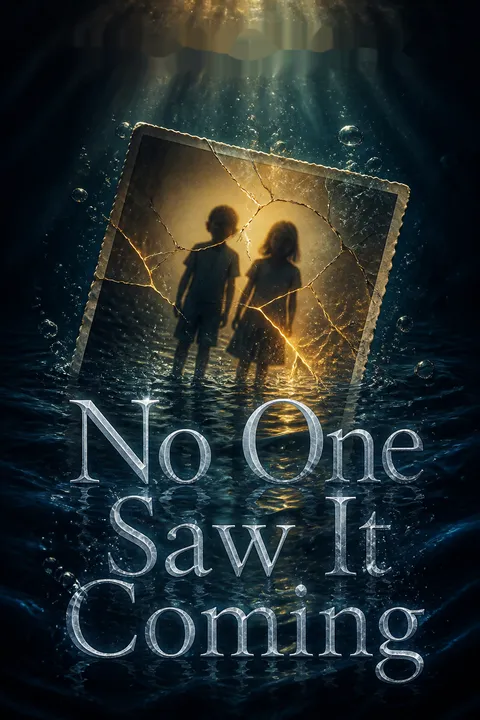
A woman named Blanche studies a photograph from Hanna Madden’s mother’s funeral and believes she has finally found the sister taken from her as a child. She remembers being left behind when their father was arrested, and the little girl reaching for her as their mother carried her away.
Blanche says she has people around her now, but she wants Hanna near, even if Hanna cannot yet see her. The photograph is more than a keepsake: Blanche has mapped the people in it and is learning how to approach the woman she has mistaken for family.
The opening makes the central danger intimate before it becomes visible. Blanche’s longing is not a calculated threat; it grows from a childhood in which protecting her sister was the only role that gave her agency. The funeral photograph becomes both evidence and imagined reunion, allowing Blanche to turn an absent child into an adult she can locate and study. By presenting this conviction in Blanche’s own mind, the story makes the reader feel its tenderness and its distortion at once. Her need to keep Hanna safe will later collide with Hanna’s right to define her own life.
A Shadow at Goldney Hall
At a celebration for her husband Jack Madden, a celebrated Bristol businessman, Hanna meets Riona Byrne, an Irish psychiatrist who has come with Professor Seb Goodman. Hanna is friendly, but her attention keeps straying to Hugo Astor, the company lawyer with whom she has been having a sexual fling.
Later, she slips away from Jack’s speech and meets Hugo in the gardens, where their attraction again overwhelms her caution. At home, Jack reveals he noticed them.
The couple have allowed one another outside encounters, provided they are not secret, and Hanna promises her involvement with Hugo will end. Their arrangement rests on trust, but Hugo works inside Jack’s company, bringing Hanna’s private appetite directly into their shared professional life.
Hanna and Jack’s marriage is neither conventionally monogamous nor casually indifferent. They have made disclosure the boundary that keeps their erotic experiments from becoming betrayal, but Hanna’s choice of Hugo weakens that safeguard because he is embedded in Jack’s business. Her desire is partly fueled by risk and dislike, while Jack’s calm response suggests a couple accustomed to managing intimacy through rules. The scene also places Riona at the edge of the Maddens’ world before anyone understands why she is drawn to Hanna. The gardens offer cover, but the secrets carried into them are already connected to the household and workplace.
The Clinic’s Quiet House
At her Westbury-on-Trym home, Riona oversees a small residential treatment project for people shaped by early trauma. Her patients, including the watchful Blanche, the volatile Billy and the sociable Ruby, come and go freely while Riona monitors their wellbeing and reports to senior psychiatrist Dr Emilia Francis.
Blanche’s private recollections reveal a childhood in a remote religious commune, where she was imprisoned and abused while caring for a much younger sister.
She remembers the child being taken away during the police intervention that ended the commune, then grew up without knowing whether her sister survived. Now Blanche has enlarged Hanna’s funeral photograph, labelled the people around her, and begun imagining Hanna as the missing girl. Riona does not know the full extent of Blanche’s fixation.
The clinic’s domestic setting blurs care and surveillance. Riona’s patients are not held behind institutional walls, yet their freedom depends on an experiment that asks them to live under observation. Blanche’s memories show how attachment can become a survival system: she once protected a helpless child, and the imagined sister now gives her past a purpose. That purpose is compassionate in intention but unstable in fact. The narrative lets Blanche’s certainty feel emotionally coherent before exposing its danger, asking readers to distinguish the legitimacy of her need from the accuracy of her belief.
A Warning at the Albion
Seb, still grieving his late wife Jilly, begins dating Riona and is surprised by how quickly her warmth draws him out of isolation. At a vineyard dinner, she charms his friends and explains that her patients are treated through an immersive residential project. Seb invites her to meet the Madden family, hoping to make their new relationship part of his life.
Meanwhile, at the Albion pub, a hostile young man named Marius Hansen confronts Jack and hints that Jack mistreated Marius’s sister, Freya, who once worked at the Maddens’ stables. Jack hustles Marius outside, then refuses to tell Seb the full story. The warning passes, but Jack’s secrecy leaves Seb unaware that a grievance against the family is already gathering force.
Seb’s new attachment is shaped by bereavement: he wants companionship, but also hopes Riona can enter a home still filled with memories of Jilly. The contrast between his openness and Jack’s evasiveness matters. Seb gladly discusses his feelings, while Jack suppresses the encounter with Marius, protecting his family from an unpleasant truth or protecting himself from scrutiny. Riona’s work is introduced as an ethical framework, yet her personal life is already crossing into the Madden family’s private tensions. Each person believes they can contain a separate problem. The story’s suspense grows from those compartments beginning to overlap.
No Means Nothing to Hugo
Hanna tries to end her fling with Hugo, but the attraction keeps pulling her back into private encounters at the office. One afternoon she refuses him when he begins forcing himself on her. Hugo ignores her refusal, pins her over her desk and sexually assaults her. Leo, Hanna’s adult son, arrives with lunch and interrupts before the attack can go further.
Riona is nearby and sees enough to support Hanna. Shaken, Hanna declines to call the police and insists she will tell Jack herself. Leo wants immediate action, but Hanna asks him not to act on his anger. The incident changes the meaning of the affair: whatever Hanna consented to before, Hugo’s decision to disregard her refusal is an assault, and Leo has become its witness.
The scene refuses the false comfort of treating past consent as permanent consent. Hanna’s earlier desire for Hugo does not grant him authority over her body once she withdraws it. Her reluctance to report the assault reflects more than embarrassment: her marriage, public standing and position inside Jack’s company all make disclosure feel costly. Leo’s intervention protects his mother physically, but also places him inside a family crisis whose facts remain complicated. Hanna’s insistence on controlling what happens next is understandable, yet it creates the conditions for secrecy, private retaliation and coercion to replace formal accountability.
Five Million for Silence
Jack and Hanna agree that Hugo cannot remain their company lawyer, but they fear a public dispute over the assault and its history. Before they can settle on a response, police tell them Hugo has been found badly beaten outside his home.
At the hospital, Hugo claims Leo attacked him and demands five million pounds to keep quiet about both the assault and his alleged attacker. Jack fears the accusation could send Leo to prison and damage Hanna’s reputation. Leo denies the attack, but admits he drove past Hugo’s house that night.
His parents confront him, then accept his insistence that he did not strike Hugo. Jack plans to force Hugo out with severance and a nondisclosure agreement, hoping to contain a crisis that has already escaped their control.
Hugo converts the family’s fear of scandal into leverage. His demand exploits a genuine vulnerability: Hanna’s reluctance to report him makes it easier for him to rewrite the assault as consensual, while Leo’s prior anger gives the accusation a plausible shape. Jack responds as a businessman, seeking a settlement that can close the matter quietly. That approach protects reputation and family in the short term, but leaves the assault unexamined and the alleged beating unresolved. Leo’s partial truth, admitting he was near Hugo’s home, intensifies suspicion even as it stops short of confession.
Blood Beside the Lake
At Lake House, Leo’s admission that he drove past Hugo’s home strains his parents’ trust, while Cait continues to attack the family’s privilege and secrecy. Days later, Jack returns from the Valley Fest and heads to the fishing platform by the lake.
Seb goes down after him and finds Jack in the water with a fatal head wound. Hanna tries to revive her husband, but paramedics cannot save him. Police flood the property, collect Hanna’s and Seb’s bloodstained clothes, and begin treating the death as murder.
Their first suspect is Hugo, whose blackmail has made him a visible enemy. Then Cait tells Hanna and Seb that Jack had a child with Freya Hansen, Marius’s sister, a revelation that changes the family’s understanding of Jack and supplies investigators with another possible motive.
Jack’s death arrives amid conflicts that have not been resolved: Hanna’s assault, Leo’s unexplained drive-by, Cait’s estrangement and Jack’s concealed relationship with Freya. The lake, previously a place of family recreation, becomes a crime scene, turning shared history into evidence. Hanna’s attempt to revive Jack places her physically inside the investigation, while Seb’s presence makes him both a grieving friend and a person of interest. Cait’s disclosure gives her anger a newly legible source, but it also denies the family the comfort of a simple story about Jack. Grief begins under the pressure of suspicion.
Freya’s Hidden Son
Cait recounts that she saw Jack with Freya while Freya worked at the stables, then later met Freya and her toddler son, Ethan, in Wells. Marius told Cait that Jack was Ethan’s father and showed her a photograph and DNA results.
Cait hid the evidence because she feared Leo would confront Jack and expose the secret, while the discovery deepened her resentment toward her parents. Jack’s solicitor confirms that he added Freya and Ethan to his will, and that Jack had arranged regular payments for them.
Freya’s mother then claims on television that Jack planned to leave Hanna, inflaming public suspicion. Hanna confronts Freya’s family, but they offer no reliable answers. The investigation now has a concealed child, money, and a hostile brother in its frame.
Cait’s estrangement is not simply adolescent rebellion. She has been carrying evidence that made her question whether her family’s public generosity concealed private harm, and her silence grew from fear of what disclosure might unleash. Jack’s financial provision for Ethan establishes responsibility, but not the nature of his relationship with Freya or the source of the secrecy. The television interview turns a family wound into public spectacle, while Hanna’s confrontation shows how grief can drive a person toward action before facts are secure. The investigation’s competing explanations now include jealousy, blackmail, family loyalty and money.
Every Family Becomes Suspect
The police discover that Marius had confronted Jack before the murder, but Marius has an alibi for the time of the killing. Freya says Jack visited her shortly before his death, while her mother confirms she was home later, leaving the family unsure what to believe.
A dash-cam recording places Leo near Hugo’s house when Hugo was attacked, strengthening suspicion without proving he committed the assault. Hanna and Seb are also questioned because they were at Lake House when Jack died and Seb found the body.
Meanwhile, someone vandalizes Freya’s car, and police again summon Leo. He says he stayed home that night, but Hanna wonders whether he might have arranged the damage through someone else. The family can no longer separate its private doubts from the police investigation or the press’s appetite.
The evidence produces ambiguity rather than clarity. A car passing a house is not an assault, a financial benefit is not proof of murder, and a family member’s account is not automatically reliable; nevertheless, each fact alters how the next is interpreted. The novel uses public scrutiny to magnify this uncertainty. Hanna and Seb are not only grieving, they must perform innocence for detectives and cameras, while Leo’s history makes him especially vulnerable to a familiar narrative of violence. Their anxiety arises from the gap between what they know privately and what they can prove.
Riona Was Never Alone
Andee traces the clinic’s records and brings Dr Emilia Francis, its supervising psychiatrist, into the murder inquiry. Francis explains that Blanche has dissociative identity disorder and that Riona is one of Blanche’s alternate identities, a confident self shaped by the woman Blanche wishes she could be.
As a child in an abusive commune, Blanche cared for a younger sister who vanished when the commune was raided. She has convinced herself that Hanna is that sister, using the funeral photograph to identify Hanna’s family and entering their lives through Seb.
A search of the clinic finds photographs and notes about the Maddens, along with evidence connecting the household to the patients. Francis believes Billy, another identity, attacked Hugo and killed Jack after interpreting their actions as threats to Hanna. Before police can secure the clinic, Blanche disappears.
The revelation reframes earlier intimacy without erasing its emotional reality. Seb’s affection for Riona was genuine to him, and Riona’s care for Hanna was sincere within Blanche’s distorted account of kinship; neither fact makes the deception harmless. Blanche’s identities are presented as responses to trauma, but the explanation does not dissolve the consequences of violence. The funeral photograph links her childhood loss to her adult surveillance, while the clinic’s incomplete oversight allowed a private delusion to become an intrusion into a family. Francis’s diagnosis explains the pattern, but it cannot yet locate Blanche or guarantee what she will do.
Ethan on the Causeway
Blanche’s disappearance becomes an emergency when Freya reports that her young son Ethan has been taken by a red-haired woman. Police find a white Ford Fiesta stopped on a causeway between the lakes. Inside, Riona holds Ethan and believes she is bringing him to Hanna, who she thinks will welcome him as her sister’s child.
Riona explains that Billy has become increasingly violent and that he attacked Hugo and Jack while trying to punish men he thought had hurt Hanna. As the conversation continues, Billy takes control of Riona’s body and refuses to release the boy.
Dr Francis tries to keep him from escalating. Hanna speaks calmly to Riona and promises that Blanche will not be persecuted. Riona regains control long enough to hand Ethan over, and Freya reunites with her son unharmed.
The rescue depends on Hanna entering Blanche’s distorted moral world without endorsing it. She understands that a direct grab could provoke Billy, so she offers reassurance that may keep the child safe while the identities struggle for control. Riona’s abduction is framed as protection, but it repeats the original trauma of a child being separated from his mother. The causeway makes that contradiction literal: water hems in the car, while police and family wait on either side. The scene offers relief without neat triumph, because the person who saved Ethan is also entangled in the acts that destroyed the Maddens’ family.
A Killer Beyond Trial
After the rescue, police take Riona into custody and connect Billy to the attacks on Hugo and Jack, including the use of a baseball bat. Hanna’s grief now includes the knowledge that the woman she trusted through Seb’s courtship had entered her life believing they were sisters.
Two months later, Hanna visits Blanche in prison. Blanche speaks of the sister she loved and still asks Hanna to take her place, while insisting that Billy was responsible for the violence. Hanna cannot give Blanche the reunion she wants, but she leaves without seeking revenge.
A week later, police report that a psychiatrist has found Blanche unfit to stand trial. Dr Francis hopes to arrange care in a secure facility, while Hanna continues building a victims’ support project and helps her family find a way forward.
The legal outcome does not resolve the moral problem. Blanche’s experience of Billy as a distinct protector is psychologically real to her, but Hanna has lost a husband and cannot accept that responsibility can simply be assigned to an identity she cannot prosecute separately. Their prison meeting refuses both easy forgiveness and uncomplicated condemnation: Hanna recognizes the child’s suffering without denying the adult’s consequences. The support project gives her grief a practical direction, though it cannot convert loss into justice. Her choice not to retaliate marks a boundary between understanding Blanche and surrendering the truth of what happened.
Epilogue
At a charity dinner weeks later, Hanna and Seb meet again as friends still bound by grief and affection. Seb has accepted a month-long academic post in Canada and invites Hanna to join him; she says yes, allowing herself a change of scene without abandoning her family or work. Andee and Graeme decide to come as well.
The prospect of travel does not replace Jack or settle the family’s wounds, but it gives Hanna permission to imagine a future containing something beyond mourning. Then Seb’s answering machine plays a message from Riona, reopening the question of which part of Blanche may still be reaching toward him.
The ending offers movement rather than closure. Hanna accepts a temporary journey, not a new life, and the distinction matters: recovery here means making room for experience while remaining connected to children, work and memory. Seb’s invitation also restores a form of companionship without claiming to cure either person’s grief. Riona’s recorded message unsettles that fragile forward motion. It suggests that the identities and attachments exposed by the investigation cannot be neatly filed away, even after Blanche’s legal status changes. The final note keeps intimacy unresolved, leaving Hanna and Seb with both renewed possibility and the knowledge that the past can still call.
Analysis
The novel builds suspense from misread intimacy. Hanna and Jack believe that frank disclosure can make unconventional desire safe, but their rules do not protect them from an outsider who treats consent as negotiable or from the secrets Jack keeps beyond the marriage. Similarly, Riona’s professional warmth seems to offer secure access to the Maddens, while Blanche’s idea of kinship quietly turns care into surveillance. In both cases, affection is real but does not guarantee accurate understanding or ethical conduct.
The murder plot repeatedly asks what evidence can establish. Leo’s car near Hugo’s home, Jack’s codicil, Freya’s account and Seb’s presence beside the lake each support suspicion without proving guilt. The press converts these fragments into a public story before the family can understand them. Andee’s investigative patience counters that rush, but the decisive explanation comes through a psychiatric framework that complicates the usual thriller question of motive. Billy’s actions are experienced by Blanche as those of a protective identity; the victim’s family cannot treat that inner distinction as a substitute for accountability.
Blanche’s childhood gives her fixation its emotional logic. She once had responsibility for a younger sister in a world where adults offered neither safety nor care. As an adult, she constructs a sister from resemblance and tries to protect Hanna through the same logic of sacrifice and control. The tragedy is not that compassion is false, but that compassion detached from another person’s reality becomes coercion. Hanna’s eventual willingness to meet Blanche acknowledges the suffering beneath the delusion without granting Blanche the reunion she demands.
Grief remains material rather than abstract: blood on clothes, an emptied house, a daughter burdened by a secret, and a friend who must decide whether to leave town. Hanna’s support project and tentative trip with Seb do not repair what has been lost. They show a smaller, more credible form of survival: carrying memory forward while refusing to let the dead or the guilty dictate every remaining choice.
Review Summary
No One Saw It Coming received mixed reviews, with an average rating of 4.12 out of 5. Many readers found it gripping and full of surprising twists, especially in the second half. The character development and exploration of family dynamics were praised. However, some felt the start was slow and predictable. The book tackles themes of infidelity, mental health, and murder. While some readers guessed the main twist early, others were genuinely surprised. Overall, it was considered a solid, entertaining read despite some criticism of character likability and plot predictability.
People Also Read





Characters
Hanna Madden
The public-hearted wifeHanna is a prominent philanthropist and the wife of businessman Jack Madden. She is socially graceful, perceptive about other people’s needs and devoted to her children, though her confidence can become a belief that she can control the consequences of risky choices. Her relationship with Jack is affectionate and candid by their own rules, while her desire for excitement sometimes pulls her toward people she distrusts. Hanna’s instinct is to protect her family’s privacy, but she also has a strong capacity for practical care. Her emotional life is shaped by loyalty, pride and a fear of being judged, all of which complicate the way she responds to crisis.
Jack Madden
The charismatic family anchorJack is a successful Bristol businessman, husband to Hanna and father to Leo and Cait. His public influence is matched by a generous, hands-on approach to philanthropy and family life. He is confident in negotiation and accustomed to solving problems privately, a strength that can shade into secrecy when a situation threatens his family or reputation. Jack and Hanna share affection and an unconventional understanding of marriage, while his closeness to his children shifts as they grow into their own lives. He is a forceful presence, but also someone whose instinct to manage trouble can leave others without the full truth.
Seb Goodman
The grieving loyal friendSeb is a professor of social and political theory, Jack’s oldest friend and godfather to the Madden children. After losing his wife, Jilly, he retreats into work and the familiar safety of the Madden family. He is thoughtful, generous and less interested in competition than Jack, though their history includes an old romantic rivalry over Hanna. Seb wants a relationship that can coexist with his memories of Jilly rather than erase them. His openness makes him a steady source of comfort, but his longing for companionship also leaves him vulnerable to trusting the person he hopes to know.
Riona Byrne
The psychiatrist in residenceRiona is an Irish psychiatrist who lives with a small group of adult patients at a residential clinic in Bristol. Warm, gracious and attentive, she treats care as something practiced in ordinary routines as much as formal appointments. Her professional commitment often limits her personal freedom, yet she is drawn to Seb and curious about the Madden family. Riona’s manner invites confidence, and she appears to move easily between patients and social settings. Her role places her at the intersection of clinical responsibility and private attachment, where her wish to help others can become difficult to separate from her own needs.
Cait Madden
The angry young motherCait is Jack and Hanna’s eighteen-year-old daughter and the mother of toddler Sofia. She is intelligent, sharp-tongued and quick to challenge the privilege surrounding her family, but her defiance also protects a deep fear of being ignored or misled. Cait’s education and future remain unsettled, and her relationship with her parents is strained by years of conflict. She is most openly tender with Sofia and remains connected to Ishan, the child’s father. Cait’s anger is not a simple rejection of family; she wants honesty and care, but has trouble trusting either when adults seem to be hiding important truths.
Leo Madden
The protective older brotherLeo is Jack and Hanna’s adult son, a recent university graduate who is preparing to work in his father’s company. He is generally easygoing and close to his family, especially his godfather Seb, but a strong protective streak can turn him impulsive when someone threatens a loved one. Leo’s confidence in his own intentions does not always make him appear trustworthy to others, particularly when he withholds details. He is also Sofia’s uncle and cares about Cait, even when their sibling exchanges become sharp.
Andee Lawrence
The investigator friendAndee is Hanna’s close friend, an ex-detective sergeant and an interior designer. She has carried investigative habits into civilian life, noticing inconsistencies and pursuing answers when official inquiries stall. Her relationship with Hanna is built on loyalty without flattery: she offers support while asking difficult questions. Andee is partnered with Graeme and has grown children of her own, but she is willing to interrupt her private life when Hanna needs help. Her steadiness and professional instincts make her a counterweight to the family’s impulse to contain problems behind closed doors.
Blanche Edwards
The clinic’s guarded patientBlanche is a quiet resident at Riona’s clinic whose early life involved extreme isolation and trauma. She is protective of the people she considers family and carries a persistent grief over a younger sister who disappeared when Blanche was a child. Her sense of safety depends on routines, trusted companions and the belief that she can prevent harm from reaching those she loves. Blanche is not easily drawn into conversation, and she often relies on others to speak on her behalf. Her history gives her fierce attachment a comprehensible origin, even when her understanding of the present is unreliable.
Dr Emilia Francis
The senior psychiatristDr Francis is an American psychiatrist who has treated Blanche for decades and supervises the residential project in Bristol. Calm and measured, she explains complex clinical matters without presenting herself as able to control every outcome. Her long familiarity with Blanche gives her insight into the patient’s history, but it also raises questions about the risks and limits of treatment outside an institution. She is committed to understanding Blanche’s condition and finding appropriate care, while facing the consequences of how much independence the project allowed.
Freya Hansen
The former stable handFreya is a young Danish woman who once worked at the Madden stables and is now raising her son, Ethan. She is reserved and protective, living at a distance from the family whose history remains tied to hers. Freya is caught between private grief, the demands of motherhood and the public attention surrounding her connection to Jack. Her mother and brother often speak forcefully on her behalf, which can obscure what Freya herself wants or believes. Her circumstances make her vulnerable to being treated as a clue or a motive rather than a person.
Marius Hansen
Freya’s threatening brotherMarius is Freya’s older brother, an aggressive young man who resents the Madden family and is quick to turn grievance into confrontation. He appears around the stable yard and later approaches Jack in public, suggesting he knows more about the family’s history than he is willing to explain. Marius’s hostility makes him an obvious focus of suspicion, but his provocations do not by themselves establish what he has done. He uses intimidation to control conversations, especially when Cait encounters him.
Jenny Madden
The steadfast stepmotherJenny is Jack’s French stepmother and a devoted presence in the lives of Hanna and the children. Elegant, independent and affectionate, she offers practical help without trying to take over. Her bond with Jack’s family is deep, particularly through her attachment to Sofia, and she also shares a close friendship with Hanna’s late mother. Jenny’s grief over earlier losses gives her a strong awareness of how fragile family life can be. She values honesty, but her loyalty to Jack can leave her holding information she finds painful to share.
Ishan
Sofia’s devoted fatherIshan is Sofia’s father, a law student at Oxford and a steady presence in Cait’s life. He is intelligent, thoughtful and committed to being a good parent despite his young age and the uncertainty of his relationship with Cait. He often tries to encourage honest conversation rather than force it, and his calm temperament helps balance Cait’s volatility. His connection to the Madden family is affectionate but not uncomplicated, since he must support Cait while respecting her choices.
Sofia
The family’s bright toddlerSofia is Cait and Ishan’s eighteen-month-old daughter. Curious, affectionate and newly verbal, she brings the adults together through her easy warmth and dependence on them. Her presence makes the family’s conflicts concrete: the choices made by her parents and grandparents shape the safety and stability of her daily life.
Hugo Astor
The company’s dangerous lawyerHugo is a highly capable lawyer hired into Jack’s company. He is self-assured, physically imposing and accustomed to getting his way. His attraction to Hanna develops within a workplace already shaped by her marriage’s unusual rules, and he treats professional access as a route to private intimacy. Hugo’s confidence can look like competence to his employers and entitlement to the people who encounter him more closely.
Elaine Phillips
The murder inquiry leadElaine Phillips is the senior detective leading the investigation into Jack’s death. She is direct, skeptical and attentive to evidence that complicates the most obvious theory. Phillips does not confuse sympathy for the family with certainty about their innocence, and she presses questions that Hanna experiences as painful or accusatory. Her determination to test competing accounts gives the inquiry its procedural spine.
Plot Devices
The funeral photograph
A map to the MaddensBlanche enlarges a photograph from Hanna’s mother’s funeral and identifies the people gathered around Hanna. The image lets Blanche transform a private belief about her missing sister into a practical plan: she learns who Hanna’s family and friends are, then uses her approach through Seb to enter their social circle. The photograph is introduced before its full significance is known, so it first reads as evidence of Blanche’s longing and later as proof of deliberate research. It links the old disappearance to the contemporary investigation and shows how a treasured image can become a tool of surveillance.
The residential clinic
Care becomes accessRiona’s house-based treatment project gives its patients a relatively ordinary life while keeping Riona close enough to observe and support them. That arrangement explains her unusual availability to the Maddens, her guarded accounts of the clinic and the patients’ informal presence in her life. It also creates a gap between professional oversight and what happens when a patient’s private fixation moves into the outside world. The clinic is not merely a setting for medical exposition: its structure makes the identities, relationships and risks difficult for outsiders to see until the family crisis exposes them.
The five-million-pound demand
Silence becomes leverageAfter Hugo is assaulted, he claims Leo attacked him and demands money in exchange for keeping quiet about the alleged attacker and his encounter with Hanna. The sum turns a private sexual assault and a suspicious beating into a corporate crisis. Jack and Hanna’s fear of publicity gives Hugo bargaining power, while Leo’s admission that he drove past Hugo’s home makes the threat credible to the family even though it does not prove guilt. The demand motivates Jack’s effort to remove Hugo quietly and initially gives detectives a plausible suspect, but it also distracts from the deeper source of violence.
Jack’s codicil
A secret becomes motiveJack’s solicitor reveals that Jack added Freya and Ethan as beneficiaries in a codicil and had arranged regular payments to Freya. The provision confirms his responsibility toward the child and gives Freya a visible financial stake in his death. It deepens Hanna’s sense of betrayal and encourages police and family members to consider whether Jack was being blackmailed. The codicil complicates the mystery rather than solving it: it documents Jack’s provision for Ethan but cannot explain the relationship’s full history, the family’s silence or who killed him.
The baseball bat
A familiar object, lethal evidenceA baseball bat appears first as an ordinary object at the clinic, where Billy brings it out during a casual attempt to play. Later, the murder inquiry identifies a heavy blow and wood splinters in Jack’s fatal wound, while evidence links the bat to the attacks on Jack and Hugo. Its everyday familiarity makes the violence more disturbing: the weapon belongs to the life of the clinic rather than to a hidden criminal arsenal. The bat ties Billy’s protective aggression to physical consequences that no diagnosis or good intention can undo.
Download PDF
Download EPUB
.epub digital book format is ideal for reading ebooks on phones, tablets, and e-readers.








