

Key Takeaways
Treat your deepest obsession as worship, and direct it toward God
Obsession means total devotion. DiMarco uses the word for a desire that dominates thought, time, and choices, not as a clinical diagnosis. The object of that devotion can build a life or consume it. Her central claim is that people are made to give this all-in devotion to God; when something else takes that place, even a good thing can become a rival source of security, identity, or comfort.
Devotion has consequences. The book contrasts destructive addictions with biblical figures and missionaries whose commitment to God shaped their lives. Amy Carmichael, despite chronic illness, spent decades in India rescuing girls from exploitation. Hudson Taylor founded a mission in China and trusted God to provide its needs. Their stories show how single-mindedness can serve others when its object is not self-gratification.
The distinction between devotion and its object is the book’s organizing insight: intense commitment is not automatically virtuous, because it can produce either service or self-destruction. This connects with research on identity and motivation, where sustained effort often follows a deeply valued purpose. Yet religious commitment and compulsive behavior should not be treated as identical simply because both involve intensity. A useful test is whether devotion expands a person’s capacity for care and choice, or narrows life around a demand that cannot be refused.
Audit your time, talk, sacrifice, and choices to locate your true master
Look for devotion in behavior. DiMarco suggests that an obsession is visible in what fills a person’s thoughts and conversations, what they sacrifice for, and what seems to control their choices. Constantly praising a boyfriend, for instance, can reveal that the relationship has become more central than the person admits. So can spending nearly every waking hour pursuing a hobby or achievement.
Not all obsessions look alike. The book groups them as fun, destructive, frustrating, and productive. Romance and shopping may feel pleasurable; alcohol or self-harm can become destructive; nail biting or perfectionism may feel unwanted; work, exercise, or church activity may appear admirable. The category matters less than whether the pursuit has become controlling or has displaced the person’s relationship with God.
This behavioral audit resembles a practical form of self-monitoring: instead of asking only what someone believes, it asks where attention, time, and sacrifice actually go. That can expose gaps between stated values and lived priorities. The four categories also challenge the assumption that only obviously harmful behavior deserves scrutiny. Still, enthusiasm is not automatically pathology or idolatry. A pursuit becomes more concerning when it repeatedly damages health, relationships, or freedom to choose, not merely because it attracts sustained attention.
Stop rehearsing imagined losses and place uncertainty within God’s care
Fear can pre-live a loss. DiMarco describes fearing tornadoes, plane crashes, and car accidents so intensely that she planned her life around disasters that had not occurred. She argues that persistent worry makes a person experience an imagined catastrophe in advance, while consuming attention that could be used for living. In her Christian account, fear also expresses doubt that God is powerful, present, and good.
Trust changes the frame. During a tornado warning, she recalls focusing on God’s sovereignty rather than trying to control every possible outcome. Her panic eased as she accepted that not everything could be made safe by vigilance. The book applies this shift to worries about money, rejection, illness, and loved ones: move attention from controlling the feared event toward trust in God.
The image of suffering a disaster twice, first in anticipation and then in reality, captures how rumination can magnify uncertainty. Cognitive behavioral approaches similarly help people distinguish a feared prediction from an event that is actually happening. The theological move toward trust may offer grounding and meaning, especially when control is impossible. It should not become a test of faith or a reason to dismiss anxiety as spiritual failure. Persistent fear can have clinical causes and may warrant professional care alongside religious practice.
Entrust justice to God instead of punishing others or yourself
Resentment can become rule. The book describes unforgiveness as an attempt to keep control of punishment after being hurt. Replaying an offense can make the injury govern current life, while resentment, bitterness, and revenge deepen the fixation. DiMarco argues that forgiving another person does not mean taking God’s place as judge; it means relinquishing the demand to personally settle the account.
Guilt can turn inward. A person who believes their own wrongdoing is beyond forgiveness may try to punish themselves through self-hatred, overwork, or bodily harm. The book’s answer is to trust that God’s forgiveness through Christ is not limited by the person’s own calculation of what justice requires. It also recommends confession to a trusted believer as a step toward honesty and healing.
The distinction between forgiveness and personal vengeance can help loosen the grip of rumination, while confession can interrupt the isolation that often intensifies shame. Modern trauma-informed care adds an essential qualification: forgiving someone does not require reconciliation, restored access, or remaining in danger. Accountability and protective boundaries can coexist with releasing revenge. Likewise, guilt about a specific action can motivate repair, but global shame often makes repair harder. The book’s message is strongest when grace supports responsibility without turning suffering into a penalty someone must impose on themselves.
Give love as service, rather than chasing the feeling of being loved
Love is more than a feeling. DiMarco treats love as an action directed toward the good of another person, not a sensation to pursue for personal reassurance. She reads the famous description of love in 1 Corinthians as instructions for how to behave, especially with difficult people, rather than a promise of how a partner should make someone feel. In her framework, love for God gives love for other people its source and direction.
The pursuit can become consuming. The author recalls periods when thoughts about a romantic interest filled her days and shaped her attempts to win affection. She argues that looking to another person to supply all needed love makes rejection or loneliness feel catastrophic. Trusting in God’s love, by contrast, is meant to free a person to love others without making their approval the condition of inner security.
This account usefully separates care from the emotional high of infatuation. In attachment theory, secure relationships allow closeness without requiring a partner to regulate every fear or confirm every aspect of identity. That supports the book’s warning against making romantic attention the sole source of worth. But self-giving is not the same as self-erasure. Healthy love includes mutuality, honest needs, and the ability to leave harmful relationships. The principle works best when service is freely chosen, rather than used to earn affection or silence legitimate boundaries.
Don’t make possessions or personal success your substitute source of safety
Good things can become masters. DiMarco includes food, clothes, hobbies, sports, and material possessions among the ordinary pursuits that can dominate life. She recalls that her appetite for more contributed to credit card debt, weight gain, and heartbreak. A talented gymnast’s demanding schedule illustrates how a gift can become all-consuming when every part of life is organized around it. The problem, she argues, is not the object itself but expecting it to provide identity, comfort, or security.
Self can be another master. The book also describes self-indulgence as a pursuit that rarely satisfies itself. Sleep, food, and comfort are legitimate needs, but treating every desire as a need can make a person increasingly discontented. DiMarco’s alternative is to receive talents and possessions as gifts, while directing ultimate trust and devotion toward God.
The book’s treatment of ordinary consumption is more subtle than a simple warning against money or hobbies: it asks what emotional job a possession is performing. Behavioral economics offers a related insight, since people often overvalue immediate rewards while underestimating the ongoing costs of debt and dependence. The gymnast example also raises a useful distinction between dedication and imbalance. High achievement can be meaningful without being a false god. A practical assessment includes whether the pursuit leaves room for health, relationships, rest, and values beyond performance.
Let setbacks measure faithfulness, not your worldly success
The world’s scorecard is limited. DiMarco argues that fame, popularity, and achievement cannot reliably measure a meaningful life. In the book’s Christian framing, Jesus appeared defeated when he died on the cross, yet that death became central to salvation. The contrast challenges the assumption that visible success is always evidence of a good outcome or that failure makes effort worthless.
Difficulty can form character. The book draws on the biblical idea that trials can develop perseverance, patience, and trust. It points to the apostle Paul’s endurance through beatings, shipwrecks, hunger, and imprisonment as an example of commitment that did not depend on comfort or public approval. Its proposed measure of success is faithfulness to God, even when circumstances do not reward a person’s efforts.
Separating worth from outcomes can protect people from the brittle identity that comes with tying self-respect to status or performance. Research on resilience also suggests that setbacks can build coping capacity when people have support, agency, and room to interpret what happened. But hardship does not automatically produce growth, and failure is not inherently sacred. Some setbacks signal preventable harm or a need to change course. The book’s framework is most useful when it loosens the grip of applause without romanticizing avoidable suffering.
When relief takes control, address the wound instead of feeding escape
Comfort can become the main pursuit. DiMarco uses medication metaphorically for anything people turn to in order to distract themselves from unwanted feelings. Food, substances, romance, and self-harm may offer temporary relief while leaving the original pain untouched. She describes emotional pain as a wound that can deepen when repeatedly reopened through rumination, much like picking at a scab prevents skin from healing.
Pain is not an identity. The author argues that suffering need not define a person, and that Christian truth and trust in God can change how pain is understood. She points to Joseph, whose brothers sold him into slavery and who was later imprisoned, as a biblical story in which hardship formed part of a larger purpose. The book’s central caution is to seek comfort without letting the search for it become controlling.
The distinction between relief and recovery is valuable: an action can reduce distress briefly while reinforcing a cycle that makes the next episode harder to face. Contemporary addiction treatment often addresses both the behavior and the underlying conditions that sustain it. The scab metaphor can also explain why repeated rumination feels like engagement but may keep distress active. Still, emotional wounds do not heal on a fixed schedule, and pain is not always solved by reframing it. Therapy, medical treatment, and trusted support can complement faith rather than compete with it.
Practice God-centered devotion through Scripture, confession, gratitude, and service
Make devotion concrete. DiMarco describes faith as more than an inward feeling. In her account, God-centered life includes believing God can be trusted, confessing misplaced devotion, and showing its effects through patience, kindness, and other forms of spiritual fruit. She also emphasizes gratitude and contentment, presenting them as ways to resist the habit of treating every difficult circumstance as proof that life has failed.
Give the commitment a shape. The book calls for setting one’s life apart for God, studying Scripture, praising God, speaking about faith, and serving others. It also treats the response to suffering as part of devotion: not because pain is pleasant, but because the person’s purpose is no longer limited to comfort or achievement. The practical aim is to make daily choices reflect the source of ultimate trust.
This set of practices gives the book’s large theological claim a daily structure. Scripture study can supply a shared language for reflection, confession can foster accountability, gratitude can redirect attention, and service can move devotion beyond private feeling. Together, they resemble practices used across traditions to shape attention and character. Their value depends partly on how they are practiced: gratitude should not silence grief, and service should not become another perfectionistic scorecard. The strongest version invites honest reflection while preserving room for lament, rest, and help from others.
Analysis
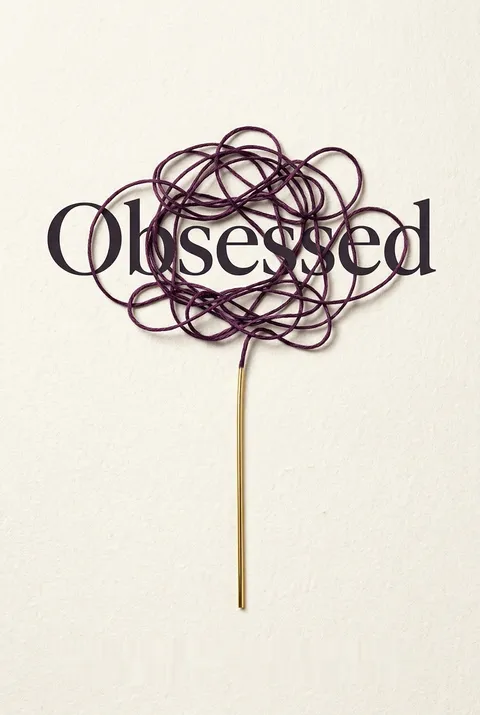
Obsessed is a Christian argument about attention, desire, and worship, organized around three ways misplaced devotion often appears: fear of loss, hunger for gain, and the search for relief. Its central move is to treat obsession not simply as a bad habit but as a question of allegiance. The same intensity that can fuel addiction, anxious control, or relentless self-promotion can, in the book’s theology, be redirected toward God and service. That lens gives the chapters coherence and explains why the author examines both obviously harmful behavior and admired pursuits such as work, exercise, and achievement.
The book is most persuasive when it asks readers to notice what governs ordinary behavior. Time, conversation, sacrifice, and recurring choices can reveal priorities more accurately than self-description. Its stories give those abstractions human scale: the author’s disaster fears show how imagined loss can colonize the present, while accounts of missionaries show the constructive force of sustained devotion. Its account of love as action rather than a feeling to acquire also challenges a familiar cultural script.
The same theological certainty creates limitations. Calling many forms of distress misplaced worship can flatten differences among addiction, anxiety, trauma, grief, and ordinary attachment. These experiences have varied causes and may require clinical treatment, social support, or protection from harm. The claim that suffering fits a divine purpose may comfort some readers, but it can also become difficult when applied to abuse, illness, or preventable hardship. The book’s ideas are most responsibly used as a framework for examining values, not as a diagnosis or substitute for care.
Its lasting question is pointed: what receives the attention, sacrifice, and trust that a person claims to give to God? Readers need not share every theological premise to use that question. It can expose when a pursuit has become an emotional monopoly, while the book’s Christian answer is to anchor identity in a love that does not depend on possessions, approval, success, or comfort.
Review Summary
Readers find Obsessed thought-provoking and relatable, praising DiMarco's exploration of breaking free from earthly distractions to focus on God. The book covers topics like obsession with loss, gain, and relief, emphasizing the importance of prioritizing one's relationship with God. Reviewers appreciate the self-evaluative nature of the book, forcing readers to question their devotion and values. Many recommend it for its challenging content and ability to address overlooked issues in modern Christianity. Overall, readers find it helpful in redirecting their focus towards God.
Glossary
obsession
all-consuming devotionDiMarco uses obsession to mean wanting one thing above everything else, thinking about it continually, and feeling unable to walk away from it. The term covers both harmful compulsions and intense commitment to worthwhile aims. In this book, the central question is whether that devotion is directed toward God or toward something treated as a substitute source of identity, security, or comfort.
Four Categories of Obsession
four kinds of fixationThe author’s grouping of obsessions into fun, destructive, frustrating, and productive types. Fun obsessions include pursuits such as romance or shopping; destructive ones include addictions and self-harm; frustrating ones include habits a person wishes to stop; productive ones include work, study, exercise, and church activity. The categories show that apparent usefulness or harmlessness does not alone determine whether a pursuit has become controlling.
medication
a source of emotional reliefDiMarco uses medication more broadly than prescription drugs. It means anything a person turns to in order to distract from or numb an unwanted feeling, including substances, food, romance, or self-harm. Her point is that temporary relief can become a new fixation while leaving the source of distress unaddressed. This is the author’s metaphorical usage, not a clinical definition of medication.
God-obsessed
devoted wholly to GodThe book’s term for a person whose primary devotion is to God and whose choices aim to honor God rather than secure personal status, pleasure, or control. DiMarco associates this orientation with faith, confession, spiritual fruit, contentment, Scripture study, praise, service, and trust through suffering. It describes a Christian ideal of wholehearted commitment, not a clinical category.
God Girl
a woman devoted to GodDiMarco’s label for a woman whose identity and life are organized around devotion to God. The book uses the term to contrast a God-centered identity with identities built around pursuits such as athletics, food, or cleanliness. It reflects the book’s intended female audience and expresses its claim that a person is shaped by what receives her deepest attention and energy.
Download PDF
Download EPUB
.epub digital book format is ideal for reading ebooks on phones, tablets, and e-readers.








