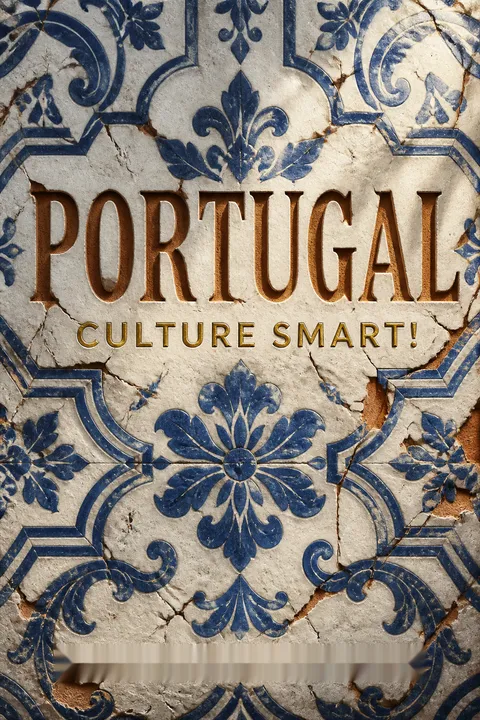


Key Takeaways
Make room for relationship before asking for anything.
Trust comes before access. Portugal is presented as a society where family and close friends anchor social life. People may be warm with acquaintances yet cautious about bringing a newcomer into their trusted circle. A shared contact, familiar neighborhood café, or repeated visit helps turn a stranger into someone recognizable. The practical lesson is to invest in ordinary contact before expecting favors or instant intimacy.
Show genuine interest. Ask how someone and their family are doing before moving to business or logistics. The book recommends being open, helpful, and attentive to details. If invited into a home, accept the hospitality warmly, try the food, and follow up with thanks. These gestures communicate that the relationship matters beyond the immediate transaction.
What's striking is that the guide treats connection not as a charming extra, but as a form of social infrastructure. Repeated encounters reduce uncertainty: people learn who is dependable by seeing them in ordinary settings, not by hearing a polished introduction. This resembles the way trust is built in small communities across cultures. The advice works best when reciprocity is real. Mimicking interest as a tactic can feel manipulative, while consistent attention, remembered details, and practical help create the substance that makes trust credible.
Treat family as Portugal’s everyday safety net, not just a private circle.
Family extends beyond the household. The book describes Portuguese family as including grandparents, godparents, aunts, uncles, and cousins, often living nearby and staying in frequent contact. Their importance is emotional, but also practical. Grandparents commonly help care for children, allowing parents to work when affordable day care is out of reach. Older relatives therefore remain highly visible in daily family life.
Independence follows a different timetable. In 2022, 64 percent of people aged eighteen to thirty-four still lived with their parents. The book notes that many adult children remain at home while saving, and are not necessarily expected to pay household expenses. This arrangement reflects housing costs and family support as well as tradition. It should not be mistaken automatically for immaturity or a lack of ambition.
The family network described here resembles an informal welfare system: care, money, time, and practical help circulate through kinship rather than through institutions alone. That lens makes multigenerational households easier to understand without treating them as cultural curiosities. It also highlights a tension. Strong family support can protect people from hardship, but it may place substantial unpaid care on grandparents, often women. A useful interpretation therefore asks not only how close relatives are, but who carries the work that keeps closeness functioning.
Begin formally, then let familiarity set the distance.
Respect is legible in small rituals. The guide describes greetings, titles, posture, and table manners as signs that a visitor recognizes local expectations. Men commonly shake hands, while women may greet men and one another with cheek kisses. In professional or unfamiliar settings, use a respectful form of address and let the other person signal when first names or informal speech are welcome. European Portuguese distinguishes formal and informal ways to address someone, so copying a local speaker’s lead is safer than assuming familiarity.
Courtesy includes attention. Stand to greet older people, avoid sprawling in public, and use a knife and fork in the customary continental style. These conventions are not tests of character. They simply make an unfamiliar interaction more comfortable for both sides.
Etiquette acts like a low-cost coordination system: shared signals make it easier to communicate respect before people know one another well. The key is calibration, not theatrical formality. A visitor who rigidly follows every rule can seem just as awkward as one who ignores them. The book’s strongest practical recommendation is to observe and mirror. That approach also avoids a common cross-cultural mistake, treating a norm as universal when it may vary by age, region, workplace, or personal preference.
Use Portuguese food and coffee as invitations into local life.
Meals are social occasions. Food is tied to family, regional identity, and hospitality. Bacalhau, salted cod, appears in countless preparations, while grilled sardines are especially associated with summer festivals. A meal may begin with soup, include a substantial fish or meat dish, and end with fruit or a rich pastry. Coffee breaks are similarly woven into the day, with cafés serving as places to talk, not merely to collect a drink.
Receive hospitality generously. A host may be proud to share a family recipe or something considered típico, meaning traditionally and distinctively Portuguese. Try what is offered when possible, and bring a modest first-visit gift such as wine, chocolate, pastries, or flowers. Avoid carnations, which carry political associations with the 1974 revolution. A brief message of thanks afterward helps keep the connection alive.
Food here functions as both pleasure and a social language. Accepting a dish can acknowledge the effort and identity invested in its preparation, while asking about its origins invites a story rather than reducing a meal to a review. This is a useful model for travelers: curiosity often opens more doors than expertise. Still, hospitality should not require eating something that conflicts with a person’s health, ethics, or religion. A gracious explanation can preserve the relationship without pretending every custom must be adopted.
Read saudade as longing that can coexist with celebration.
Nostalgia has a name. Saudade is a Portuguese term for a bittersweet longing connected to what is absent, lost, or imagined. The book presents it as part of a broader emotional contrast: people may dwell on fate and regret while also relishing food, jokes, festivals, and company. It is not simply sadness, and it does not prevent pleasure.
Fado gives the feeling a public form. This music, typically accompanied by Portuguese guitar, often sings about love, loss, death, and destiny. In Lisbon, performances are associated with intimate taverns and older neighborhoods; in Coimbra, student traditions shaped a distinct style linked to university life and farewells. Listening quietly during a performance is a sign of respect for both singer and audience.
Saudade is compelling because it names an emotional mixture that many languages struggle to compress: affection sharpened by absence. Fado makes that feeling shareable, turning private longing into a collective performance. The comparison with other musical traditions is useful, but the term should not be treated as a secret key to every Portuguese person. A named emotion can illuminate experience while also becoming a stereotype when outsiders use it to explain too much. The music and context matter as much as the label.
Join the local calendar, because tradition changes from town to town.
Custom is local, not uniform. The book uses típico for practices regarded as distinctively Portuguese, while stressing that food, clothing, music, and celebrations can differ between regions and even neighboring towns. In June, Santos Populares celebrations bring street parties, grilled sardines, music, and decorations. Lisbon honors Santo António, while Porto’s São João night includes playful street customs and fireworks. Municipal holidays often celebrate a town’s patron saint.
Participation beats passive sightseeing. Carnival may feature samba-inspired parades in one city and local satire or giant figures in another. At home, Christmas and Easter often mean extended-family gatherings and elaborate meals. Before joining an event, notice how locals participate and follow their cues. Tradition is not a single museum exhibit; it is a set of practices people keep adapting and sharing.
Local festivals show how identity is made at several scales at once: national symbols matter, but neighborhood loyalties and town-specific rituals give them texture. Joining respectfully can reveal the social function behind the spectacle, from seasonal gathering to civic competition. The caution is that visitors can mistake a lively public event for permission to treat it as a performance staged for them. Asking, observing, and supporting local businesses keeps participation reciprocal rather than extractive.
See Portuguese pride through both maritime ambition and political upheaval.
History leaves a layered inheritance. Portugal’s early kingdom expanded south during the Reconquista, then became a major maritime power. Voyages associated with Henry the Navigator, Vasco da Gama, and others connected Portugal to Africa, Asia, and Brazil. That history remains a source of national pride, but it also includes empire, religious persecution, and colonial conflict.
Independence and democracy matter deeply. Portugal lost its independence to Spain in 1580 and restored it in 1640. Centuries later, the authoritarian Estado Novo regime lasted for decades. On April 25, 1974, the Carnation Revolution began as a military uprising and became a peaceful revolution; soldiers carried carnations, and colonial rule soon ended. The guide connects this past to a national combination of pride, self-criticism, and sensitivity to outsiders’ judgments.
The historical arc helps explain why national symbols can carry more than one meaning. Maritime achievement can inspire pride while empire invites difficult questions about power and memory; carnations can signify both a flower and a democratic turning point. This complexity is more valuable than a simple story of rise and decline. A visitor should also remember that national history is contested, and no single account represents every Portuguese perspective. Respectful curiosity is safer than either uncritical celebration or casual condemnation.
Choose your Portugal by region, not by postcard.
A small country contains sharp contrasts. The north is generally wetter and cooler, with mountainous inland areas and strong local traditions. South of the Tagus, the climate is hotter and drier; the Alentejo is spacious and rural, while the Algarve is widely associated with beaches and tourism. Lisbon is described as classical in appearance but cosmopolitan in outlook. Porto looks modern yet is often portrayed as more traditional in its social outlook.
Match expectations to place. The Azores and Madeira have their own island climates and identities. Food, accents, pace, and social habits also vary. The book’s regional portraits are broad tendencies, not rules for predicting an individual. Use them to choose where to visit or settle, then let direct experience revise the map. Portugal is more than a sunny coastline, and the best itinerary depends on what kind of landscape and community a traveler wants.
Regional comparison is a practical antidote to the tourism habit of treating a country as one interchangeable destination. Climate, settlement patterns, and local economies shape what daily life feels like, so a beach resort and an inland village are not simply different backdrops. The guide’s contrasts are useful starting points, but its personality sketches can overgeneralize. A good traveler treats them as hypotheses to test, not labels to attach to residents. That distinction preserves the insight while leaving room for individual variation.
In Portuguese business, personalize cooperation and protect the schedule.
Professional trust is relational and hierarchical. The guide describes many Portuguese workplaces as strongly structured, with decisions concentrated near the top. Titles and formal address matter at first, while personal conversation helps establish rapport. Asking someone for help may work better than framing a task as an impersonal obligation. Desenrascado describes resourcefulness under pressure, a quality valued in workplaces where roles may be loosely defined. Cunhas refers to personal connections used to open doors.
Plan for delay without giving up clarity. The book warns that deadlines may be treated flexibly, even when written into contracts. Build in time, confirm that work remains on track, and put protections for significant delays into agreements. A handshake and personal understanding may carry weight, but neither should replace clear expectations when money, delivery, or responsibility is at stake.
The combination of relationship-building and written safeguards is not contradictory. Trust can make collaboration easier, while explicit agreements reduce the cost of mismatched expectations. This is especially important where hierarchy concentrates decisions: a friendly meeting may not mean every participant has authority to commit. The guide’s national generalizations should be applied cautiously because a family firm, a public agency, and a multinational can operate very differently. The durable advice is to identify the decision-maker, clarify ownership, and keep the human relationship intact.
Plan for practical friction, then let the pace breathe.
Daily life rewards patience and preparation. The guide describes long lunches, frequent coffee breaks, flexible timing, and bureaucracy that may require more than one visit. For administrative tasks, a local contact can help with forms, and online services may still operate primarily in Portuguese. These realities are easier to manage when appointments and travel plans leave room for delay rather than depending on a tightly packed schedule.
Stay alert where the road demands it. Portugal’s main roads are described as much improved, but driving can be aggressive, signs off major routes may be unclear, and pedestrians should not assume every driver will stop at a crossing. Public transport in Lisbon and Porto offers useful alternatives. Violent crime is not presented as a major threat, but theft occurs, so keep bags and valuables attended. The emergency number is 112.
The guide’s practical message is less about being leisurely than about matching plans to local conditions. Slack in a schedule is a form of risk management: it protects a trip from bureaucracy, traffic, and ordinary human delay. At the same time, relaxed expectations should not excuse unsafe conduct or poor service. Travelers benefit from distinguishing cultural rhythm from avoidable hazards. Patience is useful at an office counter; caution is essential at a busy crossing.
Analysis
This guide is most useful as a primer in social interpretation. Its central claim is that Portugal becomes easier to understand when visitors look past surface behavior and notice the relationships beneath it: family ties, repeated contact, regional belonging, and rituals of hospitality. That claim links the guide’s apparently separate subjects. A coffee break is not merely a pause; a family meal is not merely a menu; a business dinner is not merely entertainment. Each can be a setting where familiarity and trust are built.
The book also gives readers a productive model of contradiction. Portuguese identity is described through paired tendencies: self-reliance and mutual dependence, nostalgia and exuberance, reserve toward strangers and generosity toward accepted guests, pride in history and harsh self-criticism. These tensions are more informative than a single national personality label because they suggest that behavior changes with context. They help explain why the same person may appear distant at first and warmly attentive once a connection exists.
The main limitation is the guide’s reliance on broad cultural portraits. Regional, generational, class, professional, and individual differences can be large, and statements about what Portuguese people generally do should not be treated as reliable predictions about any one person. The book itself offers evidence of change: evolving gender roles, growing international business, shifts in family formation, and the influence of tourism and migration. Those changes make culture less like a fixed code and more like a negotiation between inherited habits and present circumstances.
The strongest way to use the book is therefore as a set of questions, not a checklist. What kind of relationship is expected here? Which local custom matters in this setting? Is apparent informality actually intimacy, or is respectful distance still appropriate? The guide helps visitors notice these questions before they blunder past them. Its deeper lesson is that cultural competence comes from observation, humility, and reciprocity, rather than memorizing stereotypes or performing familiarity.
Review Summary
Portugal - Culture Smart! receives generally positive reviews, with readers praising its compact size and informative content about Portuguese culture and norms. Many find it useful for travelers, expats, and business visitors. Reviewers appreciate the book's efficiency in covering various topics and providing a good overview of the country. Some readers note its brevity and superficiality, suggesting it's more suitable for short-term visitors. Overall, it's considered a helpful guide for understanding Portuguese customs and preparing for a trip or relocation.
Glossary
saudade
Bittersweet longingA Portuguese word for a tender, often melancholy longing connected to someone or something absent, lost, or unrealized. In the guide, saudade is associated with nostalgia, romantic fatalism, and the ability to mourn what has passed while still taking pleasure in celebration and everyday life. Fado music is described as one of its characteristic expressions.
típico
Traditionally PortugueseA term meaning typical or distinctly Portuguese, used for foods, customs, songs, clothing, restaurants, and other traditions. The guide emphasizes that what counts as típico can differ from region to region and even from town to town. The term signals cultural pride and continuity, rather than one uniform national style.
desenrascado
Resourceful problem-solvingA Portuguese term for being able to improvise, adapt, and find a solution when circumstances are unclear or pressure is high. The guide presents this as a valued professional quality, particularly in workplaces where roles may be loosely defined and employees need to handle unexpected problems. It describes practical flexibility, not simply disregard for rules.
cunhas
Connections that open doorsA Portuguese word for personal connections used to gain access, assistance, or opportunity. The guide describes networking and knowing influential people as important features of some business settings, where a trusted introduction can matter greatly. The term can refer to ordinary relationship-based help, but it can also suggest favoritism when connections outweigh qualifications.
fado
Portuguese song traditionA Portuguese musical tradition commonly associated with melancholic singing and the Portuguese guitar. Its songs often address fate, love, loss, death, and longing. Lisbon taverns and older neighborhoods are prominent settings, while Coimbra developed a student-linked form associated with serenades and university life. The guide notes that fado performances call for attentive silence.
pedido
Formal engagement gatheringA traditional engagement occasion in which the families of a couple meet, often over a meal. The guide describes it as a formal welcome between families, sometimes including speeches and the groom’s proposal to his bride. It represents marriage as a relationship between families as well as a commitment between two people.
fazer ponte
Extend a holiday weekendA phrase meaning to make a bridge. When a public holiday falls on a Tuesday or Thursday, people may take the intervening Monday or Friday off to create a longer break. The guide presents this as a common way to connect a holiday with the weekend and extend time away from work.
Santos Populares
Popular summer saint festivalsA series of Portuguese summer celebrations associated especially with Santo António, São João, and São Pedro. The festivities combine religious and seasonal customs with neighborhood parties, decorations, music, grilled sardines, and wine. Their form varies by locality, with Lisbon and Porto especially associated with celebrations for different saints.
FAQ
1. What is "Portugal - Culture Smart!" by Sandy Pinto Basto about?
- Comprehensive cultural guide: The book offers a concise yet thorough introduction to Portuguese customs, etiquette, values, and daily life, aimed at helping visitors and newcomers understand and adapt to Portuguese society.
- Practical advice for integration: It provides actionable tips for blending in, making friends, and navigating both social and business environments in Portugal.
- Historical and regional context: The guide covers Portugal’s geography, history, and regional differences, giving readers a sense of the country’s diversity and evolution.
- Resource for travelers and expats: Whether you’re visiting, relocating, or doing business, the book serves as a practical manual for making the most of your experience in Portugal.
2. Why should I read "Portugal - Culture Smart!" by Sandy Pinto Basto?
- Smooth cultural adaptation: The book helps readers avoid common faux pas and misunderstandings by explaining Portuguese social norms and expectations.
- Insider perspective: Written by a bicultural author and relocation consultant, it offers authentic insights and real-life advice for settling in or visiting Portugal.
- Comprehensive coverage: It addresses everything from family life and food to business etiquette and bureaucracy, making it a one-stop resource.
- Enhances travel and living: Understanding local customs and values can enrich your interactions, deepen your experiences, and foster genuine connections in Portugal.
3. What are the key takeaways from "Portugal - Culture Smart!" by Sandy Pinto Basto?
- Family and relationships matter: Portuguese society is close-knit, with family and long-term friendships at its core; personal connections are essential in both social and business contexts.
- Tradition meets modernity: Portugal is a land of contrasts, where old customs coexist with contemporary attitudes, especially in urban centers.
- Adaptability is valued: The Portuguese appreciate flexibility, resourcefulness (desenrascado), and a willingness to engage with their culture, even if you make mistakes.
- Respect and formality: Manners, respect for elders, and certain formalities are important, but warmth and hospitality await those who make an effort.
4. How does "Portugal - Culture Smart!" by Sandy Pinto Basto explain Portuguese values and attitudes?
- Emphasis on family: The family, including extended relatives, is the foundation of social life, and loyalty and discretion are highly prized.
- Saudade and nostalgia: The concept of "saudade"—a bittersweet longing for the past or what could have been—is central to the Portuguese psyche.
- Balance of formality and warmth: While initial interactions may be formal or reserved, genuine warmth and sociability emerge once trust is established.
- Individualism and national pride: The Portuguese are self-reliant and sometimes self-deprecating, but unite strongly around national symbols, soccer, and shared history.
5. What are the most important customs and traditions described in "Portugal - Culture Smart!" by Sandy Pinto Basto?
- Public and religious holidays: The book details major holidays like Christmas, Easter, Carnival, and municipal saint festivals, highlighting their social and family significance.
- Fado and saudade: Fado music, with its themes of fate and longing, is presented as a quintessential expression of Portuguese culture.
- Family celebrations: Weddings, baptisms, and funerals follow specific traditions, especially in rural areas, emphasizing community and ritual.
- Bullfighting and local festivals: The guide explains the cultural importance and controversy of bullfighting, as well as the role of local festivals in community life.
6. How does "Portugal - Culture Smart!" by Sandy Pinto Basto describe making friends and socializing in Portugal?
- Closed social circles: Friendships are often formed early and maintained for life, making initial entry into social circles challenging for newcomers.
- Importance of regular contact: Maintaining friendships requires regular communication and gestures of goodwill, such as inquiring about family and health.
- Hospitality at home: Invitations to homes are common and signify trust; guests are expected to reciprocate and bring small gifts.
- Etiquette tips: The book provides dos and don’ts for social situations, including table manners, gift-giving, and appropriate behavior in public.
7. What practical advice does "Portugal - Culture Smart!" by Sandy Pinto Basto offer for daily life and settling in?
- Housing and home life: Most people live in apartments in cities, with a growing rental market and a trend toward urban renewal.
- Shopping and money: Neighborhood shops are preferred for daily staples, while hypermarkets and online shopping are popular for larger purchases; cashless payments are increasingly common.
- Education and children: The education system has improved, with mandatory schooling until 18 and a growing emphasis on higher education; children are central to family life.
- Dealing with bureaucracy: While bureaucracy can be slow, improvements like "citizen shops" and online services have made many processes easier.
8. What does "Portugal - Culture Smart!" by Sandy Pinto Basto reveal about Portuguese food, drink, and eating out?
- Diverse regional cuisine: Portuguese food is rich in seafood, meats, soups, and pastries, with regional specialties and a strong tradition of home cooking.
- Coffee culture: Coffee is a daily ritual, with many local variations and a vibrant café scene.
- Wine and dining: Portugal boasts a variety of wines, including port and vinho verde, and eating out is a social affair, often starting late and lasting into the night.
- Tipping and etiquette: Tipping is not obligatory but appreciated, and there are specific customs around restaurant service and payment.
9. How does "Portugal - Culture Smart!" by Sandy Pinto Basto address travel, transportation, and safety?
- Efficient public transport: Portugal has modern trains, buses, metros, and ride-hailing apps, making travel within and between cities convenient.
- Driving culture: Roads are much improved, but driving styles can be aggressive; parking can be challenging, and tolls are common on highways.
- Health and safety: Public healthcare is available but crowded; private insurance is recommended for foreigners. Portugal is generally safe, with low violent crime but some petty theft.
- Accommodation options: The book covers a range of lodging, from hotels and hostels to unique options like pousadas and rural guesthouses.
10. What guidance does "Portugal - Culture Smart!" by Sandy Pinto Basto provide for doing business in Portugal?
- Hierarchical structure: Businesses are often hierarchical, with decision-making concentrated at the top and a preference for formal communication and titles.
- Work-life balance: The Portuguese "work to live," valuing personal life over professional ambition, and often taking long lunches and coffee breaks.
- Networking and connections: Personal relationships (cunhas) are crucial for business success, and resourcefulness (desenrascado) is highly valued.
- Women in business: Progress has been made, but gender gaps persist, especially regarding career advancement and work-life balance for mothers.
11. How does "Portugal - Culture Smart!" by Sandy Pinto Basto explain communication styles and language use?
- Portuguese language basics: The book outlines the challenges of European Portuguese, including pronunciation, gendered nouns, and regional accents.
- Forms of address: There are formal and informal ways to address people, with titles and respect for hierarchy being important in professional settings.
- Expressive communication: The Portuguese use animated gestures, close physical proximity, and touch in conversation; eye contact is essential.
- Humor and media: Humor is often self-deprecating or slapstick, and the media landscape includes a mix of local and international content, with widespread use of social media.
12. What are the best quotes from "Portugal - Culture Smart!" by Sandy Pinto Basto and what do they mean?
- “The real voyage of discovery consists not in seeking new landscapes, but in having new eyes.” – This adapted Proust quote sets the tone for the book, emphasizing the importance of open-mindedness and cultural perspective.
- “Saudade” – The book frequently references this untranslatable word, capturing the Portuguese sense of longing, nostalgia, and bittersweet emotion.
- “Desenrascado” – Highlighted as a valued trait, this term means being resourceful and able to improvise solutions in difficult situations.
- “He who kisses my children sweetens my mouth.” – This saying illustrates the importance of family and the way gestures toward children are seen as gestures toward the whole family.
- “Work to live, rather than vice versa.” – This phrase encapsulates the Portuguese approach to work-life balance and enjoyment of life’s pleasures.
Download PDF
Download EPUB
.epub digital book format is ideal for reading ebooks on phones, tablets, and e-readers.








