


Plot Summary
Nine Weeks, One Door
The story opens with Payton, a teenage mother living beside her brother Parker, trying to dress her restless baby, Deaton, before the family gathering. Mason, Parker’s best friend and a college quarterback, appears after nearly nine weeks without contact. Payton freezes, hands him the baby, then rushes away when Mason’s familiar touch quiets Deaton at once.
He follows her to her locked room but leaves without forcing her to face him. Her panic is tangled with guilt over Deaton’s dead father, a first love she believes she failed, and fear that letting Mason close will make her betray that memory. The unanswered question between them sends the narrative back to the summer they met.
The opening makes physical care carry the emotional conflict: Mason can soothe the baby, but Payton cannot yet tolerate what that tenderness means. Her flight is not simple rejection. It is a strategy for keeping grief orderly by keeping Mason outside it. The nine-week silence gives the reunion a charged imbalance: Mason arrives seeking contact, while Payton treats closeness as a threat to both her loyalty to the past and her fragile sense of control.
The Girl at the Waterline
Earlier, Payton leaves her wealthy but abusive mother and arrives in Oceanside at her brother Parker’s home, pregnant and frightened, without having told her old friend Deaton yet. Parker’s close circle welcomes her, but their easy beach life makes her feel like an outsider. Mason, Parker’s friend and the starting quarterback at Avix University, notices her polished clothes and solemn expression.
He carries her into the cold ocean, and her startled laughter breaks through the panic she has been carrying. He spends the day teaching her football with diagrams in the sand and letting her join the group’s games. For the first time since running away, Payton wonders whether California might become a home rather than another mistake.
Mason’s first kindness is deliberately ordinary. He does not interrogate Payton’s distress or try to solve her life; he gives her a chance to laugh and participate. That distinction matters to someone raised to perform perfection for an unpredictable parent. The beach becomes a setting where her body can act freely instead of being managed. Their connection begins not with rescue but with a temporary return of agency.
The Secret Comes Ashore
When Deaton, Payton’s boyfriend and childhood confidant, finds her in California, relief at seeing him is quickly overtaken by fear. She tells him she is pregnant and admits that she does not know whether she can raise the baby. Deaton accepts the news without anger and tries to help her imagine a future, but Payton bolts when he asks to hear more about the child.
Mason mistakes Deaton’s grip on her wrist for a threat and tackles him before Payton stops the fight. Once the misunderstanding clears, Mason backs off. Payton then tells Deaton the truth she had been avoiding: she has not decided to keep the baby. Her closest relationship is suddenly carrying a decision neither of them can make for her.
Payton’s uncertainty is not presented as a lack of love but as the consequence of having been denied safety, education, and control over her own body. Deaton’s calm support gives her room to speak, yet even care feels overwhelming when it arrives before she has chosen what she wants. Mason’s impulsive tackle reveals his protective reflex, but the scene also shows its limit: Payton, not either boy, must define what happens next.
The Road Takes Deaton
On July 5, Deaton leaves Oceanside after reuniting with Payton, promising to call when he gets home. A car accident ends his life before she can tell him she intends to raise their child. At the hospital, Deaton’s mother blames Payton, while Payton’s own mother, Ava, dismisses her grief and tries to take her away.
Parker, Mason, and their friends close ranks around her; Mason’s mother, Vivian, comforts her when Payton cannot stop screaming. Afterward, Mason stays outside Payton’s room and takes her to a diner before dawn. There, Payton tells him she will keep the baby. The choice does not lift her grief, but it gives her a future she can act toward.
The accident turns an unresolved conversation into permanent absence, and the adults’ cruelty compounds rather than explains Payton’s grief. Her mothers offer opposite forms of failure: one assigns blame, the other refuses emotional recognition. The friends’ response provides a crucial alternative, care without a demand that Payton recover on schedule. Choosing the baby is an act of authorship, not a cure. She begins deciding what her life will contain even while she cannot control what it has lost.
A Season Breaks Mason
Mason returns to Avix determined to become the next starting quarterback, but football cannot keep his thoughts from Payton and Deaton. During his first major start, a blindside tackle fractures his ribs and sprains his throwing shoulder, ending his season before it begins. He returns to the Oceanside house alone, injures himself further when he falls, and discovers Payton watching through the glass.
Though he tries to send her away, she cleans the cuts on his hand and refuses to leave him isolated. As she helps him through the first days of recovery, Mason recognizes that her presence steadies him. He wants her near for reasons deeper than friendship, while she begins to depend on the man who has made room for her grief.
Mason’s injury strips away the identities that usually make him feel indispensable: athlete, leader, protector. His shame makes even receiving help feel like failure. Payton’s decision to care for him reverses their familiar roles without turning her into a cure; she is choosing to offer the same attentive presence he has given her. Their intimacy grows through practical dependence, which makes it emotionally credible and exposes how much each has come to rely on the other.
Three Hands at the Birth
As Payton nears the end of her pregnancy, she and Mason grow close during his recovery, sharing meals, quiet outings, and long conversations. When her labor begins, she calls Mason rather than her brother, and he hurries to the hospital with Parker and their friends. Payton grips his hand through the pain and asks him not to leave; Mason stays beside her until their son is born.
He cuts the umbilical cord and feels a powerful attachment to the child, even as he knows Deaton is the baby’s father. In the months that follow, Mason calls and visits whenever he can, while Payton tries to understand how to accept his devotion without confusing it with the love she still carries for Deaton.
The birth changes Mason’s attachment from a private longing into a relationship with real responsibilities. His bond with the baby does not erase Deaton, and the story resists treating fatherhood as a prize transferred from one man to another. Payton’s request that Mason stay reveals trust before she can name romantic love. The scene establishes a family in formation, but not yet a settled one, which is why tenderness and uncertainty remain intertwined.
A Kiss He Refuses
During a visit to Avix, Mason tells Payton that he has found Deaton’s grave, information his family had withheld from her. He takes her to the cemetery so she can finally know where Deaton rests. Overwhelmed by what Mason has done for her, Payton reaches for him and nearly kisses him.
Mason stops her gently, explaining through his actions that he wants her to choose him freely, not reach for him in a moment of grief or gratitude. Payton leaves with the knowledge she had been denied and a deeper awareness of Mason’s feelings. His restraint hurts them both, but it protects the difference between being comforted and being ready to love.
The grave gives Payton a concrete place for grief that had been made deliberately placeless by Deaton’s family. Mason’s refusal of the kiss is a meaningful counterpoint to his earlier impulsiveness: he no longer treats desire as permission. He recognizes that emotional vulnerability can blur consent without eliminating it, and he wants a choice Payton can own later. His patience is loving, but it also increases the pressure on her to confront what she wants.
The Kiss She Chooses
Mason and Payton spend spring break together with baby Deaton, going to Disneyland and sharing the kind of ordinary family moments Payton had never expected to have. Mason carries the baby, photographs him beside the sunset, and treats Payton’s changing body with affection rather than judgment. Back at the hotel, they dance together, and Payton finally acts on the desire Mason has been waiting to see her choose.
Their first kiss opens into a sexual relationship, tender but charged with the fear of what it might mean. Payton understands that her feelings for Mason are real, yet she still cannot separate loving him from the possibility of losing him. For a while, closeness feels like a life she can enter.
The trip lets Payton experience intimacy outside crisis. Disneyland, meals, and a sleeping baby held against Mason’s chest matter because they are mundane, repeatable scenes of family life, not grand promises. Her choice to kiss him marks an important shift from receiving care to initiating desire. Yet the joy does not dissolve grief; it makes the stakes more visible. The more imaginable a shared future becomes, the more intensely Payton fears its destruction.
The Promise to Wait
As their relationship deepens, Payton tells Mason she still loves Deaton and wants their son to grow up knowing his father’s story. She fears that beginning a new life with Mason will diminish Deaton’s place, and she worries that a college quarterback should not have to organize his future around a young mother and baby.
Mason tells her he wants both of them, but he does not demand an immediate commitment. Payton admits that, if she could set aside fear, she would want him to wait. Mason promises he will. The promise gives them a path forward, but it also leaves Payton feeling responsible for protecting Mason from a loss she cannot bear to imagine.
Payton’s fear is less about choosing between two men than about believing love is a limited resource that must be rationed. She treats memory as something a new relationship might contaminate, while Mason understands that affection can expand without replacing the dead. His promise honors her pace, but it cannot resolve the deeper problem: Payton equates protection with preventing attachment, even when that means denying both of them the relationship they want.
The Dream Turns Away
After Mason tells Payton he loves her and will wait, she returns home with Noah and dreams of the man who has been comforting her. In the car, she realizes that the figure she has been speaking to in those dreams is no longer Deaton but Mason. The recognition frightens her.
She believes that loving Mason could make another loss unbearable, and she fears their son will be devastated if Mason disappears from his life. Instead of turning back, Payton asks Noah to keep driving. Mason remains in Oceanside, believing she will tell him when she is ready, while Payton begins withdrawing from his calls and messages. Her attempt at self-protection becomes the silence that opens the book.
The dreams register a psychological change Payton has not consciously authorized: her inner life has begun making room for the person who is present. Rather than treating that change as betrayal, the narrative frames it as evidence that grief can coexist with new attachment. Payton’s departure shows how trauma can make anticipation itself feel dangerous. She tries to prevent future abandonment by leaving first, converting a feared possibility into a present wound.
Sparklers After Midnight
Back in the present, Mason’s return puts Payton among the friends she has been avoiding, but she still struggles to face the anniversary of Deaton’s last holiday. On the Fourth of July, she slips away from the gathering with Chase, Mason’s close friend, who also needs distance from the happy couples around them.
They drive through the crowded streets and light sparklers at the abandoned fireworks field. Payton tells Chase that the holiday marks another first without Deaton; Chase lets her speak without pity or pressure. When she returns home, she brings her sleeping son to bed and acknowledges the date to both the child she has and the boy she lost. Mason remains outside her confidence.
Chase’s companionship offers Payton a form of care that does not demand romantic meaning or emotional performance. Their shared escape works because he recognizes the need to avoid a question, not force an answer. The sparklers give grief a modest ritual rather than a cure. Payton can remember Deaton while caring for their son, a small but important widening of her emotional capacity. Mason’s absence from this moment, though painful, shows that support can come from more than one person.
The Wedding Lens
Mia arranges paid work for Payton photographing a wedding reception, giving her a chance to use the sports photography skills she has been building. Payton becomes absorbed in candid shots of the newlyweds and, for a few hours, can watch another couple’s happiness without being responsible for it. Mason arrives at the reception with their friends.
He asks Payton to dance, and she accepts, resting against him as if their separation has not happened. When Mason admits that he misses her, Payton panics, grabs her camera, and runs. Chase follows instead of Mason and takes her to a rage room, where Payton smashes a mirror that recalls her mother’s judgment. She leaves with a little more room to breathe, but no answer for Mason.
Photography gives Payton a controlled way to approach intimacy: she can frame other people’s private happiness without stepping into it herself. The dance briefly breaks that distance, and Mason’s confession turns comfort into a demand she cannot yet meet. Her escape is not a rejection of him so much as a flight from the consequences of wanting him. The shattered mirror externalizes a different struggle too: Payton is beginning to challenge the maternal voice that taught her to equate worth with appearance and obedience.
The Anniversary at Home
On the anniversary of Deaton’s death, Payton spends the day alone with her son while the rest of the group travels. Mason leaves football practice and comes to her house, still wearing his cleats, because he remembers what the date means. Payton runs into his arms, grateful that he remembered, but Chase arrives shortly afterward with food after she has asked him to come.
Mason sees them together, assumes Payton chose Chase instead of him, and leaves before she can explain. Chase stays until Payton falls asleep, then makes clear that she had not called Mason. The misunderstanding deepens the very distance Mason has been trying to understand.
The scene makes the difference between intention and impact painfully concrete. Mason’s arrival is an act of remembrance; Payton’s call to Chase is an act of reaching for the person she believes she can safely ask. Neither action is malicious, yet Mason experiences the sight as evidence that he has been replaced. His departure repeats Payton’s own strategy of retreating before vulnerability can become rejection, leaving both of them trapped in reciprocal misreadings.
Six Hours to Reno
As the college season resumes, Payton joins Mason and their friends on a road trip to watch Noah play professionally. Mason is unsettled when Deaton cries in the car and relieved when he finally falls asleep against him, but he also watches Payton share easy conversation with Chase.
During the weekend, Mason drinks too much, demands that Chase name Payton’s favorite drink, and accuses the two of them of being together. Chase intervenes when Mason’s drunken jealousy becomes public, and Mason punches him before security separates them. Payton later tends Mason’s injured hand, but the argument leaves her feeling responsible for his pain and him more convinced that she is slipping away.
Mason’s athletic confidence masks an older fear: that he matters only when someone needs him. As Payton’s life increasingly includes Chase, Mason reads ordinary friendship as evidence of disposability. Alcohol strips away his usual control but does not create the insecurity; it gives it a louder route out. His reliance on football and his attachment to Payton begin competing for attention, a dangerous combination that places both his relationship and his career under strain.
The Number on His Chest
Mason fights to keep his starting quarterback position while his grades slip and Alister Howl, his ambitious backup, waits for a chance to take it. When Payton photographs the team for a Halloween feature, Mason learns through Paige that baby Deaton’s first costume is a wrestling singlet bearing the number four, Mason’s own jersey number.
The detail gives him a private thread of hope, though Payton has not sent him the picture herself. Mason wins an important game against Oregon, then sends a message wishing the baby a happy first Halloween. No reply comes. At the same time, his coaches warn him that another academic failure could cost him eligibility, making his emotional spiral a threat to the future he has worked toward.
The number four functions as a small sign of connection that Mason can interpret but cannot verify. Its ambiguity is central: he needs reassurance, yet he has no direct conversation with Payton to confirm what the gesture means. Football offers measurable results, while attachment offers no scoreboard. The contrast exposes Mason’s vulnerability beneath the quarterback persona and makes his academic decline more than a subplot. His divided attention is beginning to jeopardize the very future he hopes to share.
The Rival’s False Claim
During another Avix photo assignment, Alister needles Mason about Payton and hints that Mason has already fathered a child with his former girlfriend, Allana. Payton leaves with Chase, then returns with him just as Alister accuses Mason of getting Allana pregnant. Mason is ready to fight, but Allana admits she invented the story to keep Alister from leaving for Berkeley.
Alister had chosen Avix believing Mason was responsible, and his resentment had fed their rivalry all season. The truth clears Mason of the accusation, but Payton has already heard enough to see how easily fear can distort her judgment. Mason asks Chase to take her away so he can face his academic and football problems without making her stay.
The false pregnancy claim mirrors the central anxieties of the novel: who counts as a father, who is responsible for a child, and how a story becomes believable when people are already afraid. Alister’s misplaced anger gives his rivalry a personal motive, while Allana’s confession reveals how manipulation can redirect an entire life. Mason’s choice to let Payton leave is an act of restraint, but also a concession that he cannot make her trust him through insistence alone.
No Competition at the Grave
After taking time to face her fear, Payton goes to Deaton’s grave and tells him how she has struggled to love Mason without feeling that she is abandoning the past. In a dreamlike encounter, Deaton’s memory gives her permission to let their son be loved by someone who is present. Mason arrives with baby Deaton, and Payton admits that she loves him.
She also makes clear that the baby can belong emotionally to Mason without losing his connection to his biological father. Mason asks for the same certainty in return, and Payton accepts that their family can hold both men’s places. The baby reaches for Mason and calls him dad, turning a private hope into a shared bond.
The cemetery scene does not erase grief; it changes the terms on which Payton carries it. Deaton’s memory becomes compatible with a future rather than a rival to it. This distinction matters psychologically because guilt had made Payton treat love as a zero-sum choice. Mason’s role is not to overwrite the dead father but to participate in the child’s living world. The baby’s gesture gives emotional form to a relationship the adults must still build through repeated care.
A Home They Choose
After visiting Mason’s relatives in Alrick, Payton and Mason return to campus with baby Deaton. Payton tells Mason that Embers Elite has offered her a paid, two-year photography position working with the Avix Inquirer, so she can build her career near him rather than prepare another goodbye.
Mason welcomes the decision but asks what happens after the contract; Payton chooses not to promise a perfect future, only to stop fleeing from love out of fear. They settle the baby between them and agree to make a life together. The ending joins Payton’s work, Mason’s football ambitions, and their shared care of the child without asking either of them to forget Deaton.
The resolution is deliberately practical: a job contract, a campus location, a sleeping child, and a promise about how the couple will respond to fear. Romance does not solve their structural pressures, including distance, education, and grief. Instead, Payton makes a choice that lets her professional identity grow alongside family life. Their future remains uncertain, but uncertainty is no longer treated as proof that love should be refused. The family they choose is built from memory, presence, and continued responsibility.
Analysis
Promise Me Not treats grief less as a stage to complete than as a relationship that changes shape. Payton believes that loving Mason would take something away from Deaton, so she tries to preserve loyalty by withholding herself from the living. Her fear is intensified by a childhood in which love was conditional and control was disguised as care. She has learned that dependence exposes her to punishment, making Mason’s consistent gentleness both healing and frightening.
Mason’s vulnerability has a different source. Football gives him a position he can earn and defend, while family life has taught him to protect others. When Payton goes silent, he cannot tell whether he has failed, become unnecessary, or been rejected. His early protectiveness sometimes becomes possessive jealousy, and the story makes that flaw consequential: he injures a friendship, drinks through fear, and risks the academic standing his athletic future depends on. His growth requires more than devotion. He must learn that loving Payton does not give him authority over her choices.
The baby makes these conflicts concrete. Care is shown in repeated acts rather than grand claims, and Mason’s bond with him grows through the unglamorous work of holding, feeding, and soothing. At the same time, the book refuses to make the child a replacement for Deaton. Payton’s eventual acceptance of Mason does not erase the father her son will never know. It allows biological history and chosen parenthood to coexist. The novel’s resolution therefore depends on a shift in what Payton calls protection. Distance has not spared her from loss; it has created another kind of hurt. Her choice to return to Deaton’s grave, speak honestly about Mason, and build a life near Avix does not guarantee that nothing will go wrong. It means she stops treating uncertainty as proof that love is unsafe. The story’s central promise is not permanence as fate, but commitment practiced in the present.
Review Summary
Promise Me Not received mixed reviews, averaging 3.60 out of 5 stars. Readers praised Mason's character development and the emotional depth, but many found Payton frustrating and the pacing slow. The alternating timelines and constant angst were divisive. Some appreciated the exploration of grief and love after loss, while others felt the romance lacked chemistry. Fans of the previous book, Say You Swear, had high expectations that weren't always met. The book's portrayal of found family and Mason's relationship with Payton's son were highlights for many readers.
People Also Read










Characters
Payton Baylor
The grieving young motherPayton is a talented photographer and young mother who has escaped a home ruled by her mother’s cruelty. She has learned to hide distress behind composure, partly because dependence has so often come with judgment or control. Her love for her childhood boyfriend remains central to her identity, and her care for her son is both a source of purpose and a way to keep fear at bay. Mason’s steady affection unsettles her because it asks her to imagine a future rather than merely survive the past. Payton’s challenge is not choosing whom to remember, but learning that memory and new love can occupy the same life.
Mason Johnson
The devoted quarterbackMason is a driven college quarterback, Parker’s close friend, and Ari’s twin brother. He measures his worth through being needed, whether by his team, his sister, or the people he loves. His confidence on the field conceals a fear of becoming optional, which makes Payton’s silence especially difficult for him to bear. Mason is protective and affectionate, but his intensity can turn into jealousy when he feels shut out. His relationship with Payton asks him to distinguish care from control and to respect a pace he cannot dictate. Football remains a genuine ambition, not merely a backdrop to romance.
Deaton Vermont
Payton’s first loveDeaton is Payton’s childhood friend and boyfriend, raised in a wealthy family whose treatment of him is far from warm. Their shared history gives Payton a sense of safety that she has rarely found elsewhere. He approaches her pregnancy with patience and takes her uncertainty seriously, even though he hopes they can face it together. His character matters through the love and memories Payton carries, not through an idealized perfection. He represents a real relationship with its own unfinished conversations and complicated family history.
Baby Deaton
The family’s bright centerPayton and Deaton’s son is a lively baby with dark curls, blue eyes, and a deep attachment to the people who care for him. His needs give the adults practical reasons to show up: feeding, soothing, changing, and protecting him. He is not a symbolic replacement for his father, although his resemblance keeps that connection visible. His affection for Mason develops through time spent together, while Payton’s choices are continually shaped by her wish to give him stability, love, and an honest understanding of his family.
Parker Baylor
Payton’s protective brotherParker is Payton’s older brother and a steady presence after she leaves their mother’s home. He offers her and her baby a place to live without demanding rent, and he trusts his close friends to become part of their support system. His protectiveness is practical rather than controlling: he helps with childcare, gives Payton room to make decisions, and notices when she is isolating herself. His relationship with Kenra also makes him part of the closely connected Oceanside circle.
Chase
The quiet friend who listensChase is one of Mason’s closest friends and a familiar presence in Parker’s circle. He tends to notice when someone needs space before demanding an explanation. He gives Payton company during painful moments, takes her to the rage room, and understands that grief does not always look like tears. His own emotions are complicated by his past feelings for Ari, but he avoids making Payton responsible for them. Chase’s loyalty is imperfect, yet he repeatedly chooses to help when doing so costs him comfort.
Arianna Johnson
Mason’s perceptive twinAri is Mason’s twin sister, a warm and observant member of the friend group. Her relationship with Noah has taught her how much patience and honest communication can matter, and she often recognizes emotional truths before Mason is ready to admit them. She offers Payton care without treating her as fragile and encourages her brother to consider how others process pain. Ari’s closeness with Mason is affectionate, but she also challenges his belief that being needed is the same as being secure.
Noah Riley
Ari’s patient partnerNoah is Ari’s partner, Mason’s friend, and an elite football player whose success offers Mason both a model and a source of pressure. He is patient, grounded, and skilled at allowing people to reach conclusions in their own time. Noah helps Payton through panic without making decisions for her, and he understands the importance of giving Ari space when she needs it. His quiet confidence contrasts with Mason’s need to prove his value constantly.
Kalani, called Lolli
The affectionate neighborKalani, usually called Lolli, is Parker’s close friend and Nate’s partner. She lives beside Payton and helps make the crowded Oceanside circle feel like a chosen family. Her humor and reluctance to discuss feelings hide a real capacity for loyalty. She offers practical help, including access to childcare and the people around her, while her own relationship with Nate shows Payton a model of commitment that is both messy and affectionate.
Cameron
The candid friendCameron is Ari’s close friend and part of the wider group that supports Payton. She speaks plainly, arranges Payton’s first wedding photography work, and is among the first to recognize that Mason’s distress is connected to his feelings for Payton. Cameron is lively and teasing, but her directness comes from loyalty rather than cruelty. She is also willing to challenge Payton when silence begins hurting Mason.
Brady
The blunt best friendBrady is one of Mason’s closest friends and a member of the Avix football circle. He uses humor to keep the group moving, but he can be direct when Mason’s choices threaten his career or friendships. Brady understands that Payton is strong enough to make her own decisions and that Mason cannot make her choose him. His support often takes the form of staying nearby, even when Mason insists he is fine.
Nate
Lolli’s devoted partnerNate is Lolli’s partner and a member of the group’s close-knit circle. He is connected to Mason and Parker through long friendship and shared history. Though often part of the background, his home and family gatherings help create the dependable community Payton and her son enter. Nate’s relationship with Lolli provides another example of people choosing commitment even when one partner is more hesitant about naming it.
Kenra
Parker’s loving partnerKenra is Parker’s partner and a trusted part of Payton’s new support network. She helps organize group plans and treats Payton and the baby as welcome members of the household, not burdens. Her connection to Deaton’s wider social world also ties the Oceanside friends to Payton’s former life. Kenra’s steady, practical presence contrasts with the volatility Payton has known at home.
Paige
The dance-school founderPaige is an old friend of Noah’s who is building a dance studio and hopes to create a community recreation space. She joins the group’s road trip and shows genuine affection toward the baby. Her practical, creative ambitions make her part of the circle’s network of people building adult lives alongside sports and school.
Alister Howl
The resentful backup quarterbackAlister is Mason’s ambitious backup at Avix, determined to claim a place on the team and frustrated by Mason’s status. He is competitive and often provokes Mason, but his hostility has a personal explanation beyond football. Alister’s choices show how partial information can harden resentment into a rivalry. He wants recognition and a starting opportunity, yet struggles to understand what being part of a team requires.
Allana
Alister’s former girlfriendAllana is a former girlfriend of Alister’s whose choices become entangled with the quarterbacks’ rivalry. She makes a consequential claim to influence Alister’s decisions, demonstrating how insecurity and manipulation can cause harm far beyond a relationship.
Vivian Johnson
Mason’s generous motherVivian is Mason and Ari’s mother, known for her warmth and generosity. She welcomes Payton and the baby without treating them as obligations and offers support when Payton is overwhelmed. Her compassion gives Payton a living example of maternal care that does not depend on control, criticism, or performance.
Evan Johnson
Mason’s steady fatherEvan is Mason and Ari’s father. He supports his children and offers Mason advice about commitment and responsibility through the example of his own relationship. His practical manner and affection help explain the secure family life Mason is trying to build.
Ava Baylor
Payton’s controlling motherAva is Payton and Parker’s mother, a controlling woman who values appearances and uses food, access, and approval to dominate Payton. Her treatment leaves Payton suspicious of praise and fearful of losing control over her own life. Ava serves as a contrast to the freely offered care Payton finds in Oceanside.
Miranda Vermont
Deaton’s hostile motherMiranda is Deaton’s mother and a member of the wealthy Vermont family. She treats Payton with hostility and places blame where compassion is needed. Her presence helps explain why Deaton’s family is not a safe source of support for Payton.
Sarah and Ian
The generous family friendsSarah and Ian are Nate’s parents and longtime friends of the Oceanside group. They welcome Payton and her son, help with childcare, and offer the consistent kindness that contrasts with both Payton’s family history and the Vermonts’ coldness.
Plot Devices
The alternating timeline
Reframes the reunionThe novel begins with Payton and Mason already separated by weeks of silence, then moves backward to show how they met, how grief and parenthood changed their bond, and why Payton withdrew. The return to the present lets readers reinterpret her avoidance as fear rather than indifference. This structure makes withheld context part of the emotional experience, while keeping the central question focused on whether the pair can understand what happened between them.
Payton’s photography
Frames memory and workPayton’s camera lets her observe intimacy from behind a lens before she can participate in it herself. Sports assignments build a professional skill and give her a future beyond family crisis, while wedding photographs place her close to romantic ritual at a vulnerable moment. Her image-making also preserves people and moments she fears losing. Photography is not only an occupation; it is a way for Payton to control attention and decide what deserves to be remembered.
Football and the number four
Measures Mason’s worthFootball gives Mason a clear system for earning recognition: practice, performance, and a starting position. That measurable world contrasts with the uncertainty of Payton’s affection and his role in her child’s life. His own number, four, appears on the baby’s wrestling costume, offering a private sign of connection that he cannot ask Payton to explain. The sport’s stakes also make his emotional distress consequential, since missed coursework and poor judgment threaten his eligibility and future.
The baby and football
Makes care tangibleThe baby’s routines bring abstract promises into daily practice. Mason learns how to soothe, feed, and play with him; Payton sees that Mason’s affection is not limited to romantic longing. The plush football connects Mason’s sport to the child’s world, while the baby’s biological father remains part of his name, resemblance, and family story. Together, these details allow the book to explore chosen parenthood without presenting it as an erasure of biological history.
The grave and lotus
Gives grief a placeDeaton’s grave gives Payton a physical location for mourning after his family withholds it from her. Visiting it makes the difference between remembering him and remaining frozen in loss more visible. The lotus Mason gives Payton becomes a related image of persistence and renewal, a small object that links painful history to the possibility of growth. Both devices matter because they make emotional change concrete rather than requiring Payton to simply announce that she is ready.
Boys of Avix Series


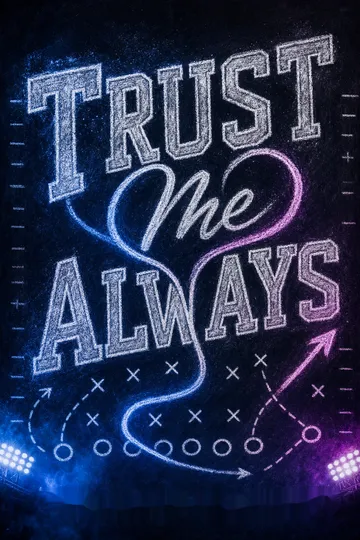
About the Author






Download PDF
Download EPUB
.epub digital book format is ideal for reading ebooks on phones, tablets, and e-readers.








