

Key Takeaways
Turn body shame into questions, then follow the evidence.
Curiosity broke the spell. The project began when Zoe Mendelson searched whether all people with pussies can squirt and found contradictory claims, pseudoscience, and research difficult for a non-specialist to understand. Learning anatomy helped her see that shame and confusion were not proof her body was defective. They were partly consequences of missing information and narrow sexual expectations. The free, bilingual Pussypedia site, built with more than 200 volunteers, received 2.3 million page views in its first year.
Make knowledge usable. The book pairs plain language and personal stories with detailed citations, careful fact-checking, and attention to uncertainty. Its method is not simply to offer facts, but to show how facts are produced and whose bodies receive study. The authors argue that indignation at this imbalance can replace self-blame with a demand for better information.
What's striking is the book's account of shame as an obstacle to learning, not merely an unpleasant feeling. Health information is only useful if a reader can bear to approach it, understand it, and act on it. Personal disclosure can lower that barrier by making bodily variation discussable rather than exceptional. The approach also models scientific literacy: readers are invited to inspect evidence rather than accept authority automatically. One caution is that indignation can clarify structural injustice, but it cannot substitute for individualized medical advice or evidence about a particular symptom.
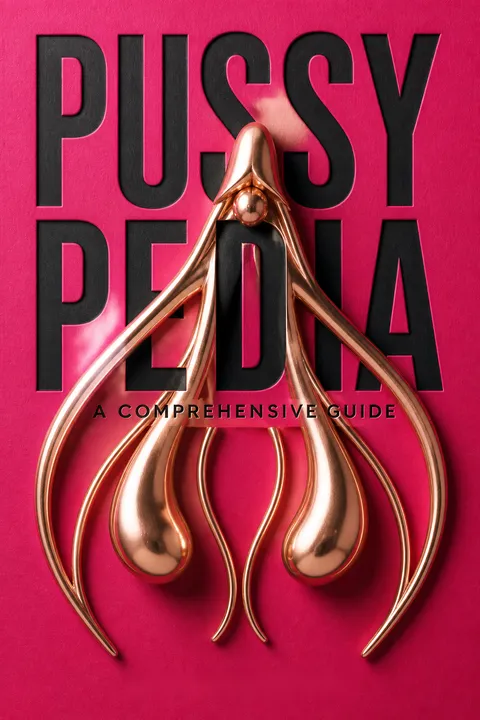
Learn the anatomy medicine left out, especially the full clitoris.
The visible part is not all. The clitoris includes an external glans, a shaft, two internal arms, and erectile bulbs around the vagina and urethra. Its internal anatomy was formally mapped in modern research only in the late twentieth century, and many textbooks still omit or simplify it. The book notes that a 2020 PubMed search returned over 50,000 results for penis and fewer than 2,500 for clitoris.
Knowledge had to be reclaimed. In 1948, the clitoris was removed from Gray's Anatomy. Feminist health collectives compared lived experience with illustrations and older anatomical texts; urologist Helen O'Connell later used dissections and imaging to document the organ's structure. The point is not that all medicine is deliberately hostile, but that cultural assumptions can shape what researchers notice, fund, and teach.
Anatomy is not a neutral inventory when some structures are routinely described and others are treated as marginal. The history here resembles other cases in science where communities with direct experience identify questions that established institutions overlook. Community observation does not replace rigorous research, but it can expose a research agenda's blind spots and generate testable questions. The book's strongest claim is not that every omission has a single motive. It is that persistent neglect has consequences for education, clinical care, and people's ability to describe their own bodies.
Stop treating one body or orgasm as the normal template.
Variation is ordinary. Vulvas differ in color, size, shape, hair, and symmetry. The vaginal corona, the small tissue around the vaginal opening, does not reveal whether someone has had sex, despite the persistent virginity myth. Likewise, the G-spot is better understood as a sensitive area where the urethral sponge, clitoral tissue, and vaginal wall interact, not a hidden button everyone must find.
Pleasure has no single route. The book rejects a hierarchy that labels penetration-based orgasms mature and clitoral orgasms lesser. Fewer than one-third of people with pussies can reliably orgasm from vaginal penetration alone. Genital wetness also does not necessarily mean a person feels aroused. These differences are reasons to explore and communicate, not to grade bodies or sex against a fixed outcome.
The practical force of this argument is that it removes false benchmarks from both self-image and partnered sex. In measurement terms, a population average is not an individual prescription. The same distinction applies to anatomy, desire, and sexual response. The discussion also resists swinging from one oversimplification to another: correcting the historical neglect of the clitoris need not mean declaring the vagina irrelevant. A useful standard is whether an experience feels wanted and pleasurable to the people involved, not whether it fits a cultural story about how bodies should work.
Make pleasure and consent part of the same conversation.
Permission is ongoing. Consent means that people communicate about what they want, respect refusals, and accept that agreement can change. Silence, freezing, pressure, or a reluctant yes after repeated persuasion are not reliable signs of freely chosen participation. The author recounts saying stop during sex and being ignored, then hearing the assailant claim that refusal did not count in bed. The story exposes how cultural scripts can normalize coercion.
Build mutual understanding. Consent approaches include enthusiastic agreement, advance discussion of specific activities, and risk-aware negotiation. BDSM communities' RACK framework emphasizes knowing the risks of an activity and agreeing on how to manage them. The book also argues that pleasure-oriented sex education can make boundaries more legible: if everyone's experience matters, a partner's discomfort is not a minor obstacle to the other person's enjoyment.
Consent is both an ethical requirement and a coordination practice. Clear communication reduces the gap between what one person assumes and what another experiences, much as explicit expectations improve collaboration in other settings. The book usefully distinguishes awkwardness from danger: awkward conversation is usually survivable, while ignored refusal can cause profound harm. At the same time, consent frameworks cannot erase unequal power, dependence, fear, or constrained choices. A robust account therefore asks not only whether someone said yes, but whether they could safely say no.
Track what changes for you, and get help without self-blame.
Your baseline matters. Discharge changes across the menstrual cycle, and what is normal varies among people. Tracking its smell, color, amount, and texture can help identify a change, but symptoms alone cannot reliably distinguish infections. In one small study cited by the book, about two-thirds of people who self-diagnosed yeast infections had misidentified the problem. A clinician can test and recommend appropriate treatment.
Pain deserves attention. Endometriosis affects roughly one in ten to one in fifteen people with pussies, yet diagnosis takes an average of about seven years. Severe cramps, pain with sex, or pain when peeing or pooping should not be dismissed as weakness or ordinary discomfort. The book is general education, not a replacement for diagnosis or care. Its core advice is to notice change, seek help when possible, and reject the idea that illness is a personal failure.
Self-observation can make clinical conversations more precise, especially when symptoms fluctuate or are hard to describe. It is not a substitute for testing, and the book is right to warn against turning symptom lists into home diagnoses. Delayed endometriosis diagnosis also illustrates how medical systems can mistake a gap in knowledge for a flaw in the patient. Better care requires both attentive clinicians and pathways that take pain seriously. Individual tracking helps, but it cannot compensate for unaffordable care, rushed appointments, or providers who discount a patient's account.
Treat uncertain science as uncertainty, not permission for confident myths.
Evidence has limits. The book examines how research on PMS has been shaped by weak measures, selective samples, and expectations. A review of 47 studies found no consistent evidence for a distinct premenstrual mood pattern across the general population, though hormonal changes can affect mood and some people experience severe symptoms. PMDD is a more serious condition, and research has identified biological differences associated with it. The evidence does not support dismissing either suffering or uncertainty.
Ask how claims were made. Research on hormonal contraception and depression is mixed: some large observational studies suggest an association, while randomized trials and other studies do not establish a general causal effect. The authors urge readers to check study methods, funding, conflicts of interest, and whether findings have been replicated. They apply the same skepticism to medical claims and wellness marketing, rather than trusting one category of source automatically.
The book offers a valuable alternative to two common errors: treating personal testimony as conclusive proof, and treating inconclusive population research as proof that no one is affected. These forms of evidence answer different questions. Controlled studies can estimate average effects, while individual reports may reveal a subgroup or outcome that research has not measured well. The productive response is neither panic nor dismissal, but better-designed studies and careful clinical attention. This approach also makes uncertainty informative: it shows where knowledge is thin and where confident advice deserves extra scrutiny.
Defend reproductive justice: the right to have, not have, and raise children.
Choice includes every direction. Reproductive justice names the right to bodily autonomy, to have children, not to have children, and to raise children in safe communities. The book places abortion and contraception within this wider frame, rather than treating access to birth control as automatically liberating. It recounts eugenic policies and coerced sterilization targeting Black, Indigenous, disabled, poor, and Puerto Rican people. By the late 1970s, more than one-third of Puerto Ricans with pussies had been sterilized.
Technology brings trade-offs. Assisted reproduction can create wanted families, including for queer and single parents, but it is costly and may rely on poorly protected egg donors or surrogates. The book reports that about 35% of IVF cycles in the United States in 2017 resulted in a birth. Abortion, infertility treatment, and sterilization policies all raise the same question: who gets to decide?
Reproductive justice makes autonomy relational and material, not merely a formal right on paper. A person cannot freely choose among options that are unaffordable, unavailable, or imposed through economic pressure. This framework also corrects a common blind spot: a policy can expand access for some while coercing others. Assisted reproduction's benefits and unequal labor arrangements can coexist, just as contraception can be both empowering and abused. Evaluating reproductive policy therefore requires examining who controls decisions, who bears bodily risk, and who has the resources to make a genuine choice.
Make care answer to the person, not to gender stereotypes.
Bodies do not fit tidy boxes. The book uses language that includes people with pussies who are not women, women who do not have pussies, and intersex people whose anatomy varies. It describes medically unnecessary genital surgeries performed on intersex children before they can consent, sometimes leading to pain, loss of sensation, repeated operations, or trauma. The proposed alternative is to protect healthy bodies and let people make informed decisions for themselves when they can.
Access is part of health. Trans and nonbinary people may need hormone therapy, contraception, or reproductive care, while disabled people may need accessible spaces, communication, or assistance to experience sexuality on their own terms. A disability justice approach treats disabled people as authorities on their needs, not as problems to be fixed. Inclusive practice is not cosmetic: it can expose gaps in research and care that a narrow patient model misses.
The shift from category-first care to person-centered care has clinical as well as ethical value. A label can help organize treatment, but it becomes harmful when it dictates what a patient wants or which bodies count as healthy. The book also links representation to institutional power: people affected by a practice should shape its research and standards. Inclusion, however, should not be reduced to vocabulary alone. It requires accessible services, informed consent, confidentiality, and evidence that reflects varied bodies and life circumstances.
Practice safer sex without turning infection into a moral verdict.
Risk is manageable, not moral. The book recommends choosing protection according to the activity and the level of risk partners are willing to accept together. Condoms and other barriers can reduce transmission, and lubricant can reduce friction and the chance of small tears or barrier breakage. STI discussions should avoid language such as clean, which implies that infection makes someone dirty. Sharing recent testing information and known exposure supports informed decisions.
Shame makes care harder. Herpes affects about one in eight people in the United States, and HPV is even more common, yet both can provoke outsized fear. STI stigma discourages testing and treatment. HIV provides a further example: treatment can reduce viral levels until transmission through sex does not occur, though legal and social stigma often persist. The book's aim is not to minimize infection, but to replace panic and blame with accurate information and care.
Public health works best when people can act without first passing a moral test. Shame can make disclosure, testing, and treatment feel socially dangerous, undermining the very behaviors health campaigns seek to encourage. The book's emphasis on pleasure also matters: prevention advice that ignores what people want may be less usable in real encounters. Still, risk communication needs to remain specific. Different infections, activities, and treatments have different transmission patterns, so reassurance should not blur meaningful distinctions or replace professional guidance.
Question products that sell cleanliness, beauty, or environmental virtue through shame.
Marketing can manufacture a defect. Vaginal deodorants, douches, scented washes, and cosmetic surgery often exploit the belief that ordinary anatomy is dirty or unattractive. Douching can disturb vaginal bacteria, and cosmetic genital procedures carry risks while lacking strong evidence for many aesthetic uses. Labiaplasties in the United States increased by more than 50% between 2014 and 2018. The book argues that porn's narrow visual ideal and commercial pressure can make healthy variation look like a problem to purchase away.
Choice must include access. Reusable menstrual products may reduce waste and save money over time, but their upfront costs, cleaning demands, and physical requirements do not suit everyone. Individual consumers cannot solve climate change alone: the book cites a report attributing 70% of global carbon emissions to 100 major companies. Sustainable options can help, but blaming menstruators for disposable products hides larger systems of production.
The useful distinction is between a freely chosen product and a product sold by first making the customer feel defective. That distinction applies to beauty, hygiene, and sustainability markets alike. Consumer decisions matter, but their effects are bounded by price, design, access, and corporate production. The book resists both extremes: it neither treats every cosmetic choice as false consciousness nor imagines that shopping differently can repair structural pollution. A good decision starts with evidence and personal need, not a manufactured fear of normal bodies.
Treat birth and pregnancy loss as human experiences, not performance tests.
Care should preserve agency. Midwife Joan Combellick describes birth as a physiological process that often becomes overmanaged in the United States. Unnecessary interventions, poor communication, and pressure to achieve an ideal birth can make people feel they failed, even when a C-section or other intervention was needed. The book notes stark racial disparities in maternal deaths and argues that respectful, person-centered care matters alongside clinical expertise.
Loss is common, not blameworthy. Among known pregnancies, miscarriage occurs in roughly 10% to 20%, yet many people feel guilty, ashamed, or alone afterward. Reactions differ: grief, relief, and wanting to try again can all be valid. The book warns that treating pregnancy outcomes as individual moral responsibility can intensify stigma and enable punishment, especially for people already targeted by unequal systems.
Birth and miscarriage reveal how quickly a medical event becomes a judgment about someone's competence, worth, or choices. A better standard is quality of care and respect for the person's needs, not conformity to an idealized outcome. The discussion also shows why process matters: people may carry distress from being ignored or excluded from decisions even when clinicians act to address genuine risks. Compassion does not require pretending every outcome is easy. It requires making space for different experiences without assigning blame.
Analysis
Pussypedia is an anatomy guide, a sexual-health reference, and an argument about who gets to produce knowledge. Its most important move is to connect intimate confusion to institutional patterns: missing textbook diagrams, weak research funding, biased diagnosis, commercial misinformation, and unequal access to care. The personal stories are not decorative. They demonstrate how public narratives become private judgments, as when a person mistakes normal discharge or varied anatomy for evidence of being dirty or defective.
The book's method is strongest when it distinguishes established anatomy from unsettled findings. It does not merely replace one authority with another. Its insistence on citations, study methods, conflicts of interest, and uncertainty gives readers a way to evaluate claims beyond this subject. That is a consequential form of health literacy, particularly in fields where accessible information is scarce and shame makes people vulnerable to confident but unsupported advice.
There is also a productive tension between the book's systemic critique and its practical guidance. Structural explanations help readers see that stigma, racism, ableism, and gender norms shape care. Yet a broad villain such as patriarchy can sometimes make varied causes sound more coordinated or intentional than the evidence establishes. The book is most persuasive when it traces concrete mechanisms, including textbook exclusions, coercive policies, research funding patterns, and clinical dismissal, rather than treating every knowledge gap as proof of a single motive.
Its inclusive language reflects an important distinction: anatomy does not determine gender, and care should not assume that it does. Inclusion is not only a matter of naming more identities. It improves the questions asked, the populations studied, and the choices made available. The book's enduring lesson is that bodily agency depends on both knowledge and conditions: clear information matters, but so do affordable care, respect, consent, and the power to act on what one knows.
Review Summary
Pussypedia receives overwhelmingly positive reviews for its comprehensive, inclusive, and informative approach to women's health. Readers appreciate its frank, humorous tone and extensive research. The book is praised for dismantling myths, addressing taboo topics, and providing valuable information on anatomy, sexual health, and social issues. Many reviewers recommend it as essential reading for all genders. Some criticisms include dense information, occasional inaccuracies, and a US-centric perspective. Overall, readers find it empowering, educational, and revolutionary in its approach to discussing women's bodies.
People Also Read





Glossary
pussy
Inclusive term for anatomyThe authors use pussy as a gender-inclusive umbrella term for a range of anatomy that may include the vulva, vagina, clitoris, uterus, urethra, bladder, rectum, anus, and, for some intersex people, testes. It avoids treating vagina as the name for an entire region and does not imply that everyone with this anatomy is a woman.
The Patriarchy
Unequal social power systemThe book defines the Patriarchy as a self-reinforcing social system in which cis men hold greater power than other groups. It is not synonymous with men as individuals. The authors describe it as intertwined with racism, ableism, and other forms of inequality, reproduced through habits, institutions, stories, and expectations.
Cliteracy
Knowledge and authority about clitsArtist Sophia Wallace uses cliteracy to mean more than knowing the clitoris's anatomy. It also concerns who produces and controls knowledge about people with clits. The term links accurate representation and sexual understanding to bodily authority, challenging the historical omission of the clitoris from education and medical accounts.
arousal nonconcordance
Genital response differs from felt desireA term for the fact that physical genital signs of arousal do not always match a person's subjective sense of being turned on. For example, vaginal wetness may occur without felt desire, and a person may feel aroused without producing much lubrication. Genital response alone is not proof of consent or enjoyment.
reproductive justice
Autonomy across reproductive choicesA framework developed by Women of African Descent for Reproductive Justice and advanced by organizations including SisterSong. It defines reproductive freedom broadly: the right to bodily autonomy, to have children, not to have children, and to raise children in safe and sustainable communities. It connects reproductive decisions to racial and economic justice.
intersectionality
Overlapping systems of oppressionA framework coined by Kimberlé Crenshaw for understanding how forms of inequality, such as racism and sexism, interact rather than simply add together. The book uses this lens to explain why a single-category account of health or discrimination can miss the distinct experiences of people situated at multiple social intersections.
RACK
Risk-aware consensual kinkRACK stands for Risk-Aware Consensual Kink, a framework for negotiating sexual activities that may carry risk. Participants learn about the possible harms, discuss how they will manage them, and agree to proceed. It replaces an unrealistic promise of complete safety with informed, consensual attention to risk.
4Cs
Consent, communication, caring, cautionA framework for negotiating BDSM participation, organized around consent, communication, caring, and caution. It distinguishes agreement to participate, agreement to a specific scene, and deeper awareness that a person's capacity to consent may change in the moment. Communication supports the process, while caring and caution attend to each participant's needs and risks.
bodymind
Integrated bodily and mental experienceA disability-justice term that treats body and mind as connected rather than separate. It includes physical, cognitive, and mental experiences in how a person communicates, moves, feels pleasure, and encounters barriers. The term resists reducing disability to a diagnosis or locating the whole problem within an individual's body.
vaginal corona
Tissue around vaginal openingA proposed replacement for the word hymen. The vaginal corona is variable tissue around the vaginal opening, not a seal that reliably breaks during sex. Its appearance cannot establish whether someone has had sexual contact. The alternative name is intended to describe anatomy more accurately and loosen the tissue's association with virginity and marriage.
FAQ
What's Pussypedia: A Comprehensive Guide about?
- Comprehensive Sexual Education: Pussypedia is an inclusive guide that explores female anatomy, sexual health, and reproductive rights, aiming to provide accurate information and challenge societal taboos.
- Empowerment Through Knowledge: The book seeks to empower readers by demystifying the female body and promoting a positive relationship with sexuality, emphasizing the right to pleasure.
- Intersectional Approach: Authors Zoe Mendelson and María Conejo incorporate perspectives on gender, sexuality, and disability, making the content relevant to a diverse audience.
Why should I read Pussypedia: A Comprehensive Guide?
- Breaks Taboos: Pussypedia tackles the stigma surrounding female anatomy and sexuality, encouraging open conversations about often-taboo subjects.
- Inclusive and Informative: The book provides scientifically accurate and accessible information, serving as a resource for education, self-discovery, and empowerment.
- Engaging and Humorous: With a relatable and often humorous writing style, the book makes learning about complex topics enjoyable and normalizes discussions about the female body.
What are the key takeaways of Pussypedia: A Comprehensive Guide?
- Anatomy and Function: Detailed information about female anatomy, including the clitoris and uterus, emphasizes their functions and importance.
- Sexual Health Education: Covers essential topics like consent and sexual pleasure, advocating for the right to pleasure and the importance of communication.
- Intersectionality: Highlights experiences of marginalized groups, broadening the conversation around sexuality and reproductive rights.
What is the new definition of "pussy" proposed in Pussypedia?
- Inclusive Terminology: The authors propose a gender-and-organ-inclusive definition of "pussy" that encompasses the vagina, vulva, clitoris, and uterus.
- Rejecting Objectification: The book argues against viewing the vagina as merely a "sword holder," emphasizing its complexity and importance.
- Cultural Reclamation: By redefining "pussy," the authors aim to reclaim the term positively, encouraging readers to embrace their bodies.
How does Pussypedia address consent?
- Definition of Consent: Consent is defined as a clear and enthusiastic agreement to engage in sexual activities, emphasizing that it can be revoked at any time.
- Cultural Context: The book discusses how societal norms influence perceptions of consent, highlighting the need to unlearn harmful narratives.
- Practical Guidance: Provides advice on communicating consent effectively, using models like "enthusiastic consent" and "tea consent."
What are the different types of orgasms mentioned in Pussypedia?
- Variety of Orgasms: Orgasms can occur through various forms of stimulation, including clitoral and vaginal, with the clitoris central to sexual pleasure.
- Clitoral vs. Vaginal: Challenges the notion that vaginal orgasms are superior, asserting that all orgasms are valid and interconnected.
- Personal Experience: Encourages readers to explore their bodies and discover what types of stimulation work best for them.
How does Pussypedia discuss the menstrual cycle?
- Phases of the Cycle: Outlines the menstrual cycle phases, explaining hormonal changes and their effects on mood and energy levels.
- Cultural Narratives: Critiques societal stigma surrounding menstruation, advocating for normalizing discussions and breaking the "culture of concealment."
- Health Implications: Emphasizes understanding one's menstrual cycle for health and well-being, including tracking symptoms and recognizing changes.
What are the environmental impacts of menstrual products discussed in Pussypedia?
- Waste Generation: Highlights the significant waste generated by disposable menstrual products, contributing to environmental pollution.
- Sustainable Alternatives: Discusses sustainable options like menstrual cups and reusable pads, encouraging readers to consider their environmental impact.
- Consumer Responsibility: Critiques the notion that individual choices alone can solve climate change, calling for systemic change and accountability.
What does Pussypedia say about sexual pleasure and disabilities?
- Inclusive Perspectives: Features insights from experts on the intersection of sexuality and disability, emphasizing the right to pleasure for disabled individuals.
- Barriers to Pleasure: Addresses societal and medical barriers faced by disabled people in accessing sexual health care and pleasure.
- Creative Approaches: Encourages exploring various ways to experience pleasure, highlighting the importance of communication and creativity.
What are some common misconceptions about the hymen discussed in Pussypedia?
- Myth of Virginity: Debunks the myth that the hymen is a "virginity seal," explaining its variability in shape and size.
- Cultural Stigma: Discusses how societal narratives around the hymen control women's sexuality, advocating for a shift in language.
- Physical Variability: Emphasizes that the hymen can stretch or tear for various reasons, and not all individuals will experience bleeding during their first sexual encounter.
What are the best quotes from Pussypedia: A Comprehensive Guide and what do they mean?
- "The erotic is a resource within each of us.": Highlights the importance of recognizing and embracing desires and pleasures as a source of empowerment.
- "Knowledge is power, and pussy knowledge is tragically hard to come by.": Emphasizes the need for comprehensive sexual education to empower individuals.
- "Your vulva is perfect, and you have so much else to do.": Encourages self-acceptance and rejects societal pressures to conform to unrealistic beauty standards.
How does Pussypedia discuss the intersection of race and reproductive health?
- Historical Context: Highlights historical injustices faced by marginalized communities in reproductive health, essential for understanding current disparities.
- Cultural Sensitivity: Advocates for culturally competent healthcare that respects diverse experiences, improving health outcomes.
- Empowerment and Advocacy: Encourages readers to advocate for reproductive rights, promoting social justice in reproductive health.
Download PDF
Download EPUB
.epub digital book format is ideal for reading ebooks on phones, tablets, and e-readers.








