

Key Takeaways
Build a life that gives sobriety somewhere to go
An exit needs a destination. Catra Corbett’s meth addiction swallowed her work, relationships, and sense of self. After police arrested her for dealing, a diversion program, Narcotics Anonymous, and moving back in with her mother helped her get clean. But sobriety did not make her feel whole. She became deeply depressed and attempted suicide before running began to offer a new source of purpose.
Running became a new identity. She started with a gasping run around the block, then entered a 10K, a marathon, and eventually a hundred-mile race. In 1999, she finished her first hundred-miler despite swollen, blistered feet and a night spent fighting exhaustion. Running did not erase her past. It gave her a future that competed with it.
What's striking is that recovery is described as construction, not subtraction. Removing meth left a painful vacancy; training, work, school, and a new athletic identity gradually filled it. That framing helps explain why simply telling someone to stop can be inadequate: a life organized around a substance needs other sources of structure and reward. Corbett’s story is not a prescription to replace treatment with sport. Meetings, therapy, and family support were also part of her recovery, and the same passion that gave her direction could become dangerous when pursued without care.
Treat the wound beneath the behavior, not only the behavior itself
The visible habit had roots. At nine, Corbett was sexually molested by a family friend. Threatened and terrified, she stayed silent, then carried shame and guilt for years. She came to understand that drugs were not only a source of energy or pleasure; they also helped her avoid painful memories. Therapy helped her speak about the assault to her mother and recognize that a child was not responsible for an adult’s abuse.
Getting clean did not end the pain. Corbett says that after stopping drugs, her depression became severe, and she attempted suicide. Her sister Peggy’s heroin addiction showed a more devastating path: repeated attempts at treatment, homelessness, lost contact with her children, and death from an overdose. The sisters’ stories make clear that addiction can have different outcomes, and that compassion matters more than judgment.
This section resists the easy story that a person uses substances because of weak character. Corbett’s account links her behavior to trauma, shame, and efforts to manage unbearable feelings, while also showing that understanding a cause does not automatically resolve it. The distinction matters: explanation is not excuse, but it can open a route to more effective help. The book offers a personal account rather than a universal theory of addiction. Peggy’s experience is a powerful reminder that insight and love alone cannot guarantee recovery.
Make belonging part of recovery, not a prize for finishing
The trail offered company. When Corbett entered her first hundred-miler, she was alone, inexperienced, and in pain. Other runners noticed her exhaustion, encouraged her, and offered practical help. She learned that a pacer, another runner who accompanies someone during part of a race, can help with safety and morale as much as speed. In a sport where people may spend all night moving through remote terrain, small gestures carry unusual weight.
A new circle replaced an old one. Quitting drugs meant leaving behind friends, clubs, and routines that had organized her life. The ultrarunning community gave her new people to train with, confide in, and support. Corbett describes runners sharing food, gear, rooms, rides, and miles. Their fellowship did not depend on knowing her whole history. They understood the effort in front of them.
Belonging is not decorative in this story. It supplies practical help, emotional recognition, and a social identity that makes change easier to sustain. The trail creates a striking kind of intimacy: strangers share long hours and often disclose more than they might in ordinary settings. That openness can be a powerful antidote to isolation. Still, community is not automatically safe or sufficient. Corbett’s experience shows the value of supportive peers, while her recovery also involved professional care and deliberate distance from people and places tied to drug use.
Do not let a healthy identity disguise a dangerous compulsion
The new habit had old patterns. Corbett’s eating disorder began before her drug use, shaped by pressure to be thin and later reinforced by a boyfriend’s insults. Meth suppressed her appetite, and she became fixated on the scale. After getting clean, she continued restricting food while running, explaining her extreme thinness by saying she was vegan and an athlete. At her lowest, she weighed 83 pounds, had stopped menstruating, and experienced heart palpitations and a blackout.
Recovery required concrete changes. A fellow runner warned that she was too underweight to attempt a hundred miles. She began learning about nutrition, eating enough to support training, and treating the disorder as an addiction. She also threw away her scale because its numbers kept pulling her back into the cycle. She learned to pay more attention to how she felt than to a daily weigh-in.
The unsettling insight is that a respected identity can camouflage harm. Running and veganism sounded like plausible explanations for weight loss, even to Corbett herself, while her body was showing serious warning signs. Praise for becoming thinner further reinforced the behavior, despite kind intentions. The story cautions against judging health from appearance or assuming athletic discipline is always beneficial. At the same time, Corbett’s experience is not evidence that all intense training is disordered. The distinction rests in the relationship to the behavior, its consequences, and the ability to respond when harm becomes clear.
Respect the body's limits before toughness turns reckless
Endurance exposes bad preparation. In her first hundred-miler, Corbett had the wrong shoes for Texas humidity. Her feet swelled, blistered, and became so damaged that a medic advised her to stop. She continued, finished the race, and learned the hard way that determination cannot replace knowledge about equipment, weather, food, and hydration. Early in her ultrarunning, she also pushed through training without enough food or water, sometimes seeing spots or fainting.
Stopping can be a hard-won skill. On her Pacific Crest Trail attempt, Corbett contracted giardia, developed severe diarrhea, and injured her knee. On day 99, she ended the journey rather than risk lasting damage. It felt like failure, especially after friends had supported the effort, but the decision protected her ability to keep running and exploring.
Corbett’s grit is compelling partly because the story does not make every act of pushing through pain look wise. Blisters, dehydration, illness, and injury are not merely mental obstacles. They are information about the body and conditions around it. Her experiences suggest a useful distinction: discomfort may be part of a chosen challenge, while escalating physical danger calls for reassessment. The memoir sometimes celebrates extreme persistence, so the decision to stop on the PCT is especially important. Restraint can preserve the very capacities that make future ambition possible.
Let grief move through you without demanding it disappear
Running gave sorrow a place. Corbett’s father died when she was seventeen, before she could repair their last angry exchange. Years later, running helped her feel connected to him: he had once introduced her to the Western States 100 on television. Her mother became another source of support, but died unexpectedly after what seemed like minor surgery. Corbett found her at home and was overwhelmed by shock and guilt.
A race could hold what words could not. The week after her mother’s death, Corbett ran a 50-mile race, knowing some relatives would not understand. She needed the trail and her running community. Later, she pinned her mother’s picture to her shirt for Western States and imagined her waiting at the finish. When the race ended, the fantasy broke, and Corbett collapsed in tears. Running carried grief; it did not make the loss vanish.
The memoir treats movement as a container for grief, not a cure. Repeated effort gives Corbett time alone with memories, while familiar companions and rituals make the isolation less absolute. Her imagined reunion at the finish is emotionally revealing: hope can help someone move through a moment, even when reality later returns with force. The story also resists a single correct timetable for mourning. Running immediately after a death may look strange from outside, but its meaning depends on the mourner’s needs, not on a universal rule about how grief should appear.
Do not confuse shared intensity with shared responsibility
Adventure can hide incompatibility. Corbett met climber Ammon NcNeely while seeking a new life after her mother’s death. Both were drawn to extreme challenges, and their romance moved quickly. They married in Las Vegas less than a month after meeting. Corbett remembers noticing that the decision felt wrong, but excitement and attraction drowned out the warning.
Daily life revealed the mismatch. On a week-long John Muir Trail trip, poor planning left them short on food, exhausted, and irritable. Later, Corbett felt she was carrying the financial responsibilities while Ammon avoided adult obligations. Their shared appetite for risk made them seem like an ideal pair in Yosemite, but it did not create mutual reliability. The marriage ended after she discovered his affair, and it took years before he apologized and she felt she had closure.
The distinction here is between chemistry and partnership. Shared passions can create an intense bond, but they do not answer whether two people can plan, share responsibility, or handle conflict. The memoir’s outdoor setting makes that difference unusually visible: on a remote trail, food, sleep, and judgment are not abstractions. Corbett does not portray herself as a detached observer; she acknowledges the speed of her decision and her own wish to believe. That self-implication makes the lesson more useful than simply labeling a partner as the problem.
Help a frightened companion discover a larger world
Trust grew in small steps. After her dog Rocky died, Corbett began fostering small dogs. TruMan arrived terrified, having lived among many dogs in a hoarding situation and hiding behind furniture. Outside, cars made him freeze. Corbett first took him to a familiar dirt trail, where he began following her as she ran. She then helped him get used to the street gradually, allowing him to experience more without overwhelming him.
A rescued dog became a partner. Corbett eventually adopted TruMan and brought him on longer runs, from short outings to a marathon and, in 2015, a 50K. He became known as an ultrarunning dachshund and joined her on the Icebreaker Run across America. Corbett sees the relationship as reciprocal: she helped TruMan move beyond fear, while caring for him gave her a reason to keep moving through depression.
TruMan’s story gives the memoir a vivid picture of recovery as renewed participation in the world. Familiar trails become a bridge from hiding to exploring, and Corbett’s steady companionship creates room for his confidence to grow. The parallel with her own life is moving without needing to claim that a dog’s trauma and a person’s addiction are the same. The deeper point is relational: caring for another creature can make daily effort meaningful when self-directed motivation feels thin. That responsibility can support a person, though it should not replace help from people when serious distress persists.
Turn private survival into public permission to seek help
Her story became a shared effort. In 2016, Corbett joined the Icebreaker Run, a team journey of about 3,100 miles from California to Washington, DC, intended to encourage conversation about addiction and mental health. The runners included people with histories of addiction, depression, and other struggles. As they crossed the country, strangers shared their own stories, including people who had used drugs to cope with abuse or turned to running after prison.
Support moved in both directions. Corbett’s own endurance milestones included reaching 100 hundred-mile finishes and completing Badwater 135 in just under 43 hours. But she emphasizes the crew that fed, cooled, paced, and encouraged her. The Icebreaker team likewise depended on one another, and its message gave some people a reason to ask for help or try a different path. The achievement mattered most when it connected private effort to other people’s lives.
The final movement of the memoir is from self-rescue toward mutual aid. Corbett’s achievement gives her credibility with people who might otherwise feel alone, while listeners’ stories remind the runners that the mission is larger than their own performance. That exchange is more than inspiration: it makes help-seeking visible and socially imaginable. The book does not suggest that a dramatic athletic challenge is necessary for recovery. Its more grounded implication is that people can use whatever meaningful role they have to make honest conversation easier, while still relying on concrete support rather than spectacle alone.
Analysis
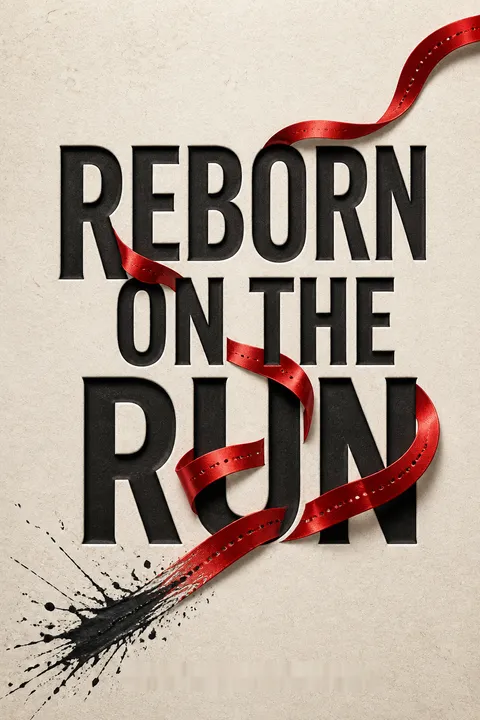
Reborn on the Run is a memoir organized around transformation, but its most useful idea is not that running saves everyone. It shows how a person can build a livable identity after addiction by assembling purpose, routine, relationships, and a future that feels worth protecting. Corbett’s movement from meth use to ultrarunning gives that claim a dramatic shape: the same appetite for intensity that once fed self-destruction is redirected into a demanding sport and a community that recognizes her effort.
The story is more complicated than a simple conversion narrative. Sobriety brings depression, not instant peace. Therapy reveals trauma that abstinence alone cannot address. A second compulsion, disordered eating, hides beneath the socially admired image of the thin athlete. Grief, unstable relationships, and overtraining continue to test the new identity. These episodes prevent the book’s central metaphor from becoming too neat. Running is an anchor, but it is not a universal treatment, nor is every form of persistence healthy.
The memoir’s strongest scenes make abstract lessons physical. Blisters peel under duct tape. A storm traps friends on a high pass. A frightened dachshund edges out from behind a chair. Such details show how change happens through concrete conditions: preparation, company, repeated exposure, and choices made under pressure. Corbett’s running community is not merely a cheering section. It supplies practical help and a sense of belonging after she leaves her former social world.
The book also gains depth from its willingness to show misjudgment. Corbett underfuels, ignores warning signs, rushes into marriage, and initially treats every obstacle as something to push through. Her later decisions to seek help, stop an injured hike, or depend on a crew complicate the heroic image of the lone endurance athlete. The result is not a manual for recovery, but a vivid account of rebuilding a life through passion, support, and repeated acts of choosing what keeps that life possible.
People Also Read


Glossary
Ultramarathon
Race beyond marathon distanceAn ultramarathon is a running race longer than the standard marathon distance of 26.2 miles. In Corbett’s story, ultras range from 50K events to races of 100 miles or more. They may take place on roads or trails, and often require competitors to manage food, hydration, sleepiness, equipment, and changing conditions over many hours.
Fastest Known Time
Fastest recorded route completionA Fastest Known Time, often abbreviated FKT, is an attempt to complete a recognized route faster than any previously known time. Corbett uses the term for self-supported or crew-supported efforts on established trails, rather than for a conventional race with a field of competitors. Her John Muir Trail attempt is an example of pursuing a route record.
fastpacking
Fast hiking with a light packFastpacking combines hiking and running over long distances while carrying the basic supplies needed for travel and overnight stops. It differs from a supported race because participants may need to manage their own food, shelter, and route. Corbett uses fastpacking for multiday journeys such as the John Muir Trail and Pacific Crest Trail.
pacer
Runner providing course supportA pacer is a companion runner who joins an ultramarathoner for part of a race, often after the runner has completed a substantial portion of the distance. A pacer can offer conversation, encouragement, and help with staying alert or moving steadily. In Corbett’s account, pacers are a practical form of support, not simply people who set speed.
trail angel
Volunteer supporting trail hikersA trail angel is a person who helps hikers or long-distance runners through informal acts of support. Assistance can include water, food, a place to sleep, transportation, or other supplies. On Corbett’s Pacific Crest Trail journey, trail angels help make the route more manageable, especially during hot, dry stretches when water is difficult to find.
Download PDF
Download EPUB
.epub digital book format is ideal for reading ebooks on phones, tablets, and e-readers.








