


Plot Summary
Prologue
In the Valta, everyone turns seventeen on November 1, the day military Recruiters arrive to take the teenagers away. Kress1 remembers the Eastern Order’s first attacks: an electromagnetic pulse silenced the town, then drone bombs killed her mother and most of its people.
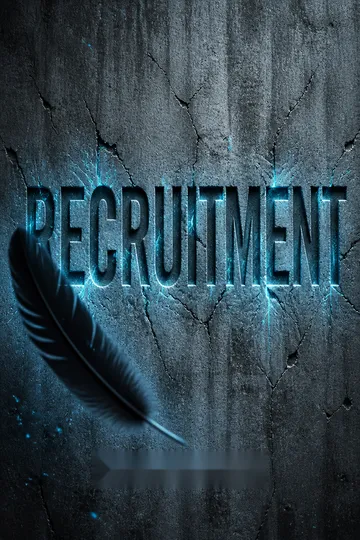
The survivors learned to feed and teach themselves behind fences guarded in the name of safety. Her brother13 Micah13 was recruited; years later, her father15 vanished. Kress1 was left with Render,2 a raven she helped raise,2 and a strange bond neither she nor the town fully understands. Now she is sixteen, with Recruitment Day one night away.
The prologue makes Recruitment feel less like a coming-of-age rite than a sentence with an unknown term. Kress’s community survives by building routines and institutions from the wreckage, yet its isolation has trained the young to accept danger as ordinary. Her memories also establish a pattern of family loss before the main plot begins: Micah is taken by the system, her father disappears, and Render becomes her last dependable attachment. The town’s official assurances of protection sit uneasily beside its fences and yearly seizures. That contradiction gives Kress’s departure its emotional force and primes the reader to distrust explanations offered by authority.
Kress and the Raven
On the day before Recruitment, Kress1 spends time with Cardyn,4 her lifelong friend,4 and Render,2 the raven she has trained since childhood.2 She hopes to persuade the Recruiters to let Render2 accompany her, partly because he is family and partly because his surveillance skills might help her reach the rumored Special Ops division.
Cardyn4 warns that the soldiers may punish her for asking. Kress1 knows more than she admits: black patterns on her arms are implants linking her mind and senses to Render, a secret her vanished father15 taught her to keep.
She also wants to find Micah13 and learn what happened beyond the mountains. But as the trucks approach, she has no idea whether her skills will matter or whether the system will separate her from everything she trusts.
Kress’s ambitions are inseparable from attachment. She wants Special Ops not simply for prestige, but because she imagines it may lead toward her missing brother and father. Render’s bond gives her unusual capacities, yet it also makes her vulnerable to separation: the ability that could distinguish her is tied to the companion she fears losing. Her secrecy is protective, but it has narrowed the circle of people who can understand her. The approaching Recruitment therefore tests an already strained balance between self-reliance and dependence. Kress’s instinct to keep knowledge private may preserve her, but it may also prevent her from finding allies before she needs them.
The Last Feast
At the Valta’s Final Feast, Kress1 watches her Cohort try to make a celebration out of dread. Brohn,3 the group’s steady, reluctant leader, joins her away from the fire. They admit how little they know about the next day and speak about the families both have lost.
Kress1 begins to regret years spent keeping her distance from him. The conversation is interrupted when Brohn3 tells the other Sixteens what two soldiers once disclosed: Recruit training has become a severe selection process, and some teenagers do not survive it.
Deserters are hunted. Karmine8 and Kella9 remain eager for combat, while the others grasp that Recruitment is not a simple passage into military service. Their last evening at home ends with the Cohort facing the possibility that the trucks may divide them for good.
The feast briefly lets Kress experience intimacy without disguising the fear beneath it. Her exchange with Brohn reveals that emotional withdrawal has been a strategy against anticipated loss, not evidence that she needs nobody. Brohn, meanwhile, carries responsibility for the younger children and for Wisp, his sister, while knowing he cannot protect her after he leaves. His warning changes the Cohort’s fantasies of Recruitment into a shared uncertainty. The scene also distinguishes different defenses: Karmine and Kella convert fear into martial enthusiasm, while Kress and Brohn acknowledge it more quietly. None of these responses eliminates danger; they show how young people make danger bearable when choice has already been removed.
The Trucks Arrive
The next morning, the eight new Seventeens gather in the town square as the Recruiters sweep the Valta. Kress1 says goodbye to Render,2 then watches Brohn’s3 younger sister14 Wisp14 cling to him. A recruiter yanks Wisp14 away and throws her toward the other children; Brohn3 restrains himself from attacking the soldier, then leaves with the Cohort.
Kress1 enters the transport truck grieving both her raven2 and the home she may never see again. After a long, disorienting ride across the desert, the recruits reach the Western Recruitment Processor, a fenced compound of eight black buildings.
Captain Grace Hiller10 explains that the teenagers will be assessed for four deployments: Tech, Intel, Combat, or Special Ops. The tests begin immediately, making clear that arrival has not brought them freedom or answers.
The departure is staged as two linked separations, one Kress chooses to enact and one imposed on Brohn. Her farewell to Render shows how much agency she retains: she decides to leave him safely behind, though the decision costs her. Brohn’s restraint after Wisp is seized demonstrates the discipline expected of a recruit, but it also turns care into something he must conceal to avoid punishment. The Processor’s polished classification system then converts individual histories into performance categories. Its orderly appearance does not soften the coercion; it gives coercion a vocabulary of assessment and opportunity. The contrast between the ruined, improvised Valta and the technologically advanced compound raises the question of why such resources were withheld from the people left behind.
Water and Willpower
Hiller’s10 first tests push the recruits past exhaustion. A treadmill run lasts until each teenager stops, then a water challenge forces them to choose between drinking cloudy water immediately or waiting for clean pitchers. When Terk7 collapses, the group argues over whether to obey the rules or help him.
Rain6 proposes triage: the weakest should drink first, then share the pitchers when the hour ends. The Cohort follows her plan and gets everyone through. In the Agora, trainers Granden11 and Trench12 introduce weapons and begin firearm lessons.
Kress1 struggles to accept guns as tools rather than threats, while Amaranthine5 refuses to learn to kill. Rain6 strikes Amaranthine5 after she questions the war, and Brohn3 breaks up the fight. Kress1 sees that passing the tests may require suppressing her judgment as well as enduring pain.
The first tests expose a conflict between rule-following and moral judgment, then make the recruits solve it collectively. Rain’s triage turns cooperation into a practical method, while Brohn’s concern for Terk pushes against the trainers’ attempt to define success as obedience. Yet the group is not automatically compassionate: Rain’s attack on Amaranthine shows how grief and patriotic certainty can turn into coercion between peers. Kress’s discomfort with weapons places her at odds with the institution’s preferred image of a recruit, but it also preserves her capacity to ask what violence is for. The tests begin to measure not just stamina, but which loyalties the teenagers will keep when authority pressures them to abandon them.
Render Finds Kress
During a simulated battle, the trainers place Kress’s1 low-scoring team against Brohn’s3 stronger one. Kress1 takes command, but Brohn’s3 team uses a feint to corner them. Cardyn4 and Terk7 are hit with paint rounds, and Brohn3 stages a convincing knife attack on Amaranthine.5 Kress1 is left alone until she spots Render2 beyond the fence.
Trench12 raises a rifle toward the bird,2 and Kress1 abandons the exercise, charging the trainer before he can shoot. Render2 attacks a guard who aims at him, then escapes into the trees. The trainers dock Kress’s1 points, but the others support her request to keep Render2 at the Processor. Hiller10 permits it. That night, Brohn3 calls the Cohort a family, and Kress1 names their circle a Conspiracy.
The battle sim turns an abstract assessment into a test of what Kress will protect when survival and obedience appear to conflict. She does not weigh her score against Render’s life; she acts before she can rationalize the risk. Her choice exposes her connection, but it also reveals that the Cohort’s bonds have become stronger than their assigned team divisions. The others’ defense of Render matters because it converts Kress’s private attachment into a shared responsibility. Brohn’s language of family and Kress’s name for their group offer an alternative to the Processor’s rankings. Their solidarity is not sentimental decoration; it is an emerging strategy against a system designed to isolate and evaluate them separately.
The Silence Test
In the Beta Cube, Hiller10 gives Kress1 and Cardyn4 a choice designed to pit honesty against loyalty. Each can confess that Render2 distracted Kress1 during the battle sim, risking a heavy penalty for the other, or both can remain silent and lose fewer points. Kress1 refuses to implicate Cardyn;4 when they rejoin the group, she learns that every pair made the same choice.
The Cohort accepts the smaller shared penalty. Later, Kress1 secretly uses Render’s senses to listen as Hiller10 complains that the recruits cooperated instead of competing. Hiller10 regards their unity as a flaw, not a virtue. Kress1 begins to understand that the Processor may reward abilities while trying to break the relationships that give those abilities direction.
The dilemma formalizes a social bargain: each recruit can protect an individual future by transferring risk to someone close. Their unanimous silence rejects that bargain, even though it costs points and may narrow their choices. Terk’s interpretation of fear as their common enemy helps the group recognize that the test is trying to make panic govern their decisions. Kress’s covert listening then confirms the deeper stakes: the institution is not merely measuring teamwork, but may be trying to prevent it. The scene reframes loyalty as a form of resistance and as a source of information. By using Render to observe the observers, Kress begins to turn a hidden vulnerability into a means of scrutiny.
The Lessons Turn Brutal
Gamma Cube shifts the recruits from weapons practice to hand-to-hand combat. Kress1 tries to master the movements, but Trench12 overwhelms her in a sparring match and knocks her unconscious. During a later exercise staged in a mock grocery store, Karmine8 and Kella9 attack Trench12 together.
He strikes Kella9 in the head and breaks Karmine’s8 arm, leaving both injured and temporarily sidelined. The trainers treat the injuries with advanced medical equipment, but the violence feels less like preparation than a warning about the cost of failure.
Kress1 also notices that Brohn3 and Rain6 have grown close, which deepens her private jealousy even as she depends on Brohn’s3 steadiness. When the group enters the next Cube, she is no longer sure the tests are designed simply to make them stronger.
The injuries puncture the recruits’ belief that training is a controlled rehearsal. The Processor has sophisticated medicine, yet that capacity does not prevent avoidable harm; care follows injury rather than limiting it. Kress’s knockout and the damage to Karmine and Kella make bodily vulnerability concrete, while Brohn’s refusal to dismiss the danger marks a shift from confidence to suspicion. At the same time, Kress’s jealousy of Rain reveals the costs of keeping herself emotionally distant. She wants intimacy but treats wanting it as a threat to her focus. The chapter binds institutional and personal risk: Kress is learning that survival requires both physical competence and the willingness to recognize what the people around her mean.
Terk Loses an Arm
In Delta Cube, the Cohort solves an escape room by interpreting art, number patterns, and a reversed key; Amaranthine5 quietly finds the final route when the others are stuck. A second, timed puzzle seems straightforward until the last room presents three boxes and a riddle.
The group chooses the wrong box. Terk7 reaches inside, and a hidden mechanism clamps his wrist before cutting off his arm. Yellow gas fills the room as Kress1 realizes the riddle described a different probability.
She opens the correct box just before the timer expires, and the doors unlock. Medics rush Terk7 away; the others return to the Silo sick and horrified. Their blame turns inward, but Kress1 begins to suspect that a training program should not make one bad answer cost a friend a limb.
The puzzle’s lethal consequence transforms intellectual error into bodily punishment, exposing the moral poverty of a system that treats recruits as experimental material. The group’s immediate self-accusations show how effectively the test has individualized blame: Rain, Cardyn, Kella, and Kress each identify a moment when they might have prevented the injury. Yet Terk’s severed arm cannot be explained away as a score or a lesson. The room also complicates the group’s admiration for cleverness. Correct reasoning arrives, but only after the mechanism has inflicted irreversible harm. Kress’s emerging suspicion matters because it moves her from guilt toward causal inquiry, asking not only who made the mistake but who designed a test in which the mistake was catastrophic.
The Silo Goes Dark
The recruits wake to find the Silo’s showers barely working and the capsules refusing to carry them back to the Agora. For days, food arrives through a chute, but no staff communicate with them and no one confirms Terk’s7 condition.
Brohn,3 Kress,1 Rain,6 and Cardyn4 connect the blackout to earlier unanswered questions about the Processor. Kress1 admits that her arm markings are implants created by her father,15 enabling a mind-and-senses link with Render. She tries to reach the raven,2 but the connection falters.
When the capsules finally activate, Brohn3 attacks Granden,11 and the others fight the trainers and guards, demanding answers. Hiller10 claims a power failure caused the isolation and says Terk7 is receiving care. She also admits the war is going badly and the Cohort may be the last recruits.
Isolation intensifies both suspicion and dependency. The recruits cannot verify the explanation for their confinement, so every ordinary need becomes evidence in a debate over whether they are abandoned, tested, or deceived. Kress’s decision to reveal her implants marks a shift from guarding her father’s secret to risking it for the group’s safety. The loss of contact with Render mirrors the Silo’s physical confinement, leaving her unable to use the very bond that might help her understand what is happening. Hiller’s account partially answers the immediate questions while introducing a larger emergency. Her information does not restore trust; it gives the recruits another reason to cooperate, because the institution’s claimed crisis makes their dependence on one another more urgent.
Amaranthine Breaks the Sim
In Epsilon Cube, the recruits enter a virtual rescue mission and must free President Krug,16 his son, and their guards from an armed warehouse. Each attempt ends in their avatars being killed, then reset at the entrance.
After countless failures, Amaranthine5 senses that the simulation is connected to them and learns to alter it. She distracts the enemy guards, removes the restraints and lethal wires, and leads the hostages out. The group completes a mission no previous Cohort has passed.
Kress1 and Brohn’s3 avatars kiss as the simulation dissolves, but Kress1 is unsure whether Brohn3 shared the moment or whether it was only her own projection. Back in the real world, Hiller10 praises their abilities and says their assignments will depend on the Processor’s assessments.
The simulation turns repetition into a psychological trap: the recruits can change tactics endlessly while remaining inside rules they do not control. Amaranthine’s breakthrough comes from recognizing that the environment is permeable, not from executing the approved tactics more efficiently. Her capacity to alter the system offers a model of agency that the trainers have not anticipated. The rescue therefore measures imagination as much as combat skill. The kiss between Kress and Brohn carries a different ambiguity: it gives Kress a moment of intimacy inside a fabricated world, then leaves her unsure what belonged to the other person. Both events question the boundary between genuine feeling and engineered experience without making either feeling irrelevant.
The Bird Insignia
After the simulation, Brohn3 privately acknowledges the kiss and tells Kress1 he wants to date her if they survive the Processor. She agrees, though neither can promise what their assignment will bring.
At the graduation ceremony, Hiller10 assigns Karmine8 and Kella9 to Combat, Rain6 to Tech, Cardyn4 to Intel, and Kress,1 Brohn,3 and Amaranthine5 to Special Ops. Kress1 recognizes the black bird emblem on her Special Ops badge from a dream: in it, Trench12 shot thirteen chained teenagers in the woods, each wearing the same mark.
She wakes shaken and tells the others what she saw. Brohn3 thinks it was a nightmare, but Kress1 feels her implants pulsing and cannot dismiss the vision. The celebration of achievement is shadowed by the possibility that Special Ops means something other than the honor Hiller10 claims.
The badge turns promotion into a source of dread. Kress has pursued Special Ops as a route toward meaning and perhaps answers about her family, but its emblem links the distinction to an image of state violence. Her dream is not yet proof, and the others’ uncertainty keeps the moment psychologically unstable: she has knowledge she cannot verify, but ignoring it feels dangerous. Brohn’s promise of a future date offers a fragile counterweight, a commitment made under conditions that may deny them any future at all. The ceremony’s public language of honor and the private image of execution occupy the same symbol. Kress must now decide whether achievement deserves trust simply because she once wanted it.
Special Ops Means Death
When Render2 sends Kress1 an urgent sense of ascent, she persuades the group to escape the Silo and reach the Halo, the observation station above the Agora. Amaranthine5 opens the capsule controls; the recruits split up, with Rain’s6 group searching for Terk7 while Kress,1 Brohn,3 and Amaranthine5 break into the Theta Cube and follow a skybridge.
They overpower Chucker and enter the control room, where Hiller10 is waiting. Amaranthine5 reads the deployment records: Special Ops recruits are scheduled for termination. Hiller10 confirms that the government invented the Eastern Order as a justification for control.
The real attacks and deaths remain real, but the enemy and televised war were fabricated. She says the Processor identifies teenagers with unusual abilities, then kills those it cannot control. During the confrontation, Hiller10 forces Brohn’s3 gun hand; it fires and kills her.
The revelation recasts the novel’s central institutions without erasing the suffering that built them. The attacks on the Valta happened, but the official explanation assigned those losses to a fabricated enemy, redirecting grief toward a false cause and legitimizing permanent rule. The recruits were not being prepared for freedom; their assessments were a sorting mechanism for exploitation or elimination. Kress’s group reaches the truth through the very capacities the system tried to measure, especially Amaranthine’s technical perception and Kress’s link to Render. Yet knowledge does not arrive as clean liberation. Hiller dies in a struggle whose exact agency is blurred by force and panic, leaving the teenagers with truth but no trustworthy institution to interpret or protect them.
The Halo Breaks Apart
Alarms retract the skybridge while soldiers close in on the Halo. Brohn3 and Amaranthine5 reach the Theta Cube, but Kress1 is stranded across a widening gap. Render2 reaches her through their bond and gives her the instinct to fly.
She glides across the chasm and lands beside her friends, then the three escape the Cube. They meet Rain,6 Cardyn,4 Karmine,8 and Kella,9 who found neither Terk7 nor guards in the Eta Cube. Kress1 leads them through a blind spot and a gap in the perimeter fence, following Render2 into the woods.
There they find thirteen executed teenagers wearing Special Ops badges, confirming her vision. Trench,12 Granden,11 and a heavily modified Terk7 guard the bodies. In the fight, Terk7 attacks Karmine,8 Kella,9 and Brohn;3 Rain’s6 shot drops him, while the others escape.
Kress’s leap converts the bond with Render from a private sensory connection into an embodied capacity that saves her life. The moment is not simply an escape trick: it marks her willingness to trust an ability she cannot explain, after a lifetime of guarding its secret. The bodies in the woods then make the dream verifiable and reveal the badge as a marker of planned disposal. Terk’s transformation is the most intimate horror in the scene. A friend whose injury the institution claimed to treat has been remade into an instrument of force. Karmine’s death and the group’s inability to recover Terk show the cost of acting on the truth without preparation or reliable allies.
For Now, the Conspiracy
As alarms and searchlights sweep the forest, the six surviving recruits flee from the Processor: Kress,1 Brohn,3 Amaranthine,5 Cardyn,4 Rain,6 and Kella.9 Granden,11 wounded but still conscious, tells Kress1 to follow Render2 and promises to draw the soldiers away.
Render2 leads the group through broken woods, ravines, and a dry riverbed while the pursuit fades in another direction. They do not know where the path ends, whether Granden11 will survive, or what has become of Terk.7
They do know the war they were taught to fight was a lie and that the government intends to eliminate people like them. Kress1 helps Brohn3 to his feet, then gives the others the only assurance she can honestly offer: their safety is temporary. They remain together, alive, and moving.
The ending resolves the immediate captivity but refuses the comfort of a completed victory. The survivors have crossed the perimeter, yet they possess no secure home, no verified allies, and no clear account of what the government has done beyond the Processor. Granden’s choice to divert pursuit complicates the story’s division between captors and allies; even inside a coercive institution, a person can choose to help, though the cost is unknown. Render’s flight continues to organize the group’s movement, while the Conspiracy has become a chosen family rather than an official unit. Kress’s final modest assurance matters because she no longer mistakes confidence for safety. Hope survives as a practice of moving together, not as a promise that danger is over.
Analysis
Recruitment builds its dystopia from a contradiction the characters have learned to live with: the authorities claim to protect isolated communities, yet those communities are fenced in, deprived of resources, and periodically stripped of their teenagers. The Valta’s young people answer abandonment by making their own social order, teaching one another and sharing responsibility. The Processor later tries to replace that lived cooperation with rankings, controlled trials, and individual deployment labels. Its most revealing tests are social: the recruits are repeatedly invited to protect themselves by sacrificing someone else. Their refusal to do so becomes a form of resistance before they understand what they are resisting.
Kress’s bond with Render makes this conflict literal. Her capacity is neither purely technological nor purely emotional; it depends on trust between unlike beings. The Processor’s categories cannot easily contain that relationship, while the government’s practices turn unusual ability into a reason for surveillance and elimination. Amaranthine’s5 manipulation of the virtual simulation offers a parallel form of knowledge: she escapes not by becoming better at the system’s rules, but by recognizing that the system can be altered. Both characters discover agency through forms of perception the authorities do not properly understand.
The revelation that the Eastern Order was fabricated does not make the violence unreal. It makes the violence more politically intimate: the state has used actual loss to manufacture an enemy and preserve its authority. Kress1 and her friends cannot restore their dead or undo what was done to Terk7 and Karmine.8 They can only reject the story that gave those harms an official meaning, escape together, and keep pursuing the truth. The ending’s uncertainty is therefore essential. Freedom begins not as safety, but as the ability to name the danger and choose whom to trust.
Review Summary
Recruitment received mixed reviews, with an average rating of 3.93 out of 5. Readers praised the intriguing plot twists and character development, comparing it to popular dystopian novels. However, some found the pacing slow and predictable, with criticism of weak character depth and plot holes. The ending garnered excitement for the sequel, while others felt the writing style was aimed at a younger audience. Despite its flaws, many readers enjoyed the puzzle elements and world-building, expressing interest in continuing the series.
People Also Read

Characters
Kress
The hidden connectorKress is a sixteen-year-old survivor of the Valta whose mother died in the attacks, whose brother13 was recruited, and whose father15 disappeared. She is observant, technically curious, and more comfortable acting quietly than claiming authority. Her rare bond with Render gives her access to his senses, but the secret also makes her cautious about whom she trusts. Kress wants to reach Special Ops and learn what happened to her family, yet beneath that ambition is a longing for belonging that she tries to deny. Her instinct to notice how people fit together becomes a form of leadership: she protects relationships, spots patterns, and helps a group function without needing to dominate it.
Render
Kress’s bonded ravenRender is a raven raised and trained by Kress1 and her father15. He recognizes people, follows signals, hunts for himself, and acts protectively toward Kress1. Their connection is more intimate than ordinary animal training: they can sense each other’s feelings and, at times, share vision. Render is both companion and collaborator, though Kress1 does not fully understand the technology or limits behind their link. His fierce loyalty gives Kress1 a living tie to the family she has lost, while his independent instincts keep him from being merely an extension of her will. The raven’s presence also reminds the recruits that intelligence and agency do not belong only to humans.
Brohn
The reluctant commanderBrohn is a physically imposing young man who has spent years protecting the children of the Valta, especially his younger sister14, Wisp14. He leads naturally but does not seek admiration, and his calm often gives others a way to steady themselves. Under that composure, he carries grief and fear, particularly when those he loves are at risk. Brohn is skeptical of official assurances and willing to question the system even while trying to keep the group safe. His growing closeness with Kress1 brings out a gentler, more vulnerable side, though both struggle to make room for affection amid constant danger. He values loyalty as an action, not a slogan.
Cardyn
Kress’s steadfast friendCardyn has been Kress’s1 closest friend since childhood. He uses humor and self-deprecation to deflect attention, but he is perceptive, loyal, and quick to notice when someone needs support. He often doubts his own courage and intelligence, yet his practical questions and willingness to help keep the group grounded. Cardyn’s friendship with Kress1 is built from shared work, private memories, and trust rather than a simple romantic label. He helps her feel connected without demanding that she reveal everything. In the Processor, his curiosity and care become useful strengths, particularly when fear or authority might otherwise silence the recruits.
Amaranthine
The wary wild cardAmaranthine is an isolated, disheveled member of Kress’s1 Cohort, accustomed to being judged as strange and keeping her thoughts to herself. She resists easy social contact and questions the assumption that every enemy must be killed. Her reserve can look like indifference, but she notices details others overlook and thinks in unconventional ways. Amaranthine is uncomfortable being praised or touched, and she tends to retreat when attention turns toward her. Beneath that guardedness is an unusual sensitivity to technology and systems. She represents the possibility that apparent oddness may conceal a different mode of perception, one that standard measures of discipline or sociability cannot recognize.
Rain
The brilliant strategistRain is a small, confident young woman with a formidable analytical mind. She enjoys puzzles, patterns, and solving problems that leave others stalled. Her competence can make her impatient, and her conviction sometimes hardens into anger, especially when she believes someone is dismissing the losses suffered by the Valta. Rain is not only a strategist: she can comfort others, adapt quickly, and function under pressure. Her closeness with Brohn3 grows through shared work and practical trust. Rain’s strength lies in making uncertainty legible, though the story also shows that analysis cannot always prevent a mistake or protect someone from the consequences.
Terk
The gentle strongmanTerk is the largest and strongest member of the Cohort, but his imposing build conceals a gentle, anxious temperament. He often prefers following a clear plan to giving orders, and he worries openly when danger becomes difficult to measure. His good nature makes him easy to underestimate, while his physical strength gives him an important place in the group’s practical work. Terk’s willingness to help others reflects the Cohort’s ethic of mutual care. He is also one of the people most likely to admit fear rather than disguise it as bravado.
Karmine
The eager combatantKarmine is a competitive hunter and a devoted student of military strategy. He has spent years imagining Recruitment as a chance to fight the enemy and prove himself. His enthusiasm makes him bold and useful in training, but it can also leave him slow to question the assumptions behind the war. He respects skill and responds strongly to challenges. His long familiarity with Kella9 gives their relationship an easy, sibling-like quality that begins to shift as they face new pressures together.
Kella
The disciplined marksmanKella is attractive, competitive, and committed to rules, with a toughness that sits beneath her polished appearance. She expects herself to perform well and approaches military training with serious ambition. At first she can seem cool or severe, but she is capable of loyalty and steps forward when someone is treated unfairly. Her bond with Karmine8 develops from years of shared experience and common drive. Kella’s discipline is a source of strength, though the story tests whether rules deserve obedience when they conflict with care for friends.
Captain Grace Hiller
The assessment directorHiller directs the recruits’ psychological and physical assessments at the Western Recruitment Processor. She is controlled, articulate, and skilled at making rigid procedures sound reasonable. Her attention to scores and classifications gives her authority over the teenagers’ futures, while her composure makes it difficult to tell what she believes or withholds. Hiller values measurable performance and expects recruits to accept the structure of the program. Her polished manner contrasts with the harsh tests she supervises, making her presence unsettling even when she appears to be offering encouragement.
Sergeant Granden
The measured trainerGranden trains the recruits in the Agora alongside Trench12. He is more patient and reassuring than his partner, often explaining equipment and trying to keep the teenagers organized. He recognizes the value of their individual talents and can show approval without turning every interaction into a contest. Granden is nonetheless part of a military system that controls the recruits’ movements and assessments. His measured manner leaves the teenagers unsure whether he is simply following orders or questioning the institution around him.
Trench
The volatile weapons trainerTrench is a scarred young trainer who teaches weapons and close-combat skills. He can joke with the recruits between lessons, but in the training arena he is demanding and severe. His knowledge of weapons is extensive, and he pushes students to perform under pressure. The scars on his face contribute to his guarded, unpredictable presence, though he rarely explains his history. Trench’s shifts between friendliness and aggression make him difficult for the teenagers to read, and his role keeps the danger of their training close at hand.
Micah
Kress’s missing brotherMicah is Kress’s1 older brother, recruited when she was younger. He returned to the Valta once, shaken and physically diminished, with fragmentary knowledge of training and Special Ops. His visit left Kress1 with more questions than answers and was followed by his removal by soldiers. Before the war, he had been a familiar older sibling and a model of ordinary childhood. In Kress’s1 memory, he remains both a loved family member and a possible link to the truth beyond the mountains.
Wisp
Brohn’s younger sisterWisp is Brohn’s3 thirteen-year-old sister, slight in build and deeply attached to him. She has grown up in the Valta’s fragile community and depends on her brother’s3 protection. Her fear of his departure echoes Kress’s1 earlier experience of losing Micah13, making their goodbye especially painful. Wisp’s presence gives Brohn3 a personal reason to worry about what happens after Recruitment and reminds the Cohort that leaving the town means abandoning children who will soon have to manage it themselves.
Kress’s father
The vanished inventorKress’s father was a geneticist and gifted tinkerer who taught her to read, build, and work with technology. He helped create the unusual system linking Kress and Render, but insisted that she keep its full nature secret. After refusing government recruitment, he moved his family to the Valta, where he continued experimenting with salvaged equipment. His disappearance left Kress1 without an explanation or a clear way to follow him. In her memory he is both a loving parent and the source of knowledge that may prove dangerous.
President Krug
The distant wartime presidentPresident Krug appears to the Valta through official broadcasts, where he reports on the war and presents the government’s account of events. His polished addresses shape what the isolated town believes about the outside world. To the teenagers, he is a remote authority whose policies determine Recruitment and the military effort, though they know him only through screens and official messaging.
Plot Devices
Recruitment Day
The annual forced departureEvery November 1, the Recruiters take the Valta’s seventeen-year-olds away in military trucks. The shared birthday is a government convention tied to the invasion anniversary, making an entire cohort leave at once regardless of its actual birth dates. Recruitment gives the novel its initial deadline and removes Kress1 from the only home she has known. It also supplies the town with a grim rhythm: the younger children inherit responsibility as the older ones disappear. The device joins personal coming-of-age to state coercion, presenting departure as an unavoidable civic duty before the recruits learn what the system intends for them.
Kress and Render’s link
A shared sensory channelImplants created with Kress’s father’s15 help connect Kress’s1 mind with Render2, the raven she raised2. By tapping patterns on her forearms, Kress1 can sometimes access Render’s2 vision, feelings, and surroundings. The connection grows stronger and less predictable as the story progresses, enabling surveillance and communication without the Processor’s equipment. It is also emotionally costly: separation from Render2 feels like losing family, and the link can overwhelm Kress1. The device begins as a secret explanation for Kress’s1 unusual skills, then becomes a practical means of gathering information and surviving situations in which ordinary human perception is insufficient.
The Processor assessments
A system of sortingThe eight black Cubes and the Agora test recruits in physical training, puzzles, combat, and virtual reality. Scores are divided among Tech, Intel, Combat, and Special Ops, with a tracking implant monitoring each recruit. The assessments appear to identify strengths and prepare teenagers for military service, while the trainers control the rules, rewards, and punishments. Their repeated challenges force the Cohort to cooperate even as the official structure classifies them separately. The system’s meaning changes as Kress1 and her friends discover what its categories actually serve. Its tests are both plot engine and a study of how authority disguises selection and coercion as education.
The Observation Halo
A watchtower above trainingThe Halo is a rotating ring suspended over the Agora, housing the Processor’s observation and assessment staff. It monitors recruits through cameras and tracking implants, turning every exercise into data for the people who control their futures. The Halo initially represents the scale and sophistication of the training program. Later, Kress’s1 group tries to reach it to discover what the institution is hiding. Its elevated position makes authority appear all-seeing, but access to its control rooms also creates a route toward exposing the system’s records and breaking out of the recruits’ assigned roles.
The black bird badge
A false mark of honorThe Special Ops insignia is a black bird emblem pinned to the uniforms of those assigned to the elite deployment. Kress1 recognizes it from a disturbing dream in which teenagers wearing the same badge are executed. The emblem links the public ceremony of achievement to a private warning that Kress1 cannot initially verify. Its recurrence turns an award into a clue, connecting the recruits’ classification, the Processor’s hidden purpose, and the fate of other teenagers selected for the same category. The badge is a compact symbol of how the institution can make a threat look like recognition.
FAQ
0. Synopsis & Basic Details
What is Recruitment about?
- A Dystopian Coming-of-Age: Recruitment plunges readers into a post-apocalyptic world where the isolated mountain town of Valta serves as a holding pen for teenagers. Every year, on a shared "birthday," seventeen-year-olds are forcibly taken by government Recruiters for mysterious military training, never to return.
- Unraveling a Deception: The story follows Kress, an orphaned sixteen-year-old with a unique, bio-technologically enhanced raven companion named Render, as she and her Cohort are conscripted. They are thrust into a brutal training facility, the Processor, where they undergo physical and psychological trials designed to break them, all while uncovering a shocking truth about the ongoing war and their government's true intentions.
- The Birth of a Rebellion: As Kress and her friends, a diverse group of survivors, navigate the Processor's deadly challenges, they forge an unbreakable bond, forming a "Conspiracy". Their journey transforms them from reluctant recruits into a nascent resistance, determined to expose the lies and fight for their freedom against a system that seeks to control or eliminate them.
Why should I read Recruitment?
- Intriguing Dystopian World-Building: Readers are drawn into a meticulously crafted post-war society, the Valta, which feels both familiar and terrifyingly alien. The novel excels at showing, not just telling, the harsh realities of survival, the psychological toll of constant fear, and the insidious nature of government propaganda, making the world of Recruitment a compelling backdrop for its character-driven plot.
- Deep Character Bonds & Emotional Resonance: At its heart, Recruitment is a story about chosen family. The Cohort's journey from disparate individuals to an unbreakable "Conspiracy" is deeply moving, exploring themes of loyalty, sacrifice, and the power of human connection in the face of dehumanizing systems. Kress's unique bond with Render adds a layer of emotional depth and wonder.
- Twists, Turns, and Hidden Meanings: Beyond the surface plot, the novel is rich with subtle clues, foreshadowing, and a central mystery that keeps readers guessing. The revelation of the "false war" and the true purpose of the Processor offers a powerful commentary on manipulation and control, rewarding attentive readers with layers of meaning and a thrilling, high-stakes narrative.
What is the background of Recruitment?
- Post-EMP Collapse & Resource Scarcity: The world of Recruitment is set after a coordinated EMP blast, likely from the "Eastern Order", wiped out all modern technology fourteen years prior. This event plunged society into a state of technological regression, forcing communities like the Valta to revert to self-sufficiency, growing food, making clothes, and scavenging for survival, highlighting themes of resilience and adaptation.
- Governmental Control & Propaganda: The narrative is steeped in a political climate of authoritarian control under President Krug, who declared martial law. Information is tightly controlled through "viz-screens" broadcasting government-sanctioned news about a "winning war", creating a pervasive atmosphere of fear and misinformation that the protagonists must learn to question. This background is crucial for understanding the motivations behind the Processor's deception.
- Genetic Anomalies & Fear of the "Other": A key background element, revealed later, is the emergence of genetic anomalies in teenagers around age seventeen, particularly in mountain towns. This unexplained phenomenon, possibly linked to radiation, drives the government's "Recruitment" program, turning the Processor into a facility designed to identify, control, or eliminate individuals with these "special abilities", framing the conflict as a struggle against a regime that fears and weaponizes difference.
What are the most memorable quotes in Recruitment?
- "For now, at least.": This recurring phrase, a mantra for the Valta residents, encapsulates the pervasive uncertainty and temporary nature of peace in their lives. It highlights the constant underlying dread and the fragile hope that defines their existence, serving as a poignant reminder of their vulnerability and the fleeting moments of calm.
- "Needing help isn't weakness. Weakness is not helping someone who needs it.": Spoken by Brohn after Terk's collapse during the water dilemma, this quote defines the core ethos of the "Conspiracy". It directly challenges the Processor's individualistic, competitive philosophy, emphasizing empathy, mutual support, and the strength found in collective action, which becomes their ultimate form of resistance.
- "There is no Eastern Order!": Hiller's shocking confession shatters the entire foundation of the Recruits' reality. This pivotal line reveals the profound governmental deception, exposing the "war" as a manufactured crisis designed to control the populace and eliminate those with special abilities, fundamentally shifting the narrative from external conflict to internal rebellion.
What writing style, narrative choices, and literary techniques does K.A. Riley use?
- First-Person, Present-Tense Immersion: K.A. Riley employs a first-person, present-tense narrative from Kress's perspective, creating an immediate and intimate connection with her experiences, fears, and discoveries. This choice immerses the reader directly into the unfolding events, enhancing the tension and the impact of the Processor's psychological manipulation and the eventual revelations.
- Sensory-Rich Dystopian World-Building: Riley uses vivid sensory details to build the dystopian setting, from the "grainy and toxic" air of the Processor to the "rhythmic hum of the tracks" in the dark treadmill room. This attention to sensory input, especially during moments of deprivation or disorientation, effectively conveys the characters' physical and psychological states, making the harsh environment palpable.
- Subtle Foreshadowing and Narrative Misdirection: The author masterfully uses subtle hints and misdirection to build suspense and prepare for major plot twists. Kress's prophetic dreams, the recurring bird insignia, and the ambiguous warnings from characters like Granden ("This place is dangerous, Kress... Not the ones out there... The ones in here") all serve to foreshadow the true nature of the Processor and the "Eastern Order", rewarding careful readers with a deeper understanding of the unfolding conspiracy.
1. Hidden Details & Subtle Connections
What are some minor details that add significant meaning?
- The Valta's Name and Its Irony: The town's name, "Valta," meaning "power" or "chosen" in some contexts, is a subtle irony. While the residents pride themselves on their isolation and self-sufficiency, they are, in fact, chosen victims, isolated to be harvested for their latent powers, turning their perceived strength into a vulnerability for the regime to exploit.
- Abstract Expressionist Paintings as Clues: The specific choice of Jackson Pollock's "Number One" and Franz Kline's "Painting Number 2" in the first Escape Room is more than just a puzzle. Kress notes her father's description of abstract expressionism as "spontaneous and instinctive, like me," subtly foreshadowing her own intuitive, non-linear problem-solving approach and her unique connection to Render, which relies on instinct over logic.
- The Halo's Dual Nature: The "Observation and Assessment Halo" is initially presented as a surveillance tool, but its description as a "Torus" (a ring or donut shape) and its "polished to a mirror shine" surface subtly hints at its reflective, self-contained nature. This foreshadows the revelation that the "enemy" is internal, and the system is designed to reflect and control the Recruits' own inherent powers, rather than fight an external threat.
What are some subtle foreshadowing and callbacks?
- Granden's Ambiguous Warnings: Granden's quiet whispers to Kress, like "Recruits have died in these chairs" during the VR sim and "This place is dangerous, Kress... Not the ones out there... The ones in here," are crucial. These seemingly throwaway lines subtly foreshadow the lethal nature of the Processor and the internal threat, hinting at his own conflicted role and eventual act of defiance.
- The Bird Insignia's Recurring Motif: The black bird insignia, first seen in Kress's dream on the murdered teenagers and later given as the "Special Ops" badge, is a powerful and chilling callback. It subtly links Kress's telepathic visions (via Render) to the grim reality of the Processor's true purpose, revealing "Special Ops" as a death sentence and confirming the dream's prophetic nature.
- The "Conspiracy" as a Counter-Narrative: The group's adoption of "Conspiracy" as their chosen family name is a subtle callback to the government's fabricated "Eastern Order" narrative. It foreshadows their eventual discovery of the true conspiracy against them and their transformation from passive victims into active agents of resistance, using unity to counter the regime's divisive tactics.
What are some unexpected character connections?
- Amaranthine's Hidden Depth and Leadership: Initially portrayed as an introverted, "slightly psycho" outsider, Amaranthine's unexpected techno-sensitivity and leadership in the VR sim and Silo escape reveal a profound, previously unseen connection to the digital world. Her ability to "feel the system" and manipulate it from within is a surprising and crucial development, transforming her from a background character into a pivotal figure.
- Granden's Sympathetic Betrayal: Sergeant Granden, initially appearing as a loyal, if somewhat weary, trainer, develops an unexpected connection with the Recruits, particularly Kress. His subtle warnings and eventual sacrifice to help them escape reveal a hidden moral compass and a deep-seated disillusionment with the Processor's methods, making him a complex, tragic figure who defies the black-and-white morality of the regime.
- Kress's Unacknowledged Leadership: Despite her self-perception as a "girl in the shadows," Kress's friends consistently look to her for guidance and trust her instincts, even when she doubts herself. Brohn explicitly states, "They may look to me as the leader, but you're the one keeping us all together," highlighting her unspoken role as the emotional and strategic anchor of the Conspiracy, a connection she only fully embraces at the climax.
Who are the most significant supporting characters?
- Wisp, Brohn's Sister: Wisp, Brohn's younger sister, serves as a powerful emotional anchor and motivation for Brohn. Her tearful goodbye and his fierce protectiveness highlight the personal stakes of Recruitment Day and the deep family bonds that the Processor seeks to sever. Her vulnerability underscores the innocence lost to the war and the regime's cruelty.
- President Krug, The Distant Dictator: President Krug, seen only on viz-screens, represents the distant, authoritarian power structure. His "cheery declarations" and "ice-cold expression" symbolize the regime's manipulative propaganda and its dehumanizing approach to war, making him the ultimate, unseen antagonist whose policies directly impact the Recruits' lives.
- Kellerson, The Jaded Enforcer: Corporal Kellerson, with his "snaggle-toothed smile" and cynical remarks ("Knowing too much is the first shovelful of dirt on your open grave"), embodies the jaded, desensitized aspect of the military. He provides chilling insights into the Processor's ruthlessness and the expendability of the Recruits, serving as a stark warning of the fate awaiting those who question the system.
2. Psychological, Emotional, & Relational Analysis
What are some unspoken motivations of the characters?
- Hiller's Zeal for "National Survival": Hiller's unwavering commitment to the Processor's brutal methods, despite the human cost, is driven by an unspoken, almost fanatical belief in "national survival." Her motivation isn't personal malice but a cold, utilitarian logic that justifies any cruelty to maintain the regime's power, viewing the Recruits as mere tools or threats to be managed.
- Brohn's Burden of Protection: Beyond his explicit desire to protect Wisp, Brohn carries an unspoken motivation to be the unwavering protector for his entire Cohort. His suppressed rage and constant vigilance, especially after Terk's injury, stem from a deep-seated need to prevent further harm, reflecting a profound sense of responsibility that often isolates him emotionally.
- Kress's Fear of Re-Loss: Kress's initial reluctance to form close bonds and her preference for solitude are unspoken coping mechanisms stemming from the profound loss of her family. Her motivation is to avoid the pain of further separation, making her eventual embrace of the "Conspiracy" and her leadership role a significant psychological breakthrough, overcoming her fear of vulnerability.
What psychological complexities do the characters exhibit?
- Karmine's Zealotry and Disillusionment: Karmine initially exhibits a complex mix of patriotic zeal and competitive drive, eager to fight the "Eastern Order". His psychological journey involves a profound disillusionment as the truth about the war and the Processor's cruelty is revealed, forcing him to confront the moral bankruptcy of the cause he so passionately believed in, leading to his tragic end.
- Amaranthine's Introverted Genius: Amaranthine's psychological complexity lies in her profound introversion and her unique techno-empathy. Her "turtle-mode" and disheveled appearance are coping mechanisms for an overwhelming sensory and emotional world, making her eventual emergence as a confident, system-manipulating genius a testament to the power of embracing one's true, often misunderstood, abilities.
- Rain's Intellectual Arrogance and Empathy: Rain is a brilliant problem-solver, but her psychological makeup includes a degree of intellectual arrogance and a dislike for not knowing answers. This is balanced by a surprising capacity for empathy, as seen in her concern for Terk and her willingness to collaborate, showcasing the tension between her logical mind and her developing emotional intelligence.
What are the major emotional turning points?
- Terk's Mutilation and the Loss of Innocence: Terk's horrific injury in the Delta Cube is a major emotional turning point for the entire Cohort. It shatters their remaining illusions about the "training" being benign, replacing fear with a collective sense of betrayal, guilt, and righteous anger, galvanizing their resolve to uncover the truth and resist the Processor.
- Kress's Telepathic Connection with Render: The moment Kress fully embraces and utilizes her telepathic connection with Render, particularly during her escape from the Halo, marks a significant emotional turning point. It signifies her acceptance of her unique power, her role as a leader, and her ability to transcend physical limitations, transforming her from a "girl in the shadows" into a confident agent of change.
- The "Prisoner's Dilemma" and Collective Solidarity: The Beta Cube's "prisoner's dilemma" test, designed to force individual betrayal, becomes an emotional turning point when the entire Cohort chooses collective silence and shared punishment. This act of solidarity cements their "Conspiracy" as a chosen family, demonstrating their unwavering loyalty and emotional resilience against psychological manipulation.
How do relationship dynamics evolve?
- Kress and Brohn: From Distant Admiration to Mutual Trust: Their relationship evolves from Kress's secret admiration and Brohn's distant protectiveness to a deep, mutual trust and unspoken affection. Moments like their conversation at Final Feast, Brohn's comfort after Kress is knocked out, and his virtual kiss in the sim, culminate in a shared leadership and a promise of a future relationship, highlighting their complementary strengths.
- The Cohort's Transformation into a "Conspiracy": The group's dynamic shifts from a collection of competitive individuals to a cohesive "Conspiracy" or chosen family. This evolution is driven by shared trauma, mutual support during trials (like the water dilemma and prisoner's dilemma), and a collective realization of the Processor's betrayal, fostering an unbreakable bond that transcends individual rivalries and fears.
- Granden's Shifting Allegiance: Granden's relationship with the Recruits subtly evolves from that of a detached trainer to a conflicted ally. His quiet warnings and ultimate sacrifice demonstrate a shift in his allegiance, suggesting a deeper humanity beneath his military exterior and highlighting the potential for empathy even within a corrupt system.
4. Interpretation & Debate
Which parts of the story remain ambiguous or open-ended?
- The Full Extent of Kress's and Brohn's Powers: While Kress's telepathy with Render and Amaranthine's techno-sensitivity are explicitly revealed, the full scope of their powers, particularly Brohn's "power you haven't even begun to discover yet," remains ambiguous. The ending leaves readers to speculate on how these abilities will develop and be utilized in the broader resistance against the regime.
- The Fate of Terk and Granden: The story leaves the ultimate fate of Terk, transformed into a cyborg weapon, and Granden, who sacrifices himself to aid the escape, open-ended. While Terk is clearly under the regime's control, the possibility of his humanity being restored or Granden's survival remains a point of interpretive debate, adding a layer of tragic uncertainty to their sacrifices.
- The Nature of the "Genetic Anomalies": The origin and true nature of the "genetic anomalies" that grant the teenagers special abilities are never fully explained. Hiller vaguely attributes them to "radiation in the atmosphere" or "evolutionary upheaval," leaving the scientific or even mystical implications of these powers open to reader interpretation and setting the stage for further exploration in the series.
What are some debatable, controversial scenes or moments in Recruitment?
- Terk's Mutilation in the Escape Room: The scene where Terk loses his arm to a rigged box is highly controversial. Readers might debate its ethical justification within the narrative: Was it a necessary shock to awaken the Cohort, a gratuitous act of cruelty, or a deliberate, calculated move by Hiller to test their breaking point and weed out the "uncontrollable"? This moment forces a re-evaluation of the entire "training" premise.
- The "Prisoner's Dilemma" Test and Its Moral Implications: The Beta Cube's "prisoner's dilemma" presents a morally debatable scenario. While the Cohort's collective silence is portrayed as a triumph of solidarity, some might argue that Hiller's manipulation of their loyalty is a cruel psychological experiment, forcing them to choose between self-preservation and friendship, and questioning the ethics of such a "test."
- Kress's "Virtual Kiss" with Brohn: The kiss between Kress and Brohn's avatars in the VR sim is a debatable moment. Was it a genuine expression of mutual attraction, a subconscious desire projected by Kress, or a subtle manipulation by the VR system itself, designed to test emotional bonds? This scene blurs the lines between virtual and real emotions, prompting readers to question the authenticity of their connection within a simulated environment.
Recruitment Ending Explained: How It Ends & What It Means
- The Truth Revealed: No Eastern Order, Only Control: The ending of Recruitment culminates in the shocking revelation that the "Eastern Order" is a fabricated enemy, and the war is a lie perpetuated by the government to maintain control. The Processor's true purpose is to identify and eliminate teenagers with emerging "genetic anomalies" or special abilities, with "Special Ops" being a code for "Termination." This twist fundamentally redefines the entire conflict, shifting it from an external war to an internal struggle against an oppressive regime.
- The Conspiracy's Escape and the Birth of Resistance: Kress, Brohn, and Amaranthine uncover this truth in the Halo, leading to Hiller's death and a desperate escape. Guided by Kress's telepathic connection with Render and Amaranthine's techno-sensitivity, the surviving Cohort (Kress, Brohn, Cardyn, Kella, Rain, Amaranthine) flees the Processor. This escape signifies their transformation from passive recruits into active fugitives and the nascent core of a resistance movement, united by their shared betrayal and unique powers.
- A New Beginning: The Hunted Become the Hope: The story concludes with the "Conspiracy" on the run, having lost Terk (transformed into a cyborg weapon) and Granden (who sacrificed himself to aid their escape). They are now fully aware of the regime's deception and their own extraordinary potential. The ending means that their fight is no longer for a false war, but for genuine freedom and to expose the truth, positioning them as the last hope against a tyrannical government that fears their very existence. This sets the stage for the next book, Render, where their journey of resistance truly begins.
Series
Download PDF
Download EPUB
.epub digital book format is ideal for reading ebooks on phones, tablets, and e-readers.








