

Plot Summary
Prologue
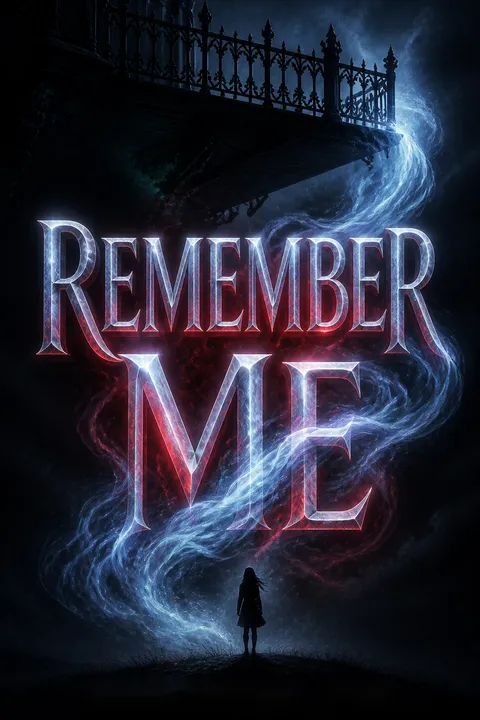
After her death, Shari sees a shifting dark shape watching her from the edge of a walkway. It follows as she runs, keeping pace across the pavement and into a parking lot. The creature is neither clearly solid nor vapor, but its attention feels personal, as if it recognizes her.
Shari flees toward the ocean, where there is nowhere left to run. The scene opens the story with a threat she cannot yet name, before the narrative returns to the night when she was alive.
The opening makes the afterlife feel less like an escape than a new landscape with its own predators. Shari’s terror is sharpened by the creature’s apparent familiarity: it does not merely hunt her, it seems to know her. That intimacy prepares the story’s central reversal, in which the most frightening presence is connected to Shari’s own self-understanding. By beginning with flight and withholding explanation, the novel lets readers experience her fear before they have the facts to interpret it.
Last Night’s Balloon
On a warm Friday near graduation, eighteen-year-old Shari Cooper gets ready for Beth Palmone’s birthday party while her older brother, Jimmy, sleeps in the next room. When Jimmy sleepwalks toward the bathroom, Shari redirects him before he embarrasses himself in front of Amanda Parish, the girlfriend he adores. She discovers Amanda handling his insulin, then quietly explains his diabetes rather than exposing his secret.
Shari’s own worries are more ordinary: her boyfriend, Daniel, may be flirting with Beth, and she is jealous of Amanda’s beauty and closeness to Jimmy. Before Shari leaves, Jimmy recounts a dream in which she loses a balloon and cries. The image follows her out the door, though neither sibling understands it as a farewell.
Shari’s attention is divided between care and self-consciousness. She protects Jimmy from humiliation and Amanda from an awkward discovery, yet measures her own worth through Daniel’s attention and the social comparisons she makes with other girls. Jimmy’s balloon dream gives this ordinary evening an undertow of loss without making either sibling prophetic in any conscious sense. The scene’s emotional force comes from the contrast between what Shari can notice and what she cannot: she sees small dangers clearly, but assumes there will always be time to address the larger ones.
Beth’s Birthday Fall
At Beth’s party, Daniel gives the birthday girl diamond earrings, while Shari tries to hide her jealousy and Jo Foulton needles the group with jokes. After swimming, Amanda tells Shari she saw Daniel and Beth kissing in a Jacuzzi. Later, Jo uses a magnet against Beth’s feet to test questions, then persuades Shari to lie still while the friends pretend she is dead.
Shari sinks into a trance and hears her friends describe her as though she has already vanished. A voice speaks through her, startling the room; Shari breaks free and runs onto the balcony. In the dark, distressed and alone, she falls four stories to the concrete below. She does not yet know whether she jumped or was pushed.
The party turns social insecurity into an altered state before anyone recognizes the danger. Shari’s hurt over Daniel and Beth makes her vulnerable to the group’s death game, while Jo’s experiment treats emotional intensity as entertainment. The séance also blurs the line between performance and genuine contact: the voice that emerges is not simply under Shari’s control. Her fall follows a moment of isolation, but the uncertainty around its cause matters. The story asks readers to distinguish what Shari believes about herself from what actually happened, making grief and self-blame part of the mystery.
The Funeral Without Her
Shari wakes at home and finds her parents and Jimmy unable to see or hear her. At Newport Memorial, a doctor leads them to the morgue, where Shari recognizes her own battered body beneath a sheet. Her family’s grief finally makes the truth undeniable: she is dead, and her attempts to reach them have no effect. The next day, she attends her funeral as an unseen witness.
Few classmates come, because the school believes she took her own life; her mother, father, and Jimmy stand beside the coffin, while Mrs. Parish prays and Jo conceals her sorrow. After the burial, Shari is left beside the fresh earth until Peter Nichols, a former classmate who died earlier, appears and recognizes her.
Shari’s death becomes real not through the damaged body alone, but through the failed gestures that once connected her to other people. She can follow her family, hear their grief, and still cannot comfort them. The funeral compounds that separation by reducing her life to a brief service and a false public explanation. Mrs. Parish’s prayer offers Shari a rare moment of peace, suggesting that love can reach her even when ordinary touch cannot. Peter’s arrival changes the emotional geometry of the scene: she is no longer entirely alone, though she has not yet accepted that companionship as a reason to move on.
Peter at the Grave
Peter explains that Shari can follow a comforting light by focusing her attention on it, and that the places she visits after death respond to her mind. He urges her to leave the earthly world, where a dangerous presence called the Shadow may find her. Shari refuses. She wants to learn who caused her fall, clear the suspicion of suicide, and remain near Jimmy.
Peter cannot promise she will uncover the truth, but he agrees to help investigate. They review the party’s confused timeline and consider Amanda, Daniel, Beth, Jo, and Jeff as possible suspects. Peter also begins teaching Shari how a ghost moves, though she struggles to pass through solid objects or rise into the air. Her need to know outweighs her fear of staying.
Peter offers Shari a spiritual route out of grief, but she experiences departure as abandonment: Jimmy is mourning, and a possible killer remains unidentified. Her investigation is therefore both ethical and personal. She wants justice, yet she also wants to preserve a connection to the living that death has already made painfully one-sided. Peter’s willingness to help, despite his warnings, exposes his own attachment to the unfinished world. Their partnership gives Shari agency, but it also keeps her inside the danger he understands better than she does.
Chalk Beneath the Shoes
Detective Garrett questions the partygoers and reconstructs who entered Beth’s bedroom and reached the balcony. Daniel and Beth insist Shari jumped, while Jo and Jeff offer incomplete accounts; Amanda remains guarded.
Shari and Peter follow Garrett as he revisits the teenagers, but the questioning produces no confession. At Daniel’s house, Shari finds him with Beth, then watches Beth leave in distress when Daniel cannot acknowledge how little he valued Shari. Garrett next questions Jeff, whose evasions draw attention to his shoes.
Away from the case, Garrett secretly watches his daughter buy drugs and use them in a motel. Shari recognizes her from the detective’s photograph and sees how her addiction is hollowing out his life, a painful distraction from the case he is trying to solve.
Garrett’s investigation proceeds through material details and contradictions, while Shari’s ghostly access yields private scenes that cannot yet serve as evidence. That gap keeps the mystery grounded: seeing Daniel’s grief or Jeff’s evasiveness does not prove either man caused the fall. Garrett’s daughter adds a parallel portrait of damage hidden behind public roles. The detective is not an untouched authority figure; he is compromised by drinking and personal fear, yet he notices what the others miss. Shari’s judgments of her friends begin to soften as she sees their weaknesses more closely, though understanding them does not resolve the crime.
The Board Says Hell
Jo gathers the party group at her house, hoping to contact Shari through a Ouija board. Shari asks Peter to guide the planchette, and the answers initially suggest that both ghosts are present. Then another force takes control, spelling that Shari is burning in hell. Jimmy flees in anguish, and Shari chases after him, only to see the Shadow emerge from his outline.
Peter helps her escape the cemetery-like trap it creates. He finally explains that each person has a Shadow, formed from that person’s experiences and self-judgments. Shari’s fear is not proof that she deserves punishment, but the creature can exploit the shame she carries. Her determination to contact the living now risks hurting the people she wants to protect.
The séance turns grief into a public instrument, and its false or corrupted message wounds Jimmy more deeply than silence would have. Shari’s pursuit of her brother then brings the Shadow close enough to force a change in her understanding. Peter’s explanation relocates evil from an external judge to an internal accumulation of fear and self-condemnation. This does not make the Shadow harmless; it makes the danger psychologically intimate. Shari must now recognize that her pursuit of justice can reproduce the harm she has suffered if she treats other people as instruments in her case.
Entering Their Dreams
Unable to make the living hear her directly, Shari experiments with entering their dreams. Jimmy’s dream shows him lost in darkness, too overwhelmed by grief to recognize her. Amanda’s dream is a strange, colorless landscape of needles and a distant pipe, while Daniel’s becomes a lurid fantasy in which Shari confronts his infidelity. His panic gives no reliable account of her fall.
When Shari enters Jo’s dream, she appears as a fortune-teller and frightens her friend with an accusation of murder. Jo wakes terrified, convinced Shari blamed her. Shari sees the damage she has caused and feels guilty for treating dreams as a shortcut to truth. Then Peter’s urgent mental call interrupts her: he believes the Shadow is after him.
The dream episodes make intimacy possible but not dependable. Shari can enter the private images of the living, yet those images are shaped by fear, desire, and confusion rather than by clear testimony. Her encounter with Jo is especially consequential: the attempt to extract certainty becomes an accusation that intensifies a friend’s grief. Shari has spent much of her life using humor and observation to keep emotional discomfort at a distance. Now she discovers that access without consent can be another form of intrusion. Peter’s call shifts her from investigation toward mutual responsibility.
The Shadow’s Mirror
Shari finds Peter fleeing from a Shadow he cannot see clearly. When he admits that each person’s Shadow is bound to that person’s own life, she begins to suspect her certainty about suicide may be wrong.
She returns to Beth’s condominium and climbs onto the balcony where she died, deliberately waiting for the creature. It appears below, beside the spot where her blood fell, and challenges her to jump. Instead of simply falling, Shari enters a vivid replay of her life, beginning in a hospital nursery.
She witnesses a newborn’s identification band being switched and then relives the childhood she remembers from inside a stranger’s perspective. The experience convinces her she did not choose to die, though she has not yet learned whose child she is.
The balcony becomes a site of deliberate confrontation rather than a place where Shari is merely acted upon. By returning to it, she tests the story she has told herself about her death and risks a deeper encounter with the Shadow. The vision reframes memory as something observed from within and from outside at once. Shari’s sense of self begins to fracture, but that fracture also opens the possibility that her assumptions about family are false. The sequence connects personal identity to care and history, not simply to biology, while preserving a crucial question for the next revelation.
Two Mothers, Switched Babies
Shari and Peter visit Mrs. Parish and overhear her arguing with her sister, Mrs. Foulton, about Amanda and Jimmy’s relationship. Their remarks reveal that Mrs. Foulton once switched newborn identification bands at the hospital after discovering her husband’s affair with Mrs. Parish.
Shari realizes she was born to Mrs. Parish and Mr. Foulton, making Jo her half-sister; Amanda is the Coopers’ biological daughter, and therefore Jimmy’s sister. While the sisters argue, Garrett arrives and searches Amanda’s room under a casual pretext.
He finds a pair of hidden white shoes dusted with the orange chalk he noticed at Beth’s condominium. The physical trace links Amanda to the balcony route. Garrett calls for police help, but Shari fears he will not reach Jimmy in time.
The infant switch transforms Shari’s deepest relationships without changing the love that formed them. Mrs. Parish’s maternal care was real even when the family record was false; Jimmy’s place in Shari’s life remains emotionally true even as biology revises their kinship. The revelation also gives new weight to Amanda’s secrecy and the adults’ years of silence. Against this intimate history, Garrett’s chalk evidence is deliberately concrete. One form of truth arrives through remembered experience, another through forensic observation. Together they turn a private family rupture into a case the living can prove.
A Heart Full of Air
At the Cooper home, Amanda keeps Jimmy beside a fire and secretly injects him with a dangerous dose of insulin. She admits she pushed Shari from Beth’s balcony, then prepares to inject air into Jimmy’s vein. Peter enters Amanda’s body to stop her, but his own Shadow arrives and overwhelms him. Shari follows the air bubble into Jimmy’s bloodstream and reaches him in a luminous inner landscape where his heart has stopped.
She tells him the truth about Amanda’s identity and persuades him to release his hatred; together they break the bubble’s hold, and his heart starts again. Back in the room, Shari takes control of Amanda long enough to drop the syringe. Garrett bursts in, rescues Jimmy, and the police take Amanda into custody.
The climax makes Shari’s inward development physically consequential. She cannot stop Amanda through accusation or force, so she enters the immediate danger and helps Jimmy confront the hatred that keeps him bound to it. Forgiveness here is not acquittal: Amanda remains responsible, and Garrett’s evidence and intervention bring her under police control. Peter’s struggle with the Shadow parallels Shari’s earlier terror, exposing the guilt he has concealed. The scene links survival to both practical rescue and emotional release, without suggesting that love alone can undo violence.
The Last Goodbye Chosen
After Jimmy survives the attempt on his life, Peter tells Shari that he deliberately rode his motorcycle into a truck years earlier. He has remained earthbound because he believes his suicide makes him unworthy of the light, but Shari challenges that belief and helps him face the Shadow he has spent years avoiding. Peter finally accepts that he can move on with her.
Jimmy, taken for medical observation, remembers enough of his experience to affirm how much Shari mattered to him. Garrett receives thanks for saving Jimmy and identifying the crime. Shari’s need to remain near her family eases: her brother is alive, her death is no longer labeled suicide, and Peter is ready to leave the earth beside her.
The resolution gives Shari what she sought without granting her the impossible power to restore her old life. Jimmy’s survival and recognition answer her fear of being forgotten, while Garrett’s work corrects the public account of her death. Peter’s confession clarifies that his guidance has been shaped by unresolved guilt, not superior certainty. Shari helps him by applying the same compassion she needed when confronting her own past. Their departure is not an escape from responsibility but a decision made after the living have been given evidence, protection, and room to grieve.
Epilogue
The investigation establishes that Shari was murdered, and the hospital records confirm the infant switch. Amanda receives five years of psychiatric supervision, while Jimmy supports her from a distance and does not resume their relationship. Shari’s biological parents, the Coopers, defend her killer as their returned daughter; Mrs. Parish suffers through the trial but eventually senses Shari’s reassurance in a dream.
Garrett’s daughter leaves drugs behind and returns to live with him, and Garrett stops drinking. Shari and Peter stay long enough to witness these repairs before choosing the light. Shari’s story survives because Jimmy unknowingly types it while dreaming, allowing her to be remembered by people she will never meet.
The epilogue refuses a clean moral settlement. Amanda’s crime is confirmed, yet punishment gives way to psychiatric care and continued family connection; Shari feels no need to turn grief into revenge. The adults’ choices remain imperfect, especially the concealment that protected them for years, but Mrs. Parish’s eventual peace arrives through an intimate recognition rather than public vindication. Garrett’s daughter’s recovery echoes the novel’s concern with people trapped by shame and destructive habits. Finally, Shari’s story becomes an act of remembrance: the dead cannot resume their former lives, but the living can carry forward a truer account of who they were.
Analysis
Remember Me begins as a murder mystery but makes the investigation inseparable from Shari’s struggle to understand herself. She is dead, yet the most important uncertainties concern the stories she tells about the living: whether Daniel loved her, whether she was capable of suicide, and whether her family ties are what she assumed. The mystery advances through two different kinds of evidence. Garrett reads timelines, shoes, and traces of orange chalk; Shari sees dreams and memories that are emotionally vivid but difficult to verify. Neither method is sufficient alone. Their convergence makes truth something discovered through patient attention rather than supernatural certainty.
The book’s account of the afterlife also resists a simple division between good and evil. The Shadow is terrifying because it magnifies a person’s own judgment, while the light offers release without demanding that the dead earn it. Peter’s guilt over his suicide shows how punishment can persist even when no external authority imposes it. Shari helps him not by denying his act, but by challenging his belief that remorse must last forever.
Family becomes the novel’s most radical question. Shari’s biological origins contradict the household in which she grew up, yet the emotional bonds she formed remain genuine. Her love for Jimmy does not disappear when she learns they are not siblings, and Mary’s maternal care is not invalidated by the infant switch. The story distinguishes kinship as a record from kinship as lived responsibility.
Its resolution is notably humane rather than punitive. Amanda is held accountable, but Shari does not seek revenge; Jimmy survives, Garrett’s daughter receives another chance, and the grieving adults are allowed imperfect forms of repair. Shari’s wish to be remembered is finally met not by fame alone, but by the care she gives and receives. The novel suggests that a life’s significance is less a matter of public achievement than of the particular people whose inner worlds it changes.
Review Summary
Remember Me received mixed reviews, with the first book generally praised for its intriguing mystery and spiritual elements. Many readers enjoyed the unique perspective of a deceased protagonist solving her own murder. However, opinions on the sequels were more divided, with some finding them less engaging or too focused on philosophical themes. Readers appreciated Pike's writing style and character development, though some felt the later books strayed from the original concept. Overall, the trilogy explores themes of life, death, and spirituality, eliciting strong reactions from readers.
People Also Read


Characters
Shari Cooper
The watchful lost daughterShari is an eighteen-year-old high school senior who notices other people sharply while often judging herself through appearance, romance, and social standing. She loves her older brother Jimmy and tries to protect him, but her jealousy and quick humor can keep her from admitting how vulnerable she feels. As narrator, she is candid about her flaws and frequently reconsiders what she thought she understood. Her curiosity gives her an investigator’s eye; her attachment to the living makes it difficult for her to accept boundaries after death. Shari’s defining tension is between wanting to be seen and fearing what others might see in her. Her emotional intelligence grows as she learns that understanding another person is different from controlling them.
Peter Nichols
The uneasy spirit guidePeter is a former classmate of Shari’s, remembered for his humor, athletic talent, and gift for storytelling. In death, he knows how spirits travel and can explain the light and the danger posed by the Shadow, though his knowledge is incomplete and colored by personal guilt. He cares for Shari but often retreats behind jokes or spiritual instruction when a conversation becomes emotionally exposed. His bond with Shari rests on an old, largely unspoken affection and a shared willingness to look closely at difficult truths. Peter’s combination of tenderness and avoidance makes him both a valuable guide and a person who still needs help himself.
Jimmy Cooper
Shari’s beloved brotherJimmy is Shari’s older brother, a gentle, physically strong young man who works outdoors for the telephone company rather than attending college. He has diabetes and manages his illness with insulin, though he dislikes drawing attention to it. His patience with Shari is one of the steadier relationships in her life; he trusts her even when she teases or misleads him. His devotion to Amanda leaves him exposed to rejection, and his grief makes him vulnerable to supernatural suggestions and manipulation. Jimmy’s quietness is not indifference. He feels deeply, but often has trouble voicing what he needs, which makes Shari’s attention and care especially important to him.
Amanda Parish
The guarded beautyAmanda is the striking, reserved daughter of housekeeper Mary Parish and a new romantic presence in Jimmy’s life. She has long dark hair, gray eyes, and a habit of holding her thoughts close, which makes other people project motives onto her. Her family has limited money, and she is more accustomed to work and constraint than Shari is. Amanda’s quietness can read as shyness, but it also reflects the burden of keeping private worries from the people around her. Her relationship with Jimmy is intense, and her connection to Shari is complicated by affection, insecurity, and the family histories surrounding them.
Joanne Foulton
The occult-minded best friendJo is Shari’s petite, sharp-witted best friend and the daughter of a busy hospital nurse. She is fascinated by astrology, magnets, séances, and other ways of testing the supernatural, though her interest does not make her gullible. Her nicknames and jokes help her manage people and situations that might otherwise feel unpredictable. Jo is more emotionally guarded than Shari, especially when hurt, and her attraction to Jeff complicates the loyalty she feels toward her friend. Her experiments create both opportunities for contact and risks she does not fully understand.
Garrett
The compromised detectiveGarrett is the detective assigned to investigate Shari’s death. His shabby appearance, drinking, and troubled family life make him easy to underestimate, but he studies timelines and physical evidence with care. Unlike the first officers on the scene, Garrett does not settle for the convenient explanation that Shari took her own life. His patience with grieving people and his attention to small inconsistencies reveal a working compassion beneath his rough habits. He is fallible, but his willingness to keep looking gives the living a path toward the truth.
Daniel Heard
Shari’s unreliable boyfriendDaniel is Shari’s attractive, socially confident boyfriend, drawn to expensive cars, parties, and attention. He can be warm and entertaining, but he avoids difficult emotional conversations and prizes appearances. His interest in Shari is real but unstable, and he is more practiced at charm than honesty. His behavior at Beth’s party exposes the gap between Shari’s romantic hopes and his priorities. Daniel’s uncertainty and evasiveness make him a natural suspect, while his vulnerability in private complicates Shari’s anger toward him.
Elizabeth Palmone
The party’s polished hostBeth is a popular classmate who hosts the birthday party at her family’s oceanfront condominium. Her cheerful manner and cultivated air of innocence can conceal her anxieties about appearance and desirability. She is academically capable, though others often reduce her to her body. Beth is involved with Jeff and attracts Daniel’s attention, placing her at the center of several romantic tensions. Her efforts to keep a party pleasant can make her seem agreeable even when the situation around her is not.
Mary Parish
The quiet, prayerful motherMary Parish works as a housekeeper and raises Amanda with limited means and steady devotion. She is patient, observant, and willing to listen without forcing advice on people who need comfort. Her Catholic faith is a central practice in her life, expressed through prayer rather than display. Shari feels unusually safe talking with her, even though Mary belongs to a more religious world than Shari understands. Her bond with her daughter and her difficult history with her sister shape the emotional center of the adult family around the teenagers.
Mrs. Foulton
Jo’s hurried nurse motherJo’s mother is a hospital nurse who is almost always busy, smoking, or preparing to leave for work. She is blunt where her sister Mary is gentle, and their old resentment colors the family gatherings around Jo and Amanda. Her professional competence contrasts with her impatience at home. She rarely offers emotional reassurance directly, yet her concern for Jo is real and visible in moments when her daughter is distressed.
Shari’s parents
The grieving Cooper householdShari’s affluent parents are polished, ambitious people whose attention is divided between work, social obligations, and their children. Her father is a forceful real estate developer; her mother devotes considerable effort to appearance and managing the household. Shari experiences them as loving but emotionally distant, especially beside her closeness with Jimmy and Mary Parish. Their grief reveals a tenderness that Shari did not always recognize while alive, and their family life provides the material backdrop to the novel’s questions about belonging.
Garrett’s daughter
The detective’s endangered childGarrett’s unnamed daughter is a young woman struggling with drug addiction. She is isolated and physically vulnerable, while her father watches from a distance, unsure how to reach her. Her presence exposes the private cost of Garrett’s efforts to function as a detective and adds another strained parent-child relationship to the story.
Reverend Theodore Smith
The formal family ministerReverend Smith leads Shari’s funeral. Shari finds his familiar sermons dull, but his service includes a religious idea that later helps her understand how a dead person might ask for help.
Dr. Leeds
The morgue physicianDr. Leeds is the elderly physician who tells the Cooper family that Shari is dead and allows them to see her body. His calm manner cannot soften the news, but his decision gives the family a chance to confront what has happened.
Plot Devices
The Shadow
The self made visibleA separate, frightening presence follows each person after death. Peter explains it as the accumulated weight of experience and self-judgment, which appears terrifying when a person cannot accept themself. The Shadow can trap a spirit in the painful material of its own memories. It first pursues Shari, later frightens Peter, and finally forces Shari to confront a replay of her life. The image externalizes shame without making it an objective verdict on a person’s worth.
The magnet test
Questions the body answersJo uses a capped magnet and changes in Beth’s apparent leg length to produce yes-or-no answers. The test gives the group a way to ask about hidden knowledge, fate, and life after death, while leaving uncertainty about whether the body, the participants, or a supernatural force is responding. Its use at Beth’s party helps move the gathering from ordinary games into the séance that precedes Shari’s fall. Later, Amanda connects its answers to her own choices, making the device part of the story’s tension between suggestion and responsibility.
The Ouija board
A bridge with interferenceJo’s board is meant to give the living a way to contact the dead through a moving planchette. Shari and Peter attempt to guide it, but its messages become frightening and unreliable, wounding Jimmy and raising the possibility that a second force is involved. The board dramatizes a central problem of the story: contact is possible, but a signal is not automatically trustworthy. The characters’ desperation for proof can make them more vulnerable to false certainty.
Dream entry
Access without certaintyShari learns to enter sleeping people’s dreams by touching their heads. She can witness their private fears and sometimes make herself known, but dream images are symbolic, distorted, and often forgotten after waking. Her visits to Jimmy, Amanda, Daniel, and Jo reveal emotional states rather than dependable testimony. The device lets the dead approach the living while emphasizing the limits of that access: Shari can cross a boundary, but she cannot make another person understand her or turn a dream into evidence.
Jimmy’s red balloon
A warning becomes rescueJimmy’s dream of Shari losing a balloon foreshadows a final meeting between the siblings. During Amanda’s attempt to kill Jimmy, Shari reaches him in an inner landscape and recognizes the balloon as the image of a dangerous air bubble in his bloodstream. Their shared act of releasing hatred allows Jimmy to break the bubble’s hold and return to life. The image binds an early farewell to the climax, changing from an omen of separation into a means of saving him.
FAQ
Synopsis & Basic Details
What is Remember Me about?
- Ghostly investigation unfolds: The story follows Shari, a recently deceased teenager, as she navigates the afterlife and investigates the circumstances surrounding her death, which was initially ruled a suicide.
- Unraveling a web of secrets: Shari, with the help of another ghost, Peter, uncovers hidden truths about her friends and family, revealing a complex web of lies and betrayals.
- Seeking justice and peace: Driven by a need to clear her name and find peace, Shari confronts her past and the mysterious entity known as the Shadow, a manifestation of her fears and regrets.
Why should I read Remember Me?
- Unique supernatural mystery: The novel offers a compelling blend of mystery and the supernatural, exploring the afterlife through the eyes of a teenage ghost determined to solve her own murder.
- Emotional depth and character development: The story delves into the emotional complexities of its characters, exploring themes of love, loss, betrayal, and forgiveness, making it a deeply moving read.
- Twists and turns: The plot is filled with unexpected twists and turns, keeping readers engaged and guessing until the very end, while also exploring deeper themes of identity and destiny.
What is the background of Remember Me?
- Contemporary Southern California setting: The story is set in a modern Southern California beach town, providing a backdrop of affluence and superficiality that contrasts with the deeper emotional struggles of the characters.
- Focus on teenage social dynamics: The novel explores the complex social dynamics of high school, including relationships, rivalries, and the pressures of fitting in, which are all heightened by the supernatural elements.
- Exploration of grief and loss: The story delves into the emotional impact of death and loss, examining how different characters cope with grief and the search for closure, while also exploring the concept of the afterlife.
What are the most memorable quotes in Remember Me?
- "It is a wonderful thing to be alive.": This quote, repeated by Shari, emphasizes the value of life and the tragedy of her premature death, highlighting the novel's central theme of appreciating the present.
- "Most people would probably call me a ghost. I am, after all, dead. But I don't think of myself that way.": This quote establishes Shari's unique perspective as a ghost, setting the stage for her investigation and her refusal to be defined by her death.
- "We were trying to talk to the spirits. We were using Shari as a subject.": This quote, spoken by Jo, foreshadows the supernatural elements of the story and the events that lead to Shari's death, highlighting the dangers of dabbling in the occult.
What writing style, narrative choices, and literary techniques does Christopher Pike use?
- First-person narrative with a unique perspective: The story is told from Shari's point of view as a ghost, providing an intimate and often ironic perspective on the events and characters, while also allowing for introspection and emotional depth.
- Blend of mystery, supernatural, and thriller elements: Pike masterfully combines elements of mystery, the supernatural, and thriller genres, creating a suspenseful and engaging narrative that keeps readers guessing.
- Foreshadowing and red herrings: The author uses subtle foreshadowing and red herrings to create suspense and misdirection, leading to unexpected twists and turns that challenge the reader's assumptions.
Hidden Details & Subtle Connections
What are some minor details that add significant meaning?
- Broken hairbrush foreshadows chaos: Shari's constant breaking of her hairbrushes, especially the one on the night of her death, symbolizes her inner turmoil and foreshadows the chaotic events to come.
- The color of Shari's eyes: The debate over the color of Shari's eyes (green vs. brown) highlights the subjective nature of perception and foreshadows the hidden truths about her identity and relationships.
- The recurring mention of cake: The repeated references to cake, especially the chocolate cake, symbolize indulgence and temptation, foreshadowing the unhealthy obsessions and desires that drive the characters.
What are some subtle foreshadowing and callbacks?
- Jimmy's dream foreshadows Shari's death: Jimmy's dream about Shari with a balloon that floats away and makes her cry foreshadows her death and the loss of her life's potential.
- The "dead girl" game foreshadows the seance: The mention of a "dead girl" game that Shari and her friends played earlier foreshadows the seance and the events that lead to her death, creating a sense of unease.
- The mention of Peter's stories: The discovery of Peter's unfinished stories, especially "Ann's Answer," foreshadows Shari's own investigation and the revelation of her true identity, creating a sense of interconnectedness.
What are some unexpected character connections?
- Jo and Amanda's familial link: The fact that Jo and Amanda are cousins, despite their vastly different personalities, highlights the hidden connections and complex relationships within the story.
- Mrs. Foulton and Mrs. Parish's shared history: The revelation that Mrs. Foulton and Mrs. Parish are sisters, and that Mrs. Parish had an affair with Mrs. Foulton's husband, adds a layer of complexity to their interactions and reveals the deep-seated resentments that exist between them.
- Shari and Amanda's biological link: The discovery that Shari and Amanda were switched at birth, making them biological sisters, adds a tragic dimension to their rivalry and highlights the theme of mistaken identity.
Who are the most significant supporting characters?
- Peter Nichols as a guide: Peter serves as Shari's guide in the afterlife, providing her with insights and support as she navigates her new existence and investigates her death, while also grappling with his own past.
- Mrs. Parish as a biological mother: Mrs. Parish's role as Shari's biological mother adds emotional depth to the story, highlighting the themes of motherhood, loss, and the search for belonging.
- Garrett as an investigator: Garrett's role as the detective investigating Shari's death provides a crucial perspective from the living world, and his personal struggles add depth to his character and his determination to uncover the truth.
Psychological, Emotional, & Relational Analysis
What are some unspoken motivations of the characters?
- Amanda's desire for control: Amanda's actions are driven by a deep-seated need for control, stemming from her feelings of inadequacy and her desire to protect her relationship with Jimmy, leading to her jealousy and violence.
- Dan's insecurity and desire for validation: Dan's actions are motivated by his insecurity and his need for validation from others, leading him to seek attention from multiple women and ultimately betray Shari.
- Jo's need for control and connection: Jo's fascination with the occult and her tendency to give people nicknames stem from her need to control her environment and connect with others on a deeper level, while also masking her own insecurities.
What psychological complexities do the characters exhibit?
- Shari's struggle with identity and acceptance: Shari's journey is marked by her struggle to accept her death and her true identity, as she grapples with her past actions and her desire for justice and peace.
- Jimmy's grief and vulnerability: Jimmy's grief over Shari's death is compounded by his diabetes and his emotional dependence on Amanda, making him vulnerable to manipulation and highlighting his inner turmoil.
- Amanda's distorted sense of love and destiny: Amanda's actions are driven by a distorted sense of love and destiny, leading her to believe that she is justified in her violence and that she is protecting her relationship with Jimmy.
What are the major emotional turning points?
- Shari's acceptance of her death: Shari's acceptance of her death is a major turning point, allowing her to move beyond her anger and resentment and focus on finding peace and understanding.
- Jimmy's realization of Amanda's betrayal: Jimmy's realization that Amanda was responsible for Shari's death and that she was manipulating him is a major emotional turning point, leading him to confront his own vulnerabilities.
- Mrs. Parish's confession and reconciliation: Mrs. Parish's confession about the switch and her reconciliation with Mrs. Foulton are major emotional turning points, bringing closure to the past and allowing for healing and forgiveness.
How do relationship dynamics evolve?
- Shari and Jimmy's sibling bond: The sibling bond between Shari and Jimmy is a central relationship, highlighting their deep love and loyalty, which transcends even death.
- Shari and Peter's evolving friendship: The relationship between Shari and Peter evolves from a guide-student dynamic to a deep friendship, as they navigate the afterlife and confront their pasts together.
- The complex dynamic between Shari, Dan, and Beth: The complex dynamic between Shari, Dan, and Beth highlights the themes of betrayal and jealousy, as their relationships are tested by hidden desires and insecurities.
Interpretation & Debate
Which parts of the story remain ambiguous or open-ended?
- The nature of the Shadow: The true nature of the Shadow and its connection to Shari's inner self remains somewhat ambiguous, leaving room for interpretation about the nature of good and evil.
- The extent of Peter's influence: The extent of Peter's influence on the events of the story, particularly his ability to manipulate the Ouija board and his knowledge of the afterlife, remains open to debate.
- The possibility of true redemption: The possibility of true redemption for Amanda and other characters who have committed wrongdoings remains open-ended, leaving readers to ponder the nature of forgiveness and justice.
What are some debatable, controversial scenes or moments in Remember Me?
- Amanda's motivations and actions: Amanda's motivations for killing Shari and her subsequent actions are open to debate, with some readers viewing her as a victim of circumstance and others as a cold-blooded killer.
- The morality of Peter's actions: Peter's actions, particularly his use of Shari's body during the seance and his decision to leave her to face the Shadow alone, raise questions about his morality and his role as a guide.
- The nature of the afterlife and its rules: The depiction of the afterlife and its rules, particularly the concept of the Shadow and the limitations placed on ghosts, is open to interpretation and debate, challenging traditional notions of heaven and hell.
Remember Me Ending Explained: How It Ends & What It Means
- Shari's journey to acceptance: The ending sees Shari finally accepting her death and her true identity, allowing her to move on from her earthly concerns and embrace the light, symbolizing her journey toward peace and understanding.
- Peter's redemption and departure: Peter's decision to confront his Shadow and his subsequent departure with Shari signify his own redemption and his acceptance of his past, highlighting the theme of forgiveness and self-acceptance.
- The cyclical nature of life and death: The ending suggests a cyclical nature of life and death, with the Shadow representing the unresolved issues that individuals carry with them, while also hinting at the possibility of rebirth and the continuation of the soul's journey.
Remember Me Series

About the Author
Other books by Christopher Pike


Download PDF
Download EPUB
.epub digital book format is ideal for reading ebooks on phones, tablets, and e-readers.








