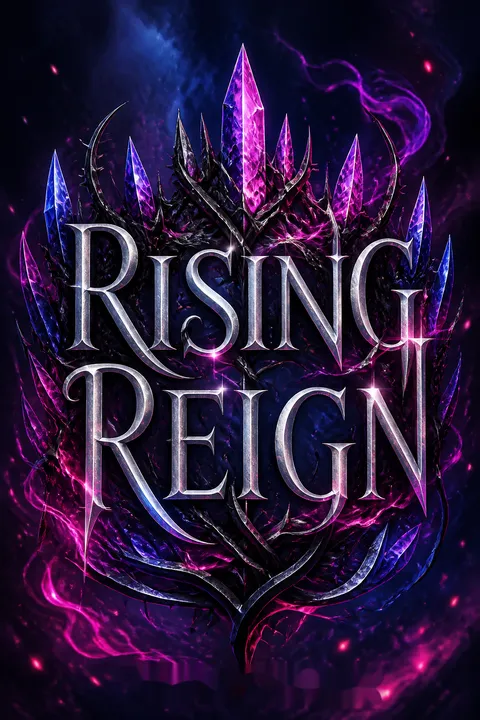


Plot Summary
The Pit's Price
After her father, Bastian Boudreaux, recaptures her, Wren is beaten, starved, and confined in a pit on Red River territory. She holds on by recalling her five mates, the men she was torn from, and uses her wolf's healing to stay alive. Bastian makes her fight pack members for the bare necessities of shelter, food, and a bed.
Wren defeats several opponents despite her injuries, refusing to accept his claim that her submissive nature makes her weak. When a healer named Hera interrupts the matches, she secretly reveals that she once treated Wren after a near-fatal attack. Hera restores Wren's strength and returns memories of that rescue, then presses Kingston's knife into her hand with a warning to be ready.
Wren's endurance is not presented as a simple triumph of toughness. Bastian controls food, movement, and violence, turning survival into a performance staged for his pack. Wren's private memories of her mates offer a counterweight: they remind her that she belongs to relationships built on care, not possession. Hera's return complicates the apparent isolation of captivity. Wren has been watched over before, even when she could not know it, and the hidden knife converts that past care into a practical chance of escape. The first contest also reframes submission: Bastian treats it as incapacity, while Wren's tactical victories show that his hierarchy mistakes quietness for helplessness.
Arrows Over Red River
In Colorado, Wren's mates trace her to Red River and plan a dangerous assault against a pack far larger than their own. Hera arrives with knowledge of the territory, while hacker Locke maps the cameras and patrols. During Bastian's drunken party, Wren is locked in a cage as pack members throw objects at her.
Ender's arrows begin the attack; Puck, Brix, and the others fight their way toward her. When Marcelle tries to drag her away, Wren uses Kingston's knife to stab him, killing the enforcer who tortured her. Brix reaches her, but their escape is not clean. A Red River gunman shoots at the retreating group, and Kingston takes the bullet while pushing Wren out of its path.
The rescue makes Wren an agent in her own escape rather than a prize carried from one captor to another. Her choice to kill Marcelle is both tactical and psychological: the knife Hera returned becomes proof that Wren can act against the people who taught her to freeze. Yet the assault also exposes the cost of love in a group trained to protect one another. Kingston's wound comes from the same reflex that has sustained their bond, but it turns protection into immediate danger. The pack's numerical disadvantage matters because it keeps the rescue from resolving the conflict. Freedom from the cage is only the first emergency; survival now depends on decisions made under fire.
Kingston's Borrowed Breath
Hera cannot safely repair Kingston's gunshot wound before he dies, so she tells Wren that a bond might keep him anchored. Wren bites him, accepting the risk of a one-sided mating bond and pouring her strength into him while Hera removes the bullet. The effort leaves Wren unconscious, but Kingston survives.
When she wakes, he is angry that she could have died for him; she takes his fear as rejection until he explains that he never wanted her to feel forced into mating. Wren makes clear that her choice came from love. They complete the bond, and the restored connection returns the strength she gave him. As the group prepares to leave Louisiana, Ender reports that Bastian has used dark magic to bring Marcelle back from the dead.
The bond begins as an emergency act, but its emotional meaning depends on consent. Kingston's anger is not indifference; it comes from fearing that Wren sacrificed herself out of obligation. Wren, in turn, refuses to let his anxiety define what her choice meant. Their disagreement forces both to distinguish care from control, a distinction Bastian has always ignored. The bond's physical exchange makes that negotiation tangible: Wren gives strength, loses it, and receives it back when their commitment becomes mutual. Marcelle's return undercuts any easy sense of victory. The people who harmed Wren can be restored by forces that regard death as a tool, so the couple's new certainty immediately has to coexist with renewed danger.
Secrets at Crescent Kingdom
Back in Colorado, Wren insists on visiting Crescent Kingdom, the gym run by Clyde, the older friend who has become a grandfather figure to her. Clyde, Franco, and Juan confront the pack about the attackers they saw during the rescue.
Kingston admits that he and the others are wolf shifters; Wren demonstrates her caster inheritance, and the men agree to keep the secret and help protect her. The disclosure brings her human friends closer but makes the danger more personal.
Wren also challenges Ender for refusing to identify the anonymous source feeding him information about Red River. Ender insists that she trust his judgment without offering her the same openness, and Wren calls out the imbalance. Their conflict leaves Ender retreating into silence.
The gym turns secrecy from an abstract supernatural rule into a question of chosen family. Clyde and his friends have already risked themselves for Wren, so withholding the truth would deny them the ability to understand the danger they face. Their acceptance is imperfect and comic, but it is also an ethical choice to stay. Ender's secrecy presents the inverse problem: protection can become a rationale for withholding agency from someone he loves. Wren's demand is not simply for information. She wants a relationship in which trust is offered reciprocally rather than demanded as proof of loyalty. That distinction will become essential to her growing intimacy with Ender.
The Vampire at Crescent Creek
Ender's source arrives in person: Rhys, a vampire whose visions let him glimpse events and gather intelligence without entering Red River. His arrival unsettles the pack, but it also explains how Ender has tracked Bastian. Wren presses Ender about his secrecy; later, Rhys helps him admit that he fears intimacy and has helped drive Wren into danger through his earlier suspicion of her.
Wren chooses to meet that honesty with closeness, and Ender stops retreating from her. She also answers Brix's request for help with his trauma by using enchanted light ink to transform the imagery on his tattooed skin without erasing its history. Rhys, intrigued by Wren's abilities and the danger ahead, announces that he will train her.
This section links two forms of repair. Ender begins to understand that concealment cannot undo his past harm, while Brix seeks a way to hold painful memory without letting it dictate the future. Wren's response to both men is active rather than curative: she offers connection, but neither man can be made whole by her alone. The tattoo's transformation preserves the marks of Brix's experience and changes how they can be read. Rhys, by contrast, arrives as an unsettling catalyst, using knowledge to provoke movement. His insight is valuable, but his habit of deciding what others need foreshadows the ethical limits of his methods.
Blood Behind the Bar
While working at Arcane, the bar Wren shares with her friends, Wren is attacked outside by Dent, a surviving member of the Death Walkers motorcycle club that once held her captive. She fights back with Kingston's knife and kills him before Rhys intervenes. Rhys admits he foresaw the attack but stood aside to assess Wren's combat skills.
Puck, furious that Rhys risked her life, strikes him; Wren then draws Puck away from the others and refuses to let him hide behind charm or sex. Puck admits that a call from his sister has revived shame about leaving his family and fear that he cannot keep Wren safe. He agrees to meet his sister, though he is unsure he is ready.
Dent's attack shows that Wren's past is not confined to Bastian's territory; violence can follow her into the community she has built. Her ability to defend herself matters, but Rhys's decision to observe rather than intervene exposes the difference between training someone and using them as a test. Puck's reaction is not only anger at Rhys. It reveals how fear turns his past failures into a verdict on his worth as a mate. Wren refuses to soothe him with an easy distraction and instead asks what is beneath the performance. His decision to see his sister marks a small but consequential move toward confronting the family life he abandoned.
Learning to Unshield
Rhys warns that a vision showed Wren may die unless she improves her shifting and learns to use her empathic gift. Hera prepares a potion that lowers Wren's emotional shields, and Rhys asks her to practice on Brix. Ender volunteers instead.
Wren feels the depth of Ender's self-hatred, but when she begins drawing it out, he breaks contact and runs. Her shifting is also slow because Bastian taught her to fear vulnerability in wolf form. Locke proposes a pack run; among her mates, Wren shifts more easily and discovers that her wolf can feel safe rather than exposed.
The shared run gives her a first practical step toward trusting her animal nature, while Ender's withdrawal leaves their unfinished bond and her new training pressing against each other.
Training requires Wren to encounter the very emotions she has spent years containing. Her gift is not a clean instrument: opening it makes other people's pain physically dangerous, so competence cannot mean simply absorbing more. Ender's refusal to continue reveals that emotional exposure threatens him as much as it helps him. The pack run offers a different model of safety. Wren's wolf does not become stronger through dominance or force, but through repeated experience of belonging without being attacked. This is a psychological shift as well as a technical one. Her body learns what her childhood denied: vulnerability can be shared, and shared vulnerability need not end in punishment.
A Sister, A Traitor
Puck's sister Clara arrives with four guards, and their reunion brings relief as well as awkwardness over the years they spent apart. That night, Wren senses murderous intent in the house and finds Archie, one of Clara's guards, approaching the sleeping Puck with a knife.
Archie believes Puck might reclaim his former pack's leadership, so Wren throws her blade and kills him before he can strike. Locke finds messages showing that Archie had offered to kill the Arcane pack and return Wren to Bastian for a reward.
Clara has her remaining guards surrender their phones, then helps Wren practice shifting without fear or force. Puck and Clara's reunion now carries a sharper urgency: danger has reached them through the very security meant to keep it out.
Archie's attack demonstrates how protection can fail when loyalty is mistaken for virtue. He is not an outsider breaking through the gate; he is inside the household, close enough to exploit trust and sleep. Wren's new sensitivity detects the threat before anyone else can, turning a once-hidden capacity into immediate action. The danger also gives Puck's family reunion a complicated shape. Clara's presence reconnects him to a life he left, but her guard's assumptions expose how easily old histories can be used against him. Clara's approach to Wren's shifting counters that threat with a different kind of authority: she teaches by building trust between Wren and her wolf.
Ender's Chosen Bond
At the gym, Franco is suddenly controlled by dark magic and charges Wren with an enchanted blade. Ender steps in front of her and takes the wound; the blade prevents his shifter body from healing. Hera uses a painful spell to draw the dark magic out, leaving a star-shaped mark, while Clara identifies the weapon as a soul-capturing blade.
After Hera finds a way to free Franco, Ender admits that his earlier cruelty came from fear and guilt, and that he loves Wren. He chooses to complete their mating bond because he wants it, not because danger has forced his hand. The union also brings Ender and Brix together in a rare moment of trust. The attack reveals that a dark-mage coven has learned Wren's empathic nature.
Ender's wound externalizes a conflict he has kept internal: he has long used distance as a way to avoid hurting Wren, yet his first unguarded act is to risk his life for her. The crucial change comes afterward, when he does not let sacrifice substitute for honesty. He names his love and accepts the bond as a choice. The enchanted blade also broadens the threat from physical injury to spiritual possession, making the body itself an uncertain boundary. Franco's control shows that ordinary friendship can be weaponized against Wren. The revelation of her empathic gift raises the stakes beyond family revenge: other supernatural forces may now seek to use the capacity that makes her uniquely vulnerable.
Heat Before the Siege
The pack prepares for both Bastian and the dark mages, fortifying its wards, laying traps, and giving the human allies protective amulets. Wren's first heat as a fully mated wolf arrives before the defenses are complete, leaving her overwhelmed for several days while her mates help her through it.
Once she recovers, three weeks pass without an attack. Then Rhys suffers a vision of enemies entering the property during daylight. Locke discovers that the electrical grid has failed, and his cameras show dark mages crossing the northwest boundary to weaken the wards.
Kingston assigns each group a role: Clyde and Dina monitor the systems, Ender and Franco take the sniper position, and the others move to intercept the breach. The quiet ends with the defenses already under magical assault.
The delay between preparation and attack creates a tension that is different from combat: the characters must live inside uncertainty without mistaking vigilance for control. Wren's heat interrupts their plans through a body process she cannot simply will away, forcing the pack to care for her without treating her as a liability. The amulets and mixed human-supernatural defense system also show that protection is becoming collective rather than the work of the shifters alone. Rhys's vision gives warning, not mastery. The grid failure and weakening wards make clear that their elaborate safeguards can be undermined. The group enters the battle aware that preparedness is a practice, not a guarantee.
Darkness Turns Inward
The dark mages breach the boundary, and Wren fights beside Kingston and Brix, using creek water to restrain attackers before killing the coven leader with her claws. The remaining mages collapse. Red River wolves and hired mercenaries then attack, including a resurrected, corrupted Marcelle.
Wren, Puck, Rhys, and the others bring Marcelle down, and Hera destroys his heart to prevent another return. Bastian enters the battle, cuts Locke's throat, and traps Wren behind a barrier.
He admits that he killed Wren's mother and plans to force Wren to bear an heir before surrendering her to the mages. To stop the fight, Wren opens her shields and takes the attackers' accumulated darkness into herself. Bastian dies as he confronts the weight of his cruelty; Wren collapses beside Locke.
The battle converges the book's distinct forms of violence: magical exploitation, pack hierarchy, hired force, and the intimate damage done by a parent. Wren's power becomes decisive only when she uses it at a cost that threatens her own life. She does not defeat the enemy by becoming untouched by darkness; she takes its consequences into herself, forcing a temporary moral reckoning among those who had been acting without feeling. Bastian's confession clarifies that his control was never protection or family duty. It was a plan to use Wren's body and abilities. The triumph is therefore inseparable from catastrophe: the people Wren saves must watch her fall, and Locke's survival remains uncertain.
Awakening Into Family
Hera's magic cannot repair Wren and Locke's injuries, so Rhys draws his own black, shimmering blood and gives it to her. Its power revives Wren and helps save Locke, but Rhys leaves the pack without saying goodbye. When Wren wakes, she learns that the darkness she absorbed forced Red River's survivors to face the harm they had done, while Bastian died from a heart attack after confronting his own cruelty.
She also learns Rhys is a rare Nocturnae, an ancient being whose blood and identity place him at risk. The loss of the battle's immediate danger does not erase grief, but Wren returns to a home filled with friends, mates, and the human allies who chose to stand beside her.
The rescue comes from the character who has spent much of the story hiding behind spectacle and jokes. Rhys's blood is not merely a supernatural cure; it is a costly act of solidarity from someone who has resisted belonging. His departure leaves that act unresolved, preserving loneliness as a real consequence rather than a problem instantly fixed by gratitude. Wren's understanding of Bastian's death also differs from revenge: his end follows the confrontation with the harm he inflicted, and the pack's survivors must live with their own actions. The ending restores Wren to connection, but it does not pretend that connection cancels trauma. It gives her a place from which to keep living.
Epilogue
Five years later, Wren graduates at the top of her class and has already established a free mental-health clinic for her community. Her mates, Clyde, Dina, Franco, Juan, Clara, Hera, and other loved ones fill the audience.
Rhys is absent, but the family they have built surrounds her. Wren then reveals that she is pregnant. The news transforms her long-held fear of being used to produce an heir into a future she has chosen with the people she trusts.
The epilogue answers Bastian's attempt to control Wren's future with a deliberate reversal. He treated pregnancy as a political resource and Wren as a vessel; Wren announces it on her own terms, among people who regard her life as hers. Her mental-health clinic extends the same logic outward. She turns the understanding forged through pain into accessible care, without making suffering a prerequisite for worth. The crowded graduation audience also gives the ending a social scale: safety is no longer just a locked door or a pack's perimeter, but a network of chosen relationships. Rhys's absence keeps the found family imperfect, yet Wren's future feels expansive rather than secured by possession.
Analysis
Rising Reign tests the difference between protection and possession. Bastian's rule is built on the claim that authority gives him rights over Wren's body, movement, and future. The Arcane pack offers a counterexample, but the men do not begin as perfect partners: their fear of losing Wren repeatedly tempts them to limit her choices. The story's measure of love is not how much danger a character will absorb for another. It is whether care can coexist with consent, truth, and the other person's agency.
Wren's powers make this ethical conflict physical. Her empathy lets her recognize emotional realities that others conceal, but absorbing them can damage her. The gift is not a moral shortcut in which compassion automatically defeats evil. It requires boundaries, training, and the willingness to refuse a bond made only for advantage. Her decisive action against the dark forces comes through vulnerability, yet the story preserves the cost of that choice rather than treating sensitivity as invulnerability.
The pack's formation also revises what family means. Blood relations include Bastian's abuse and Puck's painful estrangement, while chosen bonds include human friends who learn the truth and decide to help. The final threat can only be met by this broader community: supernatural fighters, a healer, a vampire, and ordinary friends each contribute something the others lack. Wren's later clinic extends that model beyond the pack. She converts survival into care without implying that suffering was necessary or deserved. The ending's pregnancy is especially pointed because the future Bastian tried to dictate becomes a future Wren announces freely, surrounded by people who recognize her as a person before they recognize her as a source of power or an heir.
Review Summary
Characters
Wren
Defiant wolf pack outcastWren is a young wolf shifter whose submissive status and mixed heritage make her an outsider in her father's pack. Years of abuse have taught her to anticipate danger, but they have not erased her attentiveness to other people's suffering. She is resourceful in a fight and wary of authority, especially when care is offered as a reason to control her. Her relationships with her mates give her a place to practice trust without surrendering independence. Wren's strength lies not in being untouched by fear, but in making choices while afraid and continuing to recognize the humanity of people around her.
Kingston
Steady alpha protectorKingston leads the Arcane pack with a practical, disciplined style. He plans before acting, thinks in terms of the whole group, and carries responsibility as if every injury were evidence of a personal failure. With Wren, his protective instincts are deep, but he struggles when those instincts make her feel that her choices are being questioned. His affection is expressed through steadiness and attention, from the knife bearing his name to the security he helps organize. Kingston's authority matters because he works to make leadership a form of responsibility rather than entitlement.
Puck
Playful exile with scarsPuck is a golden wolf shifter whose teasing, theatrical humor often hides anxiety. He cooks for the people he loves, turns affection into jokes, and is quick to defend Wren, sometimes before he has examined his own fear. A painful break with his family has left him uncertain about whether he can protect those closest to him. Wren's refusal to accept his charming mask helps him face that hurt directly. Puck's loyalty is generous, but his growth depends on learning that love is not measured by how completely he can prevent danger.
Brix
Marked survivor and protectorBrix is a quiet, tattooed wolf shifter whose history of violence has made ordinary touch difficult. He and Ender share a formative history that gives their bond unusual depth, though neither finds it easy to discuss what they endured. Brix's tattoos turn memory into a visible record, and his work as an artist gives him a language for pain that words cannot always reach. With Wren, he discovers comfort in touch and care rather than treating either as a threat. His calm presence is not passivity; it is a hard-won way of staying connected.
Locke
Quiet hacker and caretakerLocke is Arcane's hacker, a thoughtful wolf shifter who translates concern into practical systems. He tracks security feeds, builds protections, and notices when Wren needs quiet before she can ask for it. His gentleness is shaped by his own experience of being undervalued for a submissive nature. Rather than demanding that Wren accept protection on his terms, he tries to make safety tangible and negotiable. Locke's affection is patient, though fear can make him cling to surveillance and constant vigilance. He is at his best when he recognizes that trust must accompany every safeguard.
Ender
Guarded wolf assassinEnder is an efficient, emotionally guarded wolf shifter who works as an assassin. He relies on secrecy, control, and sharp-edged humor to keep others from seeing how deeply he cares. His history with Brix has made that friend one of the few people he allows close. With Wren, his fear of being known often turns into cruelty or withdrawal, even when his instincts pull him toward her. Ender is not indifferent to the harm he causes; he is frightened by it and unsure how to repair it. His central struggle is learning to make honesty part of protection.
Bastian Boudreaux
Tyrant father and alphaBastian is Wren's father and the authoritarian alpha of Red River. He treats status as a license to dictate other people's bodies, work, and safety, and he uses spectacle to make obedience visible to the pack. His attention to lineage is possessive rather than parental: he values what Wren might produce or represent more than her wishes. Bastian's polished presentation contrasts with the cruelty he permits and practices. He depends on fear to make his authority appear inevitable, especially among pack members who may be compliant rather than loyal.
Rhys
Mercurial vampire seerRhys is a vampire and Ender's longtime friend, known for humor that can turn into provocation without warning. His visions provide information about possible events, but they arrive as painful, fragmentary glimpses rather than reliable instructions. Rhys uses charm to control how much of himself others can see and is protective of his own history. He is useful in a crisis, yet his belief that he knows what others need can lead him to make dangerous decisions on their behalf. Beneath the performance is a wary, lonely figure who has learned to survive by remaining difficult to read.
Hera
Herbal caster healerHera is a strawberry-blond caster and healer who has treated Wren before the two meet consciously. She combines practical medical knowledge with spells and herbal preparations, though her power has limits and exacts a physical cost. Hera is direct, protective, and impatient with people who reduce her to a label or underestimate her judgment. She often sees the vulnerability beneath a crisis and acts before others understand what is needed. Her experience gives the pack an indispensable ally, but she does not mistake healing for the ability to prevent every wound.
Clara
Faraway pack queenClara is Puck's younger sister and the leader of a distant wolf pack. She arrives with a formal guard detail, carries authority comfortably, and is willing to challenge both family and allies when she believes they are wrong. Clara's care for Puck is mixed with frustration over their long separation, while her respect for Wren grows through their shared work. She treats submission as a choice rather than a natural inferiority, a perspective that helps Wren trust her wolf. Clara is politically capable without losing her humor or her readiness to defend the people she loves.
Clyde
Protective human mentorClyde owns Crescent Kingdom, the gym that becomes a second home for Wren and her friends. He treats her like family and responds to danger with a practical resolve that does not depend on having supernatural strength. Clyde is blunt, loyal, and willing to challenge the pack when he thinks it is underestimating the people around it. His affection for Dina brings warmth to his gruff manner. By insisting that the human friends deserve the truth, he turns friendship into a form of active responsibility.
Franco
Loyal human marksmanFranco is one of Wren's close human friends and a familiar presence at Crescent Kingdom. He is skeptical until evidence makes denial impossible, then commits himself to the people he loves. Franco has a steady temperament and practical usefulness, especially with a weapon, but he is also willing to question decisions that put the group at risk. His friendship with Wren is built on ordinary time at the gym and bar, which makes supernatural danger feel personal rather than abstract.
Juan
Curious human friendJuan is a lively friend from the gym whose curiosity about the supernatural often arrives wrapped in jokes. He is impulsive enough to underestimate danger, but his humor does not prevent him from standing by Wren and the pack once he understands their world. Juan's willingness to ask foolish questions gives tense gatherings room to breathe. He also brings a grounded human perspective to the pack's complicated supernatural rules.
Dina
Bar manager and anchorDina helps run Arcane, where Wren's work gives her a source of routine and community. She is quick-witted, protective, and entirely capable of making her boundaries clear, especially when Juan's jokes go too far. Her growing closeness with Clyde adds a quieter domestic strand to the group's life. Dina's presence reminds Wren that belonging can be built through small daily acts, not only supernatural bonds.
Marcelle
Cruel Red River enforcerMarcelle serves Bastian as an enforcer and takes particular pleasure in intimidating Wren. He uses physical force and threats to make Bastian's authority felt at close range. His hostility is not simply professional obedience; he embraces the cruelty that Red River normalizes. Marcelle represents the danger of a system whose violence is carried out by people eager to do more than obey.
Lilli
Bastian's trained fighterLilli is one of Bastian's fighters and an early opponent forced to face Wren in the public trials. Her disciplined movement and scarred hands suggest a life shaped by combat. She also occupies a dependent position near Bastian, where apparent favor does not protect her from his violence.
Theo
Estranged alpha brotherTheo is Puck's brother, part of the family history that Puck has left behind. Their relationship remains a source of pain and unresolved responsibility for Puck, shaping his reluctance to return home.
Alice
Former mate candidateAlice is connected to Puck's painful past and to the family rupture that helped drive him away. Her place in that history contributes to Puck's guardedness around trust and belonging.
Wren's mother
Lost caster motherWren's mother was a caster who helped her daughter understand the unusual inheritance she carries. Though absent from Wren's life, her lessons and memory continue to shape how Wren understands her abilities.
Hayden
Friend from Wren's pastHayden is a friend Wren knew before settling in Crescent Creek. Her presence connects Wren's new life to relationships formed before the Arcane pack became her home.
Plot Devices
Mate bonds
Connection that sustainsWren is destined to bond with the five wolf shifters of the Arcane pack. Each relationship has its own emotional history, but the bonds also form a shared system of touch, instinct, and support. A bond can transfer strength, link the pack mentally, and make separation physically painful. The danger is that devotion can blur into control, especially when the men try to keep Wren safe by deciding for her. The story repeatedly makes consent central: a bond matters not only because it is supernatural, but because Wren and each mate must choose what it means.
Wren's empathic gift
Feeling becomes a weaponWren can sense strong emotions, especially through physical contact, and her ability develops as she lowers the shields she built to protect herself. That sensitivity helps her detect threats and understand the pain hidden beneath another person's behavior. It also exposes her to emotional overload, making the gift dangerous rather than effortlessly useful. The dark mages want access to her power, and Wren's training explores how to use it without being consumed by what she feels. Her empathy becomes decisive because she learns to act through it, not because feeling alone solves the conflict.
Rhys's visions
Warnings without certaintyRhys experiences visions as painful, incomplete glimpses of possible events. They help the pack discover where threats may emerge and what skills Wren needs to develop, but they rarely give a full explanation or a dependable schedule. This makes his power a source of tension as well as intelligence. Rhys sometimes withholds information or uses a vision to justify a risky test, forcing the others to question whether knowing danger is the same as having the right to decide how someone meets it.
Dark magic and soul blades
Injury that crosses boundariesThe dark mages use spells, resurrection, and enchanted weapons to interfere with bodies and supernatural abilities. The soul-capturing blade that wounds Ender prevents his normal healing and threatens more than his physical health. Hera's counterspell can remove the dark magic, but the process is painful and drains her. These devices expand the threat beyond ordinary combat: enemies can return, possess others, and make familiar allies dangerous. Their use also demands cooperation among the pack, Hera, and Clara rather than relying on physical strength alone.
Arcane's defenses
A boundary under pressureLocke's cameras, sensors, electrical grid, and the pack's magical wards turn Arcane territory into a monitored refuge. The systems allow the group to prepare, divide responsibilities, and detect an approaching force. Their weaknesses matter as much as their strengths: magic can drain the wards, and the power grid can be disabled, leaving the pack dependent on backup systems and human allies. The defenses therefore embody the group's central practical problem. Safety cannot be produced by a single leader or device; it has to be shared, checked, and adapted.
About the Author

Download PDF
Download EPUB
.epub digital book format is ideal for reading ebooks on phones, tablets, and e-readers.








