Plot Summary
Blood on the Battlements
Knox, King of Norvalla, surveys a stronghold littered with the dead—warriors, witches, and innocents alike. The carnage is a warning, a message that the old rules of war are gone. The witches' magic is growing darker, and alliances are shifting as unwanted beasts join the fray. Knox's sense of failure is palpable; he's unable to protect those who trusted him. The horror of the scene is not just physical but psychological, as the boundaries between friend and foe blur. The dead are not just casualties—they are symbols of a world unraveling, and Knox's determination to find the cause sets the stage for a war where nothing is sacred and every heart is at risk.
Captive Hearts, Savage Wounds
Aria, a powerful but untested witch, is captured by dark forces and subjected to violence and humiliation. Her captors debate her fate, seeing her as both a weapon and a threat. The physical abuse is matched by psychological torment, as Aria is forced to confront her own vulnerability and the reality that her power makes her a target. Her escape is harrowing, marked by pain and the deaths of those who try to help her. The experience leaves her scarred, both physically and emotionally, and sets her on a path of transformation. The trauma is not just a plot device but a crucible, forging Aria into something new—something both more dangerous and more compassionate.
Witch Hunt and Betrayal
Knox's world is one of shifting loyalties and constant suspicion. Even those closest to him—his brothers, his lover, his allies—are potential traitors. The witches' war is not just fought with swords and spells but with secrets and lies. Aria's family is implicated in atrocities, and Knox's own people are not above using her as a pawn. The sense of betrayal is pervasive, infecting every relationship and making true intimacy impossible. The hunt for Aria's family becomes a metaphor for the larger war—a conflict where everyone is both hunter and hunted, and where the only certainty is that trust will be broken.
The Monster Within Unleashed
The supernatural biology of Knox and Aria is not just a backdrop but a driving force. Their mating cycles are violent, uncontrollable, and deeply entwined with their magic. The line between love and violence blurs as their bodies and souls are drawn together in a dance of dominance and submission. The physicality of their relationship is both a source of power and a vulnerability, exposing them to manipulation by others and to their own darkest impulses. The monster within is not just a metaphor—it is a literal force, one that can destroy or redeem, depending on who controls it.
Chains, Cages, and Choices
Both Knox and Aria are prisoners—of each other, of their pasts, and of the war raging around them. Physical chains and magical restraints are matched by emotional bonds that are just as hard to break. The choices they make while captive—whether to trust, to fight, to submit—define their characters and their destinies. The cages are not just literal but symbolic, representing the constraints of tradition, duty, and trauma. The struggle to break free is not just about escape but about transformation—about becoming something new in the ruins of the old world.
The Price of Survival
Survival in the Nine Realms comes at a steep cost. Aria is forced to mutilate herself to escape, sacrificing parts of herself—literally and figuratively—for those she loves. Knox, too, is forced to confront the price of his own survival—the loss of his family, the hardening of his heart, the compromises he has made. The theme of sacrifice runs through every relationship, every battle, every choice. The question is not whether to pay the price, but whether the price is worth paying—and what is left of the self when the payment is made.
Mating Rites and Fury
The rituals of the Nine Realms—weddings, handfastings, mating hunts—are as much about violence as they are about love. Knox and Aria's union is marked by blood, by dominance, by the unleashing of primal forces. The mating is not just a personal event but a political one, with implications for the balance of power in the realms. The fury that accompanies their union is both destructive and creative, tearing down old structures and making way for something new. The rites are not just ceremonies but battles, and the outcome is always uncertain.
The Queen's Challenge
Aria's journey is one of self-discovery and rebellion. She challenges the High Queen of Witches, not just for personal vengeance but to claim her place in the world. The challenge is both magical and existential—a fight for identity, for agency, for the right to define her own destiny. The power she unleashes is awe-inspiring, but it comes at a cost. The act of claiming her power is also an act of defiance against the roles assigned to her—by her family, by Knox, by the world. The challenge is not just to the queen but to fate itself.
Ruins and Revelations
The ruins of the Nine Realms are not just physical but psychological. The dead are everywhere—on the battlements, in the streets, in the hearts of the living. The revelations that come—about Knox's wife, about Aria's family, about the true nature of the war—are as devastating as any battle. The past is not dead; it is a force that shapes the present, demanding reckoning and retribution. The process of uncovering the truth is painful, but it is also necessary for healing and for the possibility of a new beginning.
The Library's Secret Vault
The Library of Knowledge is more than a setting—it is a character, a living repository of secrets and power. Aria's access to the vault is both a reward and a test, offering her the tools she needs to change the world but also confronting her with the weight of history and prophecy. The knowledge she gains is double-edged, revealing the true nature of the gods, the origins of the realms, and the price of power. The library is a place of transformation, where the past and future meet, and where the choices made will echo through eternity.
The Wedding of Enemies
Knox and Aria's wedding is not a celebration but a battlefield. The ceremony is marked by mockery, by the ghosts of the past, by the knowledge that the union is both a weapon and a wound. The political implications are immense—alliances are made and broken, power is consolidated and challenged. The personal cost is just as high, as both Knox and Aria are forced to confront the reality of their feelings and the impossibility of a simple happy ending. The wedding is both an ending and a beginning, a moment of hope and of despair.
The Nest and the Storm
The aftermath of the wedding is a storm of passion, violence, and vulnerability. Knox and Aria's mating is both a consummation and a conflict, marked by the creation of a nest—a symbol of both hope and danger. The storm that follows is both literal and metaphorical, as the forces unleashed by their union threaten to destroy them both. The chaos is not just destructive but creative, making way for new possibilities and new forms of love. The nest is both a refuge and a battleground, and the storm is both an ending and a promise.
The High King's Grief
Knox's journey is one of grief and reckoning. The loss of his wife and son is not just a backstory but a living wound, one that shapes every choice he makes. The process of confronting the truth—about his family, about Aria, about himself—is painful and transformative. The grief is not something to be overcome but something to be integrated, a source of strength as well as sorrow. The high king's grief is both a burden and a gift, a reminder of what has been lost and of what might still be found.
The Goddess in the Tomb
The revelation that Hecate herself is the true High Queen of Witches—and that Knox's wife was a pawn in her schemes—changes everything. The war is no longer just a conflict between kingdoms or families but a battle against a god. The stakes are raised, and the lines between good and evil are blurred. The goddess in the tomb is both a symbol of the past's power and a warning of the dangers of unchecked ambition. The fight is no longer just for survival but for the soul of the Nine Realms.
The Monster's Rebellion
Aria's acceptance of her own monstrosity is both a rebellion and a liberation. She is no longer content to be a pawn or a victim; she claims her power, her rage, and her right to define herself. The rebellion is not just against Knox or the witches but against the entire system that has tried to control her. The monster is not something to be feared but something to be embraced—a source of strength, of creativity, of hope. The rebellion is both personal and political, a fight for the right to exist on her own terms.
The Tenth Realm Rises
The creation of the Tenth Realm is both an act of defiance and of hope. Aria and her allies use the knowledge and power they have gained to build something new—a sanctuary for those who have been hunted, a place where the old rules no longer apply. The process is not easy; it is marked by sacrifice, by loss, by the knowledge that the war is not over. But it is also a moment of possibility, a promise that even in the ruins of chaos, something new can be born. The Tenth Realm is both an ending and a beginning, a testament to the power of love, of rage, and of the will to survive.
Characters
Aria Primrose Hecate
Aria is the youngest daughter of the Hecate line, born with immense magical potential but little understanding of her own power. Her journey is one of brutal transformation: from a naïve, traumatized captive to a queen who claims her monstrous nature and her right to shape the world. Aria's relationships are fraught with betrayal and violence—she is used as a pawn by her family, her enemies, and even her lover. Yet her core is defined by compassion, loyalty, and a fierce refusal to be broken. Her psychological arc is one of integration: she must accept both her light and her darkness, her capacity for love and for destruction. Her bond with Knox is both a source of pain and of possibility, and her ultimate act is to create a new realm where the old rules no longer apply.
Knox Karnavious
Knox is the High King of Norvalla, a warrior forged in loss and betrayal. His psyche is shaped by the murder of his wife and son—a wound that never heals, driving him to rage, suspicion, and the need for control. Knox's relationship with Aria is both redemptive and destructive: she is the only one who can reach the heart he has buried, but he fears that loving her is a betrayal of his dead. His struggle is between the monster within and the man he once was; his journey is one of reckoning with the past and daring to hope for a future. His development is marked by moments of vulnerability, of tenderness, and of terrifying violence. Ultimately, Knox must choose whether to remain a prisoner of his ghosts or to risk everything for a new beginning.
Brander Karnavious
Brander is Knox's brother and closest confidant, a warrior who balances strength with empathy. He serves as a mediator between Knox and Aria, often providing the perspective and compassion that both lack. Brander's loyalty is unwavering, but he is not blind to Knox's flaws or to the injustices of the war. His own desires and regrets are subtly woven into the narrative, hinting at a depth of feeling for Aria that he must suppress. Brander's role is to challenge, to comfort, and to remind both Knox and Aria of the possibility of healing.
Celia
Celia is the sister of Knox's dead wife, a woman whose grief has curdled into obsession and malice. She is both a victim and a perpetrator, using her beauty and cunning to maintain her place in the palace and to undermine Aria at every turn. Celia's psychological complexity lies in her need for control, her jealousy, and her inability to move on from the past. She is a mirror for Knox's own inability to let go, and her machinations are both a threat and a catalyst for Aria's transformation.
Greer
Greer is more than a butler or teacher—he is a vampire who has watched generations rise and fall. His wisdom is hard-won, and his loyalty to Knox is matched by his empathy for Aria. Greer serves as a bridge between worlds, offering guidance, comfort, and the occasional hard truth. His presence is a reminder that survival in the Nine Realms requires both strength and adaptability, and his subtle interventions often tip the balance in moments of crisis.
Killian
Killian is Knox's right hand and the brother of his dead wife, caught between loyalty to his family and the demands of the war. His relationship with Aria is fraught with suspicion, resentment, and a grudging respect. Killian's psychological arc is one of learning to see beyond bloodlines and to recognize the humanity in those he has been taught to hate. His development is a microcosm of the larger conflict—a struggle to reconcile the need for vengeance with the possibility of forgiveness.
Lore
Lore is Knox's brother, a warrior whose bravado and humor mask deeper wounds. He is both a source of levity and a reminder of the costs of war. Lore's flirtations with Aria and his willingness to challenge Knox's authority add texture to the group dynamic, while his own struggles with loss and identity echo the central themes of the story.
Aurora
Aurora is Aria's aunt and a key figure in the Hecate line. Her motives are often unclear—she is both protector and manipulator, guiding Aria while also using her as a pawn in larger schemes. Aurora's psychological complexity lies in her ability to see the bigger picture, to make hard choices, and to live with the consequences. She is a reminder that power is never simple, and that even the best intentions can lead to ruin.
Ember
Ember is not a separate character but the monstrous, primal force within Aria—a voice that urges her to embrace her power, her rage, and her right to survive. Ember's presence is both a source of strength and a danger, representing the parts of Aria that are most feared and most necessary. The integration of Ember is central to Aria's psychological journey, marking the transition from victim to queen.
Hecate
Hecate is the unseen hand behind much of the story's suffering—a goddess whose ambition and cruelty have shaped the Nine Realms for centuries. Her presence is felt in every curse, every betrayal, every act of violence. Hecate is both a symbol of the past's power and a warning of the dangers of unchecked ambition. Her eventual confrontation with Aria is not just a battle for a throne but a reckoning with history itself.
Plot Devices
Duality of Monster and Queen
The narrative is structured around the duality within each character—especially Aria and Knox. The monster within is both a literal force (magic, beast, mating cycles) and a metaphor for trauma, rage, and the capacity for violence. The queen is the part that seeks order, compassion, and hope. The tension between these forces drives the plot, shaping every relationship and every choice. The story uses this duality to explore questions of identity, agency, and the possibility of integration.
Mating as Power and Vulnerability
The supernatural biology of the characters is not just world-building but a central plot device. Mating cycles, handfastings, and magical bonds are used to explore themes of dominance, submission, and the ways in which love and violence are intertwined. The rituals are both sources of power and of vulnerability, exposing characters to manipulation by others and to their own deepest fears.
The Library as Living Memory
The Library of Knowledge is more than a setting—it is a living character, a repository of secrets, history, and prophecy. Access to the library is both a reward and a test, offering characters the tools they need to change the world but also confronting them with the weight of the past. The library is used to foreshadow future events, to reveal hidden truths, and to force characters to reckon with the consequences of their actions.
Betrayal and Shifting Alliances
The plot is driven by constant shifts in loyalty, by betrayals both large and small. No relationship is safe—every alliance is provisional, every promise is suspect. This device is used to create tension, to keep the reader off-balance, and to force characters to confront the reality that survival requires both strength and adaptability.
Prophecy and the Weight of Destiny
The story is haunted by prophecies, by visions of possible futures, by the knowledge that the past is never truly dead. Characters are forced to choose between accepting their fate and fighting to change it. The use of prophecy is both a source of tension and a way to explore questions of agency, responsibility, and the possibility of redemption.
Analysis
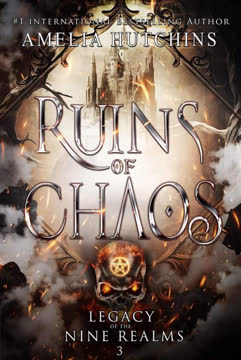
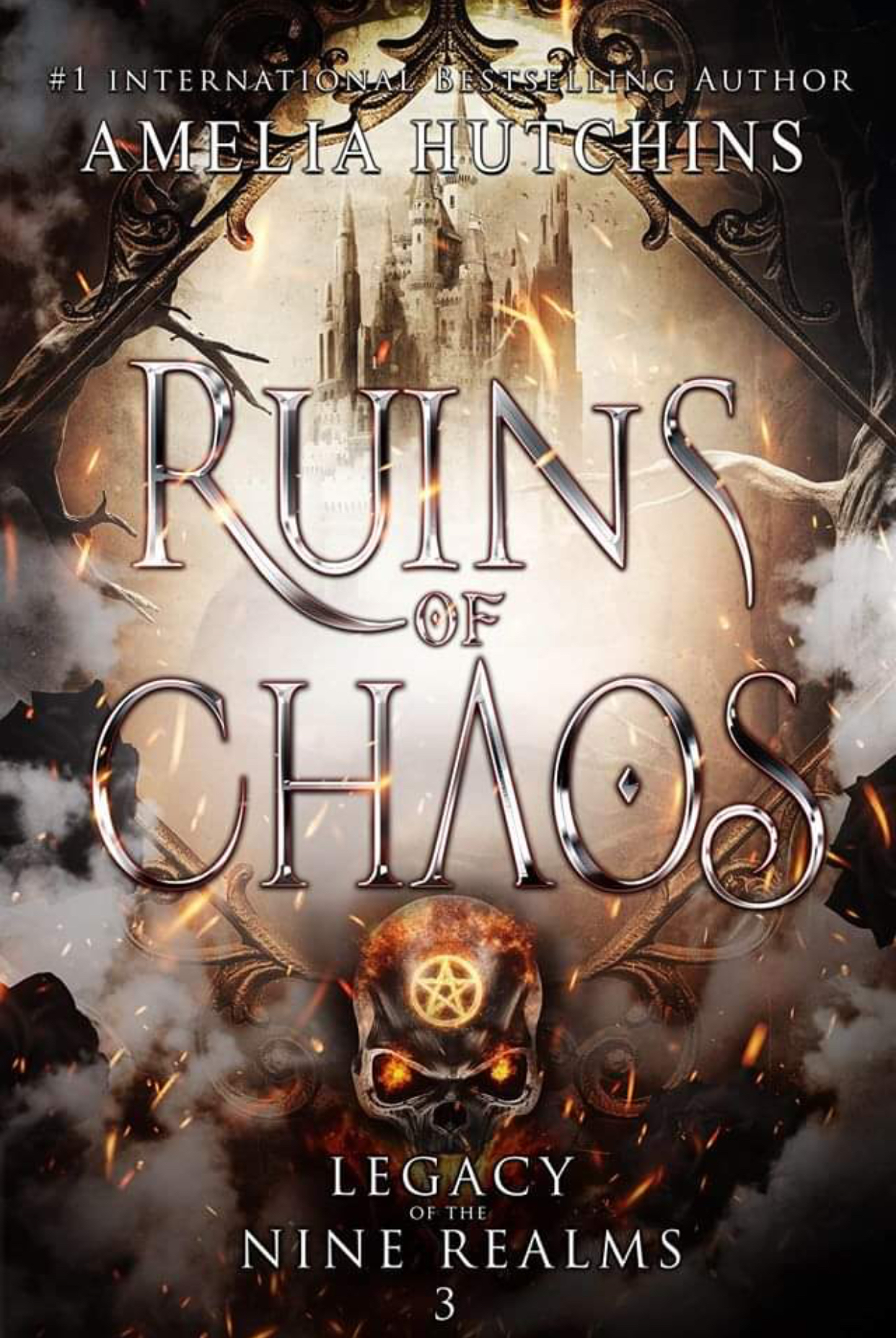
Ruins of Chaos is a brutal, unflinching exploration of what it means to survive in a world built on violence, betrayal, and the legacy of ancient wounds. At its core, the novel is about the struggle to claim agency in a world that seeks to define and control you—whether through blood, magic, or the expectations of others. Aria's journey from victim to queen is both a personal and a political one, marked by moments of profound vulnerability and of terrifying strength. Knox's arc is a mirror—a man who must learn to let go of the past in order to have a future. The story refuses easy answers: love is not a cure, power is always double-edged, and the line between monster and hero is never clear. The lessons are hard-won: that healing requires both rage and compassion, that true strength lies in the willingness to be changed, and that even in the ruins of chaos, something new can be born. The book's refusal to romanticize trauma or to offer simple redemption is its greatest strength, making it a powerful meditation on the costs and possibilities of survival.
Last updated:
Review Summary
Ruins of Chaos receives polarized reviews with an overall 4.35 rating. Many readers praise the emotional intensity, world-building, and character development, particularly enjoying the complex relationship between Aria and Knox. However, numerous critics cite repetitive writing, slow pacing, and Knox's abusive behavior toward Aria as major flaws. Common complaints include the toxic relationship dynamic, minimal plot progression across 600+ pages, and Knox's constant mistreatment of Aria despite her forgiveness. Supporters appreciate the angst and page-turning suspense, while detractors find the back-and-forth exhausting and Knox irredeemable.