


Plot Summary
A Loner's Doorstep
Makenna Wray, a lone wolf who helps other loners, finds a bloodied teenager unconscious outside her apartment. She drags him inside, revives him with cold water, and learns he is Zac, a runaway who has been drinking and taking drugs. He insists he must return to his pack, but Makenna recognizes the signs of homelessness and suspects he has fallen in with Tariq, a recruiter who makes vulnerable loners feel indebted for food and shelter.
She tells Zac about the safe house where she volunteers, offering a bed and clean clothes without demanding he stay. Remembering that someone once helped her, Makenna refuses to leave the boy to fend for himself. Zac chooses the shelter over returning to Tariq.
The rescue establishes Makenna's defining practice: she answers vulnerability with practical care, but does not confuse help with control. She gives Zac a choice precisely because his previous dependence may have been turned into leverage. His distrust is not a personality flaw to be corrected; it is a reasonable response to a world in which shelter can come with hidden costs. Makenna recognizes that distinction because she has lived outside pack protection herself. Her first act in the story is therefore both compassionate and political: she makes refuge possible without asking the frightened person to surrender agency.
The Enforcer in the Alley
To find Zac a safe permanent home, Makenna tracks Phoenix Pack enforcer Ryan Conner and approaches him in a public lot. He catches her following him, pins her against an alley wall, and demands to know who sent her. Makenna explains that Zac is the son of Ryan's deceased cousin, Damian, and that the teenager has been living at a loner shelter after leaving his pack.
Ryan immediately wants to collect him. Makenna refuses to let him rush the boy, warning that Zac does not know Ryan and will run if forced. She insists that trust must come before relocation. Ryan agrees to meet Zac at his pace, while his pack begins investigating Makenna and discovers that her name leaves no public record.
Their first encounter makes power visible before intimacy: Ryan's trained response is to contain an unknown threat, while Makenna refuses to become compliant simply because he is stronger. Her condition for a meeting is not an obstacle to family reunion; it is an understanding of how coercion can reproduce the harm a rescue is meant to end. Ryan's willingness to wait marks his first adjustment from instinctive possession toward care that listens. Meanwhile, the missing records surrounding Makenna invite suspicion, but the narrative keeps the uncertainty open. She is both a capable protector and someone whose own history remains inaccessible, even to herself.
A Parkside Introduction
At a public park, Makenna introduces Zac to Ryan and the Phoenix Pack's leaders, Taryn and Trey, along with Betas Jaime and Dante. Zac stays close to Makenna, but the group keeps its distance and Ryan gives him a phone with every Phoenix wolf's number stored in it.
Their careful approach begins to earn the teenager's attention. Before they can settle into a routine, Makenna's friend Madisyn calls: Remy Deacon, a powerful Alpha, has returned to the shelter to pressure its owner, Dawn, into joining his pack and surrendering the property.
Remy presents the offer as protection and funding, then produces a council summons when Dawn refuses. Ryan and his pack hear the threat and offer help, bringing the shelter's struggle into their own protection.
The park meeting and Remy's arrival place two kinds of protection side by side. Ryan's pack can offer numbers, territory, and a family network; the shelter offers care without requiring a loner to enter a pack. Zac's hesitation makes clear that safety is not merely the presence of powerful allies. It depends on whether a person can trust the terms of belonging. Remy's language of generosity masks a demand for control, and the council summons gives that demand institutional form. The Phoenix wolves' decision to help begins as gratitude toward Makenna, but it also forces them to reconsider assumptions that equate lone shifters with danger.
The Children Behind Rumors
The Phoenix wolves tour Dawn's shelter and see its crowded rooms, children, protective wards, and residents from many shifter species. Dawn explains that loners come for different reasons, from homelessness to abuse, and that they would not trust a refuge controlled by a pack.
Ryan then follows a rumor about Remy's interest in young boys. A bartender traces it to former Cedar Pack members, and two wolves from their new pack describe missing boys, a child who accused Remy of abuse, and a father killed after confronting him.
They also report that Remy's mother, Deanne, behaves with disturbing possessiveness toward him. The Phoenix Pack does not yet have proof, but the shelter's children make the allegations impossible to dismiss. Its members begin donating supplies and helping improve the building.
The shelter tour turns an abstraction, the plight of loners, into rooms, routines, and children who need protection. It also corrects the Phoenix wolves' inherited stereotype: people arrive at Dawn's door through many routes, and their isolation is not evidence of criminality. The allegations about Remy remain unverified, which matters. Ryan's concern is driven by the possibility of harm rather than certainty, and the pack must weigh the cost of acting against the cost of ignoring a credible warning. Their donations are more than charity. They are a first step toward a relationship in which the powerful contribute resources without taking ownership of the people receiving them.
A Mate Without Certainty
Ryan and Makenna keep meeting through Zac, including a football game where her superstitions clash with his strict practicality. Afterward, Ryan kisses her and becomes convinced she is his true mate, though neither can feel the expected psychic bond. At the gas station where she works, he tells her what he believes; Makenna admits her body and instincts respond to him, but she cannot accept a bond she cannot feel.
Her mother's death taught her to rely on herself rather than risk being left helpless again. Ryan, in turn, has spent years concealing the effects of captivity and torture. He agrees to keep their relationship private while Zac adjusts, but he refuses to treat his certainty as a reason Makenna must surrender her doubts.
Their disagreement is not simply belief versus skepticism. Makenna fears that hope will make a future loss more devastating, while Ryan trusts observable instinct because emotional language has never come easily to him. Each mistakes the other's defense for something simpler: he reads her caution as resistance to the obvious, and she worries his certainty may be a projection of desire. Their attraction does not solve that mismatch. Instead, it exposes how differently they manage vulnerability. The absence of the bond becomes a pressure point in a relationship where one partner needs evidence and the other needs assurance that attachment will not erase her independence.
A Mountain Opens
Ryan takes Zac and Makenna to Bedrock, the Phoenix Pack's modernized home inside a cliff. Zac meets the pack, sees a room prepared for him, and spends the day among wolves who make space for his nerves rather than demanding an immediate decision.
He agrees to stay overnight, with Makenna nearby, and later accepts a place in the pack. During the visit, Ryan and Makenna finally sleep together, but she still cannot feel the bond Ryan insists is real.
When the Phoenix wolves learn that the shelter is losing sponsors and residents are being fired after their shifter identities are exposed, they help find new support and offer refuge. Ryan also arranges an outdoor movie night, letting Makenna experience the warmth of the pack without asking her to call it home.
Bedrock gives Zac a concrete alternative to the shelter: not merely a safe room, but an ordinary place in which people expect to see him again. His choice to join follows repeated experiences of being welcomed, so it is an act of discernment rather than a reward for Ryan's persistence. Makenna's position is more complicated. She can be intimate with Ryan and admire the Phoenix wolves while still feeling outside their shared history. The movie night matters because belonging is often built through low-stakes participation, not dramatic declarations. For Makenna, the obstacle is not lack of affection; it is whether a group can become hers without threatening the self-sufficiency that once kept her alive.
The Refuge Comes Under Fire
After the shelter loses major sponsors and several residents lose their jobs, Makenna realizes Remy may be trying to keep the building full and weaken Dawn's case before the council. Then anti-shifter extremists gather outside Makenna's apartment.
When she slips out through a fire exit, they trap her in a net and attack with a knife designed to inject freezing gas. Makenna breaks free, disarms their leader, and holds him until Ryan arrives with Phoenix wolves.
Ryan nearly kills the man, but Makenna stops him from giving the extremists the violent spectacle they want. The attack costs her both her gas-station job and her apartment, whose landlord fears further trouble. With no safe home left, Makenna moves into the Phoenix Pack's territory.
The extremists make prejudice physical: the net turns Makenna from a person into quarry, while their religious performance disguises a planned assault as moral duty. Her escape demonstrates skill, but it does not make the danger manageable; she loses work and housing even after surviving. Ryan's rage is understandable, yet Makenna sees that his retaliation could serve the attackers' narrative. Their conflict therefore concerns not whether violence is real, but who gets to define its meaning and who pays for the response. Accepting shelter at Bedrock is a consequential shift for Makenna. She can defend herself, but independence cannot guarantee safety when institutions and neighbors can withdraw the ordinary conditions of a home.
The Salamander's Past
At Bedrock, Zac finally tells Ryan why he ran: the York Pack's Alpha and its healer abused him, and when the healer came to take him to the Alpha, Zac's wolf killed the man while escaping. Ryan tells Zac that the boy is not to blame and prepares the pack to protect him.
Meanwhile, Ryan follows a salamander brand Dawn once found on Makenna's back. He learns that Makenna's mother, Fiona, was born Sinead Gannon in New Zealand's Geraint Pack, where the former Alpha branded wolves and forbade unsanctioned matings.
Her parents fled when Fiona became pregnant, but the Alpha later captured Makenna's father and killed him. Makenna accepts the painful truth, then chooses Ryan and allows their mutual claiming, though the psychic bond still does not form.
These revelations distinguish guilt from responsibility. Zac's wolf acted under extreme threat, yet Zac fears that survival makes him culpable; Ryan's own history of torture helps him offer recognition without demanding details. Makenna's past complicates her idea of herself as someone who simply chose the loner life. Her mother did not tell the full story, perhaps to protect her, but the silence also left Makenna without a lineage or explanation. The salamander mark is a record of power imposed on a body, not a badge of belonging. Makenna's choice of Ryan despite the missing bond is therefore an act of trust, though the deeper question of trusting his pack remains unresolved.
The Council Hears Proof
Before the council hearing, Remy threatens to reveal Zac's whereabouts if Ryan supports Dawn. On the morning of the hearing, anti-shifter extremists crowd the Phoenix territory gates, demanding a child they call a danger; the pack uses a hidden exit so Dawn's party can reach the meeting.
Remy argues that the shelter needs his funding and protection, portraying its troubles as reasons to hand him the land. Makenna plays a recording in which he acknowledges blackmail and his attempt to reach a hidden child.
Sponsor Ravi confirms a blackmail attempt, and Grayson, a former Cedar wolf, testifies that he witnessed Remy abuse a boy and heard Deanne threaten children. The council dismisses Remy's claim and orders the pack's pups relocated during an investigation. Remy leaves with his power challenged, not ended.
The hearing tests whether a formal process can recognize coercion when it has been dressed as benevolence. Remy's account gains plausibility from visible crises, but the witnesses restore causality: his own actions helped create the need he then offers to solve. Makenna's recording is useful but insufficient by itself, so the testimony of people with direct stakes becomes crucial. Ravi's history shows how care can circulate beyond the shelter, while Grayson's risk in speaking breaks the isolation Remy depended on. The council's ruling is a real victory, yet only a partial one. It rejects the land claim and protects children temporarily, but leaves the accused Alpha alive, influential, and capable of retaliation.
The Shelter's Bloody Siege
While the York Pack attacks Phoenix territory, Seer Ally warns that Remy is heading for the shelter, convinced the children he wants are hidden there. Makenna, Ryan, and Betas Jaime and Dante enter through an underground escape tunnel.
In the cafeteria, Remy demands the children's location and orders his enforcer Selene to cut Colton's throat when Dawn refuses. Makenna launches herself at Selene as the shelter residents and Phoenix wolves join the fight. Ryan defeats Remy; Makenna kills Selene, and Roni kills Deanne after the older woman draws a gun.
Deanne's shot hits Makenna. As Ally heals her, Makenna recognizes the Phoenix wolves as her pack, and the long-blocked mating bond snaps into place. Meanwhile, the York attack is repelled and its Alpha, Brogan, is captured.
The simultaneous assaults expose the conflict's central mechanism: Remy treats people as possessions, whether territory, children, or allies, and responds to refusal by making someone else pay. Colton's death is the point at which Makenna's protective work becomes personal vengeance, pushing her toward the feral state she once knew. Her recognition of the Phoenix Pack occurs amid danger, not because its members claim her, but because they fight beside her and accept her as one of them. The bond follows that psychological shift rather than substituting for it. Its arrival does not erase grief or injury; it gives Makenna a shared attachment at the very moment she might otherwise have been isolated by loss.
Nine Hours of Waiting
Ally's healing saves Makenna, but she remains unconscious for nine hours while Ryan stays beside her, unable to trust relief until she opens her eyes. When she wakes, he admits he was afraid she would die and tells her he loves her. The survivors learn that the Phoenix Pack and its allies defeated the York forces, though several wolves were badly hurt.
Remy and Deanne are dead; Brogan is being held in the pack's custody, and Ryan intends to make him answer for abusing Zac. Makenna grieves Colton with Dawn and Madisyn, while the rescued children remain protected. Her recovery confirms that the bond is real, but it does not make the losses disappear or turn Ryan's promise of vengeance into a completed punishment.
The aftermath gives fear its own narrative weight. Ryan's composure has often served as armor, but Makenna's near death makes his dependence unmistakable: he cannot reduce love to duty or instinct when he has to wait for her to wake. Her survival also returns the story to its communal stakes. The shelter's allies have won physical safety, but Colton's death remains irreparable, and Brogan's captivity leaves justice unfinished. This distinction prevents the resolution from becoming falsely clean. A bond can make grief shared; it cannot cancel grief. The final emotional movement is from solitary vigilance toward mutual reliance, with Ryan finally naming what Makenna has been able to feel in his actions.
The Family She Found
Once recovered, Makenna meets Harlow Gannon, the uncle she never knew she had and the new Alpha of her mother's old pack. He confirms that the former Alpha killed Makenna's father after capturing him, while her mother escaped with the child.
Makenna gains the truth about her family and hears stories that make her mother feel less like a vanished figure and more like a person with a life before her. She and Ryan hold a small mating ceremony, choosing a private celebration suited to them rather than a public spectacle.
Later, Makenna tells Ryan that Seer Ally foresees a baby arriving the following year. Ryan is startled by the prospect of fatherhood, but Makenna assures him that his quiet nature does not disqualify him from loving their child.
Makenna's reunion does not repair the violence of her childhood, but it changes the shape of what she knows. Her parents' story is no longer a blank she must fill with self-blame; she can locate the injustice in the choices of those who wielded power. Meeting Harlow also makes family more than biological inheritance: it is information, recognition, and an invitation she can accept on her own terms. The ceremony and the prospect of a child extend that choice into a future not organized around escape. Ryan's uncertainty about fatherhood echoes his own experience of emotionally absent parents, while Makenna's confidence offers him a different model of care.
A Home Beyond the Shelter
The story closes with Makenna no longer standing at the edge of other people's families. She has the Phoenix Pack, a renewed connection to her mother's relatives, and a partner who has learned to admit fear and affection rather than hiding behind duty. Zac has a safe home away from the York Pack, while the children the shelter protected have the chance to settle among people who care for them.
Dawn and Madisyn remain part of Makenna's life, so joining Ryan does not require her to abandon the work that first brought them together. The anticipated baby points toward a family built by choice and care, not the coercive rules that shaped Makenna's parents' escape.
This closing movement resolves the novel's opening problem by widening the meaning of refuge. Makenna began by offering Zac temporary shelter because he had nowhere safe to go; she ends with a durable network that does not ask her to give up her commitments. The story resists presenting romance as an escape from community work or as a cure for trauma. Instead, intimacy becomes another structure of mutual protection, answerable to the people around it. Ryan's growth is measured not by becoming socially effortless, but by letting others matter enough to change his habits. Makenna's growth is not dependence in place of strength; it is the ability to remain strong while allowing others to share the burden.
Analysis
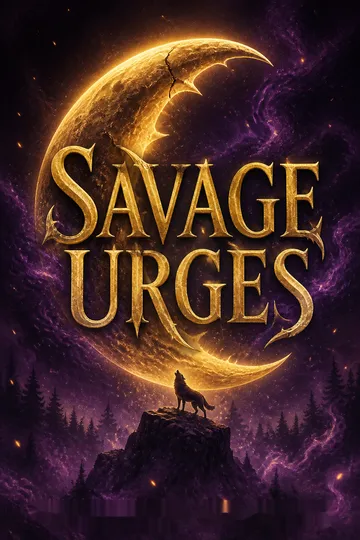
Savage Urges places romance inside a social question: who is allowed to offer protection, and what does that protection cost the person receiving it? The shelter's value depends on its independence from packs, because loners who fear pack authority may not seek refuge if help requires allegiance. Remy's campaign turns this vulnerability into a strategy. He creates or exploits financial and social pressures, then presents himself as the answer. The conflict is therefore not simply between a benevolent Alpha and a villainous one; it is about how coercion can borrow the language of care.
Makenna and Ryan embody opposing but complementary survival strategies. Makenna learned to stay safe by relying on herself and directing her compassion outward. Ryan learned to make himself useful through discipline and protection, while keeping emotion private. Their attraction exposes the limitations of each strategy. Makenna cannot build trust by refusing all dependence, and Ryan cannot secure intimacy by declaring what he knows to be true. The missing bond gives concrete form to that impasse. It only becomes possible when Makenna recognizes that belonging to the Phoenix Pack need not repeat the betrayal of her childhood.
The novel also distinguishes trauma from moral responsibility. Zac's fear and guilt after his escape are met with Ryan's recognition rather than judgment. Remy's history of abuse may help explain his distorted relationship with power, but it does not excuse the harm he inflicts. That distinction prevents sympathy from becoming absolution. The adults who protect children are judged by what they do with their power, not by the injuries that preceded them.
Finally, the story treats family as both inheritance and practice. Biological kinship gives Zac a route to safety and gives Makenna access to a hidden past, but neither is enough by itself. Trust emerges through repeated acts: offering a phone, letting a teenager set the pace, making a room available, sharing food, and showing up under threat. The ending's hope rests not on the claim that loss can be undone, but on the possibility that people can build a more reliable structure around those who have already lost too much.
Review Summary
Savage Urges receives mostly positive reviews, with readers praising the chemistry between Ryan and Makenna. Many enjoy the humor, especially Makenna's ability to translate Ryan's grunts. Some find the plot predictable but appreciate the lack of relationship drama. Criticisms include repetitive character types across the series and slow pacing. Overall, fans of the Phoenix Pack series find it a satisfying addition, with steamy scenes and engaging pack dynamics. Some readers note it can be read as a standalone but recommend starting from the beginning.
People Also Read

Characters
Makenna Wray
Loner's fierce advocateMakenna is a wolf shifter who works at a gas station and volunteers at a shelter for loners. Having grown up without a stable pack, she has made herself useful by helping vulnerable shifters find family, safety, and a place in the human world. She is perceptive, irreverent, stubborn, and quick to defend people whom others dismiss. Her humor and superstitions soften neither her courage nor her anger at injustice. Makenna gives generously, but finds it harder to let others care for her. Her central tension is not whether she can survive alone; she has. It is whether she can risk belonging without mistaking attachment for surrender.
Ryan Conner
Guarded Phoenix enforcerRyan is a highly capable Phoenix Pack enforcer and tracker, known for his silence, discipline, and intimidating presence. He trusts evidence and action more than emotional language, a habit shaped by a difficult childhood and a history he rarely discusses. His loyalty is practical: he protects his pack, accepts responsibility, and follows through on promises. He struggles to recognize how much others need reassurance, but he is willing to stretch beyond his instincts when someone matters to him. Makenna challenges his certainty and draws out a more vulnerable side without asking him to become someone else. His deepest conflict is learning that protection can require listening as well as force.
Zac
Runaway seeking refugeZac is a teenage wolf shifter who has survived homelessness, exploitation, and a painful break with his birth pack. He initially treats kindness as something that may conceal a debt, and he watches for exits even when people are trying to welcome him. Makenna's shelter gives him room to decide what safety means; Ryan and the Phoenix wolves offer a possible family, but must earn his trust rather than demand it. Zac is funny, observant, and more courageous than he believes. His story foregrounds the difference between escaping danger and learning to feel secure after escape.
Dawn
Shelter's steadfast founderDawn runs the loner shelter her mother established and treats its residents as people, not as problems to be managed. She is a strong, practical cougar shifter whose kindness is backed by clear boundaries and years of work. Dawn understands that a pack-run refuge would deter the very people she wants to protect, so she resists offers that appear generous but would compromise the shelter's purpose. She is a source of stability for Makenna and Madisyn, though her devotion to the shelter can leave little room for her own needs.
Madisyn
Makenna's fierce confidanteMadisyn is a feline shifter, shelter volunteer, and Makenna's closest friend. She has a sharp temper, quick instincts, and a talent for reading a room, though she sometimes reacts before considering the consequences. Her loyalty to Dawn and Makenna is intense because their shared childhood gave them a rare sense of family. Madisyn uses teasing and mischief to keep pain at a manageable distance, but she is also capable of tenderness. She understands how easily outsiders can mistake a lone shifter's guardedness for guilt.
Remy Deacon
Expansionist pack AlphaRemy leads the Cedar Pack and presents himself as a polished, generous Alpha who can offer protection, funding, and order. He is ambitious, persuasive, and accustomed to using institutions and alliances to expand his influence. His confidence makes coercion sound like reasonable administration, especially when he frames resistance as foolishness or ingratitude. Remy is a central threat to the shelter because he wants control over its land and its vulnerable residents. His public charm contrasts with a private capacity for cruelty, making the people around him uncertain about when to trust what they see.
Taryn
Phoenix Pack's decisive AlphaTaryn is the Alpha female of the Phoenix Pack and Trey’s mate. She is warm, outspoken, strategic, and willing to challenge her own assumptions when new evidence demands it. Her humor can disarm tense situations, but she is formidable when a member of her pack or a vulnerable child is threatened. Taryn balances leadership with emotional attentiveness, helping Ryan and Makenna navigate a crisis without taking their choices away. Her commitment to the shelter grows from a broader sense that protection should be extended beyond one's immediate family.
Trey
Phoenix Pack's battle-tested AlphaTrey leads the Phoenix Pack alongside Taryn. He is a formidable fighter with a history that has made him wary of power used without accountability. Trey tends to be direct and protective, but he respects capable people and understands the need for allies. His loyalty to Ryan is longstanding, and his leadership gives the pack a stable center when outside threats multiply. He does not always enjoy Taryn's decisions, yet he knows that disagreement need not weaken their partnership.
Jaime
Phoenix Pack's sharp BetaJaime is a Phoenix Pack Beta and Dante's mate. She is perceptive, playful, and difficult to intimidate, with a strong instinct for when someone needs practical help rather than interrogation. Her work with animals informs her compassion for vulnerable beings, while her experience as a fighter keeps that compassion from becoming passivity. Jaime helps the pack approach Zac gently and Makenna without condescension. She is also among the people who recognize that Ryan's unusual willingness to argue and explain himself signals how deeply Makenna affects him.
Dante
Phoenix Pack's watchful BetaDante is a Phoenix Pack Beta, Jaime's mate, and a careful investigator. He is imposing, analytical, and protective, particularly when the safety of children is at stake. Dante initially views Makenna through the pack's suspicions about loners, but he is capable of revising his judgment as her actions become clear. He contributes a measured perspective to tense decisions and helps keep the pack focused on consequences rather than impulse. His protectiveness toward Jaime reflects the same loyalty he extends to the wider pack.
Ally
Seer with healing giftsAlly is a Seer in the allied Mercury Pack, known for visions that can reveal danger before others recognize it. She is empathetic and perceptive, and her abilities make her a vital source of warning without giving her control over what others choose to do. Ally's visions can be frightening and emotionally taxing, so her loved ones take care to support her afterward. She approaches people with compassion, especially those whose actions are shaped by abuse or fear, while still recognizing the danger they may pose.
Riley
Raven shifter and guardianRiley is a raven shifter who takes responsibility for two young children seeking safety. Cunning, self-contained, and protective, she is reluctant to trust unfamiliar packs and prefers to keep her history private. Her guardedness comes with a wry sense of humor and a fierce devotion to the children in her care. Riley's relationship with them shows how family can be formed through consistent protection, even when no biological connection is present.
Colton
Shelter's steady allyColton is a bear shifter and shelter volunteer who offers practical help and steady companionship. His imposing size contrasts with his gentle manner, especially around children. He knows the shelter's residents and routines well, and his presence helps make the building feel like a community rather than a temporary refuge. Colton and Makenna share a friendship built on mutual trust and an uncomplicated respect for one another.
Selene
Remy's hard-edged enforcerSelene is Remy's Head Enforcer, a forceful wolf who guards his interests and distrusts Makenna. Her possessiveness and hostility reveal how much she values proximity to power, though her personal loyalties are more complicated than her public manner suggests. Selene is trained, aggressive, and accustomed to making threats seem credible. She represents the danger of a capable enforcer who chooses allegiance over moral scrutiny.
Deanne
Remy's possessive motherDeanne is Remy's mother, a volatile woman whose closeness to her son carries an unsettling intensity. She is jealous of other women around him and treats his attention as something she is entitled to guard. Deanne's behavior suggests a family history warped by secrecy and poor boundaries. She is difficult to reason with because she does not recognize how her possessiveness harms the people around her.
Brogan Creed
Cruel York Pack AlphaBrogan leads the York Pack, where Zac grew up. He rules through fear and physical dominance, making his pack a place where vulnerable members have little recourse. Brogan's authority is maintained by others who enable him, including people entrusted with caring for children. His presence explains why Zac's return is not a simple family reunion but a serious danger.
Tao
Protective Head EnforcerTao is the Phoenix Pack's Head Enforcer and the devoted bodyguard of Taryn and Trey's young son, Kye. He is blunt, vigilant, and wary of strangers, especially when children are involved. His humor and impatience coexist with a serious sense of duty.
Greta
Difficult pack matriarchGreta is Trey's grandmother, a sharp-tongued elder who is fiercely protective of the men in her family. She distrusts loners and is openly hostile to Makenna, though her stubbornness also reflects a deep fear of losing the people she loves.
Harlow Gannon
Makenna's searching uncleHarlow is the Alpha of Makenna's mother's former pack and her maternal uncle. He has spent years seeking his missing family and approaches Makenna with grief as well as hope. He provides a connection to the history she was denied.
Fiona Wray
Makenna's beloved motherFiona raised Makenna while they lived as loners, bringing humor and optimism to an unstable life. She taught her daughter to value survival and find meaning in small comforts. Her absence remains central to Makenna's fear of depending on anyone.
Plot Devices
The Loner Shelter
A refuge without allegianceDawn's shelter provides beds, food, education, and help finding family or a permanent home to shifters who cannot safely return to their packs. Its independence is essential: residents who distrust packs can ask for help without joining one. That same independence leaves the shelter vulnerable to funding pressure, threats, and attempts to claim its land. The building therefore functions as both a practical sanctuary and a test of whether the Phoenix Pack can protect people without absorbing them into its own authority.
The Mating Bond
Intimacy beyond instinctIn this world, shifter mates can form a powerful psychic connection, while imprinting offers another route to a lasting bond. The bond is expected to register emotionally and physically, but the story complicates that expectation when Ryan is certain of his connection to Makenna and she cannot feel it. This gap gives their romance a genuine conflict: desire and possessiveness alone cannot make her trust the relationship. The bond's eventual formation depends on emotional belonging, not merely attraction or a formal claim.
Council Mediation
Law delaying open conflictThe shifter council uses mediation and hearings to resolve disputes over territory before packs resort to war. Remy exploits the process by presenting control of the shelter as a solution to instability, while Dawn and her allies try to expose the pressure behind his offer. The council offers a formal arena in which evidence and witnesses can challenge an Alpha's authority, but it cannot guarantee safety once the parties leave. Its procedures slow violence without necessarily preventing it, creating time for both investigation and escalation.
Wards and Tunnels
Hidden routes to safetyA witch's protective wards prevent people who intend harm from entering the shelter without permission. The residents also have access to a concealed tunnel system and an emergency route built beneath the grounds. These protections give the shelter a chance to hide children and move people during a threat, but they are not absolute. The wards can be challenged, and the tunnels require residents to act quickly and know where to go. Their practical limits reinforce the story's view that safety requires people, planning, and alliances as well as magic.
Ally's Visions
Warnings before impactAlly's Seer ability reveals possible events before the characters can see them unfolding. Her visions warn the Phoenix Pack that two threats are approaching at once, prompting the group to divide its forces and respond quickly. A vision does not provide a complete plan or remove uncertainty; Ally must interpret what she sees, and the others must decide how to act. This device creates urgency while preserving the characters' responsibility for their choices, especially when protecting people in separate locations.
The Phoenix Pack Series





About the Author






Download PDF
Download EPUB
.epub digital book format is ideal for reading ebooks on phones, tablets, and e-readers.








