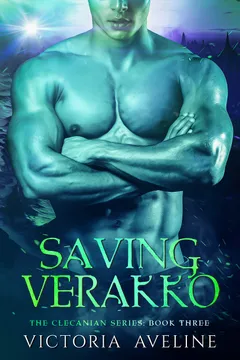


Plot Summary
The Forest Over the Bunker
After alien captors imprison her and several other human women, Lily hears Alice, another captive, explain how to escape through the facility speakers. The women break out, but their route is blocked until a black-eyed alien helps them fight free, then carries Alice away.
With the remaining escapees arguing over whether to run or hide, Lily sides with a determined brunette named Alex. Their captors built the bunker to conceal prisoners, so staying nearby risks recapture.
A small, injured woman gives Lily a working electric weapon, and Lily and Alex enter the alien forest with little food, no map, and only Lily’s hard-won survival skills. Neither woman knows what waits beneath the unfamiliar trees, but the bunker feels more dangerous than the wild.
Lily’s first choice is not a confident declaration of independence so much as a comparison between two dangers. The bunker offers immediate shelter but leaves her at the mercy of people who have already denied her information and freedom; the forest offers risk she can at least study and respond to. Her survival training gives her a practical language for fear, while Alex’s presence supplies the social courage Lily rarely finds on her own. Their escape begins the book’s central tension between safety imposed by others and safety built through self-direction.
The River Takes Alex
Lily and Alex spend their first week learning how to live on Clecania. Lily makes fire, purifies stream water, and tests unfamiliar fruit; Alex works hard despite having no wilderness experience, and their joking friendship steadies them both.
When they decide to follow a river toward a city, the descent turns treacherous. The muddy ground collapses beneath Alex, and Lily catches her wrists, but the bank gives way and throws them into rapids. Lily tells Alex how to float and where to aim for a fallen tree.
The current separates them anyway. Lily reaches shore, then searches downstream until exhaustion and a storm force her to stop. She has no proof Alex survived, only the plan they made together and a growing fear that the river erased every trace.
The river converts Lily’s competence into a painful limit: she can teach Alex what to do, but cannot control the current or guarantee that instruction will be enough. Her decision to tell Alex not to wait for her is practical, yet it later feeds Lily’s guilt because survival and loyalty pull in opposite directions. The forest’s abundance has not made the women secure; it has only made survival possible one day at a time. Their separation shifts the story from a shared escape into Lily’s private struggle to keep hope from becoming another hazard.
Verakko Falls From the Sky
While Lily searches alone, Verakko, a Swadaeth technologist serving Tremanta’s Queen, discovers evidence that the PRIC Insurgents are imprisoning humans in secret facilities. He remotely traps guards and opens the cells, sending prisoners toward safety before he can locate every site.
When Strigi attackers descend on the rescue team, Verakko fights beside Luka and General Kadion, using his camouflage and mind-influencing sway to outmaneuver them. A blow knocks him unconscious, and a Strigi carries him over the forest.
Verakko manipulates the captor into flying lower, then falls through the canopy after injecting him with the last of his venom. Injured and disoriented, he crashes near Lily’s camp, leaving her to decide whether the stranger is another threat or the first person who might help her find Alex.
Verakko’s rescue is morally urgent but strategically imperfect. He accepts the risk of releasing prisoners into a wilderness they do not know because a slower, more orderly operation could alert the Insurgents and endanger everyone still captive. That choice makes him responsible without making him omnipotent, a useful counterweight to his later confidence. His fall places his life in the hands of someone he would ordinarily classify as vulnerable, and the reversal exposes the difference between institutional power and practical knowledge: Lily can keep him alive even though he commands abilities she has never encountered.
A Knife Between Them
Lily finds Verakko unconscious, with a dislocated shoulder and a deep wound, and approaches only after testing whether he responds. When he wakes and pins her down, she strikes him with a torch, then treats his injuries and ties him up rather than leave him for predators.
Verakko breaks free by morning, but instead of abandoning Lily, he insists on accompanying her downriver. Their first conversations are a contest: he calls her reckless, she points out that he cannot make fire or purify water, and both mistake pride for self-sufficiency.
When Verakko explains that he knows Alice and helped free the captives, Lily begins to believe he may be telling the truth. She agrees to let him travel with her because he can offer strength and knowledge, but she keeps control of the route and the questions.
Their first bond is negotiated through care rather than trust. Lily helps Verakko because leaving an injured person to die violates her own standards, even as caution makes her bind him; Verakko repays that care with protection, but initially disguises concern as authority. Each has a different kind of competence, and their arguments reveal how easily usefulness can be confused with superiority. The relationship becomes possible when Lily refuses to surrender judgment and Verakko begins to accept that her expertise is not a temporary inconvenience but the reason either of them can keep moving.
A Predator Backs Away
As they follow the river, Verakko explains that humans and Clecanians share ancient ancestry, while Lily questions the laws and customs he describes. His account of husbandry school unsettles her until she learns it teaches men domestic, caregiving, and defensive skills, not livestock management.
She also discovers that Clecanian marriages are contracts shaped by pregnancy and family negotiation, while mating is understood as a permanent bond. Verakko hunts a hougap, giving Lily her first substantial meal in weeks, and comforts her when guilt over Alex overwhelms her.
Later, a shrieking sefa confronts them on the riverbank. Verakko shields Lily’s ears and drives the predator back with a roar. His protectiveness is no longer theoretical, but Lily still cannot tell whether his care is affection, duty, or something his culture expects.
The encounter with the sefa makes physical protection unmistakable, but the section’s deeper change comes through reciprocal care. Verakko supplies food and safety; Lily supplies cultural questions that force him to explain a society he has taken for granted. Their different assumptions about marriage and gender do not disappear, yet curiosity interrupts judgment before it hardens into contempt. Lily’s independence is also more complicated than simple refusal of help: she accepts Verakko’s support while continuing to define what it means. The emerging intimacy therefore rests on negotiation, not on her helplessness or his strength alone.
Alex Leaves a Trail
On the far side of the river, Lily and Verakko find a scrap of fabric and a wooden marker bearing Alex’s name and a brief sign that she is alive, injured, and moving. Lily breaks down with relief, then helps choose a route that follows the clues.
More carved notes show Alex is still traveling and struggling through the forest. A second sefa appears, and Verakko again scares it away, confirming that the predators will not cross the river. The messages give Lily a reason to keep searching without knowing how far ahead Alex is.
As rain approaches, the river forks, and Verakko urges a mountain route toward Mithrandir, where he can summon help. Lily agrees to keep going, but neither of them knows which branch will bring them closer to Alex or how much time she has.
The messages alter the emotional logic of the journey. Until now, Lily’s search has depended on faith and guilt; Alex’s own handwriting gives that faith material evidence, allowing hope to become a plan. Yet each clue also confirms how separate the women remain: they are connected by a trail, not by direct communication or shared protection. Verakko’s knowledge of the river and its predators gives him increasing influence over their route, while Lily’s insistence on following Alex keeps that authority conditional. The fork concentrates their practical and emotional uncertainty into one decision.
The Name That Wounds
During a rare night of warmth and closeness, Lily lets Verakko demonstrate his sway, a voice-based ability that can steer thoughts already present in someone’s mind. They kiss and share an intimate moment, but Verakko stops short of intercourse because he is already under a marriage contract he has not disclosed.
He calls Lily mivassi, a term his translator renders as alternative. The next day, the word takes root in her mind as proof that he sees her as a secondary woman.
In a storm near the river fork, Lily tells him they should keep their distance, though she still follows his route toward the mountain. A Strigi suddenly snatches her into the air. She fights free enough to wound him, but he pins her with a talon at her throat and forces Verakko to choose between surrender and her life.
The misunderstanding grows from more than a faulty translator. Verakko uses a culturally charged term while concealing the circumstance that would explain it, so Lily’s worst interpretation is also a reasonable one. Their intimacy has created emotional reliance before either has established the terms of the relationship, and the withheld contract turns that imbalance into a genuine breach of trust. At the same time, Lily’s decision to distance herself shows that desire has not erased her capacity to judge. The Strigi’s arrival converts private confusion into immediate danger, where the question of who protects whom becomes literal.
Black Eyes in the Tunnel
Verakko refuses to let the Strigi use Lily as leverage. She throws her knife into the attacker’s wing, giving Verakko the opening to break his wings and kill him before he can take her. Lily recoils at Verakko’s violence, then clings to him when he carries her into a hidden mountain tunnel.
In the darkness, she confronts him for nearly surrendering himself to save her and notices his eyes have turned black. Verakko realizes this means he has recognized her as a potential mate, though he had previously hidden what the change signified.
Their fear and relief collapse into a passionate union in the tunnel’s hot spring. For Verakko, the recognition feels certain; for Lily, the intensity is real, but she has not yet agreed to the permanent bond his culture attaches to mating.
The rescue exposes both the force and the cost of Verakko’s protectiveness. He saves Lily through violence, but she must confront the fact that the man who made her feel safe is also capable of frightening brutality. Her attention to his changed eyes supplies the recognition he has been waiting for, yet the revelation arrives in a moment too charged for informed agreement. The scene’s intimacy is therefore emotionally genuine but structurally unequal: Verakko understands the biological and social stakes more fully than Lily does. That difference becomes central when the pair leave the tunnel and enter his world.
The Desert Keeps Its Price
As they leave the mountain route, Verakko explains that his bite delivered antivenom and could allow Lily to become pregnant. In the desert, he finally admits that he is betrothed under a contract arranged before they met.
Lily feels deceived and turns away from him, unwilling to become an alternative to another woman. During their argument, she steps onto a concealed vonilace plant, whose sting poisons and paralyzes her while its buried vines begin dragging her beneath the sand.
Verakko carries her at full speed to a doctor, repeatedly using sway to keep her alive. As the toxin nearly kills her, the blue mating marks appear across his hands and wrists. The doctor treats Lily and confirms Verakko’s marks, but Verakko hides them and asks for time to let Lily decide freely.
The sequence makes the physical danger inseparable from the ethical crisis. Verakko’s delayed honesty gives Lily grounds to reject the bond, while the venom attack makes his fear of losing her immediate and bodily. His marks appear only after he risks everything to save her, converting an inward conviction into public evidence, but he does not use that evidence to compel her. The story places his desire for certainty against Lily’s need for agency. His decision to conceal the marks buys her time, yet it also extends the secrecy that has already damaged her trust.
Three Days to Choose
When Lily wakes in the medbay, Doctor Desy explains the vonilace toxin and treats her with the life-extending elixir. Verakko brings her to his Mithrandir home and admits that his mother, the Queen, refused to appoint him her guardian. He explains that some cities require newly discovered humans to enter marriage contracts, and that his own betrothal to Ziritha remains legally active unless he can claim Lily as his mate.
Lily also learns that his bond could make separation damaging to him, which deepens her concern without settling her choice. Verakko asks the Queen for three days before she announces humans to the city. He then arranges for Ziritha to accompany Lily to the spa, hoping she will hear the truth from someone other than him.
Lily’s new surroundings make dependence visible in everyday forms: she needs language, medical care, housing, and guidance through unfamiliar laws. Verakko’s offer to help is sincere, but he has already influenced her destination without giving her the information needed to choose it. The Queen’s short reprieve creates room for Lily’s decision without making that room secure. By involving Ziritha, Verakko attempts to counter his own bias, yet the arrangement also exposes Lily to a society where women’s autonomy is negotiated through institutions. Her caution is not resistance to love alone; it is a response to real power asymmetries.
The Mivassi Clause
At the spa, Lily asks Ziritha about Verakko’s contract and discovers that the future Queen does not know him intimately, despite their planned marriage. The trader Fejo joins them and explains that mivassi is an old legal clause allowing someone under contract to identify a recognized mate as an alternative to their current spouse.
Lily now understands the word was not a casual label, though Verakko still should have explained it and his betrothal. She also learns that Alex has been found alive in Sauven and speaks with her by communicator; Alex is recovering and expects to be moved to another city.
Verakko then presents Lily with a checkerboard he built, including a childhood device he once made to steal sweets. The personal gift helps Lily recognize how much of their connection was genuine.
This section gives Lily something Verakko could not: independent confirmation. Ziritha and Fejo do not erase the deception, but they help distinguish the true meaning of the term from the humiliating meaning Lily feared. The contrast between Ziritha’s public role and her limited knowledge of Verakko also clarifies what intimacy has meant between the pair. Alex’s survival relieves the original crisis, allowing Lily to consider love without abandoning her friend. The handmade checkerboard then translates remembered details into action, offering evidence of care rather than another verbal promise.
Lily Names Her Choice
Before Lily and Verakko can settle what comes next, a woman named Baeo reports that she saw them behaving improperly, and the Queen summons Verakko to a council hearing. He admits breaching his contract but refuses to claim Lily as his mate, honoring his promise not to force her.
Ziritha brings Lily to the hearing and explains that Verakko may be sent off-world for years. Lily understands that silence could cost them their future, so she tells the council that Verakko is her mate and that he hid his marks because she asked him to.
The Queen orders the paint removed; the blue marks confirm the bond, voiding his marriage contract. Lily’s choice resolves the legal danger, and she and Verakko reunite with their commitment now freely spoken rather than inferred.
The hearing turns the book’s private conflict into a public decision. Verakko’s refusal to claim Lily protects her right to choose, even though it exposes him to punishment; Lily’s declaration then becomes an act of agency rather than submission, because she knows the stakes and speaks for herself. The marks matter as evidence, but they do not make the choice for her. By having Lily state what the bond means to her before the Queen rules, the ending distinguishes biological recognition from ethical commitment. Their future becomes possible only when both are visible: his truth and her consent.
Epilogue
Two months later, Lily and Verakko live in Tremanta, where she attends beauty school and he has returned to technology work. Lily is preparing to visit Alex, while Alice asks her to contribute to a human database that may help future captives adapt to Clecania.
Their friends gather at the couple’s home, and the sight of Theo soothing his crying baby with a purr reminds Lily how human and Clecanian family life can intertwine. Yet PRIC remains a threat: rescued humans are safer now that the cities know about them, but the Insurgents may still be hiding among ordinary citizens.
The epilogue gives Lily a practical future, not simply a romantic reward. Beauty school reconnects her with the work she chose on Earth, while Verakko’s return to technology places him in a life that suits his curiosity rather than his planned marriage. Their friends and the growing human database suggest that survival can become community knowledge. The remaining PRIC threat prevents the new domestic calm from becoming a false resolution: rescue has begun, but the system that enabled captivity has not been fully dismantled. Lily’s life is safer, yet her concern for other women remains active.
Analysis
Saving Verakko uses a survival journey to make its romance answer a practical question: what does protection mean when the protected person is capable of acting for herself? Lily can make fire and read the land, while Verakko brings strength, hunting skill, and knowledge of Clecanian society. Their relationship works best when those capacities meet as exchange rather than hierarchy. The initial rescue reverses expectations, since Lily tends the powerful alien who has fallen into her care.
The book also treats cultural misunderstanding as material force. A translator’s poor approximation of mivassi is only one part of the harm; Verakko’s silence about Ziritha and the marriage contract gives Lily reason to believe the worst. His intention to protect her cannot cancel the fact that he controls information about the law governing her future. The conflict therefore resists a simple fate-versus-choice solution. Mating marks may prove recognition to Clecanians, but they do not automatically provide Lily with the knowledge or consent she needs.
Lily’s emotional development is not a conversion from independence to dependence. She learns to accept help without surrendering the right to refuse it, and her final public choice matters because Verakko has first allowed her time to make it. His growth moves in the opposite direction: he must stop treating love as a reason to decide for someone else. The romance reaches its resolution when biological certainty and social authority are subordinated to an explicit personal commitment.
The rescue plot broadens that intimate story. The Insurgents’ prisons expose a society capable of both scientific advancement and organized cruelty, while the human database and surviving captives point toward collective repair. Lily’s concern does not end when Alex is found or her own safety improves. The epilogue preserves unease about PRIC, suggesting that private happiness is meaningful but cannot substitute for accountability. The ending offers a home, a chosen partner, and a community beginning to learn, without pretending the danger has vanished.
Review Summary
Saving Verakko received mixed reviews, with an average rating of 3.95 out of 5. Many readers enjoyed the survival aspects, alien world-building, and steamy romance. Some praised the strong female lead and character development. However, others found the miscommunication trope frustrating and the heroine's stubbornness annoying. The book's pacing and emotional depth were debated, with some finding it engaging and others feeling it dragged. Overall, fans of the series appreciated the continuation of the Clecanian world and fated mates trope.
People Also Read
Characters
Lily
Jungle-trained outsiderLily is a Portland hairstylist raised by parents who taught her to navigate wilderness, make tools, and rely on her own judgment. Her practical skills keep her alive after abduction, but years of self-sufficiency have also made dependence feel dangerous. She observes before she speaks, then can be sharply funny when someone underestimates her. Her loyalty to Alex drives her through the forest, while her attraction to Verakko tests her conviction that needing another person means losing control. Lily’s central strength is not invulnerability: she can admit fear and accept help while insisting that the decisions shaping her life remain hers.
Verakko
Inventor with a secretVerakko is a Swadaeth technologist from Mithrandir and the son of its Queen. He is intelligent, physically formidable, proud of his abilities, and less skilled at communicating than he believes. His mind-influencing sway and camouflage make him dangerous in a fight, while his instinct to care for others emerges through food, shelter, and practical help. Verakko is drawn to innovation and dislikes the traditional path laid out for him, yet he initially assumes that keeping information from Lily is a form of protection. His challenge is to make care compatible with honesty, particularly when his society’s laws give him more power than the woman he loves.
Alex
Lily’s resilient companionAlejandra, usually called Alex, is a movie-loving former reviewer from Southern California who has little wilderness experience. She copes with fear by talking, joking, and throwing herself into tasks Lily teaches her. Her humor lightens the strain of their escape, while her determination proves that she can learn quickly and endure hardship. Alex’s separation from Lily becomes the emotional engine of Lily’s search.
Ziritha
Future Queen in trainingZiritha, often called Ziri, is the Queen’s chosen successor and Verakko’s intended contractual partner. In public, she is composed and formal, carefully managing how unfamiliar men interpret her behavior. In private, her warmth and humor are more visible. She understands the pressure Clecanian women face around marriage and reproduction, and her concern for Lily is shaped by both political responsibility and personal longing.
Fejo
Wandering interplanetary traderFejo travels between allied worlds carrying goods and information. Charming, perceptive, and openly flirtatious, he is also an old acquaintance of Verakko’s and a trusted friend of Ziritha. His social ease contrasts with Verakko’s stiffness, but he can set the performance aside when a friend needs him. He helps Lily understand Clecanian customs without pretending that those customs are simple.
The Queen of Mithrandir
Verakko’s formidable motherVerakko’s mother rules Mithrandir with a controlled, public manner and treats the city’s laws and traditions as sources of political stability. She is protective of her authority and of Ziritha’s standing, especially during a period when the arrival of humans may unsettle Clecanian society. Her reserve makes her difficult for Verakko to read, though he suspects that her emotional life is more complicated than she shows.
Desy
Swadaeth physicianDesy is the doctor who treats Lily after her poisoning and evaluates her health as a newly arrived human. He is curious, direct, and sometimes more interested in unusual medical data than in patients’ comfort. His clinical knowledge makes him essential to Lily’s recovery, while his skepticism toward Verakko’s choices gives the alien a rare source of blunt criticism.
Luka
Alice’s protective mateLuka is a large human survivor of the Insurgent facility and a fierce ally in the effort to free other captives. His loyalty to Alice is immediate and powerful, and his protective instincts can outrun caution. Verakko works alongside him during the prison rescue, where Luka’s determination helps drive the mission forward.
Kadion
Battle-tested generalKadion is a military general who fights beside Verakko during the attack on the rescue operation. He can shift from easy humor to battlefield focus in an instant. His experience helps keep the team oriented toward incapacitating enemies when possible, even as the fight becomes increasingly dangerous.
Alice
Captive-turned-survivorAlice is one of the human women held by the Insurgents and the person whose escape plan helps free the captives. She is closely connected to Luka and becomes an important point of reference as Verakko explains that rescued humans can find safety in Clecanian cities. Her experience also links Lily’s escape to the wider crisis.
Jade
Human community builderJade is one of the humans adjusting to life among the Clecanians. She is practical and resourceful, with a strong sense of humor and an ease around the people she trusts. Her growing family and participation in the human database offer Lily a glimpse of how newcomers may build lives within an unfamiliar society.
Theo
Jade’s reserved partnerTheo is Jade’s quiet, formidable partner and Luka’s brother. He tends to appear stern, particularly beside more talkative companions, but his care for Jade and their child is unmistakable. His reserved temperament provides a contrast to the noisy, affectionate household around him.
Vanessa
Skeptical escapeeVanessa is a sarcastic, dark-haired captive who questions the plan to enter an alien forest. Her skepticism gives voice to the very real danger the escapees face.
The injured captive
Quiet weapon-bearerA small, curly-haired woman among the escapees has injured ears and struggles to hear. She gives Lily the captured electric weapon, an act of trust that helps protect the women on the trail.
Lily’s parents
Wilderness-minded teachersLily’s parents raised her through constant travel and demanding wilderness training. They valued self-reliance and teaching over conventional domestic life, leaving Lily skilled and capable but sometimes unsure how to ask others for care.
Plot Devices
Swadaeth sway
Steers an existing thoughtVerakko can use his voice and measured movement to encourage another person toward a thought already available to them, such as sleep, calm, or cold. It cannot simply insert any desire, and an intelligent or emotionally steady person can resist it. Lily repeatedly breaks its influence, making their interactions more negotiated than Verakko expects. The ability also creates an ethical problem: it can soothe distress, but it can undermine consent if used to bypass a person’s judgment. Verakko’s restraint, and Lily’s insistence on resisting when she chooses, make sway a test of trust rather than merely a supernatural tool.
Mating recognition
Makes a bond visibleFor Clecanians, recognition of a potential mate changes the eyes, while later blue marks appear on the Swadaeth partner’s hands and wrists. These signs carry biological meaning as well as legal consequences, because they can affect existing marriage contracts. Verakko initially conceals what the eye change means, then hides his marks to preserve Lily’s ability to choose. The mechanism makes private attraction legible to the community, but the story distinguishes recognition from consent: physical signs can establish a bond, while Lily still must decide whether to claim it publicly.
The translator
Carries language unevenlyHuman captives have translators that allow them to understand Clecanian speech, but the system sometimes substitutes an approximate or outdated term when no direct equivalent exists. Lily hears mivassi rendered as alternative and assumes Verakko means she is a secondary partner. Because Verakko does not explain the term or disclose his contract, the machine’s imprecision magnifies an existing breach of trust. The translator is not simply a convenience: it lets strangers communicate while reminding them that shared words do not guarantee shared cultural meaning.
Marriage contracts
Turns intimacy into lawIn Mithrandir, marriage is a negotiated contract shaped by family authority, social standing, and the hope of pregnancy. Verakko is already committed to a contract with Ziritha when he meets Lily, and breaking it without recognized cause could cost him future eligibility and lead to off-world service. The old mivassi clause offers a legal alternative when a contracted person recognizes a mate, but it requires evidence. These rules create pressure around every intimate choice and show how a society facing infertility can treat private relationships as public resources.
Alien wilderness
Tests survival knowledgeClecania’s forest and desert are active environments rather than simple backdrops. Lily’s bushcraft helps her build fire, purify water, and judge terrain, but familiar skills must be adapted to unfamiliar plants, animals, weather, and gravity-defying dangers. The river separates her from Alex, the sefa makes the forest’s food chain visible, and the vonilace turns seemingly empty desert sand into a lethal trap. The landscape repeatedly rewards observation while punishing certainty, forcing Lily and Verakko to combine their different kinds of knowledge.
Download PDF
Download EPUB
.epub digital book format is ideal for reading ebooks on phones, tablets, and e-readers.








