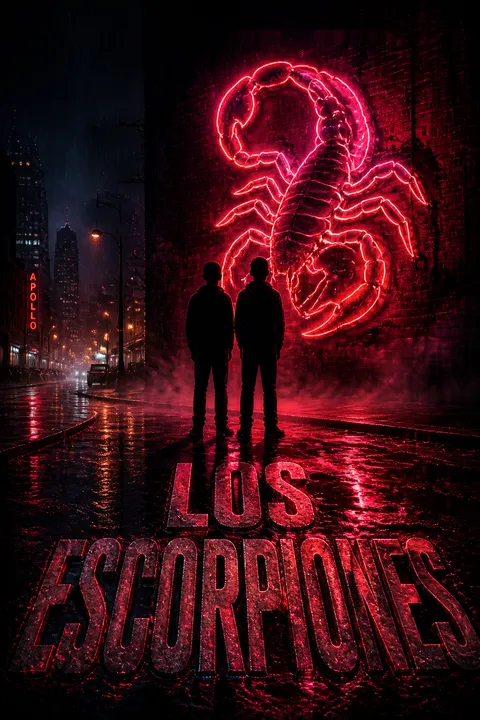


Plot Summary
Randy's Empty Place
At twelve, Jamal keeps watch at the apartment window while his younger sister, Sassy, waits with him for their mother to return from visiting Randy, Jamal's older brother. He feeds Sassy and saves food for their mother, then learns how long the family will be without Randy: convicted in a fatal deli robbery, Randy has received fifteen years to life, with parole unlikely for at least seven.
Their mother, already exhausted and short of work, still hopes to raise money for another lawyer. Jamal resents Randy for repeatedly frightening and burdening her, yet imagines growing into a man before his brother comes home. With Randy gone, the household's practical work and its unspoken demand for a replacement settle on Jamal, who is still a child.
Jamal's first idea of manhood is not a chosen identity but a vacancy created by Randy's imprisonment. He helps cook, watches over Sassy, and tries to spare his mother extra worry, yet none of these tasks gives him the authority he associates with being a man. The family is loving, but its care is organized around scarcity: time, wages, and hope for Randy's appeal. Jamal's resentment does not cancel his loyalty. Instead, he is caught between anger at the damage Randy caused and the wish to restore what the family has lost.
School Makes Him Small
At breakfast, Jamal's mother relays Randy's request that he seek advice from Mack, a recently released Scorpion. Her warning makes Mack seem dangerous before Jamal has even met him. School offers little relief.
Principal Davidson scolds Jamal for lateness and disparages his mother's care, while teacher Rich treats missing homework as evidence that he does not try. Miss Brown asks him to help prepare the seventh grade play, then assigns him to open windows instead of paint, overlooking the artistic skill he values.
At home, Jamal trades jokes and borrowed clothes with Tito Cruz, his loyal friend. But Dwayne's public mockery of Jamal's worn clothes leaves him feeling physically small. Drawing trees and imagining real paints give him a private measure of competence that school rarely recognizes.
School repeatedly turns ordinary difficulties into judgments about Jamal's character. His lateness and unfinished work are read as indifference, while his mother's economic strain becomes an excuse to shame him. The scene with the play sharpens the injury: an adult notices Jamal's presence but not the ability he hopes will make him visible. Tito's easy companionship offers a counterweight, based on shared jokes rather than status. Drawing matters because it lets Jamal attend closely to the world and make something from it, even when the institutions around him treat him as a problem to manage.
Mack's Price of Rescue
Jamal and Tito find Mack near a boarded storefront used for drug dealing. Before Mack arrives, a car owner slaps Jamal and shoves Tito, leaving both boys humiliated. Mack insists he did not betray Randy and presents Randy's alleged plan: Jamal should inherit the Scorpions, whose deliveries for dealers could raise appeal money.
The figures keep changing, from five hundred dollars to two thousand, so Jamal calls the lawyer with his mother and learns that five hundred begins an appeal costing about two thousand.
Mama considers another loan from her employer, which once took months of her wages to repay. Tito proposes earning money with honest package work. Their talk of working and someday owning boats gives Jamal an alternative to Mack's gun-backed promise, but no route looks quick.
Mack offers Jamal an answer shaped like a trap: authority in the gang seems to promise money, protection, and a way to help Randy, but each benefit depends on accepting danger. The uncertain legal costs make the choice harder because the appeal is not a stable goal with a clear price. Tito responds by converting the problem into arithmetic and work, a practical effort to imagine a future outside gang life. The boats extend that imagination. For both boys, they represent mobility and choice, not simply wealth. Jamal is drawn to Mack's promise because it seems immediate; Tito's plan requires patience.
Colors and a Pistol
After Mama burns her hand, Jamal fights Dwayne in the street rather than accept another round of public taunts. The older boy hits hard, but Jamal keeps hold of him until mail carriers separate them.
The next day, Mack brings Jamal and Tito to the Scorpions' boarded-up firehouse and announces that Jamal will lead. Several older members object, especially Indian, who doubts a twelve-year-old can manage the gang's drug business. When Jamal reveals the pistol Mack has given him, the argument quiets.
He has gained recognition, but it comes from the weapon rather than trust. That evening, Jamal's estranged father visits and tells him to act like a man by helping get Randy out. Jamal hides the pistol in a sneaker, carrying both demands into school.
Jamal's fight with Dwayne is a bodily attempt to answer humiliation, but the gang meeting shows how quickly physical courage becomes entangled with a performance of lethal power. The Scorpions do not recognize Jamal's judgment or loyalty; they react to the pistol. His father's brief visit deepens the pressure by framing responsibility as masculine proof, even though Jevon has not been present to share the family's daily burdens. Jamal is left with competing models of adulthood: care for his mother and sister, or command through force. The gun makes the second model appear more effective, and more immediate.
The Storeroom Gun
When Dwayne challenges Jamal again at school, Jamal brings the pistol in a paper bag and asks Tito to hide it nearby. Tito objects, but Jamal pressures him by presenting the choice as either helping or watching him get beaten. Inside a locked storeroom, Dwayne lands several punches and Jamal cannot gain the advantage. He pulls out the pistol and points it at the older boy.
Dwayne's confidence collapses; he slides down the wall and covers his head as Jamal kicks him, then begs him to stop. Jamal finally backs away without firing. He leaves the school in tears, convinced he may have to run from home and from the police. The gun has ended the immediate fight, but made the consequences impossible to control.
The weapon does not make Jamal stronger so much as change the terms of a fight that he is losing. Dwayne's sudden fear offers Jamal the recognition he has craved, but the sight of the other boy cowering turns victory into moral alarm. Jamal stops short of firing, yet he has crossed from imagining violence to threatening it in a school. His flight afterward exposes the difference between feeling powerful in the moment and being able to live with what that power can do. The episode also strains his bond with Tito, who had warned that the gun could make an irreversible choice for them.
The Shot in the Park
Tito catches up with Jamal at the riverfront and learns that Jamal nearly shot Dwayne. They agree to test the pistol, hoping to understand what it can do before returning it to Mack. In a park, Tito struggles with the unfamiliar weapon before firing. A woman walking a small dog sees them, and the boys flee, carrying the gun back into their lives rather than getting rid of it.
Jamal's mother questions his bruised face, missing jacket, and sudden lack of appetite, but he gives her no honest explanation. When she suggests a job at a neighborhood grocery, Jamal accepts, hoping to earn money without the Scorpions. The gunshot has turned a private threat into a secret that now involves Tito, a witness, and the family.
The shot is a rehearsal that refuses to remain hypothetical. Jamal and Tito want to inspect the danger at a distance, but pulling the trigger gives the weapon a sound, recoil, and witness. Tito's fear does not prevent him from participating; instead, his loyalty keeps drawing him into Jamal's decisions. Jamal's silence with his mother shows that secrecy is becoming a form of separation, even inside a household that depends on his help. The grocery job offers a different kind of agency, earned through labor rather than intimidation. Yet Jamal has not surrendered the object that contradicts that alternative.
Abuela Finds the Weapon
On Saturday, Jamal begins delivering groceries for Mr. Gonzalez and feels useful when customers rely on him. Blood, a Scorpion, spots him at the store and warns that Indian has been looking for him. The next day Tito arrives shaken: his grandmother, Abuela, has found the pistol and ordered him out. Jamal's mother comforts Tito without knowing the full story, then sends Jamal to walk him home.
The boys discover the gun in Abuela's refrigerator while she prays in her room. Jamal takes it, briefly telling himself he will dispose of it. He does not. His choice protects their secret for the moment, but also leaves Tito separated from the grandmother who has raised him and keeps Jamal tied to the gang's power.
The gun has moved from a gang's possession into the intimate spaces of two families. Abuela's reaction makes its danger unmistakable, while Mama's kindness to Tito shows the care that Jamal and Tito are risking. Jamal retrieves the pistol partly to spare Tito further punishment, but the gesture also preserves his own attachment to it. His imagined disposal remains only an intention. This distinction between what he tells himself and what he actually does is central to his struggle: he can recognize the cost of the weapon while still believing that he may need it to keep others from hurting him.
The Bodega Goes Dark
At school, Dwayne reports that Jamal threatened him with a gun. Principal Davidson orders Jamal to bring his mother in and threatens to send him to a school for students with serious problems; Jamal leaves rather than accept the punishment.
He visits Tito, whose grandmother is ill and still has not spoken with him, then goes to work at Mr. Gonzalez's store. Indian and Angel arrive, demand to know whether Jamal will lead the Scorpions, take goods without paying, and threaten him.
Mr. Gonzalez tells Jamal to stay away from them and dismisses him, giving him his wages as he leaves. The job that offered Jamal a lawful way to earn money disappears in front of him. School and work now treat him as a liability, while the gang keeps demanding his allegiance.
Jamal's ordinary routes toward independence close in parallel. At school, an accusation becomes a reason to isolate him; at work, the gang's coercion destroys the job that could have helped him earn money. Neither institution investigates the pressures that brought him there. Mr. Gonzalez's warning is sincere, but firing Jamal leaves the boy with fewer safe options than before. Indian and Angel understand this imbalance and use it to assert power. The result is not a simple choice between good and bad behavior. Jamal is being pushed toward the very group that has made ordinary work and school harder to sustain.
Randy Is Stabbed
Sassy tells Jamal that Randy has been stabbed in prison, and their mother rushes to the hospital. Jamal is shaken by the possibility of losing his brother, despite having said he did not want Randy released. When Mama returns, she breaks down and asks Reverend Biggs to pray with the family.
Jamal keeps the pistol hidden and asks Sassy not to tell their mother, promising to throw it away without following through. Meanwhile, the lawyer says a new trial may cost a thousand dollars, and Mama asks her employer for help.
He refuses the loan. Jamal decides he should give up the Scorpions rather than kill for money, and arranges to tell Indian that Randy wants him to lead instead. The hoped-for appeal now competes with an immediate threat to Jamal's safety.
Randy's injury forces Jamal to confront the gap between resentment and attachment. He has blamed his brother for hurting their mother, yet the possibility of Randy dying makes the family bond newly urgent. Reverend Biggs's prayer gives the household a shared language for endurance, but it cannot change the financial facts: the appeal remains expensive and Mama's employer will not help. Jamal's intention to leave the Scorpions is a meaningful refusal, though he still keeps the pistol. His half-measure reveals how thoroughly the weapon has become an imagined safeguard, even when his conscience is steering him away from violence.
The Park Turns Lethal
Jamal carries the pistol in a bag while Tito accompanies him to Marcus Garvey Park for the meeting Indian has demanded. He plans to give up the Scorpions' colors and hand leadership to Indian, not to challenge him. Indian refuses the arrangement, insisting Jamal must prove himself, while Angel moves behind him and blocks his escape.
They strike and restrain Jamal, and Angel reaches for a knife. Tito, who has been holding the gun, fires into the darkness. Angel falls and Indian crawls away; Jamal and Tito run from the park before they can learn what happened to either boy. The moment Jamal meant as an exit becomes a violent turning point. His attempt to avoid killing anyone has not kept violence from choosing the next step.
Jamal enters the park trying to relinquish a role he never truly controlled. Indian and Angel convert that attempt into a test of obedience, using Jamal's age and isolation against him. The crucial act belongs to Tito, whose loyalty becomes action when Angel reaches for the knife. The gun saves Jamal from an immediate assault, but it also transfers the burden of violence to his closest friend. Because the boys flee without knowing the injuries they caused, escape offers no clean relief. The scene exposes the limits of Jamal's belief that he can use a weapon only as a warning and still remain outside its consequences.
The Gun Goes Missing
After running beyond the park, Jamal takes the pistol from Tito and drops it into a dumpster, then covers it with rubbish. Tito vomits and shakes with fear, convinced that God will punish him for firing.
Jamal helps him reach home, but hurries back to his own apartment, listening for gang members in the dark. He sleeps badly and accepts a school pill after telling his mother it is a vitamin. At lunch he finds Tito has returned to school, still visibly distressed.
Jamal keeps his friend at a distance, fearing the Scorpions may come after them. At home, Mama says Randy must return to prison and that the appeal has stalled; she has only managed to request a transfer closer to Harlem. The pistol is gone, but its consequences remain with both boys.
Discarding the gun is a concrete break with Jamal's earlier belief that he might need it, but it cannot undo the shooting or settle his fear of retaliation. Tito experiences the event as a moral and spiritual injury, while Jamal manages his panic by controlling what he tells his mother and by keeping Tito away. The school pill adds another layer of concealment: adults want Jamal calmer without understanding the crisis he has just survived. Mama's update about Randy narrows the family's hope to a transfer rather than release. Each person carries a different part of the same unresolved violence.
Mack Claims the Night
Before church, Mack tells Jamal that he shot Angel dead and wounded Indian, who survived and was jailed. Mack says the Scorpions now belong to him and describes the killings as a settled matter. Jamal does not want the leadership, but lets Mack take it. At Angel's funeral, the gang wears its colors and rides in the cars supplied by dealers.
Tito stays home, unable to face Jamal, and Abuela eventually bars Jamal from visiting him. Jamal's school troubles continue: Davidson recommends a transfer, while Miss Rich quietly offers him the option of repeating the year instead. Jamal skips school and sits on Tito's stoop. His neighborhood has assigned public meanings to the violence, but his closest friend remains trapped in what happened.
Mack's account gives the street a usable version of events: he claims the violence, takes command, and presents the gang's hierarchy as restored. That certainty contrasts with Jamal's knowledge of Tito's distress and the boys' flight. The funeral turns Angel's death into a public display of gang belonging, while Tito's withdrawal shows the private cost that the display conceals. School offers Jamal another label, the problem student, but Miss Rich's alternative briefly recognizes his vulnerability rather than reducing him to misconduct. Jamal's vigil on Tito's stoop is a quiet refusal to let the official story erase their friendship.
A Portrait for Tito
After days away, Tito comes out of his building and tells Jamal that he has confessed to Abuela and spoken to the police. He said he had found the gun and that older boys attacked him; the authorities charge him as a juvenile delinquent and allow him to leave for Puerto Rico to live with his father. Jamal understands that Tito will soon be gone.
He has drawn a portrait for his friend, but when he offers it at the taxi, Tito says the picture no longer looks like him and runs back to the car without taking it. As the taxi pulls away, Tito suddenly returns, embraces Jamal, and accepts the drawing. The cab carries him away with Abuela, while Jamal walks home holding both the portrait's absence and their last reunion.
Tito's confession is an attempt to stop carrying the violence alone, but it brings an official consequence that neither boy can control. His departure separates him from Jamal and from the neighborhood where their friendship formed. The portrait captures Jamal's wish to preserve Tito as he remembers him; Tito's initial refusal recognizes that the experience has changed them both. His return does not restore their old ease, but it lets affection survive the rupture without pretending nothing happened. Jamal's final act is not to prevent the separation, which he cannot do, but to remain present long enough for Tito to choose the drawing.
Analysis
Scorpions makes its central question concrete: what can a child do when adults demand responsibility but provide little protection or power? Jamal is asked to help his mother, rescue Randy, withstand school discipline, and prove he is not weak. Those demands arrive from different directions, yet they converge on the same narrow idea of manhood: command, self-sufficiency, and the ability to make others afraid. Mack's pistol seems to fulfill that ideal. It does not create genuine agency; it makes Jamal's choices more dangerous while leaving him dependent on older boys who control the gang.
The novel resists treating Jamal's attraction to the Scorpions as simple moral failure. The appeal costs money the family does not have. His job is vulnerable to gang intimidation, and school authority often responds to symptoms rather than circumstances. Jamal's world offers him few reliable institutions, so the promise of immediate protection has real psychological force. Tito's caution provides a competing ethic grounded in friendship, imagination, and ordinary work, but loyalty also draws him into risks he fears. Their bond is not a clean rescue mechanism. It is a relationship in which one boy's decisions can expose the other to consequences neither can fully understand.
The pistol's movement through the story marks the gap between symbolic power and actual control. Jamal can use its presence to end a beating, but he cannot dictate what happens when someone reaches for a knife or when Tito fires. The aftermath refuses an easy moral lesson: throwing the gun away is necessary, yet it does not erase fear, guilt, or the neighborhood's competing accounts of the violence. Jamal's art offers a quieter counterclaim. Drawing cannot protect him from every threat, but it lets him look, interpret, and preserve another person without possessing or controlling him. The ending's portrait and farewell suggest that maturity begins not in becoming invulnerable, but in accepting the limits of one's power while remaining answerable to others.
Review Summary
Scorpions receives mixed reviews, with ratings ranging from 1 to 5 stars. Readers praise Myers' powerful writing and authentic portrayal of urban life, gang culture, and youth struggles. Many find the story compelling and relatable, appreciating its focus on friendship and difficult choices. However, some readers find the content too violent or depressing, especially for a young adult novel. Critics note the book's realism and potential to spark important discussions, while others struggle to connect with the characters or setting.
Characters
Jamal
Artist under pressureJamal is a twelve-year-old Harlem boy who helps care for his mother and younger sister while his older brother is imprisoned. He wants to be seen as capable, but school discipline, poverty, and older boys' taunts repeatedly make him feel powerless. Drawing gives him a way to observe carefully and create order without force. His loyalty to family is genuine, though anger and fear sometimes lead him toward choices that conflict with it. Jamal is not naturally fearless; he is searching for a form of strength that will protect the people he loves without turning him into another source of harm.
Tito
Loyal, cautious best friendTito Cruz is Jamal's closest friend, a Puerto Rican boy raised by his grandmother, Abuela, while his father lives elsewhere. He is affectionate, imaginative, and more cautious than Jamal, often recognizing danger before his friend is willing to admit it. Tito shares Jamal's dreams of boats and a wider life, and his humor makes room for tenderness in a neighborhood where boys are expected to act hard. His loyalty is not bravado: he follows Jamal because their friendship matters to him, even when fear and conscience pull him in opposite directions.
Mama
Protective working motherJamal and Sassy's mother works when she can, stretches food and money, and keeps the household moving while worrying over Randy's imprisonment. She loves her children fiercely, but financial strain and repeated crises leave her exhausted. Her faith gives her a way to endure, not a guarantee that hardship will lift. She expects Jamal to help at home and tries to steer him away from Mack and the Scorpions, yet she cannot always see what he is hiding. Her protective instincts coexist with the painful knowledge that she cannot shield her children from every pressure around them.
Sassy
Perceptive younger sisterSassy is Jamal's younger sister, a lively child who jokes, argues, and notices more than Jamal would like. She wants to be included in family life and is often the first to ask questions others avoid. Her teasing can irritate her brother, but her attention also makes her sensitive to their mother's sadness and Jamal's changes in behavior. Sassy has her own ideas about growing up and is not simply a child to be protected. Her closeness to Jamal gives their household warmth, even when they turn fear into sibling quarrels.
Randy
Imprisoned older brotherRandy is Jamal's older brother, serving a long prison sentence after a fatal robbery. He has been a source of both admiration and hurt: Jamal remembers his status among the Scorpions, but also the trouble and worry he has brought home. Randy's requests place new responsibilities on Jamal, who wants to help his mother but doubts that his brother will change. Even from prison, Randy shapes the family's hopes and Jamal's ideas about masculine authority, loyalty, and the cost of a single reckless act.
Mack
Dangerous former lieutenantMack is an older Scorpion and Randy's former ally, recently released from juvenile detention. He is impulsive, difficult to understand, and willing to use intimidation, yet he regards loyalty to Randy as a defining bond. Mack sees Jamal as a means of keeping the gang organized and advancing Randy's interests, while presenting danger as a route to respect. His talk of protection and money appeals to Jamal's urgent need to help his family, but Mack's own choices make him an unreliable guide to adulthood.
Dwayne
Schoolyard bullyDwayne is an older, larger student who repeatedly humiliates Jamal over his clothes and perceived weakness. He performs toughness for classmates, using an audience to make his insults more effective. His bullying exposes Jamal's fear of being seen as powerless and helps push him toward the pistol. Dwayne is not the source of Jamal's wider troubles, but their conflict becomes the place where Jamal's private uncertainty turns into a dangerous public act.
Indian
Rival gang claimantIndian is an older Scorpion who believes the gang needs an experienced leader able to handle its dealings. He doubts Jamal's age and judgment, but his own ambition makes the dispute more than a practical disagreement. Indian measures authority through control, reputation, and willingness to use force. He represents the older boys whose approval Jamal wants and whose expectations he cannot safely meet.
Angel
Scorpion enforcerAngel is a prominent Scorpion who backs Indian's challenge to Jamal's authority. He speaks and acts as an enforcer, using intimidation to turn questions of leadership into tests of physical submission. Angel's presence makes the gang's hierarchy concrete: disagreement can quickly become danger. He is one of the older boys Jamal has to read carefully, without the experience or power to control what they decide.
Abuela
Tito's devoted grandmotherAbuela is Tito's grandmother and primary caregiver. She is loving, religious, and observant, with a quiet authority that Tito understands even when she says little. Her home offers the boys food and a sense of stability, but she is not blind to the risks around them. She tries to guide Tito through affection and firm limits, embodying the dependable adult presence that Jamal's family life cannot always provide.
Jevon Hicks
Absent, demanding fatherJevon Hicks is Jamal and Sassy's estranged father, who visits sporadically and speaks as though he still has authority over the household. He offers promises of work and money but has not shared the daily burdens his absence leaves behind. Jamal remembers both his father's early affection and the painful period when he drank and mistreated Mama. Jevon's visits stir Jamal's wish for paternal approval as well as resentment at being told to become a man by someone who is rarely there.
Mr. Davidson
Punitive school principalMr. Davidson is Jamal's principal, a disciplinarian who interprets lateness, missed work, and conflict as signs that Jamal is a problem student. He worries about the school's reputation and acts cautiously when families make accusations, but his language toward Jamal is often dismissive. His response illustrates how school authority can manage visible behavior without understanding the pressures behind it.
Mr. Gonzalez
Jamal's grocery employerMr. Gonzalez owns the neighborhood grocery store where Jamal finds a first job. He gives the boy a chance to deliver packages and serve customers, offering the dignity of useful work. He is practical and cautious, and the gang's presence makes him unwilling to keep Jamal on. His brief support shows both the possibility of ordinary opportunity and how fragile it can be when intimidation enters the workplace.
Reverend Biggs
Family's spiritual supportReverend Biggs is a local minister who comes to the Hicks home after Randy is injured. He offers Mama comfort and reminds the family to protect the bonds they still have. His faith is practical and communal rather than abstract: he gathers the household and gives their grief a shared form. He cannot solve their financial or physical dangers, but he helps them feel less alone in facing them.
Mrs. Rich
Jamal's demanding teacherMrs. Rich teaches Jamal and expects more from him than he is currently giving at school. Her sharp comments about missing homework can deepen his sense of failure, but she is capable of speaking to him with genuine concern. She recognizes that a placement among older students could be rough for a boy his size and offers him another option. That moment shows a teacher trying, however imperfectly, to see the child beneath the record.
Miss Brown
Artistic encouragementMiss Brown is a teacher who notices Jamal's interest in drawing and invites him to help with the school play. Though the opportunity does not unfold as he hopes, her brief recognition matters because art is one of the few places Jamal trusts his own ability.
Mr. Stanton
Mama's employerMr. Stanton employs Mama for occasional work and has lent her money before. His financial help comes with a heavy cost in unpaid labor, so asking him again means risking months of dependence. He represents the narrow economic choices available to the family.
Blood
Scorpion messengerBlood is a Scorpion who encounters Jamal at the grocery store and alerts him that Indian is searching for him. He is less central than the gang's leaders, but his warning makes clear that Jamal's ordinary attempts to work are already visible to the group.
Willie Pugh
Randy's robbery accompliceWillie Pugh was involved in the robbery that sent Randy to prison. His role in the crime and the conflicting accounts around the shooting form part of the painful history Jamal inherits, even though Willie is not present in Jamal's daily life.
Plot Devices
The .380 pistol
Borrowed power, real dangerMack gives Jamal a pistol as a shortcut to authority among the Scorpions. Jamal first uses it to make Dwayne back down, then carries it through school, home, and the neighborhood while telling himself it can remain only a threat. Its presence changes the choices of Jamal and Tito, drawing Abuela into the secret and bringing them into a lethal confrontation. The weapon stands for the protection Jamal wants, but its actual force exceeds his ability to control it.
Scorpions leadership and colors
A badge with obligationsRandy's connection to the Scorpions gives Mack a way to present Jamal as the next leader. The gang's colors make that position visible, while leadership promises access to money and protection. The older members resist Jamal's authority, revealing that a title alone cannot make him safe or respected. Jamal eventually tries to step away, but the gang's claims over its colors turn even a resignation into a public test.
Randy's appeal fund
Hope measured in dollarsThe changing estimates for Randy's legal appeal give Jamal a practical reason to consider the Scorpions. His mother learns that five hundred dollars can begin a process expected to cost about two thousand, while a later possibility of a new trial is discussed at a lower sum. The family cannot easily raise any of these amounts. Each figure turns love for Randy into a calculation about work, loans, risk, and time, showing why a dangerous offer can feel tempting without making it safe.
Jamal's drawings and boats
An exit imagined by handDrawing lets Jamal study his surroundings and produce something he can claim as his own. Boats, especially the vessels he and Tito admire at the riverfront, offer a shared image of travel beyond Harlem's constraints. These interests do not remove the boys from poverty or danger, but they give Jamal a way to imagine competence that does not depend on intimidation. His portrait of Tito later carries the emotional weight of that creative life and their friendship.
FAQ
Synopsis & Basic Details
What is Scorpions about?
- Urban Youth's Struggle: Scorpions follows Jamal Hicks, a twelve-year-old boy in Harlem, as he navigates the treacherous landscape of his neighborhood after his older brother, Randy, is imprisoned for a robbery and murder. The story explores Jamal's reluctant entanglement with the Scorpions gang, a path his brother once walked, as he seeks to raise money for Randy's appeal.
- Innocence Under Threat: Jamal is torn between his mother's desperate hope for a better life and the seductive, yet dangerous, allure of gang power and quick money. His journey is marked by escalating violence, moral compromises, and the profound impact of his choices on his family and his best friend, Tito.
- Cycle of Poverty & Violence: The novel vividly portrays the systemic challenges faced by marginalized communities, where opportunities are scarce and the pull of the streets is strong. It's a raw, unflinching look at how young lives are shaped and often shattered by circumstances beyond their control, highlighting themes of family, loyalty, and the search for identity amidst adversity.
Why should I read Scorpions?
- Gritty Realism: Walter Dean Myers masterfully crafts a realistic portrayal of urban life, offering a window into the complex realities of poverty, gang influence, and the difficult choices faced by young people. The narrative doesn't shy away from the harsh truths, making it a powerful and authentic read.
- Deep Character Study: The novel provides a profound psychological exploration of Jamal, a sensitive boy forced to mature rapidly, and his loyal friend Tito, whose innocence is tragically lost. Readers will connect with their internal struggles, their bond, and the emotional weight of their experiences.
- Timeless Thematic Resonance: Scorpions delves into universal themes such as the meaning of family responsibility, the corrupting nature of power, the cost of loyalty, and the elusive pursuit of justice. Its exploration of these themes remains highly relevant, prompting reflection on societal issues and individual resilience.
What is the background of Scorpions?
- Harlem Setting Authenticity: The story is deeply rooted in the urban landscape of Harlem, New York, reflecting the socio-economic realities of inner-city life in the late 20th century. Myers, who grew up in Harlem, imbues the setting with a palpable sense of place, from the crowded tenements to the local bodegas and parks, making the environment a character in itself.
- Context of Gang Culture: The novel provides a stark look at the pervasive influence of street gangs, not as glorified entities, but as desperate organizations offering a false sense of power and belonging in a world lacking opportunities. It highlights the intergenerational cycle of involvement, where older brothers' choices directly impact younger siblings.
- Socio-Economic Hardship: The narrative is set against a backdrop of systemic poverty, where families like Jamal's struggle with unemployment, inadequate housing (e.g., "hot water off for two days" in Chapter 2), and limited access to resources. This economic pressure is a primary driver for characters' decisions, particularly Jamal's pursuit of money for Randy's appeal.
What are the most memorable quotes in Scorpions?
- "God didn't shoot nobody." (Chapter 4): Mama's poignant declaration to Jamal, uttered in response to his anger at God for Randy's imprisonment, powerfully encapsulates her deep faith and her clear moral compass. This quote highlights the theme of personal responsibility versus external forces, emphasizing that human actions, not divine will, are the source of their suffering.
- "You be twenty-one with what I got for you. I got the heat karate can't beat. Miss three five seven and a ticket right to heaven." (Chapter 5): Mack's chilling, almost poetic, description of the gun he offers Jamal is a stark symbol of the false promise of power and the direct link between violence and death. This quote foreshadows the tragic consequences of Jamal's entanglement with the weapon and the gang.
- "You're my best friend in the whole world, Tito." (Chapter 12): Jamal's heartfelt confession to Tito, spoken as he leaves the gun at Tito's house, underscores the profound bond between the two boys and the immense weight of their shared secret. This quote highlights the theme of friendship and loyalty as the emotional anchor in a chaotic world, even as it foreshadows the sacrifices Tito will make.
What writing style, narrative choices, and literary techniques does Walter Dean Myers use?
- Gritty Realism & Authentic Dialogue: Myers employs a stark, unvarnished prose style that mirrors the harsh realities of Jamal's world, avoiding sentimentality. The dialogue is particularly notable for its authenticity, capturing the vernacular and rhythms of urban youth speech, as seen in exchanges like "You the one who always want to watch it" (Chapter 1) or "You ain't got the heart, punk" (Chapter 3), immersing the reader directly into the characters' environment.
- Limited Third-Person Perspective: The narrative primarily follows Jamal's internal thoughts and external experiences, offering an intimate psychological portrait of a young boy grappling with immense pressure. This close perspective allows readers to deeply empathize with Jamal's fear, confusion, and reluctant hardening, making his journey intensely personal and relatable.
- Symbolism & Foreshadowing: Myers subtly weaves in symbolic elements, such as the recurring motif of the "gun" representing false power and inevitable destruction, and the "pigeons" (Chapter 2, 5, 17) symbolizing fleeting freedom or vulnerability. Foreshadowing, like Mack's ominous lines about the gun or Randy's fate, creates a sense of impending doom, reinforcing the cyclical nature of violence and its consequences.
Hidden Details & Subtle Connections
What are some minor details that add significant meaning?
- The Unfinished George Washington Picture (Chapter 6): In Mr. Davidson's office, Jamal notices a picture of George Washington that "wasn't finished." This subtle detail symbolizes the incomplete or flawed promise of the American dream for marginalized youth like Jamal, suggesting that the foundational ideals of the nation are not fully realized or accessible to everyone in his community. It hints at the systemic failures that trap him.
- The Chinese Man's Garden (Chapter 8): Jamal's appreciation for the small, well-kept garden in the backyard, cultivated by the building's super, offers a brief glimpse of beauty and order amidst the urban decay. This detail symbolizes the possibility of creating something positive and nurturing even in a harsh environment, and Jamal's artistic inclination to capture it, representing his innate desire for peace and creation over destruction.
- The Roaches and Rats on Park Avenue (Chapter 11): When Sassy asks why only poor people have roaches, Mama retorts, "They got roaches down on Park Avenue. Rats, too." This seemingly throwaway line subtly challenges the stereotype that poverty is solely a moral failing, suggesting that systemic issues like inadequate housing or sanitation affect everyone, regardless of wealth, and that the struggles of the poor are often universal human experiences.
What are some subtle foreshadowing and callbacks?
- Randy's Appeal Cost Fluctuation (Chapter 1, 5, 16): Early on, Mama mentions Randy needs "$500" for an appeal (Chapter 1). Later, Mack claims it's "$2000" (Chapter 5), then Mama confirms the lawyer will "start it with five hundred dollars" but it's "about two thousand" (Chapter 5). Finally, it drops to "a thousand dollars" (Chapter 16) when Randy is stabbed. This subtle shift foreshadows the manipulative nature of the legal system and the desperation of the family, implying lawyers exploit their vulnerability, and that Randy's injury makes him a liability the system wants to offload.
- Mack's "Addle-headed" Nature (Chapter 2, 5, 19): Mack is repeatedly described as "not right in the head" or "addle headed" (Chapter 2), and his speech is often nonsensical ("Five hundred—two thousand? Yeah." in Chapter 5). This consistent portrayal subtly foreshadows his erratic and violent actions later, particularly his claim of "wasting" Angel and Indian (Chapter 19), making his instability a key factor in the escalating violence and the gang's internal power struggles.
- Tito's Fear of Being "Thrown Away" (Chapter 15): When Tito observes the winos and crackheads in the park, he remarks, "They look like they thrown-away people... That makes me scared, because I don't want to be no thrown-away guy." This line subtly foreshadows his eventual exile to Puerto Rico (Chapter 20), where he is sent away to avoid legal trouble, effectively becoming "thrown away" from his home and Jamal, highlighting the tragic cost of their entanglement with violence.
What are some unexpected character connections?
- Mr. Gonzalez and the Domino Players (Chapter 12, 13): Mr. Gonzalez, the bodega owner who gives Jamal a job, is often seen playing dominoes with older men. This detail connects Jamal's brief foray into legitimate work with the established, albeit struggling, community elders. It highlights a generational divide and the fragility of honest labor when confronted by the street's demands, as Indian and Angel's intimidation ultimately costs Jamal this connection to a stable, albeit modest, livelihood.
- Sister Jenkins as Darnell's Grandmother (Chapter 14): Sassy reveals that "Sister Jenkins is Darnell's grandmother," a detail that links the seemingly disparate worlds of church and street. Darnell, a schoolmate who spreads rumors about Jamal having a gun, is connected to a figure of moral authority and community respect. This subtle connection underscores the interconnectedness of the community and how even seemingly minor characters are part of a larger, complex social fabric.
- The Mailmen as Interveners (Chapter 7): During Jamal's fight with Dwayne, two mailmen unexpectedly break it up, scolding them for "tear[ing] your damn clothes up." This minor interaction highlights the presence of everyday, working-class adults who, despite their mundane roles, occasionally step in to impose order or offer a brief moment of adult intervention in the chaotic lives of the children, contrasting with the often absent or overwhelmed authority figures.
Who are the most significant supporting characters?
- Abuela: The Moral Compass and Protector: Tito's grandmother, Abuela, serves as a powerful moral anchor, representing traditional values, faith, and fierce protective love. Her discovery of the gun and subsequent banishment of Tito, though painful, is a desperate act to save him from the destructive path Jamal is on, ultimately leading to Tito's exile and highlighting the profound sacrifices made to preserve innocence.
- Reverend Biggs: Spiritual Guide and Community Pillar: Reverend Biggs, introduced after Randy's stabbing, embodies spiritual solace and community support. His prayers and counsel to Mama ("We can't let the bad mess up the good" in Chapter 14) offer a counter-narrative to the pervasive violence, providing a glimpse of hope and resilience through faith and collective strength in the face of overwhelming despair.
- Mr. Davidson: The Overwhelmed Authority Figure: The school principal, Mr. Davidson, represents the institutional response to the challenges faced by students like Jamal. While seemingly stern and at times dismissive ("I don't think you're going to change" in Chapter 13), his actions, like suggesting a transfer to a "school for problem kids," reveal an underlying, albeit flawed, attempt to manage and contain the escalating issues, highlighting the limitations of the system.
Psychological, Emotional, & Relational Analysis
What are some unspoken motivations of the characters?
- Jamal's Quest for Respect and Agency: Beyond just helping Randy, Jamal's unspoken motivation for considering the Scorpions and carrying the gun is a deep-seated desire for respect and control in a world where he feels "small inside, and weak" (Chapter 4). His confrontation with Dwayne, where the gun shifts the power dynamic, reveals his yearning to not be "messed with" (Chapter 10), a direct response to his constant vulnerability.
- Mama's Burden of Hope and Guilt: Mama's relentless efforts to secure Randy's appeal, despite the financial strain and emotional toll, are driven by an unspoken guilt and a desperate hope to redeem her son and, by extension, her family's future. Her crying out, "Lord Jesus, what is this family coming to?" (Chapter 5), reveals the immense, unspoken weight of her perceived failure and her struggle to keep her children from the same fate.
- Mack's Need for Validation and Control: Mack's eagerness to thrust Jamal into leadership and his later claim of "wasting" Angel and Indian (Chapter 19) stem from an unspoken need to assert his own power and relevance within the gang, especially as he's seen as "too old to be in the streets" (Chapter 15) and possibly struggling with addiction. His actions are a desperate attempt to maintain his status and prove his "heart" in a brutal hierarchy.
What psychological complexities do the characters exhibit?
- Jamal's Internalized Conflict and Hardening: Jamal exhibits a complex psychological shift from a sensitive, artistic boy who draws trees and worries about his mother to a hardened individual capable of wielding a gun and contemplating violence. His internal monologue reveals this struggle, as he grapples with fear ("He was shaking" in Chapter 10) and the seductive power of intimidation ("People didn't mess with you when you had a gun" in Chapter 10), ultimately leading to a loss of innocence and a protective emotional numbness.
- Tito's Moral Distress and Loyalty: Tito's character showcases the psychological burden of loyalty and moral compromise. His deep-seated fear and guilt after firing the gun ("God's going to punish me" in Chapter 18) highlight his strong moral compass, which is severely tested by his devotion to Jamal. His subsequent withdrawal and physical sickness ("It's too big inside me. I had to tell her. I was getting to be sick all the time holding it in me" in Chapter 20) illustrate the profound psychological trauma of his actions.
- Mama's Resilient Despair: Mama's psychological complexity lies in her ability to maintain a facade of strength and faith despite profound despair. Her moments of vulnerability, like her "loud noise" of grief after seeing Randy stabbed (Chapter 14), reveal the immense emotional toll of her circumstances. She embodies a resilient despair, constantly fighting for her family's survival while internally battling the crushing weight of their reality.
What are the major emotional turning points?
- Mama's Breakdown Over Randy's Stabbing (Chapter 14): The news of Randy being stabbed in prison is a critical emotional turning point, shattering Mama's already fragile composure. Her raw, animalistic cry ("a loud noise... like something big that was wounded") and subsequent declaration, "I know I got to get Randy out that jail before they kill him," reveal the depth of her pain and her renewed, desperate determination, profoundly impacting Jamal's sense of responsibility.
- Tito's Confession to Abuela (Chapter 20): Tito's decision to confess to his grandmother about the gun and the shooting, driven by his overwhelming guilt ("It's too big inside me. I had to tell her. I was getting to be sick all the time holding it in me"), marks a pivotal emotional release for him. This act, though leading to his exile, signifies his inability to carry the burden of the secret and his desperate need for moral absolution, highlighting the destructive power of hidden trauma.
- Jamal's Discarding of the Gun (Chapter 18): Immediately after Tito saves him, Jamal throws the gun into a dumpster, a symbolic emotional turning point representing his rejection of the false power it offered. This act, born from the terror of nearly being stabbed and witnessing Tito's distress, signifies a moment of clarity and a desperate attempt to break free from the cycle of violence, even if the underlying fear and hardening remain.
How do relationship dynamics evolve?
- Jamal and Tito: From Playmates to Traumatized Confidantes: Their relationship evolves from typical childhood friendship, marked by playful banter and shared dreams of boats, to a deep, almost symbiotic bond forged in shared trauma. Tito's unwavering loyalty and ultimate sacrifice (taking the blame for the gun, being exiled) transform their dynamic, leaving Jamal burdened by guilt and a profound sense of loss, as seen in Tito's final, tearful embrace and Jamal's inability to speak his sorrow.
- Jamal and Mama: From Protected Child to Burdened Caretaker: Initially, Mama is Jamal's protector, shielding him from Randy's influence and the streets. As Randy's situation deteriorates, Jamal increasingly feels the pressure to "be the man of the house" (Chapter 8), taking on responsibilities and secrets he cannot share with her. Their dynamic shifts to one where Jamal tries to protect Mama from further pain, even lying to her, highlighting the reversal of roles and the heavy weight of his premature adulthood.
- Jamal and Randy: From Idolized Brother to Cautionary Tale: Randy's influence on Jamal shifts dramatically throughout the narrative. Initially, Randy is an older brother whose "ace" Mack is to be respected. However, as Randy's imprisonment and subsequent stabbing unfold, he becomes less an idol and more a tragic cautionary tale. Jamal's internal conflict ("I hope he don't never get out" in Chapter 5) reflects his growing understanding of Randy's destructive path and his own desperate desire to avoid it, even as he is drawn into the same world.
Interpretation & Debate
Which parts of the story remain ambiguous or open-ended?
- The Long-Term Impact of the "Calming" Pills (Chapter 18): Jamal is prescribed medication to "calm" him, which he tells Mama are "vitamins." The narrative leaves ambiguous whether these pills genuinely help him cope or merely numb his emotional responses, potentially hindering his ability to process trauma. This raises questions about the efficacy and ethics of medicating children for behavioral issues stemming from systemic societal problems, leaving the reader to ponder Jamal's true psychological state.
- Mack's Account of the Shootings (Chapter 19): Mack claims he "wasted Angel and Indian," providing a detailed, self-serving account of the park shooting. However, the reader knows Tito fired the gun. This ambiguity leaves open the question of whether Mack is genuinely delusional, a pathological liar, or strategically taking credit for the violence to solidify his power. It highlights the unreliable nature of street narratives and the way violence is often distorted for reputation or survival.
- Jamal's Future Path and Escape from the Cycle: The ending, while showing Jamal's hardening and Tito's departure, leaves Jamal's ultimate fate open-ended. He has discarded the gun and rejected gang leadership, but the systemic issues of poverty and violence remain. The final image of him hardening his stare at another kid suggests a learned self-preservation, but it's ambiguous whether he will truly break free from the cycle or merely adapt to it, leaving the reader to contemplate the enduring challenges he faces.
What are some debatable, controversial scenes or moments in Scorpions?
- Tito Firing the Gun (Chapter 17): The scene where Tito, in a moment of panic and loyalty, fires the gun to save Jamal from being stabbed is highly debatable. While it's an act of self-defense, it results in Angel's death and Indian's injury, forcing Tito to cross a profound moral line. This moment sparks debate about the justification of violence in self-preservation, the tragic consequences of carrying a weapon, and the immense burden placed on children in such desperate circumstances.
- Jamal's Wish for Randy to Stay in Jail (Chapter 5): Jamal's raw, emotional outburst, "I hope he don't never get out," when Mama is discussing Randy's appeal, is a controversial moment. It challenges the traditional expectation of sibling loyalty and love, revealing Jamal's deep-seated resentment and fear of Randy's destructive influence on their family. This moment forces readers to confront the complex, often painful, realities of family relationships under extreme stress.
- Mr. Davidson's Recommendation for a "Problem School" (Chapter 20): The principal's decision to recommend Jamal for a "school for problem kids" is controversial. While presented as a measure to protect the school, it can be debated as a systemic failure to address the root causes of Jamal's behavior, effectively labeling and segregating a child traumatized by his environment rather than providing genuine support or understanding. It highlights the limitations and potential injustices of institutional responses to complex social issues.
Scorpions Ending Explained: How It Ends & What It Means
- Tito's Exile and Lost Innocence: The novel concludes with Tito's forced departure to Puerto Rico, a consequence of his firing the gun to save Jamal. This ending signifies the tragic loss of innocence for both boys;
Download PDF
Download EPUB
.epub digital book format is ideal for reading ebooks on phones, tablets, and e-readers.








