

Key Takeaways
Treat sex as a changing route to intimacy, not a performance standard.
There is no normal. Iris Krasnow’s central argument is that sexual fulfillment cannot be measured against a universal quota, a flawless body, or constant intercourse. In her interviews, some couples want frequent sex, while others find deep connection in cuddling, kissing, or companionship. Lynn and her husband, for example, stop having intercourse when it becomes painful, yet describe their relationship as closer than before. Their fit matters more than other people’s expectations.
Connection outlasts novelty. Desire may begin with physical chemistry, but many long-term couples say friendship, communication, shared history, and ongoing affection sustain their bond. Sex can deepen that connection, but it is not the only route. The book follows women through hookup culture, childbirth, illness, divorce, menopause, and old age to show how intimacy changes with circumstance.
The book’s most useful move is to separate intimacy from a narrow definition of sexual success. That resembles a broader principle in disability studies: participation should be judged by whether it meets a person’s needs, not by conformity to one standard. The same logic makes room for both a high-desire couple and a content, sexless partnership. The caveat is that one partner’s stated contentment can conceal pressure or resignation. A useful test is whether both people can discuss what they want without fear of punishment, dismissal, or obligation.
Make casual sex honest about expectations, safety, and unequal emotional costs.
A hookup is a script. Krasnow uses the term for encounters ranging from kissing to intercourse, commonly understood as sex without a promise of romance. In the book’s account, texts can replace extended courtship, and hookups were reported by 60 to 85 percent of North American college students in research she cites. Yet many young adults still said they preferred romantic relationships, and some hooked up hoping one would develop.
Bravado can hide mismatch. One woman enjoyed a casual arrangement until she began wanting reliability, then ended it rather than pretend she was unaffected. A Kinsey Institute researcher cited in the book found that women reported negative emotional effects more often than men, but most students surveyed were happy after their most recent hookup. The practical lesson is not to condemn casual sex, but to check whether expectations, consent, contraception, and emotional boundaries are genuinely shared.
The distinction between a behavior and its social script is important. Casual sex is not automatically liberating or damaging; its effects depend partly on power, context, expectations, and whether people can revise the arrangement without penalty. This resembles research on perceived autonomy: the same choice can feel affirming when freely made and alienating when driven by pressure to seem easygoing. The interviews are vivid, but they cannot establish that women as a group are inherently less suited to casual sex. Gender norms may shape the reported cost as much as biology does.
After a baby or illness, rebuild closeness at the pace bodies allow.
Parenthood disrupts the couple. Pregnancy may increase desire for some women and reduce it for others. After birth, pain, exhaustion, breast-feeding, body changes, and postpartum mood disorders can make sex unwelcome. One study cited in the book estimated sharp declines in relationship quality for as many as 67 percent of new parents. Christine Hall describes depression so severe that she needed therapy, medication, and practical support before intimacy could return.
Care counts as connection. Couples can preserve closeness without treating intercourse as the measure of recovery. Touch, conversation, kissing, and shared responsibility can keep partners connected while one person heals or feels overwhelmed. Jordana and her husband deliberately protected time together; other couples needed a much longer pause. The book’s strongest advice is to speak openly about loneliness, resentment, and desire instead of treating a six-week medical clearance as a command to resume sex.
This section treats sexual change as part of a household system, not simply an individual libido problem. That perspective aligns with family research showing that unequal care work and sleep loss can spill into relationship satisfaction. Support from a partner can therefore be erotic in the broad sense: it restores trust and room for desire. The book also recounts placenta consumption as one mother’s personal practice, but a compelling story is not proof of effectiveness. Postpartum depression deserves professional attention, and treatment choices should be discussed with qualified clinicians.
A changed body can still be desired, but vulnerability needs room too.
Bodies are not the whole story. Breast cancer, mastectomy, and spinal cord injury can alter sensation, appearance, mobility, and confidence, but the women interviewed describe new ways to feel attractive and connected. Sophia’s husband remained attracted to her during cancer treatment, yet she later recognized that her toughness had hidden her fear and need for comfort. Vicki, who became a wheelchair user after a diving accident, built intimacy through candid communication and trust with her husband.
Pleasure can be redesigned. Vicki and her partner use visual cues and explore sensation beyond the genitals. Other women chose reconstruction or nipple tattooing to feel more at home in their bodies. These accounts do not prescribe one response: some value reconstruction, others do not. They show that medical decisions and sexual identity are personal, and that a partner’s desire helps most when it accompanies listening rather than an expectation to appear invulnerable.
The stories challenge the assumption that sexual capacity resides in a particular body part or conventional movement. That is consistent with a broader rehabilitation principle: function can be reimagined around a person’s actual sensations and goals. Equally important is the distinction between being admired and being emotionally supported. A partner may celebrate someone’s resilience while missing their distress. The book’s survivor stories offer possibility, not a guarantee; people differ in treatment effects, disability, sensation, resources, and what they want from sex.
Repair betrayal only when accountability and safety make trust possible.
An affair is not a remedy. The book follows women who stray, women whose partners do, and spouses who decide to rebuild. Lisa Abrams’s marriage improved after her husband’s affair only after he acknowledged the harm, sought treatment for addiction, and participated in counseling. Lisa also needed time, support, and a way to reclaim her confidence. Her story does not suggest that every betrayed partner should stay.
Needs need direct language. Another woman ended her affair after realizing she wanted attention and appreciation that she had never clearly asked for at home. By raising those needs, she and her husband began communicating more honestly. That insight can be useful without treating secrecy as harmless: an undisclosed affair can affect a partner’s ability to make informed choices about sex and the relationship. Repair requires more than renewed passion. It depends on responsibility, consent, and whether both partners genuinely want to continue.
The book is strongest when it distinguishes understanding an affair from endorsing it. A betrayal can expose unmet needs, but the affair itself does not prove that a marriage should be saved, and secrecy can impose risks on someone who has not agreed to them. Relationship repair research commonly emphasizes accountability and consistent behavior, not simply remorseful emotion. The decision to stay is therefore best understood as an option, not a moral achievement. Safety and freedom to leave remain essential, especially where coercion or abuse is present.
Leave relationships that erase you, then rebuild a life beyond romance.
Leaving can restore agency. Several women describe marriages marked by humiliation, emotional abuse, abandonment, or years without mutually wanted intimacy. Cathy Meyer spent seventeen years in a marriage where sexual rejection left her blaming herself; after her husband left, she slowly rebuilt financial stability and sexual confidence. Monica left a wealthy marriage that looked enviable but lacked the emotional intimacy she wanted.
Recovery is not a race. Some women dated quickly, while others preferred solitude or casual relationships before seeking commitment. A therapist quoted in the book advises divorced women to decide in advance how they want to handle sex, boundaries, and sexual health when dating again. The point is not to replace one partner immediately. It is to recover a sense of self, name what a future relationship must offer, and recognize that independence can be part of intimacy rather than its opposite.
These accounts resist the tidy story that a breakup is either failure or instant liberation. Economic security, parenting duties, and grief shape what choices are genuinely available. The book’s emphasis on financial independence is especially concrete: it expands the ability to leave a harmful partnership, rather than merely improving confidence. Still, independence should not become a new standard that shames people who need material or emotional support. A healthy exit can depend on friends, professionals, and institutions as much as personal resolve.
Treat menopausal pain as a health issue, not an inevitable ending.
Menopause is not one experience. Some women in the book describe strong desire after menopause; others lose interest, experience dryness, or find intercourse painful. Lynn and her husband accept a relationship without intercourse because neither wants to pursue it. Ilene, by contrast, wants sex but feels little attraction to her withdrawn, unwell husband. Their different situations show why age alone cannot explain a couple’s sexual life.
Pain deserves investigation. The clinicians interviewed discuss lubricants, topical treatments, hormone options, and pelvic-floor therapy. One patient’s pain came from muscle spasms rather than dry tissue, so the right diagnosis changed the treatment. Hormone therapy has potential benefits and risks, and the book reports uncertainty in the evidence available at the time. A woman should not feel required to restore desire, but persistent pain or distress merits a conversation with a knowledgeable clinician.
The section wisely rejects both the myth of inevitable sexual decline and the opposite demand to remain sexually active at any cost. It also illustrates why symptom labels can mislead: pain may arise from different causes and require different care. The book was published in 2014, and its hormone discussion reflects evidence and practice at that time. Its anecdotes cannot determine whether treatment is safe for an individual. A clinician can help weigh current evidence, medical history, and the patient’s own goals.
Keep aging sexuality alive by widening sex beyond penetration.
Outercourse expands the menu. The book uses this term for sexual activity that does not depend on vaginal, anal, or oral penetration. It can include kissing, massage, mutual masturbation, toys, and other forms of touch. A therapist interviewed by Krasnow urges older couples to shift attention from a fixed endpoint toward sensual exploration. That can help when erections, flexibility, stamina, or lubrication change.
Age does not dictate desire. Sylvia, eighty-eight, enjoys masturbation after her husband’s death. Patricia, eighty, begins a loving sexual relationship with a new partner after decades with her late husband. Others in the book prefer companionship without sex. These are not contradictory outcomes. They show that older adults can seek new partners, pleasure themselves, or choose not to pursue sex. The important condition is that the chosen form of intimacy fits the people involved.
Outercourse is more than a workaround for aging bodies. It reframes sex as a set of pleasurable activities rather than a performance that succeeds only when penetration or orgasm occurs. That broader definition can also help couples communicate about disability, pain, and mismatched desire at any age. The book’s energetic portraits counter ageism, though they should not imply that every older person wants sex or can access a willing partner. Inclusion means making room for both erotic possibility and genuine disinterest.
Treat senior dating as new sex education, not risk-free romance.
Later life brings new exposure. Widows and divorced adults may reenter dating after decades with one partner, sometimes without recent experience discussing condoms, testing, or sexually transmitted infections. The book cites a 43 percent increase in reported syphilis and chlamydia cases among people aged fifty-five and older from 2005 to 2009. It also notes that older adults made up nearly one-quarter of people living with HIV in the United States, based on figures available to the author.
Talk before sex. A therapist recommends discussing expectations and testing early, while Marilyn Burnett urges people living with HIV to disclose before emotional attachment deepens. She describes disclosure as a way to protect both partners and assess whether a relationship is safe and respectful. These statistics are historical, not current estimates, but the durable lesson remains: age does not remove sexual-health risks, and testing, condoms, and direct conversation belong in later-life dating.
The book usefully links longer, healthier lives with the need for better sexual-health education across the lifespan. Older adults may face a particular information gap when they return to dating, while clinicians can mistakenly assume that age reduces sexual activity or testing needs. The figures here are from the book’s publication era and should not be treated as present-day prevalence. Still, the underlying principle is current in logic: discuss infection prevention as ordinary mutual care, not as an accusation or a test of trust.
Analysis
Sex After... is a reported relationship book, not a clinical manual or a single theory of desire. Its structure is a sequence of life passages, from hookups and childbirth to illness, betrayal, menopause, and old age. The connective argument is that bodies and circumstances change, so lasting intimacy depends on adapting expectations, communicating honestly, and allowing sexuality to mean more than intercourse. The interview form gives that claim emotional range: Lynn’s contentment without sex sits beside Shirley’s adventurous later-life marriage; neither is presented as the universal answer.
The book’s chief strength is its refusal to equate aging with sexual disappearance. It also makes private topics legible through concrete stories, especially when illness or disability forces couples to renegotiate touch, identity, and care. Its discussion of sexual health extends that openness to older adults, who are often absent from public conversations about dating and infection prevention.
Its limitations follow from its method. A set of interviews can reveal possibilities and tensions, but cannot establish how common an experience is or prove a treatment works. The book sometimes places medical information beside personal testimony in a way that can blur those distinctions, particularly around hormones and placentophagy. Its statistics and recommendations date from the early 2010s and should not be used as current medical guidance. Some claims about gender and desire also risk turning observed patterns into universal traits. The most durable reading is therefore not a prescription to have more sex, stay married, or pursue a particular treatment. It is a demand for consent, accurate care, and a relationship in which people can renegotiate intimacy without shame.
Review Summary
Sex After... receives mixed reviews, with ratings ranging from 1 to 5 stars. Some readers appreciate the diverse stories and insights into women's sexuality at different life stages, finding it informative and inspiring. Others criticize the book's lack of scientific data, jumpy narrative, and repetitive content. Many reviewers comment on the anecdotal approach, with some enjoying the personal stories while others find them lacking depth or analysis. The book's exploration of intimacy changes throughout women's lives is both praised and criticized for its presentation and content.
People Also Read





Glossary
outercourse
Non-penetrative sexual activityA broad term for sexual activity that does not involve penetration of the vagina, anus, or mouth. The book includes affectionate and erotic alternatives such as kissing, massage, mutual masturbation, and sex toys. It is especially relevant when aging, disability, illness, or pain makes intercourse unwanted or difficult, but it can be part of any couple’s sexual life.
emerging adulthood
Transition from adolescence to adulthoodA developmental period often described in the book as spanning roughly ages eighteen to twenty-five. During this stage, many people are still forming adult identities and relationships while testing boundaries. The term helps explain why hookup culture can be common even when young adults also say they would prefer committed romantic relationships.
active surveillance
Monitoring cancer without immediate treatmentA prostate cancer management approach described by urologist Mark Soloway. Instead of immediate surgery or radiation, clinicians monitor a low-risk tumor through regular examinations and testing, with treatment considered if it changes. The aim is to avoid treatment side effects, including erectile and urinary problems, when a slow-growing cancer is unlikely to threaten the patient during his lifetime.
andropause
Age-related decline in male testosteroneA term used in the book for the period when a man’s testosterone may decrease with age. Possible effects discussed include lower sexual desire and fatigue. The book describes testosterone replacement as a treatment some clinicians consider when levels are low, but it does not establish that age alone causes symptoms or that replacement is suitable for every man.
vulvodynia
Vulvar pain without a clear causeA clinical term for persistent vulvar pain whose cause is not readily identified. The book’s interviewed specialist notes that vulvar pain can have multiple explanations, including skin conditions, hormonal changes, or pelvic-floor muscle problems. Accurate diagnosis matters because treatment depends on the cause, and pain should not simply be dismissed as a normal part of aging or sex.
placentophagy
Consuming the placenta after birthThe practice of consuming the placenta after childbirth, often after it has been dried and placed into capsules. One interviewee says she used encapsulated placenta in hopes of improving her postpartum mood and later offered the service to clients. The book presents this as personal experience and notes that the practice was not FDA-approved in the United States at the time.
Sexual Hookup Culture: A Review
Review of student hookup researchA 2012 review by researchers including Justin Garcia, discussed in the book’s chapter on young adults. It brings together research on hookup behavior and reports that women more often describe negative emotional effects, while most students surveyed report being happy after their latest hookup. The review also highlights the risks, varied meanings, and romantic hopes associated with casual sex.
Women’s Health Initiative
Large study of postmenopausal healthA major research program discussed in the book’s examination of hormone therapy. Its findings contributed to concern about risks associated with menopausal hormone use, including cardiovascular risks in some groups, while other effects remained debated. The book uses it to explain why decisions about hormone therapy should account for an individual’s health history and symptoms rather than rely on a universal rule.
FAQ
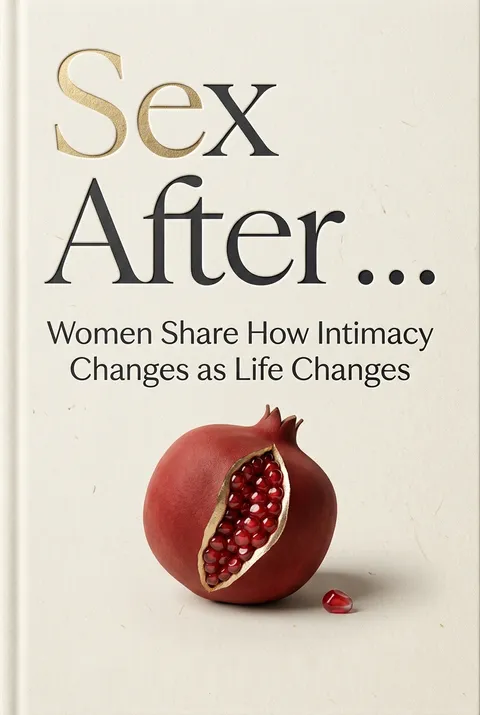
What's Sex After . . . about?
- Exploration of Intimacy Changes: Sex After . . . by Iris Krasnow examines how intimacy evolves for women through various life stages, such as motherhood, illness, divorce, and aging.
- Focus on Women's Voices: The book highlights candid discussions from women of different ages, aiming to dispel myths about female sexuality and emphasize the importance of intimacy.
- Real-Life Experiences: Through personal stories and interviews, Krasnow presents diverse experiences, illustrating how life changes impact sexual desire and relationships.
Why should I read Sex After . . .?
- Understanding Sexual Evolution: The book offers insights into how sexual desires and relationships transform over time, making it a valuable resource for women at any life stage.
- Empowerment Through Shared Stories: By sharing real-life stories, it empowers women to recognize their own experiences, fostering a sense of community and support.
- Practical Advice Included: It provides practical tips on maintaining intimacy, encouraging open communication and exploration of desires.
What are the key takeaways of Sex After . . .?
- Intimacy is Vital: The book emphasizes that intimacy is crucial for relationship survival, with emotional connection often outweighing physical aspects as women age.
- Sexual Fulfillment is Possible: Krasnow challenges stereotypes by highlighting that sexual fulfillment can improve with age and experience.
- Communication is Essential: Open communication about desires and needs is a recurring theme, helping couples navigate intimacy complexities.
What are the best quotes from Sex After . . . and what do they mean?
- “There is no perfect sex because there are no perfect people.”: This quote encourages embracing imperfection in sexual experiences for deeper connections.
- “The ability to achieve intimacy is vital to the survival of relationships.”: It underscores the importance of emotional closeness in maintaining long-term partnerships.
- “Sex is a bridge of intimacy.”: This metaphor illustrates how sexual experiences enhance emotional bonds, emphasizing sex as a deeper connection.
How does Sex After . . . address the topic of sex after childbirth?
- Postpartum Challenges: The book discusses changes in intimacy and sexual desire after childbirth, highlighting physical and emotional hurdles.
- Real Stories Shared: Krasnow includes narratives from women navigating postpartum intimacy, providing relatable insights and advice.
- Encouragement for Open Dialogue: It advocates for open communication between partners about needs and feelings post-baby.
What insights does Sex After . . . provide on aging and sexuality?
- Sexuality in Later Life: Krasnow explores how women can maintain a vibrant sex life as they age, challenging stereotypes about older women.
- Emotional Connection Over Physical: The book suggests emotional intimacy often becomes more significant than physical attraction with age.
- Practical Tips for Seniors: It offers advice on adapting sexual practices to accommodate physical changes, ensuring intimacy remains a priority.
How does Sex After . . . discuss infidelity and its impact on relationships?
- Real Experiences of Infidelity: The book includes stories from women who have experienced infidelity, providing insight into the emotional complexities.
- Path to Healing: Krasnow emphasizes that many couples can rebuild relationships after infidelity, often emerging stronger.
- Exploration of Emotional Needs: It reveals that infidelity often stems from unmet emotional needs, encouraging reflection on relationships.
What methods or advice does Sex After . . . offer for maintaining intimacy?
- Prioritize Intimacy: The book stresses making intimacy a priority, encouraging couples to schedule time for each other.
- Open Communication: Krasnow advocates for honest discussions about desires and needs, fostering understanding and strengthening bonds.
- Exploration and Creativity: It encourages exploring different forms of intimacy, including non-sexual touch and affection.
How does Sex After . . . portray the experiences of women in their 70s and 80s regarding sexuality?
- Vibrant Sexual Lives: The book features stories of older women enjoying active and fulfilling sex lives, challenging aging stereotypes.
- Emotional Depth: Many older women express that emotional connection becomes more significant, navigating desires with confidence.
- Encouragement for Openness: Krasnow encourages embracing sexuality at any age, emphasizing it's never too late for intimate connections.
What role does self-esteem play in the narratives of Sex After . . .?
- Impact on Intimacy: The book discusses how self-esteem influences women's sexual desires and experiences.
- Journey to Self-Acceptance: It highlights women reclaiming self-esteem after life changes, leading to renewed intimacy.
- Empowerment Through Vulnerability: Krasnow emphasizes that embracing vulnerability can enhance self-esteem and intimacy.
How does Sex After . . . address the topic of communication in relationships?
- Essential for Intimacy: The book underscores that effective communication is crucial for maintaining intimacy.
- Navigating Challenges Together: Krasnow illustrates how open communication helps couples work through challenges.
- Encouragement for Honest Dialogue: It encourages candid conversations about sexual experiences and feelings for greater intimacy.
How does Sex After . . . explore the concept of menopause and sexuality?
- Changing Dynamics: The book addresses how menopause can alter sexual desire and function, yet many women continue to have fulfilling sex lives.
- Importance of Communication: It stresses open discussions about changes in libido and physical comfort during intimacy.
- Exploring Alternatives: Krasnow provides insights into methods for enhancing pleasure during menopause, like using lubricants and sex toys.
Download PDF
Download EPUB
.epub digital book format is ideal for reading ebooks on phones, tablets, and e-readers.








