

Plot Summary
Prologue
Three months before Nora wakes in the cemetery, Hank Millar meets the fallen angel Patch under cover of night. Hank is holding Nora captive and needs information about fallen angels before Cheshvan, when they possess Nephilim bodies.
Patch agrees to spy for him, but only if Hank promises to release Nora by summer's end. To seal the bargain, Patch offers his wings; Hank's men tear them out and leave him at Delphic Amusement Park. Hank then calls Nora's mother, Blythe, pretending to be a worried father searching for his missing daughter.
The opening makes coercion the story's first language. Hank turns love into leverage, while Patch submits to mutilation because Nora's life matters more to him than his own safety. Yet Hank's performance for Blythe reveals a second kind of power: he can hurt Nora in secret and still occupy the role of the grieving, protective parent. The bargain also establishes the novel's central moral problem. Patch can save Nora only by entering Hank's political game, which means protection and complicity are already entangled before Nora regains consciousness.
Eleven Weeks Missing
Nora Grey wakes on wet grass among the gravestones, injured, frightened, and unable to remember how she got there. A cemetery groundskeeper recognizes her from the news and tells her it is September, not April. When Detective Basso arrives, Nora mistakes him for another threat and collapses after learning she has been missing for eleven weeks.
At the hospital, her mother Blythe confirms that Nora disappeared on June 21, the night of the summer solstice. Doctors find no serious physical injury, but Nora's memory has lost the preceding five months. Even her seventeenth birthday passed while she was gone. She returns to a familiar home with the unnerving sense that her own life has continued without her.
Nora's amnesia is more than a missing record of events. It makes the ordinary world feel like evidence she cannot interpret: the season is wrong, familiar faces have become strangers, and her own body carries marks whose causes she cannot know. Her collapse follows the revelation that time has passed, but the deeper shock is relational. Everyone else has lived through her absence and built explanations around it. Nora must return to a life that recognizes her while withholding the knowledge that would make it feel like hers.
A Feather in the Drawer
Blythe keeps visitors away until Nora secretly contacts her best friend, Vee Sky. Vee recounts the night Nora vanished: gunfire erupted at Delphic Amusement Park, Nora disappeared during the evacuation, and police later found her after a hostage incident in the fun house. Nora had been shot in the shoulder and named a missing man, Rixon, as the attacker.
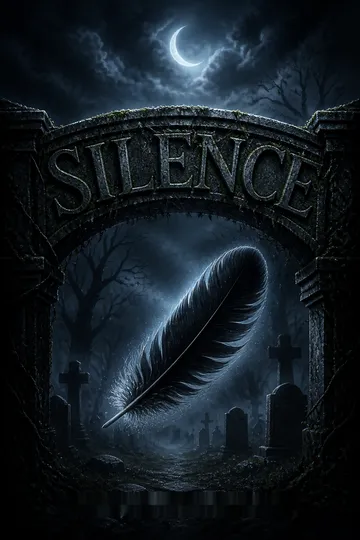
After Vee leaves, Nora follows an inexplicable pull back to the cemetery and finds a long black feather. A fleeting memory of a boy's dark eyes leads her to dream of Patch, who says he gave her up to save her and warns her not to search for him. When Nora wakes, a threatening note appears on her pillow, then vanishes from the paper.
Fragments arrive before explanations, and Nora's instinct proves more dependable than the official account. The feather and dream carry emotional knowledge her conscious memory cannot access, while the vanished note makes it impossible to separate supernatural interference from trauma. Vee's retelling offers a plausible kidnapping narrative, but its gaps only sharpen Nora's questions. The scene frames memory as embodied: desire, dread, and recognition persist even when facts have been removed. Nora's first act of recovery is not remembering a complete story, but trusting that the fragments matter.
The Millars Move In
Nora insists on returning to school, where classmates stare and Marcie Millar mocks her disappearance as permanent damage. At home, Nora learns her mother is dating Hank, Marcie's father, and that her old Fiat was sold before she vanished. A Volkswagen Scott Parnell left at the house replaces it, but Blythe says Nora was shot at Delphic before disappearing and that she had named Rixon as the shooter.
Marcie later corners Nora and claims her own summer fling, Patch, gave Nora a silver necklace to pass along. She also insists the two girls had become friends. Nora cannot confirm any of it, but the name Patch triggers a rush of recognition, convincing her that her blank past is crowded with secrets.
The return to routine becomes a confrontation with other people's versions of Nora. Her mother has made decisions during the absence, classmates have turned her into gossip, and Marcie offers a history Nora cannot verify. These pressures expose the vulnerability of memory loss: even a confident account can become a substitute for personal knowledge. Nora's anger is partly grief for lost time, but it is also a defense against being managed. Her insistence on school and her skepticism toward Marcie are early attempts to reclaim authority over a life others have been narrating for her.
The Stranger at Seven-Eleven
After a painful dinner with Blythe and Hank, Nora walks to a convenience store and discovers Gabe and his companions assaulting the clerk. Gabe uses a mind-trick that makes Nora see him as a bear, then threatens her when she tries to get help. A newcomer named Jev intervenes, and the wounded clerk escapes while Jev disables Gabe with a tire iron.
Jev drives Nora away before the police arrive, explaining that ordinary law enforcement cannot contain Gabe's kind. Nora senses she knows Jev, but he claims their past was ugly and says he once tried to kill her. He refuses to explain further, then leaves her with a warning to stop looking for him.
The attack turns Nora's private uncertainty into physical danger, and her decision to challenge Gabe shows that she has not returned as a passive victim. Jev's rescue complicates that agency: he saves her, but controls what she learns and where she goes. His confession that he tried to kill her sounds like a warning, yet Nora's instinctive attraction undermines the tidy story he offers. The scene establishes a pattern that governs their relationship: his protective actions contradict his distancing words, forcing Nora to judge him through behavior rather than trust either his denials or her damaged memory.
Scott Names the Black Hand
Scott Parnell finds Nora by the coast and explains that he is Nephilim, an immortal descended from fallen angels. Fallen angels possess Nephilim bodies during Cheshvan, and Hank Millar, known among them as the Black Hand, is building an army to resist them. Scott had been ordered to protect Nora's father, Harrison, before Rixon murdered him; Scott's refusal to obey Hank left Harrison unguarded.
Scott also confirms Nora once knew that he was Nephilim and that Patch was her ex-boyfriend. He has been tracking Hank, and the evidence points to Hank's involvement in Nora's disappearance. Scott and Nora agree to investigate, though Scott's enchanted fist ring makes his strength — and his willingness to risk himself — harder to control.
Scott gives Nora the supernatural vocabulary she lacks, but his account also reveals how knowledge can become a burden. He is not simply an informant: he carries guilt over Harrison's death and the shame of having served Hank. His ring offers power while intensifying the pull toward the man he deserted, making the temptation literal rather than abstract. Nora's willingness to work with Scott grows from her need to understand her past, but it also reflects a sharper moral instinct. She sees that inaction, as Scott's story demonstrates, can have consequences as devastating as deliberate violence.
The Barracks Behind the Window
Scott and Nora first try to photograph Hank's guarded warehouse, but a Nephilim spots Scott and chases him across the rooftops. Nora drives the Charger into the pursuit, giving Scott a chance to escape. After Scott goes into hiding, Nora returns alone and climbs into a nearby building, only to find rows of sleeping Nephilim recruits.
Jev pulls her out before Hank's guards can catch her and flees with her through the industrial district. When more Nephilim corner Nora outside a nightclub, Jev uses a trance to disguise them, but two pursuers see through it. Jev returns in time to stop one from interrogating Nora. He then takes her beneath Delphic, where hidden tunnels lead toward his secluded home.
Nora's repeated trespassing is not recklessness for its own sake. She is trying to turn uncertainty into something visible, first with Scott's camera and then by entering the building herself. The cost is that her pursuit repeatedly places others in danger, while Jev's interventions make her dependent on a man she does not remember. His rescue does not erase the imbalance between them, but it makes his concern harder to dismiss. The hidden barracks also give Hank's ambition a physical scale: his army is no rumor, but a sleeping population already organized beneath the town.
Jev Remembers as Patch
In his underground home, Jev lets Nora touch the scars where his wings were torn away, opening his memories to her. She sees herself kissing him in the amusement park shed before Hank arrives with Nephilim guards. Hank accuses Nora of killing his ally Chauncey Langeais, and Patch fights to protect her.
In a second memory, Patch offers to spy on fallen angels if Hank spares Nora; Hank accepts, then has his men seize her anyway. Nora understands that Jev is Patch, the boy she loved, and that Hank held her captive for months.
Patch explains that he searched for her, surrendered his wings to secure her release, and agreed to a memory wipe so she would not remember either the captivity or him. Their recovered love brings them back together, but Hank's return to Nora's life makes the danger immediate.
The memories restore facts by forcing Nora to experience them, not merely hear them. That difference matters: she is no longer choosing between Patch's account and Hank's, but confronting her own past as an embodied witness. The revelation also recasts Patch's apparent abandonment as a sacrifice that still caused harm. His effort to protect Nora by erasing her memory denied her the right to decide what she could bear. Their reunion is therefore tender but not simple. Love returns alongside the recognition that protection without consent can resemble another form of control.
The Necklace Becomes Bait
Patch tells Nora that Hank used her captivity to force him into spying on fallen angels, and that Patch later helped erase her memories to spare her the trauma. He also admits he erased Vee's memory of Rixon, explaining her unexplained distrust of men.
Nora and Patch decide they need evidence of Hank's plans, especially his interest in an imprisoned archangel and a necklace that can compel truthful answers. Patch contacts Dabria, a former angel of death who can still glimpse the future, and asks her to watch Hank.
Meanwhile, Marcie nominates Nora for homecoming as a supposed kindness, then steers her toward a dress and allows a stranger to steal her handbag. Patch suspects Hank is searching for his archangel's necklace, so he gives it to Nora and asks her to let Marcie believe she can steal it.
This section shows memory manipulation spreading through Nora's social world. Patch's explanation helps account for Vee's behavior, but it does not make his choice harmless; the people he loves have been deprived of histories that belong to them. The necklace plan converts that ethical problem into strategy. Nora must let Marcie deceive her in order to expose Hank, while Patch relies on Dabria despite mistrusting her. Homecoming's ordinary rituals become cover for surveillance, illustrating how the supernatural conflict infiltrates the supposedly safe spaces of school, friendship, and family.
A Crash Rewrites the Plan
Hank tells Nora that Blythe has fallen down the stairs and drives her toward the hospital. A tan El Camino rams their Land Cruiser toward a ravine, and Nora hears Hank curse fallen angels before she blacks out.
She later wakes with injuries and learns Blythe is alive, but the doctor and Hank insist that Hank escaped the crash unharmed. At the hospital, Hank's gaze clouds Nora's thoughts until she accepts his ride home and lets him stay. She recognizes the mind-trick only after dreaming of Patch, who comes to her room and confirms Hank has manipulated her.
Patch suspects Hank's power comes from forbidden devilcraft. He gives Nora his necklace and asks her to let Marcie take it, hoping its record of Hank's actions can prove the devilcraft to the archangels.
The staged collision attacks Nora's ability to interpret events at the precise moment she needs judgment most. Hank's mind-trick does not merely fool her eyes; it makes obedience feel like her own reasonable choice. Her later recognition arrives through a dream, suggesting that altered perception cannot fully silence bodily alarm. Patch's plan offers a countermeasure, but it asks Nora to enter further danger rather than retreat. The necklace becomes both evidence and a test of trust: Nora must rely on Patch's judgment while insisting that her participation remain a choice, not another decision made for her.
The Ring Draws Scott Home
At Serpentine's concert, Nora recognizes a tattoo on a stagehand as the same words she saw after the car crash. She follows him outside and strikes him with a shovel, believing he is a fallen angel. Patch discovers the man is actually a Nephilim branded by Hank, confirming Hank's men staged the crash.
Scott bolts from the concert when he spots the searchers, and Nora helps him flee with cash, clothes, and a warning that Hank's ring may be drawing him back. Scott throws the ring into the ocean, then kisses Nora goodbye. Nephilim guards rush the beach before he can escape and knock him down. They seize Nora as well, separating the two friends and taking them to Hank's warehouse.
Nora's mistaken attack reveals how urgently she wants to act on what she has learned, but also how little certainty she can safely claim. The ring's influence offers a reason for Scott's sudden defiance, while his decision to discard it shows he still has some freedom to resist Hank. His capture immediately tests Nora's loyalty: she helped him escape, yet her intervention could not overcome the army's reach. The scene's abrupt shift from concert to ambush turns performance into exposure. Scott's public return gives him a taste of ordinary life and makes him easier for Hank to find.
A Daughter's Blood Oath
Hank interrogates Nora and reveals that he is her biological father. While she was unconscious after the crash, he used devilcraft to replace her blood with purebred Nephilim blood. He plans to make her swear a Changeover Vow and lead his army after his predicted death. Hank threatens Blythe and Nora's friend Vee, so Nora swears the vow to protect her mother, accepting that she will become fully Nephilim and inherit command.
Hank releases Nora and Blythe, both barely able to walk. Nora finds Marcie on the road and takes her along; Marcie admits she planted the vanishing note and had brought Patch's necklace to Hank, but changed her mind after seeing the captive archangel. Nora leaves Blythe and Marcie with Vee, then goes to find Patch.
Hank's revelation turns family into a biological and political trap. Nora is his daughter by blood, but his claim of parenthood is inseparable from coercion: he altered her body, threatened the people she loves, and made inheritance conditional on obedience. Her oath is an act of protection, not allegiance, yet its legal force binds her to the army she opposes. Marcie's confession adds a smaller, human-scale betrayal to Hank's larger manipulation. Nora's choice to take Marcie with her despite their history suggests that shared vulnerability has begun to unsettle their inherited rivalry.
The Black Hand Falls
Patch shows Nora the events she missed: he joined Gabe and other fallen angels to seize Hank, recovered his necklace from Marcie, and freed the imprisoned archangel. He persuaded the archangel to seek the other archangels' approval to kill Hank, arguing that Hank's devilcraft threatened both worlds.
Nora initially refuses to kill Hank and chooses imprisonment instead. When Hank escapes his restraints and raises blue devilcraft fire with Patch's feather, Nora shoots him before he can destroy the feather or harm Patch.
After Patch disposes of Hank's body, Nora learns that Scott and two army lieutenants have arrived. Bound by her vow, she orders Hank's Nephilim army to disband, but the lieutenants warn that thousands may refuse. Nora and Patch face the possibility of war, with no easy opponent to choose.
Nora's refusal to execute Hank is not forgiveness. It is a refusal to let vengeance define the only available form of justice. The moment changes when Hank reaches for the feather and threatens Patch, making her shot an immediate defense rather than a planned punishment. Her decision preserves a moral distinction she feared losing, though it cannot undo the violence that precedes it. The aftermath denies her a clean victory: Hank is dead, but his army and oath remain. Nora has escaped his direct control only to inherit the political consequences of his power.
Epilogue
The appended bonus scene returns to the night Patch first noticed Nora at Enzo's, before the main story's events. Patch had been watching her while planning to sacrifice her and gain a human body.
A staged encounter with his friend Rixon accidentally puts him face to face with Nora, and her wit unsettles the cold calculation he has relied on. By the time Patch leaves, he knows that killing her will be harder than he expected.
The coda makes Patch's later devotion more complicated by showing that it began inside a plan to use Nora. His attraction first appears as a disruption to instrumental thinking: he wants her close even while believing she is a means to his own end. This retrospective knowledge prevents the romance from becoming a simple story of destined recognition. Patch's change matters because he must revise not only his opinion of Nora, but the moral system that lets him treat other people as tools. The first meeting is therefore a beginning of love and a beginning of accountability.
Analysis
Silence treats memory as a contested territory rather than a private possession. Nora's missing months are not simply an empty stretch waiting to be filled. Hank uses mind-tricks to conceal his actions, while Patch agrees to erase Nora's memories in the hope of protecting her. Vee withholds information for a similar reason. Their motives differ, but the effect is shared: Nora is denied the ability to judge what happened to her. The novel's central ethical question is therefore not whether forgetting can relieve pain, but who has the right to decide what another person should know.
The supernatural conflict gives that question political scale. Nephilim bodies are occupied during Cheshvan, and oaths turn coercion into an inherited system. Hank calls his army a route to freedom, yet his methods reproduce the domination he claims to oppose. His power depends on making control appear necessary, whether through family loyalty, the ring, or a vow. Nora's position complicates the conflict because she has ties to both sides and inherits command without endorsing Hank's cause. The ending refuses the comfort of a clean victory: killing Hank stops his immediate plans, but his army and the rules that sustain it remain.
Romance is similarly tested against agency. Patch's love is real, but his protective choices include secrecy, memory alteration, and decisions made for Nora. His growth depends on recognizing that devotion is not a substitute for consent. Nora, meanwhile, does not become powerful by recovering a pristine former self. She acts while uncertain, tests what others tell her, and decides which risks she will take. Her final refusal to kill Hank at first, followed by the shot that saves Patch, distinguishes vengeance from necessary defense. The book leaves Nora with power she did not seek and a conflict she cannot simply escape, making self-determination an ongoing practice rather than a reward for solving the mystery.
Review Summary
Silence received mixed reviews from readers. Many enjoyed the continuation of Nora and Patch's story, praising the plot twists and character development. Some found the amnesia storyline frustrating, as it rehashed previous events. Critics disliked Nora's character and the portrayal of her relationship with Patch. The book's pacing and writing style were also points of contention. Despite criticisms, fans of the series appreciated the romantic elements and were eager for the next installment. Overall, opinions varied widely on the book's quality and enjoyment factor.
People Also Read








Characters
Nora Grey
The returning investigatorNora is a sharp, determined teenager whose memory loss strips away the history she normally uses to understand herself. She resists being treated as fragile, insisting on returning to school and pursuing the truth even when her choices put her in danger. Her loyalty to Blythe and Vee coexists with a strong need for autonomy; she wants help, but not decisions made on her behalf. Her analytical habits become a survival tool as she compares conflicting accounts and follows physical clues. Beneath that self-control, she is emotionally responsive and capable of compassion, including toward people she distrusts. Her central struggle is to rebuild identity without surrendering judgment to those who claim they are protecting her.
Patch
The guarded fallen angelPatch is a fallen angel whose intelligence, physical power, and history of dangerous choices make him difficult to read. He tends to conceal emotion behind restraint, especially when he believes distance will protect Nora. His instinct to protect can become controlling, as his attempts to shield Nora sometimes deprive her of information and choice. Yet his actions reveal a capacity for loyalty that he rarely expresses plainly. His relationship with Nora challenges his self-interest and forces him to consider the consequences of treating people as pieces in a plan. He is at once a source of safety and a reminder that love does not excuse secrecy.
Hank Millar
The polished warlordHank is a charismatic Nephilim leader whose public identity as a successful businessman and devoted father conceals an appetite for authority. He values order, loyalty, and the survival of his people, but defines those values so narrowly that individual lives become expendable. His ability to manipulate minds supports a carefully maintained public face, allowing him to act warmly while pursuing coercive goals. Hank is not driven by simple chaos; he believes his ambition serves a historical cause. That conviction makes him especially dangerous, because he can interpret cruelty as duty and family ties as instruments of political succession.
Scott Parnell
The deserter with a ringScott is an immortal Nephil who has deserted Hank's army and lives with the consequences of that choice. He is resourceful, physically bold, and more comfortable surviving alone than asking others for help. His guilt over Nora's father's death makes his return to her life an attempt at restitution as much as friendship. Scott also knows the seduction of power firsthand, particularly through the ring that amplifies his abilities. He wants a life beyond hiding, but his impatience can make him underestimate the danger he brings to others. With Nora, he is protective and candid, though not always forthcoming.
Blythe Grey
Nora's grieving motherBlythe is Nora's mother, a hardworking estate-auction employee who has spent years maintaining their farmhouse after her husband's death. Nora's disappearance leaves Blythe frightened and emotionally depleted, and Hank's attention offers comfort at a vulnerable moment. She wants to protect Nora, but her instinct to soften difficult truths can make Nora feel excluded from her own family's decisions. Blythe is neither foolish nor indifferent; she is coping with grief, uncertainty, and the demands of work while trying to rebuild a sense of security. Her attachment to home reflects both love for Nora and a continuing bond with the family life they lost.
Vee Sky
Nora's fierce best friendVee is Nora's closest friend, quick with jokes and quicker to defend her. Her boldness gives Nora access to ordinary teenage life at moments when fear threatens to consume it. Vee's loyalty can become protective secrecy: she withholds information because she believes Nora is safer not knowing. That choice complicates their friendship without diminishing its depth. Her suspicion of men and her readiness to challenge people around Nora hint at experiences she cannot fully explain. Vee's warmth is practical as well as emotional; she shows up, makes plans, and refuses to let Nora become only the subject of other people's concern.
Marcie Millar
The rival with a secretMarcie is Hank's daughter and Nora's longtime school rival, accustomed to using popularity, money, and sharp social instincts to control a room. Her confidence often masks insecurity about her family and her place within it. She can be cruel for sport, but her behavior also reflects a learned dependence on appearances and approval. Her connection to Hank shapes how she treats Nora, even when she does not understand the full stakes of his plans. Marcie's presence challenges Nora's assumptions about friendship and rivalry, making her one of the few people who can surprise Nora socially as well as emotionally.
Dabria
The compromised seerDabria is a former angel of death who claims she can still foresee events. She uses charm, self-interest, and a talent for reading what others want to hear to navigate the supernatural world. Her past with Patch gives her an intimate understanding of his weaknesses, while her dealings with Nephilim give her access to information beyond Nora's reach. Dabria is useful precisely because she is not easy to trust. She treats information as a commodity and expects to be paid, yet her ambition is tempered by a practical awareness of danger.
Rixon
The vanished fallen angelRixon is a fallen angel tied to Hank's history and to Nora's missing memories. He was once close to Patch and had a connection to Vee, but his actions left pain and confusion in both their lives. His absence shapes the investigation: Nora's account identifies him as the attacker at Delphic, while others struggle to remember him clearly. Rixon's role shows how supernatural conflict reaches into human relationships, leaving effects that persist even when a person's memory has been altered.
Blakely
Hank's trusted lieutenantBlakely is Hank's disciplined adviser and operational second, responsible for coordinating guards and carrying out orders. His competence helps Hank maintain an organized network around Coldwater. Blakely's loyalty appears practical as well as personal: he understands how power is exercised and works to keep Hank's plans concealed. He is a functional but important reminder that Hank's rule depends not only on personal force, but on the people willing to administer it.
Gabe
The brutal fallen angelGabe is an aggressive fallen angel who uses violence and mind-tricks to intimidate Nephilim and humans alike. His assault on the convenience-store clerk brings the hidden supernatural conflict directly into Nora's path. Gabe enjoys dominance and treats resistance as entertainment, making him a sharp contrast to Patch's more controlled use of force. His volatility makes any alliance involving him dangerous, even when their immediate goals overlap.
Chauncey Langeais
The dead Nephil allyChauncey was a Nephil associated with Hank, and his death shapes Hank's grievances and Nora's hidden family history. He belongs to the chain of ancestry and obligation that binds Nora to the Nephilim world before she understands it. Although absent from much of the present action, his past actions and relationships help explain why Nora's life has become politically valuable.
Detective Basso
The wary investigatorDetective Basso leads the official search for Nora and questions her after she is found. He approaches her carefully, but her memory loss and instinctive distrust limit what she can tell him.
Dr. Howlett
The attending physicianDr. Howlett treats Nora after her return and later oversees care after the crash. His clinical reassurance becomes difficult for Nora to trust when Hank's influence reaches into the medical story.
Harrison Grey
Nora's remembered fatherHarrison is Nora's deceased father, remembered through the farmhouse they once restored together and the grave where she awakens. His absence remains a source of grief and a measure of the parental care Nora associates with home.
Dante Matterazzi
A wary army lieutenantDante is one of Hank's Nephilim lieutenants. After Hank's death, he presents the army's claim on Nora and warns that its members may not accept her refusal to wage war.
Tono Grantham
A second army lieutenantTono accompanies Dante and Scott when they come to Nora after Hank's death. He represents the organized Nephilim force whose future Nora must confront.
B.J.
The battered Nephil recruitB.J. is a young Nephil whom Gabe's group beats while trying to force him into an oath of fealty. Nora's decision to intervene brings her into contact with Jev.
Dominic and Jeremiah
Gabe's dangerous companionsDominic and Jeremiah assist Gabe during the assault at the convenience store and the later confrontation at Hank's warehouse. Their presence gives Gabe's threats the force of a group rather than a single attacker.
The imprisoned archangel
Hank's captive sourceThe archangel is held in a cage after Hank has cut off her wings and bound her with devilcraft. She is exhausted, suspicious, and unwilling to help those who have harmed her. Her knowledge and authority make her central to the conflict between Hank and the fallen angels.
Plot Devices
Nora's missing memories
A damaged personal archiveNora's memory loss blocks her from the months surrounding her disappearance and reaches back to April. It creates the mystery that drives her investigation, but it also makes other people powerful over her because they can present their own accounts as fact. Patch's wing scars allow Nora to enter memories and recover scenes through direct experience. The recovered past remains incomplete, so each fragment can complicate rather than settle her understanding. Memory here operates as both evidence and vulnerability: restoring it gives Nora agency, while revealing that loved ones have sometimes altered it in the name of protection.
Nephilim oaths
Promises with supernatural forceNephilim can swear binding oaths that shape their obligations and punish them for breaking their word. During Cheshvan, fallen angels possess the bodies of Nephilim who have sworn fealty. Hank uses oaths as tools of political control, bargaining with Patch and ultimately forcing Nora to promise she will lead his army. The device makes language consequential: a vow can outlast the circumstances in which it was made, trapping a person in a future they did not freely choose. Nora's final dilemma grows from the gap between the literal terms of her promise and the purpose Hank intends for it.
The Black Hand's ring
Power that pulls its wearerHank's ring bears his clenched-fist mark and greatly amplifies a Nephil's strength. Scott becomes dependent on its power, and Nora suspects the ring also draws him back toward Hank. Its appeal is practical, not merely symbolic: it can make a vulnerable deserter formidable, but it may also compromise his ability to choose freely. Scott eventually casts it into the ocean when Nora argues that the danger outweighs the advantage. The ring condenses the novel's recurring question about power: whether a person can use a coercive system without being changed by it.
The archangel's necklace
A record of compelled truthAn archangel's necklace can force a truthful exchange and preserve a record of what occurs. Hank seeks one so he can question his captive, while Patch sees a way to document Hank's use of devilcraft and present evidence to the archangels. He gives Nora his necklace and arranges for Marcie to believe she can take it. The object therefore changes hands as both bait and proof, tying personal deception to political accountability. Its power matters less as a weapon than as a witness that cannot be persuaded to forget what it has seen.
Devilcraft and wing scars
Power with vulnerable pointsDevilcraft is forbidden power from hell that Hank uses to enhance weapons, manipulate events, and alter Nora's blood. Its existence raises the stakes beyond the established contest between fallen angels and Nephilim. Wing scars provide a counterpoint: although invisible wings cannot be attacked directly, damaging the scars can paralyze a fallen angel. Nora learns this from Patch and uses the knowledge when she believes she has identified an attacker. These two devices make supernatural strength conditional. Every side has capacities that seem absolute until someone understands the cost or discovers the point where that power can be interrupted.
FAQ
Synopsis & Basic Details
What is Silence about?
- Amnesiac Teen's Supernatural Journey: Silence follows Nora Grey as she wakes up with amnesia in a cemetery, thrust into a world of Nephilim and fallen angels, and forced to confront a past she can't remember.
- Hidden Identities and Dangerous Alliances: Nora navigates a complex web of relationships, discovering that those closest to her may have hidden agendas and that her own identity is tied to a supernatural conflict.
- Quest for Truth and Self-Discovery: The story centers on Nora's struggle to reclaim her memories, understand her connection to the supernatural world, and make choices that will determine her fate and the fate of those she loves.
Why should I read Silence?
- Intriguing Mystery and Suspense: The amnesia plotline and the supernatural elements create a compelling mystery that keeps readers guessing and engaged throughout the story.
- Complex Characters and Relationships: The characters are well-developed, with hidden motivations and evolving relationships that add depth and emotional resonance to the narrative.
- Exploration of Identity and Power: The book delves into themes of identity, power, and the struggle between good and evil, offering a thought-provoking exploration of these complex issues.
What is the background of Silence?
- Supernatural Conflict: The story is set against a backdrop of a long-standing conflict between Nephilim and fallen angels, two supernatural races with their own agendas and power struggles.
- Hidden World: The events of the book take place in a world where supernatural beings exist alongside humans, often hidden in plain sight, creating a sense of unease and danger.
- Mythological and Religious Influences: The story draws on elements of mythology and religion, incorporating concepts of angels, demons, and ancient prophecies to create a rich and immersive world.
What are the most memorable quotes in Silence?
- "You're mine, Angel. And I won't let anything change that.": This quote, spoken by Patch, highlights the possessive and protective nature of his feelings for Nora, a recurring theme in their relationship.
- "I did the only thing I could. I gave you up to save your life.": This quote reveals Patch's difficult decision to leave Nora, showcasing the depth of his love and his willingness to sacrifice his own happiness for her safety.
- "Just because you're home doesn't mean you're safe.": This cryptic message, found by Nora, foreshadows the ongoing danger she faces and the fact that her kidnapping is not yet resolved.
What writing style, narrative choices, and literary techniques does Becca Fitzpatrick use?
- First-Person Perspective: The story is told from Nora's point of view, allowing readers to experience her confusion, fear, and growing understanding of the supernatural world firsthand.
- Suspenseful Pacing: Fitzpatrick uses a suspenseful pacing, gradually revealing information and building tension to keep readers engaged and eager to uncover the truth.
- Foreshadowing and Symbolism: The author employs foreshadowing and symbolism to hint at future events and add layers of meaning to the narrative, encouraging readers to look for hidden clues and connections.
Hidden Details & Subtle Connections
What are some minor details that add significant meaning?
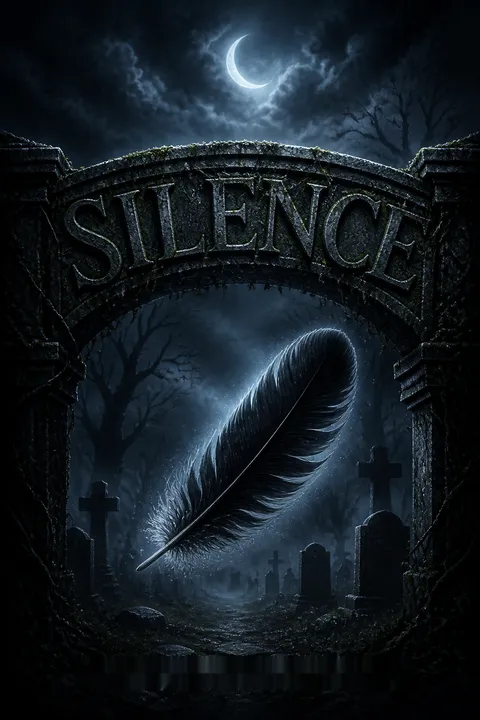
- The Black Feather: Nora finds a black feather in the cemetery, which later connects to Patch's fallen angel identity and foreshadows the supernatural elements of the story.
- The Color Black: The recurring motif of the color black, often associated with Patch, symbolizes his mysterious nature and the dark secrets surrounding him.
- The Name "Rixon": The name "Rixon," initially presented as Nora's kidnapper, becomes a symbol of the manipulation and deception that permeates the story, as it is later revealed to be the name of the fallen angel who possessed Hank.
What are some subtle foreshadowing and callbacks?
- The Cemetery Setting: The initial scene in the cemetery foreshadows the themes of death, the supernatural, and Nora's connection to the past, which are central to the story.
- The Mention of Cheshvan: The recurring mention of the Jewish month of Cheshvan foreshadows the impending conflict between Nephilim and fallen angels, and the time when Nephilim are forced to give up their bodies.
- The Description of the Black Hand's Ring: The description of the Black Hand's ring, with its clenched fist symbol, foreshadows Hank's true identity and his desire for power and control.
What are some unexpected character connections?
- Hank and Blythe's Past Relationship: The revelation that Hank and Nora's mother, Blythe, had a past relationship adds a layer of complexity to their interactions and raises questions about Hank's true motives.
- Marcie and Patch's Connection: The fact that Marcie and Patch had a past relationship, and that Patch gave Marcie a necklace, creates a surprising link between two characters who initially seem to have nothing in common.
- Scott and Nora's Shared History: The reveal that Scott was present the night Nora's father died, and that he was supposed to protect him, adds a layer of guilt and responsibility to his character.
Who are the most significant supporting characters?
- Vee Sky: Nora's best friend, Vee, provides a sense of normalcy and humor, but also serves as a reminder of the human world that Nora is increasingly leaving behind.
- Dabria: A former angel, Dabria's role as a prophetess and her connection to Patch add a layer of intrigue and danger to the story, as her motives remain ambiguous.
- Blakely: Hank's right-hand man, Blakely, is a loyal and powerful Nephilim who serves as a constant reminder of the threat that Hank poses.
Psychological, Emotional, & Relational Analysis
What are some unspoken motivations of the characters?
- Patch's Desire for Redemption: Patch's actions are driven by a desire for redemption, as he seeks to atone for his past mistakes and protect Nora from harm.
- Hank's Fear of Death: Hank's actions are motivated by a fear of death and a desire to control his own destiny, leading him to manipulate others and seek power at any cost.
- Nora's Yearning for Connection: Nora's actions are driven by a deep yearning for connection and understanding, as she seeks to reclaim her memories and find her place in the world.
What psychological complexities do the characters exhibit?
- Nora's Internal Conflict: Nora struggles with her identity as she grapples with her human and Nephilim sides, torn between her desire for a normal life and her responsibility to the supernatural world.
- Patch's Emotional Repression: Patch's emotional repression and his struggle to express his feelings for Nora highlight his internal conflict and his fear of vulnerability.
- Hank's Obsessive Control: Hank's obsessive need for control and his manipulative behavior reveal a deep-seated insecurity and a fear of losing power.
What are the major emotional turning points?
- Nora's Discovery of Her Nephilim Heritage: The revelation that Nora is a purebred Nephil is a major emotional turning point, forcing her to confront her true identity and the implications of her heritage.
- Patch's Confession of Love: Patch's confession of love for Nora is a significant emotional turning point, as it reveals the depth of his feelings and his willingness to sacrifice everything for her.
- Nora's Decision to Swear the Vow: Nora's decision to swear the Changeover Vow is a major emotional turning point, as she sacrifices her own freedom and identity to protect her loved ones.
How do relationship dynamics evolve?
- Nora and Patch's Evolving Trust: Nora and Patch's relationship evolves from suspicion and mistrust to a deep bond of love and loyalty, as they learn to rely on each other and face their shared challenges.
- Nora and Scott's Shifting Alliance: Nora and Scott's alliance shifts from a partnership based on shared goals to a more complex relationship marked by betrayal and mistrust.
- Nora and Hank's Antagonistic Relationship: Nora and Hank's relationship evolves from a deceptive facade of affection to a bitter rivalry, as Nora uncovers his true nature and his manipulative intentions.
Interpretation & Debate
Which parts of the story remain ambiguous or open-ended?
- The Nature of Devilcraft: The nature and extent of devilcraft remain ambiguous, leaving readers to wonder about its true power and its potential consequences.
- The Archangels' Motives: The archangels' true motives and their role in the conflict remain ambiguous, leaving readers to question their morality and their ultimate goals.
- The Future of the Nephilim Race: The future of the Nephilim race and their relationship with humans and fallen angels remains open-ended, leaving readers to speculate about the long-term consequences of the events in the book.
What are some debatable, controversial scenes or moments in Silence?
- Nora's Decision to Swear the Vow: Nora's decision to swear the Changeover Vow is a controversial moment, as it raises questions about the nature of free will and the extent to which individuals can control their own destiny.
- Patch's Manipulation of Vee: Patch's mind-tricking of Vee is a controversial scene, as it raises questions about the ethics of using supernatural powers to manipulate others.
- The Morality of Killing Hank: The decision to kill Hank is a controversial moment, as it raises questions about the morality of violence and the justification for taking a life, even in self-defense.
Silence Ending Explained: How It Ends & What It Means
- Nora's Transformation: Nora's transformation into a purebred Nephil is a significant turning point, as it forces her to confront her new identity and the responsibilities that come with it.
- Hank's Death and the Aftermath: Hank's death marks the end of his reign of terror, but it also leaves a power vacuum and raises questions about the future of the Nephilim race.
- Patch and Nora's Uncertain Future: Patch and Nora's relationship is left in a state of uncertainty, as they must navigate the complexities of their love amidst the ongoing supernatural conflict. The ending suggests that their journey is far from over, and that they will continue to face challenges and make difficult choices in the future.
Hush, Hush Series


Download PDF
Download EPUB
.epub digital book format is ideal for reading ebooks on phones, tablets, and e-readers.








