Plot Summary
Stalking the Past
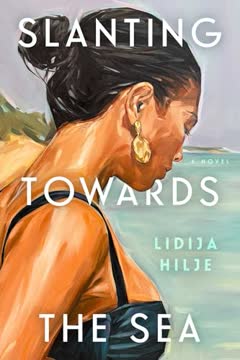
Ivona, nearly forty, single, and living with her ailing father, compulsively stalks her ex-husband Vlaho's social media, reliving their shared past and his new life with Marina and their children. The ache of loss is both a wound and a comfort, a reminder of what she once had and what she let go. Her days are colored by regret and longing, her nights haunted by memories and the sense that her life has become a shadow of what it could have been. The digital window into Vlaho's world is both a lifeline and a poison, keeping her tethered to a love that's no longer hers, yet refusing to fade.
Homebound and Hollow
Ivona's life is defined by stasis: she's back in her childhood room, surrounded by relics of the past, caring for her father after his stroke. The family home is a museum of lost potential, cluttered with memories and unfulfilled dreams. Her father's failed business ambitions and the looming debt from the Lovorun estate weigh heavily on her, as does the absence of her mother. The daily rituals—coffee, news, arguments—are both comfort and cage. Ivona's sense of self is eroded by disappointment, her "potential" now a toxic sediment, poisoning her from within.
Meeting Vlaho
In Zagreb, nineteen-year-old Ivona meets Vlaho at a student party, their bond igniting over a shared love of music. The moment is electric, a rare instance of being truly seen and seeing another. Their connection is immediate, transcending the noise and chaos around them. Yet, Ivona's fear of disrupting her current relationship delays their union, setting the stage for a love story marked by longing, missed chances, and the ache of what might have been. The seeds of obsession and devotion are sown in this first, fateful meeting.
Love's First Bloom
As Ivona and Vlaho's relationship deepens, they create a world of their own—hunkering down in cramped student apartments, sharing secrets, dreams, and bodies. Their love is intense, almost suffocating in its closeness, but also healing. Both carry wounds from their families: Ivona's parents' volatile marriage, Vlaho's grief-stricken mother. Together, they find solace and a sense of belonging. Yet, beneath the surface, fears of abandonment and inadequacy simmer, foreshadowing the cracks that will later appear.
The Weight of Potential
Ivona's academic promise and Vlaho's practical ambitions collide with the harsh realities of post-war Croatia. Job prospects are scarce, nepotism rampant, and dreams are steadily eroded by bureaucracy and economic decay. The couple's return to Zadar is marked by frustration: Ivona's career stalls, Vlaho's advances only highlight her stagnation. The Lovorun estate, once a symbol of family legacy, becomes a financial albatross. The sense of being trapped—by family, by country, by gender—intensifies, poisoning their love with resentment and shame.
Family, Loss, and Legacy
The deaths of Ivona's mother and grandmother, and her father's decline, force her to confront the fragility of family and the weight of legacy. The Lovorun project, intended as a tribute, becomes a battleground of memory and debt. Ivona's relationship with her brother is strained by old rivalries and new responsibilities. The past is ever-present, its ghosts shaping every decision. The family's history of poverty and striving is both a source of pride and a curse, dictating choices and sacrifices that seem inevitable, yet are deeply wounding.
The Diagnosis
A devastating medical diagnosis—uterine hypoplasia—shatters Ivona's hopes of motherhood. The news is a death knell for her marriage, her sense of self, and her imagined future. Grief turns inward, becoming depression and self-loathing. Attempts at adoption or surrogacy are thwarted by bureaucracy and cultural barriers. The couple's intimacy withers, replaced by silence and mutual pain. Ivona's identity as a woman, partner, and daughter is upended, leaving her adrift and hollow.
The Unraveling
The diagnosis accelerates the breakdown of Ivona and Vlaho's marriage. She withdraws, sabotages anniversaries, and seeks solace in the olive grove. Vlaho, unable to bridge the growing chasm, is left helpless. The final rupture is both inevitable and excruciating—a slow-motion disaster marked by failed communication, unspoken blame, and the unbearable weight of unmet needs. Divorce is both a relief and a new wound, leaving both parties diminished and lost.
Marina's Entrance
Marina, a vibrant, self-assured sailing instructor, enters Vlaho's life and soon becomes his wife. Her friendship with Ivona is unexpected, marked by generosity and a lack of jealousy. The triangle that forms—Ivona, Vlaho, Marina—is fraught with tension, but also moments of genuine connection. Marina's own emotional complexities, including her aromanticism, add layers to the dynamic. The children she has with Vlaho become both a source of joy and a painful reminder of what Ivona cannot have.
Divorce and Aftermath
Post-divorce, Ivona struggles to rebuild her life. She finds work in a stationery shop, a far cry from her academic ambitions. The olive grove becomes her sanctuary, a place to channel grief and reclaim agency. Friendships are tested, old wounds resurface, and the specter of potential—what could have been—haunts her. The past is both a comfort and a prison, and moving forward feels impossible without first making peace with what's been lost.
The Triangle's Dance
The complex relationship between Ivona, Vlaho, and Marina deepens as they navigate co-parenting, friendship, and unresolved desire. Birthdays, family gatherings, and shared rituals become stages for unspoken feelings and subtle betrayals. The boundaries between love, loyalty, and obligation blur, leading to moments of intimacy and rupture. The triangle is both a source of support and a crucible for pain, forcing each to confront their deepest fears and desires.
The Olive Grove's Fate
The financial crisis surrounding Lovorun comes to a head. Ivona must decide whether to sell the estate, risking her father's wrath and her own sense of identity. The olive grove, a symbol of continuity and care, is threatened by commercial interests. The struggle to save it becomes a metaphor for Ivona's fight to reclaim her life and make choices for herself, rather than for others. The grove's fate is entwined with her own, and its loss or survival will determine the shape of her future.
Asier's Arrival
Asier, a cosmopolitan investor, enters Ivona's life as a potential buyer for Lovorun—and as a romantic interest. His presence is both a disruption and an invitation to imagine a different future. Asier's pragmatism and warmth contrast with Vlaho's history and complexity. The possibility of leaving Croatia, of starting anew, is both thrilling and terrifying. Asier's interest in Ivona's expertise and passion for olive oil offers her a glimpse of professional fulfillment and personal happiness.
New Beginnings, Old Wounds
As Ivona and Asier grow closer, old wounds resurface. The ghosts of her marriage, her family, and her country's limitations haunt every step forward. Therapy, friendship, and new work opportunities offer hope, but the pull of the past is strong. The tension between staying and leaving, between loyalty and self-actualization, becomes acute. Ivona must decide what she owes to others—and to herself.
Selling Lovorun
The sale of Lovorun is fraught with emotion and ethical dilemmas. Ivona's attempts to save the olive grove are thwarted by business realities and the inexorable march of progress. The transaction is both a liberation and a loss, marking the end of an era and the beginning of something uncertain. The process forces Ivona to confront her values, her attachments, and her willingness to let go.
Boundaries and Betrayals
The tangled relationships among Ivona, Vlaho, Marina, and Asier reach a breaking point. Secrets are revealed, boundaries are crossed, and the cost of desire becomes clear. Marina's confrontation with Ivona exposes the raw pain beneath their friendship. Asier's patience is tested by Ivona's divided heart. The fallout is both devastating and clarifying, forcing each character to reckon with their choices and the consequences.
The Last Harvest
The death of Ivona's father brings the story full circle, forcing her to confront the meaning of family, inheritance, and selfhood. The final act of cutting down the olive trees is both an act of mourning and a gesture of agency. The funeral is a moment of closure and release, as Ivona prepares to leave behind the land, the ghosts, and the burdens that have defined her. The possibility of a new life—abroad, in love, or simply at peace—emerges from the ashes.
Letting Go
In the aftermath of loss and upheaval, Ivona chooses to leave Croatia, embracing the unknown. The relationships that have defined her—her love for Vlaho, her friendship with Marina, her connection to the land—are honored but not clung to. The story ends with a sense of bittersweet possibility: the past is not erased, but it no longer dictates the future. Ivona steps into a new life, carrying with her the lessons, scars, and hopes that have shaped her journey.
Characters
Ivona
Ivona is the novel's protagonist, a woman defined by her intelligence, sensitivity, and deep capacity for love—and by the wounds of disappointment, infertility, and loss. Her relationships with her parents, brother, ex-husband, and friends are fraught with unmet expectations and the weight of inherited trauma. Psychoanalytically, Ivona is driven by a need to be seen and to belong, yet she often sabotages her own happiness out of fear and guilt. Her journey is one of painful self-discovery, as she learns to set boundaries, claim agency, and accept that some losses cannot be undone. Her development is marked by cycles of hope and despair, but ultimately, she chooses to move forward, embracing the possibility of renewal.
Vlaho
Vlaho is Ivona's great love and ex-husband, a man whose warmth and empathy are matched by a deep-seated need to please others—especially his mother. His childhood was shaped by loss (the death of his sister) and by the emotional demands of his grieving mother. In his relationship with Ivona, he is both a source of comfort and a mirror for her insecurities. Vlaho's inability to assert his own needs leads to self-betrayal and, ultimately, to the dissolution of his marriage. His later marriage to Marina is more a partnership of convenience than passion. Vlaho's arc is one of gradual awakening: he learns, too late, to set boundaries and claim his own desires, even as he chooses to prioritize his children over rekindled love.
Marina
Marina is Vlaho's second wife and Ivona's unlikely friend. A sailing instructor and self-described aromantic, Marina is comfortable in her own skin and largely uninterested in traditional romantic attachments. Her relationship with Vlaho is based on mutual respect and shared goals (children, stability) rather than passion. Marina's friendship with Ivona is marked by generosity but also by unspoken rivalry and pain. When the truth of Vlaho and Ivona's enduring love surfaces, Marina's protective instincts for her children and her hard-won life come to the fore. She is both a victim and an agent, navigating the messy realities of blended families and shifting loyalties.
Asier
Asier is the Spanish-Basque investor who enters Ivona's life as both a business partner and a romantic possibility. He is pragmatic, open-minded, and unburdened by the traumas that define Ivona and Vlaho. Asier's own history—an itinerant childhood, a distant relationship with his son—gives him a certain detachment, but also a capacity for empathy and growth. He offers Ivona a vision of a different life, one not defined by the past. Asier's patience and acceptance are both a balm and a challenge for Ivona, forcing her to confront what she truly wants. His development is subtle, marked by his willingness to change and to let go.
Ivona's Father
Once a forceful, ambitious man, Ivona's father is now a shadow of his former self, rendered frail by stroke and age. His life is a testament to the costs of striving and the fear of poverty. He is both a source of strength and a source of pain for Ivona, his expectations and criticisms shaping her sense of self. His decline and eventual death force Ivona to confront the limits of duty, the meaning of legacy, and the necessity of letting go. His character embodies the generational trauma and resilience that run through the novel.
Ivona's Mother
Ivona's mother is a background presence, her influence felt in the rituals, anxieties, and unspoken rules that govern the family. Her death is a pivotal loss, leaving Ivona unmoored. Psychoanalytically, the mother represents both the unattainable ideal and the source of early wounds—her inability to fully see or nurture Ivona is mirrored in Ivona's own struggles with self-worth and belonging.
Saša (Ivona's Brother)
Saša is Ivona's older brother, a man who has always felt overshadowed by her intelligence and their father's expectations. Their relationship is marked by rivalry, misunderstanding, and a lack of true connection. Saša's own struggles—with career, family, and self-esteem—mirror Ivona's, but the siblings are unable to bridge the gap between them. His role in the family's decisions about Lovorun highlights the complexities of inheritance, duty, and sibling dynamics.
Frana (Vlaho's Mother)
Frana is a central figure in Vlaho's life, her grief over the loss of her daughter shaping her relationship with her son and, by extension, with Ivona. She is both a victim and a perpetrator, using guilt and emotional leverage to influence Vlaho's choices. Her confrontation with Ivona is a turning point, exposing the destructive power of unprocessed grief and the dangers of living through one's children.
Tara
Tara is Ivona's best friend, a voice of reason and a touchstone for reality. Her own life—marked by unexpected pregnancy, marriage, and motherhood—serves as a counterpoint to Ivona's struggles. Tara's straightforwardness and resilience offer Ivona both comfort and challenge, reminding her of the possibilities and limitations of ordinary happiness.
The Olive Grove
Though not a person, the olive grove is a character in its own right—a living embodiment of heritage, care, and the passage of time. It is the site of Ivona's greatest joys and deepest sorrows, a place where she confronts her limitations and asserts her agency. The grove's fate mirrors Ivona's own journey: threatened, fought for, and ultimately let go.
Plot Devices
Nonlinear Narrative and Shifting Perspectives
The novel employs a nonlinear structure, moving between past and present, memory and immediacy. Chapters are grouped by character focus (Ivona, Marina, Asier, Vlaho), allowing for deep psychological exploration and the revelation of secrets at pivotal moments. This structure mirrors the way trauma and longing disrupt the flow of life, and how understanding is often achieved only in retrospect. The use of social media, therapy sessions, and letters as narrative devices adds texture and realism, while also highlighting the ways we curate and conceal our inner lives.
Symbolism and Motif
The olive grove is a central symbol, representing heritage, care, and the cycles of growth and loss. The sea is both a literal and metaphorical presence—an emblem of longing, change, and the pull of home. The Russian nesting doll (babuška) motif recurs, symbolizing layers of identity, generational trauma, and the hollowing out of self. These motifs are woven throughout the narrative, deepening the emotional resonance and connecting personal struggles to broader cultural and existential themes.
Foreshadowing and Recurrence
The novel is rich in foreshadowing: early scenes and conversations hint at later betrayals, losses, and revelations. Dreams and intrusive thoughts serve as harbingers of coming change. The recurrence of certain phrases, images, and situations (e.g., the sound of the coffee pot, the act of pruning olives, the holding of hands) creates a sense of inevitability and cyclical fate, underscoring the difficulty of breaking free from the past.
Psychological Realism and Therapy
The narrative delves deeply into the inner lives of its characters, using therapy sessions, self-analysis, and candid confession to explore the roots of pain and the possibility of healing. The characters' struggles with depression, anxiety, and self-worth are rendered with nuance and empathy, making their journeys both specific and universal. The tension between self-sacrifice and self-assertion is a central dynamic, played out in relationships, career choices, and moments of crisis.
The Triangle and the Square
The love triangle (Ivona, Vlaho, Marina) and later the "square" (with Asier) are not just romantic entanglements but also explorations of family, friendship, and the limits of loyalty. The shifting dynamics among these characters drive the plot and force each to confront uncomfortable truths about themselves and each other. The narrative resists easy resolution, instead embracing the messiness and ambiguity of real life.
Analysis
Slanting Towards the Sea is a deeply contemporary novel, resonating with readers who have experienced the dislocation of migration, the weight of family expectations, and the struggle to define oneself in a world that often feels rigged against hope. At its core, the book is about the cost of potential—how the dreams we inherit and the wounds we carry shape our choices, for better and worse. The story interrogates the myths of romantic love, the sanctity of family, and the meaning of home, refusing to offer easy answers or tidy resolutions. Instead, it honors the complexity of longing, the necessity of boundaries, and the bittersweet beauty of letting go. The lessons are hard-won: that self-sacrifice is not always noble, that love can endure even when it cannot prevail, and that the only way forward is to claim agency, even at the risk of loss. In the end, Ivona's journey is one of acceptance—of her own limitations, of the impermanence of all things, and of the possibility that, even after everything, life can still slant toward the sea, toward hope, and toward new beginnings.
Last updated:
Review Summary
Slanting Towards the Sea follows Ivona, who divorced her great love Vlaho years ago for secret reasons. Now in her thirties, she maintains an unusual friendship with Vlaho, his new wife Marina, and their children while caring for her ailing father in Croatia. When a new man enters her life, long-held secrets emerge. Reviewers praise Hilje's stunning prose and evocative Croatian setting, calling it emotionally powerful and beautifully written. However, opinions divide on the characters' choices, with some finding Ivona's decisions frustrating while others appreciate the raw, authentic portrayal of love and loss.