

Plot Summary
Across the Demon Sea
On the night before they leave, Vera trains at three in the morning, trying to strengthen the magic she could not use when Henry nearly killed her. Leo finds her in the gym and turns the practice into a lesson: when she worries he is injured, he uses her moment of concern to pin her, and her body remembers Henry holding her down.
Leo comforts her through the panic, then accepts that she will travel with him. He is returning to Vestia because his father stole his work on Syn, a powerful Dust substitute that needs no fae blood. Vera knows the demon court may treat her as property, but she would rather face that danger beside Leo than be left behind.
Vera’s choice to travel is more than romantic loyalty. Training gives her a way to reclaim agency after violence, but her panic shows that determination cannot erase what her body remembers. Leo’s protective instinct is equally double-edged: he wants to keep her safe, yet she insists that safety cannot mean being excluded from decisions about her own life. Their journey begins with an unresolved negotiation between protection and autonomy.
A Slave Becomes Hers
Rand brings Vera and Leo to his apartment in Vestia, where his former girlfriend Jasmine has prepared the place and accidentally spread word of their arrival. The city is bright, crowded, and nothing like the shadowy demon world Vera expected. In the lobby, she sees a blue-winged fae struggling with boxes while a demon berates and strikes him.
Vera claims the fae as her slave to stop the assault, then escapes with him when the demon grabs her. Leo drives the aggressor away, but warns Vera that public defiance could expose her identity and make her a target. Their first day in Vestia has already revealed the kingdom’s central contradiction: its polished modernity rests on fae subjugation.
The lobby encounter makes oppression immediate and interpersonal. Vera’s invented claim protects the fae, but it also borrows the language of ownership to resist an owner. Leo understands the danger more clearly than she does, yet his warning cannot settle the ethical problem: caution may preserve them, while silence leaves the system intact. The scene establishes their different instincts without making either one simple.
The Arena’s Blue Wings
To secure an audience with a powerful information broker, Vera agrees to fight in a club arena, despite Leo’s objections. Her opponent is Mia, a skilled fae fighter who beats her but then links with her to heal her injuries. Mia’s twin brother, Laurie, appears afterward, and Leo’s jealousy turns their first meeting hostile.
The broker is not an old demon but Lady Elise, a powerful club owner who reveals that she is Leo’s political fiancée. Vera had not known about the arrangement. Leo calls the betrothal a formality, but Elise’s ring and her resentment make clear that the history still matters to her. Vera leaves with the truth, but not yet the full story.
The fight gives Vera a real test of her training, and losing does not erase the courage it took to enter the cage. Mia’s healing complicates the role of opponent, while Laurie’s arrival introduces a fae perspective that distrusts demons for good reason. Elise’s announcement then shifts danger from physical combat to emotional uncertainty. Vera is forced to distinguish Leo’s private devotion from the political obligations he has never fully explained.
The King’s Needle
Leo explains that his engagement to Elise was arranged when they were children, and he still intends to renounce the throne. When he finally confronts his father, the king dismisses his work on Syn and reveals a serum designed to erase fae magic permanently. The king injects Leo with it, causing severe pain and leaving him unsure what the drug has changed.
He then threatens Vera and demands that Leo accept the crown. Leo escapes the office but is unable to leave the palace’s control. Meanwhile, Vera encounters Laurie and Mia again, learns they are trying to organize a fae escape, and begins to see that the club contains both exploitation and a hidden community resisting it.
The king turns family authority into coercion: he attacks Leo’s body, then makes Vera’s safety the price of political obedience. His serum literalizes the court’s wish to remove whatever makes fae people powerful and distinct. Vera’s discovery of the escape network widens the story beyond her relationship, but it also sharpens the dilemma. Leo’s private struggle with his father is inseparable from the future of every captive fae.
A Crown Under Duress
The king remotely activates a new suppression bracelet on Vera, making her collapse at the club, then forces Leo to agree to a public coronation by threatening to do worse. Vera recovers when Laurie breaks the bracelet, but she later sneaks into the palace with him and sees Leo accept the crown.
The ruby on it is made from fae hearts, and Leo’s strange reaction suggests the ceremony is not a simple surrender. Searching for him, Vera is instead brought before the king, who pins her to his desk and threatens a permanent cure for fae magic. Zell interrupts and carries her away rather than let the king decide her fate. The crown has changed Leo’s position, but no one yet knows what it means.
The crown is both political instrument and physical evidence of violence, while Leo’s reaction hints that the symbol exerts a power beyond ceremony. Vera sees only his apparent reversal, so her trust is tested before she can learn the coercion behind it. The king’s language of cure makes domination sound benevolent. Zell’s intervention is morally ambiguous, but it creates the opening that keeps Vera alive.
The Fae Heart Ring
Leo finds Vera at Zell’s rooms and fights his cousin after Zell admits he helped draw the king’s attention away from her. Elise helps bring Vera back to Leo, and he learns the king had nearly harmed her. The next morning, Leo and Laurie clash outside Vera’s room, then Leo asks Laurie to take her to Rowan, the hidden fae city, where demons cannot reach her.
Laurie agrees, though he condemns Leo for deciding Vera’s future for her. Leo tells Vera the crown and engagement force their relationship to end, but she refuses to accept his decision. After they share an intense goodbye, Leo snaps a modified bracelet onto her wrist and renders her unconscious, choosing to send her away without consent rather than risk the king using her again.
Leo’s sacrifice repeats the very structure he opposes: he treats Vera’s future as something he must control for her own good. His fear is understandable, rooted in the king’s threat and his mother’s fate, but love does not make the deception harmless. Laurie becomes the witness who names the cost, while Vera’s refusal exposes the difference between being protected and being allowed to choose.
The Rooftop Arrows
Vera wakes in the countryside and learns that Laurie and Mia are taking her to Rowan, not back to Leo. Furious, she grieves the goodbye she never got to make, then lets Mia comfort her as they approach the border. At the same time, Leo watches the twins carry Vera away. When archers shoot Laurie from a rooftop, Leo abandons his plan to let the fae escape alone.
He removes the arrows and uses the small ruby ring made from his mother’s heart to heal Laurie enough to fly. Leo sends him after Vera, insisting that Laurie keep her safe. The twins continue toward Rowan with Vera, while Leo remains behind, having protected the escape even as he loses the person he most wants beside him.
The ambush forces Leo to act on a principle larger than jealousy. He could let Laurie die and keep Vera’s only fae allies from taking her, but instead he uses his mother’s ring to preserve the escape. That choice marks a shift from possessive protection toward costly cooperation. For Vera, however, the result is still separation imposed without her consent, and grief cannot be settled by knowing Leo suffered too.
Dust for the Council
After Vera’s departure, Leo meets Zell in the palace laboratory and discovers that his cousin has captured Henry, the human who attacked Vera. Zell gives Leo a poison that cannot be detected after death. Leo later presents it as Syn to two powerful Ignitors who oppose ending fae slavery; both take the dose and die.
The general, Rand’s father, refuses it and warns Leo not to let reform become a war. Leo announces that slavery will be outlawed and that fae will be able to return home or settle elsewhere. He also vows to destroy the Hellfire stones made from fae hearts. The king remains a threat, and Leo’s political victory is only a beginning, secured through murder rather than consensus.
Leo’s decision reveals how easily liberation can inherit the methods of the regime it seeks to replace. He removes two officials who would preserve slavery, but he does so through concealed poisoning, not public justice or persuasion. The general’s warning names the danger left unresolved: abolishing an institution does not automatically repair the violence that institution produced. Leo has begun changing policy, yet the moral terms of that change remain compromised.
The Gate Opens Alone
At the Willow Gate, Mia and Laurie link their magic to reveal the golden trees and entrance to Rowan. Vera touches the lock herself, and it vanishes before the twins finish opening the gate. Inside, she learns that hundreds of thousands of fae live in the hidden city, and that its people know about the enslaved fae beyond the veil but have chosen not to intervene.
The revelation enrages her. The twins then admit that they are the prince and princess of Rowan, a secret they withheld while they were captives in Vestia. Their parents receive them at the palace, but the royal guard keeps Vera apart from them. Rowan offers safety, yet its comfortable isolation is built on a decision to abandon those still suffering outside.
Rowan reverses Vera’s expectations: the sanctuary is beautiful and safe, but its security depends on political withdrawal. Her anger prevents the twins’ royal status from distracting her from the city’s complicity. The gate responding to Vera alone suggests that her power is not defined by the wings she lacks. In a story about inherited categories, the person treated as incomplete becomes the one who opens the way.
A Shield Without Wings
Mia trains Rowan’s palace guard and invites Vera to spar with a hostile guard who mocks her lack of wings. When he attacks, Vera draws power from the great tree and creates an invisible barrier that stops his fist, then throws him to the ground. The lieutenant identifies the force as ancient magic, though Vera cannot yet summon it at will.
At dinner, she urges Rowan’s king and queen to face the enslavement outside their borders, but they prefer a homecoming celebration to the risk of intervention. Laurie openly argues with them and leaves. Vera later finds him in his studio and listens as he explains his resolve to change the kingdom, while she recognizes that protection can become an excuse for inaction.
Vera’s shield gives her a new form of agency, but the scene does not turn power into an easy solution: she cannot yet explain or reliably control it. Rowan’s rulers, meanwhile, protect their people by refusing to acknowledge their obligations beyond the gate. Vera’s experience makes that neutrality impossible for her. Laurie’s anger shares her urgency, though his willingness to risk war raises its own questions about what justice will demand.
Leo Reaches Rowan
At the twins’ homecoming party, Vera finds herself displayed as an object of curiosity among fae who have never met someone raised in captivity. Laurie dances with her, then asks her to stand beside him as he fights for fae freedom. Vera hesitates, still grieving Leo, and does not give Laurie the answer he hopes for.
A disturbance at the palace gates interrupts them. Leo arrives in his black wings, pushing past the gathered fae and landing before Vera and Laurie. Vera’s anger and longing return together as he announces that he is taking her home. The book ends before she answers, leaving her new home, her emerging magic, and Leo’s plan for her unresolved.
The final scene refuses to make a new romance or a safe refuge into a tidy substitute for Vera’s own choice. Laurie offers partnership in both love and political action, but Vera cannot separate that offer from her unfinished attachment to Leo. Leo’s arrival reopens the question at the story’s center: whether protection can coexist with consent. The abrupt ending leaves Vera between two princes, two homes, and competing visions of freedom.
Analysis
The novel makes freedom a practical question before it makes it a romantic one. Vera wants the right to travel with Leo, to defend the fae she encounters, and to decide where she will live. Each demand challenges a system that treats protection as a reason to control her. Leo genuinely loves her, but his fear repeatedly converts care into unilateral decisions. The tension between them is therefore not a misunderstanding that affection can dissolve. It is a conflict over whether love can respect another person’s agency when danger is real.
The political story echoes that intimate conflict. Syn threatens the economic dependence on fae blood, but technological substitution cannot by itself change a culture that prizes ownership and royal status. Vestia’s suppression devices, the king’s serum, and the Hellfire rubies show science serving domination as readily as liberation. Leo’s poisoning of the Ignitors makes the contradiction especially sharp: he advances emancipation through a concealed killing, inheriting the secrecy and coercion he opposes. His reforms may create room for change, but the book does not present them as morally clean.
Rowan offers a second answer to oppression, and then complicates it. Its veil protects a large fae population, yet the people inside know about captivity beyond their borders and choose safety over intervention. Vera’s anger refuses the comfort of treating sanctuary as innocence. Her emerging magic reinforces this challenge to inherited categories: the wingless fae, repeatedly judged incomplete, opens the gate and stops a trained guard.
The ending leaves these conflicts active rather than solved. Leo reaches Rowan and demands to take Vera home, while Laurie has offered her a place beside him and a role in changing the world. The unresolved choice belongs to Vera. That cliffhanger is thematically precise: freedom cannot be granted by a prince, a king, or even a sanctuary. It must include the power to say where one goes next.
Review Summary
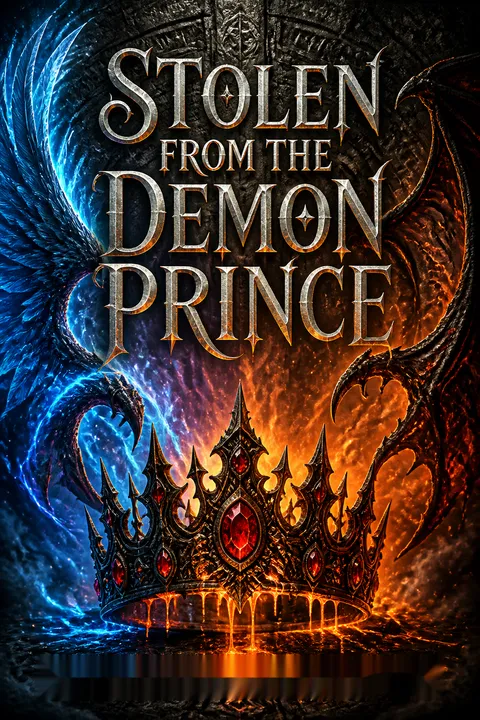
Stolen From the Demon Prince, the second book in the Sins of the Blood War series, follows Vera and Leo to the dangerous demon kingdom. Reviews praise the entertaining plot, world-building, and character development, though some note slow pacing and light steam. Critics appreciate the political intrigue and action but are divided on Vera's characterization—some enjoy her growth while others feel she became too dependent on Leo. The cliffhanger ending leaves readers eager for book three. Most recommend reading the series in order.
Characters
Vera
Wingless fae survivorVera is a fae woman raised among humans and treated as property before Leo frees her. She is compassionate enough to intervene when she sees another fae abused, but her courage often outruns her training and puts her in danger. Her insistence on joining Leo in Vestia comes from love, yet also from a hard-won refusal to let others decide where she belongs. She struggles with trauma and the fear that she is too weak to protect herself. Her emerging powers complicate the labels others place on her, while her loyalty to the enslaved fae repeatedly draws her attention beyond her own safety.
Leo
Inventor prince in revoltLeo is a demon prince, scientist, and creator of Syn, a substitute for Dust that does not require fae blood. He has spent years building a life away from the court and wants to weaken the economic system that sustains slavery. His instinct to protect Vera is fierce, shaped by the violence she has already endured and by painful memories of his childhood. That instinct can harden into secrecy and control, especially when he believes danger leaves no room for negotiation. Leo’s conflict is not simply whether he will accept power, but whether he can use it to change Vestia without reproducing its cruelty.
Rand
Witty royal fixerRand is Leo’s demon cousin, business partner, and strategist. His charm makes difficult negotiations easier, while his practical knowledge of Vestia helps the group move through a court he distrusts. He is less idealistic than Leo and Vera about how quickly change can happen, but he is loyal to both. His private feelings for Rob expose a vulnerability beneath his effortless teasing, and his strained relationship with his father complicates his return to the kingdom.
Laurie
Fae designer and organizerLaurie is a blue-winged fae with a gift for clothing design and an instinct for gathering people together. He distrusts demons because of what they have done to fae, and his experience in Elise’s club has made him alert to the quiet ways captivity is enforced. He helps organize an escape network and is drawn to Vera’s bravery and directness. His attraction to her sits beside his political convictions, creating tension between wanting her personally and wanting her to choose freely. Laurie can be warm and theatrical, but his anger at injustice is serious.
Mia
Fae fighter and twinMia is Laurie’s twin, a confident fighter with bright wings and an exuberant manner. She can turn an arena match into a performance, yet she is also capable of healing an opponent and offering comfort without judgment. Her loyalty to Laurie is deep, though her instincts and interests differ from his. Mia values physical skill, freedom, and the ability to act decisively. Her humor softens tense situations, but it never makes her careless about the risks facing other fae.
Lady Elise
Ambitious club ownerElise is a wealthy demon noble who runs a club built around fighting and sexual entertainment. She is shrewd, proud, and attentive to how political status affects her business. Her connection to Leo’s family gives her access to court information, but her feelings and ambitions are not identical. Elise can be cruelly dismissive of the fae who work for her, yet she is also capable of recognizing the fear beneath Leo’s choices. She wants security in a society where her influence depends on powerful alliances.
The King
Authoritarian demon rulerLeo’s father rules Vestia through discipline, secrecy, and the calculated use of fear. He sees scientific progress as a source of power and treats the lives of fae as expendable material. His relationship with Leo is shaped by control rather than trust, especially when his son resists the role prepared for him. The king is skilled at turning personal attachments into leverage, making his threats feel as political as they are intimate.
Zell
Cunning royal cousinZell is Leo’s cousin, a conspicuous court figure who enjoys attention, excess, and the reputation of a reckless noble. His charm often conceals calculation, and his loyalties are shaped by a mixture of ambition, resentment, and personal desire. He knows how to exploit the court’s appetites, but his relationship with Elise reveals a wish for something more substantial than admiration. Zell is difficult to trust, though his motives are not always as simple as his public persona suggests.
Jasmine
Devoted former loverJasmine is Rand’s former girlfriend and the pink-haired demon who has kept his apartment ready in his absence. She is open-hearted, energetic, and still devoted to Rand despite his refusal to promise a relationship. Her enthusiasm makes her careless with confidential information, but she acts from affection rather than malice. Jasmine’s sincerity contrasts with the calculated manners of Vestian nobility.
Marcus
Trusted human scientistMarcus is a human scientist who worked alongside Leo during the development of Syn. He is analytical, careful, and more comfortable following evidence than making quick assumptions. Leo trusts him with technical problems and with the people left behind at home. Marcus’s focused curiosity can make him ramble, but his loyalty and expertise give Leo a rare source of practical support.
Aurora
Leo’s childhood caregiverAurora is the fae caretaker who gives young Leo comfort when palace life is harsh. Her patience, warmth, and attention offer him an early model of care that is not based on status or fear. The memory of her shapes his understanding of tenderness and loss.
Henry
Human from Vera’s pastHenry is a human Vera once regarded as a friend. His presence links her former life to the dangers Leo is trying to confront, and his familiarity makes her more vulnerable to misplaced trust.
Rob
Fae friend across the oceanRob is a fae friend of Vera and the object of Rand’s hesitant affection. Though absent from the central journey, he connects the group to the life they left behind and reveals a softer side of Rand.
General Balthazar
Rand’s stern fatherBalthazar is a retired military general who serves on the king’s council. He is disciplined, severe, and cautious about the consequences of political upheaval. His relationship with Rand reflects a deep divide in temperament and values.
Victor
Mia’s palace lieutenantVictor is the imposing lieutenant who helps train Rowan’s palace guard. His formal discipline contrasts with Mia’s energetic command, and their wary exchanges hint at a personal connection neither readily admits.
The Ignitors
Guardians of royal policyThe Ignitors are the king’s senior advisers, overseeing commerce, research, and military affairs. Their interests are tied to the institutions that profit from fae captivity, making them powerful obstacles to Leo’s reforms.
Plot Devices
Syn
Dust without fae bloodSyn is Leo’s synthetic alternative to Dust, the drug whose production depends on fae blood. Because it can be made without enslaving or bleeding fae, it offers a material route toward weakening the economic rationale for captivity. Its commercial success could shift power between human and demon territories, which is why Leo’s father tries to control it and why Elise sees a business opportunity. Syn is therefore both an invention and a political instrument, though its existence alone cannot end the cultural desire to own fae.
Suppression technology
Power turned into restraintBracelets and related devices suppress fae magic, restricting flight and strength. The king’s upgraded versions can also interfere with ordinary bodily energy and can be adjusted remotely. Their everyday use makes captivity appear administrative, while their enhanced form turns them into tools of surveillance and coercion. Vera’s experiences with the devices demonstrate that technology is not neutral in this world: the same scientific culture that develops Syn also produces mechanisms for controlling fae bodies.
Hellfire rubies
Royal power made from heartsThe red stones worn by Vestian royalty are made from fae hearts and mark the scale of the court’s violence. The crown’s great ruby overwhelms Leo with voices and pain when he wears it, while the smaller ring made from his mother’s heart helps him recover a measure of himself after the king’s serum. The stones make political legitimacy physically dependent on the lives of the people the kingdom exploits.
The Willow Gate
A hidden homeland’s thresholdThe Willow Gate appears when fae magic activates the protective veil surrounding Rowan. It separates the hidden fae city from the outside world and normally requires linked fae magic to open. Vera’s unexpected ability to make its lock vanish suggests that her power is unusual, while the city beyond reveals the moral cost of isolation. The gate protects Rowan’s people, but it also makes it possible for them to ignore the fae who remain enslaved elsewhere.
Linking
Magic shared through touchLinking lets fae transfer magic through physical contact, and it can heal injuries when used deliberately. Vera’s power warms and strengthens Leo, while Mia uses a link to mend Vera after their arena match. Leo’s ability to link becomes uncertain after the king injects him with the serum, then the ring helps him heal Laurie. The device makes intimacy, care, and power physically connected, while also raising the question of who can give or receive that power safely.
Download PDF
Download EPUB
.epub digital book format is ideal for reading ebooks on phones, tablets, and e-readers.








