

Key Takeaways
Treat Tex-Mex as its own cuisine, not Mexican food done badly
A cuisine with a home. Ford Fry begins with the familiar Texas restaurant: chips and salsa on the table, queso ordered first, then fajitas or enchiladas. For him, Tex-Mex is comfort and cultural belonging, not a claim to healthfulness or culinary status. His Atlanta restaurants grew from a desire to bring that taste of home to a new city, showing how the cuisine travels with its cooks and diners.
History, not purity. Tex-Mex developed through Mexican American cooks adapting inherited foodways to Texas ingredients, markets, and tastes. Its identity does not depend on being a lesser version of Mexican food. Nor does every Mexican American dish belong under the label: the book specifically distinguishes Baja fish tacos from Tex-Mex. Naming the cuisine on its own terms makes room for both its mixed roots and its distinct character.
What's valuable here is the shift from judging a cuisine by how closely it resembles another to asking how and where it formed. Food scholars often describe cuisines as evolving systems, shaped by migration, labor, trade, and household adaptation. That lens fits Tex-Mex better than a purity test. At the same time, clear boundaries matter: calling every Mexican influenced dish Tex-Mex can erase the regional histories that make dishes meaningful. The book's distinctions invite curiosity rather than a contest over which cuisine is more authentic.
Notice how railroads, ranches, and processed cheese changed Texas cooking
Ingredients tell history. The book traces Tex-Mex not only through recipes, but through changes in what cooks could buy and use. Cumin, associated with North African cooking, entered Texas foodways through Canary Island settlers. Railroads carried wheat flour into a region where corn had dominated, helping flour tortillas find a place at the table. Later, inexpensive processed cheese melted reliably into sauces, becoming part of the cuisine's signature comfort.
Adaptation became identity. Tejano cooks brought enchiladas, tamales, tacos, and chili con carne into diners and restaurants. They worked with available American ingredients, making dishes that were familiar to Mexican American families and approachable to a wider public. Chili gravy, a cumin and chile sauce thickened with flour, captures that exchange: neither simply a Mexican chile stew nor an ordinary American gravy.
This ingredient-level account makes culinary history tangible. A railroad is not just transport infrastructure; it changes which staple foods are practical, while industrial food production can shape what a regional dish tastes like for generations. The story also complicates the assumption that commercial ingredients automatically dilute tradition. Their adoption may reflect affordability, convenience, and a cook's desire for a specific texture. Still, the history of a cuisine cannot be reduced to ingredients alone. The cooks, servers, and restaurant workers who carried recipes between homes and public tables are equally central.
Make salsa a central flavor engine, not a decorative side
Sauce does the connecting. Fry treats salsa as more than a bowl of red dip. Salsa means sauce, and the book's versions range from charred tomato and serrano to green tomatillo, avocado, and a nutty, chile-rich salsa macha. Their roles vary too: salsa can accompany chips, brighten a taco, or become the sauce that defines an enchilada or breakfast dish.
Build with contrast. Chiles contribute different qualities, not just different levels of heat. Ancho brings dark, raisin-like depth; guajillo provides flavor without overwhelming spice; chile de árbol supplies a sharper kick. Roasting tomatoes and peppers adds char, while fresh lime and cilantro lift richer foods. A small selection of contrasting sauces gives a home cook more range than treating every dish with one generic hot sauce.
Salsa functions like a flexible flavor architecture: one sauce can bring acidity, heat, freshness, or smoke to a dish without changing its basic structure. That modularity helps explain why salsa appears at breakfast, beside chips, and over cooked dishes. It also gives cooks a practical way to balance richness rather than piling on more cheese or fat. The useful caution is that heat can dominate easily. Choosing a chile for its aroma and character, not simply its intensity, keeps the other ingredients audible.
Match each tortilla to its job, then keep it warm
The vessel matters. Corn tortillas bring a direct corn flavor and are the book's choice for many traditional tacos, flautas, and tostadas. Soft flour tortillas are especially common in Tex-Mex tacos and work well with fajitas. A crispy U-shaped shell holds a ground-beef filling; a puffy shell, briefly fried so it balloons, has a crisp exterior and chewy center. For enchiladas, Fry recommends thin, slightly dry corn tortillas that hold up better in the oven.
Heat preserves texture. A comal, a flat griddle, warms tortillas and chars vegetables. A tortilla warmer keeps the stack soft at the table. Homemade corn tortillas use masa harina, a lime-treated corn flour, and a press; flour tortillas are rolled out instead. Freshness matters, but proper warming can improve even store-bought tortillas.
Thinking of the tortilla as part of the recipe, not disposable packaging, clarifies why a taco can succeed or collapse. The tortilla contributes flavor, flexibility, and structural support, much like bread in a sandwich. Matching thickness and texture to a wet filling or a dry one is a small design decision with a large sensory payoff. The book's guidance is also usefully realistic: homemade tortillas are rewarding, but a warmed store-bought tortilla is better than a cold, stiff one. Technique should serve the meal, not become a gatekeeping test.
Marinate fajita steak with pineapple, then char it over hot coals
Tenderize without over-acidifying. Fry warns that too much citrus, especially during a long marinade, can leave fajita meat dry and rough. His beef marinade uses canned pineapple juice, soy sauce, oil, chile paste, and seasonings. Pineapple contains an enzyme that tenderizes meat, while its sugar helps the surface brown. Lime is saved for squeezing over the cooked steak.
Fire gives the signature. Fajitas grew from skirt steak and other cuts used by Mexican ranch workers in West Texas. The modern restaurant platter made the sizzling meat, grilled onions, warm tortillas, and condiments part of the experience. Fry prefers charcoal for its high heat and smoke, and mesquite for its quick, forceful char. Rest the meat before slicing it thinly against the grain.
This is a useful example of separating jobs in a marinade. Acid adds brightness, but it is not a universal tenderizer; the recipe instead uses pineapple juice for tenderizing and browning, then adds lime at the end for freshness. The technique also links cooking method to cultural memory: charcoal and mesquite are not merely equipment choices when their smoke evokes regional grilling. The book's strong preference for charcoal reflects a particular flavor ideal, though a home cook can still apply its core lesson, high heat, controlled cooking, and a brief rest, on other equipment.
Treat rice, beans, and queso as essential parts of the main event
The sides carry the meal. A Tex-Mex combo plate gathers enchiladas, a crispy taco or tostada, rice, and beans into one generous serving. The format is more than a way to order several dishes; it makes their shared flavors part of the pleasure. Fry argues that rice and beans deserve the same care as the centerpiece. Mexican rice gets its color and savor from tomato, onion, and seasonings. Refried beans are pinto beans cooked tender, mashed, and fried with lard.
Comfort has technique. Queso can be a simple blend of melted processed cheese and tomatoes with chiles, or a more involved sauce. Fry combines easy-melting American cheese with Chihuahua cheese, vegetables, and a little thickener. Processed cheese is not presented as a culinary embarrassment. Its reliable melt is exactly why it became useful in Tex-Mex kitchens.
The combo plate resembles a well-designed shared menu: several modest components create more variety than a single oversized entree. Side dishes can carry as much memory as the headline dish, which helps explain why diners develop strong loyalties to a restaurant's beans or queso. The queso discussion also models a useful cooking principle: ingredients should be judged partly by function. A processed cheese may not offer the nuance of an aged cheese, but its ability to melt smoothly solves a real problem. Deliberate blending can preserve that function while adding other flavors.
Make tamales together; their labor belongs in the recipe
A meal made by many hands. Tamales take time: corn husks are soaked, masa is mixed, filling is prepared, each packet is assembled, and the batch is steamed. The book connects this work to the tamalada, a gathering where relatives and friends divide the tasks and form an assembly line. Children, parents, and grandparents can each contribute, turning a demanding recipe into a social occasion.
Food travels as a gift. Tamales were sold by street vendors in South Texas and San Antonio, and Fry remembers a neighborhood tamale seller from his childhood. At holiday tamaladas, families make far more than they need for one meal, giving tamales to friends and serving them alongside other festive foods. The recipe's practical instruction matters too: keep the masa moist and use enough filling so the finished tamale does not dry out.
The tamalada shows how a recipe can organize cooperation. Dividing repetitive work makes a complicated task manageable, while the shared preparation creates a reason to gather. This resembles collective practices in many food cultures, where technique is transmitted through doing rather than through written instructions alone. The social value should not romanticize the labor, however: soaking, filling, and steaming a large batch still takes time. The book's best insight is that the work becomes more worthwhile when the occasion is designed around it, with roles, company, and a reason to share the surplus.
Let Gulf geography bring seafood into a beef-centered Texas canon
Place changes the menu. Tex-Mex developed strongly in inland and border regions where beef, beans, and chile-based dishes were central. Along the Gulf Coast, seafood had a more natural place at the table. Fry's coastal recipes include campechana, a chilled seafood cocktail with tomato, lime, and hot sauce; shrimp and pork pozole; grilled oysters; ceviche; and whole grilled fish.
Keep regional names clear. The book also draws a boundary around fish tacos, tracing them to Baja California rather than claiming them as Tex-Mex. The broader menu still shows how the cuisine can absorb new dishes and ingredients without making every regional tradition interchangeable. The cookbook's table extends beyond seafood too, from margaritas and Palomas to horchata, pralines, and sopaipillas.
Regional variation is not a footnote to cuisine; it is one of the forces that makes a cuisine coherent and diverse at once. The Gulf chapter demonstrates how local supply changes what cooks consider ordinary, while the fish-taco distinction resists the flattening effect of broad restaurant labels. That precision is valuable beyond food, because names carry histories of place and movement. There is also a productive tension: cuisines continually borrow, yet borrowing does not erase origins. Acknowledging both adaptation and provenance allows a menu to expand without pretending every dish began in Texas.
Rescue leftover tortillas for breakfast without cooking away their texture
Two breakfasts, two methods. Migas turn tortilla pieces, often leftover chips, into a scramble with eggs and ingredients such as onion, chile, cheese, and cilantro. Chilaquiles instead coat crisp tortilla pieces in warm salsa or chile sauce, then finish them with cheese and often a fried egg. They may look similar on a brunch menu, but the defining difference is whether tortilla and egg cook together or the tortilla meets a separate sauce.
Mind the timing. For migas, Fry adds the chips after the eggs begin to set, so they soften without becoming a clumpy mass. For chilaquiles, the sauce should be hot before the chips are added, and the cooking should be quick so they do not turn mushy. Both dishes make yesterday's tortillas useful again, but neither treats texture as an afterthought.
These dishes make resourcefulness taste intentional. Using leftover tortillas reduces waste, but the result is not simply a reheated remnant: the cook chooses whether crispness should soften into eggs or remain distinct beneath sauce. That distinction is a compact lesson in texture design. It also shows why naming culinary differences matters; similar ingredients do not make two preparations identical. The recipes offer home cooks a practical starting point, while leaving room for variation in salsa, cheese, or toppings without losing the essential contrast.
Analysis
This book is both a cookbook and a guided tour of a regional identity. Its recipes move from breakfast through tacos, enchiladas, seafood, grilling, desserts, and drinks, but the deeper structure is a story of how food becomes familiar. Fry begins with the restaurant rituals of his Houston childhood, then traces ingredients, dishes, and techniques through Tejano labor, changing markets, Texas geography, and restaurant culture. Recipes are not detachable instructions here. They are evidence of exchange and memory.
That structure makes the book difficult to compress: its value lies partly in what to cook, and partly in the distinctions that explain why the dishes belong together. The culinary details also resist easy simplification. A taco is not one fixed form; tortillas, fillings, toppings, and cooking methods create different traditions. Queso can be both processed and carefully prepared. A dish can have Mexican roots and a distinctly Texan history. The book's most useful stance is therefore neither purity nor unlimited labeling, but attentive specificity.
The recipes translate restaurant food into home cooking without pretending every dish is quick. Some involve long braises, overnight marinating, or a full tamale assembly line. Yet the practical advice repeatedly focuses on decisions that matter: use the right tortilla, control moisture, apply heat deliberately, and make sauces and sides count. Those principles offer more value than an ambitious shopping list alone.
The book's emotional center is hospitality. Combo plates invite abundance, tamaladas distribute labor, and pralines or paletas extend a meal into a small ritual. The result is an account of cuisine as something people make together and carry with them. Its strongest lesson is that tradition stays alive not by freezing recipes, but by preserving the histories, techniques, and generosity that make them recognizable.
Review Summary
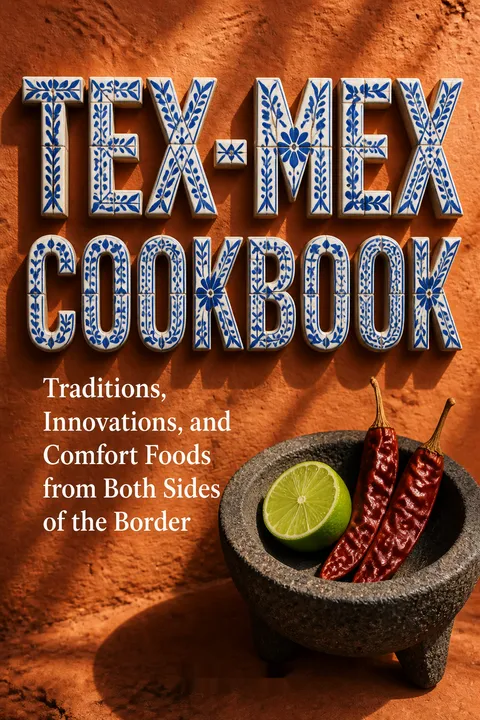
Tex-Mex Cookbook receives mostly positive reviews, with readers praising its visually appealing design, authentic recipes, and nostalgic qualities. Many appreciate the book's ability to capture the essence of Tex-Mex cuisine, citing its diverse range of recipes from tacos to salsas. Some reviewers note the book's emphasis on comfort food, including cheese-heavy dishes. While most find the recipes accessible and delicious, a few critics dislike the book's formatting and design. Overall, readers value the cookbook for its cultural significance and ability to bring Tex-Mex flavors into their homes.
People Also Read





Glossary
Tex-Mex
Texas Mexican American cuisineA cuisine formed in Texas through generations of exchange, especially through Mexican American and Tejano cooks, diners, and restaurants. It draws on Mexican foodways while reflecting local conditions, ingredients, and American products. Familiar features include chile, cumin, flour tortillas, chili gravy, melted cheese, and restaurant formats such as combo plates. It is a distinct cuisine, not simply Mexican food made incorrectly.
Chili Gravy
Chile-spiced enchilada sauceA Tex-Mex sauce that combines chile, cumin, garlic, and a flour-thickened base. Its character falls between a chile con carne sauce and a roux-based gravy, with a relatively mild heat. Chili gravy is especially associated with cheese enchiladas, but it can also accompany tamales and other dishes.
al carbón
Cooked over coalsA cooking style centered on grilling food over charcoal or wood. In the book, it describes dishes such as grilled chicken and meat tacos, where high heat and smoke contribute a defining flavor. The term also appears in the story of fajitas and other grilled foods that are served with tortillas and accompaniments.
masa harina
Lime-treated corn flourA finely ground flour made from corn that has been cooked and soaked in lime water, a diluted calcium hydroxide solution. It is used to prepare masa for tortillas and tamales. Because of this treatment, ordinary cornmeal is not an equivalent substitute. Mixing masa harina with water creates dough that can be pressed and cooked into corn tortillas.
tamalada
A communal tamale gatheringA gathering, commonly held around the holidays, where family or friends work together to make tamales. Participants divide tasks such as preparing the filling, soaking corn husks, mixing masa, assembling the packets, and steaming them. The group often makes enough tamales to serve at home and share as gifts.
migas
Eggs scrambled with tortillasA Tex-Mex breakfast dish of eggs cooked with tortilla pieces or crumbs, often with onion, chile, cheese, and cilantro. The name means crumbs, reflecting a tradition of using leftover ingredients. The tortilla pieces are added once the eggs begin to set, so they soften without turning the dish into a dense, gummy scramble.
chilaquiles
Tortillas cooked with salsaA breakfast or brunch dish in which crisp tortilla pieces are coated with salsa or chile sauce, often topped with cheese and a fried egg. Unlike migas, the eggs are not scrambled together with the tortillas. The sauce should be warm and the cooking quick, so the tortillas retain some texture rather than becoming mushy.
combo plate
A sampler of Tex-Mex classicsA restaurant platter combining several familiar Tex-Mex dishes, often including enchiladas, a crispy taco or tostada, rice, and beans. The exact combination varies by restaurant. Beyond offering variety in one order, the format brings the dishes and their sauces, cheese, and accompaniments together as a shared style of meal.
Download PDF
Download EPUB
.epub digital book format is ideal for reading ebooks on phones, tablets, and e-readers.








