Plot Summary
Teammates Are Forever
Tim visits his dying college coach, Richie, whose parting words—"Teammates are forever"—echo in Tim's mind. This emotional encounter stirs memories of the deep bonds forged on their team, the life-changing impact of a great coach, and the enduring nature of true teamwork. Richie's influence is not just about sports, but about shaping character and lifelong relationships. As Tim grieves, he realizes that the lessons learned on the field—commitment, care, and connection—are the ones that last beyond the game. The chapter sets the tone for the story: the power of a team is not in wins or trophies, but in the relationships and values that outlive the scoreboard.
Disconnected and Drifting Apart
Tim reflects on his current work team, which is plagued by disengagement, lack of motivation, and disappointing results. The contrast with his college experience is stark: his employees are technically a team, but lack unity, purpose, and care for one another. He recalls stories of Coach Richie's creative discipline and ability to transform self-centered individuals into a cohesive unit. Tim's nostalgia is tinged with urgency—he must find a way to revive his team's spirit before his business fails. The chapter highlights the dangers of disconnection and the need for intentional leadership to reignite commitment and camaraderie.
Commitments Over Goals
Tim remembers a pivotal moment when Coach Richie had the team throw away their written goals, insisting that "commitments are greater than goals." The coach challenged them to define what they were truly willing to commit to, not just what they hoped to achieve. This shift from outcome-focused thinking to process-driven dedication created a deeper sense of responsibility and unity. The team's energy changed as they shared their personal commitments, realizing that discipline and standards—not just aspirations—drive real progress. This lesson becomes a cornerstone for Tim as he seeks to transform his own team.
The Power of Shared Vision
Coach Richie and consultant Amy guide the team to craft a shared vision and mission: to become "One Gritty Team That Competes Like Champions" and to leave a legacy for future teams. Through exercises and open discussion, the players move from individual ambition to collective purpose. The tug-of-war metaphor—pulling together in the same direction—illustrates the strength of unity. The process is not easy, but the team's buy-in marks a turning point. Tim sees the power of a vision that transcends personal goals, inspiring everyone to strive for something greater than themselves.
Attacking New Opportunities
After a rough scrimmage, the team is reminded to let go of past failures and focus on attacking new opportunities. Coach Richie reframes their mindset: instead of defending their reputation or fearing mistakes, they should embrace each day as a chance to grow. This proactive approach relieves pressure and fosters resilience. The team learns that progress is not about perfection, but about consistent effort and forward momentum. Tim recognizes that leading a team means helping people see challenges as invitations to improve, not threats to their identity.
Staying Positive Together
Training camp's intensity leads to frustration and conflict, culminating in a fight. Coach Richie seizes the moment to teach that positivity is a daily, shared commitment. Negativity is contagious, but so is optimism. The team learns practical strategies—appreciation, self-talk, faith, and focusing on what they "get to" do—to stay positive even when circumstances are tough. Stories from other teams reinforce the lesson: those who choose positivity together outperform those who succumb to doubt and complaint. The chapter underscores that a team's emotional climate is built by every member, every day.
Giving Your Best, Always
As the season approaches, Coach Richie challenges the team to examine why they aren't giving their best. The answer lies in caring more—about the team, the mission, and each other. Giving your best is not just about effort, but about consistency, discipline, and devotion. The coach explains that true discipline is fueled by love for the game and the people you play with. The team commits to raising their standards, understanding that greatness is a habit, not a one-time act. Tim internalizes that caring deeply is the root of sustained high performance.
The Roller Coaster Season
The team starts the season strong, winning five straight games, but soon falls into complacency and loses two in a row. Coach Richie lets them experience the consequences, knowing that real learning comes from setbacks. The season's ups and downs mirror life's unpredictability. The key lesson: don't get too high with success or too low with failure. Stay anchored in your commitments, and use adversity as fuel for improvement. Tim sees that great teams—and great leaders—embrace the roller coaster, learning and growing through every twist and turn.
Getting Better Every Day
After a humbling loss, Coach Richie introduces the next commitment: relentless pursuit of getting better. The team adopts a "Tell the Truth" exercise, openly discussing what went well, what could improve, and what lessons were learned. Accountability and honest feedback become the norm. The coaches stress that excellence is not about perfection, but about refusing to settle. Adversity is reframed as a "partner in growth." The team learns that the best teams don't avoid hard conversations—they seek them out to drive collective progress. Tim realizes that growth is a team sport.
Love Tough, Lead Tough
The team faces heartbreaking losses despite their effort and grit. Coach Richie observes that while they challenge each other, they lack the foundation of love that makes tough feedback effective. He teaches that "love tough" means caring deeply first, then holding each other accountable. When teammates feel loved, they are more open to being challenged. The team learns that accountability without connection breeds resentment, but accountability wrapped in love inspires transformation. Tim sees that leadership is not just about pushing for results, but about building trust and emotional safety.
Connecting Through Vulnerability
The team participates in exercises like "One Word" and the "Safe Seat," where players share their heroes, hardships, highlights, hopes, and humor. Vulnerability breaks down walls, revealing the struggles and dreams beneath the surface. As teammates open up about loss, pain, and personal battles, empathy and understanding blossom. The team's bond deepens, transforming them from a group of individuals into a family. Tim witnesses the power of vulnerability to create trust, loyalty, and a sense of belonging—essentials for any high-performing team.
Team Beats Talent
As the team becomes more united, they start winning against more talented opponents. Coach Richie reminds them that "team beats talent when talent isn't a team." The love and connection forged through vulnerability and shared commitment give them an edge. However, setbacks still occur when selfishness or old habits resurface. The lesson is clear: talent matters, but unity, trust, and selflessness are the true differentiators. Tim understands that building a great team is about cultivating relationships and culture, not just assembling skilled individuals.
Committing to Each Other
The team engages in a powerful exercise where they write honest feedback on each other's backs, confronting the behaviors holding them back. Difficult conversations lead to breakthroughs in self-awareness and growth. The final commitment is to serve and sacrifice for one another—putting the team's needs above personal desires. Each player identifies what they will give and give up for the team. The process is uncomfortable but transformative, solidifying their bond and readiness to face any challenge together. Tim learns that true commitment is measured by what you're willing to sacrifice for others.
Loss and Learning
A devastating injury to a beloved teammate shakes the team, leading to a tough loss. Coach Richie reframes the setback as a "Learning Opportunity, Stay Strong" (LOSS). The team's emotional response reveals how much they care for each other—a sign of true connection. They rally around their injured teammate, vowing to play for him and for each other. The experience cements the lesson that adversity, when faced together, can deepen commitment and resilience. Tim sees that the strongest teams are forged in the fires of hardship.
Stronger Together
The team channels their unity and commitment into a decisive win, securing a spot in the postseason. They play not just for themselves, but for each other, honoring the journey and the bonds they've built. The celebration is not just about victory, but about the transformation they've undergone. Coach Richie affirms that the real reward is the team they've become, not the scoreboard. Tim realizes that when a group truly commits to one another, their combined strength exceeds the sum of their parts.
The 7th Commitment: Value
Inspired by a story of prisoners transformed by feeling valued, Tim and Coach Amy identify a missing piece: the 7th Commitment—Commit to Valuing Each Other. Without genuine appreciation and validation, the other commitments falter. They develop the VALUE framework: Validate, Appreciate, Listen, Understand, Empathize. By making every team member feel seen and important, they create a culture where commitment flourishes. Tim implements this in his company, seeing immediate positive change. The lesson: value is the foundation of all great teams.
Forever Impact
After Coach Richie's funeral, Tim and his teammates reflect on the enduring impact of their coach and their shared journey. The championship ring Richie leaves them is not just a symbol of victory, but of the love, commitment, and values he instilled. Tim realizes that while nothing physical lasts forever, the essence of care, connection, and commitment ripples through time. He resolves to be a "forever teammate" and "forever coach," spreading the lessons learned to his own team and beyond. The story ends with a call to action: to create a forever impact through the 7 Commitments.
Characters
Tim
Tim is the protagonist, a former college athlete turned business leader, struggling to revive his disengaged team. His journey is both external—trying to save his company—and internal, as he reconnects with the values and lessons of his past. Tim's relationship with Coach Richie is foundational, shaping his understanding of commitment, care, and leadership. Psychologically, Tim grapples with feelings of inadequacy, the shadow of an absent father, and the pressure to succeed. Through vulnerability, reflection, and action, he evolves from a passive manager to an intentional, empathetic leader who values people over results.
Coach Richie
Coach Richie is the heart of the story—a legendary coach whose influence extends far beyond the field. He combines discipline, humor, and deep care, transforming individuals into a true team. His philosophy centers on commitment, connection, and the belief that "teammates are forever." Even in his final days, Richie's presence is a guiding force, teaching that love and care outlast trophies. Psychologically, he represents the ideal mentor: demanding yet nurturing, challenging yet supportive. His legacy is measured not in wins, but in the lives he shapes.
Vino
Vino, Tim's former teammate, exemplifies the power of applying team principles beyond sports. Now a successful executive, he credits the 6 Commitments for his achievements. Vino is insightful, supportive, and deeply committed to helping others succeed. His relationship with Tim is one of mutual respect and shared history. Psychologically, Vino is driven by a desire to build cultures of excellence and connection, serving as a bridge between past lessons and present challenges. He models how team values can transform organizations and lives.
Coach Amy
Coach Amy is a consultant and former athlete who specializes in building team culture. She brings practical tools, exercises, and psychological insight to help teams connect, communicate, and grow. Amy's approach blends empathy with accountability, creating safe spaces for vulnerability and honest feedback. Her relationship with the team is transformative, guiding them through difficult conversations and fostering deep connection. Psychologically, Amy represents the modern leader: emotionally intelligent, adaptable, and committed to continuous improvement.
H
H is Tim's college roommate and lifelong friend, embodying the enduring bonds of true teammates. He is supportive, humorous, and resilient, providing stability during crises. H's injury becomes a catalyst for the team's emotional growth, revealing the depth of their care for one another. Psychologically, H represents the importance of belonging and the healing power of community. His presence reminds the team—and the reader—that no one succeeds alone.
Duff
Duff is a talented freshman whose cockiness masks insecurity and a desire to prove himself. Through honest feedback and tough love from teammates, he learns the value of humility, focus, and selfless play. Duff's journey mirrors the transition from individual stardom to team player. Psychologically, he represents the challenges of ego, the need for validation, and the growth that comes from embracing feedback.
Hammer
Hammer sees himself as a leader, but his approach is often critical and self-centered. Through difficult conversations, he confronts the gap between his intentions and impact. Hammer's transformation—from a nagging authority to a supportive teammate—illustrates the power of self-awareness and the necessity of leading with love. Psychologically, he embodies the struggle between control and connection, and the courage required to change.
Joey
Joey is a reserved player carrying the pain of losing his best friend. His vulnerability in sharing his story deepens the team's empathy and connection. Joey's journey is one of healing, honoring the past, and finding new purpose in his teammates. Psychologically, he represents the hidden struggles many carry, and the liberation that comes from being seen and supported.
Cons
Cons is respected for his leadership, not just his talent. He is thoughtful, inclusive, and often the voice of reason during conflict. Cons helps articulate the team's mission and keeps them focused on legacy. Psychologically, he exemplifies servant leadership—putting the team's needs above his own and inspiring others to do the same.
Antonio
Antonio's struggles with heartbreak and mental health highlight the importance of emotional support within teams. His openness about pain and vulnerability encourages others to share and connect. Psychologically, Antonio represents the need for psychological safety and the transformative power of empathy and acceptance.
Plot Devices
The 7 Commitments Framework
The narrative is structured around the progressive adoption of seven commitments: Valuing Each Other, Vision and Mission, Staying Positive, Giving Your Best, Getting Better, Connecting, and Committing to Each Other. Each commitment is introduced through a mix of storytelling, exercises, and real-life challenges, allowing the reader to see both the philosophy and its practical application. This framework serves as both a plot device and a toolkit, guiding character development and team evolution.
Storytelling and Flashbacks
The story frequently shifts between Tim's college days and his current struggles as a leader. These flashbacks provide context, contrast, and lessons that inform his actions in the present. The interplay between memory and current reality deepens the emotional arc and reinforces the timelessness of the principles.
Vulnerability Exercises
Tools like the "Safe Seat," "One Word," and "5 Hs" exercises are used to break down barriers and foster trust. These plot devices create pivotal moments where characters reveal their true selves, leading to breakthroughs in connection and performance.
Foreshadowing and Symbolism
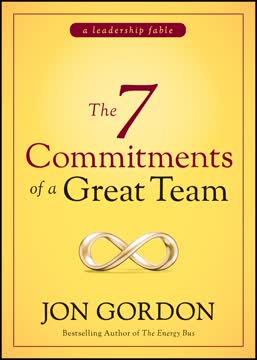
Physical symbols—championship rings, engraved rocks, and infinity pendants—serve as tangible reminders of intangible values. These objects foreshadow the enduring nature of the team's legacy and the ripple effect of commitment and care.
Difficult Conversations
The narrative repeatedly uses structured feedback sessions to surface hidden issues and drive character development. These moments of discomfort are essential turning points, illustrating that greatness is forged through truth-telling and mutual accountability.
Analysis
Jon Gordon's "The 7 Commitments of a Great Team" is a modern fable that distills the essence of high-performing teams into actionable principles, blending emotional storytelling with practical leadership wisdom. The book's core message is that true greatness is not achieved through talent or ambition alone, but through intentional commitment to shared values, vulnerability, and genuine care for others. In an era marked by disconnection, burnout, and transactional relationships, Gordon's narrative is a call to rehumanize teams—whether in sports, business, or life. The story demonstrates that culture is built one conversation, one act of empathy, and one commitment at a time. The 7 Commitments framework offers a blueprint for leaders seeking to foster unity, resilience, and lasting impact. Ultimately, the book teaches that while trophies and titles fade, the love, connection, and positive influence we have on others endure—making us, in the truest sense, "forever teammates."
Last updated:
Review Summary
The 7 Commitments of a Great Team receives mixed reviews averaging 3.93/5 stars. Fans praise Gordon's storytelling approach, actionable team-building exercises, and practical commitments applicable to sports teams, workplaces, and classrooms. Readers appreciate the fable format and find value in concepts like the 5Hs and Safe Seat exercises. Critics note repetitive content for longtime Gordon readers, overly simplistic writing, and excessive self-referential promotion. Some find the sports-focused narrative juvenile or salesman-like. Most agree the seven commitments offer useful insights for building cohesive teams, though implementation varies by context.
Similar Books