

Key Takeaways
Define manhood by what you reliably do for others, not how you look.

Character over costume. The book argues that honorable manhood is not a uniform, a physique, or a license to dominate. It is a combination of courage and tenderness, competence and self-restraint, loyalty and service. Its ideal man protects family and friends, works hard, accepts responsibility, and does what is right even when inconvenient. The chapters explore these qualities through changing roles: gentleman, friend, hero, lover, father, outdoorsman, leader, and virtuous person.
A practical inheritance. The authors present their advice as a recovery of useful skills and standards that families and communities once passed down. The point is not to master every old custom, but to keep learning from capable people, practice what serves others, and become someone others can count on.
The book’s strongest organizing idea is that identity becomes credible through repeated conduct. That is a useful corrective to versions of masculinity built around display, status, or toughness alone. Its emphasis on service also makes competence relational: a skill matters because it helps someone, not because it earns a badge. At the same time, the book sometimes treats a historically specific masculine ideal as though it were universal. Its most durable contribution is broader than that framing: courage, care, responsibility, and practical ability can be cultivated without requiring everyone to perform manhood in the same way.
Make respect visible in the details people experience around you.

Manners signal attention. The gentleman chapter treats etiquette as consideration in action, not a rigid code designed to impress. It covers grooming and clothing, but its more important tests are social: respond to invitations, arrive when expected, listen rather than monopolize conversation, and thank a host after a visit. At a meal, put away the phone, pace yourself with others, and avoid making the table unpleasant. The book also extends courtesy to modern communication, urging concise, civil messages and restraint online.
Small acts carry weight. A handwritten thank-you note, a timely reply, or a clean, well-fitting outfit tells others they were worth your effort. The book’s practical lesson is to notice how your choices affect the people sharing a room, a meal, or a message thread with you.
Etiquette works like social infrastructure: shared expectations reduce friction and help people feel recognized. The book’s best examples are not the most elaborate rules, but habits that protect attention, such as putting a phone away during conversation. These are relevant well beyond formal dinners. Still, specific customs change across cultures, generations, and relationships, and some of the book’s gendered rules reflect its era. The transferable test is not whether a gesture is traditional. It is whether it communicates respect in a way the other person welcomes.
Protect friendship with recurring time, shared work, and deliberate contact.

Friendship needs structure. The book traces how male friendships shifted from openly affectionate bonds toward more guarded relationships, influenced by changing ideas about sexuality, competitive work, and greater mobility. It argues that adult friendships often fade not through a dramatic falling-out, but because nobody makes time. Its remedies are concrete: turn a friendly coworker into a friend outside work, meet neighbors, join a group, or pursue a shared goal with a friend.
Make connection repeatable. The authors recommend recurring traditions, such as an annual trip or regular time together, and suggest writing letters when distance makes casual contact unreliable. When a friend is struggling, doing an activity side by side can make conversation easier. Ask questions, listen, and check whether he wants advice before offering it.
The chapter’s central insight is that friendship depends less on emotional declarations than on reliable opportunities to be together. Shared tasks can lower the pressure of face-to-face disclosure while still making room for serious conversation. That is a useful model for anyone who finds direct emotional talk awkward. Yet a narrow idea of how men communicate can become self-limiting if it discourages vulnerability altogether. The deeper principle is flexibility: some friends bond through doing, others through talking, and strong relationships make space for both without treating either as a test of authenticity.
Prepare to help, but treat restraint as part of heroism.
Skill before spectacle. The hero chapter rejects the idea that helping means charging blindly into danger. In a confrontation, it recommends trying to defuse the situation and leave before fighting. In a water rescue, it advises reaching or throwing a flotation aid before entering the water, because a panicked swimmer can endanger a rescuer. Other sections teach practical preparedness, including changing a tire, jump-starting a car, and carrying someone who cannot walk.
Know the limits of a manual. The book’s larger lesson is to learn useful emergency skills before a crisis, when there is time to practice. Its examples range from first aid to an emergency aircraft landing, but procedures can depend on conditions and change with current professional guidance. Treat the chapter as a prompt to train, not as a substitute for qualified instruction.
This chapter’s most valuable shift is from heroism as dramatic action to heroism as sound judgment under pressure. Risk-aware rescue guidance recognizes that an untrained helper can create a second casualty. The emphasis on practice also reflects a basic principle of emergency response: people perform more reliably when they have rehearsed what to do. The caution is equally important. Survival advice ages unevenly, and a confident tone does not guarantee current medical accuracy. First-aid, rescue, and technical procedures should be learned from up-to-date, qualified sources.
Date with intention, respect her agency, and keep tending the bond.
Clarity beats drift. The book contrasts one-on-one dating with loosely defined group socializing. Dating, in its account, creates space to learn whether two people want a relationship. It encourages taking the initiative, asking directly, and accepting a refusal without treating it as a personal catastrophe. It also urges respect during breakups: speak in person when appropriate, give an honest explanation, and do not leave false hope behind. Its advice on choosing a spouse emphasizes friendship, compatibility with loved ones, and not expecting a partner to transform after marriage.
Commitment is maintained. For established couples, the authors recommend regular dates, meaningful conversation, affection, shared interests, and deliberate attention to sex and fidelity. Their model of courtship includes chivalrous gestures, but they explicitly advise respecting a woman who does not want them.
The useful thread here is intentionality: say what is wanted, listen to the answer, and treat a relationship as something built through repeated attention. The book’s emphasis on friendship offers a strong counterweight to romantic chemistry as the sole test of compatibility. Its courtship advice, however, assumes heterosexual relationships and sometimes frames men as initiators and women as recipients. That model need not be copied to preserve the underlying ethic. Mutual initiative, explicit consent, and shared responsibility make the principles work across different kinds of relationships.
Raise capable children through attention, boundaries, and room to try.
Presence is a practice. The fatherhood chapter defines involvement through ordinary acts: sharing meals, making one-on-one time, attending a child’s activities, and helping with the work of family life. It also gives practical guidance for pregnancy and infant care, making clear that parenting is a learned responsibility rather than a role reserved for mothers. A father can strengthen a child’s independence by assigning real chores, setting boundaries, and praising specific effort instead of treating praise as automatic.
Let competence grow. The authors warn against overprotecting children from every manageable challenge. Learning to ride a bike, for example, requires encouragement after a fall as well as sensible precautions such as wearing a helmet. They also propose family rites of passage, such as a demanding trip or mastered set of skills, to mark a young person’s growing responsibility.
The chapter brings together two ideas that are often separated: children need dependable care, and they need chances to act competently without an adult solving everything. That balance resembles autonomy-supportive parenting, where guidance and boundaries coexist with increasing responsibility. The book is right to distinguish protection from overcontrol, but its calls to allow risk need careful calibration to a child’s age, ability, and environment. Resilience is not produced by exposure to danger alone. It grows when a child can attempt difficult things while knowing that attentive adults remain available.
Let the outdoors restore attention while teaching practical self-reliance.
Nature interrupts routine. The outdoorsman chapter argues that wild places offer more than recreation. Time outside breaks repetitive schedules, creates room for unstructured exploration, and puts everyday worries against a wider landscape. Physical activity and quiet observation can also leave a person feeling renewed. The book makes this case through familiar experiences: hiking, fishing, camping, sitting by a fire, and listening to natural sounds rather than constant media.
Make the trip easy to repeat. The authors reduce the barrier to camping with simple planning: choose a nearby site, reserve ahead, keep shared equipment in one storage tub, and use a packing checklist. For short trips, uncomplicated meals reduce cooking and cleanup. Alongside the restorative value, the chapter teaches skills such as fire-building, basic knots, and navigation without a compass.
The book’s account of nature is compelling because it connects restoration with agency. A camping trip is not only a change of scenery; it asks people to notice weather, manage supplies, and solve small problems without the usual conveniences. That combination can make leisure feel active rather than merely consumptive. Still, outdoor access, physical ability, and comfort with wilderness vary widely, and nature should not be presented as a universal remedy for distress. The practical insight is to seek some form of less-mediated time outdoors that fits a person’s circumstances.
Earn influence by sharing credit, owning mistakes, and staying steady.
Leadership is responsibility. The leadership chapter defines influence less by rank than by stepping forward when something needs doing. It draws on five traits from a 1950 Department of Defense manual: calm resolve, willingness to take considered risks, sharing recognition, accepting responsibility when things go wrong, and recovering without being ruled by past success or failure. The authors connect these traits to ordinary leadership at work, in families, and in communities.
Make feedback useful. Criticism should identify a specific action, explain what needs to change, and offer a path toward improvement. When receiving criticism, listen before defending, ask clarifying questions, and take responsibility for valid mistakes. The chapter’s example of Theodore Roosevelt continuing a speech after being shot illustrates resolve, though it is not a sensible template for ignoring danger.
The chapter’s trust model is unusually practical: credit travels toward the team, while responsibility travels toward the leader. That asymmetry can make people safer about contributing and more willing to report problems. But owning failure should not mean shielding people from accountability or hiding the causes of an error. Effective leadership distinguishes blame from diagnosis: take responsibility for the conditions one controls, identify what happened honestly, and change the process. Roosevelt’s dramatic example makes a memorable story, but calm judgment is a better standard than refusing care.
Use Franklin’s virtue ledger to improve, not to pretend perfection.
Character can be tracked. Benjamin Franklin designed a personal program around thirteen virtues, including temperance, silence, order, resolution, frugality, industry, sincerity, justice, moderation, cleanliness, tranquility, chastity, and humility. He kept a chart, noted when he fell short, and concentrated on one virtue at a time before cycling through the list again. The goal was not simply to declare himself good, but to make improvement visible in daily conduct.
Effort still counts. Franklin did not reach the moral perfection he sought, yet he believed the attempt made him better and happier. The book translates his method into a modern practice: choose a quality to focus on, check your actions regularly, and adjust. Examples include slowing down at meals, organizing possessions, keeping promises, or resisting anger over minor frustrations.
Franklin’s method turns virtue from an abstract identity into observable behavior. That resembles reflective practice in fields where people improve by reviewing actions, noticing recurring errors, and choosing a specific skill to work on. The ledger’s value lies in attention, not in producing a spotless score. Used rigidly, moral tracking can reward appearances or make ordinary lapses feel like total failure. A more humane reading treats each mark as information: what conditions made the better choice difficult, and what change would make it more likely next time?
Analysis
The book is best understood as a hybrid: part practical handbook, part historical argument, and part moral program. Its chapters range from suit fit and social etiquette to emergency response, parenting, camping, leadership, and Franklin’s self-improvement method. That breadth makes a conventional chapter-by-chapter summary less useful than tracing the repeated claim underneath the how-to advice: a decent man develops capacities that make him useful, trustworthy, and considerate in the relationships and situations he inhabits.
The book’s strongest feature is its refusal to make refinement and toughness opposites. A man can care about grooming and manners, help a friend through difficulty, learn how to start a fire, and show tenderness toward a child. The role-based structure gives readers many entry points, while the emphasis on practice keeps virtue from becoming mere self-description. Its entertaining historical references also make old skills feel like living traditions rather than museum pieces.
Its limitations are equally instructive. The book presents a largely heterosexual, male-led social world and often treats older customs as more coherent than they were. Some advice is culturally specific, and practical safety procedures require scrutiny because a printed manual cannot adapt to changing guidance or local conditions. Its claims about marriage, gender, and social behavior are sometimes confident where individual circumstances matter more than a general rule.
The most durable way to use the book is selectively. Keep its tests of character: Do actions match promises? Does competence serve someone beyond the self? Can a person be firm without contempt, and caring without avoiding responsibility? Treat its historic rituals and gendered scripts as options to evaluate, not requirements. Read that way, the book offers not one fixed definition of masculinity, but a demanding inventory of skills and habits through which adults can become more dependable members of families and communities.
Review Summary
The Art of Manliness receives mixed reviews, with an average rating of 3.91 out of 5. Positive reviews praise its practical advice on manners, skills, and self-improvement, while critics argue it's outdated and superficial. Some appreciate its emphasis on traditional values and masculinity, while others find it problematic or irrelevant. The book covers topics like grooming, etiquette, relationships, and outdoor skills. Readers are divided on its usefulness, with some finding it inspiring and others dismissing it as cliché or overly idealistic.
People Also Read








Glossary
Bartitsu
Hybrid self-defense systemA self-defense system developed by English instructor Edward William Barton-Wright around the turn of the twentieth century. It combined elements of boxing, jujitsu, French kickboxing known as la savate, and stick fighting. The book presents it as a historical example of practical defense designed for a gentleman, rather than as a modern substitute for professional training.
Mancation
Trip for male bondingA planned trip taken by male friends for shared activities and uninterrupted time together. The book recommends making it a recurring tradition, so friendship does not depend on finding a convenient opening amid work, family, and distance. The term describes the social purpose of the trip, not a particular destination or activity.
The Brad Pitt Rule
A test of dating interestA dating heuristic in the book: if someone declines an invitation but is interested, they are likely to suggest another time. If they give an excuse without proposing an alternative, the advice is to assume they are not interested and stop asking. It is a rule of thumb, not a reliable way to read every person or circumstance.
48/12 rule
Work and rest intervalsA work pattern recommended in the book: concentrate on a task for forty-eight minutes, then take a twelve-minute break before returning to work. The chapter presents the interval as a way to sustain effort without working continuously. It is offered as a practical suggestion, not as a universally established measure of ideal focus.
Thirteen virtues
Franklin’s character checklistBenjamin Franklin’s personal list of thirteen qualities for moral self-improvement: temperance, silence, order, resolution, frugality, industry, sincerity, justice, moderation, cleanliness, tranquility, chastity, and humility. Franklin tracked lapses and focused on one quality at a time. The book uses the method to frame virtue as an ongoing practice rather than an achieved state.
FAQ
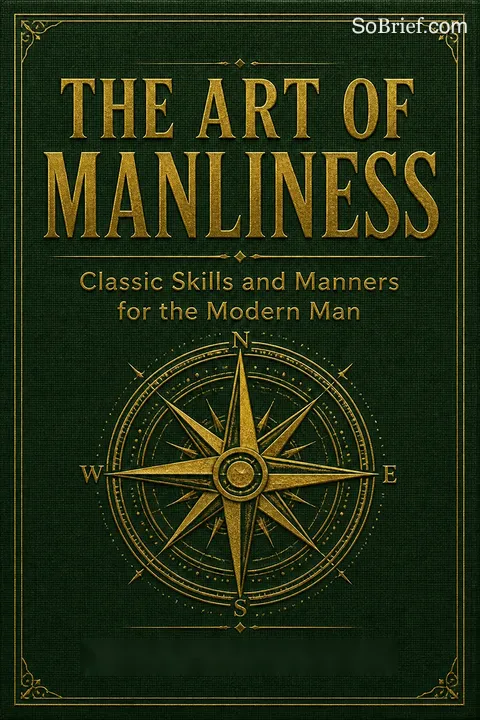
What's "The Art of Manliness: Classic Skills and Manners for the Modern Man" about?
- Comprehensive Guide: The book by Brett and Kate McKay is a comprehensive guide to mastering traditional skills and manners that define a modern gentleman.
- Multiple Roles: It covers various roles a man assumes throughout his life, such as a gentleman, friend, hero, lover, father, outdoorsman, leader, and virtuous man.
- Rediscovering Manliness: The authors argue that manliness doesn't need to be reinvented but rediscovered, emphasizing virtues and skills that have been lost over time.
- Practical Advice: It provides practical advice and step-by-step guides on everything from dressing like a gentleman to performing a fireman's carry.
Why should I read "The Art of Manliness"?
- Skill Development: The book offers a wealth of knowledge on developing skills that are both practical and character-building.
- Cultural Insight: It provides insight into the cultural and historical aspects of manliness, helping readers understand its evolution.
- Self-Improvement: Readers can benefit from the self-improvement focus, which encourages becoming a better man in various aspects of life.
- Engaging Content: The book is engaging and filled with anecdotes, historical references, and practical tips that make it an enjoyable read.
What are the key takeaways of "The Art of Manliness"?
- Virtues and Skills: Emphasizes the importance of virtues like temperance, silence, and humility, alongside practical skills like changing a tire or starting a fire.
- Role of a Gentleman: Highlights the significance of being a gentleman in modern society, including manners, dress, and behavior.
- Leadership and Responsibility: Encourages taking on leadership roles and responsibilities in personal and professional life.
- Balance and Moderation: Advocates for a balanced life, avoiding extremes, and maintaining tranquility and order.
What are the best quotes from "The Art of Manliness" and what do they mean?
- Roosevelt Quote: "It is not the critic who counts..." emphasizes the value of action and effort over criticism and inaction.
- Franklin's Virtues: "Eat not to dullness; drink not to elevation." highlights the importance of moderation in life.
- Churchill's Wisdom: "You have enemies? Good. That means you've stood up for something, sometime in your life." underscores the importance of standing by one's principles.
- Emerson's Insight: "Good manners are made up of petty sacrifices." suggests that small acts of consideration define true manners.
How does "The Art of Manliness" define a gentleman?
- Dress and Grooming: A gentleman pays attention to his appearance, dressing well and grooming meticulously.
- Manners and Etiquette: He follows traditional manners and etiquette, showing respect and consideration for others.
- Behavior: A gentleman behaves with integrity, treating everyone with kindness and honor.
- Hospitality and Generosity: He is hospitable and generous, always ready to lend a hand or offer a kind word.
What advice does "The Art of Manliness" offer for being a good friend?
- Loyalty and Support: Emphasizes the importance of being loyal and supportive, especially in times of need.
- Communication: Encourages open and honest communication, while also being a good listener.
- Shared Activities: Suggests engaging in shared activities and interests to strengthen bonds.
- Respect and Understanding: Highlights the need for respect and understanding, accepting friends for who they are.
What are some practical skills taught in "The Art of Manliness"?
- Fire Starting: Provides methods for starting a fire without matches, a crucial survival skill.
- Changing a Tire: Offers a step-by-step guide on how to change a flat tire, an essential skill for any driver.
- Shaving Techniques: Teaches traditional wet shaving techniques for a better grooming experience.
- Basic First Aid: Includes instructions on performing a fireman's carry and treating a snakebite.
How does "The Art of Manliness" address the concept of leadership?
- Traits of Leadership: Identifies key traits such as quiet resolution, risk-taking, and sharing rewards with subordinates.
- Decision Making: Encourages making informed decisions and standing by them with confidence.
- Charisma and Influence: Discusses the importance of charisma and how to cultivate it to influence others positively.
- Responsibility: Stresses the importance of taking responsibility for one's actions and decisions.
What does "The Art of Manliness" say about balancing work and family?
- Family Time: Advocates for setting aside dedicated family time, such as family dinners and outings.
- Work-Life Balance: Encourages finding a balance between work responsibilities and family commitments.
- Involvement: Stresses the importance of being actively involved in children's lives and activities.
- Communication: Highlights the need for open communication with family members to maintain strong relationships.
How does "The Art of Manliness" suggest improving one's character?
- Virtue Chart: Recommends using a virtue chart to track personal progress in living a virtuous life.
- Self-Reflection: Encourages regular self-reflection to identify areas for improvement.
- Continuous Learning: Suggests continuous learning and self-improvement as lifelong pursuits.
- Role Models: Advises looking up to historical figures and role models for inspiration and guidance.
What role does "The Art of Manliness" assign to outdoor activities?
- Connection with Nature: Emphasizes the importance of connecting with nature for mental and physical well-being.
- Skill Development: Encourages developing outdoor skills like camping, fishing, and hiking.
- Adventure and Exploration: Advocates for adventure and exploration as a means of personal growth.
- Stress Relief: Highlights the stress-relieving benefits of spending time in the great outdoors.
How does "The Art of Manliness" approach the topic of love and relationships?
- Chivalry and Respect: Stresses the importance of chivalry and respect in romantic relationships.
- Communication: Encourages open and honest communication with partners.
- Commitment: Highlights the significance of commitment and loyalty in maintaining strong relationships.
- Romantic Gestures: Suggests incorporating romantic gestures and traditions to keep the relationship vibrant.
About the Author
Other books by Brett McKay
Download PDF
Download EPUB
.epub digital book format is ideal for reading ebooks on phones, tablets, and e-readers.








