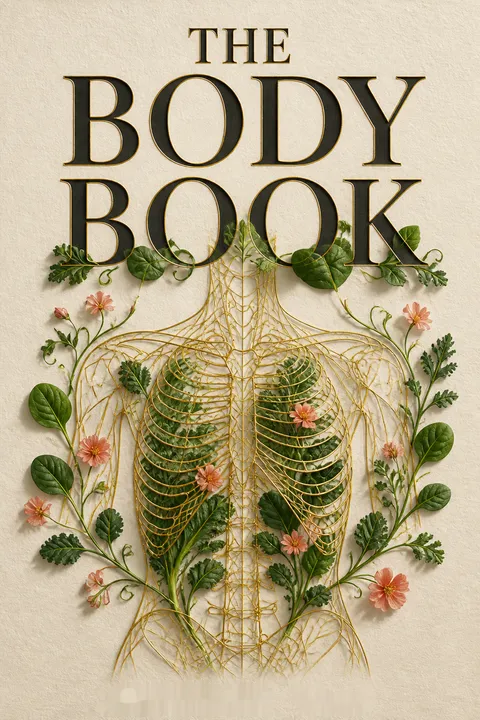


Key Takeaways
Treat your body as a lifelong instrument, not a renovation project.
Capability beats comparison. Diaz recalls feeling ashamed of her very thin frame until intense martial arts training for Charlie’s Angels, when she was twenty-six, showed her what her body could do. The change was not simply a new shape. Training gave her a sense of strength and connection that she carried into other parts of life.
The book’s premise is that caring for the body means learning how it works, then feeding, moving, and resting it consistently. It is not a diet plan or a promise to become someone else. The body changes with age and circumstance, but it remains the means through which a person works, explores, and participates in life.
What's striking is the shift from appearance as a verdict to physical capability as a relationship. That resembles body-neutral approaches, which aim to value what the body enables without requiring constant admiration of how it looks. The training story makes this concrete: respect grew through experience, not a pep talk. Still, strength should not become another standard people must meet to deserve care. Bodies differ in disability, illness, and capacity. The more inclusive insight is that care can begin with curiosity about what a particular body needs, not comparison with an ideal.
Choose food for what it gives your cells, not just calories.
Fuel has quality. The book describes food as the source of energy and materials cells use to function and repair. Its practical emphasis is on varied, minimally processed foods: vegetables and fruit, whole grains, protein sources, healthy fats, and water. Calories measure energy, but do not say whether a food also supplies fiber, vitamins, and minerals. A grape and grape soda may both provide energy, but not the same overall nourishment.
Diaz connects this idea to her own experience: after years of fast food and persistent acne, she noticed her skin improved when she cooked more and ate fewer fast-food meals. She also acknowledges that hormones and other factors could have contributed. Her story is a prompt to observe responses, not proof that one food explains every symptom.
The distinction between energy and nutritional quality is useful because calorie counts can flatten meaningful differences between foods. It also encourages attention to patterns rather than treating a single meal as a moral success or failure. The book sometimes draws too sharp a line between whole and processed food. Processing includes freezing, cooking, and fortifying, and some processed foods can be nutritious, affordable, and convenient. Food access, culture, budget, and medical needs shape what is realistic. The durable principle is to seek nourishing patterns, not purity or a perfect pantry.
Answer true hunger before appetite cues turn eating automatic.
Need differs from temptation. The book uses hunger for the body’s signal that it needs nourishment, while appetite describes wanting food because of its sight, smell, taste, or context. A person can be physically satisfied and still want popcorn when a movie begins, or a pastry after passing a bakery. Such cues once helped people find food; in an environment where food is constantly available, they can prompt eating without much reflection.
Diaz describes skipping breakfast as a young model, then feeling foggy and anxious until she ate. She recommends noticing hunger before it becomes overwhelming and paying attention while eating, rather than eating distractedly. The point is not to obey every craving or suppress appetite, but to notice what is driving the choice and respond deliberately.
This distinction helps explain why eating is not governed by physiology alone. Learning research and behavioral science both show that familiar surroundings can trigger actions before conscious deliberation catches up. Recognizing a cue creates a pause in which another choice becomes possible. Yet the book’s claim that hunger arrives five or six times daily cannot be a universal schedule. Appetite, hunger, and fullness vary with activity, health, medication, and life stage. For some people, strict attention to eating signals can also be difficult or counterproductive. Awareness is a tool, not a test of virtue.
Keep carbs, protein, and fat; improve their sources and balance.
No nutrient needs a villain. The book presents carbohydrates, protein, and fat as macronutrients, meaning nutrients needed in relatively large amounts. Carbohydrates supply glucose for energy; protein provides amino acids used to build and repair tissues; fats supply energy and help the body absorb some vitamins. The author’s alternative to low-fat, low-carb, or other sweeping diet rules is to choose more nutrient-rich sources, such as whole grains, beans, vegetables, fish, nuts, and oils.
Fiber, found in plant foods, supports digestion and slows the absorption of some carbohydrates. Added sugar is different from the naturally occurring sugar in whole fruit, which comes with fiber and other nutrients. The book also urges readers to drink water and get vitamins and minerals from a varied diet, rather than focusing on calories alone.
The strongest contribution here is resistance to nutrition fads that demonize an entire macronutrient. Food is a system of interacting components, and a diet organized around avoidance can become needlessly restrictive. The book’s specific numerical guidance should be treated more cautiously: needs vary, and broad ratios are not personalized prescriptions. Its discussion of fats and sweeteners also reflects the nutrition debates of its publication era. A useful modern reading keeps the basic point, varied foods and adequate nourishment, while leaving individualized choices to evidence, health needs, and qualified clinical advice.
Build movement into ordinary hours, then train with purpose.
A workout cannot fill every gap. The book contrasts planned training with being active throughout the day. A morning run matters, but so do the hours spent sitting afterward. Diaz describes how machines and desk work have removed much routine physical effort from daily life, and suggests taking stairs, walking short trips, and standing or moving during breaks.
The book cites a study in which brief activity breaks during five hours of sitting were associated with lower post-meal blood glucose and insulin than sitting without interruption. It also points to about 150 minutes of moderate activity per week as a useful target, with short bouts counting. Training can build cardiovascular fitness and strength, while enjoyable activities such as dancing, hiking, or playing a sport can make movement easier to sustain.
This is a useful correction to the idea that exercise is a single appointment that compensates for the rest of a sedentary day. Small interruptions also change the texture of the workday, making movement less dependent on motivation or gym access. The distinction between activity and training matters: daily walking supports health, while progressive training builds particular capacities. Neither should be treated as a cure-all, and ability, pain, disability, caregiving, and work conditions affect what is feasible. The practical aim is not constant exertion, but more opportunities for movement within ordinary routines.
Strengthen muscle and bone before age makes rebuilding harder.
Build a durable frame. The book explains that bone is living tissue, continually broken down and rebuilt. It says much of peak bone mass is accumulated by adulthood, and that hormonal changes around menopause can accelerate bone loss. Weight-bearing activities such as running and dancing, along with resistance training, place useful demands on bones and muscles. Adequate nutrition supplies materials for repair and maintenance.
Diaz’s own experience of becoming stronger through martial arts helps make the case personal, but the advice extends beyond appearance. Strength supports everyday tasks, from carrying groceries to climbing stairs. The chapter also warns that missed periods in someone training heavily or eating too little can signal an energy deficit and threaten bone health. Persistent menstrual changes merit discussion with a clinician.
The book’s architectural image of the body is especially effective here: strength is accumulated through repeated use, not summoned at the moment it is needed. That framing makes resistance training relevant across the lifespan, rather than a niche pursuit for athletes. Bone and muscle health are influenced by more than exercise, however. Genetics, hormones, medication, illness, nutrition, and access to safe activity all matter. Training should be gradual and adapted to the person, since pain or injury is not evidence of progress. The valuable message is to build capacity early and continue maintaining it.
Treat sleep and menstrual changes as health signals, not inconveniences.
Recovery is part of care. The book describes sleep as a period when the body repairs tissue and supports memory, attention, and immune function. Diaz’s routine is to make the bedroom dark and quiet, move electronics away, and repeat simple bedtime cues. She argues that sleep loss can affect mood and judgment as well as energy, and encourages making rest part of a healthy routine rather than an afterthought.
The book also explains that menstrual cycles respond to hormones and can be affected by factors such as low energy intake and intensive exercise. It describes the female athlete triad as an energy deficit, menstrual irregularity, and low bone density. Missing or unusual periods are not just inconveniences to ignore. They can have several causes, so persistent changes call for medical advice rather than self-diagnosis.
Sleep and menstrual patterns are valuable because they reveal how the whole system is functioning, not just whether a person is meeting a fitness goal. The cycle discussion is a notable strength in a book aimed at women, where reproductive health is often treated as peripheral. At the same time, sleep hygiene cannot resolve every sleep disorder, and irregular periods are not automatically caused by exercise or diet. The book is most useful when its signals prompt investigation rather than blame. Rest and reproductive health deserve attention even when they do not fit a productivity plan.
Turn awareness into routines by redesigning cues, plans, and rewards.
Make good choices repeatable. The book describes habits as learned patterns that can operate with little conscious thought. Its habit loop links a cue to a routine and a reward. Diaz tells how a daily latte became tied to feeling cold and wanting comfort; when dairy seemed to upset her stomach, she tested a smaller soy latte instead. The example illustrates replacing an action while preserving the comfort it provided, though one person’s experience is not a diagnosis for others.
Planning reduces the number of difficult decisions made while hungry or rushed. Diaz prepares food for the week, keeps breakfast and snacks available, and schedules workouts as deliberately as appointments. She favors steady improvement over perfection, including the idea that making healthier choices most of the time can build a sustainable pattern.
The chapter’s practical strength is treating behavior as something shaped by context, not simply willpower. Preparing meals, laying out workout clothes, or choosing a satisfying substitute makes a preferred action easier to repeat. This aligns with behavioral design, which changes surroundings so intentions require less effort. The limit is the book’s strong emphasis on personal responsibility. Time, money, disability, food availability, and insecure schedules can restrict choice. A sound plan should account for these constraints rather than turn every obstacle into a character flaw. Self-kindness and accountability work best together.
Analysis
The Body Book is a hybrid of health primer, memoir, and motivational guide. Its three-part arc moves from nutrition to fitness to mindset, but the deeper plot is Cameron Diaz’s passage from taking her body for granted to treating it as a source of capability. Her childhood food routines, fast-food years, acne, and demanding Charlie’s Angels training give the science a personal entry point. This structure makes a sprawling range of topics feel connected: nourishment and movement are not separate makeover projects, but daily inputs into how a person feels and functions.
The book’s clearest strength is demystification. It explains cells, digestion, energy, muscles, bones, menstrual cycles, and appetite in approachable language, then translates those explanations into everyday choices. It also pushes against appearance-based health culture by centering strength, energy, and aging with independence. Its emphasis on planning, enjoyable activity, and paying attention to bodily responses makes behavior change feel practical rather than magical.
The same accessibility creates risks. Some complex science is simplified into confident rules, and the book sometimes treats processed foods as a single harmful category, gives broad nutrition ratios, or interprets personal symptoms through diet. Its own stories cannot establish general causation. Claims about sweat as detoxification and some nutrition advice should not be treated as current clinical guidance. Readers benefit from separating enduring principles, such as varied nourishment, regular movement, and adequate rest, from specific recommendations that may vary by person or evolve with evidence.
The book is most persuasive when it frames health as sustained attention rather than perfect compliance. Its call to take responsibility is empowering when readers have meaningful choices, but can obscure structural limits when they do not. A generous reading keeps both truths in view: people can shape many habits, and circumstances shape the options available. The result is a useful invitation to learn the body’s signals, test routines carefully, and seek professional care when those signals raise concern.
Review Summary
The Body Book received mixed reviews, with an overall rating of 3.75/5. Many readers appreciated its informative content on nutrition, fitness, and self-care, praising Diaz's positive tone and accessible explanations. Some found it motivating and life-changing, while others criticized it as basic information readily available online. Critics noted the casual writing style and lack of unique insights. The book was generally seen as best suited for those new to health and wellness topics, rather than those already knowledgeable in the field.
People Also Read


Glossary
Appetite
Desire prompted by food cuesIn the book, appetite is the desire to eat triggered by external cues such as a food’s smell, appearance, taste, or the setting in which it is encountered. It is distinguished from hunger, which the book describes as the body’s internal signal that it needs nourishment. The distinction helps explain eating when already physically satisfied.
Macronutrients
Nutrients needed in larger amountsThe book uses macronutrients for carbohydrates, protein, and fat, the three broad nutrient groups that provide energy and materials needed for bodily functions. Carbohydrates supply glucose, protein is broken into amino acids, and fats provide energy and help with absorption of some vitamins. The book argues that all three have important roles.
Micronutrients
Vitamins and mineralsMicronutrients are vitamins and minerals needed in smaller amounts than macronutrients but still essential for health. The book describes them as supporting functions including bone formation, blood production, immune activity, and energy metabolism. It encourages obtaining a range through varied foods, particularly fruits and vegetables, while advising readers to consult a physician about suspected deficiencies or supplements.
Microbiome
The body’s microbial communityThe book uses microbiome to refer to the community of bacteria and other microorganisms living in and on the body, especially in the digestive tract. It describes these organisms as participants in digestion and immune defense, and notes that their composition differs among people. Food, environment, stress, and antibiotics are among the influences discussed.
Glycogen
Stored glucose for later energyGlycogen is glucose stored mainly in the liver and muscles for later use. In the book’s account, the body can draw on these reserves when immediate energy from a recent meal has been used, including during exercise. Eating carbohydrates replenishes glycogen, while training affects how the body uses available energy.
Resting metabolic rate
Energy used for basic functionsResting metabolic rate is the energy the body uses while at rest to maintain essential processes such as breathing, circulation, temperature regulation, and cell activity. The book notes that it accounts for a large share of daily energy use and can vary with factors including age, body composition, pregnancy, and food intake.
Female athlete triad
Three linked risks in active womenThe book defines the female athlete triad as the combination of low energy availability, menstrual irregularity or absence, and low bone mineral density or increased risk of stress fractures. It presents the combination as a warning that intensive training and insufficient nourishment may be affecting health. Menstrual changes or suspected bone problems warrant professional evaluation.
Habit loop
A cue-linked repeated behaviorThe book uses habit loop for a learned pattern in which a cue prompts a routine that produces a reward. Repetition can make the pattern automatic. In the latte example, feeling cold prompted buying a drink, and warmth and comfort rewarded the behavior. Changing the routine while meeting the underlying need can help establish a different habit.
FAQ
What's The Body Book about?
- Holistic Health Approach: The Body Book by Cameron Diaz emphasizes the interconnectedness of nutrition, fitness, and mental well-being, advocating for a comprehensive understanding of health.
- Empowerment Through Knowledge: It aims to educate readers about their bodies, encouraging informed choices about nutrition and exercise.
- Personal Journey: Diaz shares her personal experiences and insights, making the book relatable and practical for readers.
Why should I read The Body Book?
- Comprehensive Guide: It serves as a guide to understanding your body, covering essential topics like nutrition, fitness, and mental health.
- Empowerment for Women: Diaz addresses societal pressures on body image, encouraging readers to focus on strengths and capabilities.
- Expert Insights: The book includes knowledge from various experts, ensuring credible and beneficial information.
What are the key takeaways of The Body Book?
- Nutrition is Fundamental: Emphasizes the importance of consuming nutrient-rich foods for overall health and energy.
- Movement is Essential: Advocates for regular physical activity to maintain health and vitality.
- Mind-Body Connection: Discusses the importance of mental awareness and discipline for better health choices.
What are the best quotes from The Body Book and what do they mean?
- "Knowledge is power.": Highlights the importance of educating oneself about health to make informed decisions.
- "Your body is your past, present, and future.": Emphasizes the need to care for our bodies throughout our lives.
- "You must learn to live well in your uniquely beautiful body.": Encourages self-acceptance and understanding of one's unique physicality.
What is the significance of nutrition in The Body Book?
- Foundation of Health: Nutrition is presented as the cornerstone of health, affecting physical and mental well-being.
- Cellular Impact: Explains how food choices influence cellular function and development.
- Eating for Energy: Emphasizes choosing whole, nutrient-dense foods for sustained energy and health.
How does The Body Book define fitness?
- Movement as a Necessity: Fitness is essential for maintaining strength and health, with a focus on regular physical activity.
- Active Lifestyle: Encourages incorporating movement into daily routines for significant health benefits.
- Training for Strength: Discusses the importance of structured training to build muscle and endurance.
What role does mental health play in The Body Book?
- Mind-Body Connection: Highlights the relationship between mental and physical health, promoting self-discipline and awareness.
- Self-Awareness: Encourages developing mindfulness for better health choices and a positive body relationship.
- Empowerment Through Knowledge: Understanding the body boosts confidence and mental well-being.
What is the law of hunger as described in The Body Book?
- Understanding Hunger: Refers to the body's biological need for nutrients, prompting eating when energy is needed.
- Distinguishing Hunger from Appetite: Explains the difference between hunger and appetite, influenced by external cues.
- Listening to Your Body: Encourages mindful eating by recognizing hunger signals.
How does The Body Book address muscle and bone health?
- Importance of Strength Training: Emphasizes strong muscles and bones for overall health, advocating regular strength training.
- Weight-Bearing Exercises: Highlights activities like running and dancing for promoting bone health.
- Nutrition for Muscles and Bones: Discusses the role of protein and calcium in supporting muscle and bone health.
What practical advice does The Body Book offer for nutrition?
- Meal Planning: Stresses planning meals ahead to ensure healthy eating and avoid unhealthy choices.
- Mindful Eating: Encourages paying attention to hunger cues and savoring each bite to prevent overeating.
- Hydration: Highlights the importance of staying hydrated for overall health.
How does The Body Book define discipline in relation to health?
- Foundation for Success: Describes discipline as essential for making consistent health-related choices.
- Personal Responsibility: Emphasizes taking responsibility for health through conscious decisions.
- Building Healthy Habits: Explains that discipline helps develop sustainable healthy habits.
How can I incorporate the principles of The Body Book into my daily life?
- Set Realistic Goals: Start with achievable nutrition and fitness goals that align with your lifestyle.
- Prioritize Movement: Look for opportunities to move throughout the day, integrating physical activity into your routine.
- Educate Yourself: Continue learning about nutrition and fitness to empower informed health choices.
Download PDF
Download EPUB
.epub digital book format is ideal for reading ebooks on phones, tablets, and e-readers.








