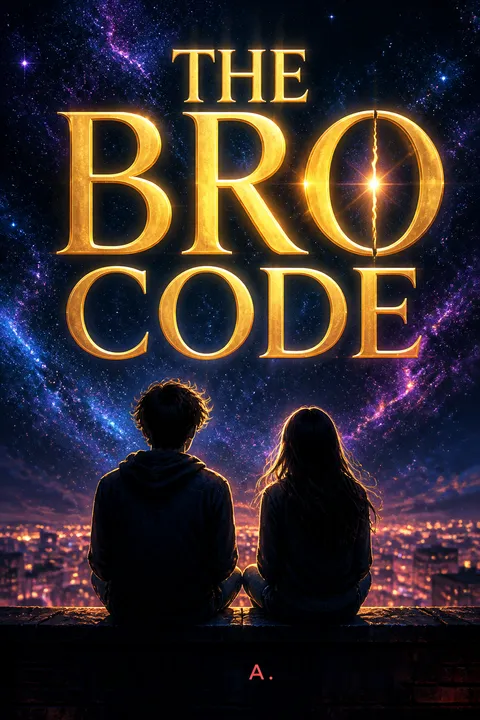


Plot Summary
Prologue
Eliza O’Connor’s letter to Nick Maguire1 reaches back to the summer they met as children, when Nick1 made her sit out a water-balloon game and then challenged her to prove him wrong. She remembers falling for his mischief, then watching him flirt with everyone except her.
Years later, with Nick1 facing a choice involving her brother3 Carter3 and the rules that govern their friendship, Eliza2 writes to remind him that their history is more complicated than he may want to believe. Her letter makes clear that what he does next could preserve or break more than one relationship.
The letter gives the novel a frame of remembered intimacy before its present-day romance begins. Eliza’s memory is affectionate but unsentimental: the first spark comes from Nick excluding her, then inviting her to challenge him. That small contradiction forecasts their later dynamic, in which teasing can mask care and attention can be confused with performance. Addressing Nick directly also turns the story into a moral appeal. Eliza does not ask him to choose her; she insists that he look honestly at the loyalties and histories he is about to reduce to a rule. The reader enters with the question of whether Nick can do that.
Eliza Returns to Cassidy
Senior year begins with Nick Maguire1 at Straight Cheese ’n’ Pizza, trading homework with his closest friends, Carter O’Connor3 and Austin Banks.4 Their trio runs on jokes, soccer, and a rigid Bro Code, including the rule against dating a friend’s sister. Carter’s sister,2 Eliza,2 has just returned from a year in Australia, and Nick1 notices her differently than he did before she left.
When Carter3 says Josh Daley9 has been pursuing her, he asks Nick1 to keep an eye on her in their shared classes. Nick1 agrees, insisting it is only a favor. Yet Josh9 is an old rival, Eliza2 is suddenly difficult to ignore, and the code makes the simple request feel like the beginning of a problem.
The opening makes Nick’s central conflict legible before he understands it himself. He treats friendship as a system of rules that can spare him difficult conversations, while his instinctive protectiveness toward Eliza already exceeds the tidy category of a favor. The Bro Code is comic here, built from food, pranks, and adolescent loyalty, but its rule about Carter’s sister gives that comedy real stakes. Nick’s confidence depends on not examining his motives too closely. The novel therefore begins not with a love confession, but with a small act of attention that he can still pretend is impersonal.
The Water Gun Mistake
At Carter’s3 house, Nick1 and Carter3 rig an elaborate alarm prank for Eliza,2 then turn their oversized water guns on each other outside. When Josh9 drives Eliza2 home from a party, they fire at his truck, intending to punish him for dating her. Eliza2 gets caught in the spray and storms inside, angry at both boys.
Later, Nick1 apologizes, and Eliza2 softens enough to admit Josh9 had kept pushing for physical affection after she resisted, especially when he was drunk. Nick’s1 jokes falter; he recognizes that her concern is not merely a bad date. Their quiet nighttime conversation leaves him wanting to protect her, but Eliza2 asks to remain friends, giving him a boundary he does not know how to interpret.
The prank exposes the gap between Nick’s intentions and the consequences other people live with. He imagines himself as a defender, but his performance of loyalty humiliates Eliza and treats her experience as an excuse for male retaliation. Her account of Josh’s persistence redirects the scene from romantic rivalry to bodily autonomy. Nick’s embarrassment matters because it is the first crack in his belief that charm makes his actions harmless. Eliza’s request for friendship also resists the familiar story in which vulnerability automatically grants a boy romantic access. Care, the novel suggests, must be measured by whether he listens, not by how dramatically he intervenes.
Bonfire, Then Cold Water
At Jamal Sanchez’s12 crowded beach bonfire, Nick1 accepts Madison Hayes’s5 attention and follows her away from the fire. When she tries to move their familiar hookup further, he stops, unsettled by the alcohol on her breath and by what Eliza2 told him about Josh9 ignoring her limits. Carter3 then asks Nick1 to find Eliza,2 who has been left alone while Josh9 wanders off.
Nick1 finds her by the ocean, where their teasing turns into a late-night swim in the freezing water. They tumble into the waves together, laughing and clinging to each other for balance. Afterward, Eliza2 ends things with Josh.9 Nick1 does not know why at first, but the night has made their closeness impossible for him to dismiss as ordinary friendship.
This is the first time Nick’s choices contradict the persona that has served him so well. He turns away from Madison not because she lacks appeal, but because he has begun to recognize how consent can be clouded by pressure and intoxication. Finding Eliza then shifts protection from a performance against Josh to presence beside her. The ocean gives them a temporary space outside the social choreography of the party, but Eliza’s reminder that she came with someone else keeps the moment from becoming a simple romantic conquest. The scene’s emotional force comes from mutual risk and play, not from Nick claiming her.
Madison’s Uneasy Bargain
At the grocery store, Madison5 realizes Nick1 likes Eliza2 and offers to help him, provided he helps her attract Carter,3 who has never shown romantic interest in her. She also threatens to tell Carter3 about Nick1 and Eliza’s2 swim. Nick1 reluctantly arranges tutoring between them. Later, while helping Eliza2 cook curry, he follows Madison’s5 advice and asks about Eliza’s friend10 Hannah,10 hoping to provoke jealousy.
Instead, Eliza2 calls out his casual habit of moving between girls and tells him she would not trust someone who treated people as interchangeable. Nick1 leaves without the easy connection he expected. Madison’s5 bargain has not brought him closer to Eliza;2 it has forced him to see that his reputation is part of what makes her wary.
Madison’s bargain turns romance into an exchange, reflecting the very social logic Nick must outgrow. He accepts her terms because he wants a shortcut around vulnerability, then performs jealousy as though Eliza were a problem to solve. Eliza’s objection is not possessiveness but ethics: she sees a pattern in how Nick treats girls and doubts that affection would make her exempt. The scene also complicates Madison, who is neither a simple rival nor a reliable guide. Both she and Nick use other people to secure attention, but Eliza refuses to mistake attention for care. Her judgment pushes Nick toward accountability without offering him reassurance.
A Shoulder, A Red Dress
When Carter3 asks Nick1 to drive Eliza2 to the mall for dresses for the school fundraiser, Eliza2 still keeps him at a distance. She struggles with a recurring shoulder injury while trying on clothes, and Nick1 carefully helps ease the joint before urging her to get it professionally checked. His practical concern matters more than his usual flirtation.
On the walk back, he apologizes for using Hannah10 to test her feelings and admits he had been trying to understand her relationship with Robert.11 Eliza2 accepts the apology and acknowledges that Nick1 cares about more than his own image. Their easy teasing returns, but with a new trust underneath it. Nick1 has not won her over with a line; he has shown that he can listen and take responsibility.
The mall scene makes care tangible through restraint. Nick is physically close to Eliza while helping with her shoulder, yet the intimacy is defined by attention to pain and by his warning that she needs professional care. His apology then names the social maneuver that damaged their trust instead of disguising it as a joke. Eliza’s response is cautious, not a sudden surrender: she revises her view of him while keeping her own judgment intact. The red dress and shopping banter supply the romance’s playful surface, but the deeper turning point is Nick discovering that repair requires admitting what he did and allowing Eliza to decide whether it matters.
The Roof Above Cassidy
At the PTA fashion show, Nick1 and Carter3 model together while Eliza2 wears the red dress Nick1 helped her choose. Nick1 and Eliza2 slip away from the crowded reception and climb to the school roof. There, she explains that she ended her relationship with Josh9 because she had begun thinking about Nick,1 and Nick1 admits his feelings are complicated by the rule against dating Carter’s sister.
Their shared hesitation finally gives way to a kiss. Carter3 and Hannah10 arrive moments later, unaware of what happened, while Carter’s3 attention to Hannah10 reveals the crush he has long kept quiet. Nick1 and Eliza2 return to the reception separately, carrying a secret that makes the Bro Code more than a joke and their friendship triangle newly fragile.
The rooftop kiss is both romantic payoff and structural threshold. Nick and Eliza stop hiding behind banter long enough to speak plainly, but they do so in a place physically above the school’s everyday social rules. The roof does not erase the consequences of dating Carter’s sister; it lets them acknowledge desire before deciding what to do with it. Meanwhile, Carter’s growing closeness with Hannah mirrors Nick and Eliza’s change, suggesting that old rules can misdescribe relationships that have matured. The arrival of Carter and Hannah returns the couple to the world they must navigate. Their secrecy is therefore not a victory, but a temporary shelter that will soon demand a choice.
The Phone Under the Bed
Nick1 follows the forty-eight-hour dating rule after the rooftop kiss by taping his phone beneath his bed, but Austin4 discovers it and drags him to Carter’s3 for a night of games. While Carter3 and Austin4 play upstairs, Nick1 and Eliza2 share a private kiss in the kitchen and agree not to tell Carter3 yet.
Soon Nick1 and Carter3 drive to Clarkebridge University for soccer tryouts and interviews. On campus, Nick1 discovers a six-year physical-therapy program that fits his interest in helping injured athletes recover, though his academic record worries him.
Carter3 admits that dating Eliza2 would make him uncomfortable because he fears what Nick’s1 player reputation could mean for his sister.2 Nick1 keeps his feelings secret, caught between a future he wants and the loyalty he fears losing.
The chapter places intimacy beside ambition so that neither can be treated as a distraction from the other. Nick’s taped phone makes desire look like a game governed by timing, while the kitchen kiss reveals that Eliza is already more than a tactic or a conquest. Clarkebridge expands his imagined future beyond the scholarship his father wants, giving Nick a vocation connected to recovery rather than competition alone. Carter’s objection, however, is not merely possessive: he knows Nick’s reputation and worries about his sister’s safety. Nick’s silence preserves short-term comfort at the cost of trust, repeating the very avoidance that will later make the conflict harder.
The Picnic Goes Sideways
Nick1 plans a private picnic with Eliza2 beneath the oak near her home, but Carter3 arrives and turns the evening into an awkward study session. Nick1 cannot explain the date without exposing their secret, so he lets the evening collapse into chemistry notes and jokes. Later, after practice, he meets Eliza2 at the school pool.
She explains that the phrase at the heart of the Bro Code makes her uneasy because it places women beneath male loyalty and can excuse boys who ignore boundaries. She recounts a friend’s assault at a party in Australia, then makes clear that the story touches her own experience too. Nick1 agrees to stop using the phrase and asks her to keep correcting him. They play in the water, unaware Austin4 has seen them together.
The failed picnic dramatizes Nick’s habit of postponing honesty until circumstance makes it impossible. He wants a real date, yet hides behind a study-group cover, leaving Eliza to manage the awkwardness alongside him. At the pool, she translates an abstract slogan into lived consequences: the language that protects male solidarity can also silence the person harmed. Nick’s response is imperfect but consequential; he does not debate her experience or demand details, and he accepts correction. Their play afterward signals renewed closeness, but Austin’s unseen presence reminds the reader that private conduct exists within a network of obligations. Secrecy is becoming an active choice, not a harmless pause.
Austin Names the Past
Before Jeff Karvotsky’s14 party, Austin4 tells Nick1 why Carter’s3 history with Eliza2 is so painful. Two years earlier, while Eliza2 was intoxicated, Austin4 continued a sexual encounter after she became distressed; Carter3 found her crying.
That same night, Carter3 had a troubling encounter with Sarah Rosen.13 The boys kept quiet and treated their loyalty as a reason not to confront what had happened. Nick1 is shaken, especially because he and his friends had joked about Sarah13 without understanding the harm.
Eliza2 confirms that she remembers her own experience and is troubled by the silence more than by Austin’s4 effort to learn. Nick1 promises to tell Carter3 about the relationship before the night ends, but the party will force the truth into public view first.
Austin’s confession exposes the Bro Code as more than immature slang: it has functioned as a pact that protects the boys from accountability. The parallel between Eliza and Sarah shows how silence can become a shared habit, even among friends who see themselves as decent. Nick’s shock is partly moral and partly personal; he must reconsider jokes, loyalties, and the stories he accepted from Carter and Austin. Eliza’s distinction between Austin’s past act and his present effort to learn preserves her agency without minimizing the injury. The scene refuses easy absolution. Understanding begins when the men stop treating loyalty as permission to conceal harm.
Spin Bottle Fallout
At Jeff’s14 party, Carter3 and Hannah10 grow close while Madison,5 frustrated that Carter3 has not chosen her, steers a spin-the-bottle game toward Nick.1 When the bottle lands on Eliza,2 Carter3 expects Nick1 to avoid kissing his sister.2
Madison5 takes Nick’s1 place first, but Eliza2 steps in, partly to prevent Madison5 from using the game to humiliate Austin.4 Their brief kiss is meant to look casual; Nick1 instinctively holds Eliza’s2 chin, exposing a familiarity no one can explain away. Carter3 confronts them outside and learns they have been together for about a month.
He punches Nick,1 rejects Austin’s4 knowledge of the secret, and leaves despite Eliza’s2 pleas. Nick1 answers Carter’s3 accusation by pointing to the secrets Carter3 himself kept about Sarah13 and Eliza.2 Their friendship breaks open in front of their classmates.
The party turns private deception into public evidence. The bottle is a game of chance only on the surface; Madison uses it to expose tensions the group has been managing through jokes and assumptions. Eliza’s decision to take the kiss is not a simple romantic claim, since she also acts to interrupt Madison’s attempt to provoke Austin. Nick’s reflex reveals the relationship more honestly than his explanations could. Carter’s anger is justified by the concealment, but his own silence about past harm complicates his authority to condemn Nick. Their rupture is not a neat contest between right and wrong. It is the consequence of loyalties practiced without enough honesty.
The Scholarship and Letter
After the fight, Nick1 spends the day in bed until his father6 takes him running. During the run, his father6 reveals that a car crash once ended his own chance at a national soccer tryout and damaged his knee, explaining the fear and pressure behind his coaching. At home, Nick1 learns Clarkebridge has offered him a full soccer scholarship.
He goes to Eliza,2 who is hurt by rumors that they slept together and expects him to end the relationship to preserve Carter’s3 friendship. She gives him a letter describing what he means to her. Nick1 reads it, admits he had considered taking the easy way out, and tells her he wants a real relationship. They confess their love, agree to correct the rumor, and accept that Carter3 may need time.
The family revelation reframes Nick’s athletic pressure without excusing his father’s behavior. The crash gives the father’s fixation a history of loss, while Nick’s new scholarship offers a future that can belong to Nick rather than serve as a substitute for his father’s abandoned dream. Eliza’s letter becomes the emotional counterweight: she fears being discarded for the same friendship that has repeatedly governed her place in the story. Nick’s decision matters because he names his temptation to retreat instead of pretending he never had it. Love here is not proof that conflict has vanished; it is a commitment to remain honest while consequences continue.
A Pizza Truce
For months, Carter3 treats Nick1 as a stranger, while Nick1 studies for the biology exam needed to pursue Clarkebridge’s physical-therapy program. Eliza2 remains beside him, though her brother’s3 silence makes every afternoon tense. At the exam, Carter3 notices Nick1 struggling, then invites him to lunch afterward.
He apologizes for hiding what happened with Sarah13 and admits that family abandonment left him feeling responsible for protecting Eliza2 and controlling the risks around her. Carter3 has begun therapy and has apologized to Sarah.13
He tells Nick1 he accepts their relationship and plans to attend Clarkebridge for pre-med. Nick1 and Carter3 restore their friendship over pizza, then revive their shared plan for a senior prank. Their bond survives, but only after both acknowledge how the old code failed them.
The reconciliation is earned through changed conduct rather than a sudden return to the old routine. Carter does not simply miss Nick; he identifies how his father’s abandonment shaped his need to control Eliza’s choices and his silence about Sarah. Therapy gives him a means to examine that inheritance without making it a complete excuse. Nick, meanwhile, has had to pursue his academic goal without Carter’s daily help, so their reunion does not erase the cost of the rupture. Pizza and prank planning restore their familiar language, but now it follows apology and disclosure. Friendship becomes more durable when its rituals no longer substitute for moral accountability.
Epilogue
At the O’Connors’3 graduation party, Nick,1 Eliza,2 Carter,3 and Austin4 celebrate the end of high school with their friends. Carter3 and Nick1 have planted a pillow-and-gelatin prank around the school statue, and they pass their underclassmen a revised Bro Code that rejects ghosting, prejudice, and forcing friends to choose between one another.
Austin4 heads to college in Canada, while Nick1 and Carter3 prepare for Clarkebridge. Hannah10 is with Robert,11 and Madison5 and Josh9 have settled into the wider friend group. Eliza2 soaks Nick1 with a Super Soaker, then he pulls her into the pool. Their last school-day prank is no longer a performance of male loyalty; it is a game they share.
The epilogue revisits the book’s defining objects, the pool, the prank, the code, and the friend group, but changes what they mean. The original rules were treated as inherited law; the new version is deliberately revised by the people who once used them to excuse silence and hierarchy. That act does not erase the harm behind the old code. It shows the group making its values answerable to experience. The final splash echoes Nick and Eliza’s early water games, yet she now participates as an equal rather than being excluded or made the target. Graduation offers separation, but the friends leave with a more flexible form of belonging.
Analysis
The Bro Code uses the comic architecture of a high-school friendship story to examine how boys learn to confuse loyalty with silence. Nick’s1 narration initially treats rules, pranks, and sexual bravado as harmless social currency. The plot steadily attaches consequences to that currency: Eliza’s2 account of boundary violations, Austin’s4 confession, Carter’s3 concealed history with Sarah,13 and Nick’s1 decision to keep his own relationship secret. Each revelation exposes a different cost of protecting the group’s image instead of attending to the people affected.
The novel’s treatment of consent is most effective when it stays specific. Eliza2 is not a lesson designed to improve Nick;1 she has her own memories, boundaries, friendships, and artistic life. She challenges his language, but she also decides when to swim, kiss, disclose, forgive, or hold back. Nick’s1 development depends on learning that protection without listening can reproduce the control it claims to oppose. The romance becomes credible not because he is secretly better than his reputation, but because he begins to accept correction and make amends.
Carter’s3 conflict complicates the moral picture. His fear for Eliza2 is rooted in family abandonment and past harm, yet it becomes a claim to control her choices. Nick’s1 secrecy wounds Carter,3 but Carter’s3 own concealment of what happened to Eliza2 and Sarah13 undermines his appeal to an absolute friendship code. Austin,4 too, must separate loyalty from complicity. Their eventual repair requires apologies, therapy, disclosure, and time, not a return to the old trio’s effortless rhythm.
Soccer gives this emotional story an external measure of ambition. Nick1 first pursues a scholarship partly to satisfy his father,6 then finds a path toward physical therapy that reflects his own interest in helping people recover. The revised code and final pool scene bring the themes into action: belonging need not depend on exclusion, and rules can be rewritten when experience reveals their harm. Growing up, here, means keeping friendship while changing what friendship asks of you.
Review Summary
The Bro Code received mixed reviews, with an average rating of 3.41 out of 5. Some readers praised its humor, romance, and addressing of important topics like toxic masculinity. Others criticized the writing style, character development, and handling of sensitive issues. The book follows Nick, a high school senior who falls for his best friend's sister, challenging the "bro code" he lives by. While some found it entertaining and thought-provoking, others felt it was cliché and poorly executed. The romance and character growth were generally well-received, but the book's treatment of serious topics was controversial.
People Also Read


Characters
Nick Maguire
The charming rule-breakerNick narrates with swagger, comic exaggeration, and a competitive streak that helps him avoid admitting when he is afraid. Soccer has shaped his routine and his relationship with his demanding father6, while his close friendship with Carter3 gives him a ready-made identity and a code for handling almost everything. He is practiced at flirting but less practiced at listening, especially when a serious feeling threatens the easy persona he performs. Eliza’s2 return forces him to see the difference between looking protective and respecting another person’s choices. His central psychological struggle is not whether he can win affection, but whether he can accept responsibility without treating vulnerability as defeat.
Eliza O’Connor
The sharp-eyed artistEliza is Carter’s3 younger sister, an artist and volleyball player with a quick wit and a strong sense of her own boundaries. A year in Australia has given her distance from the familiar social world of Cassidy, though returning also means facing old friendships and the assumptions attached to being Carter’s sister3. She enjoys Nick’s1 teasing but does not confuse charm with trust; she notices how he treats other girls and challenges the language he takes for granted. Her frankness comes from self-knowledge, not from a need to manage the boys around her. She wants affection without surrendering her judgment, and her art offers a private way to interpret experiences that others might prefer to leave unnamed.
Carter O’Connor
The guarded best friendCarter is Nick’s1 closest friend, a talented soccer player and serious student who hopes to pursue medicine. His humor is quieter than Nick’s1, but his loyalty is intense, especially where Eliza2 is concerned. Since his father left the family, Carter has taken on a protective role that can blur into control; he feels responsible for preventing pain he cannot fully predict. His history with Nick1 and Austin4 is built on years of shared games, pranks, and routines, which makes emotional conflict particularly difficult for him to name. Carter’s instinct is to retreat into work or sport when feelings become complicated. His bond with Eliza2 is loving, but the weight he puts on that bond shapes how he sees risk.
Austin Banks
The irreverent loyalistAustin completes Nick1 and Carter’s3 trio. He is funny, competitive, and often willing to say the outrageous thing that keeps a group laughing, but beneath the performance he pays close attention to his friends. His loyalty is practical: he shows up, notices when someone is spiraling, and expects difficult conversations to happen face-to-face. Austin’s easy confidence can conceal discomfort about the group’s habits and about the difference between joking and causing harm. He is not simply the comic relief or the voice of the Bro Code; he is a participant in the friendships and mistakes that the code governs. His role tests whether loyalty means protecting a friend from consequences or helping him face them.
Madison Hayes
The self-directed flirtMadison is Nick’s1 casual romantic partner, a bold and theatrical presence who prefers freedom from conventional relationship expectations. She is perceptive about attraction and willing to negotiate directly for what she wants, even when her tactics become manipulative. Her confidence complicates the school’s double standards: she is judged for behavior that earns boys approval. Madison can be generous and mischievous, but she also treats social situations as games she expects to control. Her connection to Nick1 exposes how both of them use flirtation to avoid deeper vulnerability.
Nick’s father
The demanding coachNick’s father coaches the Cassidy soccer team and pushes his son1 through early practices, hill sprints, and strict expectations. His own unrealized soccer ambitions shape the pressure he places on Nick1, though he does not always recognize the difference between preparation and control. At home, he is part of a family that cares deeply but often struggles to speak plainly about fear, money, and disappointment. His coaching voice can be harsh, and his casual sexist language reveals attitudes Nick1 must learn to question rather than inherit.
Alison Maguire
The exacting motherAlison is Nick’s1 sharp-minded mother, balancing work and the family’s financial worries while trying to prepare him for adulthood. She reads people quickly and expects Nick1 to take responsibility for his choices, especially when his lateness and school habits threaten his future. Her care often arrives as correction or practical advice rather than easy reassurance. Beneath that briskness is real sacrifice: college costs and extra work weigh on her, even when she tries not to make Nick1 feel responsible for them.
Olivia O’Connor
The generous bakerOlivia is Carter3 and Eliza’s mother2, a successful baker and caterer whose kitchen is a warm center of family and community life. She welcomes Nick1 into her home and feeds the teenagers who gather there, offering a steadiness that contrasts with the absence of the children’s father. Her baking is both a livelihood and an expression of care, though it cannot repair every silence in the family. Olivia is practical, attentive, and protective without being able to control what her children experience.
Josh Daley
The persistent rivalJosh is a fellow student whose rivalry with Nick1 predates senior year. He has social confidence, a lifted pickup, and a reputation for getting what he wants, which makes Nick1 see him as both a romantic threat and an irritant. His pursuit of Eliza2 becomes significant when she describes him pressing past her boundaries. Josh is not merely a foil for Nick’s1 jealousy; his behavior forces Nick1 to distinguish genuine care from possessiveness.
Hannah Green
The bright scholarHannah is a high-achieving cheerleader and a friend of Eliza’s2. Her interest in Carter3 is visible to others before either of them acts on it, making her part of the story’s parallel romance and its debate about friendship rules. She is warm and observant, with a confidence that can draw Carter3 out of his academic focus. Hannah is not defined by being a prize for the boys; her choices shape the relationships around her.
Robert Maxin
The earnest teammateRobert is Nick1 and Carter’s3 friend and a fellow soccer player, known for his earnestness and awkward attempts to impress Hannah10. The others tease him, but his vulnerability is part of what makes him easy to root for. He is loyal to the group and often acts as a witness to its shifting dynamics. Robert’s patience contrasts with the boys’ competitive performances, and his connection with Hannah10 gives him a path beyond being the punchline.
Jamal Sanchez
The generous hostJamal is a popular classmate who hosts the beach bonfire and takes pride in making sure everyone has food and a place in the crowd. He is socially confident without needing to dominate the party, often choosing the useful work of grilling and organizing over the spotlight. Jamal’s hospitality brings the school’s cliques together and provides the setting for Nick1 and Eliza’s2 important night by the water.
Sarah Rosen
Carter’s past connectionSarah is a Cassidy student whose past connection with Carter3 remains difficult for him to discuss. Her experience matters because it reveals what the boys’ private rules can conceal from one another and from themselves. Though she appears mostly through the memories and later actions of others, the story treats her as a person whose perspective deserves to be heard rather than a piece of school gossip.
Jeff Karvotsky
The aspiring team leaderJeff is a younger soccer player who hosts the party where the group’s secrets surface. Eager to be accepted by the older boys, he takes pride in bringing the team together and hosting a successful gathering.
Mr. Hoover
The strict hall monitorMr. Hoover is Cassidy High’s hall monitor and Nick’s1 frequent source of detentions. His lectures on sleep and masculinity make him an inconvenient adult presence, but they also introduce ideas the students cannot dismiss forever.
Plot Devices
The Bro Code
A rulebook under revisionNick1, Carter3, and Austin4 use the Bro Code to organize friendship, joking, dating, and loyalty. Its absurd rules give the novel comic rhythm, but its central demand that male friends come before women becomes a way to justify secrecy and avoid accountability. As Nick1 and Eliza2 grow closer, the code turns from a private joke into a practical obstacle. The story tests each rule against what the characters actually do, then asks whether loyalty can survive without rigid hierarchies. The code’s eventual revision makes the boys’ growth visible through a shared object they once treated as untouchable.
Eliza’s Letter
A frame for choiceEliza’s2 letter opens the novel with a childhood memory and a warning that Nick’s1 decision will affect the life-or-death status of the Bro Code. Later, another letter gives Nick1 a direct account of what he means to her when he assumes she expects him to leave. The letters bookend his movement from avoiding emotional clarity to choosing it. They also give Eliza2 narrative authority: she records how she remembers their shared history instead of letting Nick’s1 comic narration define their relationship alone.
Soccer and Clarkebridge
A future beyond pressureSoccer gives Nick1 a daily structure, a bond with Carter3, and a fraught connection to his father’s6 unrealized ambitions. The Clarkebridge tryout raises the stakes by making a scholarship seem essential to the family’s finances. A campus tour introduces Nick1 to physical therapy, a possible vocation that reframes his athletic experience as a way to help others recover. This thread keeps Nick’s1 coming-of-age story grounded in more than romance: he must decide what kind of future he wants and whether it belongs to him or to his father’s6 dream.
Water and Swimming
Intimacy without performanceWater recurs at childhood play, the beach bonfire, Carter’s3 pool, and the graduation party. It begins as a setting for Nick’s1 pranks and physical confidence, then becomes a place where he and Eliza2 can play without an audience or a script. The repeated swims also make bodily boundaries concrete: entering the water together is meaningful only when both choose it. By returning to the pool in the epilogue, the novel transforms an image of youthful recklessness into a shared game grounded in trust.
FAQ
0. Synopsis & Basic Details
What is The Bro Code about?
- Navigating Friendship & Love: The Bro Code follows Nick Maguire, a charming high school senior, as he grapples with his deepening feelings for Eliza O'Connor, his best friend Carter's sister. The story explores the intricate dynamics of their tight-knit friend group, bound by an unwritten "Bro Code" that strictly forbids dating a friend's sibling.
- Challenging Social Norms: As Nick and Eliza's connection grows, they must navigate the unspoken rules of their social circle, the expectations of their parents, and the potential fallout with Carter. The narrative delves into themes of loyalty, betrayal, self-discovery, and the evolution of personal values against the backdrop of high school life.
- Growth and Reconciliation: The book chronicles Nick's internal conflict and external struggles, leading to a dramatic confrontation that forces all characters to re-evaluate their relationships and the true meaning of friendship and love. It's a journey of emotional maturity, challenging traditional notions of masculinity and loyalty.
Why should I read The Bro Code?
- Relatable High School Drama: Readers seeking a compelling coming-of-age story will find The Bro Code deeply engaging, offering an authentic portrayal of teenage friendships, first love, and the pressures of social expectations. The internal monologues of Nick Maguire provide a raw and honest perspective on navigating complex emotions.
- Thought-Provoking Themes: Beyond the romance, the novel subtly explores significant themes like toxic masculinity, consent, and the impact of parental expectations, making it a more profound read than a typical high school romance. The evolution of the "Bro Code" itself offers a unique commentary on societal rules.
- Engaging Character Arcs: The characters, particularly Nick, Carter, and Eliza, undergo significant development, learning to communicate, forgive, and redefine their relationships. Their individual journeys of self-discovery and the eventual reconciliation offer a satisfying and hopeful conclusion.
What is the background of The Bro Code?
- Contemporary American High School: The story is set in North Cassidy, Massachusetts, a typical American suburb where high school life revolves around cliques, sports, and social events like bonfires and parties. This setting grounds the narrative in a familiar, relatable environment for many young adult readers.
- Cultural Commentary on "Bro Culture": The novel implicitly critiques and ultimately redefines "bro culture" and its unwritten rules, particularly the problematic "Bros before hoes" mantra. It reflects a modern sensibility, influenced by movements like #MeToo, which challenges traditional gender roles and expectations in relationships.
- Author's Personal History: Elizabeth A. Seibert, having originally written this story on Wattpad in 2012 and later revising it, brings a lived-in authenticity to the high school experience. The acknowledgments even mention the #MeToo movement as an influence, highlighting the story's contemporary relevance in addressing issues of consent and respect.
What are the most memorable quotes in The Bro Code?
- "Tell me I'm wrong.": This recurring phrase, first uttered by Nick in childhood and later echoed by Eliza in her opening letter, encapsulates their dynamic of challenge and defiance, serving as a constant invitation for truth and confrontation throughout the narrative. It highlights Eliza's desire for Nick to acknowledge his impact and his own internal struggle with self-perception.
- "A real bro wouldn't make me choose.": Nick's powerful retort to Carter during their climactic confrontation in Rule Number 19, this line fundamentally challenges the rigid interpretation of the Bro Code. It underscores the core conflict of the story—loyalty versus personal happiness—and argues for a more empathetic, less prescriptive definition of friendship.
- "You're turning out to not be that bad. A year away from their bullshit helped a lot.": Eliza's candid assessment of Nick in Rule Number 18, delivered after a period of growth and self-reflection, signifies her acceptance and the genuine change she perceives in him. This quote marks a pivotal moment in their relationship, acknowledging Nick's evolution beyond his "player" reputation and the positive influence of her absence.
What writing style, narrative choices, and literary techniques does Elizabeth A. Seibert use?
- First-Person, Conversational Narrative: The story is primarily told from Nick Maguire's first-person perspective, employing a highly conversational and informal tone that immerses the reader directly into his thoughts, anxieties, and witty observations. This narrative choice allows for deep psychological insight into Nick's internal conflicts and his often-unreliable self-assessment.
- Episodic Structure with Thematic Rules: The novel is structured around "Rule Numbers" of the Bro Code, each chapter title hinting at a specific rule or theme that will be explored or challenged within that section. This episodic approach, combined with the overarching narrative arc, provides both a clear progression and a thematic framework for the characters' development.
- Subtle Foreshadowing and Symbolism: Seibert skillfully uses subtle details and recurring motifs, such as Eliza's shoulder injury, the significance of water (pool, ocean), and the evolving "Bro Code" itself, to foreshadow future events and deepen thematic meaning. The initial "Bro Code" rules are presented as rigid, but their eventual redefinition symbolizes the characters' growth and a more inclusive understanding of relationships.
1. Hidden Details & Subtle Connections
What are some minor details that add significant meaning?
- Eliza's Opening Letter as a Narrative Frame: The initial "Dear Nick" letter from Eliza, placed before Rule Number 1, isn't just a prologue; it's a subtle narrative frame that immediately establishes Eliza's perspective and foreshadows the central conflict. Her challenge, "Tell me I'm wrong," becomes a recurring motif, inviting Nick (and the reader) to question his assumptions and actions throughout the story, setting up the entire narrative as Nick's response to her.
- The Significance of Pineapple Juice: Carter's "pineapple juice addiction" (Rule Number 3) is more than a quirky habit; it subtly highlights his need for comfort and a coping mechanism, especially after his father's abandonment. It's a small detail that points to a deeper emotional void, contrasting with Nick's more overt methods of dealing with stress, and foreshadows Carter's later revelations about his own emotional struggles.
- Ms. O'Connor's Cupcake Business & Gender Reveal: Olivia's successful cupcake business (Rule Number 1) and the gender-reveal party cupcakes (Rule Number 3) serve as a backdrop for Eliza's progressive views. Her commentary on the binary nature of gender and the "color-coding babies" reveals her independent, critical thinking and foreshadows her later challenge to the rigid, binary "Bro Code" itself, positioning her as a voice for change.
What are some subtle foreshadowing and callbacks?
- Eliza's Recurring Shoulder Injury: Eliza's shoulder injury, first mentioned in gym class (Rule Number 2) and later exacerbated during dress shopping (Rule Number 9), subtly foreshadows her vulnerability and Nick's role as a protector and healer. It's a physical manifestation of her emotional burdens, and Nick's ability to help her (both physically and emotionally) becomes a key indicator of his evolving character and their deepening bond.
- The "Sarah Rosen" Incident: The brief, tense mentions of Sarah Rosen (Rule Number 3, Rule Number 5) initially seem like a past relationship drama for Carter, but they subtly foreshadow a deeper, unresolved trauma that impacts both Carter and Austin. This callback later becomes crucial in understanding Carter's overprotective nature and Austin's guilt, revealing the hidden complexities and past betrayals within their friendship.
- Nick's Dad's Knee Injury & Car Accident: Nick's dad's career-ending knee injury (Rule Number 2) is initially presented as a source of pressure for Nick, but it subtly foreshadows a deeper, unrevealed trauma. The later car accident with his mom (Rule Number 13) and his dad's subsequent confession about his own car crash reveal a pattern of unresolved pain and the profound impact of past events on parental behavior, explaining their intense focus on Nick's soccer scholarship.
What are some unexpected character connections?
- Austin's Past Relationship with Eliza: The existing summary mentions Austin and Eliza dated, but the details of their breakup and Austin's subsequent guilt (Rule Number 18) are a significant, unexpected revelation. This connection explains Carter's initial reluctance to accept Nick and Eliza, and Austin's nuanced understanding of the "Bro Code", adding layers to his role as a mediator and revealing his own journey of self-awareness.
- Madison's Strategic Pursuit of Carter: Madison's "manipulative" nature is noted in the summary, but the hidden detail that her interest in Nick was partly a calculated move to get closer to Carter (Rule Number 7) is an unexpected twist. This reveals her deeper motivations and highlights the transactional nature of some high school relationships, contrasting sharply with Nick and Eliza's developing emotional honesty.
- Mr. Hoover's Unseen Influence: Mr. Hoover, initially presented as a one-dimensional hall monitor (Rule Number 2), unexpectedly becomes a catalyst for thematic discussions. His lecture on "toxic masculinity" (Rule Number 15) directly influences Eliza's confrontation with Nick, demonstrating how even minor characters can introduce significant external forces that shape the protagonists' understanding of themselves and their world.
Who are the most significant supporting characters?
- Nick's Parents: The Architects of Pressure: Beyond their basic roles, Nick's parents are significant for the immense, often conflicting, pressure they exert on him regarding his soccer scholarship and academic performance (Rule Number 2, Rule Number 5, Rule Number 13). Their financial struggles and his dad's past injury create a complex web of expectations that drive much of Nick's internal conflict and his need for external validation.
- Jamal Sanchez: The Unseen Moral Compass: Jamal, the host of the bonfire (Rule Number 6), is more than just a party thrower; he subtly embodies a more mature, responsible "bro" who ensures guest safety and provides a grounding presence. His quiet observations and actions, like knowing Nick's order and providing water, contrast with the more reckless behavior of others, making him a quiet moral anchor in the friend group.
- Hannah Green: The Catalyst for Carter's Growth: While Robert's crush on Hannah is noted, Hannah's role as the object of Carter's unspoken affection (Rule Number 10) is crucial. Her presence forces Carter to confront his own feelings and the hypocrisy of his "Bro Code" stance, ultimately leading to his personal growth and willingness to challenge his own rigid rules, making her a significant, albeit indirect, influence on the main plot.
2. Psychological, Emotional, & Relational Analysis
What are some unspoken motivations of the characters?
- Nick's Quest for Validation: Beneath Nick's confident, "player" exterior lies an unspoken motivation to gain approval, particularly from his demanding father and his best friend, Carter. His initial adherence to the Bro Code and his reluctance to admit feelings for Eliza stem from a deep-seated need to maintain his established identity and avoid disappointing those he values, as seen in his internal struggle during the Clarkebridge tryout (Rule Number 12).
- Carter's Guilt and Overprotection: Carter's fierce protectiveness of Eliza and his rigid enforcement of the Bro Code are driven by unspoken guilt over past events, specifically the Sarah Rosen incident and Austin's past with Eliza (Rule Number 18). His motivation is not just brotherly love, but a desperate attempt to atone for his own perceived failures and prevent Eliza from experiencing similar pain, making his anger at Nick deeply personal.
- Eliza's Fear of Dismissal: Eliza's initial guardedness and her "Tell me I'm wrong" challenge (Opening Letter) are rooted in an unspoken fear of being dismissed or underestimated, a consequence of being "Carter's kid sister" and her past experiences with male behavior (Rule Number 15). Her desire for respect and authenticity in relationships is a powerful, underlying motivation that shapes her interactions with Nick and her eventual confrontation of the "Bros before hoes" mentality.
What psychological complexities do the characters exhibit?
- Nick's Avoidance and Self-Deception: Nick frequently exhibits psychological avoidance, particularly regarding his true feelings for Eliza and the deeper issues with his family. He rationalizes his actions and uses humor as a defense mechanism, as seen when he tapes his phone to his bed to avoid contacting Eliza (Rule Number 11). This complexity highlights his struggle to confront uncomfortable truths and evolve beyond his superficial persona.
- Carter's Internalized Trauma and Hypocrisy: Carter's character is complex due to his internalized trauma from his father's abandonment and his own past actions, leading to a degree of hypocrisy in his rigid adherence to the Bro Code. His strong emotional reaction to Madison's "objectification" (Rule Number 10) reveals his sensitivity and the psychological impact of his past, even as he struggles to apply the same empathy to Nick's situation.
- Austin's Latent Self-Discovery: Austin, initially presented as a comedic sidekick, displays a subtle psychological complexity through his evolving understanding of the Bro Code and his own identity. His unexpected connection to Freud's theories (Rule Number 9) and his later confession about his past with Eliza (Rule Number 18) hint at a deeper journey of self-awareness, including a possible questioning of his own sexuality or traditional masculine roles, which he navigates with humor and quiet reflection.
What are the major emotional turning
Download PDF
Download EPUB
.epub digital book format is ideal for reading ebooks on phones, tablets, and e-readers.








