Plot Summary
Shadows Over Dor-lómin
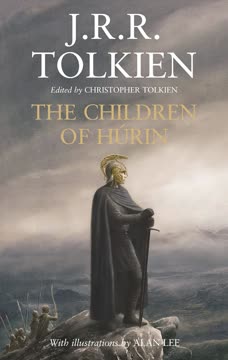
In the cold, northern land of Dor-lómin, Túrin is born to Húrin and Morwen, a family marked by nobility and sorrow. The shadow of Morgoth, the dark enemy, looms ever closer, and the household is haunted by loss—Túrin's beloved sister Lalaith dies young, and his father is often away at war. Morwen's pride and resilience keep the family together, but fear and uncertainty grow as rumors of war and evil spread. Túrin's childhood is shaped by grief, pride, and a sense of injustice, forging a character both compassionate and fierce. The seeds of tragedy are sown early, as the family's fate becomes entwined with the great powers and ancient curses of Middle-earth.
The Battle of Unnumbered Tears
The great hosts of Elves and Men unite to challenge Morgoth in the Nirnaeth Arnoediad, the Battle of Unnumbered Tears. Húrin and his brother Huor fight valiantly alongside the Elven kings, but treachery and overwhelming force lead to disaster. Fingon, High King of the Noldor, is slain, and the armies are broken. Húrin and Huor make a last stand, allowing Turgon, King of Gondolin, to escape. Huor falls, and Húrin is captured alive, defiant to the end. The defeat shatters hope across Beleriand, and Morgoth's shadow deepens, setting the stage for the curse that will haunt Húrin's children.
Morgoth's Curse Unleashed
Brought before Morgoth, Húrin refuses to betray the hidden city of Gondolin. In wrath, Morgoth curses Húrin, Morwen, and their children, vowing that his malice will pursue them to the ends of the world. Húrin is bound to a high seat, forced to witness the unfolding tragedy through Morgoth's eyes. The curse is not mere words but a malignant will, twisting fate and sowing ruin. From this moment, the lives of Túrin and his sister Niënor are set on a path of sorrow, as Morgoth's hatred seeks to break the House of Hador through despair and misfortune.
Exile and Fosterage
With Húrin lost and Dor-lómin overrun by Easterlings, Morwen faces a terrible choice. To save Túrin from slavery, she sends him secretly to Doriath, the hidden realm of King Thingol and Queen Melian. There, Túrin is fostered as a prince, growing in strength and skill, but always haunted by longing for his mother and sister. Despite the kindness of the Elves, Túrin's pride and sense of alienation deepen. A fateful quarrel with Saeros, an Elf who scorns him, leads to Saeros's death and Túrin's self-imposed exile, believing himself outlawed and dishonored.
The Outlaw's Descent
Fleeing Doriath, Túrin joins a band of desperate outlaws, taking the name Neithan, "the Wronged." Hardened by life in the wild, he becomes their leader, but his sense of justice and pride set him apart. The outlaws' deeds grow darker, and Túrin's inner conflict intensifies. Beleg, his loyal Elven friend, seeks him out, offering pardon and a path home, but Túrin's pride and shame keep him from returning. The friendship between Túrin and Beleg endures, but the shadow of Morgoth's curse grows heavier, and the company's fate becomes increasingly precarious.
Mîm's Bargain and Betrayal
The outlaws capture Mîm, a Petty-dwarf, who bargains for his life by offering shelter in his secret home on Amon Rûdh. Tragedy strikes when Mîm's son is killed by an outlaw's arrow, deepening the dwarf's resentment. Despite uneasy coexistence, Túrin's leadership brings a brief period of strength, as he and Beleg—now reunited—lead a resistance against Morgoth's forces. Yet Mîm's hatred festers, and when the opportunity arises, he betrays Túrin and his men to the Orcs, sealing the doom of the fellowship and setting in motion a chain of devastating events.
The Fellowship of Bow and Helm
Under the banners of Bow (Beleg) and Helm (Túrin), the outlaws become a force of hope for the oppressed, striking at Morgoth's minions. Their deeds inspire both Elves and Men, and Túrin's renown grows. Yet pride and overconfidence take root, and the company's secrecy is compromised. Morgoth's spies close in, and the fragile fellowship is shattered by betrayal. The brief flowering of resistance is crushed, and the survivors are scattered, with Túrin and Beleg's fates bound ever tighter by the curse.
The Death of Beleg
Captured by Orcs, Túrin is bound and carried away, while Beleg, wounded but alive, pursues to rescue him. With the help of Gwindor, an escaped Elf of Nargothrond, Beleg finds Túrin and attempts a daring rescue. In the darkness, Túrin, delirious and confused, mistakes Beleg for an enemy and slays him with his own sword. The horror of this act breaks Túrin, and he is consumed by grief and guilt. Beleg's death marks the loss of Túrin's truest friend and the deepening of his isolation and despair.
Nargothrond's Rise and Fall
Guided by Gwindor, Túrin comes to Nargothrond, where his valor and counsel win him honor and influence. He urges open warfare against Morgoth, abandoning secrecy for boldness, and a great bridge is built. Túrin becomes the Black Sword, beloved by Finduilas, the king's daughter, though he does not return her love. Gwindor warns of doom, but Túrin's pride prevails. When Glaurung, the dragon, leads Morgoth's armies against Nargothrond, the city falls. Túrin is ensnared by Glaurung's gaze, paralyzed by the dragon's spell, and Finduilas is taken away to her death.
Glaurung's Spell and Ruin
Released from Glaurung's spell, Túrin is driven by the dragon's words to abandon Finduilas and seek his mother and sister in Dor-lómin. He finds only ruin and despair, learning too late that Morwen and Niënor have fled. Overcome by guilt and rage, Túrin returns south, but Finduilas is already dead. The weight of his failures and the dragon's manipulation deepen his sense of doom, and he wanders, lost and broken, until he finds a fragile refuge among the woodmen of Brethil.
The Return to Dor-lómin
Túrin's return to his childhood home is marked by desolation. The house of Húrin is empty, Morwen and Niënor gone, and the land oppressed by Easterlings. In a fit of wrath, Túrin slays Brodda, the usurper, and incites rebellion among the enslaved people. Realizing he has brought only more suffering, Túrin flees, haunted by the knowledge that his actions, however well-intentioned, lead only to ruin. The curse's grip tightens, and hope seems ever more distant.
Brethil: Sanctuary and Sorrow
In the forest of Brethil, Túrin takes the name Turambar, "Master of Fate," seeking to leave his past behind. He becomes a leader among the woodmen, defending them from Orcs and striving for a new beginning. Yet the shadow of his past and the curse remain. The mound of Finduilas becomes a place of mourning, and Túrin's heart is heavy with loss. For a time, peace and love seem possible, but fate is not so easily denied.
Morwen and Niënor's Quest
Morwen, refusing to remain in safety, sets out from Doriath to seek news of Túrin, accompanied by Niënor. Their journey leads them to the ruins of Nargothrond, where Glaurung still dwells. In the chaos of the dragon's emergence, Niënor is separated from her mother and the Elven guards. Glaurung ensnares Niënor with his gaze, erasing her memory and sending her, lost and witless, into the wild. Morwen vanishes, her fate unknown, and the family is scattered once more.
The Shattering of Memory
Niënor, bereft of memory and identity, wanders the woods until she is found by the people of Brethil. Given the name Níniel, "Maid of Tears," she is cared for and slowly recovers, though her past remains a void. Turambar (Túrin) is drawn to her, and a deep bond forms between them. Unaware of their true kinship, they find solace in each other, and hope seems to blossom anew. Yet the shadow of the curse lingers, and the seeds of tragedy are sown in innocence.
Turambar and Níniel
Turambar (Túrin) and Níniel (Niënor) fall in love and are wed, bringing joy to the people of Brethil. For a time, happiness flourishes, and Níniel becomes pregnant. Yet Brandir, the wise but sorrowful leader, foresees disaster and warns against the union, sensing a shadow over Turambar. The peace of Brethil is shattered as Glaurung, the dragon, approaches, and Turambar must once again take up arms, determined to face his fate and protect those he loves.
The Dragon's Last Breath
Turambar (Túrin), with the help of loyal companions, ambushes and slays Glaurung at the ravine of Cabed-en-Aras. Mortally wounded, the dragon's dying words reveal to Níniel her true identity as Niënor, Túrin's sister. Overwhelmed by horror and despair, she throws herself into the river and is lost. Brandir, who loved Níniel, witnesses the tragedy and tries to reveal the truth to Turambar, but is slain in a fit of rage. The curse has come full circle, and the final threads of hope unravel.
Doom Fulfilled at Cabed Naeramarth
Túrin, learning the truth of his deeds and the fate of his sister-wife, is consumed by grief and self-loathing. The people of Brethil, horrified by the unfolding tragedy, are left in mourning. Túrin seeks out his sword Gurthang and, after a final, bitter conversation with the blade, takes his own life upon it. The curse of Morgoth is fulfilled, and the House of Húrin is left in ruin, a tale of heroism twisted by fate and malice.
The End of the Children of Húrin
Húrin is at last released from Morgoth's captivity, only to find his wife Morwen dying at the grave of their children. The land is left scarred by grief, and the tale of Túrin Turambar and Niënor Níniel becomes a song of warning and lament. The tragedy of the Children of Húrin echoes through the ages, a testament to the power of pride, the cruelty of fate, and the enduring shadow of evil in the world.
Characters
Túrin Turambar
Túrin, son of Húrin and Morwen, is the central figure whose life is shaped by both extraordinary talent and a relentless curse. Raised in sorrow, he is marked by pride, a fierce sense of justice, and a deep capacity for love and grief. His relationships—with his parents, his friend Beleg, and his sister Niënor—are intense and often fraught with misunderstanding and loss. Túrin's psychological complexity is defined by his struggle against fate, his inability to accept forgiveness, and his tendency to act rashly in moments of shame or anger. Despite moments of heroism and hope, his life is a series of unintended tragedies, culminating in the ultimate horror of unwitting incest and self-destruction. Túrin's journey is a meditation on the limits of free will under the weight of destiny and malice.
Morwen Eledhwen
Morwen, wife of Húrin and mother of Túrin and Niënor, is a figure of immense dignity and strength. Her pride and stoicism are both her shield and her flaw, as she refuses charity and endures hardship in Dor-lómin. Morwen's love for her children is fierce, but her decisions—sending Túrin away, later seeking him—are driven by both maternal instinct and a refusal to submit to fate. Her psychological resilience is matched by a tragic inability to escape the shadow of Morgoth's curse. In the end, her quest for her children leads only to loss and death, her life a testament to the endurance and limits of mortal courage.
Húrin Thalion
Húrin, lord of Dor-lómin, is renowned for his valor and wisdom. Captured by Morgoth, he becomes the unwilling observer of his family's ruin, forced to watch through the enemy's eyes. His defiance in the face of evil is heroic, but his inability to intervene is a source of profound torment. Húrin's psychological suffering is central to the narrative, as he is both a symbol of resistance and a tragic figure whose love and pride are weaponized against him. His eventual release brings no solace, only the bitter knowledge of his family's destruction.
Niënor / Níniel
Niënor, daughter of Húrin and Morwen, is a figure of innocence and tragedy. Her journey is marked by loss of memory and identity, manipulated by Glaurung's malice. As Níniel, she finds love and hope with Turambar (Túrin), unaware he is her brother. Her psychological arc is one of vulnerability, resilience, and ultimate despair, as the revelation of her true identity leads to her suicide. Niënor embodies the cruelty of fate and the devastating consequences of evil beyond mortal comprehension.
Beleg Cúthalion
Beleg, the great Elven archer, is Túrin's steadfast friend and mentor. His loyalty and compassion are unwavering, and he repeatedly risks all to save Túrin from himself and from danger. Beleg's psychological insight and patience contrast with Túrin's impulsiveness, but his fate is sealed by the very love he bears—slain by Túrin's hand in a tragic misunderstanding. Beleg's death marks the loss of hope and guidance in Túrin's life, deepening the hero's isolation and guilt.
Glaurung
Glaurung, the first of the dragons, is Morgoth's instrument of psychological and physical destruction. His power lies not only in fire and might but in manipulation and deceit. Glaurung's spells ensnare both Túrin and Niënor, driving them to actions that fulfill Morgoth's curse. He is a symbol of evil's capacity to corrupt, distort, and destroy, wielding knowledge and malice as weapons more potent than any blade.
Brandir
Brandir, lord of the woodmen of Brethil, is wise, compassionate, and physically frail. He loves Níniel (Niënor) and foresees the doom that shadows Turambar (Túrin), but his warnings go unheeded. Brandir's psychological struggle is one of impotence and sorrow, as he watches the unfolding tragedy unable to prevent it. His death at Túrin's hand is the final silencing of wisdom and mercy in the tale.
Finduilas
Finduilas, daughter of Orodreth of Nargothrond, loves Túrin deeply, but her affection is unrequited. She serves as a symbol of hope and a potential path to redemption for Túrin, but her death—crucified by Orcs—marks the point of no return in his descent. Finduilas's fate is a reminder of the collateral damage wrought by pride and the curse.
Mîm
Mîm, the last of the Petty-dwarves, is a figure of resentment and tragedy. His initial act of mercy in sheltering Túrin's band is undone by grief and hatred, leading him to betray them to the Orcs. Mîm's psychological complexity lies in his capacity for both generosity and vengeance, embodying the ambiguous morality of those crushed by greater powers.
Gwindor
Gwindor, once a lord of Nargothrond, is scarred by captivity and loss. He befriends Túrin and brings him to Nargothrond, but his warnings against pride and open war are ignored. Gwindor's love for Finduilas and his insight into Túrin's doom add layers of pathos and foreboding. His death is both a personal tragedy and a symbol of the futility of wisdom in the face of fate.
Plot Devices
The Curse of Morgoth
The central plot device is Morgoth's curse upon Húrin and his family, which operates not as mere prophecy but as an active, malevolent force. The curse twists fate, ensuring that every choice, however noble, leads to ruin. It manifests through manipulation, coincidence, and the psychological torment of the characters, especially Túrin. The curse blurs the line between free will and predestination, raising questions about responsibility, guilt, and the nature of evil. Its presence is felt in every misfortune, misunderstanding, and tragic turn, making the story a meditation on the inescapability of doom.
Mistaken Identity and Amnesia
Glaurung's spell on Niënor, erasing her memory and identity, is a pivotal device that enables the unwitting incest between her and Túrin. This device heightens the sense of tragic irony, as the audience is painfully aware of the truth while the characters remain ignorant. The restoration of memory at the moment of greatest horror is the final, devastating blow, fulfilling the curse's intent and ensuring the story's emotional impact.
Foreshadowing and Prophecy
Throughout the narrative, prophecies, dreams, and warnings abound—Brandir's forebodings, Gwindor's cautions, and the words of Melian and Glaurung. These elements create a sense of inevitability, as characters either ignore or are powerless to act on the knowledge of impending doom. The use of foreshadowing deepens the tragedy, as hope is repeatedly raised and dashed, and the audience is led to anticipate the worst even as the characters strive for better.
The Hero's Journey Subverted
Túrin's arc follows the structure of the hero's journey—exile, trials, victories, and return—but each stage is twisted by the curse. His greatest achievements lead directly to disaster, and his attempts at redemption only deepen his guilt. The subversion of the heroic narrative serves to critique the limits of individual will and the dangers of pride, making the story both epic and profoundly tragic.
Symbolic Objects and Names
Objects such as the Dragon-helm, the sword Gurthang, and the various names Túrin adopts (Neithan, Mormegil, Turambar) serve as symbols of identity, fate, and transformation. The sword, in particular, becomes a character in its own right, its final "voice" sealing Túrin's fate. Names and titles reflect the shifting perceptions and destinies of the characters, reinforcing the themes of self-knowledge and the inescapability of one's true nature.
Analysis
The Children of Húrin stands as one of Tolkien's most profound explorations of tragedy, fate, and the human condition. Set in a mythic past, the story transcends its fantasy trappings to grapple with universal questions: Can individuals escape the shadows cast by history, evil, and their own flaws? The narrative is relentless in its depiction of pride, miscommunication, and the corrosive effects of despair, yet it is also deeply empathetic, portraying its characters with psychological nuance and moral ambiguity. The curse of Morgoth is both a supernatural force and a metaphor for inherited trauma and the cycles of violence and sorrow that haunt families and nations. The tale's emotional power lies in its refusal to offer easy redemption or escape; instead, it confronts the reader with the costs of heroism, the limits of free will, and the enduring need for compassion in a world marked by suffering. In a modern context, The Children of Húrin resonates as a meditation on the interplay of agency and fate, the dangers of unchecked pride, and the tragic beauty of striving against the darkness, even when victory is impossible.
Last updated:
Review Summary
The Children of Húrin is a tragic tale set in Middle-earth's First Age, expanding on a story from The Silmarillion. Readers praise Tolkien's masterful world-building, intricate plot, and complex characters, particularly the doomed hero Túrin. The book's dark tone and epic scope draw comparisons to Norse sagas and Greek tragedies. While some find the narrative challenging, most consider it a worthy addition to Tolkien's legendarium. Fans appreciate the deeper exploration of Middle-earth's history and the book's emotional impact, despite its somber themes.