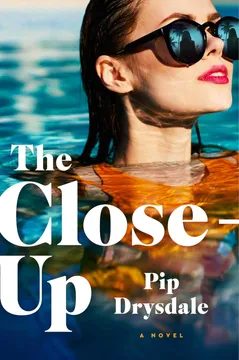


Plot Summary
Thirty, Blocked, and Broke
On her thirtieth birthday, London-born Zoe Weiss wakes to an agent questioning her latest writing idea and a father, Leonard, urging her to leave Los Angeles. Her debut thriller, Fractured, earned a large advance but sold poorly, and she has spent two years unable to finish its promised follow-up. Her job arranging flowers pays the rent, though not the life she imagined.
At the shop, her friend and boss, Vee, gives her a birthday cake and insists that she stop hiding from experience. A tarot video shows cards associated with loss and upheaval, which Zoe takes as a warning before reconsidering them as a reason to change. When Vee slips on discarded greenery and sprains her ankle, Zoe must take over a prestigious delivery.
Zoe’s crisis is not simply a shortage of ideas. She has fused creative success with proof that she deserves to remain in Los Angeles, so each blank page feels like a verdict on her identity. Vee’s advice matters because it reframes risk as participation rather than catastrophe. The tarot cards provide a convenient story for a choice Zoe already wants to make: she can call the coming upheaval fate, or admit that she is tired of protecting herself from disappointment. The ankle injury turns that private debate into an immediate practical consequence.
The Broken Ophelia
At Brian Rollingston’s gated estate, Zoe unloads flowers for an engagement brunch and is knocked down by Zach Hamilton’s two rottweilers. A prized arrangement and its white vase shatter on the gravel. Zach apologizes, then recognizes her as the woman he spent three days with before becoming a famous actor.
Brian, Zach’s manager, refuses to pay for the damaged flowers, leaving Zoe humiliated and short of a clean resolution. At her van, Zach invites her to a party, promising she might meet a producer. He sends her a nondisclosure agreement, which forbids her from sharing private information about him, and she signs. Still drawn by the possibility of a fresh start, Zoe agrees to drive him there.
The smashed arrangement is an apt material beginning: Zoe’s careful, controlled work is broken by an encounter she cannot control. Her decision to sign the agreement shows how quickly hope can make a person accept unequal terms. Zach’s invitation offers both personal temptation and professional access, blurring two desires that Zoe needs to keep separate. Brian’s anger also establishes the machinery around celebrity: a routine mishap becomes a question of liability, reputation, and who has the power to dictate what happens next.
The Party’s Bright Surface
Inside the crowded mansion, Zach takes guests’ phones for privacy and introduces Zoe to people who belong to the world she has only watched from outside. He quotes a line from The Great Gatsby they shared years earlier, reviving their old intimacy.
Then his former partner, actor Solange Grey, appears, and Zoe slips out before she has to watch them together. While she waits for her van, a blonde stranger notices her distress and asks how she knows Zach. Zach finds Zoe outside, abandons the party, and insists on going home with her.
They drink and talk with two actor friends before sleeping together. In the morning, his assistant ushers Zoe out before an appointment. A call from agent Barb forces Zoe to invent a new thriller idea based on celebrity life.
The party makes celebrity feel tangible, but not welcoming. Zoe is admitted through Zach’s influence, then left to measure herself against Solange and the room’s polished faces. His choice to follow her feels like personal recognition, yet it also deepens her dependence on an unstable source of validation. The stranger’s attention is easy to dismiss as social curiosity, a small moment that later acquires weight. Meanwhile, Zoe converts intimacy into a professional opportunity almost at once, revealing the central ethical tension: she wants Zach as a person and as material.
Before the Billboards
Years earlier, Zoe arrives in Los Angeles to revise Fractured and meets Will Simmons, an aspiring screenwriter, through a dating app. At the Bungalow, she first notices Zach, then spends months dating Will instead. On Valentine’s Day, Will rejects Zoe when she surprises him at the bar where he works. Zach comforts her outside and later helps her collect her belongings after Will ends the relationship.
They drive to Palm Springs, talk through the night, and grow close. Zach tells Zoe that Will had been unfaithful, confirming the doubts she had tried to suppress. After three days together, however, Zach leaves her apartment promising to call and never does. Zoe’s debut then struggles, and she carries the hurt into the present reunion.
This history explains why a brief reunion has such force: Zoe’s attachment began before the three days she remembers as a romance, and the unanswered ending left her with potential rather than closure. Will’s betrayal and Zach’s disappearance are different injuries, but both teach her to read another person’s attention as evidence of her own worth. The contrast also complicates her memory of Zach. He is not merely a celebrity who suddenly notices her again; he is the man whose kindness once helped her through a betrayal and whose silence prolonged it.
A Muse Returns
After returning home from Zach’s house, Zoe believes she has finally found a viable book premise and begins writing scenes from their night. She texts him to meet again, telling herself she needs research rather than romance. At his home, Zach explains the strain of performing a public self and describes the producer he had hoped to introduce at the party.
They drink, talk, and swim in his heated pool, where their old attraction takes hold again. When his dogs bark and he receives an urgent security alert, Zach suddenly sends Zoe home. The unexplained interruption troubles her, but the experience has restored her ability to write. She fills a document with the encounter, not yet knowing what story those vivid scenes will become.
For Zoe, creative recovery arrives through exposure to life rather than through technique. She has tried to imitate writers she admires, but Zach’s world supplies details and emotional friction she cannot manufacture from her apartment. That access is valuable and dangerous at once: the more vividly she writes, the more she risks turning a private relationship into professional currency. Her claim that she is only researching is a form of self-protection, not a settled boundary. The unexplained security interruption marks the first crack in the glamorous account she is building.
Fame Finds Her Address
The next morning, a gossip article identifies Zoe as Zach’s possible new partner using photographs from his pool and from her florist van. A wave of online comments mocks her, while Vee learns that Zoe has been seeing Zach and asks for an introduction. Zach does not answer Zoe’s call; his assistant instead tells her to stop contacting him.
Paparazzi soon find Zoe outside her apartment. The following morning, she discovers a large animal heart on her van windshield, matching a detail from Fractured, and receives a threatening text asking whether she would die for Zach. Someone has also posted her phone number online. TikTok readers begin buying her old novel, turning her private humiliation and fear into sudden publicity.
Publicity delivers exactly what Zoe has wanted professionally, but in a form that makes her body and private life the product. The online attention both revives her book and enlarges the pool of people who might threaten her. This is not a clean trade between exposure and success: the same article that helps readers rediscover Fractured supplies a stranger with her workplace, address, and number. Her fear is intensified by the resemblance between the threat and her fiction, so the novel begins to function as both a source of income and a map of possible harm.
Help Comes With Conditions
Zoe takes photographs of the heart and messages to Deputy Barnes at the West Hollywood station. He files a report but cannot identify a suspect or promise immediate protection. Frustrated, Zoe sends Zach the evidence; he calls her and invites her to his house, where his security consultant, Carlos Santiago, reviews the messages.
Zach says he has faced a persistent stalker who threatened his former partner, Solange, and claims the situation makes police involvement dangerous. He asks Zoe to stay at his house and rely on Carlos.
Their closeness resumes, and Zach introduces her to producer Steven, while Zoe drafts a thriller pitch based on a writer endangered by a celebrity’s fan. She accepts Zach’s help, though the explanation leaves crucial questions unanswered.
The police report offers procedure without reassurance, making Zach’s private resources feel like the only available shelter. That imbalance creates a moral trap: his assistance is genuine in the moment, but accepting it places Zoe inside a system she cannot inspect. The story she pitches to Barb begins to mirror her actual danger, converting fear into a professional opening. Writing becomes both agency and risk, because Zoe can reclaim events through narration only by making choices about whose secrets she will expose and whose trust she will use.
The Bait Behind the Cameras
As Zoe’s book idea gains shape, fellow writer Sophie announces a deal for a premise resembling an idea she once dismissed in the writers’ group. Zoe is stung, but the theft strengthens her resolve to pursue her own book. At a party at Zach’s house, she hears Carlos tell manager Brian that Zoe does not know the truth and that her public exposure could help end a continuing problem.
Zoe confronts Zach. He admits that the stalker threat is more serious than he first disclosed, including a fake video that could damage his career, but insists the team is trying to protect him and her. He asks her not to go to police. Zoe stays, partly because she trusts him and partly because the book is now her only chance.
Zoe’s decision to remain is shaped by two forms of scarcity: she fears losing a promising relationship and fears losing the second-book contract that could rescue her career. Those pressures make consent difficult to separate from desperation. Carlos’s words reveal that the public narrative may be managed for strategic purposes, while Zach’s partial confession asks Zoe to trust him without giving her enough information to assess the danger. Sophie’s appropriation echoes the same economy of extraction: in this world, intimate or creative material can be taken by whoever has the leverage to publish it.
The Woman With the Prius
Trying to understand who can reach her, Zoe researches Carlos and finds an old report about allegations of unlawful surveillance and intimidation. She also notices a white Prius at a flower delivery and photographs its owner, a blonde woman she believes she recognizes from Zach’s first party.
Carlos rejects the identification and shows Zoe an image of a different woman. At the florists’ event, Vee learns that a new acting-class partner, who used another name, has been found dead.
Zoe recognizes the woman in Vee’s photograph as the blonde from the delivery and searches her real name, Jodie Spencer. An older photograph links Jodie to Ky Walker, a bartender from Zach and Will’s past. Zoe begins to suspect that Carlos lied and that Jodie’s death is connected to Zach’s hidden history.
The book lets Zoe’s professional habit of noticing details become a survival tool, but it also makes perception unstable. She has a plausible reason to distrust Carlos, yet stress and sleep loss make her vulnerable to mistaking resemblance for certainty. Jodie’s connection to Ky changes the case from celebrity gossip into something rooted in the past, though Zoe still lacks the context to understand it. The contrast between evidence and interpretation is crucial: photographs can confirm a face, but they cannot by themselves explain motive or prove who is responsible.
The Mirror Warning
After an unknown person’s threatening texts and the unexplained blackout in her apartment building, Zoe wakes to a warning written across her steamed bathroom mirror. It resembles an event from Fractured, but the sequence is wrong: the threat arrives before the book’s next expected attack. Zoe finds her kitchen window unlatched and bags the lip gloss she believes was used to write it.
She drives to the police station to report the break-in and the evidence, but Carlos intercepts her outside and orders her to return to work. He takes the lip gloss, leaving Zoe without her strongest physical evidence. Convinced he may be tracking her phone, she hides her fears from Vee and attends the florist’s event under watch.
The mirror turns fiction into a practical danger while also attacking Zoe’s confidence in her own judgment. She has trained herself to recognize the pattern because she wrote it, yet the altered order suggests that someone is not merely copying the novel. Carlos’s intervention is chilling because it removes evidence just as Zoe tries to regain control through formal help. Her growing secrecy protects Zach’s reputation and her own access to his world, but it isolates her from Vee, the person most likely to challenge her rationalizations.
The Wrong Exit
At the event, Vee identifies Jodie as the acting student who has been found dead, confirming Zoe’s recognition of the woman at the delivery. Zoe retreats to the bathroom, checks her photographs, and realizes Carlos showed her a false image. She slips out through a service corridor, intending to reach the police without alerting him.
In the parking area, an armed figure climbs into her van, restrains her with a belt, and forces her to drive to the florist’s garage. Two kidnappers blindfold and tape her, then lock her inside the flower cooler. The man later reveals himself as Will, Zoe’s former boyfriend. His accomplice is Mary, the architect’s assistant from Zach’s house.
The escape attempt is the point at which Zoe’s suspicion becomes physically consequential. She has finally acted against the people managing her safety, but she has no reliable way to distinguish a protective escort from a threat. The kidnapping also collapses the separate worlds she has been trying to keep apart: her ex, Zach’s household, the florist’s shop, and the novel that has made her visible. The cooler is especially cruel because the setting of Zoe’s ordinary work becomes a sealed trap, turning the familiar tools of her livelihood into the scenery of a crime.
The Secret on Camera
Will uses Zach’s home security feed to show that the actor, Brian, and Carlos are debating whether to pay the ransom, go to police, or leave Zoe in danger. Their conversation confirms that they had publicized Zoe to draw Will out, though Zach says he never expected her to be kidnapped.
Mary frees Zoe briefly and explains that Will recruited her through a false romance, then blackmailed her with evidence that she had shared details of Zach’s home. Years earlier, Zach, Will, and Ky committed robberies together. During one escape, Zach struck Ky with his car and drove away. Will kept dashcam footage and has tried to extort Zach; Jodie, Ky’s fiancée, learned the truth from Mary and was killed after seeking answers.
The camera feed converts celebrity surveillance from a protective tool into an instrument of exposure, letting Zoe see how the people around her negotiate her danger as a liability. Mary’s account then revises the apparent stalker story: the threats against Zoe were not proof of Jodie’s obsession, and the central secret concerns an old crime and a cover-up. Zach’s public charm and private guilt coexist, but his choice to protect his career has already made other people expendable. Mary is culpable for helping Will, yet her coercion complicates any simple division between villain and victim.
A Gun on Mulholland
Mary tries to free Zoe again by striking Will with a vase, but he overpowers them and locks both women in the cooler. She tells Zoe that Will had planned to steal the dashcam evidence before deciding that kidnapping her for ransom would be easier. When Will releases them to record proof that he will hurt Zoe, Mary attacks him again.
He shoves her into a table, killing her, then takes Zoe in her van to a remote trail on Mulholland Drive. He removes her restraints to dispose of Mary’s body, promising to let Zoe go. Zoe recognizes the lie and attacks him when he bends down. After a brutal struggle for his gun, it fires while Will is on top of her, killing him.
Zoe survives not through a sudden transformation into an action hero but by reading Will’s behavior and waiting for a narrow opening. Her writing has trained her to track motive and consequence, yet the scene insists that observation alone cannot guarantee control. Mary’s death follows an attempt to repair the harm she helped cause, making her remorse real without erasing her responsibility. The gunshot is both a physical escape and an ethical burden: Zoe is alive, but she must now explain a death that occurred during a struggle no one else witnessed.
The Book She Leaves
A passing couple finds Zoe bloodied on the roadside and calls for help. At the scene, she tells Detective Guerrero that Will kidnapped her and that Mary tried to help before Will killed her. Police take Zoe to hospital, then place an officer outside her apartment while they investigate. With her next interview scheduled, Zoe returns to her laptop rather than surrendering the story to fear.
She realizes her scattered scenes already contain the material for a coherent novel and begins shaping them into The Close-Up. Before the narrative moves into the epilogue, Zoe is alive, under police protection, and writing. Her manuscript becomes the only record that can connect the crimes and the people who have tried to control the account.
Writing finally becomes more than a bid for fame or a way to convert heartbreak into pages. Zoe’s manuscript can preserve evidence that the official systems have not yet assembled, but it also remains an act of authorship over experiences other people have tried to script. Her decision to write while injured is not uncomplicated triumph; it reflects the pressure she has carried to make suffering count for something. The novel’s form treats narration as both testimony and risk, asking whether a person can reclaim an event without turning it into another commodity.
Epilogue
News reports first describe Zoe’s death in her apartment-complex pool as a possible consequence of injuries from the kidnapping. Her agent, Barb, has received the manuscript just hours before Zoe is found. The Close-Up gives investigators evidence that leads to Carlos Santiago’s arrest and eventual conviction for Zoe’s murder.
It also prompts police to reopen the story behind Jodie Spencer’s death and Zach’s concealed hit-and-run of Ky Walker. Zach pleads guilty, loses the next film in his franchise, and later returns to acting after a long absence. Zoe’s book is published after her death, sells widely, and is optioned for a film, giving her the success she pursued too late to see.
The epilogue turns the novel’s familiar instruments of attention, gossip headlines, comments, and public statements, into a posthumous trial. Zoe’s manuscript succeeds where private security and ordinary procedure failed because it records relationships among events that were kept separate for the sake of reputation. Yet publication cannot restore her life. The final irony is not simply that she becomes famous after death, but that her success depends on the same machinery that once exposed and endangered her. The public consumes her story, while the book also forces accountability for crimes that celebrity management had kept hidden.
Analysis
The novel examines ambition as a vulnerability, not because wanting success is foolish, but because Zoe has been taught to treat recognition as proof of personal worth. Her stalled career makes Zach’s attention feel like both romance and rescue; her publisher’s deadline makes the relationship feel like research. Those motives are emotionally understandable, yet their overlap blurs the line between intimacy and extraction. Zoe wants access to Zach’s world while Zach’s team treats her visibility as a means to manage a threat. The book repeatedly asks who gets to turn a private life into usable material, whether the answer is a novelist, a publicist, a blackmailer, or an online audience.
Its treatment of unreliable perception is similarly specific. Zoe’s profession trains her to find patterns, and Fractured supplies a ready-made sequence through which to understand the heart, messages, and mirror. That pattern helps her notice genuine danger, but it also makes fear self-reinforcing. The reader experiences the same problem: photographs and overheard remarks are concrete, while their meanings remain uncertain until other people disclose the history behind them. Suspense comes less from asking whether Zoe is imagining everything than from watching institutions exploit the fact that she cannot immediately prove what she sees.
Los Angeles functions as a system of unequal access. A party, a producer, a book deal, or a security team can appear within reach when a powerful person opens a door, but the person who enters may owe silence or become a useful public story. Vee and Sophie provide different mirrors for Zoe’s ambition: Vee insists that work requires risk, while Sophie shows how competition can make creative trust fragile. Zoe’s final act of writing is therefore neither a simple victory nor a redemption. It is an effort to preserve evidence and claim authorship, even though the epilogue reveals that publication cannot undo the danger or restore the life that produced the book.
Review Summary
The Close-Up receives mixed reviews, averaging 3.48 stars. Many readers praise its slow-burn tension, meta fictional elements, and shocking twists, particularly the unexpected epilogue. The Hollywood setting and stalker-reenacting-a-novel premise are widely appreciated as fresh and compelling. Critics, however, note the pacing drags significantly before the climax, with repetitive writing and an overly detailed narrative weighing it down. Zoe divides readers — some find her relatable and compelling, others frustrating and unlikable. Most agree the ending delivers genuine surprises, making the journey worthwhile despite its flaws.
Characters
Zoe Ann Weiss
Blocked novelist in bloomZoe is a London-born novelist living in Los Angeles, where a failed debut and an overdue second book have left her supporting herself as a florist. She is observant, self-deprecating, and hungry for recognition, but her ambition is tangled with a fear that she has already wasted her one chance. She uses books and writing to interpret experience, sometimes so intensely that imagination and evidence blur. Her relationships expose her tendency to confuse being chosen with being valued. Zoe’s central drive is not fame alone; she wants proof that her talent and sacrifices still matter, even as the costs of pursuing that proof rise.
Zach Hamilton
Movie star with a secretZach is a successful actor whose public image depends on charm, discipline, and a carefully managed private life. Before fame, he worked behind a bar and formed an intense, brief connection with Zoe. He can be attentive and emotionally open in private, which makes his silences and evasions harder for her to interpret. Zach wants to protect his career and retain some ordinary freedom, but those aims pull against his responsibility to people affected by his choices. His relationship with Zoe is marked by real warmth and unequal power, leaving her unsure whether intimacy can survive the machinery built around his reputation.
Veronica Santos
Florist and relentless actorVee is Zoe’s younger friend and boss at Venice Floristry, as well as an actor determined to find a way into the industry. She is energetic, candid, and practical about the effort required to pursue a dream without family connections. Her advice pushes Zoe toward life rather than retreat, though her confidence can shade into bluntness. Vee has been hurt by a relationship with a married man and protects herself by setting firm limits. Her friendship with Zoe combines teasing, professional trust, and genuine concern, giving Zoe a rare relationship that does not depend on fame or romantic attention.
William Simmons
Charming ex with schemesWill is Zoe’s former boyfriend, an aspiring screenwriter whose impatience, ego, and appetite for quick money were visible even when she trusted him. He presents himself as capable and socially confident, often encouraging other people to admire his plans. Zoe’s relationship with him begins as an anchor in a new city, which makes the later collapse more disorienting. Will is skilled at shaping how others see him, and his charm can make a self-serving decision look reasonable. His history with Zoe connects her present life to people and events she thought she had left behind.
Mary
Architect's watchful assistantMary assists architect Franz on projects at Zach’s home. She is young, observant, and accustomed to moving carefully through a workplace where power and access are unevenly distributed. Her job brings her into proximity with private spaces and people whose lives are carefully protected. Mary’s desire for attention and professional security influences how she responds to the people around her. Her connection to Zach’s household places her at the intersection of celebrity privacy, career ambition, and the practical knowledge that can become dangerous in the wrong hands.
Carlos Santiago
Hollywood security operativeCarlos is Zach’s security consultant, a private investigator with long experience around entertainment clients. He is controlled, observant, and efficient, asking questions in a way that can feel reassuring or interrogative depending on the circumstances. Carlos believes problems should be contained before they threaten a client’s career, a mindset that privileges discretion over transparency. His professional loyalty makes him useful to Zach, but it also places him between Zoe and the institutions she might turn to for help. He represents a world where information is leverage and protection can carry hidden costs.
Brian Rollingston
Manager guarding the brandBrian manages Zach’s career and organizes the professional machinery surrounding the actor. He is demanding, image-conscious, and quick to treat an inconvenience as a threat to a larger plan. His authority comes from knowing how studios, publicity, and contracts respond to risk. Brian is not interested in Zoe as a person at first; he sees her through the practical questions of access and reputation. His role shows how the people closest to fame can shape private decisions while describing their choices as necessary business.
Leonard Weiss
Worried father across the oceanLeonard is Zoe’s British father and her closest family tie. He worries about the dangers of Los Angeles and repeatedly urges her to come home, believing that safety and stable work should outweigh uncertain artistic ambition. His caution comes from love, but Zoe also sees in him the surrender she fears for herself. Their conversations are tenderly strained because each interprets the other’s advice through a different idea of care. Leonard offers Zoe a possible refuge, even when she experiences that refuge as a return to the life she tried to outgrow.
Barb Wallace
Agent keeping faith aliveBarb is Zoe’s literary agent, an experienced advocate who has invested time and professional credibility in her client. She has helped Zoe enter publishing and continues to press for work when the second-book deadline has long passed. Barb is supportive but not endlessly patient; publishing schedules and commercial expectations give her practical limits. Her demands sharpen Zoe’s fear of being dropped, yet they also force the writer to define what she is actually trying to make. Barb’s belief and pressure are difficult for Zoe to separate.
Felicity
Editor awaiting a manuscriptFelicity is Zoe’s publisher-side editor, who bought Fractured and helped reshape its final version. She sees potential in Zoe’s work and is willing to wait longer than the original schedule, but she expects the next novel to justify that patience. Her editorial influence contributes to Zoe’s struggle over the story and its direction. Felicity is a professional presence more than a personal confidante, embodying the gap between creative possibility and the concrete obligation to deliver a finished book.
Sophie
Rival writer with sharp edgesSophie belongs to Zoe’s writers’ group and is a similarly aged thriller writer whose criticism can arrive disguised as encouragement. She is competitive, socially polished, and careful enough with her words to leave Zoe wondering whether she has been insulted or helped. Sophie’s professional success presses on Zoe’s fear of falling behind. Their rivalry is rooted in proximity: each can imagine the career the other might have had, and their shared ambitions turn a supportive writing circle into a place where recognition feels scarce.
Greta
Writer friend and anchorGreta is the warm, encouraging member of Zoe’s writers’ group and the friend who brought her into the circle. She makes room for people’s discouragement without treating it as proof that they should quit. Her home hosts the group’s work sessions, where Zoe is often the only person without pages to share. Greta’s support is valuable because it is relational rather than transactional: she checks on Zoe, notices when something is wrong, and offers loyalty without needing access to her career or celebrity connections.
Jake Morris
Neighbor in casual orbitJake is Zoe’s downstairs neighbor, a model and occasional actor who lives through the unstable social rituals of Los Angeles. He and Zoe have an intermittent sexual relationship, but his attention is inconsistent and shared with other women. His ease with casual intimacy contrasts with Zoe’s tendency to search such encounters for meaning. Jake is not a villain; he is simply an unreliable source of reassurance. His proximity to Zoe’s apartment also makes him part of the ordinary neighborhood world that becomes entangled with her fear.
Solange Grey
Star ex under public gazeSolange is a well-known actor and Zach’s former partner. Her relationship with him has been made public and interpreted by the press, making her a symbol of the kind of glamour Zoe feels she cannot compete with. When Solange appears at the party, Zoe reacts to the visible history between them before she knows what their relationship involved. Solange has little direct contact with Zoe, but her public image shapes how Zoe understands her own desirability and place in Zach’s world.
Jodie Spencer
Acting student from Zach's pastJodie is a blonde woman Zoe encounters briefly and later recognizes through Vee’s acting class. She has a history connected to people Zach knew before fame, though Zoe initially has no way to understand its significance. Jodie is watchful and difficult for Zoe to place, partly because the encounter occurs amid a party full of strangers. Her presence links the current danger to a past that celebrity coverage has not made visible.
Ky Walker
Bartender and old colleagueKy worked behind the bar with Zach and Will before Zach became famous. He is part of their earlier social and working world, a life that appears ordinary beside the careers they later build. Ky’s connection to Jodie and his history with the two men become important to understanding the past that continues to shape the present. At first, however, he exists in Zoe’s memory as one of the bartenders she saw during her early months in Los Angeles.
Amy
Assistant managing accessAmy is Zach’s assistant, responsible for coordinating his schedule and managing the flow of people around him. She is efficient, brisk, and practiced at handling uncomfortable situations as part of a workday. Zoe encounters her at moments when private intimacy meets professional boundaries. Amy’s role illustrates how celebrity life is administered through other people, who can deliver a refusal or arrange an exit without the star having to manage the encounter himself.
Geraldine Haigh
Publicist controlling exposureGeraldine is Zach’s senior publicist, attentive to when and how his name appears in the press. She is experienced, forceful, and protective of the career strategy built around his films. Her priorities often conflict with Zoe’s desire to treat her connection with Zach as private and personal. Geraldine represents the professional layer that turns relationships into publicity risks and decides which version of a story can be made public.
Deputy Barnes
First responder to threatsDeputy Barnes takes Zoe’s initial report at the West Hollywood station. He is methodical and follows the limits of what can be established from the evidence she brings him. His cautious approach frustrates Zoe, who wants an immediate answer about who is watching her. Barnes represents the formal system’s need for documentation and corroboration, a sharp contrast with Carlos’s private, opaque methods.
Steven
Producer considering adaptationSteven is a film producer Zach hopes to introduce to Zoe. His interest could connect her writing to the screen industry she once imagined entering through her debut novel. He is a brief but consequential presence because the possibility of adaptation makes Zoe’s professional hopes feel close again. Steven’s attention also arrives inside a social world where opportunity often depends on being introduced by someone already powerful.
Franz
Architect shaping Zach's homeFranz is the architect who has worked with Zach since the actor bought his hilltop home. He arrives with his assistant, Mary, to discuss design choices and shares a professional environment with the people who manage Zach’s private spaces. His presence helps establish Mary’s access to the house and its security details. Franz is a secondary figure whose workplace behavior hints at the unequal dynamics around the celebrity household.
Andreas Murphy
Producer at Vee's eventAndreas is an established producer whom Vee once auditioned for and hopes to meet again at the florist’s event. For Vee, his presence represents a possible professional opening beyond routine auditions. He appears only briefly in Zoe’s immediate story, but his interest in the event later connects to the novel’s afterlife in film. Andreas embodies the way a single encounter can seem to offer a career-changing chance.
Rita
Practical crime writerRita is a published crime novelist in Zoe’s writers’ group. She is blunt, realistic about publishing odds, and reluctant to mistake excitement for certainty. Her experience in a television writers’ room gives her a perspective Zoe envies. Rita offers a counterweight to the group’s encouragement, though her frankness can be difficult to hear when Zoe is already doubting herself.
Tom
Gentle poet in the groupTom is a kind member of Zoe’s writers’ group who writes poetry and makes a point of including her. His warmth helps the group feel less competitive than the wider publishing world. Tom’s work is not yet widely recognized, giving him a quiet parallel with Zoe’s fear that talent may go unnoticed. He is a steady presence rather than a source of plot conflict.
Plot Devices
Fractured's story pattern
Fiction becomes a warningZoe’s debut thriller contains a sequence of stalking incidents, including a heart left on a car and messages sent to its protagonist. When similar events target Zoe, she uses the book to anticipate what might happen next. The resemblance gives her a framework for recognizing danger, but it also encourages her to interpret ambiguous events through a fictional pattern. The device binds her professional past to the present thriller and raises the question of whether she is identifying a real design or forcing life into the shape she knows how to write.
The nondisclosure agreement
Silence becomes a priceBrian sends Zoe an agreement before she enters Zach’s party, and she signs it because she hopes the evening could help her career. It restricts what she can reveal about Zach and his private life, limiting her ability to write directly about the world she wants to understand. The agreement complicates her relationship with Zach, her professional ambition, and her later attempt to seek help. Its exception for emergencies matters, but Zoe is not always sure whether an event qualifies or whether using the exception would expose Zach to consequences.
Online exposure
Publicity widens the dangerGossip sites publish photographs of Zoe with Zach, while social-media users share her name, job, book, and phone number. The coverage revives interest in Fractured and gives Zoe’s publisher a reason to demand new work, but it also makes her location and identity easier to find. TikTok readers turn the old novel into a sudden talking point. The same network that offers professional visibility becomes a channel for harassment, showing how fast attention can move from admiration to intrusion.
The tarot reading
Chance gains a storylineOn Zoe’s birthday, Vee encourages her to select a tarot video. Cards associated with sorrow, upheaval, and death unsettle Zoe, who wonders whether they predict a career ending or a major change. The reading does not cause the events that follow, but it gives Zoe a language for interpreting them. Its power lies in the way a person under pressure turns random images into permission or warning. The book leaves room for both explanations: fate may be meaningful, or Zoe may be searching for a pattern because uncertainty is harder to bear.
Private security and surveillance
Protection hides controlZach’s security operation uses gated access, controlled phone collection, camera systems, and Carlos’s investigations to manage risk. Those measures initially appear to offer Zoe safety after the police cannot identify a suspect. Later, the same secrecy makes it difficult for her to know what Carlos is doing, who is monitoring her, or whether her movements are being used to draw someone out. The device gives the thriller its central uncertainty about surveillance: being watched may protect a person, expose them, or make them easier to manipulate.
Download PDF
Download EPUB
.epub digital book format is ideal for reading ebooks on phones, tablets, and e-readers.








