

Key Takeaways
Treat depression as an illness, then rebuild the conditions that protect mood.
A life out of balance. Stephen Ilardi argues that modern routines strip away conditions that supported mental health across much of human history: nutritious food, frequent movement, daylight, social contact, engaging activity, and adequate sleep. His Therapeutic Lifestyle Change program combines these six elements rather than relying on any single one. The idea is not that depression is simply a lifestyle problem, but that daily conditions can affect vulnerability and recovery.
A hopeful clinical signal. In a University of Kansas study described in the book, the TLC group had more than three times the favorable response rate of people receiving typical community treatment. Ilardi also recounts Bill, depressed for years despite medication, who improved after adding exercise and the other lifestyle elements. The study is promising, but the author’s results do not establish a universal cure.
The integrated approach is its strongest idea: sleep, movement, social contact, and meaningful activity can reinforce one another instead of competing for attention. That resembles systems thinking, where a cluster of interacting conditions can matter more than any isolated variable. The evolutionary comparison with foraging societies makes the case memorable, but it cannot prove that modernity causes depression. Differences in diagnosis, culture, and reporting complicate the comparison. The practical value lies less in imagining a perfect ancestral life than in identifying which missing supports can realistically be restored now.
Measure recovery by symptoms, not by faith in a single treatment.
More than sadness. The book distinguishes everyday sadness from major depression, a disabling illness marked by a cluster of symptoms such as loss of interest, disrupted sleep or appetite, fatigue, difficulty concentrating, and thoughts of death. It describes depression as involving stress systems, sleep, mood, and behavior, with risk shaped by genes, life events, and earlier trauma. Ilardi cites genetic estimates of about 40 percent, while emphasizing that genes are not destiny.
Treatments vary. The book reports that older studies found full recovery with antidepressants in roughly 20 to 35 percent of patients, while cognitive therapy helped a comparable share and behavioral activation performed well in a cited trial. It also notes better medication response among people with severe depression. These figures come from the book’s era, not a complete account of current evidence. Medication and psychotherapy remain legitimate options, not failed alternatives to lifestyle change.
The distinction between a painful mood and a clinical disorder protects against both minimization and self-blame. The emphasis on measurement also fits a broader principle in medicine: treatment should be adjusted in response to observed outcomes, not assumptions about what ought to work. Yet trial percentages depend on how remission is defined, who enters a study, and how long people are followed. Averages cannot predict one person’s response. The book’s critique of medication overconfidence is useful when balanced with the equally important point that appropriate treatment is individual, and may combine therapy, medication, and practical support.
Interrupt rumination by noticing the loop and moving attention outward.
When thinking turns circular. Rumination is repetitive dwelling on distressing thoughts after useful reflection has run out. It can intensify negative feelings, keep attention turned inward, and make activity or conversation harder. Ilardi’s patient Brenda had already begun exercising, socializing, and improving her sleep, yet remained depressed. She realized she was still spending long stretches replaying worries. After practicing ways to catch and redirect the habit, her symptoms improved.
Use awareness, then action. The book suggests tracking when brooding occurs, noticing situations that invite it, and preparing absorbing alternatives. Conversation, shared tasks, games, music, or exercise can give attention somewhere else to land. Ilardi proposes limiting deliberate reflection to about five or ten minutes, then writing the concern down or shifting activities. The goal is not to ban thought, but to stop treating endless repetition as problem-solving.
This distinction is psychologically useful because introspection can feel productive even when it is only repeating the same distress. Attention is limited, and a genuinely engaging task can interrupt the feedback loop between mood and negative memory. The caution is that distraction can become avoidance: bills, conflict, or decisions do not disappear merely because attention shifts. A good test is whether reflection produces a next step. If it does, act on it. If it only produces another lap of self-criticism, redirecting attention is not denial; it is a change of strategy.
Make exercise purposeful, social, and scheduled so starting takes less effort.
Movement changes the equation. Ilardi treats aerobic exercise as a brain-active intervention, not merely a fitness accessory. He describes a study in which 156 people with depression were assigned to exercise or take Zoloft. A brisk half-hour walk three times a week produced similar short-term improvement, and the exercise group was less likely to relapse during a ten-month follow-up. The book also explains that activity can support brain chemicals and BDNF, a growth factor involved in brain health.
Design for follow-through. Rather than prescribe a gym, Ilardi recommends finding an activity that feels absorbing or useful. A walk with a friend, a game, or a trip to a destination can make exertion easier to tolerate. Put sessions in the calendar and arrange a workout partner or other accountability, since depression can make initiating action especially difficult. The book advises medical clearance before starting an exercise plan.
The key behavioral insight is that people often tolerate exertion better when it serves a purpose or carries social meaning. This connects exercise to behavioral design: changing the activity’s context can reduce the friction of getting started without demanding a sudden surge of motivation. The cited trial makes exercise worth taking seriously, but it does not show that exercise replaces medication for everyone. Health conditions, disability, time, safety, and access shape what is feasible. A useful plan is one that can be adapted, not one that turns missed workouts into another reason for self-blame.
Treat nutrition as brain support, not a stand-alone cure.
Fats have different roles. The book focuses on omega-3 fatty acids, especially EPA and DHA, which are found in fatty fish and some supplements. Ilardi argues that modern diets often provide less omega-3 relative to omega-6 than earlier diets did, and he describes possible links to brain signaling and inflammation. He cites a small study in which people who had not improved on medication did better when omega-3 was added, while also recommending attention to supplement quality and medical guidance.
Evidence is not a prescription. The book’s protocol specifies EPA and DHA amounts, but those recommendations reflect the evidence and practice available when it was written. They should not be treated as current individualized medical advice. Food choices, allergies, medications, health conditions, and supplement quality all matter. The larger lesson is to regard nutrition as one possible support within a broader plan, not as proof that depression comes from a single dietary imbalance.
The strongest contribution here is the refusal to treat the brain as separate from the body: nutrients are part of the material environment in which neural systems function. That is a valuable corrective to simplistic mind-versus-body thinking. At the same time, biological plausibility is not the same as reliable treatment effect, and findings from small supplement trials should not be generalized into a universal explanation of depression. Dietary ratios can also be difficult to translate into individual clinical needs. The sensible takeaway is to discuss nutrition with a qualified clinician while preserving access to established mental health care.
Use daylight and regular sleep to steady mood’s biological timing.
Light sets the clock. Ilardi explains that bright light helps regulate circadian rhythms, the roughly 24-hour patterns governing sleep and other bodily functions. Indoor lighting is much dimmer than daylight, and reduced winter light can contribute to seasonal affective disorder, a pattern of depression associated with particular seasons. The book describes bright-light therapy as a researched treatment, while noting that timing matters and can depend on a person’s sleep pattern.
Sleep is part of treatment. The author reports that sleep disturbance is common in depression and can both precede and accompany symptoms. He describes sleep habits such as keeping a steady wake time, reserving the bed primarily for sleep, reducing bright light at night, and limiting late caffeine. Light boxes and changes to sleep routines are not appropriate for everyone. Eye conditions, bipolar disorder, medications, and persistent sleep problems warrant professional advice.
Light and sleep offer a clear example of how environmental signals can shape biology. Regular daylight and a stable schedule give the body cues about when to be alert and when to rest, making them practical targets for routine design. The complication is that timing is not interchangeable: light at the wrong time can shift sleep in an unwanted direction, and bright-light therapy may pose risks for some people. The book’s detailed advice is therefore best treated as a reason to seek tailored guidance, not as a one-size-fits-all schedule. Daylight exposure also should not be confused with tanning or deliberate skin damage.
Schedule connection before depression persuades you to disappear.
Withdrawal feeds the spiral. Depression can make people feel like withdrawing is sensible, even when isolation leaves them with less support and more time to brood. The book argues that connection can interrupt this cycle through companionship, shared activity, and practical help. Jane, one of Ilardi’s patients, began caring for her young grandson after work. That regular contact gave her structure and a small lift in mood, helping her reconnect with other people and pursue additional changes.
Choose nourishing contact. Ilardi recommends making plans with friends and family, reconnecting with distant friends, joining groups, volunteering, or caring for an animal. He also warns that contact is not automatically helpful: harshly critical or abusive relationships can add stress, and friends can intensify each other’s distress by repeatedly dwelling on problems together. The aim is supportive connection, not socializing at any cost.
Relationships are not simply a pleasant extra in this account. They can provide structure, encouragement, and a reason to act when initiative is low. The useful distinction is between connection and mere proximity: a person can spend time with others and still feel unseen, criticized, or trapped in repetitive negative conversation. The book’s emphasis on shared activity helps make connection concrete, especially for people who find direct emotional disclosure difficult. Still, community is not equally available to everyone. Poverty, disability, caregiving, discrimination, and unsafe relationships can limit access, so recommendations should not imply that loneliness is a personal failure.
Build a relapse plan, and get clinical help when lifestyle changes fall short.
Make change measurable. The book proposes introducing the six TLC elements gradually over several weeks, tracking symptoms with a depression scale, and reviewing whether the overall trend is improving. Its schedule builds from supplements and rumination awareness toward exercise, light, social activity, and sleep habits. Ilardi suggests seeking additional help when progress is inadequate, rather than simply trying harder alone. He also stresses that medical conditions, medication effects, and other psychiatric disorders can complicate depression.
Keep care in the picture. The program is intended to complement professional assessment, and the book recommends seeing a physician before starting major changes. It does not advise stopping prescribed medication. Persistent or severe symptoms deserve clinical attention, and suicidal thoughts require immediate help from a qualified professional or emergency service. Once symptoms improve, a relapse plan can include maintaining helpful routines, noticing early warning signs, and arranging support before a crisis grows.
This is the book’s most important safeguard: a structured lifestyle program needs feedback and escalation points. Tracking symptoms can reduce reliance on vague impressions, while gradual implementation can make a demanding plan more manageable. The limitation is that the book’s timelines and improvement thresholds are its own protocol, not universal standards for judging treatment success. A person may need a different combination of care, especially with severe depression, bipolar disorder, trauma, or medical complications. The strongest reading is not “lifestyle instead of treatment,” but “daily conditions matter, and professional care helps determine what else is needed.”
Analysis
The book’s central move is to widen the unit of analysis. Depression is not presented only as a problem inside an individual mind, nor only as a chemical defect to be corrected by a pill. It is also shaped by repeated conditions: how much someone moves, sleeps, sees daylight, eats, thinks, and belongs. That systems perspective is useful because the six components can reinforce one another. A walk can provide exercise, sunlight, and company; improved sleep can make activity easier; activity can interrupt rumination and create further contact.
Its most memorable explanatory device is evolutionary mismatch. The idea that bodies carry adaptations formed under older conditions helps readers notice how indoor, sedentary, isolated routines may affect mood. But this story is a hypothesis-generating frame, not proof that modern life caused the depression epidemic. Comparisons across cultures are vulnerable to differences in diagnosis, reporting, and social conditions. Likewise, the book’s treatment statistics and supplement recommendations are tied to research available around 2010. They should not be mistaken for current consensus or individualized medical guidance.
The most durable practical insight is behavioral: when depression weakens initiative, waiting to feel motivated can preserve the very inactivity that sustains distress. Planning, accountability, small starts, and appealing activities can help convert intention into action. This overlaps with behavioral activation, a clinical approach that tests how changes in behavior affect mood, rather than requiring a person to feel better before acting.
The adaptation works best when its optimism is paired with clinical humility. Lifestyle changes can be meaningful treatment supports, but people differ in causes, severity, resources, and response. Medication, psychotherapy, medical evaluation, and urgent care all remain relevant. The book’s promise is not that a walk, supplement, or light box cures everyone. It is that everyday conditions are actionable parts of the picture, and deserve a place in a comprehensive plan.
Review Summary
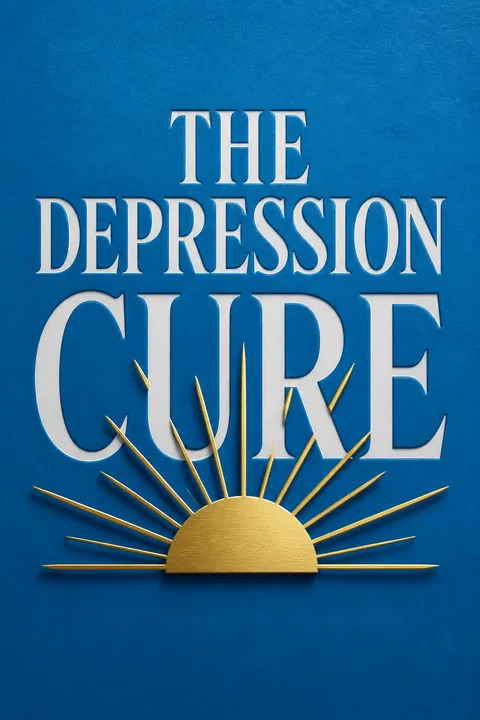
The Depression Cure offers a six-step program to combat depression through lifestyle changes. Readers appreciate the scientific approach, practical advice, and emphasis on natural remedies over medication. Many found the strategies helpful, though some criticize the oversimplification and marketing tone. The book's core content is valuable, but the framing as a "cure" is misleading. Overall, readers recommend it as a useful tool for managing depression, even if not a complete solution. The modular approach allows flexibility in implementation alongside other treatments.
People Also Read





Glossary
Therapeutic Lifestyle Change (TLC)
Six-part lifestyle treatmentThe book’s integrated approach to depression combines omega-3 nutrition, engaging activity, physical exercise, bright-light exposure, social support, and healthy sleep. It is presented as a gradual program that can be used alongside professional treatment. The author’s research is promising but does not establish TLC as a universal substitute for medication or psychotherapy.
Rumination
Repetitive negative thinkingA pattern of repeatedly revisiting distressing thoughts without reaching new understanding or a useful decision. In the book’s account, rumination can intensify negative mood, increase withdrawal, and keep stress active. Strategies include noticing when the loop begins, identifying situations that invite it, and redirecting attention toward an engaging task or conversation.
Behavioral activation
Action to counter withdrawalA psychotherapy approach that helps a person resume meaningful or rewarding activities, even when depression has reduced motivation. Rather than making positive thinking the immediate goal, it changes behavior and observes what follows. The book describes behavioral activation as a way to reduce withdrawal and rumination, and cites research comparing it with medication and cognitive therapy.
Seasonal affective disorder (SAD)
Season-linked depressive patternA pattern of depressive episodes associated with particular seasons, commonly winter, when daylight is reduced. The book links seasonal symptoms to changes in light exposure and the body’s internal timing system. It describes bright-light therapy as a treatment option, while emphasizing that timing and individual medical circumstances matter.
Slow-wave sleep
Deep restorative sleepA deep stage of sleep that the book describes as important for restoration and healthy brain and body function. It connects disrupted or reduced slow-wave sleep with fatigue, impaired concentration, and mood changes. Exercise, regular sleep routines, and appropriate light exposure are presented as possible supports for healthier sleep.
Sleep drive
Accumulating pressure to sleepThe book’s term for the body’s growing tendency to sleep as wakefulness continues. Napping, irregular wake times, stimulants, and bright light late at night can weaken or disrupt this pressure. Consistent waking and reserving the bed for sleep are presented as ways to support a more reliable sleep pattern.
FAQ
What's The Depression Cure about?
- Focus on Lifestyle Changes: The Depression Cure by Stephen S. Ilardi presents a six-step program called Therapeutic Lifestyle Change (TLC) aimed at treating depression without drugs.
- Holistic Approach: The program integrates dietary changes, physical exercise, social connections, sunlight exposure, and improved sleep to combat depression.
- Evidence-Based: Ilardi supports his claims with clinical research, showing that TLC has a higher success rate than traditional medication treatments for depression.
Why should I read The Depression Cure?
- Alternative to Medication: If you or someone you know struggles with depression and seeks non-pharmaceutical options, this book offers practical, actionable advice.
- Research-Backed Strategies: The book is grounded in scientific studies, making it a credible resource for understanding and treating depression.
- Empowerment Through Knowledge: Reading this book can empower you to take control of your mental health by implementing lifestyle changes that promote recovery.
What are the key takeaways of The Depression Cure?
- Six-Step Program: The core of the book is the TLC program, which includes omega-3 fatty acids, engaging activity, physical exercise, sunlight exposure, social connection, and healthy sleep.
- Lifestyle Over Medication: Ilardi emphasizes that lifestyle changes can be more effective than medication for many individuals suffering from depression.
- Addressing Modern Life: The book discusses how modern lifestyles contribute to the depression epidemic and how returning to more natural, active ways of living can help restore mental health.
What is Therapeutic Lifestyle Change (TLC) in The Depression Cure?
- Definition of TLC: TLC is a comprehensive program designed to treat depression through lifestyle modifications rather than medication.
- Components of TLC: The six components include dietary omega-3s, regular physical activity, exposure to sunlight, social engagement, and healthy sleep patterns.
- Holistic Healing: TLC aims to address the underlying causes of depression by promoting a healthier lifestyle that aligns with our biological needs.
How does diet affect depression according to The Depression Cure?
- Importance of Omega-3s: The book highlights the role of omega-3 fatty acids in brain health, noting their essential role in mood regulation.
- Dietary Imbalance: Ilardi explains that the modern diet is often high in omega-6 fatty acids and low in omega-3s, contributing to mood disorders.
- Practical Dietary Changes: The author provides recommendations for incorporating more omega-3-rich foods, such as fish, nuts, and seeds, into your diet.
What role does exercise play in combating depression in The Depression Cure?
- Antidepressant Effects of Exercise: Ilardi discusses how regular physical activity can significantly reduce symptoms of depression.
- Recommended Activities: The book suggests engaging in aerobic exercises, such as brisk walking, swimming, or cycling, for at least 90 minutes a week.
- Social and Enjoyable: Exercise can be more effective when it is social and enjoyable, enhancing motivation and adherence to an exercise routine.
How does sunlight exposure impact mental health according to The Depression Cure?
- Connection to Serotonin: The book explains that exposure to bright light, especially sunlight, stimulates serotonin production in the brain.
- Body Clock Regulation: Adequate sunlight helps regulate the body’s internal clock, improving sleep patterns and energy levels.
- Light Therapy: For those who cannot get enough natural sunlight, Ilardi recommends using light therapy boxes as an effective alternative.
What are the symptoms of depression discussed in The Depression Cure?
- Core Symptoms: Ilardi outlines nine core symptoms of major depressive disorder, including depressed mood, loss of interest, and sleep disturbances.
- Diagnosis Criteria: To be diagnosed with depression, a person must experience at least five symptoms for most of the day, nearly every day, for two weeks.
- Understanding Depression: Recognizing these symptoms is crucial for seeking appropriate help and treatment.
What are some effective strategies for breaking the rumination habit in The Depression Cure?
- Increase Awareness: The first step is to become aware of when you are ruminating by keeping a log of your thoughts and feelings.
- Redirect Focus: Actively redirect your attention to engaging activities, such as socializing or exercising, once you notice rumination.
- Set Time Limits: Allow yourself a set amount of time to ruminate before consciously shifting your focus to feel more in control.
How does The Depression Cure address sleep issues?
- Healthy Sleep Habits: The book outlines habits for improving sleep quality, such as using the bed only for sleep and maintaining a consistent schedule.
- Importance of Sleep: Ilardi emphasizes that adequate sleep is crucial for emotional well-being and can significantly impact depressive symptoms.
- Strategies for Overcoming Insomnia: Practical tips include avoiding bright light at night and limiting caffeine intake to improve sleep quality.
How can I implement the TLC program from The Depression Cure?
- Start with Supplements: Begin by incorporating omega-3 supplements and a multivitamin into your daily routine.
- Schedule Regular Exercise: Plan for at least three sessions of aerobic exercise each week, choosing activities you enjoy.
- Focus on Social Connections: Make an effort to connect with friends and family regularly to maintain important relationships.
What are the best quotes from The Depression Cure and what do they mean?
- “Depression is beatable.”: This quote encapsulates the book's central message that with the right lifestyle changes, individuals can overcome depression.
- “The way we live can powerfully affect the way we feel.”: This highlights the connection between lifestyle choices and mental health.
- “Exercise is medicine.”: This phrase underscores the therapeutic benefits of physical activity in treating depression.
Download PDF
Download EPUB
.epub digital book format is ideal for reading ebooks on phones, tablets, and e-readers.








