Plot Summary
Diagnosis: A Family Shattered
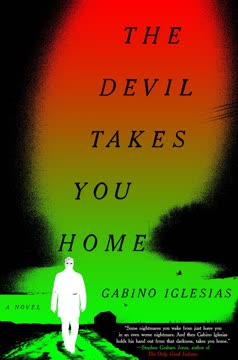
Mario and Melisa's world collapses when their four-year-old daughter, Anita, is diagnosed with leukemia. The hospital's sterile hope is quickly replaced by the cold reality of statistics and racial disparities in healthcare. Mario's sense of foreboding, a gift from his troubled mother, fails him for the first time. As Anita's health deteriorates, the family's financial and emotional reserves are drained. Mario's faith, once a comfort, becomes a silent void. The couple clings to each other and to prayer, but the weight of fear and helplessness isolates them, setting the stage for desperate choices. The diagnosis is not just a medical event—it is the catalyst that fractures their lives and exposes the fault lines of love, faith, and survival.
Prayers, Poverty, and Despair
As Anita's illness progresses, Mario and Melisa are battered by mounting medical bills and the loss of Mario's job. Their prayers become more frantic, their rituals more desperate, but the silence from God is deafening. Melisa turns to folk remedies and religious symbols, while Mario's anger festers. The couple's unity erodes under the pressure of poverty and grief, and their conversations become laced with blame and bitterness. The American Dream, once a distant hope, now feels like a cruel joke. Mario's sense of masculinity and purpose is undermined by his inability to provide or protect, and Melisa's faith is tested to its breaking point. The family's suffering becomes a microcosm of systemic injustice and the randomness of fate.
The First Kill
With no options left, Mario turns to Brian, an old acquaintance now deep in the criminal underworld. Offered a contract killing for quick cash, Mario rationalizes the act as a necessary evil to save his daughter. The murder is both horrifying and strangely exhilarating, awakening a dormant violence within him. The aftermath is surreal—Mario is haunted by visions and guilt, but also by a sense of power. The world does not end; instead, it becomes more dangerous and unpredictable. The killing marks Mario's irreversible entry into a world where morality is fluid and survival demands sacrifice. The boundaries between victim and perpetrator, justice and revenge, begin to blur.
Anita's Death and Aftermath
Anita's death devastates Mario and Melisa, leaving them hollowed by guilt and rage. Their marriage, already strained, collapses under the weight of mutual blame and unresolved sorrow. The loss of their daughter becomes an unhealing wound, infecting every memory and interaction. Mario's anger turns inward and outward, fueling self-destruction and violence. Melisa withdraws, seeking solace in her own pain. The world becomes a cold, indifferent place, and the couple's love curdles into resentment. The death of their child is not just a personal tragedy—it is the death of hope, faith, and the future they once imagined.
Marriage in Ruins
In the aftermath of Anita's funeral, Mario and Melisa's relationship unravels completely. A moment of physical violence—Mario accidentally injuring Melisa during an argument—becomes the final rupture. Melisa leaves, taking with her the last vestiges of family and stability. Mario is left alone, haunted by memories and failures. The home, once filled with Anita's laughter, becomes a mausoleum of regret. Mario's descent into addiction and criminality accelerates, as he seeks oblivion in drugs and violence. The loss of his wife and daughter becomes the defining trauma of his existence, shaping every choice that follows.
Descent into Violence
Mario, now untethered from family and morality, becomes a contract killer for Brian's criminal network. Each murder is justified as retribution against evil men, but the line between necessity and pleasure blurs. Violence becomes both a coping mechanism and a form of revenge against a world that has taken everything from him. Mario's visions and premonitions intensify, blurring the boundaries between reality and the supernatural. The ghosts of his past—Anita, Melisa, his mother—haunt him, but so do the ghosts of those he kills. The cycle of violence is self-perpetuating, offering neither redemption nor escape.
The Devil's Bargain
Brian introduces Mario to Juanca, a cartel insider with a plan to rob a Sinaloa cartel money transport. The job promises a life-changing payout, enough to erase debts and start anew. The plan is dangerous and complex, involving betrayal, violence, and supernatural protection. Juanca's motives are personal—revenge for his murdered brother—and his connections run deep into the cartel's hierarchy. The trio, joined by Juanca's pregnant girlfriend Stephanie, form a fragile alliance. The heist is not just about money; it is about reclaiming agency, dignity, and a future stolen by poverty and loss.
The Milagrito's Sacrifice
Before the heist, the crew seeks protection from El Milagrito, a disabled child whose body parts are sold as talismans. The ritual is brutal—a toe is severed as a powerful charm. The scene exposes the intersection of faith, exploitation, and violence in the borderlands. The child's suffering is both a commodity and a symbol of the community's desperation. The ritual blurs the line between miracle and atrocity, highlighting the ways in which hope is commodified and pain is normalized. The crew leaves with the toe, believing it will shield them from harm, but the cost is another layer of complicity in a world built on sacrifice.
Road to Juárez
The journey to Juárez is both a physical and psychological crossing. The crew navigates cartel politics, supernatural warnings, and their own haunted pasts. Encounters with racism, poverty, and violence underscore the precariousness of their existence. The border is not just a line on a map—it is a liminal space where identities, loyalties, and realities blur. The crew's camaraderie is tested by suspicion and fear, as each man contemplates betrayal and survival. The road is littered with omens and memories, and the destination promises both riches and damnation.
The Crocodile Pit
In Juárez, the crew meets Don Vázquez, the cartel boss, and witnesses a gruesome ritual involving crocodiles and a witch. A traitor is disemboweled and fed to the beasts, while a bruja (witch) is forced to consume the Milagrito's toe and regurgitate a protective charm. The scene is a grotesque fusion of cartel justice, folk religion, and supernatural horror. The message is clear: power is maintained through fear, spectacle, and the manipulation of belief. The crew receives the witch's blessing, but the cost is another descent into moral and metaphysical darkness.
The Witch's Blessing
The bruja's ritual, involving the regurgitation of a mysterious substance, marks the crew as protected by forces beyond their understanding. The blessing is both a comfort and a curse, binding them to the cartel's world of violence and magic. The boundaries between the living and the dead, the natural and the supernatural, become increasingly porous. Mario's visions intensify, and the sense of being watched by both angels and devils grows. The blessing is not a guarantee of safety, but a reminder that survival in this world requires alliances with powers both seen and unseen.
The Cartel's Plan
The crew meets with American gunrunners, prepares weapons, and finalizes the plan to ambush the cartel's money transport. Tensions rise as trust erodes—Brian's addiction worsens, Juanca's thirst for revenge becomes more apparent, and Mario's paranoia grows. The plan is complicated by the presence of supernatural threats in the tunnels beneath the border, as well as the ever-present danger of betrayal. Each man is driven by his own ghosts—lost family, failed dreams, and the hope of redemption. The heist becomes a crucible in which their true natures are revealed.
Tunnels and Creatures
The crew traverses cartel tunnels infested with monstrous, otherworldly creatures. The journey is claustrophobic and terrifying, a descent into the bowels of the earth and the subconscious. The creatures are both a physical threat and a metaphor for the darkness that has taken root in each man's soul. The tunnels are a borderland between worlds, where the rules of reality are suspended and survival depends on violence, cunning, and luck. The experience leaves the crew shaken and further bonded by shared trauma.
The Heist Unleashed
The ambush unfolds in chaos—gunfire, betrayal, and the unleashing of Rodolfo, a revenant created by the bruja's magic. The cartel guards are slaughtered in a frenzy of bullets and supernatural violence. The crew's protection holds, but the cost is immense—innocence is lost, and the line between human and monster is obliterated. The aftermath is a tableau of carnage, with messages left for the cartel in the form of mutilated bodies and pinned photographs. The heist is both a success and a damnation, marking the survivors as forever changed.
Blood and Betrayal
With the money secured, paranoia consumes the crew. Juanca warns Mario that Brian plans to kill him for a larger share. The alliance fractures, and Mario, driven by fear and survival instinct, kills Brian—only to realize too late that Brian was unarmed. The act is both self-defense and murder, a final severing of trust and humanity. Guilt and relief war within Mario, as he confronts the reality that survival in this world requires the sacrifice of conscience and friendship.
Ghosts and Guilt
Mario returns home, burdened by the weight of his actions and the ghosts of those he has lost and killed. The money, once a symbol of hope, becomes a reminder of everything he has sacrificed. Visions of Anita, Melisa, and Brian torment him, blurring the line between memory and haunting. Attempts at redemption—returning money to Brian's widow, seeking forgiveness—are met with betrayal and violence. The cycle of loss and vengeance is unbroken, and Mario is left alone, wounded and dying, with only the hope of reunion with his daughter in the afterlife.
The Final Reckoning
In a final twist, Mario is betrayed by Juanca and Stephanie, who conspired to orchestrate Brian's death and claim the money. Shot and left to die, Mario reflects on the futility of his quest for redemption and the inevitability of betrayal in a world ruled by violence and desperation. The story ends with Mario, bleeding out on the floor, haunted by visions of Anita and the possibility of peace in death. The cycle of violence is complete, and the price of survival is revealed to be everything he once held dear.
The Price of Survival
The narrative closes with Mario's realization that in the pursuit of survival and hope, he has become both victim and perpetrator, haunted by guilt and loss. The money, the violence, the betrayals—all are revealed as futile attempts to fill the void left by Anita's death. The borderlands, both literal and metaphorical, are spaces of transformation, where love and hope are consumed by the demands of survival. Mario's final moments are a meditation on the cost of living in a world where the devil takes you home, and the only redemption is found in letting go.
Characters
Mario
Mario is the novel's protagonist, a working-class Latino father whose life is upended by his daughter's illness and death. His love for Anita and Melisa is profound, but his inability to protect or provide for them drives him to despair and violence. Mario's psychological landscape is shaped by trauma, guilt, and a sense of powerlessness. His descent into contract killing is both a rebellion against fate and a surrender to the darkness within. Mario's visions and premonitions blur the line between reality and the supernatural, reflecting his fractured psyche. His relationships—with Melisa, Brian, Juanca, and the ghosts of his past—are marked by longing, betrayal, and the search for redemption. Mario's arc is a tragic exploration of how love, loss, and violence can transform a man into both monster and martyr.
Melisa
Melisa is Mario's wife and Anita's mother, a woman of deep faith and resilience. Her love for her family is unwavering, but the trauma of Anita's illness and death shatters her spirit. Melisa's coping mechanisms—prayer, ritual, and eventually withdrawal—reflect her desperation and isolation. The collapse of her marriage is both a result of and a response to her grief. Melisa's absence haunts Mario, representing both the life he has lost and the hope he cannot reclaim. Her character embodies the silent suffering of those left behind by tragedy, and her final separation from Mario is a testament to the irreparable damage wrought by loss.
Anita
Anita is the heart of the story, a vibrant child whose illness and death catalyze the novel's events. Her innocence and joy are contrasted with the brutality of her fate, making her loss all the more devastating. Anita's presence lingers throughout the narrative, haunting Mario's dreams and memories. She symbolizes both the fragility of life and the enduring power of love. Anita's death is the wound that never heals, driving Mario's descent into violence and his quest for meaning in a world that has taken everything from him.
Brian
Brian is Mario's old acquaintance turned criminal partner, a white meth addict whose desperation mirrors Mario's own. Brian is both a catalyst and a cautionary figure—his offers of work and drugs draw Mario deeper into the underworld, while his addiction and instability foreshadow betrayal. Brian's relationship with Mario is complex, marked by moments of genuine camaraderie and deep mistrust. His ultimate fate—killed by Mario in a moment of paranoia and fear—underscores the corrosive effects of violence and the impossibility of trust in a world ruled by survival.
Juanca
Juanca is a cartel insider driven by the murder of his brother Omar. His knowledge of the criminal world and his connections make him both a valuable ally and a dangerous wildcard. Juanca's motivations are deeply personal—revenge, loyalty, and the hope of escape. His relationship with Mario is fraught with suspicion, camaraderie, and mutual recognition of shared trauma. Juanca's willingness to embrace violence and the supernatural reflects his own brokenness. His final betrayal of Mario reveals the limits of trust and the pervasiveness of self-interest in the borderlands.
Stephanie
Stephanie is Brian's girlfriend, pregnant and seemingly innocent, but ultimately revealed as a co-conspirator in Mario's downfall. Her vulnerability and beauty mask a capacity for violence and betrayal. Stephanie's relationship with Brian is shaped by addiction, hope, and desperation. Her alliance with Juanca in orchestrating Mario's death is a final twist, exposing the depths of duplicity and the lengths to which survival will drive even the most sympathetic characters.
Don Vázquez
Don Vázquez is the enigmatic leader of the Juárez cartel, a figure who blends charisma, brutality, and supernatural authority. His rituals—feeding traitors to crocodiles, employing witches—underscore his mastery of both fear and faith. Don Vázquez's interactions with Mario and Juanca are marked by a chilling blend of paternalism and menace. He represents the inescapable power structures of the borderlands, where violence, belief, and survival are intertwined. His philosophical musings on death and the devil frame the novel's exploration of morality and fate.
La Reina (Jessica)
La Reina is Don Vázquez's trusted lieutenant, a trans woman whose strength, intelligence, and ruthlessness command respect in a world hostile to difference. Her relationship with Juanca is shaped by shared loss and loyalty—she loved Omar, Juanca's brother. La Reina's presence challenges stereotypes and exposes the complexities of identity in the borderlands. Her role as both enforcer and confidante highlights the ways in which marginalized individuals navigate and subvert systems of power.
El Milagrito
El Milagrito is a disabled boy whose body is harvested for talismans, believed to offer supernatural protection. His suffering is both a commodity and a communal ritual, exposing the intersections of faith, desperation, and violence. El Milagrito's presence is a haunting reminder of the costs of survival in a world where miracles are bought with pain. He embodies the blurred boundaries between victim and savior, innocence and sacrifice.
Gloria (The Witch)
Gloria is the witch employed by Don Vázquez, a woman mutilated to control her dangerous abilities. Her rituals—consuming and regurgitating charms, animating the dead—are both terrifying and awe-inspiring. Gloria's character blurs the line between human and monster, victim and perpetrator. She is both a tool of the cartel and a force beyond their control, embodying the novel's themes of faith, fear, and the supernatural.
Plot Devices
Blurring of Reality and Supernatural
The novel employs a narrative structure that seamlessly blends gritty noir realism with elements of horror and magical realism. Mario's visions, the rituals of El Milagrito and Gloria, and the presence of monstrous creatures in the tunnels all serve to destabilize the boundaries between the natural and the supernatural. This blurring reflects the psychological fragmentation of the characters and the liminality of the borderlands. Foreshadowing is achieved through omens, dreams, and the recurrence of symbols—boats, angels, devils, and blood. The use of first-person narration immerses the reader in Mario's subjective experience, heightening the sense of uncertainty and dread. The structure of the heist—a classic crime plot—is subverted by the intrusion of supernatural forces and the inevitability of betrayal. The novel's pacing alternates between moments of explosive violence and introspective reflection, mirroring the characters' oscillation between action and paralysis. The final twist—Mario's betrayal and death—fulfills the narrative's foreshadowing of doom and the inescapability of fate.
Analysis
The Devil Takes You Home is a searing exploration of the human cost of poverty, racism, and systemic injustice in the borderlands of Texas and Mexico. Through Mario's journey from desperate father to haunted killer, the novel interrogates the ways in which love, faith, and hope are weaponized and commodified in a world ruled by violence. The blurring of reality and the supernatural reflects the psychological fragmentation wrought by trauma and loss, while the rituals of faith—prayer, sacrifice, and magic—underscore the enduring human need for meaning in the face of suffering. The novel's depiction of the border as both a literal and metaphorical space of transformation highlights the fluidity of identity, morality, and reality in a world where survival demands the ultimate sacrifice. The final message is both bleak and redemptive: in a world where the devil takes you home, the only hope lies in the recognition of shared suffering and the possibility of forgiveness, even as the cycle of violence continues. The story is a powerful meditation on the price of survival, the limits of redemption, and the enduring power of love and loss.
Last updated: