Plot Summary
Demon in the Shadows
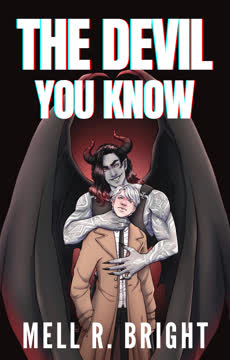
In a near-future Los Angeles, Jon Shaw, known as the White Exorcist, operates in the city's underbelly, hunting demons that have crossed into the human world. The city is a hotbed of demonic activity, with rituals gone wrong and desperate people making deals for power. Jon's methods are unorthodox, and he's shunned by the official State Exorcists, but his reputation for results is unmatched. He's called to clean up after a botched summoning, revealing the city's growing dependence on demonic bargains and the government's inability to control the chaos. Jon's own body and soul bear the scars of his past, and his connection to the demonic is deeper than anyone suspects. The world he inhabits is one where the line between hunter and hunted, human and monster, is perilously thin.
A Child's Betrayal
Jon's story begins with a childhood marked by neglect and longing for affection. On his seventh birthday, his mother lures him into a ritual, sacrificing him in a desperate bid for power. The trauma of betrayal opens a wound deep enough for a powerful demon to possess him. The demon, drawn by Jon's pain, takes over, killing his family in a night of horror. Jon survives, but the massacre becomes infamous, and he is left alone, haunted by the voice of the demon within. This formative betrayal shapes Jon's psyche, instilling a wariness of love and a hunger for connection that will echo throughout his life. The world, meanwhile, is only beginning to understand the true nature of the demonic threat.
Possession and Power
Growing up possessed, Jon learns to coexist with the demon inside him. The demon is not a mindless beast but a cunning, ancient entity who bides his time, waiting for Jon's body to mature enough to contain his full power. Jon's mutations—white hair, pale skin, and hidden horns—mark him as different, but he hides them from the world. The demon becomes both jailer and protector, teaching Jon about the nature of Hell and the mechanics of possession. As Jon grows, so does his strength, and the demon's influence becomes both a curse and a source of survival. The world outside adapts to the new reality, with exorcists trained to fight the rising tide of possessions, but Jon's struggle remains deeply personal.
The Devil's Companion
Jon's adolescence is marked by isolation and the constant presence of his demon. He is sent to a boarding school, where he experiences fleeting happiness in the form of friendship and first love, only to be betrayed and abused once again. The demon lends Jon strength to defend himself, blurring the line between victim and monster. Each act of violence, each betrayal, deepens Jon's soul wound, making him both more vulnerable and more powerful. The demon's companionship is a double-edged sword—offering protection but also feeding on Jon's pain and loneliness. The world's response to the demonic threat grows more militarized, but Jon's battle remains internal, a war for control over his own body and fate.
City of Sin
As an adult, Jon carves out a life as a rogue exorcist in Los Angeles, a city teeming with demonic activity. He is aided by Leo, a streetwise assistant, and haunted by the memory of his demon. The city's underworld thrives on the trade of demonic power, with gangs, traders, and even the government complicit in the chaos. Jon's reputation brings him into contact with powerful allies and enemies, including Willa, a State Exorcist addicted to the dangerous drug Angels' Tears. The city's decadence and desperation mirror Jon's own internal struggles, and every exorcism is a reminder of the thin barrier between salvation and damnation. Amidst the chaos, Jon searches for answers about the mysterious gate between worlds.
The Hybrid's Cage
Jon's hunt leads him to the Deep Market, an underground den of demonic vice, where he encounters Azeroth, a rare hybrid—an incubus who has fully taken over his human host. Azeroth is caged and exploited, his power both feared and desired. Jon recognizes in Azeroth a kindred spirit: both are outcasts, shaped by trauma and possession. A dangerous bargain is struck—Jon will free Azeroth in exchange for help finding the gate of Hell. Their alliance is fraught with tension, desire, and mutual recognition of the monster within. Azeroth's knowledge of Hell and his unique abilities make him both a valuable ally and a constant temptation, challenging Jon's control and self-perception.
Deals with Devils
To free Azeroth, Jon must negotiate with the ruthless demonic traders who control the Deep Market. The deal is costly, requiring Jon to trade captured demons and risk open conflict. The transaction is a microcosm of the world's moral decay—power is bought and sold, and the value of a soul is measured in currency and leverage. Jon's willingness to make deals with devils, literal and figurative, reflects his pragmatic approach to survival and his growing acceptance of his own darkness. Azeroth's freedom marks a turning point, as the two form a partnership that is as much about mutual need as it is about shared purpose. Together, they set out to uncover the truth behind the gate and the coming invasion.
The Exorcist's Past
Jon's past as a State Exorcist is revealed, including his training on Ketron Island and his complicated relationship with Robb, his former mentor and friend. The exorcist's life is one of constant danger, addiction, and moral compromise. Robb's descent into addiction and captivity mirrors Jon's own struggles, and their reunion is fraught with unresolved guilt and betrayal. The past is never truly buried, and Jon must confront the consequences of his actions and the choices that shaped him. The exorcists' methods—brutal, desperate, and often inhumane—highlight the cost of fighting monsters: one risks becoming a monster oneself. Jon's journey is as much about redemption as it is about survival.
The Light Bearer's Secret
The true nature of Jon's demon is revealed: he was possessed by Lucifer, the Light Bearer, the original traveler between worlds. Lucifer's presence explains Jon's unique abilities and the depth of his mutations. The relationship between Jon and Lucifer is complex—part adversarial, part paternal, and ultimately symbiotic. Lucifer's love for Earth and humanity, his rivalry with Abaddon, and his history with other demons like Lilith and Azeroth, all converge to shape the coming conflict. Jon's eventual devouring of Lucifer's soul grants him immense power but also leaves him profoundly alone, carrying the weight of centuries of memories and the burden of being both savior and monster.
The Carver's Descent
Robb's story unfolds as he is rescued from captivity, broken by addiction to Angels' Tears and haunted by the demon queen Lilith. His transformation into a hybrid mirrors Jon's own journey, and their friendship is tested by old wounds and new realities. Robb's struggle to reclaim his humanity, even as he is possessed by one of Hell's most powerful and unpredictable demons, highlights the cost of survival in a world at war with itself. The exorcists' reliance on dangerous drugs, their willingness to sacrifice hosts, and their moral ambiguity are laid bare. Robb's redemption is hard-won, and his alliance with Jon and Azeroth is forged in shared suffering and mutual need.
The Gate's Location
Through a combination of demonic memories and investigation, Jon and his allies discover the location of the gate between Earth and Hell: beneath the Devil's Tower in Wyoming, the site of an old mining disaster and cult activity. The gate is a literal and metaphorical wound, created by sacrifice and sustained by ongoing rituals. Its existence explains the surge in possessions and the increasing power of Hell's armies. The revelation sets the stage for a final confrontation, as Jon, Azeroth, and Robb race against time to prevent Abaddon and his followers from unleashing an unstoppable invasion. The stakes are nothing less than the survival of humanity and the fate of two worlds.
The Vault Breached
To stop the invasion, Jon and his team must access a secret government vault where powerful demons are stored in Eames vessels. The vault, hidden on an island, is under siege by demonic forces. The breach is chaotic and costly, with many exorcists killed and the vault flooded. Jon and Robb risk everything to retrieve the vessels containing the generals of Hell, hoping to extract the information needed to close the gate. The operation is a desperate gamble, highlighting the fragility of human defenses and the relentless cunning of their enemies. The cost of victory is high, and the line between heroism and monstrosity grows ever thinner.
The Battle for Hulett
The final battle takes place beneath the Devil's Tower, as Jon, Azeroth, and Robb confront Abaddon and his demonic horde. The gate is open, and monsters pour into the world. The fight is brutal and desperate, with each character pushed to their limits. Jon's unique powers, inherited from Lucifer, are unleashed in full, turning the tide but at great personal cost. Azeroth's loyalty and love are tested as he faces the loss of his wings and the threat of annihilation. Robb, possessed by Lilith, finds redemption in the chaos. The battle is both physical and spiritual, a reckoning for all the choices and sacrifices that led them here.
The Devourer of Souls
In the aftermath, Jon is transformed—no longer merely human, but a being who has devoured the soul of Lucifer and carries the legacy of both angel and demon. His relationship with Azeroth deepens, becoming a source of healing and acceptance. Robb, changed by his possession and survival, finds a new purpose. The world is forever altered, with demons now a permanent part of the landscape. Jon's role as the Devourer of Souls is both a blessing and a curse, offering hope for humanity but also marking him as an eternal outsider. The story ends with a fragile peace, hard-won love, and the knowledge that the battle between worlds is never truly over.
Love Among Monsters
Amidst the chaos and violence, Jon and Azeroth's relationship becomes a sanctuary. Their intimacy is both physical and emotional, a place where they can be vulnerable and whole. The love between a human-devil hybrid and an incubus is fraught with danger and temptation, but it is also redemptive. Through each other, they find acceptance for their monstrous natures and the wounds that shaped them. Their bond is a testament to the possibility of love in a world defined by betrayal and violence. It is a love that defies the boundaries of species, morality, and fate.
The Gate of Hell
The gate beneath the Devil's Tower is not closed, but contained. Its presence is a constant reminder of the fragility of the barrier between worlds. Scientists and exorcists monitor the site, but the threat of invasion remains. Jon, now a being of immense power and experience, dedicates himself to protecting humanity from the ongoing demonic threat. The world has changed, and the old certainties are gone. The story ends with a sense of hard-won hope, tempered by the knowledge that the struggle between light and darkness is eternal, and that the greatest battles are often fought within.
The Final Sacrifice
In the end, Jon's journey is one of sacrifice—of innocence, love, and even his own soul. He carries the legacy of Lucifer, the scars of betrayal, and the hope of redemption. The world he helped save is imperfect, but worth fighting for. The bonds he forges—with Azeroth, Robb, Leo, and others—are the true measure of his victory. The story closes on a note of bittersweet triumph, as Jon embraces his role as both monster and savior, ready to face whatever new horrors and wonders the future may bring.
Characters
Jon Shaw
Jon is the protagonist, a man marked by trauma, betrayal, and possession. As a child, he is sacrificed by his mother, opening him to possession by Lucifer, the Light Bearer. This formative wound shapes his psyche—he is wary of love, desperate for connection, and deeply self-reliant. Jon's journey is one of survival, adaptation, and eventual acceptance of his monstrous nature. He is both hunter and hunted, exorcist and possessed, human and something more. His relationships—with his demon, with Azeroth, with Robb—are fraught with longing and pain, but also offer the possibility of redemption. Jon's development is a study in resilience, the cost of power, and the search for belonging in a world that fears and needs him.
Azeroth
Azeroth is a rare hybrid, an incubus who has fully taken over his human host. Caged and exploited in the Deep Market, he is freed by Jon and becomes his partner in the fight against Hell. Azeroth is seductive, powerful, and deeply lonely—a creature of desire who craves connection as much as pleasure. His relationship with Jon is transformative, offering both of them a chance at healing and acceptance. Azeroth's past is intertwined with Lucifer's, and his loyalty is tested by love, loss, and the demands of survival. He is both monster and companion, a being who challenges Jon's self-perception and helps him embrace his true nature.
Lucifer (The Light Bearer)
Lucifer is the original traveler between worlds, the demon who possesses Jon as a child. His presence is both a curse and a source of wisdom, shaping Jon's abilities and worldview. Lucifer's love for Earth and humanity, his rivalry with Abaddon, and his complex relationships with other demons (notably Lilith and Azeroth) drive much of the story's mythology. Ultimately, Lucifer allows Jon to devour his soul, granting him immense power but also leaving him profoundly alone. Lucifer is both adversary and guardian, a figure whose legacy is felt long after his apparent demise.
Robb Warden (The Carver)
Robb is Jon's former mentor, a State Exorcist whose descent into addiction and captivity mirrors Jon's own struggles. Possessed by Lilith, the demon queen, Robb becomes a hybrid, forced to confront his own darkness and the consequences of his actions. His relationship with Jon is fraught with guilt, betrayal, and eventual reconciliation. Robb's journey is one of hard-won redemption, as he fights to reclaim his humanity and find purpose in a world that has left him behind. His alliance with Jon and Azeroth is forged in shared suffering and mutual need.
Leo
Leo is Jon's self-appointed assistant, a streetwise young man from Skid Row. His admiration for Jon borders on hero worship, and his determination to help often puts him in danger. Leo represents the possibility of innocence and hope in a world defined by cynicism and violence. His loyalty and kindness offer Jon a glimpse of the life he might have had, and his presence grounds the story in the everyday struggles of ordinary people. Leo's development is a testament to the power of found family and the importance of small acts of courage.
Willa
Willa is a State Exorcist who relies on the dangerous drug Angels' Tears to survive her encounters with demons. She is one of the few official exorcists who respects Jon's methods, and their relationship is marked by mutual respect and shared trauma. Willa's addiction and eventual decline highlight the cost of fighting monsters and the failure of institutions to protect their own. She is a tragic figure, a reminder of the human toll of the ongoing war with Hell.
Lilith
Lilith is a powerful demon, queen of the Chasm and former lover of Lucifer. She possesses Robb, turning him into a hybrid and challenging his control. Lilith is unpredictable, passionate, and fiercely independent—a force of chaos who refuses to be tamed or controlled. Her relationship with Lucifer and Azeroth adds depth to the story's mythology, and her presence in Robb's body is both a curse and a source of strength. Lilith embodies the dangers and allure of the demonic, and her influence is felt long after her initial appearance.
Abaddon
Abaddon is the primary antagonist, the ruler of the Chasm and leader of Hell's armies. His ambition to conquer Earth and his rivalry with Lucifer drive the central conflict. Abaddon is a figure of immense power and cruelty, a being who commands loyalty through fear and violence. His eventual defeat at Jon's hands is both a personal and cosmic victory, but his legacy endures in the ongoing threat of invasion. Abaddon represents the darkness that must be confronted, both in the world and within oneself.
Tina
Tina is the owner of the diner where Jon lives, a figure of stability and kindness in a chaotic world. She offers Jon sanctuary and support, never judging him for his past or his nature. Tina's presence is a reminder of the importance of community and the possibility of goodness amidst darkness. She is a surrogate mother, a confidante, and a symbol of the world Jon is fighting to protect.
The State Exorcists
The State Exorcists are the official force tasked with combating the demonic threat. Their methods are brutal, their members often addicted or broken, and their effectiveness limited by bureaucracy and moral compromise. They represent the best and worst of humanity's response to crisis—capable of heroism but also of cruelty and failure. Their relationship with Jon is adversarial but pragmatic, and their presence underscores the story's themes of power, sacrifice, and the cost of survival.
Plot Devices
Duality of Possession
The central plot device is the duality of possession—Jon is both victim and vessel, exorcist and possessed. This duality is mirrored in his relationships, his powers, and his internal struggles. The story uses possession as a metaphor for trauma, addiction, and the search for identity. The blurring of boundaries between human and demon, good and evil, is a constant source of tension and character development.
The Gate as Wound
The gate between Earth and Hell is both a physical location and a symbol of the world's vulnerability. Its creation, maintenance, and eventual containment drive the plot, serving as a focal point for the characters' actions and the story's themes. The gate is a wound—created by sacrifice, sustained by pain, and only slowly healing. Its presence raises questions about the nature of evil, the cost of power, and the possibility of redemption.
Found Family and Betrayal
The story is structured around the formation and testing of bonds—between Jon and his demon, Jon and Azeroth, Jon and Robb, and the wider circle of allies and enemies. Betrayal is a recurring motif, from Jon's mother to his first love to his mentor. These betrayals are counterbalanced by the creation of found family, offering hope and healing in a world defined by loss.
Power and Sacrifice
Every major victory in the story comes at a cost—physical, emotional, or spiritual. Jon's power is both a blessing and a curse, and the sacrifices required to wield it are immense. The story uses sacrifice as a means of exploring the limits of endurance, the meaning of heroism, and the possibility of redemption. The final confrontation with Abaddon is both a personal and cosmic sacrifice, with Jon embracing his role as both monster and savior.
Foreshadowing and Mythology
The narrative is rich with foreshadowing, drawing on myths, religious texts, and invented lore to create a sense of inevitability and depth. The rivalry between Lucifer and Abaddon, the history of the gate, and the recurring motifs of wings, horns, and fire all serve to build tension and connect the personal to the epic. The story's structure—alternating between past and present, memory and action—reinforces the sense that the battle between worlds is both ancient and ongoing.
Analysis
Mell R. Bright's The Devil You Know is a masterful exploration of trauma, identity, and the blurred boundaries between good and evil. Set in a vividly realized near-future where the demonic is both literal and metaphorical, the novel uses urban fantasy and romance to interrogate the cost of survival in a world defined by violence and betrayal. Jon's journey—from victim to vessel, from exorcist to devourer of souls—is a powerful meditation on the nature of power, the possibility of redemption, and the enduring need for connection. The story's queer romance is not just a subplot but a central engine of healing and self-acceptance, challenging traditional notions of monstrosity and love. The novel's use of possession as a metaphor for trauma and addiction is both original and deeply resonant, offering a nuanced portrayal of the ways in which we are shaped by our wounds and the choices we make in response. Ultimately, The Devil You Know is a story about embracing one's darkness, forging bonds in the face of despair, and finding hope in the most unlikely of places. Its lessons are clear: survival is not enough; to truly live, we must risk love, face our demons, and accept the parts of ourselves that the world fears most.
Last updated:
Review Summary
The Devil You Know receives overwhelmingly positive reviews, averaging 4.39/5 stars. Readers praise the dual timeline structure following Jon, the White Exorcist, in his demon-hunting present and traumatic past. The relationship with incubus Azeroth captivates readers, though romance takes backseat to plot. Reviewers highlight exceptional worldbuilding, Constantine-like vibes, fast-paced action, and emotional depth. Jon's loneliness and complex backstory, especially his connection with Lucifer, resonates strongly. The smut is appreciated but secondary to character development. Most readers desire sequels featuring side characters Leo and Robb. Few criticisms mention wanting more romance or finding it slow initially.





