

Plot Summary
Prologue
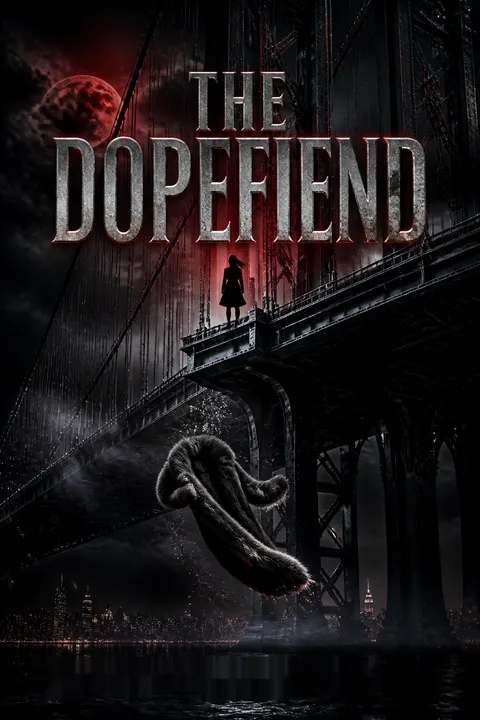
On a winter night, Hazel Brown walks toward a bridge wearing a costly white mink over a black dress. She removes her shoes and coat, studies the needle scars on her arm, and watches Apple nearby, absorbed in a street mime.
The water below seems to offer silence from the pain she has carried. Hazel steps onto the icy rail, spreads her arms, and falls. The image opens her story as a flight toward freedom, though the events that bring her there remain hidden.
The bridge scene gives the story an ending-shaped beginning. Hazel’s fine clothes and careful balance sit beside the evidence of addiction on her skin, making escape look both glamorous and ruinous. Apple’s presence is especially charged: he is near enough to share the scene but too distracted to notice her danger. The mime’s silent performance also echoes Hazel’s life, in which other people repeatedly fail to see what she is enduring. By withholding the causes of the fall, the prologue turns the ensuing story into a search for how a young woman came to mistake oblivion for release.
Rico’s Dope Goes Missing
In Flint, Hazel and Millie, the older addict who has become her closest companion, rob sixteen-year-old dealer Rico at a dope house. Millie holds him at knifepoint with a syringe while Hazel takes heroin, cash, and his gun. They flee through the snow and use the drugs at a boarded-up house, but Hazel nods off before they can enjoy their stolen freedom.
Rico tracks them down and fires as they escape. Seven, Hazel’s father’s protégé and a powerful local dealer, arrives before the danger passes. He pays Rico back for the stolen product and refuses to let him threaten Hazel. Then Seven insists she come with him to visit her imprisoned father, Apple.
The opening robbery shows addiction operating as both motive and trap. Hazel and Millie can plan a theft, evade an armed dealer, and secure heroin, yet the drug immediately incapacitates Hazel and leaves them vulnerable to pursuit. Seven’s intervention offers a different kind of control: he can settle Rico’s grievance with money and authority, but he also overrides Hazel’s wishes. The distinction between protection and coercion is present from the start. Hazel is not simply rescued into safety; she is pulled into the orbit of men who believe power gives them the right to decide what happens to her.
Apple’s Missing Years
On the drive to prison, Hazel’s memories reveal why seeing Apple is painful. When she was seven, she found her mother, Drena, dead from an overdose, and Apple took her in despite barely knowing how to parent. His girlfriend Tammy demanded that he choose between them, but Apple sent Tammy away and grew close to Hazel.
They counted drug money together, and he promised to leave the trade and take her to New York. Before he could, police arrested him with heroin in his car. Hazel’s life shifted among foster homes and detention. At the prison visit, she hides her addiction and lies about attending college. Apple sees through her condition, then asks Seven to protect her.
Apple’s history explains the contradiction at the heart of Hazel’s childhood: he gives her genuine affection inside a criminal world that he cannot or will not leave. Their rituals of counting money and dreaming about New York create family intimacy, but they also make the drug trade seem like a normal household activity. His arrest breaks the promised future without dissolving Hazel’s attachment to him. At the visit, her lie about school protects her from shame while confirming how far she has drifted. Apple’s plea transfers responsibility to Seven, making Hazel’s recovery depend on the same network of loyalty and power that helped shape her past.
The First Needle
Seven brings Hazel to his apartment and refuses to let her return to Millie, hoping to keep her away from heroin. As Hazel calms down, she explains how the addiction began. At sixteen, she was in a girls’ detention center after repeated thefts and unstable foster placements. Millie, then a young counselor who secretly used heroin, let Hazel try the drug while high herself.
Hazel recognized the scene from finding Drena after her overdose, yet still injected the remaining heroin. The rush became an escape she kept returning to. Seven listens without condemning her and says he will help. His girlfriend, GiGi, arrives, sees Hazel as a rival, and begins looking for a way to remove her from Seven’s home.
Hazel’s origin story refuses the easy explanation that she chose addiction through ignorance. She knows what the needle resembles because she has already encountered its consequences in her mother’s death. But familiarity does not protect her; it makes the drug feel like a route into a world she associates with adulthood and belonging. Millie’s role is doubly intimate, since she is both a trusted mentor and an adult failing in her duty of care. Seven’s willingness to listen gives Hazel a rare experience of being understood, while GiGi’s jealousy introduces another threat: the possibility that care can be mistaken for romantic competition.
The Stolen Television
When Seven leaves for Canada to buy heroin, Hazel’s withdrawal overwhelms her. She steals his television and trades it for a few packets of dope, then gets high with Millie. Seven finds her in his own drug house after a dealer tries to force himself on her. He strikes the man, takes Hazel home, and bans everyone from selling her heroin.
The next time she attempts rehab, she slips out of the center and returns to Millie. At a basement shooting gallery, an addict attacks them for their drugs. Hazel stabs him in the neck while defending Millie. Seven arrives, has the only witness killed, then separates Hazel from Millie and commits himself to keeping her in treatment.
This sequence makes the physical logic of dependence impossible to romanticize. Hazel knows Seven is trying to help, but withdrawal narrows her attention until a valuable television becomes merely a means to another dose. The stabbing marks a decisive shift: the drug-seeking life now places her in lethal violence, not just shame or financial betrayal. Seven’s response is protective and morally compromised at once. He gets Hazel out of the shooting gallery, yet orders a witness’s murder and exerts control through threats. His method may keep her alive in the moment, but it also recruits her recovery into the violent code of the street.
Sixty Days Clean
Seven puts his drug business in Rah’s hands and stays close while Hazel enters an eight-week recovery program. He watches her endure shaking, sweating, nightmares, and the urge to escape.
Hazel completes the program and receives a certificate, while Millie watches from the back of the room but leaves without speaking to her. Seven gives Hazel a blue Mercedes and asks her to remain at his apartment. Their closeness deepens into attraction, though both avoid naming it. He invites her on a yacht trip.
There, Hazel dances with Hassan, Seven’s wealthy supplier, until Seven joins her. GiGi confronts them; Seven ends the argument by tossing GiGi into the water. Soon afterward, Hassan privately offers to pay Seven for sexual access to Hazel, and Seven refuses.
Recovery gives Hazel evidence that her body and attention can belong to her again, but the achievement is only a beginning. Seven’s constant presence provides practical support while also making him the center of her new stability. Their attraction complicates that support: Hazel’s gratitude and love are real, yet they grow within a relationship shaped by debt to Apple and Seven’s authority over her daily life. The yacht trip makes those pressures visible. GiGi treats Hazel as a rival, while Hassan treats her as merchandise. Seven rejects Hassan’s offer, but the scene shows how easily men around Hazel convert her vulnerability into a question of possession.
A Door Left Open
After nearly six months clean, Hazel works at the rehabilitation center and misses Millie. She visits Millie at her apartment, finds her nodding with a needle in her arm, and helps her wake and wash despite the danger of renewing their bond. Millie agrees to seek treatment.
Hazel later brings her to Seven’s home while he is away, giving Millie access to the place he had told Hazel to keep private. Around the same period, Millie trades sex with Mouse, a south-side dealer, for heroin. Because Seven has cut Mouse off after a dispute over a short shipment, Mouse is eager to retaliate. Millie tells him Hazel lives with Seven, unknowingly giving him the opening he needs.
Hazel’s visit to Millie is an act of compassion shaped by the very attachment recovery asks her to manage carefully. She sees Millie not as a trigger but as family, and tries to offer her the support Seven offered her. That hope is sincere, but the visit also breaches a boundary Hazel has not fully understood: Seven’s home is both refuge and criminal safe house. Millie’s disclosure to Mouse is not presented as a deliberate plan against Hazel; addiction and the pursuit of a dose make information currency. The danger grows from ordinary acts of loyalty and survival, which is why the betrayal is so difficult for Hazel to recognize in time.
Mouse Breaks In
Mouse and an armed accomplice wait inside Seven’s apartment and attack when Seven and Hazel return from the yacht. Hazel is tied up in the bedroom while Seven fights the intruders. He kills the accomplice, but Mouse shoots him in the head and escapes. Seven survives surgery, though the wound leaves the left side of his body impaired.
At the hospital, he asks Hazel whether she revealed his address. She admits she brought Millie to the apartment. Seven sees that breach as the reason Mouse found him, and orders Rah to give Hazel money and leave her on a corner. Hazel refuses the cash and walks away, heartbroken and alone.
The attack turns Seven’s private sanctuary into evidence of how fragile his power really is. He survives because of violence, but the injury changes his body and, as he understands it, his capacity for compassion. Hazel’s mistake is real, yet it is not an intentional betrayal; Seven interprets it through the street’s unforgiving rule that access creates responsibility. His rejection therefore wounds her at the exact point where she has built her recovery around trust in him. Rather than allowing explanation or repair, he makes her leave. The emotional consequence is immediate: the support system that helped her become sober disappears in a single command.
The Dose Meant for Millie
Hazel carries her belongings to Millie’s apartment after Seven casts her out. Millie welcomes her, hiding that she has already accepted a packet from Rico at Rah’s direction. The heroin is laced with poison and intended for Millie, who had been blamed for exposing Seven’s address. When Millie leaves to buy ice cream, Hazel, crushed by Seven’s rejection, injects the packet she finds on the table.
The poison kills her. At the funeral, Apple arrives under guard and confronts Seven, believing his protégé’s failure to protect Hazel caused her death. He later gives Millie money and instructions to pursue revenge. Apple dies in prison soon afterward, overcome by grief. Millie is left with Hazel’s loss, her own guilt, and a mission.
Hazel’s death is produced by a cruel convergence rather than a single isolated choice. Seven’s abandonment leaves her emotionally unmoored; Millie’s relapse leaves poison within reach; and Rah’s punishment was meant for someone else. Hazel’s return to heroin does not erase the months she fought to stay clean. Instead, it exposes how recovery can be endangered when support is withdrawn at the moment of greatest need. Apple’s grief adds another generation to the chain of failed protection. His revenge order gives Millie a purpose, but it also turns sorrow into a task that can keep her attached to the same violent world that helped destroy Hazel.
Millie Returns to Baltimore
Millie begins pursuing revenge by killing Rico after he admits Rah gave him the poisoned packet. She visits Apple in prison, where he confirms the money he left for Hazel is hidden beneath the doghouse at his old house and urges Millie to use it against Seven. He also gives her a contact in the drug trade.
Before she can act, Apple dies of a heart attack, which Millie understands as grief. She retrieves the cash and heads back to Baltimore, where her past as a capable hustler resurfaces. A flashback reveals how Tical once rescued her from an abusive stepfather, helped her quit heroin, and taught her the trade. Three years later, Millie has rebuilt an operation and recruited Baby and Lovie.
Millie’s transformation begins with guilt but takes shape through skills she acquired before Hazel ever knew her. The hidden money gives her material power, while Tical’s remembered mentorship offers a model for how she once escaped addiction: someone saw her as more than a user and insisted on her survival. Yet Millie now returns to the same trade that nearly consumed her, using its discipline to pursue a personal vendetta. Her grief becomes organized and strategic. That can look like agency, but it also risks repeating the pattern in which the drug economy turns intimate loss into another reason to command, threaten, and kill.
Baltimore Takes Ohio
Millie’s crew follows Seven’s operation to Columbus, where he and Rah have expanded their heroin business and Seven keeps out of sight. Millie sends a stripper to gather information from Rah, then orders a drive-by that wounds dealers on Seven’s block. Baby approaches the young crew with money and an offer to join Millie instead.
When Rah comes to investigate, Seven’s own workers turn their weapons on him, and Millie’s people seize him. Millie tortures Rah for Seven’s location, but he refuses to talk. She then has Baby take Rah’s infant son and Toya, the child’s mother, as leverage. Faced with the threat to his family, Rah gives Millie Seven’s address and describes the security around the property.
Millie understands that Seven cannot be reached by confronting him directly, so she attacks the relationships and infrastructure that make his invisibility possible. Her recruitment offer works because Seven has treated his crew as replaceable, while Millie gives the young dealers immediate money and a sense of being valued. The escalation from block takeover to hostage-taking shows how quickly strategic pressure becomes intimate violence. Rah resists torture for himself, but the threat to his child breaks that resistance. His disclosure is not simple cowardice; it is a choice forced by the same protective loyalty that Seven and Millie have repeatedly used to bind people to them.
Rah’s Last Loyalty
Millie uses Rah’s information to strike at Seven’s operation. Rah is later found dead on the block he once controlled, and Toya is killed, though Millie spares their infant son and leaves him at a hospital. Seven buries Rah and Toya, then retreats as Millie takes over the Columbus territory.
He stops trying to collect the heroin he has already fronted and prepares to leave by yacht. Meanwhile, Millie believes she has placed explosive devices beneath Seven’s boat and plans to detonate them as revenge. Seven has been watching her crew through surveillance and knows about their operation. He begins turning her apparent advantage into a trap.
Rah’s death strips away the last relationship that made Seven’s power feel personal. Their bond rests on loyalty, shared criminal work, and an ethic of protecting one another, but Millie exploits that ethic by making Rah choose between silence and his family. Seven’s retreat is not merely a tactical loss; it is the collapse of the network through which he understood himself. Millie, meanwhile, mistakes control of territory and access to a target for control of the outcome. The surveillance detail reverses their positions: while she believes she is watching Seven, he has been studying her plans. Revenge has become a contest over who can see the other clearly.
The Detonator Turns
At a restaurant, Millie celebrates her apparent victory with Baby and her crew. She presses the detonator expecting Seven’s yacht to explode, but the blast instead tears through the cars carrying her people. Seven calls from the boat, revealing that he anticipated the plan. A takeout bag beside Millie contains heroin, and federal agents rush in to arrest her with the drugs as evidence.
Seven sails away with Rah’s infant son, whom he has taken responsibility for raising. The ending leaves Millie alive to face prosecution and loss, while Seven escapes the immediate attack. Neither has recovered Hazel: the final victory belongs to strategy, but the grief that started the conflict remains unresolved.
The climax reverses the novel’s central image of power. Millie has rebuilt herself as a strategist, yet her plan depends on the belief that she can make Seven’s death answer Hazel’s. He survives by anticipating her move and using her own operation to destroy her crew and expose her to arrest. His decision to raise Rah’s son is a concrete act of responsibility, though it cannot undo the violence that brought the child to him. Millie’s defeat is more than a failed assassination: it shows how revenge can reproduce the losses it claims to repair. Hazel remains the absence neither empire can fill.
Analysis
The novel links addiction to the social structures that surround it rather than treating it as an isolated failure of will. Hazel’s first exposure comes through a trusted adult, and her later recovery depends on sustained care from Seven and the people at Insight. Her sobriety is genuine, but it is not protected by a stable family or community. When Seven withdraws support after she makes a consequential mistake, the story shows how fragile progress can become when affection is conditional and shame replaces repair.
The book’s central relationships are shaped by competing forms of care. Apple loves Hazel but raises her inside the drug trade. Seven tries to save her but uses the same coercive methods that govern his criminal empire. Millie protects Hazel while also introducing her to heroin and later giving Mouse information that endangers her. These contradictions prevent any character from occupying a simple role as rescuer or villain. Their intentions matter, but so do the systems and habits through which they act.
The repeated movement of heroin from supplier to street and finally into Hazel’s body makes personal tragedy inseparable from commerce. Dealers measure loyalty in product and territory; addicts experience the same network as a daily bodily need. The poison intended for Millie demonstrates the system’s indifference to individual identity: the packet reaches Hazel because her grief and access place her in its path.
Millie’s revenge plot enlarges the story from one family’s loss to a contest over criminal power. She rebuilds herself through skills once taught by Tical, then uses those skills to attack Seven’s territory. Yet taking over his operation cannot restore Hazel. The final reversal, in which Millie’s own crew dies and she is arrested, refuses the idea that revenge can balance a death. Seven survives and accepts responsibility for Rah’s child, but his escape does not resolve his guilt. The ending leaves survival distinct from healing.
Review Summary
The Dopefiend receives mostly positive reviews, with readers praising its gripping storyline and character development. Many appreciate the realistic portrayal of drug addiction and its consequences. Some criticize inconsistencies in the plot and editing errors. Readers express emotional investment in characters like Hazel and Seven, while disliking Millie. The book's unexpected twists and turns keep readers engaged, though some find parts of the story predictable. Overall, fans of urban fiction and the author's previous work enjoy this intense, action-packed sequel.
People Also Read

Characters
Hazel Brown
The searching daughterHazel is Apple’s daughter, a young woman whose childhood is marked by her mother’s addiction, her father’s imprisonment, and years of unstable care. She is quick-witted and capable of tenderness, but heroin gradually narrows her choices until survival itself is organized around finding the next dose. Her relationship with Millie combines sisterly trust with the influence of an older mentor, while Seven offers the steadiness she has long lacked. Hazel’s capacity for attachment is both a strength and a vulnerability: she longs to believe that the people who love her can keep her safe. Her efforts to become sober show a real desire for a life beyond the streets, not simply a wish to please others.
Seven
The guarded kingpinSeven, born Fredrick, is Apple’s protégé and the powerful dealer who takes responsibility for Hazel. Apple once protected him from abuse and gave him a new name, so Seven’s loyalty to Apple shapes his choices long after Apple is imprisoned. Quiet, disciplined, and strategically minded, Seven treats self-control as both a survival skill and a measure of strength. He can provide Hazel with material security and sustained support, but his criminal worldview makes protection inseparable from authority and punishment. He is wary of emotional dependence, even as his attachment to Hazel grows. His story examines how a man can inherit care from a mentor yet remain caught in the violent logic of the trade that mentor taught him.
Millie
The compromised mentorMillie, whose full name is Milian Summers, is Hazel’s older friend and the first person to introduce her to heroin. She can be funny, fiercely protective, and perceptive about the damage addiction causes, but she cannot consistently act on what she knows. Her bond with Hazel is maternal and sisterly, complicated by Millie’s shame over having helped start the habit. Millie’s past includes abuse, street prostitution, and a period of recovery under Tical’s guidance. She is resourceful enough to survive dangerous environments and skilled enough to build a criminal operation, yet those abilities can serve both self-preservation and destructive revenge. Her struggle is between the person who wants to protect Hazel and the addict and hustler she has learned to become.
Apple
Hazel’s absent fatherApple is Hazel’s father, a heroin trafficker who becomes her primary caregiver after Drena dies. He loves Hazel deeply and gives her a home, attention, and dreams of a different future, but he also brings her into the routines of his criminal life. Their closeness is genuine, though it is built around money counting, drug preparation, and stories of a New York escape he never manages to deliver. Apple also acts as a father figure to Seven, protecting him when he learns of the abuse in Seven’s home. He is a man divided between affection and ambition, aware that the trade is dangerous but slow to surrender the life it affords him.
Rah
Seven’s loyal lieutenantRah, also called Rah-Rah and known as Raheem, is Seven’s right-hand man, enforcer, and trusted partner in the drug business. He is practical, protective of Seven, and more socially direct than his quiet boss. Rah manages the street operation while Seven stays behind the scenes, making him the visible link between the organization and its dealers. His loyalty is deep, but his life beyond the business, including his relationship with Toya and their child, gives him vulnerabilities his enemies can exploit.
Mouse
The rival dealerMouse is a south-side dealer supplied by Seven, resentful of the unequal position their business arrangement gives him. When he believes Seven has shorted him and then refuses to make amends, Mouse treats the dispute as an insult to his status as much as a financial loss. His ambition and pride turn a commercial grievance into a violent attempt to take Seven’s product and standing. Millie’s access to information gives him an opportunity to strike.
GiGi
Seven’s jealous girlfriendGiGi is Seven’s girlfriend, an aspiring model who is used to holding his attention and resents Hazel’s place in his home. Her jealousy makes her search for evidence that Hazel is exploiting Seven’s loyalty to Apple. She briefly behaves warmly toward Hazel, but the friendliness is part of an effort to provoke a breach in their relationship. GiGi represents the insecurity that emerges when intimacy is treated as a contest for ownership.
Hassan
The powerful supplierHassan is Seven’s wealthy heroin supplier and a former business associate of Apple. He commands a lavish household and a large operation, and he rewards Seven’s years of reliable business by offering him a far larger shipment. His generosity is transactional rather than disinterested. At the yacht party, he treats Hazel as an asset Seven might sell, exposing how readily powerful men confuse money with consent.
Rico
The young dealerRico is a sixteen-year-old Flint dealer whom Hazel and Millie rob at the beginning of the story. His humiliation and anger make him a recurring presence in the drug economy around Hazel. He is also used by more powerful men to pass along dangerous product, showing how low-ranking dealers can become instruments of decisions made above them.
Tical
Millie’s former protectorTical is a Baltimore hustler who encounters Millie as a teenager while she is being exploited and using heroin. He recognizes her intelligence and vulnerability, protects her from her abusive stepfather, and helps her stop using. He later teaches her the drug trade, giving her both a path out of immediate danger and the skills that tie her future to the same world. His care is real, but it does not offer a clean escape from criminal life.
Baby
Millie’s street captainBaby is Millie’s trusted street captain and designated killer in Baltimore. He is disciplined, loyal, and committed to the crew Millie builds. His relationship with Millie begins in the language of work and allegiance, but his devotion carries a tenderness that neither of them readily displays. He helps gather information and direct the operation that brings Millie into conflict with Seven.
Lovie
Millie’s young courierLovie is a seventeen-year-old courier Millie takes under her wing after finding her surviving through street work. She transports heroin between cities and learns the rules of Millie’s operation. Like Millie in her youth, Lovie is a young woman navigating a dangerous trade before she has many alternatives. Millie tries to shape her into a more careful version of herself.
Toya
Rah’s partnerToya is Rah’s partner and the mother of his infant son. Her relationship with Rah gives him a private life beyond his role as Seven’s lieutenant. Millie’s crew discovers that connection and uses it as leverage, making Toya and the child vulnerable to a conflict they did not create.
Dr. Young
Hazel’s recovery guideDr. Young runs the rehabilitation program Hazel enters. He provides structure and encouragement as she works through treatment, then helps her find employment at the center. His role offers a noncriminal form of support grounded in routine and professional care.
Drena
Hazel’s lost motherDrena is Hazel’s mother, whose heroin addiction shapes Hazel’s earliest memories. Hazel finds her after an overdose, an event that leaves the child acutely aware of the drug’s danger without shielding her from its pull.
Tammy
Apple’s jealous partnerTammy is Apple’s girlfriend when he takes Hazel into his home. Unable to have a child with him, she resents Hazel’s arrival and demands that Apple choose between them. Her ultimatum forces Apple to decide whether he will accept the responsibility he previously avoided.
Plot Devices
The white mink and mime
A memory of escapeThe mink begins as Apple’s gift to Hazel during the period when the two are closest. It represents the glamorous New York future he promises, and Hazel later imagines wearing it in the park with a mime nearby. The prologue and later memories return to these images at moments when Hazel’s actual life feels unbearable. Their function is not merely symbolic: the remembered coat and street performance shape the final scene in her mind, linking childhood hope to her desire to escape pain. The same images carry warmth and danger, since Apple’s love is inseparable from the criminal life that prevents him from keeping his promise.
Lady Luck heroin
The drug’s recurring lureLady Luck is a prized heroin brand distributed through Seven’s network and prized for its potency. It gives the drug economy a recognizable product, connecting Hazel’s cravings to Seven’s business, Mouse’s resentment, and the street-level dealers who sell to users. The packet’s ordinary packaging also conceals how little control addicts have over what enters their bodies. A poisoned dose meant for Millie ultimately reaches Hazel, turning a familiar object of craving into the mechanism of her death. The brand therefore links the novel’s intimate story of addiction to its larger system of supply, rivalry, and violence.
Insight rehabilitation
A fragile recovery structureInsight gives Hazel a concrete alternative to the dope houses and private promises that have shaped her life. Its eight-week program, group meetings, certificate, and later employment create a sequence of achievable steps rather than a sudden cure. Seven’s daily support helps Hazel complete the program, while Millie’s presence at the graduation shows how complicated it is to separate recovery from old attachments. The center also exposes the limits of treatment when the social conditions around a person remain unstable. Hazel’s sobriety is real, but it depends on continued connection, and the loss of that support becomes consequential.
Drug routes and territory
Power made visibleHeroin moves through suppliers, couriers, lieutenants, local crews, and individual users. Seven’s rise depends on controlling that chain while remaining less visible than the dealers on the corners. Millie eventually applies the same logic in reverse: she studies Seven’s workers, offers them money, and challenges his authority by taking over their block. The network makes business success measurable, but it also turns loyalty into a weakness because rivals can attack the people and places through which product flows. Territory is not just geography here. It is the structure that determines who can earn, who can use, and who can reach the person at the top.
Surveillance and detonator
A reversed ambushMillie’s final plan relies on surveillance of Seven and explosives planted near the yacht, making the detonator seem like the instrument that will complete her revenge. Seven’s security cameras let him observe the preparations and anticipate the attack. When Millie presses the button, the explosion strikes her own crew’s vehicles instead, and a bag of heroin exposes her to federal arrest. The device converts a private vendetta into a public defeat. It also completes the novel’s repeated pattern of mistaken control: each side believes it has secured the decisive advantage, only to discover that the other has anticipated the move.
The Dopeman Series
Download PDF
Download EPUB
.epub digital book format is ideal for reading ebooks on phones, tablets, and e-readers.








