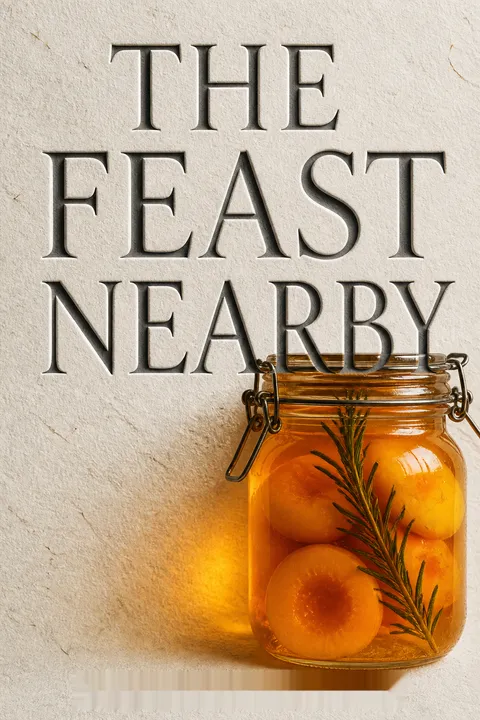


Key Takeaways
Use meaningful daily work to rebuild a life after sudden loss.
A life overturned. In April 2009, Robin Mather’s husband asked for a divorce. Within days, the Chicago Tribune laid her off. She retreated to a 650-square-foot cottage in Michigan with her dog and parrot, facing heartbreak and an uncertain freelance income. She set a strict food budget of $40 a week, but refused to treat eating well as a luxury she had to surrender.
Small acts restore agency. Familiar work gave structure to days that felt unmanageable: walking, cooking, learning to keep chickens, and finding nearby food producers. The project is not a claim that gardening or cooking cures grief. It shows how meaningful routines can help a person inhabit a changed life rather than wait for the old one to return.
The narrative makes recovery tangible without pretending it is tidy. A meal, a walk, or a useful task cannot undo bereavement, but each can restore a small measure of choice when larger circumstances feel uncontrollable. That distinction matters: the work is not a substitute for mourning, but a way to keep living while mourning. The book’s food focus also gives this recovery a material form. Rather than relying on an abstract promise of reinvention, it follows a person rebuilding daily competence, one practical decision at a time.
Support local growers and shops without turning eating local into a purity test.
Local means relationships. Mather directs much of her limited food budget to nearby growers, but does not require every purchase to be organic or locally grown. Coffee, chocolate, and olive oil do not grow in Michigan, and some nearby farmers cannot afford or choose not to pursue organic certification. She still buys from them because she wants to support the people growing food in her region.
Remember the whole food economy. A farm-stand owner points out that farmers’ markets compete with his business, which pays for utilities, staff, and property. Mather also buys Michigan-made Jiffy Mix and shops at locally owned grocers for foods the farmers’ market cannot supply. Her version of eating local includes producers, shops, and workers, not just mileage from farm to plate.
This is a useful correction to consumer movements that turn a complicated system into a badge of personal virtue. Mather asks what a purchase sustains, not merely how far it traveled or whether it meets one preferred label. Her conversation with the farm-stand owner is especially clarifying: a well-intended market can still overlook the businesses it affects. The approach does not make local goods automatically fair, safe, or sustainable. It does make room for informed compromise and attention to the people who keep a regional food system functioning.
A seasonal pantry makes a $40 weekly food budget less fragile.
Build reserves gradually. Mather’s $40 weekly budget covered all food, including coffee and spices. She spent carefully at markets, bought produce in season, and preserved extra food for winter. By Thanksgiving, once the pantry and freezer were stocked, her weekly grocery spending had fallen to about $15, usually for milk and a few missing ingredients. That shift depended on planning and accumulated supplies, not on a magical bargain list.
Plan around real meals. She wrote down the dishes she cooked often, then estimated how much she needed. Her rough monthly meat plan included about four pounds of chicken and four to six pounds each of beef or lamb and pork. Six hens eventually supplied more eggs than she could eat fresh, so she learned to freeze them. A reserve turns shopping into replenishment, rather than a weekly scramble.
The strongest lesson is that a budget is shaped by timing as much as by price. Buying tomatoes when they are abundant and using them months later changes when money leaves the household, while meal planning makes the stored food answer a real need. Yet the figures describe one person with a freezer, cooking experience, space to store supplies, and access to local producers. The plan is a model for deliberate household management, not proof that the same spending level is achievable for every family or living arrangement.
Preserve harvests in small batches, then deliberately eat what you stored.
Work with the harvest. Mather freezes, dries, and cans foods as they arrive, rather than trying to process an entire season’s supply at once. During asparagus season, she buys about three pounds a week, eats some fresh, and freezes the rest. When she has gathered enough, she makes pickles and freezes asparagus purée. The brief season becomes meals throughout the year, without pretending fresh asparagus is always available.
Storage needs a plan. She calculates what she actually uses, labels jars, rotates older food forward, and treats the pantry as a reserve to spend down before the next harvest. Blanching, a short heating step that slows quality loss before freezing, helps preserve vegetables. Low-acid foods such as green beans require pressure canning for safety. Preservation is useful only when the stored food is both safely prepared and eventually eaten.
Preserving is more than a technique for avoiding waste. It is a way to shift effort across the calendar: a little work during abundance buys flexibility when fresh produce disappears. Mather’s most practical insight is that storage without a consumption plan can become a museum of jars. The method also asks for time, equipment, and attention to food safety, so it is not effortless self-sufficiency. Its value lies in matching the scale of the work to the household’s actual appetite, rather than producing impressive quantities for their own sake.
Build cooking judgment so ordinary staples can become satisfying meals.
A stocked pantry creates options. Mather keeps basics such as beans, rice, pasta, eggs, broth, tomatoes, and onions, alongside seasonings that can steer a dish in different directions. When a planned meal depends on a missing ingredient, she changes course instead of making another shopping trip. Rice and beans can become Costa Rican gallo pinto; lentils, rice, and slowly browned onions become mujadara; leftover broth and filled pasta make a simple soup.
Understand how dishes work. Her mother taught her to substitute thoughtfully, use leftovers, and make dinner from a limited set of ingredients. The point is not to improvise blindly. Knowing which flavors belong together, how to cook beans, or how to turn leftovers into another meal makes recipes more flexible and reduces dependence on packaged convenience foods.
The book treats cooking knowledge as a form of practical independence. A recipe can guide a meal, but judgment lets a cook respond when the pantry, weather, or budget changes. This is a particularly durable skill because it survives the end of any one growing season. Still, confidence does not appear on command: Mather’s skill rests on years of cooking, research, and practice. The useful invitation is to build competence incrementally, not to blame people for relying on convenience when time, equipment, or energy is scarce.
Trade food, skills, and kindness to make neighbors part of your safety net.
Exchange creates connection. After Mather mentions missing the chickens she once kept, her neighbor Wally brings her chicks and supplies. Later, she gives him strawberry preserves and offers to knit a warm hat in exchange for vegetables from his garden. Another neighbor shows her a wild berry patch, and she returns with preserves. These are not formal transactions, but each exchange gives both people something useful and a reason to keep in touch.
Local food needs local infrastructure. Mather’s visits to Geukes Market introduce a small meat processor whose work makes nearby livestock available as packaged cuts. She describes the pressures that have closed many small processors and the loss this creates for local farmers and customers. A regional food system depends not only on growers, but also on processors, markets, and people willing to support them.
The exchanges show reciprocity as more than a warm feeling. A jar of preserves, a knitted hat, or help installing a stove can become part of the practical support that makes rural life workable. The processor story extends that insight from personal friendship to economic infrastructure: local food cannot reach a table if the businesses between farm and customer disappear. At the same time, a close-knit network can be uneven or unavailable to newcomers. The principle is not that community replaces public services, but that repeated, specific acts make interdependence visible.
Let seasons shape the menu instead of demanding the same foods all year.
Notice local signals. Mather uses natural events as a personal calendar: asparagus marks spring, moving turtles coincide with strawberries, and the first sumac leaves warn her that autumn is near. Asparagus has a harvest window of roughly six weeks in her region, so she enjoys some fresh and preserves the rest. Sweet corn, apples, and winter squash each arrive in their turn, asking for different cooking and storage plans.
Choose compromises consciously. Eating locally does not mean every ingredient can be nearby. Mather buys coffee from small growers in Chiapas and uses imported spices, while accepting that some seasonal foods will be absent for months. Rather than chase an identical menu through the year, she adapts meals to what is available and treats a brief season as part of the pleasure.
Seasonality changes the meaning of abundance. Instead of measuring success by constant access to every ingredient, Mather finds satisfaction in noticing when foods arrive and making them last in forms that suit winter cooking. Her nature-based cues are vivid and useful as local observations, not universal agricultural rules; conditions and growing calendars vary. The deeper shift is psychological: a temporary absence need not be treated as failure. This outlook can make limits feel chosen and intelligible, while leaving room for exceptions that serve taste, livelihood, or convenience.
Prepare before winter with preserved food, backup heat, and a workable plan.
Anticipation reduces fear. Mather worries that her aging oil furnace could fail, leaving her and her African Grey parrot without heat. With a friend’s help, she researches and installs a small woodstove, buys firewood, and learns to manage it. The project eases her anxiety because it addresses a specific risk rather than asking her to feel optimistic.
Test the preparations. A major blizzard later traps her at home, and the power goes out for a time. Her pantry supplies dinner, while the woodstove keeps the house warm and can continue cooking soup. She has also prepared food and water for her chickens and stocked firewood before the roads become impassable. Readiness does not eliminate winter’s hardships, but it gives her practical choices when travel and electricity are unreliable.
Preparedness here is not bunker fantasy. It is an ordinary sequence of noticing a vulnerability, asking for skilled help, and making a proportionate backup plan. The stove matters because it solves a real problem in a small, remote house, while preserved food reduces dependence on weekly shopping. The story also makes clear that readiness is partly social: a friend’s expertise and a supplier’s flexibility matter alongside supplies. Not every household can afford redundant equipment, so the transferable lesson is to identify the risks that matter most and prepare within available means.
A modest table can offer more wealth than an impressive room ever could.
Make rituals that fit. Mather once hosted elaborate dinners, but after losing her job and marriage she lives in a small, worn cottage. She chooses to host a neighbor’s family anyway, offering homemade bread, cheese, spiced pecans, a blueberry tart, yogurt, and homemade drinks. The room is cramped, the furnishings imperfect, and the evening becomes lively and warm. Her guests stay far longer than planned.
Give thanks deliberately. She also makes a solo Thanksgiving into a ritual: a meal prepared for herself, time to remember the year, and a book chosen for reflection. Local turkey, vegetables, fruit, and sausage connect the dinner to people she has come to know. For Mather, having enough to share, even when money is tight, is a more convincing measure of wealth than the scale or polish of her former entertaining.
The closing idea is grounded in a contrast between display and participation. Mather’s old dining room could hold more guests, but the smaller kitchen becomes a richer place because people feel welcome and contribute to its liveliness. Her solo holiday ritual makes the same point inwardly: care need not wait for an audience. There is a risk in romanticizing scarcity, since modest surroundings and home cooking can involve hard labor. Still, the story refuses to equate hospitality with spending, perfection, or the performance of a life that no longer exists.
Analysis
The Feast Nearby is a seasonal memoir, a practical food guide, and an argument about what counts as living well. Its structure follows a year of harvests, from maple sap and asparagus to tomatoes, apples, beans, and winter stores. That calendar gives the narrative a clear progression: a woman loses a career and marriage, builds a new routine, becomes more capable of feeding herself, and discovers that competence is strengthened by relationships. The food is never merely symbolic. It must be grown, bought, cooked, preserved, stored, and shared.
The book’s most compelling contribution is its broad definition of localism. Mather’s food choices are not a test of purity. They are an attempt to place money and attention into nearby farms, shops, and processing businesses while accepting that some goods must travel. Her account of a farm-stand owner’s concerns complicates the familiar image of farmers’ markets as an uncomplicated public good. Likewise, her reliance on a small meat processor shows that local agriculture depends on less visible infrastructure, not just conscientious consumers and charismatic farmers.
The memoir also makes self-reliance relational. Chickens, preserved food, and a woodstove matter, but so do Wally’s vegetables, a neighbor’s technical skill, and a supplier willing to wait for payment. This is resilience as a combination of stored resources, learned skills, and dependable human ties. It is not a universal recipe: Mather has a cottage, freezer, substantial cooking knowledge, and access to growers. Her $40 budget cannot be separated from those advantages or from the substantial labor of preservation.
Some of the book’s nutritional and food-system claims should be read more cautiously than its personal narrative. Anecdotes about health, particular production methods, or environmental benefit do not establish general conclusions, and local sourcing alone cannot guarantee fairness or lower impact. The enduring argument is less technical and more human: eating well can align daily choices with place, pleasure, and care, even when life has narrowed unexpectedly.
Review Summary
The Feast Nearby receives mixed reviews, with ratings ranging from 2-5 stars. Readers appreciate Mather's local food focus, seasonal recipes, and frugal living tips. Many find her writing engaging and enjoy the culinary journey. However, some criticize the lack of emotional depth and personal story development. The book is praised for its practical advice on eating locally on a budget, though some find it preachy or unrealistic. Overall, it's recommended for those interested in local food, simple living, and seasonal cooking.
People Also Read


Glossary
locavore
local-food-focused eaterA person who deliberately prioritizes food grown or produced near home. In Mather’s use, the term describes a practice of directing as much food spending as possible toward nearby growers and businesses, while allowing for exceptions such as coffee, chocolate, and olive oil that cannot be produced in her region.
hoop house
protected growing tunnelA tunnel-shaped growing structure that shelters crops and can use sunlight to create warmer conditions than the outdoors. Mather describes a Michigan grower using a solar-heated hoop house, with solar-powered vents, to bring early beets and other crops to market before ordinary field harvests begin.
blanching
brief heat treatmentA short cooking step, usually in boiling water or steam, used before freezing vegetables. The vegetables are heated until their color brightens, then cooled quickly. In Mather’s explanation, this interrupts enzyme activity that would otherwise reduce frozen food’s quality during storage.
pressure canner
high-temperature canning equipmentA sealed canning vessel that uses pressure to raise the temperature above the boiling point of water. Mather explains that this higher temperature is needed to safely process low-acid foods such as green beans and corn. A pressure canner is different from a pressure cooker, which she says should not be used for canning.
root cellar
cool produce storage spaceA cool, dark place used to store certain fruits and vegetables for extended periods without freezing them. Mather uses her cottage’s cool basement as a root cellar for apples, pears, potatoes, and onions, with different arrangements to reduce spoilage. A garage or a protected underground space can serve a similar purpose.
cream-top milk
unhomogenized milkMilk that has not been homogenized, so its cream naturally rises and collects at the top of the container. Mather buys cream-top milk from a nearby dairy and either shakes the container to mix the cream back in or saves the cream separately. The term describes the milk’s physical separation, not whether it is organic.
wild-crafting
gathering wild plantsThe practice of gathering edible or useful plants growing wild rather than cultivating them. Mather describes foraging for berries and recalls learning about wild foods from a botanist. She warns that identifying plants requires expertise, since dangerous species can resemble edible ones.
FAQ
What's The Feast Nearby about?
- Personal Journey: Robin Mather shares her story of resilience after losing her job and going through a divorce, retreating to a lakeside cottage in Michigan.
- Local Eating Focus: The book emphasizes the importance of eating locally and sustainably, detailing Mather's experiences with foraging, preserving, and bartering for food.
- Seasonal Structure: Each chapter is themed around the seasons, showcasing the foods available during that time and including recipes that reflect her commitment to local ingredients.
Why should I read The Feast Nearby?
- Inspiration for Simple Living: Mather's journey offers inspiration for those looking to simplify their lives and reconnect with nature.
- Practical Advice: The book provides practical tips on eating well on a budget, including methods for preserving food and sourcing local ingredients.
- Culinary Exploration: It offers a rich exploration of seasonal cooking and the pleasures of home-cooked meals, appealing to those interested in local food movements.
What are the key takeaways of The Feast Nearby?
- Value of Local Food: Mather highlights the importance of supporting local farmers, which benefits the community and enhances food quality.
- Resilience in Hard Times: The narrative illustrates finding joy and purpose even in difficult circumstances through creativity and resourcefulness.
- Connection to Nature: Mather's experiences underscore the connection between food, nature, and personal well-being, showcasing the positive impact of local eating.
What are the best quotes from The Feast Nearby and what do they mean?
- "Living well even in hard times." This quote encapsulates Mather's philosophy of finding joy despite challenges, emphasizing a positive outlook.
- "Eating locally requires, almost by definition, some compromises." It acknowledges the challenges of local eating but encourages embracing its complexities for greater benefits.
- "Having enough to share is one definition of wealth for me." This highlights the value of community and generosity, suggesting true wealth includes the ability to share.
How does Robin Mather eat on a budget in The Feast Nearby?
- Strict Budgeting: Mather limits her food spending to $40 a week, fostering creativity and resourcefulness in her cooking and sourcing.
- Foraging and Preserving: She forages for wild foods and preserves seasonal produce, saving money and connecting with the land.
- Bartering: Mather barters with local farmers and neighbors, exchanging homemade goods for fresh produce, fostering community relationships.
How does Mather incorporate seasonal eating in The Feast Nearby?
- Seasonal Chapters: The book is divided into seasonal chapters, focusing on foods available during each time, helping readers understand natural food rhythms.
- Recipes Reflecting Seasons: Mather shares recipes highlighting seasonal ingredients, encouraging readers to cook with fresh, local produce.
- Connection to Nature: Following the seasons deepens her connection to the natural world, teaching appreciation for the fleeting nature of certain foods.
What challenges does Mather face while living on a budget in The Feast Nearby?
- Limited Resources: Living in a remote area, Mather struggles with limited access to grocery stores, relying on local farmers and foraging.
- Emotional Struggles: The emotional toll of her divorce and job loss adds to her challenges, with cooking and connecting to her surroundings aiding her healing.
- Time-Consuming Practices: Foraging, preserving, and bartering require significant time and effort, but Mather finds joy in balancing these activities with daily life.
How does The Feast Nearby address the concept of sustainability?
- Eating Locally: Mather advocates for eating locally to reduce carbon footprints and support sustainable agriculture, emphasizing knowing food origins.
- Preservation Techniques: The book includes methods for preserving food, reducing waste, and extending seasonal produce life, promoting year-round sustainability.
- Community Engagement: Mather's interactions with local farmers and bartering practices highlight community importance in sustainable living.
What role do animals play in Mather's life in The Feast Nearby?
- Chickens for Eggs: Mather keeps chickens for eggs, providing protein and satisfaction from raising them herself.
- Pets as Companions: Her poodle, Boon, and parrot, Pippin, offer emotional support and companionship, aiding her healing process.
- Connection to Nature: Caring for animals deepens her connection to nature, reinforcing her commitment to sustainable living.
How does Mather’s background in food journalism influence The Feast Nearby?
- Culinary Knowledge: Her experience informs her understanding of cooking techniques and food sourcing, enhancing recipe quality.
- Storytelling Skills: Mather weaves personal narratives with culinary insights, making the book engaging and relatable.
- Advocacy for Local Foods: Her previous work advocating for local food systems shines through, encouraging readers to consider food choices' impact.
What preservation methods does Robin Mather discuss in The Feast Nearby?
- Canning: Mather provides detailed instructions on canning fruits and vegetables, emphasizing proper sterilization and processing for safety.
- Freezing: She discusses freezing benefits, sharing tips on preparing and storing items like vegetables and fruits for long-term use.
- Dehydrating: Mather explains dehydrating foods, highlighting nutritional benefits and easy storage, making them valuable pantry additions.
How does Mather’s experience with local food impact her life in The Feast Nearby?
- Sense of Community: Her commitment to local food fosters community, building relationships with farmers and food enthusiasts.
- Empowerment: Learning to grow, forage, and preserve food empowers Mather, allowing her to navigate challenges confidently.
- Sustainability: Her focus on local food practices promotes sustainability, reducing her carbon footprint and supporting eco-friendly farming.
Download PDF
Download EPUB
.epub digital book format is ideal for reading ebooks on phones, tablets, and e-readers.








