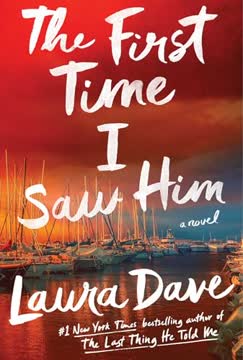
Plot Summary
Reunion in the Showroom
Hannah, now a successful furniture designer in Los Angeles, is exhausted after a long day at a design exhibition. She's waiting for her stepdaughter, Bailey, and Bailey's new boyfriend, when a man enters the showroom—shabby, tattooed, and unfamiliar except for the wedding ring Hannah herself crafted. It's Owen, her husband, who vanished nearly six years ago. Their brief, wordless exchange is electric and devastating, stirring up the pain of abandonment and the hope of reconciliation. Owen's cryptic farewell—"The could have been boys still love you"—leaves Hannah shaken, her world upended once more. The past, it seems, is never truly gone.
Ghosts in the Crowd
Owen, living under a new identity, has spent years watching Bailey grow up from afar, his only contact through her public social media. The pain of separation is constant, but necessary for their safety. After seeing Hannah, Owen glimpses Bailey in the crowd—older, changed, but still his daughter. He resists the urge to reach out, knowing the danger. His life is a series of calculated moves, always looking over his shoulder, haunted by the choices that forced him to disappear. The ache of love and regret propels him forward, even as he remains a ghost in the lives of those he loves most.
The Escape Protocol
A sudden warning—first a mysterious flash drive, then a fake gas leak and a text from Owen—forces Hannah into action. She and Bailey have rehearsed for this moment: escape routes, burner phones, coded messages. As men posing as utility workers close in, Hannah flees her home, her heart pounding with fear and adrenaline. Bailey, too, receives a frantic call from her uncle, confirming the threat is real. Both women enact their escape plans, leaving behind their lives and identities. The sense of being hunted is visceral, and the only certainty is that nowhere is safe.
Bailey on the Run
Bailey, now twenty-two and living in Venice Beach, is thrust into crisis. She destroys her phone, uses secret keys to slip out of her building, and drives a hidden car to a rendezvous point. The years of preparation with Hannah pay off, but the emotional toll is immense. Bailey's thoughts swirl with worry for her mother, confusion about her father, and grief for her grandfather, Nicholas, whose sudden death has triggered this new wave of danger. The bond between Hannah and Bailey, once fraught, is now their greatest strength as they navigate the unknown together.
Malibu Sanctuary
Hannah and Bailey reunite at a secluded Malibu beach house, a safe haven arranged through old friends. As they process the news of Nicholas's death—a man who became a surrogate father to Hannah and a beloved grandfather to Bailey—they realize the threat is larger than ever. The organization Nicholas once served is no longer honoring the deal that kept them safe. Hannah deciphers clues from Owen's flash drive, leading her to believe that their only hope lies in following a trail of coded messages and trusted allies. The sense of loss is profound, but survival demands focus and action.
The Death of Nicholas
Nicholas Bell's death is both a personal tragedy and a seismic shift in the balance of power. As news spreads, Hannah and Bailey grapple with grief and uncertainty. Nicholas had been their protector, negotiating their safety with the criminal organization he once served. His absence leaves them exposed, and the organization's new leaders—Frank's children, Quinn and Teddy—are ruthless and vengeful. The past, with all its secrets and betrayals, resurfaces, forcing Hannah to confront the reality that the only way forward is to face the organization head-on.
Flash Drive Clues
The flash drive Owen left for Hannah is filled with seemingly innocuous photo albums—family moments, old friends, and a marine compass. But hidden within are coded instructions, pointing to allies and escape routes. Hannah realizes that Owen and Nicholas have been working together, orchestrating a plan to secure their family's safety. The clues lead them north, away from Los Angeles, toward a rendezvous that promises both answers and new dangers. The drive becomes a lifeline, a testament to Owen's enduring love and his desperate hope for redemption.
Racing North
Hannah and Bailey embark on a tense road trip up the California coast, evading surveillance and following the trail Owen has set. Each stop is fraught with risk—gas stations, safe houses, and coded messages to trusted friends. The journey is both physical and emotional, as mother and daughter confront their shared history, their fears, and the possibility of a future together. The landscape shifts from sun-drenched beaches to misty mountains, mirroring their internal turmoil. The destination is uncertain, but the drive to survive—and to reunite with Owen—propels them forward.
Parisian Shadows
The trail leads Hannah and Bailey to Paris, where the stakes are higher and the shadows deeper. They navigate the city's labyrinthine streets, pursued by unseen threats and haunted by the past. Allies and enemies are indistinguishable, and every decision carries the weight of life and death. The city's beauty is a stark contrast to the danger lurking at every turn. In Paris, they are forced to confront not only the organization but also the unresolved tensions between them—love, anger, and the longing for closure.
The Picasso Rendezvous
At the Musée Picasso in Antibes, Bailey waits anxiously on a bench before a painting of Ulysses and the sirens—a symbol of temptation and fate. Owen appears, and the long-awaited reunion is both joyful and painful. Years of separation, fear, and longing collapse into a single moment. Their conversation is tentative, filled with unspoken apologies and the hope of forgiveness. The museum, a place of art and memory, becomes a sanctuary where the past can be acknowledged and the future imagined. The reunion is a turning point, offering the possibility of healing.
The Èze Confrontation
Hannah and Nicholas travel to Èze, a cliffside village in the South of France, for a final confrontation with Frank and his children. The setting is idyllic, but the atmosphere is charged with tension and danger. Armed with evidence of the organization's crimes, Nicholas and Hannah force a reckoning. The meeting is a high-stakes negotiation, with lives and futures hanging in the balance. Old loyalties are tested, and the true cost of survival becomes clear. The confrontation is both a battle and a plea for mercy, as the characters grapple with the consequences of their choices.
The Family Bargain
Nicholas presents Frank with irrefutable evidence of the organization's crimes, leveraging it to secure Hannah, Bailey, and Owen's safety. The negotiation is brutal—threats, violence, and the ever-present risk of betrayal. Frank's children, Quinn and Teddy, are forced to accept the terms, but not without demanding a sacrifice. Nicholas, wounded but resolute, ensures that the next generation will not be hunted. The bargain is bittersweet, offering freedom at the cost of personal loss. The family's fate is rewritten, but the scars remain.
Sacrifice and Salvation
Nicholas, gravely injured in the confrontation, orchestrates his own disappearance to protect those he loves. He entrusts Hannah and Bailey to Owen, knowing that his own safety is forfeit. The act is both a sacrifice and a salvation, allowing the family to escape the cycle of violence and fear. Nicholas's legacy is one of courage, love, and the willingness to pay any price for his family's future. His departure is mourned, but his gift endures—a chance for Hannah, Bailey, and Owen to build a new life.
The Vineyard's Promise
With the threat behind them, Hannah, Bailey, and Owen settle in a quiet vineyard in California. The land, once a dream, becomes a reality—a place to heal, to create, and to love. Owen's skills as a winemaker and Hannah's artistry find new expression, while Bailey pursues her passion for music. The vineyard is both a sanctuary and a symbol of renewal, a testament to the power of hope and the possibility of redemption. The family, fractured by loss and betrayal, begins to mend.
Forgiveness and Farewell
The journey ends not with vengeance, but with forgiveness. Hannah and Owen confront the pain of the past, acknowledging the wounds and choosing to let go. Bailey, too, finds peace, accepting the complexities of her family and the sacrifices made for her. The farewells are poignant—Nicholas's absence is felt, but his love remains a guiding force. The family's story is one of survival, but also of grace—the ability to forgive, to hope, and to begin again.
Home on the Water
On a quiet boat in the Mediterranean, Hannah, Bailey, and Owen are finally together. The water, once a symbol of escape and uncertainty, now represents home and belonging. As dawn breaks, they look toward the future—uncertain, but theirs to shape. The journey has been perilous, marked by loss and fear, but also by love and resilience. The family, once scattered and broken, is whole again, ready to chart a new course together.
Characters
Hannah Hall
Hannah is the emotional core of the story—a woman shaped by loss, betrayal, and the relentless need to protect her family. Once an outsider to Owen and Bailey's world, she has become Bailey's true mother, forging a bond through shared trauma and unwavering love. Hannah's psyche is marked by vigilance and self-doubt, but also by resilience and creativity. Her journey is one of transformation: from abandoned wife to resourceful guardian, from grieving partner to architect of her own fate. Her relationship with Owen is complex—defined by love, anger, and the struggle to forgive. With Bailey, she is both mentor and confidante, their connection deepened by adversity. Hannah's arc is about reclaiming agency, learning to trust, and ultimately choosing hope over fear.
Owen Michaels (Ethan Young)
Owen is a man living in the shadows, defined by guilt and the desperate need to keep his family safe. His disappearance is both an act of love and a source of enduring pain. Owen's psyche is fractured—torn between longing for connection and the necessity of isolation. He is resourceful, intelligent, and deeply moral, but burdened by the consequences of his choices. His relationship with Hannah is marked by regret and devotion; with Bailey, by a fierce, almost sacred paternal love. Owen's development is a journey toward redemption—risking everything to reunite with his family, even as he knows he may never be forgiven. His ultimate act is one of selflessness, orchestrating a plan that offers his loved ones a chance at freedom and peace.
Bailey Michaels
Bailey is the story's emotional barometer—a young woman forced to grow up too soon, shaped by abandonment and the constant threat of danger. Her relationship with Hannah evolves from suspicion to deep trust, forged in the crucible of shared survival. With Owen, Bailey's longing for her father is a source of both strength and vulnerability. She is creative, ambitious, and fiercely independent, yet haunted by the losses that define her. Bailey's arc is about reclaiming agency, embracing her identity, and learning to forgive—not just her father, but herself. Her journey is a testament to the power of love, resilience, and the possibility of healing.
Nicholas Bell
Nicholas is both a source of danger and a shield—a man whose past in organized crime casts a long shadow over his family. His love for Bailey and Hannah is redemptive, driving him to broker their safety at great personal cost. Nicholas is psychologically complex: burdened by guilt over his daughter's death, haunted by the choices that led him into the organization, and ultimately willing to sacrifice himself for those he loves. His relationship with Frank is fraught with loyalty and betrayal; with Hannah and Bailey, it is paternal and deeply affectionate. Nicholas's arc is one of atonement, culminating in a final act of self-sacrifice that secures his family's future.
Frank Campano Pointe II
Frank is the enigmatic head of the organization—a man who balances ruthlessness with genuine affection for his family and Nicholas. His psyche is marked by pragmatism, nostalgia, and a deep sense of responsibility. Frank's relationship with Nicholas is brotherly yet adversarial, defined by decades of shared secrets and mutual dependence. As he cedes power to his children, Frank's struggle is to maintain control and protect his legacy. His actions are driven by a complex mix of self-interest, loyalty, and regret. Frank's development is a meditation on power, mortality, and the limits of redemption.
Quinn Campano Pointe
Quinn is Frank's eldest child and the organization's new power broker. Her psyche is shaped by loss—her husband's imprisonment, her mother's death—and a burning need for control. Quinn's relationship with her siblings is competitive; with her father, fraught with expectation and disappointment. She is intelligent, strategic, and emotionally guarded, but her actions are often driven by unresolved grief and anger. Quinn's arc is about confronting the cost of vengeance and the possibility of change, even as she clings to the past.
Teddy Campano Pointe
Teddy is Frank's son, desperate for approval and power. His psyche is marked by insecurity, masked by bravado and cruelty. Teddy's relationship with Quinn is competitive; with Frank, it is a constant quest for validation. He is impulsive, reckless, and often the catalyst for violence. Teddy's development is a cautionary tale about the dangers of unchecked ambition and the corrosive effects of legacy.
Jules
Jules is Hannah's best friend and confidante—a journalist whose resourcefulness and loyalty are invaluable. She provides emotional support, practical assistance, and a grounding presence amid chaos. Jules's psyche is marked by empathy and a clear-eyed understanding of danger. Her relationship with Hannah is sisterly, defined by trust and shared history. Jules's role is to remind Hannah of her strength and to offer a lifeline when all seems lost.
Seth
Seth is Nicholas's longtime bodyguard, a figure of quiet strength and unwavering loyalty. His psyche is shaped by duty and a deep sense of responsibility. Seth's relationship with Nicholas is one of mutual respect; with Hannah and Bailey, he is a protector and silent witness. Seth's development is subtle but crucial—his presence offers safety and stability in a world of uncertainty.
Shep
Shep is a minor but significant character—a reminder of the life Bailey might have had in a world without danger. His presence highlights Bailey's longing for normalcy and the sacrifices she has made. Shep's psyche is uncomplicated, marked by genuine affection and a desire to impress. His relationship with Bailey is new and tentative, offering a glimpse of hope and the possibility of a future beyond fear.
Plot Devices
Dual Timelines and Shifting Perspectives
The novel employs a dual timeline structure, alternating between the immediate crisis and flashbacks that illuminate the characters' histories and motivations. This device deepens suspense, gradually revealing the secrets that bind and threaten the family. Shifting perspectives—primarily between Hannah, Owen, and Bailey—allow readers to experience the emotional stakes from multiple angles, fostering empathy and tension. The structure mirrors the characters' psychological fragmentation, as past traumas and present dangers collide.
Coded Messages and Symbolic Objects
Owen's flash drive, filled with seemingly innocuous photos and a marine compass, serves as a central plot device. The coded messages embedded within guide Hannah and Bailey's escape, linking the past to the present and revealing Owen's enduring love. Symbolic objects—wedding rings, boats, and family heirlooms—anchor the characters' identities and relationships, providing both comfort and peril. These devices heighten the sense of mystery and underscore the theme of hidden truths.
Foreshadowing and Repetition
The narrative is rich with foreshadowing—cryptic warnings, recurring motifs, and repeated phrases ("The could have been boys still love you")—that build suspense and emotional resonance. The repetition of key moments (reunions, departures, acts of sacrifice) creates a sense of inevitability, emphasizing the cyclical nature of trauma and healing. This device reinforces the idea that the past is never truly past, and that redemption requires confronting what has been lost.
High-Stakes Negotiation and Moral Ambiguity
The central conflict revolves around a high-stakes negotiation with the criminal organization, forcing characters to navigate moral gray areas. The use of blackmail, threats, and strategic alliances blurs the line between right and wrong, challenging readers to question the cost of survival. The negotiation scenes are tense and psychologically complex, revealing the characters' strengths, vulnerabilities, and capacity for both mercy and ruthlessness.
Thematic Use of Setting
Settings—Los Angeles, Malibu, Paris, Èze, and the California vineyard—are more than backdrops; they reflect the characters' emotional states and the story's shifting tone. The ocean and boats symbolize both escape and homecoming, while the vineyard represents renewal and the possibility of peace. The movement from urban chaos to rural tranquility mirrors the journey from fear to hope, grounding the narrative in a sense of place and possibility.
Analysis
The First Time I Saw Him is a gripping exploration of what it means to protect, forgive, and ultimately reclaim one's life after trauma. Laura Dave crafts a narrative that is both a thriller and a family drama, using the conventions of suspense to probe deeper questions of identity, loyalty, and redemption. The novel interrogates the legacy of violence—how the sins of the past reverberate through generations, and how love can both wound and heal. At its heart, the story is about the choices we make for those we love: the sacrifices, the betrayals, and the hope that, even after unimaginable loss, it is possible to begin again. Through its nuanced characters and intricate plot, the book invites readers to consider the limits of forgiveness, the power of agency, and the enduring strength of family. In a world where safety is never guaranteed, The First Time I Saw Him offers a hard-won vision of grace—a reminder that, while we cannot change the past, we can choose how we move forward, together.
Last updated:
Review Summary
The First Time I Saw Him continues Hannah, Owen, and Bailey's story immediately after the first novel ends. Reviews praise the fast-paced, action-packed narrative that moves from Los Angeles to Europe as Hannah and Bailey flee danger when Owen reappears after five years. Readers appreciated the multiple POVs, dual timelines, and emotional depth exploring family bonds and forgiveness. Most found it a worthy, thrilling sequel with satisfying closure, though some felt it lacked the emotional resonance of the original. The ensemble cast, particularly Nicholas, received strong praise. Reviewers emphasize reading both books in order for full impact.