Plot Summary
Thieves, Kings, and Orphans
In the shadowed streets of White London, a young thief named Kosika survives by her wits and hunger, slipping through cracks both literal and societal. Her world is one of scarcity and danger, ruled by the memory of tyrants and the hope of something better. When she stumbles upon a dead king in the Silver Wood, her fate is set on a collision course with power. Meanwhile, in Red London, the merchant's son dreams of heroism, and the city's rulers—King Rhy, consort Alucard, and the absent Antari Kell—struggle to hold together a fragile peace. The world is full of broken things and broken people, each searching for meaning, safety, or simply their next meal. The stage is set for magic to return, for old wounds to open, and for new legends to be born.
The Awakening of Power
Kosika's world changes as magic, long dormant, begins to awaken in the children of White London. The city, once starved of power, now sees sparks in the hands of its youth, while adults look on with envy and fear. Kosika herself waits, longing for her own gift, even as she navigates betrayal at home and the predations of those who would sell her for a handful of coins. Her friendship with Lark, another child touched by magic, becomes her anchor. The city's new king, Holland, is a distant, mythic figure, but his presence is felt in every thawed river and every child's fevered awakening. The fragile threads of power begin to bind Kosika's fate to the city's future.
Rebellion's Quiet Spark
In Red London, the merchant's son is seduced by the promise of change, drawn into the Hand, a secretive rebel group convinced that the king's lack of magic is poisoning the empire. The Hand's rhetoric is seductive, their plans dangerous, and the merchant's son, hungry for purpose, becomes a willing pawn. Meanwhile, the city's elite—nobles, spies, and pleasure garden hosts—trade secrets and favors, all while the true threat grows in the shadows. The Hand's reach is long, their methods ruthless, and their leaders hidden behind masks and brands. The seeds of revolution are sown, watered by fear and the promise of a better world.
The Tinker and the Threads
Tesali "Tes" Ranek, a runaway with a rare gift, makes her living in Red London as a fixer of broken magic. She sees the world in threads—lines of power that she can mend, pluck, or unravel. Hiding behind the fiction of "Master Haskin," she repairs trinkets and talismans for the city's desperate and dangerous alike. Her only companion is Vares, a dead owl animated by her craft. Tes's talent is both blessing and curse, drawing the attention of those who would use her for their own ends. When a dying thief brings her a broken persalis—a device that can open doors through space—Tes is thrust into a web of intrigue, hunted by assassins and rebels alike.
The Floating Market Heist
The Hand's plot takes shape as three thieves, including the merchant's son, attempt to steal the persalis from the legendary Ferase Stras, a floating market of forbidden magic. The heist is a disaster—betrayal, violence, and magic gone awry leave most of the thieves dead, the persalis broken, and the merchant's son fleeing for his life. The captain of the market, Maris Patrol, is left to mourn her losses and call in old debts. The persalis, now in pieces, finds its way to Tes's shop, setting off a chain of events that will threaten the balance of all Londons.
The Unkillable King
King Rhy Maresh of Red London is beloved and reviled, a monarch without magic in a world that worships it. His life is bound to his brother Kell's by a spell that makes him unkillable—at a terrible cost. Rhy's reign is haunted by the ghosts of his parents, the weight of expectation, and the ever-present threat of assassination. His consort, Alucard Emery, navigates court politics and personal demons, while their daughter Ren brings hope and vulnerability. The Hand's attempts on Rhy's life grow bolder, and the king's own doubts threaten to unravel the fragile peace he has built.
The Hand's Hidden Reach
The Hand's leaders move through the city's pleasure gardens and noble houses, plotting the downfall of the Maresh line. Berras Emery, Alucard's estranged brother, emerges as a key conspirator, driven by jealousy and a twisted sense of destiny. The Hand's plans hinge on the persalis, now being rebuilt by Tes under threat of death. The rebels' methods are brutal, their ideology a mask for personal vendettas and old wounds. As the city prepares for the Long Dark Night festival, the Hand's plot accelerates, drawing in allies and enemies alike.
The Antari's Broken Magic
Kell Maresh, once the world's most powerful Antari, is crippled by a wound in his magic—a pain that will not heal, a power that punishes him every time he tries to use it. Lila Bard, his partner in love and adventure, is both his fiercest defender and his harshest critic, unwilling to accept his resignation to suffering. Their relationship is tested by secrets, pride, and the ever-present threat of loss. Lila's own magic is formidable, but even she cannot mend what is broken in Kell—until Tes's unique gift offers a dangerous hope.
The Persalis and the Price
Tes is forced by the Hand to reconstruct the persalis, her life hanging in the balance. Poisoned and desperate, she crafts a device that is not what it seems—a door to nowhere, a trap for her tormentors. The cost is high: Tes is left dying, her body failing as the poison takes hold. Meanwhile, Lila and Kell race to save her, battling assassins and traitors in a crumbling house. The persalis's destruction unleashes a void, a wound in the world that threatens to consume everything. Only the combined power of the Antari—and the sacrifice of their own pain—can seal it.
The Veil and the Betrayal
The Hand's leaders gather at the Veil, a pleasure garden that serves as both sanctuary and staging ground. Lila infiltrates the gathering, only to be captured and tortured by Berras, who wields stolen magic through a device crafted by the queen. Alucard and Kell arrive in time to confront Berras, leading to a brutal showdown that exposes the true cost of ambition and the fragility of family. The Hand's plot is foiled, but not without loss—Berras is imprisoned, but the cracks in the world, and in the Maresh family, remain.
Doors Between Worlds
The use and abuse of the persalis has weakened the walls between worlds. In White London, Kosika and Holland sense the change—a crack in the fabric of reality, a threat to the fragile peace they have built. The temptation to rekindle the source of all magic, to restore their world's former glory, grows stronger. But the cost of such power is unknown, and the lessons of Black London's fall linger. The threads that bind the worlds are fraying, and the choices of a few will determine the fate of many.
The Saint and the Queen
Kosika, now queen of White London, is guided by the ghostly presence of Holland, the Someday King. Her reign is marked by ritual, sacrifice, and the constant struggle to balance devotion with pragmatism. The city's magic is both blessing and curse, its resurgence tied to blood and belief. Kosika's relationships—with Nasi, Lark, and the ever-present Holland—define her rule, even as she faces the threat of the walls' collapse and the lure of forbidden power. The line between saint and sovereign blurs, and the cost of leadership becomes ever more personal.
The Cost of Change
The aftermath of the Hand's failed coup leaves scars on the city and its rulers. Alucard confronts his brother in the palace dungeons, the weight of family history and personal loss pressing down on them both. The queen's own ambitions and inventions are revealed to be double-edged, her desire to protect her family leading to unintended consequences. Tes, now free, must choose between safety and purpose, her gift both a weapon and a responsibility. The world is remade by those willing to pay the price for change, but not all debts can be settled.
The Chains That Bind
The queen's invention—a chain that allows magic to be transferred between people—becomes both salvation and curse. Berras uses it to steal Lila's power, nearly killing her in the process. Kell and Lila, together, use the chain to seal the void left by the persalis, risking everything to save the city. The experience leaves Kell broken, trapped in pain, until Tes is called upon to mend the threads of his magic. The act is dangerous, the outcome uncertain, but the bonds of love, loyalty, and sacrifice prove stronger than any chain.
The Crack in the Walls
In White London, Kosika and Holland confront the growing crack in the walls between worlds. The temptation to rekindle the source of all magic is strong, but the lessons of the past—of Black London's ruin—are not easily forgotten. The cost of power, the danger of unchecked ambition, and the fragility of peace weigh heavily on the queen and her saint. The fate of all Londons hangs in the balance, as the choices of a few ripple outward, threatening to unravel the very fabric of reality.
Sacrifice and Restoration
Kell's magic is restored by Tes's careful mending, a risky act that could have cost both him and Rhy their lives. The city breathes a sigh of relief, but the scars of recent events remain. Lila, ever restless, sets sail once more, her bond with Kell stronger than ever. Tes finds a new home and purpose aboard the Ferase Stras, her gift finally valued for what it is. In White London, Kosika and Holland prepare to face the future, uncertain but united. The threads of power are fragile, but hope endures.
The End and the Beginning
The Hand is defeated, but the cracks in the world remain. The cost of power, the danger of ambition, and the burden of leadership linger in every corner of London. The characters—heroes, villains, and those in between—are forever changed by what they have lost and what they have gained. The story ends with the promise of new adventures, new dangers, and the enduring truth that magic, like life, is both fragile and resilient. The threads of power may be easily broken, but they can also be mended—if one is willing to pay the price.
Characters
Kosika
Kosika is the orphaned street thief who becomes the Antari queen of White London. Her journey is one of survival, longing, and the slow, painful awakening of power. Marked by her black eye and her connection to Holland, she is both a symbol of hope and a vessel for the city's magic. Her relationships—with Lark, Nasi, and the ghostly Holland—are fraught with love, jealousy, and the burden of leadership. Kosika's greatest struggle is balancing her own desires with the needs of her people, and her arc is defined by the tension between faith and agency, sacrifice and selfhood.
Tesali "Tes" Ranek
Tes is a runaway from Hanas with the rare ability to see and manipulate the threads of magic. Her life in Red London is one of constant hiding, her talent both a means of survival and a source of danger. Tes is fiercely independent, shaped by a childhood of neglect and the fear of being used or sold. Her only companion is Vares, a dead owl animated by her craft. Tes's journey is one of self-acceptance, as she learns to use her gift not just to fix objects, but to heal people—and, ultimately, herself. Her arc is one of transformation, from fugitive to valued apprentice, from victim to agent of change.
Lila Bard
Delilah Bard is the infamous Antari thief, pirate, and adventurer. Her defining traits are her hunger for freedom, her refusal to be caged, and her fierce loyalty to those she loves—especially Kell. Lila's relationship with magic is both intimate and adversarial; she wields it with skill but never lets it define her. Her psychological complexity lies in her fear of vulnerability, her struggle to accept love, and her constant need to test her own limits. Lila is both a catalyst and a disruptor, driving the plot forward with her boldness and her refusal to accept the world as it is.
Kell Maresh
Kell is the adopted Antari prince of Red London, once the world's most powerful magician, now crippled by a wound in his magic. His pain is both physical and existential, a constant reminder of his limitations and his responsibilities. Kell's relationship with Rhy is defined by love, guilt, and the burden of their magical bond. His partnership with Lila is both romantic and combative, each challenging the other to grow. Kell's arc is one of suffering, sacrifice, and, ultimately, restoration—his journey from brokenness to wholeness mirroring the healing of the world itself.
Rhy Maresh
Rhy is the charismatic, magicless king of Red London, beloved by his people but tormented by the knowledge that his life is bound to Kell's. His reign is marked by both compassion and insecurity, his desire to be a good king constantly undermined by self-doubt and the ever-present threat of rebellion. Rhy's relationships—with Alucard, Nadiya, Ren, and Kell—are the heart of his character, each revealing different facets of his personality. His arc is one of acceptance, as he learns to balance love and duty, vulnerability and strength.
Alucard Emery
Alucard is the king's consort, a nobleman, privateer, and triad magician. His outward charm masks deep wounds—family trauma, survivor's guilt, and the scars of past battles. Alucard's relationship with Rhy is both passionate and fraught, defined by love, loss, and the constant threat of political intrigue. His rivalry with his brother Berras is a source of both pain and motivation. Alucard's arc is one of reconciliation, as he confronts his past, defends his family, and learns to accept both his strengths and his limitations.
Berras Emery
Berras is Alucard's estranged brother and a key leader of the Hand. Driven by envy, resentment, and a twisted sense of destiny, Berras is both a victim and a perpetrator of violence. His psychological complexity lies in his need for validation, his inability to accept his own limitations, and his willingness to sacrifice anything—and anyone—for power. Berras's arc is one of self-destruction, his ambition ultimately leading to his downfall and the unraveling of the Hand's plot.
Maris Patrol
Maris is the enigmatic captain of the Ferase Stras, a floating market of forbidden magic. She is both wise and ruthless, her age and experience making her a formidable player in the world's power struggles. Maris's motivations are pragmatic—she values balance, order, and the careful stewardship of dangerous magic. Her relationship with Tes is one of mentorship, offering the girl both protection and purpose. Maris's arc is one of legacy, as she seeks to ensure that the world's most powerful artifacts are kept from those who would abuse them.
Holland Vosijk
Holland is the former king of White London, now a spectral presence guiding Kosika. His life was defined by suffering, sacrifice, and the burden of power. In death, he is both saint and shadow, his legacy shaping the city's future. Holland's relationship with Kosika is both paternal and haunting, his own regrets and hopes projected onto her reign. His arc is one of redemption, as he seeks to ensure that his mistakes are not repeated, and that the world he died to save is not lost to ambition or neglect.
Nadiya Loreni
Nadiya is the queen of Red London, a brilliant inventor whose desire to protect her family leads her to dangerous innovations. Her psychological complexity lies in her pragmatism, her willingness to make hard choices, and her struggle to balance love with ambition. Nadiya's relationships—with Rhy, Alucard, Ren, and Lila—are defined by both affection and conflict. Her arc is one of reckoning, as she confronts the unintended consequences of her actions and the limits of her own power.
Plot Devices
Interwoven Narratives and Multiple Londons
The novel employs a multi-threaded narrative, weaving together the stories of Kosika in White London, Tes in Red London, and the royal family's struggles with rebellion and magic. The use of multiple Londons—each with its own history, culture, and relationship to magic—serves as both setting and metaphor, highlighting the fragility of power and the interconnectedness of fate. The narrative structure allows for foreshadowing, dramatic irony, and the gradual revelation of secrets, as characters' choices in one world ripple across the others. The persalis, a device that can open doors through space (and, disastrously, between worlds), is the central plot device, its theft and misuse driving the action and threatening the balance of all Londons.
Magic as Metaphor and Mechanism
Magic in the novel is both a literal force and a metaphor for agency, trauma, and transformation. The ability to see and manipulate the threads of magic (as with Tes) is a symbol of both creativity and vulnerability, while the Antari's power is a double-edged sword—capable of healing and destruction, but always exacting a price. The chains that allow magic to be transferred between people serve as a metaphor for exploitation, consent, and the dangers of unchecked ambition. The recurring motif of doors—between rooms, worlds, and hearts—underscores the themes of connection, separation, and the risks inherent in crossing boundaries.
Foreshadowing, Echoes, and Cycles
The novel is rich in foreshadowing and echoes, with characters' choices mirroring those of their predecessors. The rise and fall of kings, the temptation to rekindle lost power, and the dangers of rebellion are all cyclical, each generation facing the same questions in new forms. The cracks in the walls between worlds are both literal and symbolic, a warning that the past is never truly gone, and that the cost of ignoring history is always high. The narrative's structure—moving from brokenness to mending, from loss to restoration—reinforces the idea that healing is possible, but never easy, and always incomplete.
Analysis
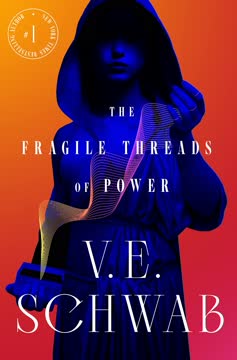
The Fragile Threads of Power is a sweeping, multi-layered fantasy that interrogates the nature of magic, leadership, and the human heart. At its core, the novel is about the tension between agency and fate, the desire to mend what is broken, and the dangers of unchecked ambition. Through its interwoven narratives and richly drawn characters, the book explores the psychological scars left by trauma—personal, familial, and societal—and the ways in which people seek to heal, control, or escape their pain. The Hand's rebellion is both a symptom and a cause of the world's instability, a reminder that the desire for change can be both noble and destructive. The novel's use of magic as both metaphor and mechanism allows for a nuanced exploration of consent, exploitation, and the ethics of power. Ultimately, The Fragile Threads of Power is a story about the fragility of hope, the resilience of love, and the enduring truth that every act of creation—whether mending a spell, healing a wound, or forging a new future—comes at a cost. The book's lessons are clear: power is never free, history is never past, and the threads that bind us—to each other, to our worlds, to ourselves—must be tended with care, courage, and humility.
Last updated:
Review Summary
The Fragile Threads of Power received mostly positive reviews, with readers praising Schwab's return to the Shades of Magic universe. Many appreciated the blend of familiar and new characters, intricate world-building, and engaging plot. Some critiqued the pacing and extensive use of flashbacks. Fans of the original trilogy were particularly excited to revisit beloved characters. While some felt the book could have focused more on new characters, overall, readers found it a satisfying continuation of the series and eagerly anticipate the next installment.