

Key Takeaways
Create good energy by restoring flow between your inner life and home
Connection is the premise. Whitehurst sees the home, body, thoughts, feelings, and unseen forces as parts of one connected field. In her vocabulary, “good” energy is energy that feels clear and moving; “bad” energy is often stagnant or trapped. She compares the difference to fresh water versus a neglected fountain: the water itself is not evil, but stagnation invites trouble. Clearing, blessing, and tending a space are ways to restore movement and harmony.
Readers need not accept this metaphysics as established fact to try its practices. The book invites direct experience, curiosity, and a willingness to question fixed assumptions about reality. Its central promise is practical: deliberate attention and action can change how a person relates to a home and to daily life.
The book’s strongest organizing idea is relational: a room is not merely a container, because people continually respond to its objects, light, memories, and patterns of use. Environmental psychology supports the modest version of this claim: surroundings can shape attention, stress, and behavior. The more expansive claim that all things share a literal energy field remains spiritual belief, not demonstrated fact. Holding those interpretations apart lets readers use the book’s metaphor without mistaking personal meaning for scientific evidence.
Let go of possessions that keep taxing attention without serving you
Clutter carries a relationship. Whitehurst argues that belongings can hold memories, obligations, and feelings, so an unwanted object can keep drawing attention long after it has stopped being useful. Her practical test is simple: keep what you love, use, or need; question what remains from guilt, old associations, unfinished intentions, or neglect. She names clothes that do not fit, gifts kept from obligation, broken objects nobody plans to repair, and décor that evokes a state of mind one does not want to revisit.
The task need not begin with an entire house. Choose one drawer, shelf, or other small zone, and build momentum from there. Physical cleaning matters too: dusting overlooked corners and washing neglected surfaces can make a space feel freshly attended to.
Decluttering is more than tidiness when it reduces the number of decisions and reminders competing for attention. Research on environmental distraction suggests that visual disorder can make concentration harder for some people, though clutter affects individuals differently. The useful principle is not to purge aggressively, but to notice which belongings impose recurring mental costs. A sentimental object can nourish rather than drain; the owner’s experience, not a universal rule about minimalism, should guide the choice.
Use ritual to mark a clean break after a home's difficult chapter
Space clearing makes change visible. Whitehurst uses this term for practices intended to refresh a physical space and establish a more positive atmosphere. She recommends clearing when moving in, after illness, conflict, a breakup, or a significant change in who lives there, as well as periodically to prevent a home from feeling stale. Her fuller rituals combine ordinary actions with focused intention: use sound to stir the space, let cleansing smoke move through it, and finish by naming the qualities the household wants to cultivate.
The exact tools are flexible. A rattle, clapping, sage, a water mist, a candle, or a quiet visualization can all serve as a focus. She also emphasizes practical preparation, such as opening windows when possible, attending to fire safety, and grounding oneself afterward.
A ritual can function as a behavioral transition: it gives people a concrete way to acknowledge that something has ended and to begin acting as though a new phase has started. The combination of movement, sound, scent, and spoken intention may make that transition more memorable than a private resolution alone. This does not establish that smoke removes an invisible force. Smoke can irritate lungs and trigger alarms, so ventilation, fire precautions, and smoke-free alternatives matter.
Clear and shield yourself as a five-minute daily reset
Personal care becomes repeatable. Whitehurst calls a daily clearing and protection routine “magical hygiene.” It is a brief practice of imagining unwanted heaviness leaving the body, grounding attention, and picturing a protective boundary around oneself. Her model of the “energetic body” is an invisible counterpart to the physical body, organized around seven chakras, or centers of energy. A visualization can move attention through these centers, connect the person to the earth and sky, and end with a shield of light.
The exercise is meant to take about five minutes once familiar. The book also suggests meditation, occasional sea-salt baths, hydration, and movement as parts of a broader routine. Its practical invitation is consistency without perfection: missing a day is not a reason to panic or abandon the practice.
The routine resembles mindfulness and guided imagery: both direct attention toward bodily sensations, breathing, and a chosen mental image. Those components can support relaxation for some people, without requiring belief in chakras or an aura. The book’s language may help practitioners make the exercise vivid, but it should not be read as medical instruction or as proof that illness results from energetic contamination. A simple grounding practice can complement, not replace, appropriate health care.
Ask for spiritual help in language that genuinely opens you
Prayer is personal here. Whitehurst’s “divine delegation” means asking for help from a conception of the sacred that feels meaningful, then remaining receptive to support. That might mean God, Goddess, the Universe, an angel, an animal guide, a saint, or another figure. She argues that no single name or inherited doctrine can capture the Divine, and encourages readers to keep what resonates and set aside what does not.
Her simple pattern is to ask for something intended for the good of everyone concerned, state the request in a personally convincing way, and trust that it has been heard. A prayer, image, visualization, or small altar can help focus attention. The author describes guides and helpers as allies, while also allowing that they may represent parts of one’s own consciousness.
The emphasis on spiritual choice makes the practice accessible across traditions and to people whose beliefs are still forming. In psychological terms, prayer can organize attention, clarify values, and provide a sense of companionship during uncertainty. These effects do not settle whether an external being is responding. A healthy version preserves agency: spiritual support should strengthen practical judgment and connection with others, not become a reason to surrender decisions or defer necessary action.
Meet reports of spirits with discernment, not fear or certainty
The unseen stays uncertain. Whitehurst uses “earthbound entities” for spirits she believes have not moved on from the physical world. She offers several possible explanations, including a trapped soul, a fragment of a person’s spirit, or an energetic imprint left by an intense event. She explicitly says she cannot know which account is literally true. In her framework, fear, attachment, or unfinished business may keep a spirit from moving toward the light.
The author says readers do not need to detect spirits to perform clearing practices, and that confidence, ordinary home care, and prayer may be enough for someone who shares her beliefs. She also advises seeking a reputable practitioner for severe concerns and psychological help for debilitating depression or other mental-health problems.
This is the book’s most important place to preserve uncertainty. Reports of a presence, unusual sounds, or a sudden mood shift can feel compelling, but they do not by themselves establish a spirit. Stress, grief, sleep disruption, environmental conditions, and expectation can also shape perception. The author’s own caution about not knowing the mechanism is valuable. Readers should avoid treating physical or mental-health symptoms as evidence of haunting, and should seek qualified help when distress persists.
Accept the present without surrendering your right to change it
Protection begins inside. Whitehurst recalls feeling drained during feng shui consultations until she noticed how much effort went into resisting what she saw. Accepting the present, in her account, freed attention for useful action. This is not meant to excuse mistreatment or declare painful circumstances desirable. It is a way to stop spending energy denying what is already happening, so that a person can respond more clearly.
For fear and worry, she suggests naming the feeling, handing it over in prayer if that fits, meditating, exercising, or repeating an affirmation. Her larger claim is that panic can narrow perception, while calm and confidence help preserve one’s sense of agency. The practical task is to distinguish acceptance of a fact from approval of it.
This distinction aligns with approaches that separate acceptance from resignation. Acknowledging reality can reduce the extra struggle created by denial, while values-based action still allows change. The idea needs a guardrail: telling someone that everything is unfolding perfectly can feel dismissive when they face abuse, illness, or injustice. Acceptance is most useful when it helps identify the next safe, effective step, not when it pressures someone to tolerate preventable harm.
Clear objects when their history keeps replaying in your present
Objects can cue memory. Whitehurst suggests that belongings may carry emotional associations, whether they were acquired secondhand, linked to a difficult period, or connected with an exploitative process. A bed shared with an ex-partner, for example, may repeatedly bring the old relationship to mind. Her response is to clean the item, expose it to sunlight when appropriate, and use smoke, prayer, or visualization to assign it a new meaning. Sometimes, she says, replacing the object is the better choice.
The point is not to treat every used object as dangerous. Whitehurst makes exceptions for items whose positive history is worth preserving, such as a cherished hand-me-down. The reader is encouraged to notice personal associations, then decide whether to keep, clean, reinterpret, donate, or discard the item.
An object can become a retrieval cue: encountering it brings a memory and its emotional tone back into awareness. That makes the author’s focus on association psychologically plausible, even if “stored energy” is not established. A ritual of cleaning or rearranging can help someone deliberately update an object’s meaning. At the same time, repeatedly cleansing harmless possessions can feed anxiety. The test should be whether the practice restores ease, not whether it produces certainty that no residue remains.
After clearing, give your home a specific emotional atmosphere to practice
A fresh space needs a direction. Whitehurst compares blessing a home to replacing an unwanted song in one’s head: merely removing what is unwelcome leaves a gap. A blessing fills that gap with an intended quality, such as calm, joy, creativity, health, or abundance. Her quick method is to picture a sphere of light encompassing the home and to focus on a word or image that represents the desired atmosphere.
More elaborate versions use candles, herbs, scent, music, food, or offerings. One household ritual, for instance, turns baking and sharing cookies into a chance to associate home with warmth and shared enjoyment. The ingredients are less important than the intention and the repeated experience that gives the desired quality a place in everyday life.
This approach turns an abstract wish into a sensory cue. A household that wants more calm might pair a brief visualization with a quieter evening routine; a wish for connection might become shared meals. The psychological leverage comes from linking intention to observable behavior, rather than from the color of a light or a particular herb. Ritual can help establish a mood, but it cannot substitute for addressing the practical sources of conflict, illness, or financial strain.
Keep your inner energy moving with habits you can actually repeat
Maintenance beats occasional rescue. Whitehurst treats spiritual practice as ongoing care for both people and places. She recommends spending time in nature, yoga or other conscious movement, breathing exercises, journaling, and noticing the beliefs that shape recurring problems. When a limiting belief appears, write it down, look for evidence against treating it as absolute, and consider a more accurate alternative. She also presents forgiveness as a process that should happen only when a person is ready, not as a demand to minimize injury.
Small, repeatable practices matter more than an elaborate schedule. A walk, a few minutes of reflection, or a regular home reset can help someone notice patterns and make intentional choices. The aim is not constant cheerfulness, but greater awareness of how thoughts and routines affect daily experience.
The chapter’s mix of movement, reflection, and nature keeps spiritual maintenance connected to ordinary life. Journaling can expose recurring assumptions; physical activity can shift mood; outdoor time can interrupt routine and broaden attention. These are plausible benefits, but the instruction to focus on positivity can become a burden if it implies that people create every hardship through thought. A sound reading treats mindset as one influence among many, alongside material conditions, relationships, health, and chance.
Analysis
The book’s distinctive move is to make housekeeping a spiritual practice and spirituality a form of housekeeping. Clutter, stale air, conflict, and worry are treated as different expressions of stuckness, while sound, cleaning, prayer, movement, and intention are offered as ways to restart flow. This gives the reader a memorable, usable sequence: notice what feels heavy, intervene through the body or the room, and deliberately establish a different tone.
Its practical and metaphysical claims, however, do not carry the same evidential weight. Cleaning, reducing unwanted possessions, taking reflective pauses, and creating meaningful rituals can change attention and behavior through familiar psychological mechanisms. Claims about chakras as literal energy centers, spirits attached to objects, or herbs altering an invisible field are presented as the author’s experience and worldview, not demonstrated findings. The book is most trustworthy when it invites experimentation without requiring certainty, and less so when it treats intuitive impressions as reliable diagnoses.
That distinction matters especially around fear. A reader who feels unsettled may benefit from fresh air, a less cluttered room, prayer, or a calming routine. But attributing depression, unusual sensations, or household problems to spirits could delay useful medical, psychological, or practical support. Whitehurst does include warnings against panic and recommends professional help in serious cases; a careful adaptation should make those safeguards central.
The book also reveals how ritual works as design. A candle, a spoken intention, and a repeated sequence create a boundary between ordinary time and a chosen reset. Such symbols may focus attention and make a commitment memorable even for a person who interprets them metaphorically. The strongest lesson is therefore not that every home contains invisible forces, but that places and habits shape experience, and that deliberate acts can help people reclaim a sense of agency. Spiritual language can deepen that process when it supports curiosity, compassion, and action rather than certainty, avoidance, or self-blame.
Review Summary
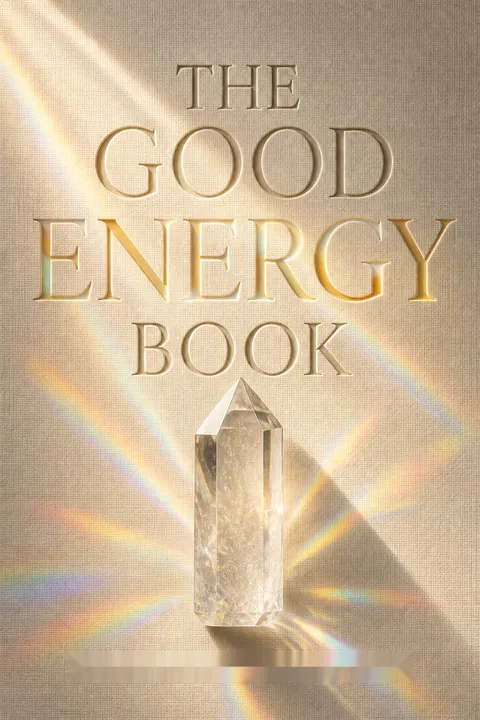
The Good Energy Book receives mostly positive reviews, with readers praising its practical advice on energy clearing and spiritual maintenance. Many find it helpful for creating a positive home environment and improving their lives. Some readers appreciate the author's positive tone and easy-to-understand explanations. However, a few reviewers feel the book is too basic or repetitive of the author's previous work. Overall, it's recommended for those interested in feng shui, energy work, and spiritual practices, especially beginners.
Glossary
Subtle realm
Invisible layer of experienceWhitehurst’s umbrella term for realities or energies she regards as underlying ordinary physical experience. She describes it as including a unified presence associated with love, along with less abstract patterns that may feel heavy, bright, stagnant, or lively. The term belongs to her spiritual framework; the book does not establish it as a scientific category.
Magical hygiene
Personal energy-care routineWhitehurst’s name for recurring practices intended to keep a person’s energy clear and protected. Her examples include visualization, grounding, shielding, meditation, and related self-care. The phrase frames these activities as routine maintenance, comparable to caring for the body, rather than as emergency measures used only when something feels wrong.
Energetic body
Spiritual counterpart to the bodyIn Whitehurst’s model, an invisible body that occupies and extends beyond the physical body. It contains chakras, described as centers of energy, and meridians, described as channels. The author believes it interacts with physical well-being and can be affected by people, places, and emotions. This is a metaphysical concept, not an established anatomical structure.
Space clearing
Ritual refresh for a spaceA set of practices intended to disperse stagnant energy and establish a more positive atmosphere in a home or other location. Whitehurst describes using sound, smoke, water, visualization, prayer, or other ritual tools. She recommends it after moving, illness, conflict, or other significant changes, and as periodic maintenance. The book attributes the term to Denise Linn.
Earthbound entities
Spirits believed to remain hereWhitehurst’s term for spirits she believes have not crossed into the light or otherwise moved on from the physical world. She proposes several possible explanations, including a trapped soul, a fragment of a deceased person, or an energetic imprint. She stresses that the phenomenon is uncertain and that readers need not detect entities to use her clearing practices.
Soul-fragment hypothesis
A fragment remains energetically stuckOne possible account Whitehurst offers for reports of earthbound entities. In this view, a portion of a deceased person’s spirit has moved on, while a substantial fragment remains attached to the physical plane. She compares this possibility with shamanic accounts of soul retrieval, in which a person’s lost or separated fragments are believed to be restored.
Divine delegation
Requesting sacred assistanceWhitehurst’s phrase for asking the Divine, or a spiritual helper, to assist with an intention. The person chooses a name and form of prayer that feels meaningful, asks for help aligned with the good of those concerned, and remains open to guidance. The practice reflects the author’s belief that spiritual support can amplify personal effort.
FAQ
What's "The Good Energy Book" about?
- Author's Background: Tess Whitehurst is an intuitive counselor, energy worker, and feng shui consultant, bringing her expertise in creating harmony and balance to this book.
- Core Concept: The book focuses on understanding and working with energy to create harmony and balance in one's life and home.
- Practical Guidance: It offers practical advice and rituals for clearing negative energy, protecting spaces, and enhancing positive vibrations.
- Holistic Approach: The book integrates various metaphysical practices, including meditation, feng shui, and energy work, to improve personal and environmental energy.
Why should I read "The Good Energy Book"?
- Improve Well-being: The book provides tools to transform fear and struggle into adventure and delight by working with energy.
- Practical Techniques: It offers actionable steps for clearing and protecting personal and home energy, making it accessible for beginners and experienced practitioners alike.
- Holistic Benefits: Readers can expect to enhance their spiritual, emotional, and physical well-being through the practices outlined.
- Empowerment: It empowers readers to take control of their energy and environment, fostering a sense of empowerment and self-mastery.
What are the key takeaways of "The Good Energy Book"?
- Interconnectedness of Energy: Everything is connected, and understanding this can help transform life conditions.
- Practical Energy Work: Techniques like space clearing, energetic protection, and blessing rituals are essential for maintaining positive energy.
- Personal Empowerment: By tuning into intuition and working with energy, individuals can create the life conditions they desire.
- Ongoing Practice: Energy work is an ongoing process that requires regular practice and maintenance for lasting benefits.
How does Tess Whitehurst define "energy" in "The Good Energy Book"?
- Unified Field of Love: Energy is described as a unified field of love that transcends duality and underlies everyday reality.
- Interconnectedness: Everything affects and interacts with everything else, emphasizing the interconnected nature of energy.
- Neutral Force: Energy itself is neutral but can appear as trapped or vibrant, affecting life conditions accordingly.
- Transformative Power: By consciously working with energy, individuals can transmute negativity into positivity.
What is the "Daily Self-Clearing Visualization" in "The Good Energy Book"?
- Purpose: This visualization is designed to clear and refresh the energetic body, removing negativity and enhancing vibrancy.
- Process: It involves visualizing a divine vacuum tube of light, grounding with earth light, and connecting with cosmic light.
- Chakra Activation: The exercise includes clearing and activating the seven main chakras with earth and cosmic light.
- Regular Practice: Tess Whitehurst recommends performing this visualization almost daily for optimal energetic health.
How does "The Good Energy Book" suggest protecting your energy?
- Daily Shielding Visualization: Visualize a sphere of bright white and indigo-violet light surrounding you, allowing only love to enter.
- Amulets and Talismans: Use items like mirrored pendants or white quartz crystals to enhance energetic protection.
- Special Visualizations: Techniques like the mirrored sphere or angelic bodyguard visualizations offer additional protection in challenging situations.
- Empowerment: The book emphasizes the importance of intention and focus in maintaining energetic boundaries.
What are the "Space Clearing" techniques in "The Good Energy Book"?
- Rituals and Tools: The book outlines rituals using tools like rattles, sage, and mist potions to clear spaces of negative energy.
- Thorough Rituals: Detailed instructions for comprehensive space-clearing rituals are provided for significant energetic shifts.
- Regular Maintenance: Tess Whitehurst suggests periodic clearings to maintain a positive and vibrant home environment.
- Elemental and Divine Assistance: The book incorporates elements and divine helpers to enhance the effectiveness of space clearing.
How does Tess Whitehurst address "Earthbound Entities" in "The Good Energy Book"?
- Understanding Entities: Earthbound entities are described as unhappy ghosts or energetic imprints that can affect spaces.
- Clearing Techniques: The book offers methods for clearing these entities, including calling on divine assistance and using specific rituals.
- Empowerment and Safety: Readers are assured of their divine protection and ultimate authority over their energetic domain.
- No Need for Fear: The book emphasizes that there is no need to fear or actively seek out entities to clear them effectively.
What is the "Fiery Wall Ritual" in "The Good Energy Book"?
- Purpose: This ritual is designed to create a powerful protective barrier around the home.
- Ingredients: It involves using olive oil, cayenne, garlic, and tealight candles to establish a fiery wall of protection.
- Process: The ritual includes anointing candles with the oil mixture and placing them around the home while invoking protection.
- Effectiveness: It is recommended for times when extra protection is needed or when feeling unsafe in the home.
What are the "Blessing and Fine-Tuning" methods in "The Good Energy Book"?
- Quick and Basic Method: Visualize a sphere of golden-white light encompassing the home, infused with positive intentions.
- Variations: Incorporate energetic envisionings or divine invocations to enhance the blessing process.
- Home-Blessing Rituals: The book provides detailed rituals using ingredients like rosemary and mint to bless and fine-tune spaces.
- Calling Good Spirits: Techniques for inviting benevolent spirits into the home to maintain positive energy are also included.
What are the best quotes from "The Good Energy Book" and what do they mean?
- "There is no separation between the seen and the unseen, form and spirit, and the known and the unknown." This quote emphasizes the interconnectedness of all things and the importance of recognizing this unity in energy work.
- "When we tune in to our intuition and embrace the connection between the seen and the unseen, we can absolutely, positively affect our life situation." It highlights the transformative power of intuition and energy work in shaping life conditions.
- "Everything is one unified field of energy." This statement underscores the book's central theme of interconnectedness and the neutral nature of energy.
- "You are an immensely spiritually powerful being." This quote is a reminder of personal empowerment and the ability to create desired conditions through focused intent.
How does "The Good Energy Book" integrate various metaphysical practices?
- Holistic Approach: The book combines meditation, feng shui, energy work, and other metaphysical practices to enhance well-being.
- Practical Techniques: It offers practical guidance on using these practices to clear, protect, and bless personal and home energy.
- Intuitive Development: Readers are encouraged to develop their intuition and spiritual power through regular practice and awareness.
- Empowerment and Balance: The integration of these practices aims to empower individuals to create harmony and balance in their lives.
About the Author
Other books by Tess Whitehurst
Download PDF
Download EPUB
.epub digital book format is ideal for reading ebooks on phones, tablets, and e-readers.








